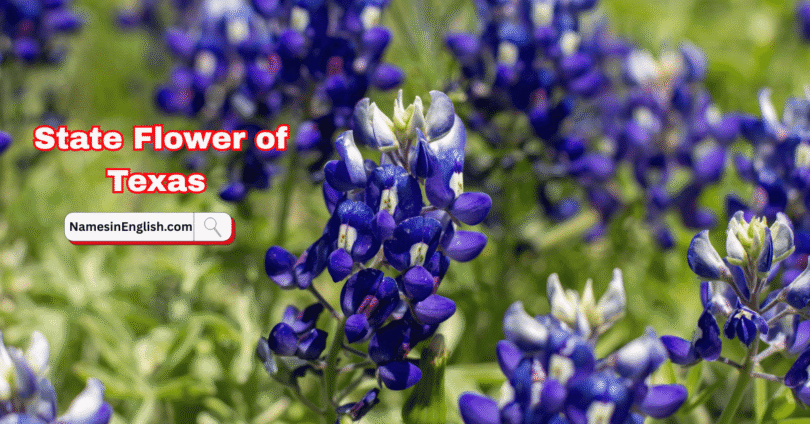

The Texas state flower is a beautiful symbol of the state’s natural beauty, history, and rich wildflower heritage. Chosen for its unique appearance and cultural importance, it represents the landscapes and traditions that make Texas special. Learning about state flowers is a great way to improve your English vocabulary while discovering interesting facts about U.S. state symbols. In this article, you will learn the Texas state flower with its name, pictures, and simple facts, helping kids, students, teachers, and English learners understand and remember this official state symbol with confidence.
What Is the Texas State Flower?
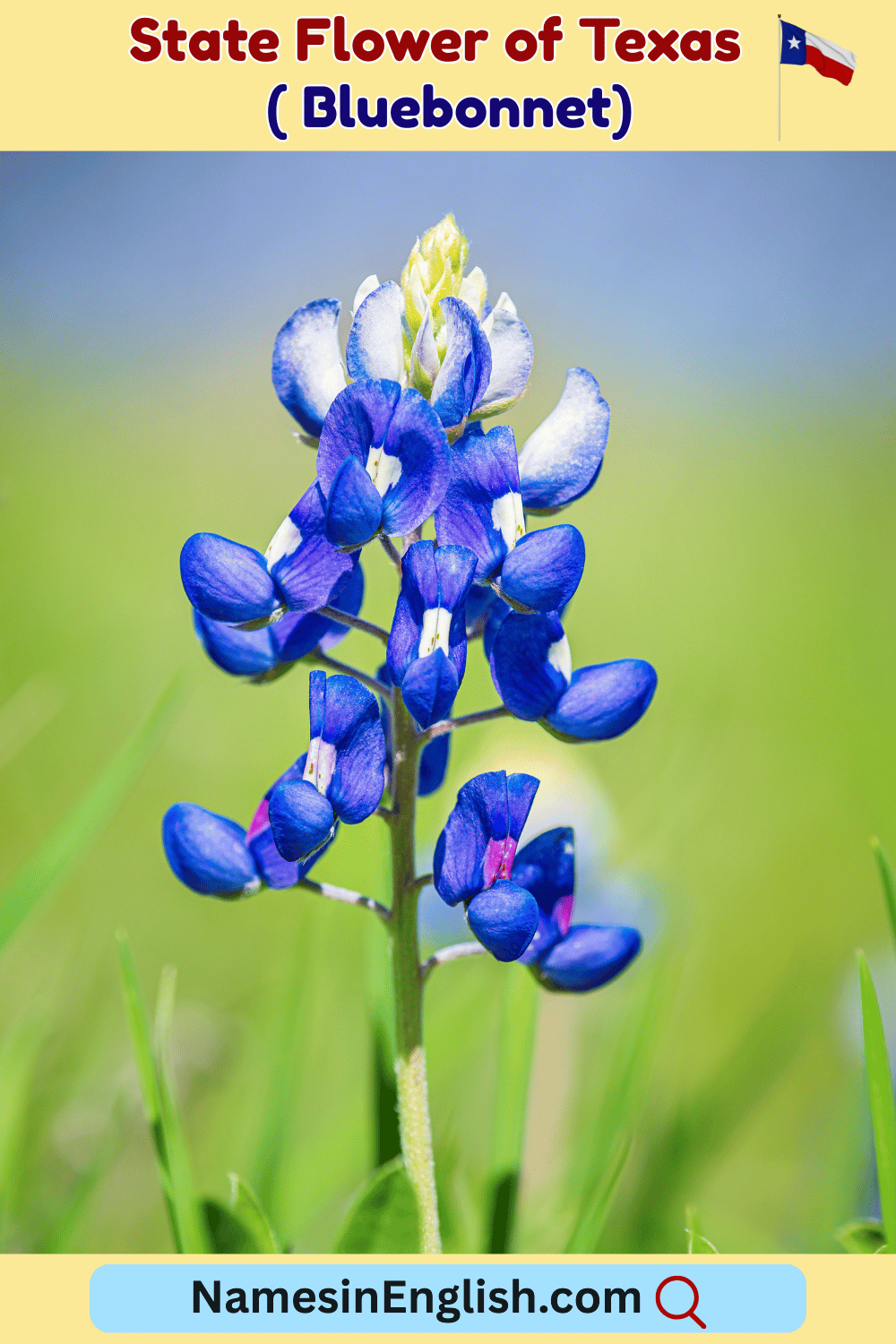
The official Texas State Flower is the Bluebonnet. It belongs to the Lupinus genus, a group of flowering plants known for their vibrant blue blossoms arranged in tall spikes. Originally, Texas recognized only one species of bluebonnet as its state flower. Today, all six native bluebonnet species found in Texas share the official title.
History of the Texas State Flower
The bluebonnet became the official Texas State Flower in 1901 when the Texas Legislature chose it as a state symbol. Lawmakers selected it over other flowers because of its beauty, abundance, and strong connection to Texas. In 1971, all native bluebonnet species were officially recognized as the Texas State Flower. This made the bluebonnet a lasting emblem of Texas pride and heritage.
Why Was the Bluebonnet Chosen?
The bluebonnet was chosen because it grows naturally across much of Texas and reflects the state’s wild beauty. Its bright blue blooms create striking spring landscapes, making it one of the most admired native flowers. Texans have long valued it as a symbol of the state’s natural identity and heritage.
What Does the Texas State Flower Symbolize?
The bluebonnet symbolizes Texas pride, strength, and resilience. It is also linked with hope, loyalty, natural beauty, and new beginnings. For many Texans, bluebonnet fields represent home, tradition, and the arrival of spring.
Scientific Name and Classification
- Common Name: Bluebonnet
- Scientific Name: Lupinus spp.
- Genus: Lupinus
- Family: Fabaceae (Legume family)
- Kingdom: Plantae
- Order: Fabales
- Native Region: Texas and the southern United States
What Does Bluebonnet Look Like?
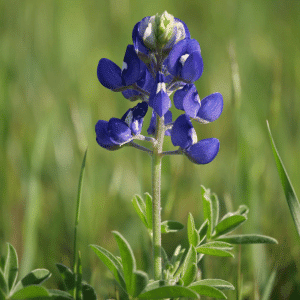
The bluebonnet is a striking wildflower with tall spikes covered in bright blue, pea-shaped blossoms that usually have small white tips. It grows on slender green stems with soft, fan-shaped leaves, creating a colorful display in open fields and along roadsides. During spring, large groups of blooming bluebonnets form the iconic blue landscapes that Texas is famous for.
Where Do Bluebonnets Grow?
Bluebonnets grow widely across Texas, especially in grasslands, roadsides, meadows, and prairies. They do best in well-drained soil, full sunlight, and mild spring weather. Central Texas is especially known for its beautiful bluebonnet displays in March and April.
Blooming Season
Bluebonnets usually bloom from late March through April, depending on rainfall and temperature. Their peak season brings photographers, families, and tourists to Texas wildflower trails. The blooming period is one of the most celebrated signs of spring in the state.
Growing Tips
- Soil: Well-drained, sandy or loamy soil
- Sun: Full sun (at least 6–8 hours daily)
- Water: Low to moderate; water sparingly once established
- USDA Hardiness Zone: 4–8
Bluebonnet in Texas Culture
The bluebonnet is a cherished symbol of Texas and is deeply woven into the state’s culture and traditions. Every spring, families visit bluebonnet fields for photos, while communities celebrate the season with festivals and events. The flower also appears in artwork, souvenirs, schools, and official state promotions, reflecting Texas pride.
Economic Importance
Bluebonnets contribute to Texas’s economy by supporting tourism, local businesses, and seasonal events. Wildflower festivals, photography tours, and souvenir sales generate income for many communities each spring. As a native plant, bluebonnets also help improve soil health by naturally adding nitrogen to the ground.
Tourism Value
Bluebonnet season attracts millions of visitors to Texas each year, especially during March and April. Scenic highways, parks, and wildflower trails become popular destinations for photographers and nature lovers. This seasonal tourism benefits hotels, restaurants, local shops, and outdoor recreation across the state.
Interesting Facts About the Bluebonnets Flower
- The bluebonnet became the Texas State Flower in 1901.
- Texas officially recognizes six native bluebonnet species.
- Bluebonnets belong to the legume family.
- Their seeds have a hard outer coating that helps them survive harsh conditions.
- Spring bluebonnet season attracts millions of visitors every year.
- White and pink bluebonnets occur naturally but are much less common than blue ones.
Name of State Flower of Texas
Learn More Helpful Articles