
The National Flower of Maldives, Finifenmaa (Rosa polyantha), is admired for its delicate beauty and its special place in the country’s cultural identity. Although the Maldives is best known for its turquoise waters and tropical islands, its national flower also reflects the nation’s appreciation for nature and elegance. Understanding the story behind this beautiful bloom offers a deeper look into Maldivian heritage and traditions. In this article, you’ll learn why the National Flower of Maldives was chosen, its symbolism, unique characteristics, cultural importance, and interesting facts that make Finifenmaa a cherished floral emblem.
What is the National Flower of Maldives?
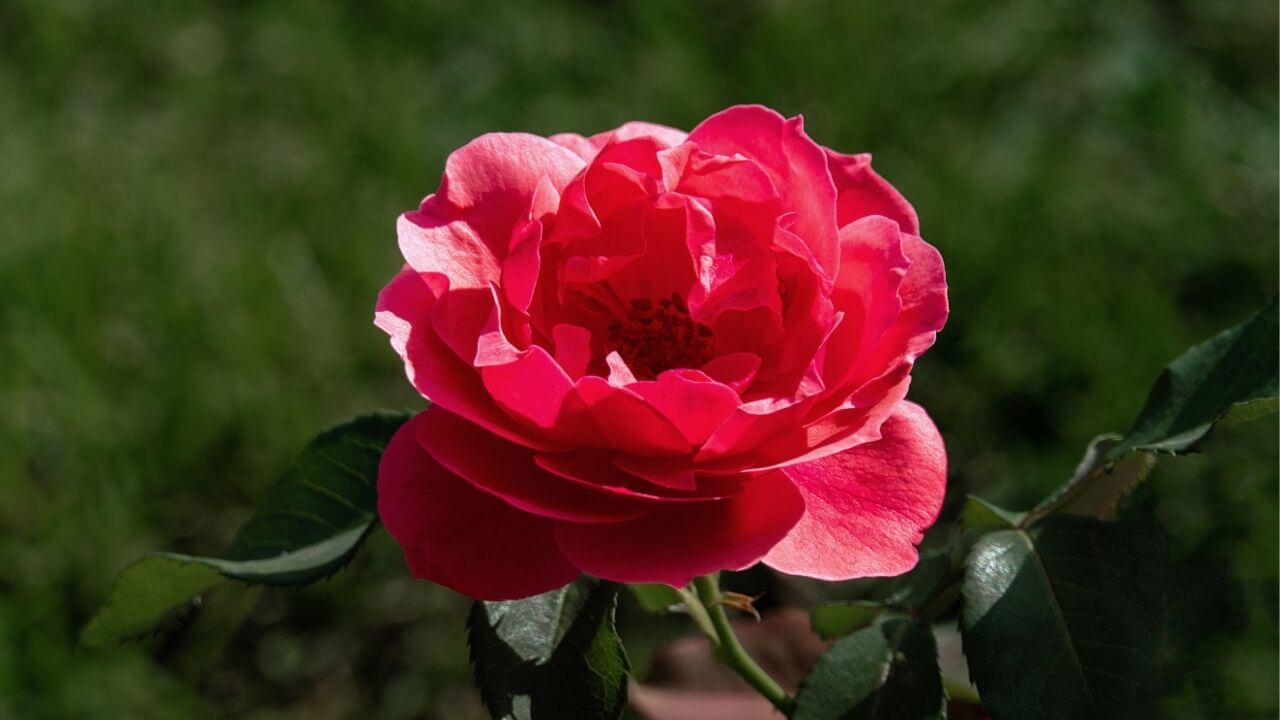
The National Flower of Maldives is the Finifenmaa, a charming pink rose scientifically known as Rosa Polyantha. This delicate flower, celebrated for its clustered petals and gentle fragrance, thrives in the tropical Maldivian climate. Officially designated as the national flower, Finifenmaa represents the nation’s unique natural heritage and cultural pride.
The name “Finifenmaa” itself carries local warmth, often affectionately used by Maldivians to describe this lovely variety of rose that graces their islands. Its choice as the national flower reflects the community’s deep connection to nature and beauty.
The Meaning and Cultural Significance of Finifenmaa
The Finifenmaa rose is not just a botanical specimen. In Maldivian culture, the soft pink petals symbolize purity, love, and resilience. Qualities that resonate deeply with the islanders’ way of life. Amidst the ebb and flow of the ocean, the Finifenmaa stands as a gentle reminder of hope and endurance.
During local festivals and ceremonies, this rose often finds its way into decorations and offerings, connecting people with their roots and nature’s blessings. For students learning about their homeland or travelers visiting the islands, the flower offers a tangible link to Maldives’ heritage.
For example, during the annual Republic Day celebrations, vibrant displays of Finifenmaa flowers adorn community centers and public spaces, reinforcing national pride in a subtle but beautiful way.
Botanical and Environmental Facts About Finifenmaa
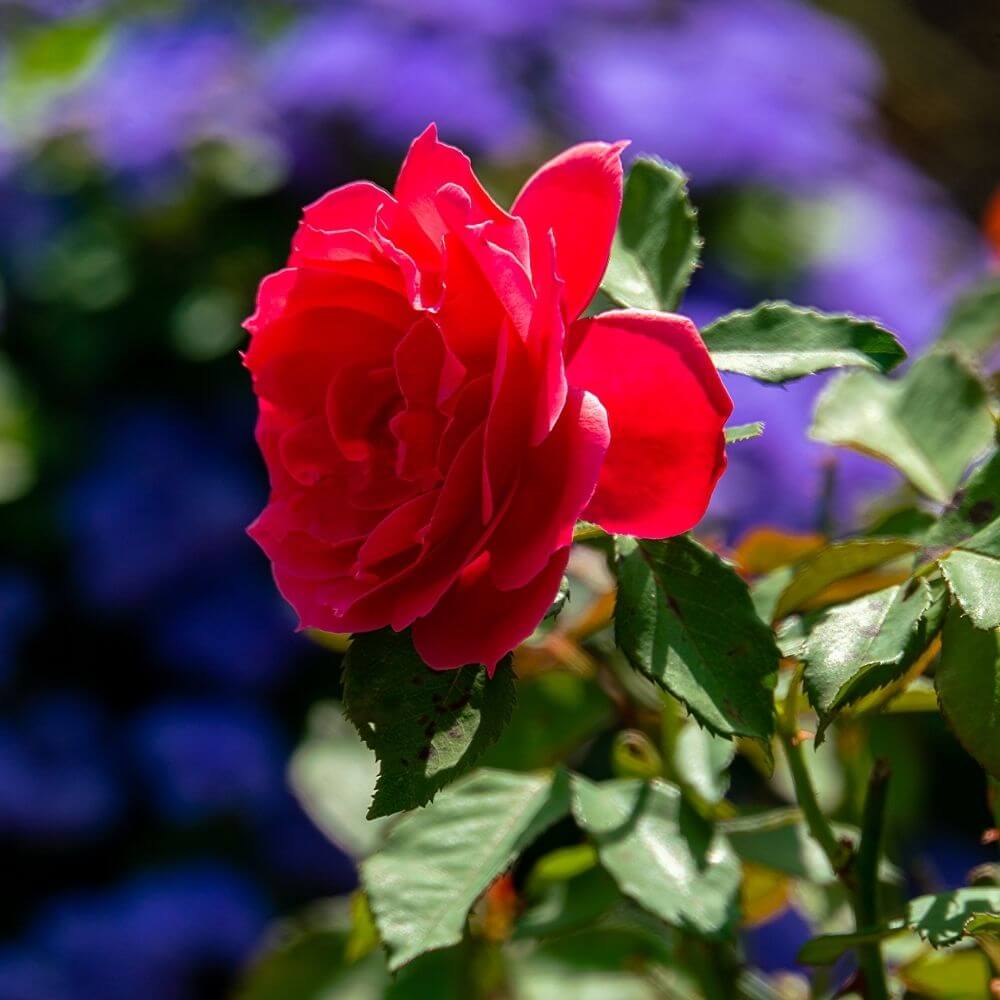
Polyantha roses like Rosa polyantha are compact, flowering shrubs that produce clusters of small blooms throughout the growing season, often showing vigorous and dense growth. They prefer full sun and well‑drained soil, thriving best when they get at least 4–6 hours of direct sunlight each day. These roses are adaptable to a range of garden environments, performing well in fertile, moist but well‑drained soils and blooming from late spring into autumn. Rosa polyantha varieties are valued in horticulture for their clustered flowers and moderate hardiness in warm, sunny conditions. Learn More
Interestingly, the adaptability of Finifenmaa to the saline environment of the islands shows its resilience. Unlike many other rose species, Finifenmaa flourishes near coastal areas, making it especially suited to the Maldivian landscape.
For broader context, the National Tree of Maldives is the coconut palm (Cocos nucifera), which alongside Finifenmaa, paints a picture of the islands’ natural identity. One rooted in both greenery and floral beauty.
Artistic and Educational Perspectives
Finifenmaa has inspired many artistic representations, especially among students and local artists. Schoolchildren often create colorful drawings of the National Flower of Maldives, which are used in educational materials and tourist souvenirs alike. These drawings help embed the flower’s significance in young minds, fostering appreciation for their natural heritage.
Gardeners across the islands take pride in cultivating Finifenmaa, sometimes experimenting with different varieties to enhance their colors and resilience. Tour guides often include Finifenmaa gardens as stops on eco-tours, helping travelers connect visually and emotionally with Maldivian flora.
For instance, in Malé, several community gardens nurture Finifenmaa alongside other native plants, serving as living classrooms for botanical enthusiasts and curious visitors.
The Untapped Potential of Finifenmaa
Here’s an angle not often highlighted: Finifenmaa could become a powerful symbol in Maldives’ efforts toward sustainable tourism and environmental conservation.
With rising awareness of climate change impacts on island nations, integrating Finifenmaa into eco-tourism experiences offers dual benefits. Visitors get a culturally rich encounter, while conservation efforts gain visibility and funding.
Local gardeners can promote Finifenmaa propagation workshops, encouraging residents and tourists to cultivate this flower responsibly, reducing pressure on wild populations. Moreover, Finifenmaa-themed souvenirs made from sustainable materials could replace less eco-friendly options, blending culture with care.
Quick Facts About National flower of Maldives
- National flower of Maldives is Finifenmaa (Rosa Polyantha)
- Color: Soft pink clusters of petals
- Meaning: Purity, love, resilience
- Thrives in: Tropical, coastal environments
- National tree of Maldives: Coconut palm (Cocos nucifera)
FAQs About National Flower of Maldives
What is the National Flower of Maldives?
The National Flower of Maldives is the Finifenmaa, a beautiful pink rose known scientifically as Rosa Polyantha. It’s cherished for its delicate clustered blooms and symbolizes the natural beauty and cultural pride of the islands.
How do you grow Finifenmaa (Rosa Polyantha)?
Finifenmaa thrives best in warm, sunny spots with well-drained soil. It needs regular watering but doesn’t like soggy roots. With some care. Like pruning and feeding. It blooms abundantly, adding charm to any garden.
Why is Finifenmaa important to Maldivian culture?
Beyond its beauty, Finifenmaa represents resilience and purity, reflecting the spirit of the Maldivian people. It’s often used in local festivals and decorations, connecting the islands’ nature with their traditions and daily life.
Can Finifenmaa grow in coastal areas like Maldives?
Yes! This rose adapts well to tropical, coastal climates. Its resilience allows it to flourish near the salty sea breeze, making it perfectly suited for Maldives’ island environment.
What is the national symbol of the Maldives besides the Finifenmaa?
Alongside the Finifenmaa rose, the coconut palm (Cocos nucifera) is the national tree of Maldives. Together, they paint a picture of the islands’ lush greenery and floral charm, representing the country’s natural heritage.
Winding-Up
The Finifenmaa rose is a gentle but enduring emblem of Maldives’ identity. Its pink petals tell stories of nature, culture, and resilience that travelers, students, and gardeners alike can appreciate. Next time you think of Maldives, imagine the soft bloom of Finifenmaa swaying in the island breeze. A simple flower carrying a world of meaning.
If you’re planning a visit or just curious about the Maldives’ symbols, take a moment to explore this unique rose’s story further. Share it, grow it, and let Finifenmaa remind us all of the beauty rooted in nature and tradition. Explore more of my flowers related guides below: