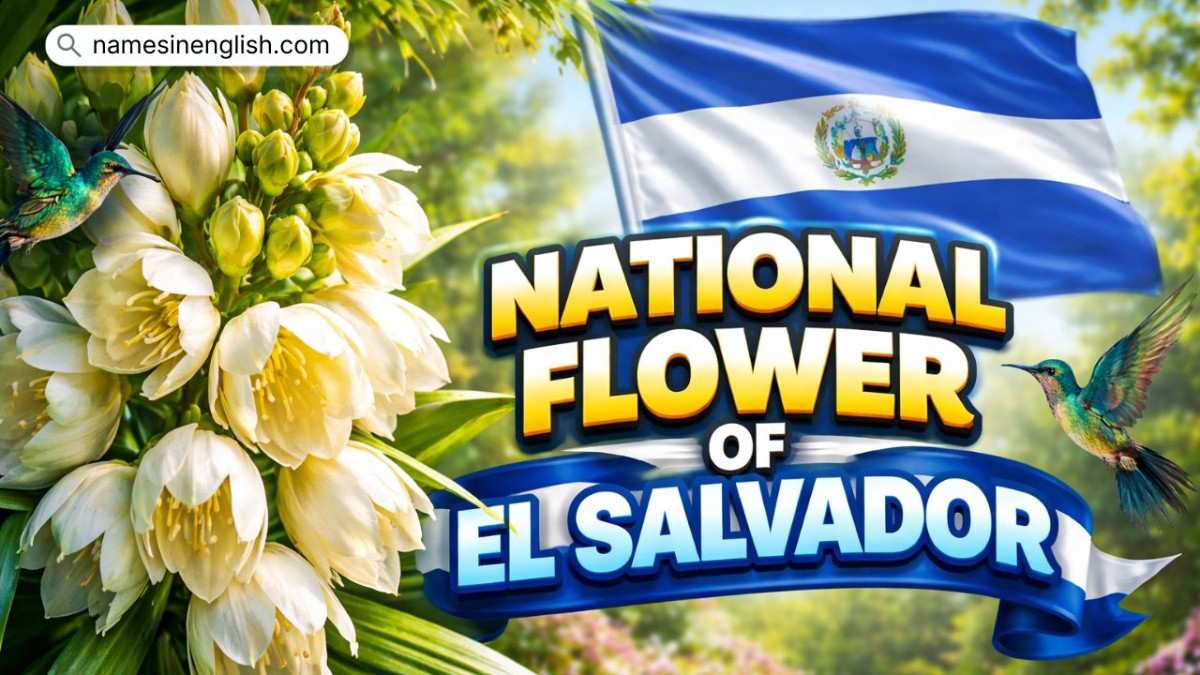

The National Flower of El Salvador, the unique Flor de Izote (Yucca gigantea), is one of the few national flowers that is admired not only for its beauty but also for its place on the dinner table. With its creamy white blossoms and rich cultural heritage, the Flor de Izote symbolizes resilience, tradition, and the country’s deep connection to nature. But can you really eat it? In this article, you’ll find the answer, learn about the history and symbolism of the National Flower of El Salvador, explore its nutritional value, traditional recipes, and interesting facts that make this remarkable flower truly one of a kind.
What Is the National Flower of El Salvador?
Flor de izote comes from the Yucca gigantea plant, native to Central America and deeply rooted in Salvadoran daily life.
In English, it’s usually called:
- Yucca flower
- Izote flower
But translations don’t fully explain its importance.
The flower grows in large white clusters and blooms seasonally. Its petals are thick, slightly bitter when raw, and soft when cooked. Unlike decorative flowers, this one has always lived close to the kitchen.
Can You Eat Flor de Izote?
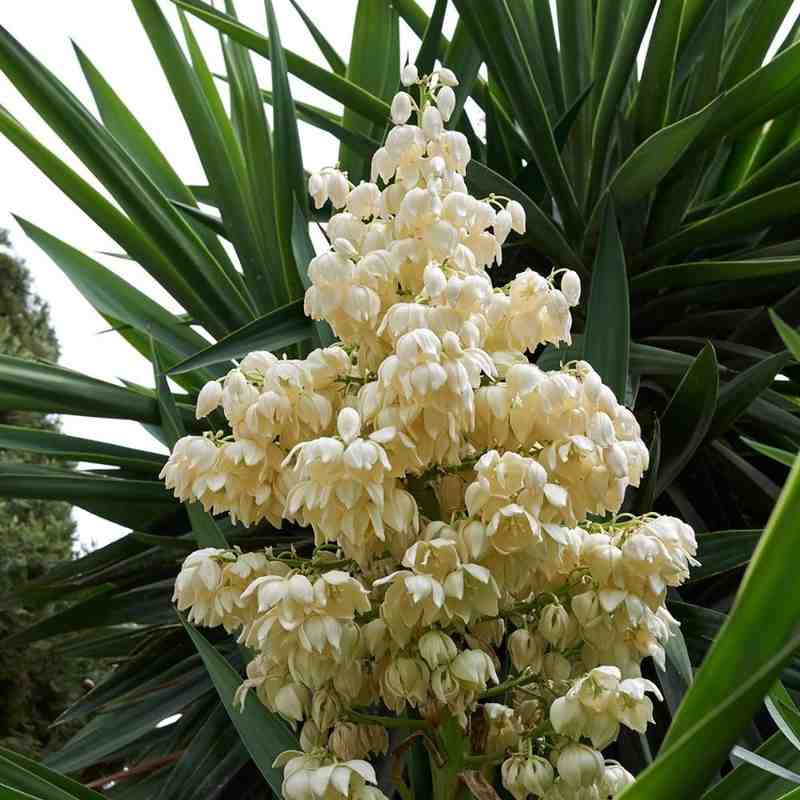
Yes. Flor de izote is edible and commonly eaten in El Salvador.
Before cooking, people usually:
- Separate the petals
- Remove the bitter stamens
- Boil the petals briefly
After that, it’s ready to cook.
Popular preparations include:
- Scrambled with eggs
- Sautéed with onions and tomatoes
- Mixed into simple home-style dishes
Prepared correctly, the taste is mild, savory, and comforting.
National Flower of El Salvador Meaning Beyond Symbolism
The National Flower of El Salvador meaning isn’t abstract or poetic. It’s practical.
Flor de izote represents:
- Resilience
- Self-reliance
- A close relationship with the land
The yucca plant grows well in dry, difficult soil. That mattered historically. During hard seasons, flor de izote wasn’t optional. It was food.
This flower became a symbol because it helped people survive.
Why Flor de Izote Was Chosen as the National Flower
Many people wonder why flor de izote was chosen instead of something more decorative. The reason is cultural honesty.
It was officially named the national flower in 1995 because it is:
- Native to El Salvador
- Widely recognized across regions
- Actively used in daily life
It grows in rural areas, not elite gardens. It shows up on plates, not just flags. That choice reflects how El Salvador sees itself.
Flor de Izote as a Common Breakfast Item
Nutritional Value and What Modern Research Says
Flor de izote isn’t just symbolic. It’s nutritious.
Modern studies on edible flowers show that yucca flowers provide:
- Plant-based protein
- Dietary fiber
- Vitamin C
- Calcium
- Antioxidant compounds
Nutritional Value and Modern Research Flor de izote isn’t just symbolic; it’s a functional food. According to a 2018 study in the Journal of Applied Botany and Food Quality, the petals of the Yucca elephantipes are a rich source of:
- Antioxidants: High levels of phenolic compounds like 4-coumaric acid.
- Healthy Fats: Linoleic and oleic acids found in the carpels.
- Dietary Fiber: The petals contain the highest concentration of fiber.
This research confirms that the National Flower of El Salvador provides meaningful micronutrients when included in a traditional diet.
How It Compares to Other Edible Flowers and Vegetables
Compared to other edible flowers:
- More fiber than squash blossoms
- Less starch than banana flower
- Holds texture better during cooking
It’s also low in calories and filling, making it ideal for simple meals. Traditional boiling methods reduce bitterness and improve digestibility, something modern nutrition science now supports.
Cultural Survival Through Food
What Is the National Flower of El Salvador in Today’s Context?
So, what is National Flower of El Salvador today?
It’s still a national symbol. But it’s also a food tradition , memory trigger , lesson in food sovereignty. For adventurous foodies, it’s an unusual edible flower. For researchers, it’s proof that national symbols can be practical. For Salvadorans, it’s comfort food with history.
FAQs About National Flower of El Salvador
Does El Salvador have a national flower?
Yes, El Salvador officially has a national flower called flor de izote. It was declared the national flower in 1995 because of its cultural, historical, and everyday importance.
What does the izote flower symbolize?
The izote flower symbolizes resilience, self-reliance, and connection to the land. It reflects how Salvadoran culture values practicality, survival, and tradition over decoration.
What is the English name for the izote flower?
In English, the izote flower is commonly called the yucca flower. It comes from the Yucca gigantea plant native to Central America.
What is the most popular flower in El Salvador?
The most popular flower in El Salvador is flor de izote, not just as a symbol but as a food. It is widely recognized, cooked, and associated with everyday Salvadoran life.
Is the flor de izote edible?
Yes, flor de izote is edible and commonly eaten in El Salvador. The petals are boiled and cooked in traditional dishes, especially with eggs, after removing the bitter parts.
Final Thoughts
Flor de izote shows that national identity doesn’t have to be ornamental. It can be cooked, eaten, and shared. The National Flower of El Salvador tells a story of resilience, nourishment, and everyday life. Not from monuments, but from kitchens. If you’ve never tried it, look for it at a Central American market or grow it yourself. If you grew up with it, teach someone the recipe. Food like this survives for one reason.
People keep choosing it.
Explore how other countries express identity through flowers and use these insights to create deeper, more meaningful content.