
The Rhode Island State Flower is more than just a beautiful wildflower growing across fields and woodlands. Known as Viola sororia, or the common blue violet, it was chosen because of its natural beauty, resilience, and strong connection to the state’s landscape and history. Learning about Rhode Island’s official flower helps you appreciate its cultural heritage and the role native plants play in local ecosystems. In this article, you’ll learn the five key reasons Rhode Island State Flower Viola sororia earned this special honor, along with interesting facts about its symbolism, history, and unique characteristics.
What Is the State Flower of Rhode Island ?
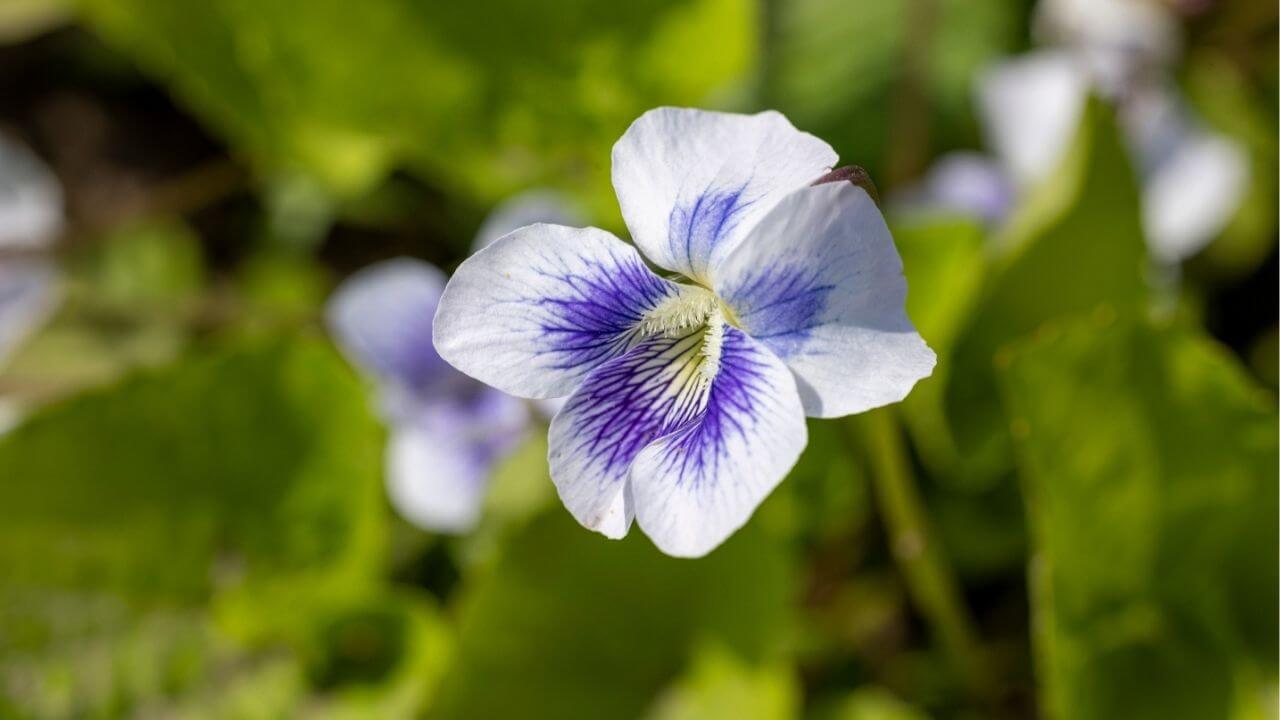
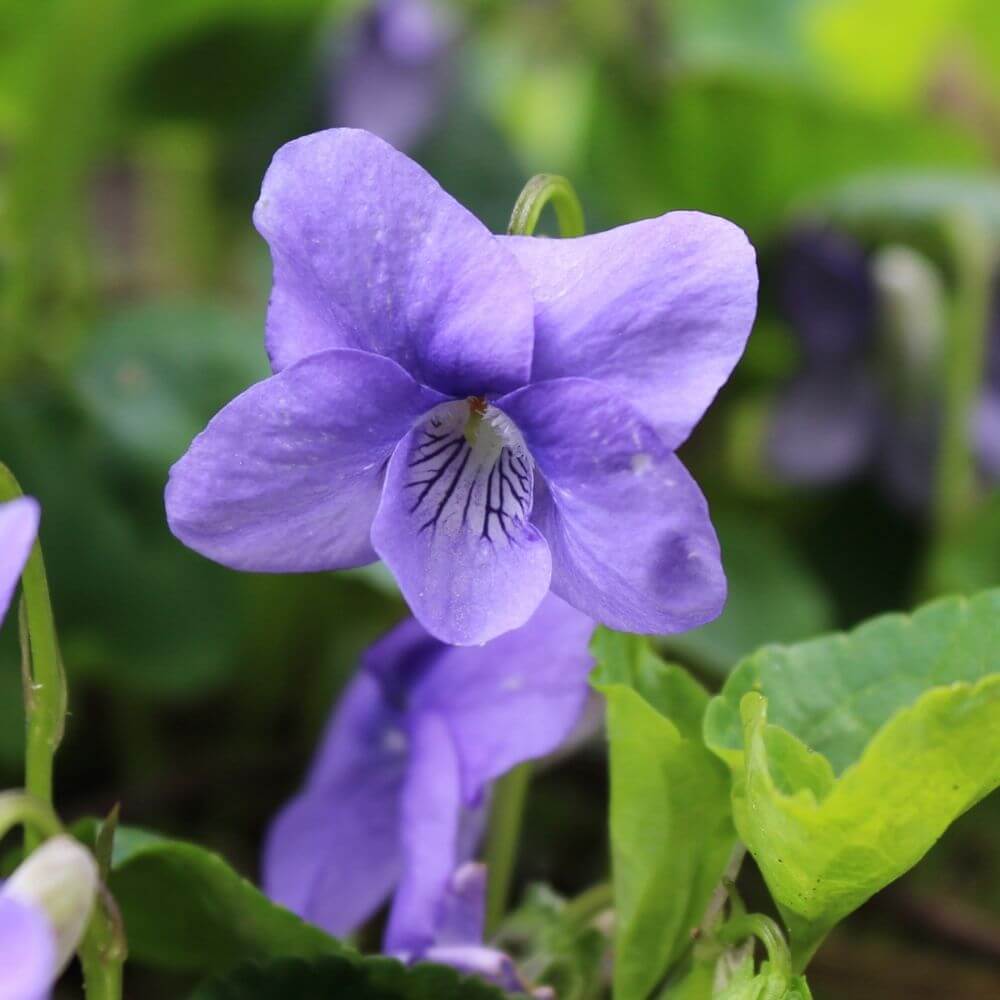
The Rhode Island State Flower is Viola sororia, also called the Common Blue Violet. It was officially adopted in 1968 and is native to Rhode Island and much of the northeastern United States.
This low-growing wildflower blooms in early spring and is known for its heart-shaped leaves and purple-blue petals. Unlike exotic or ornamental flowers, Viola sororia grows naturally across lawns, woodlands, and fields throughout the state. That natural presence played a major role in its selection.
5 Reasons Viola Sororia Was Chosen
#1: Viola Sororia Is Native to Rhode Island
One of the strongest reasons Viola sororia was chosen is its deep connection to Rhode Island’s land. This flower isn’t imported or decorative. It grows naturally in the state’s soil, survives its winters, and returns every spring without human help.
Native plants matter because they reflect the true environment of a place. Viola sororia thrives in Rhode Island’s temperate climate and adapts easily to different soil conditions. You’ll see it along forest edges, near old stone walls, and even popping up in residential yards.
Choosing a native flower also sends a message about respecting local ecosystems. The Rhode Island State Flower represents what naturally belongs there, not what was brought in for appearance alone.
#2: Deep Historical and Cultural Significance
Violets have a long history in New England, and Rhode Island is no exception. In the 18th and 19th centuries, violets were commonly referenced in letters, poems, and household remedies. They were used in simple herbal preparations and often symbolized modesty and faithfulness in early American culture.
By the time the flower was officially adopted in 1968, many Rhode Island residents already recognized the violet as a familiar and meaningful plant. It wasn’t chosen randomly or rushed through legislation. The flower had cultural recognition long before it became an official symbol. This historical familiarity gave the Rhode Island State Flower a sense of continuity. It felt earned rather than assigned.
#3: Symbolism That Reflects Rhode Island Values
Flowers are symbols, and Viola sororia carries symbolism that aligns closely with Rhode Island’s identity. Traditionally, violets represent humility, resilience, and quiet strength. These traits mirror the state itself.
Rhode Island is the smallest U.S. state, yet it has played an outsized role in American history, from early independence movements to religious freedom. Like the violet, it doesn’t need to dominate attention to have impact.
The Rhode Island State Flower doesn’t overwhelm with size or color. It persists. It survives. That symbolism resonates more deeply than something flashy or rare ever could.
#4: Strong Support From Citizens and Lawmakers
The adoption of Viola sororia was supported by both civic leaders and the public. During the 1960s, many states were formalizing symbols as part of civic education efforts, especially in schools.
Students and educators played a role in promoting the violet as a meaningful choice. This grassroots support helped push the flower through the legislative process, making it more than a top-down decision.
That public involvement helped ensure the Rhode Island State Flower felt representative, not imposed.
#5: Ecological and Educational Value Today
Viola sororia isn’t just symbolic. It’s useful. The plant provides early-season nectar for pollinators, including bees that emerge before many other flowers bloom. Its leaves also serve as food for certain butterfly larvae.
From an educational standpoint, the flower is easy to identify and widely accessible. Teachers across Rhode Island still use it to explain native plants, ecosystems, and state history. Students can actually see the state flower growing near their homes, which makes learning more tangible. This practical value keeps the Rhode Island State Flower relevant long after its official adoption.
A Symbol Shaped by Common Experience
Many states choose dramatic flowers that feel impressive on paper but disconnected from daily life. Rhode Island went the opposite direction, and I think that’s what makes its choice stronger.
Viola sororia doesn’t need protection in a greenhouse or special soil to survive. It grows quietly, often unnoticed, yet reliably returns each year. That kind of simplicity builds emotional connection. People recognize it because it’s part of their lived experience.
In a way, Rhode Island chose authenticity over spectacle. That decision ages better than most.
How Rhode Island’s State Flower Compares to Other States
Neighboring states like Massachusetts and Connecticut chose flowers with regional relevance, but few are as widespread in everyday landscapes as the violet is in Rhode Island.
While some state flowers are rarely seen outside official imagery, Viola sororia appears naturally in parks, schoolyards, and neighborhoods. That visibility strengthens its role as a true symbol rather than a ceremonial one. The Rhode Island State Flower stands out not because it’s rare, but because it’s real.
Why State Symbols Still Matter in Modern Era
State symbols like the Viola sororia serve as powerful anchors in a rapidly changing world. They provide a tangible connection to local identity and history, helping to ground citizens in a shared sense of place beyond the digital realm. These symbols promote civic pride and educational value, especially for younger generations learning about their state’s heritage, ecology, and political development. Furthermore, choosing a symbol like a native flower highlights the importance of environmental stewardship and biodiversity, reminding residents to value and protect the natural ecosystems that are uniquely theirs. State symbols offer continuity and meaning, reflecting core values that persist across generations.
FAQs About Rhode Island State Flower
What is the Rhode Island State Flower?
The Rhode Island State Flower is the Common Blue Violet (Viola sororia), a native perennial plant with heart‑shaped leaves and purple‑blue blooms. It was officially adopted by the state legislature in 1968 after being popular among schoolchildren decades earlier.
When was the Rhode Island State Flower chosen?
Schoolchildren first selected the violet as Rhode Island’s state flower in 1897, but it wasn’t formally adopted by law until March 11, 1968.
Why was Viola sororia chosen as the state flower?
Viola sororia was chosen because it grows naturally throughout the state, is familiar to residents from childhood, and reflects local heritage and ecology. Its accessibility and cultural significance helped it become a beloved symbol.
Is the Rhode Island State Flower edible?
Yes. The petals and young parts of the Common Blue Violet are edible and traditionally used in salads, desserts, or as garnish. They are also a natural source of vitamins A and C.
Where can you see the Rhode Island State Flower in nature?
The Common Blue Violet blooms across Rhode Island in spring, typically from April through June, appearing in lawns, meadows, woodlands, and gardens. Its widespread presence is part of what made it a fitting state symbol.
Winding-Up
Viola sororia was chosen as the Rhode Island State Flower for clear, meaningful reasons. It’s native to the land, woven into local history, rich in symbolism, supported by citizens, and valuable to the ecosystem. Its simplicity is its strength.
If you’re exploring state symbols, American history, or civic education, this small violet offers a surprisingly powerful story. Take a closer look the next time you see one growing nearby. You might notice Rhode Island’s character reflected in its petals. If you’re into state flowers, national flowers, or just love flowers in general, check out some of my other guides: