
If you want to add rich color and elegance to your garden, Flowering Trees with Purple Flowers are a wonderful choice. These beautiful trees brighten landscapes with eye-catching purple blooms while also attracting birds, butterflies, and other helpful pollinators. Whether you have a small backyard or a large garden, there is a purple flowering tree to suit your space. In this article, you’ll learn 21 Flowering Trees with Purple Flowers, along with their names, pictures, growing features, and care tips to help you choose the perfect tree for your landscape.
Meaning and Symbolism of Purple Flowers
Throughout history, purple flowers have symbolized royalty, peace, and admiration. In Victorian times, gifting a purple bloom meant respect and dignity. For gardeners, purple trees bring harmony – they stand as a bridge between warm and cool tones, effortlessly balancing color in any landscape design.
🌳 Top 21 Flowering Trees with Purple Flowers
Below are the most stunning trees that showcase purple hues in different shades and seasons from lilac-lavender to deep violet.
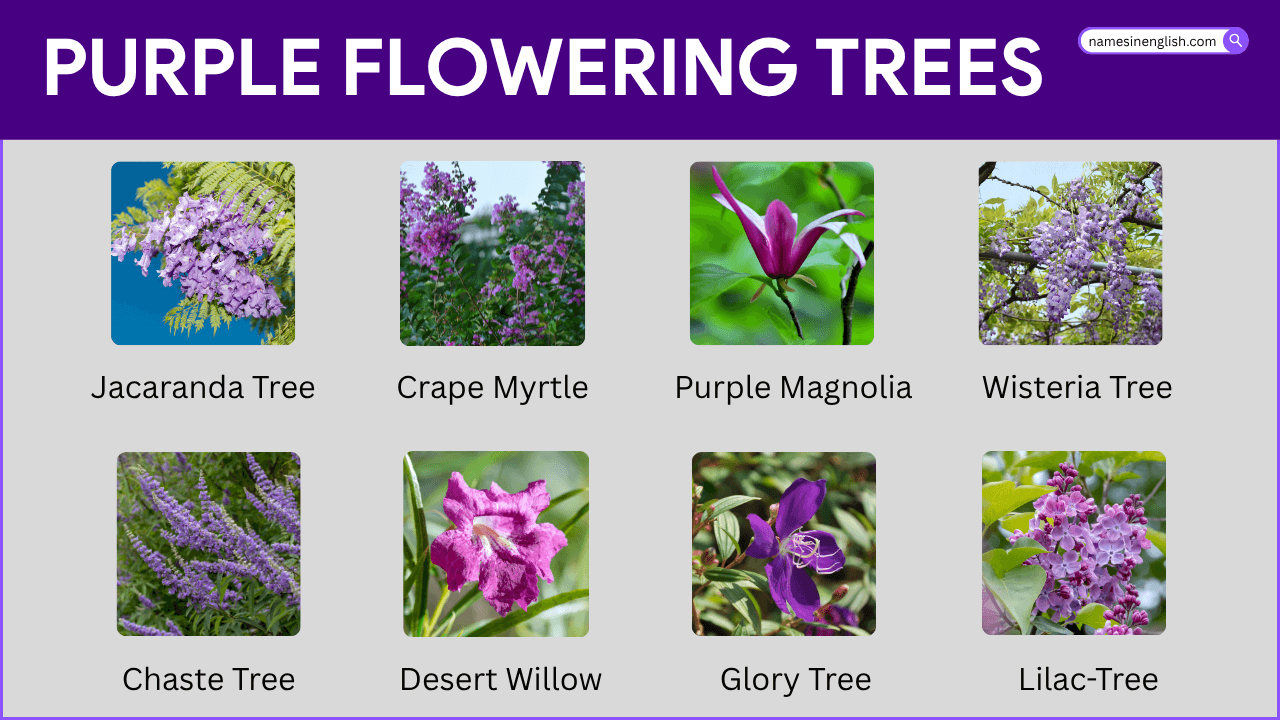
1. Jacaranda Tree (Jacaranda mimosifolia)
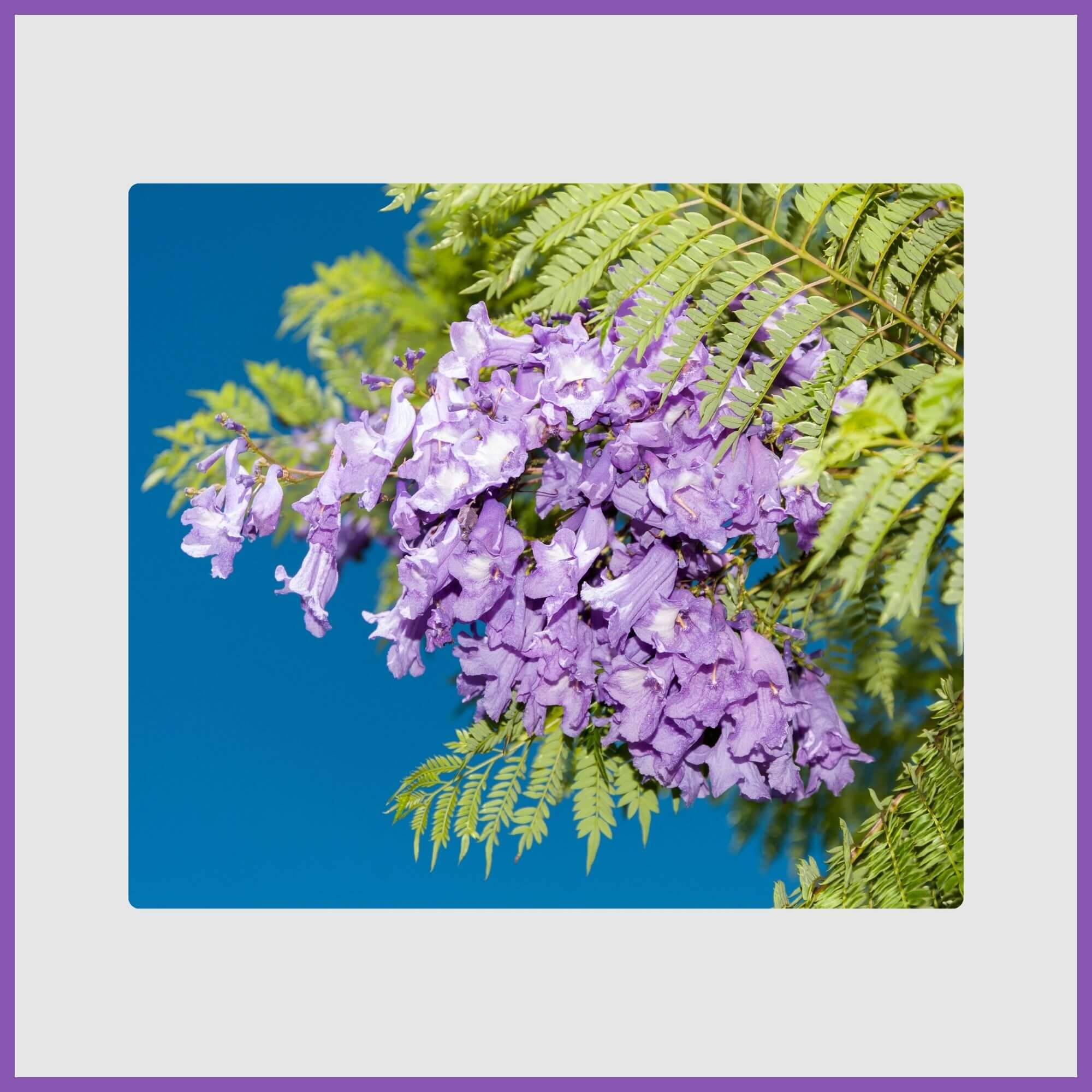
The Jacaranda creates a breathtaking, dreamy violet-blue canopy that carpets streets in purple petals. In South Africa and Australia, blooming Jacarandas are a cultural signal that exam season is approaching, earning them the nickname “exam trees.” They symbolize wisdom and rebirth, and their fallen flowers form a stunning lavender carpet.
Soil: Well-drained, sandy loam
Water: Moderate
Sun: Full sun
USDA Zone: 9–11
Bloom Time: Late spring to early summer
2. Purple Orchid Tree (Bauhinia variegata)
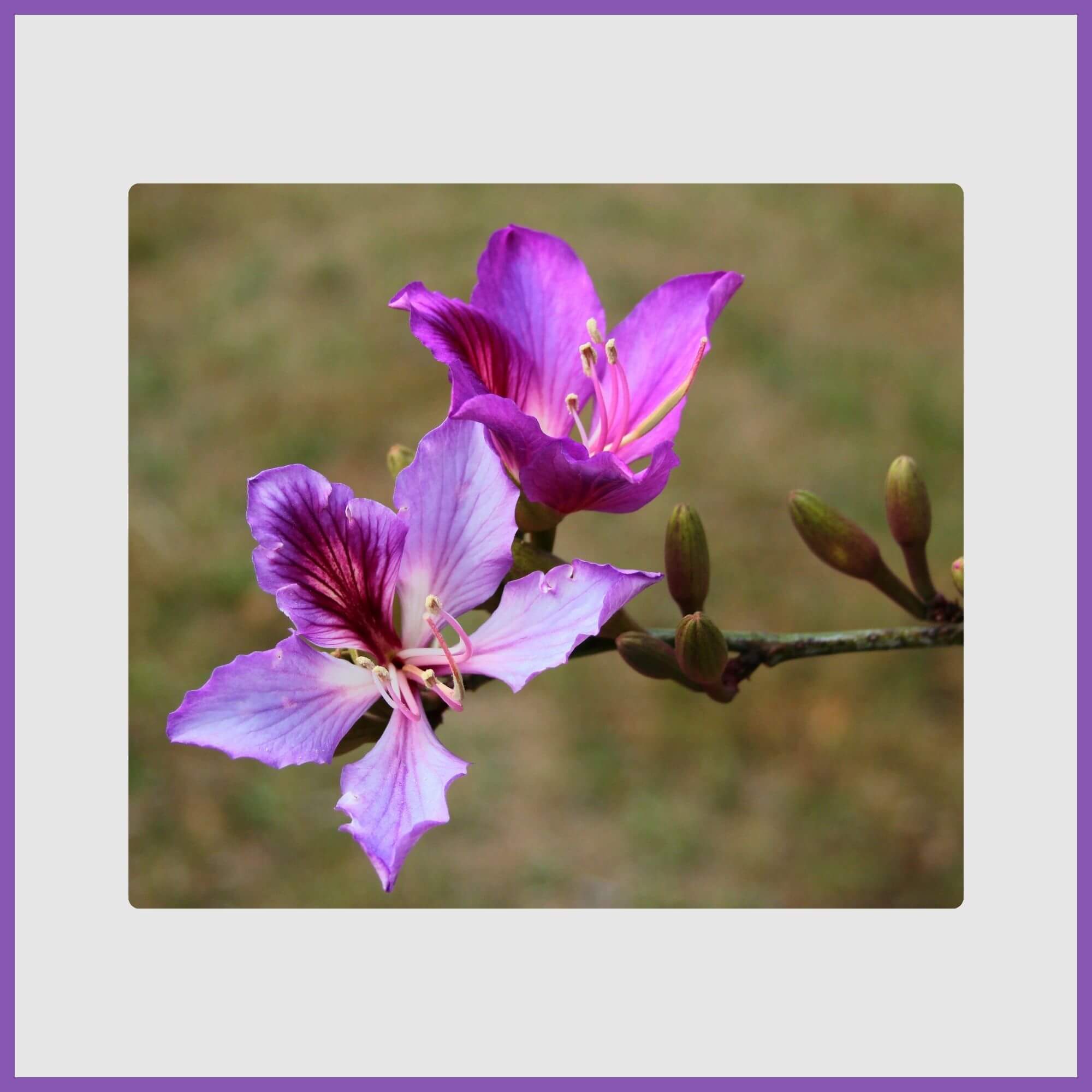
This tropical tree produces showy, orchid-like blossoms in lilac and pink shades. Its unique twin-lobed leaves are said to resemble a camel’s hoof or a butterfly. In some cultures, the leaves are used to make a nutritive tea, while the buds are pickled as a condiment.
Soil: Rich, well-drained
Water: Moderate
Sun: Full sun
USDA Zone: 9–11
Bloom Time: Spring to fall
3. Lilac Tree (Syringa vulgaris)
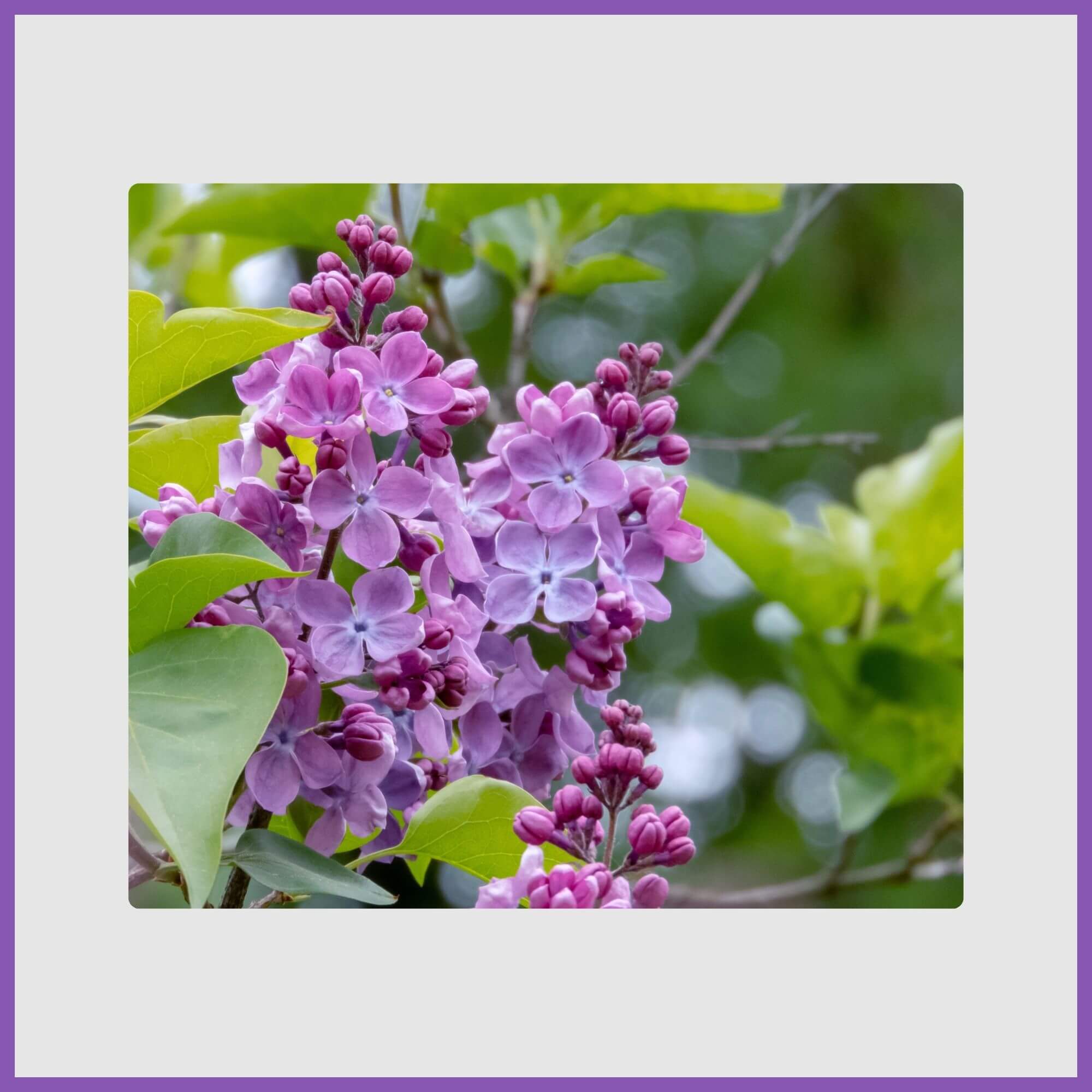
A beloved symbol of early spring, the lilac tree fills the air with an intensely sweet fragrance from its dense clusters of lavender-purple blooms. The specific epithet “vulgaris” simply means “common,” but its beauty is extraordinary. For the most potent fragrance, plant it where it will receive cool nights.
Soil: Loamy and fertile
Water: Regular in spring
Sun: Full sun
USDA Zone: 3–7
Bloom Time: Late spring
4. Chaste Tree (Vitex agnus-castus)
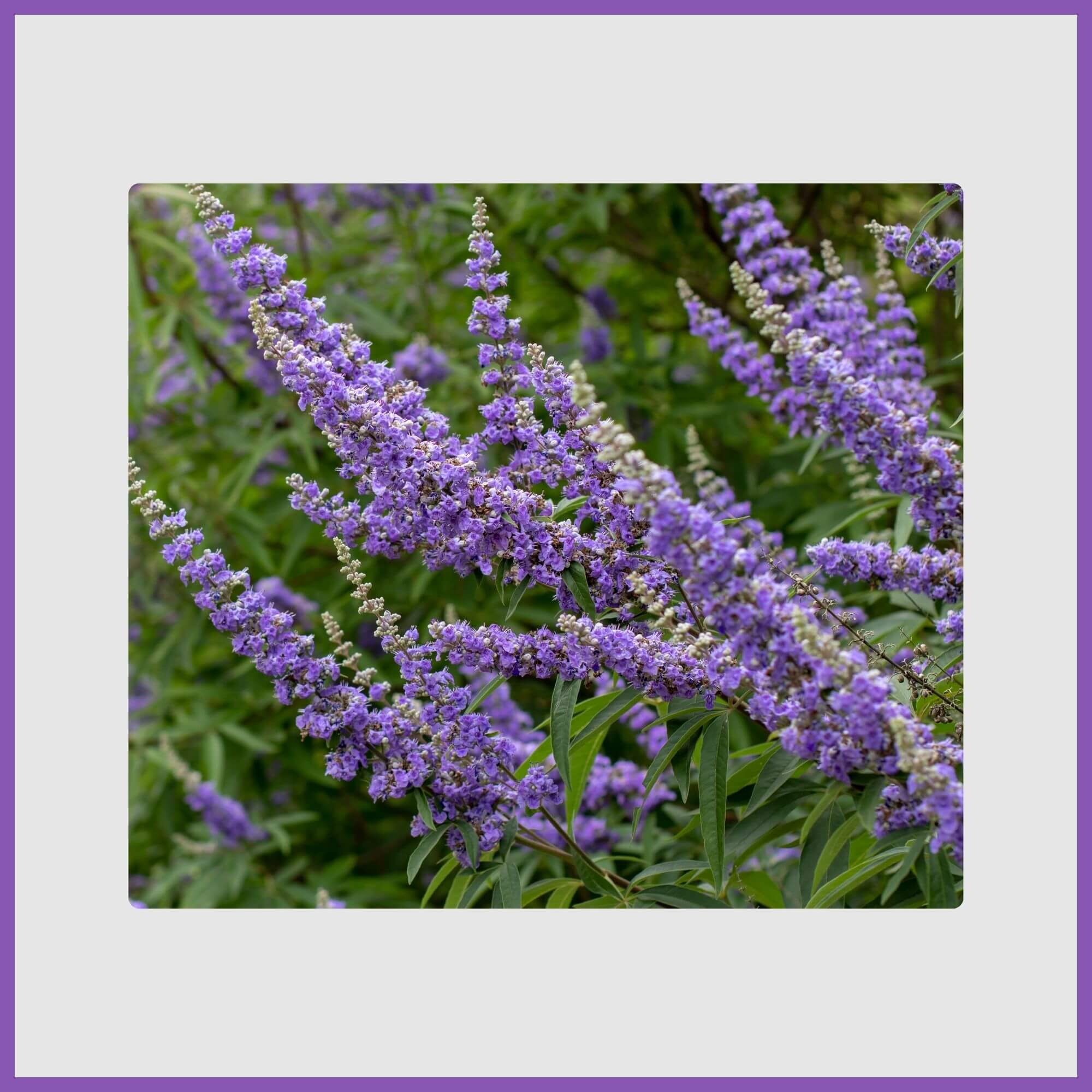
Compact yet vivid, this Mediterranean native is known for its long, spiky lavender blooms that attract bees and butterflies. Its common name comes from a historical belief that the seeds suppressed libido. The aromatic leaves are also used in herbal medicine to support female hormonal balance.
Soil: Well-drained, slightly sandy
Water: Light to moderate
Sun: Full
USDA Zone: 6–9
Bloom Time: Summer
5. Purple Robe Locust (Robinia pseudoacacia ‘Purple Robe’)
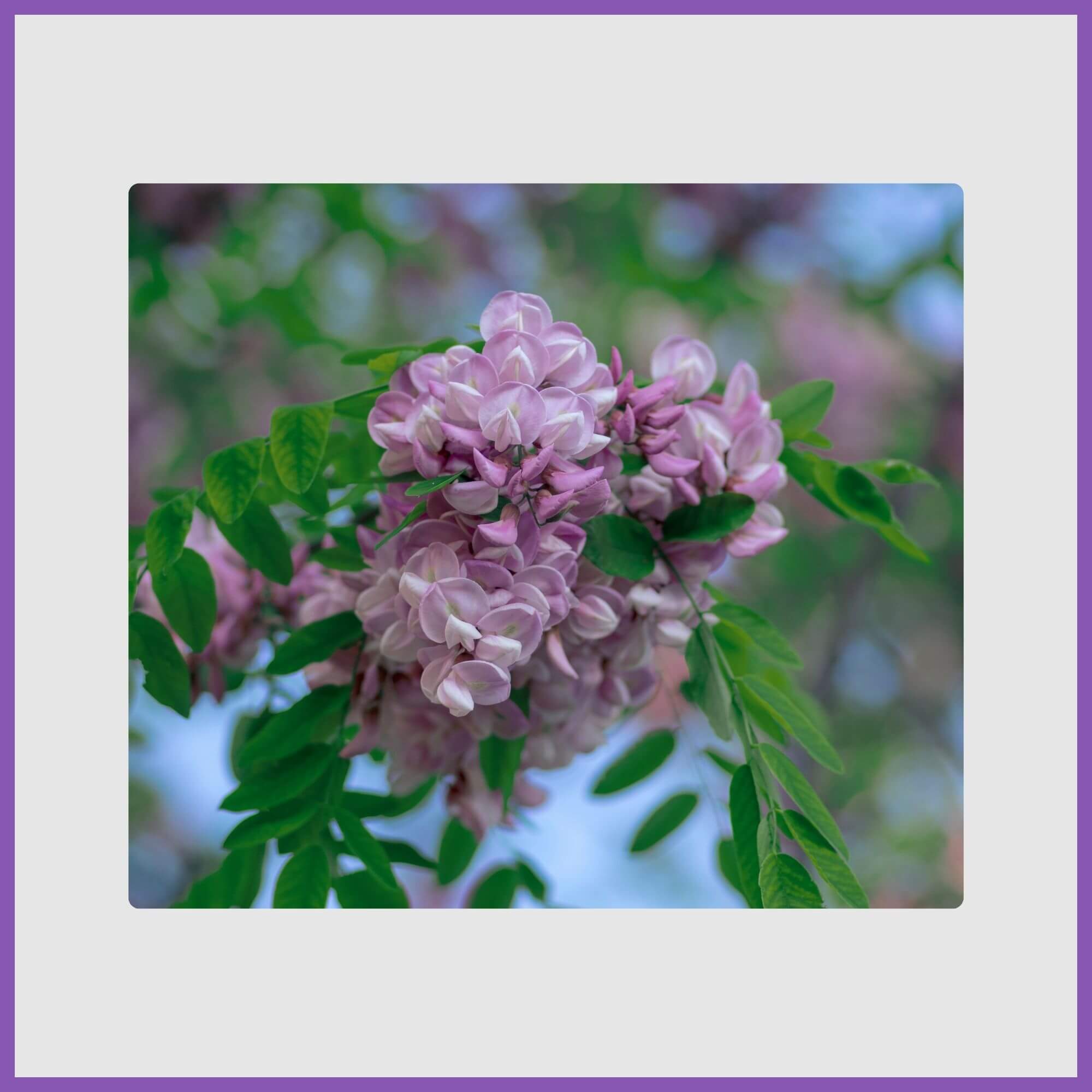
A rapid grower with stunning, long clusters of violet-lavender flowers that have a mild, sweet scent. This cultivar is a member of the pea family and, like its relatives, fixes nitrogen in the soil, improving fertility for itself and nearby plants. Its strong, durable wood is highly resistant to rot.
Soil: Average, well-drained
Water: Low
Sun: Full
USDA Zone: 4–8
Bloom Time: Late spring
6. Texas Mountain Laurel (Sophora secundiflora)
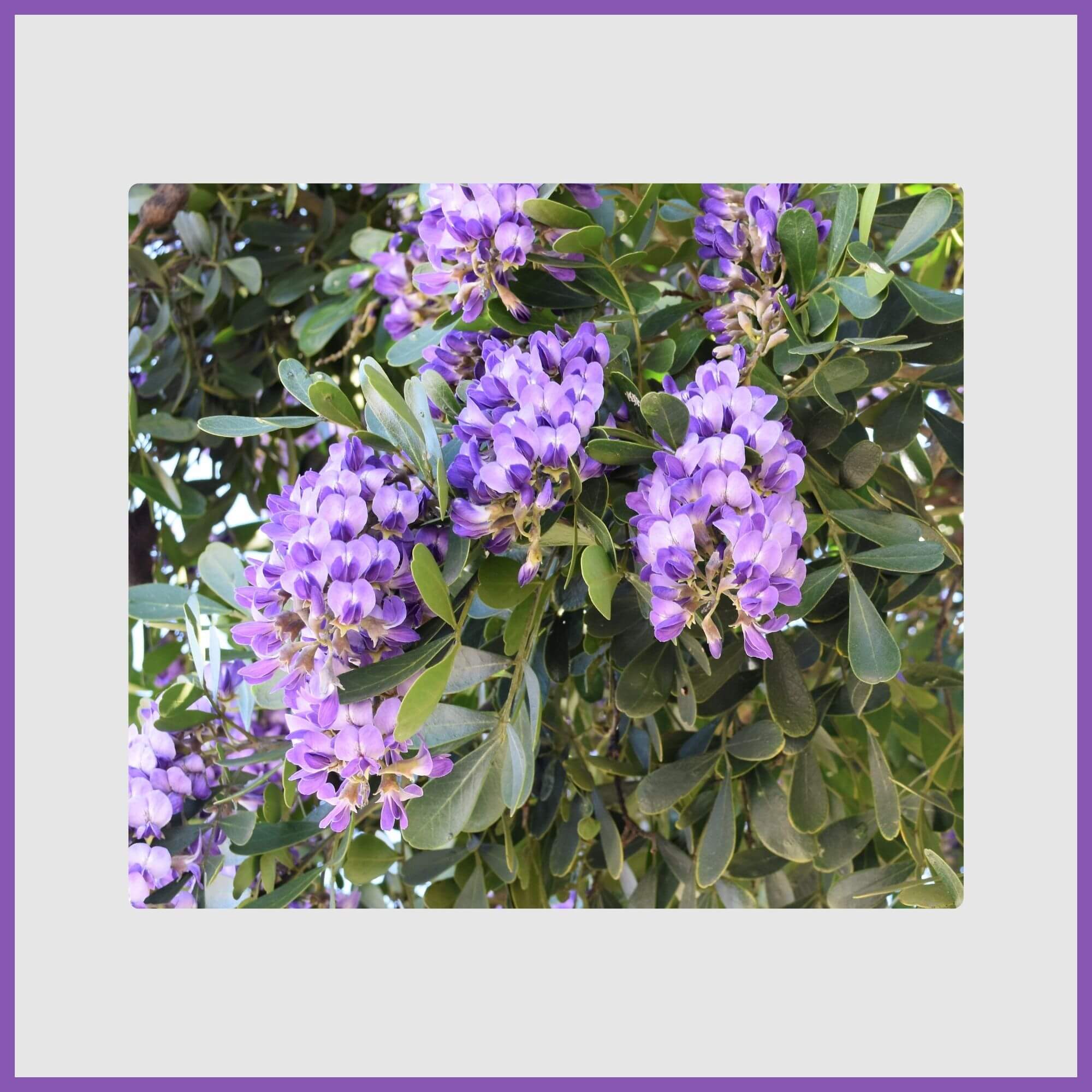
This evergreen wonder boasts dense, hanging clusters of deep purple flowers that smell exactly like grape soda. Be cautious, as all parts of the plant, especially the mesmerizing red seeds (“Mescal Beans”), are highly toxic if ingested. Native peoples used the hard seeds in jewelry and rituals.
Soil: Rocky, well-drained
Water: Low
Sun: Full
USDA Zone: 7–10
Bloom Time: Spring
7. Royal Empress Tree (Paulownia tomentosa)
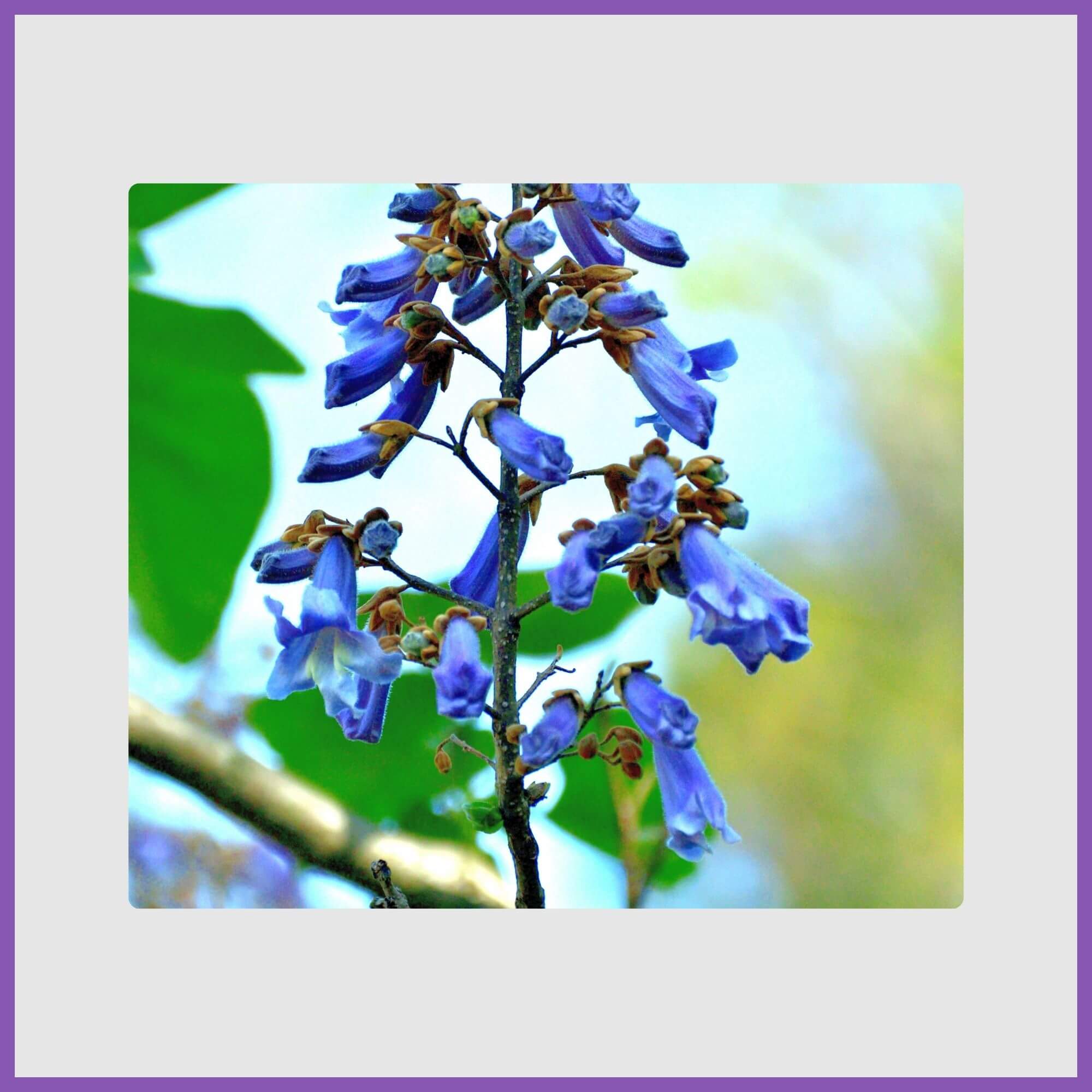
Known for being one of the world’s fastest-growing trees, it produces fragrant, trumpet-shaped violet blooms before its giant leaves appear. The wood is incredibly lightweight and is prized in Japan for making traditional chests to store kimonos, as it is naturally resistant to moisture and insects.
Soil: Loose, rich
Water: Moderate
Sun: Full
USDA Zone: 5–9
Bloom Time: Early spring
8. Crape Myrtle (Lagerstroemia indica)
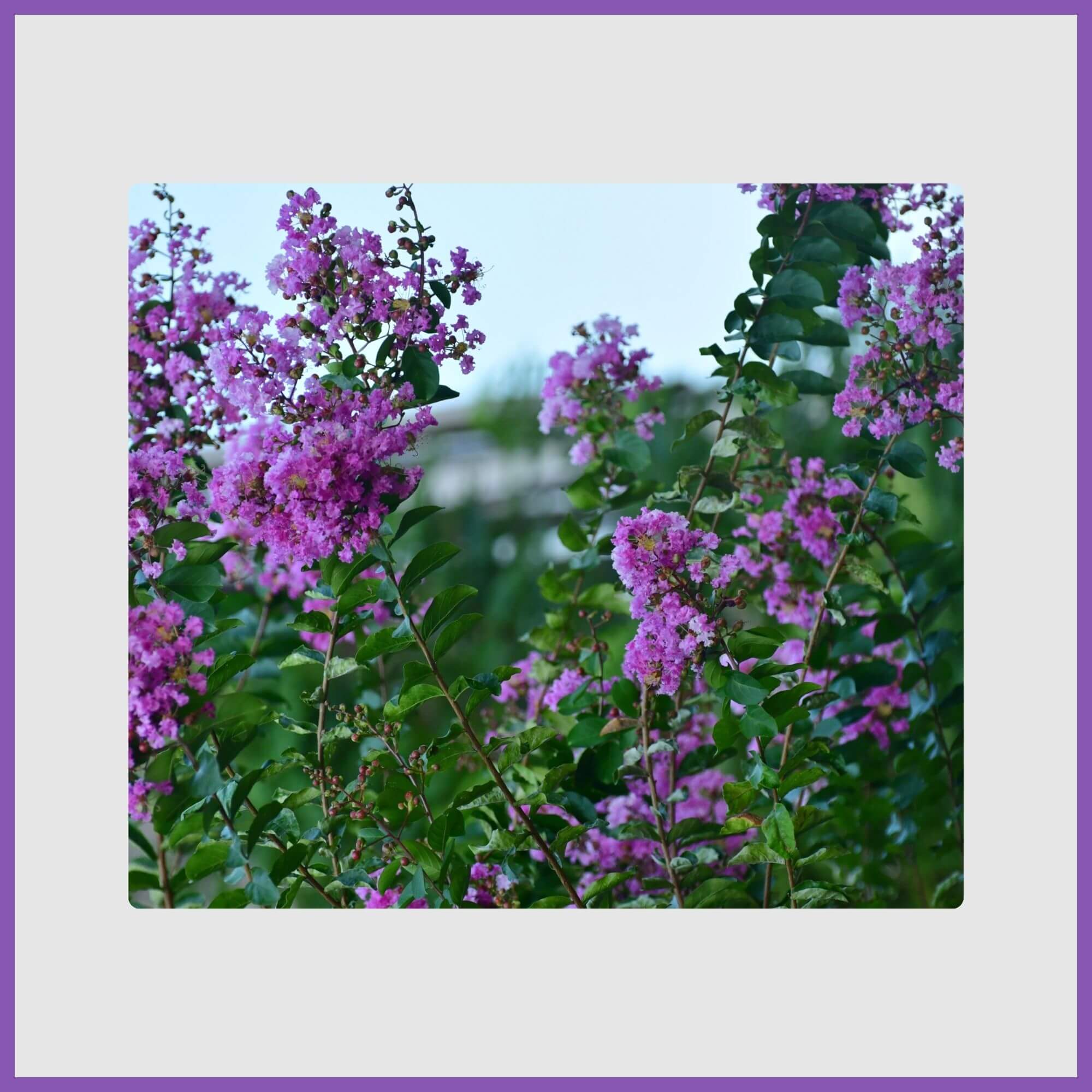
Crape myrtle trees bloom for months, offering continuous waves of purple, pink, or white crinkled flowers. Their exquisite, mottled bark peels away to reveal a smooth, polished trunk in shades of gray, tan, and cinnamon, providing year-round interest even after the flowers are gone.
Soil: Well-drained
Water: Regular
Sun: Full
USDA Zone: 6–10
Bloom Time: Summer to fall
9. Eastern Redbud ‘Forest Pansy’ (Cercis canadensis)
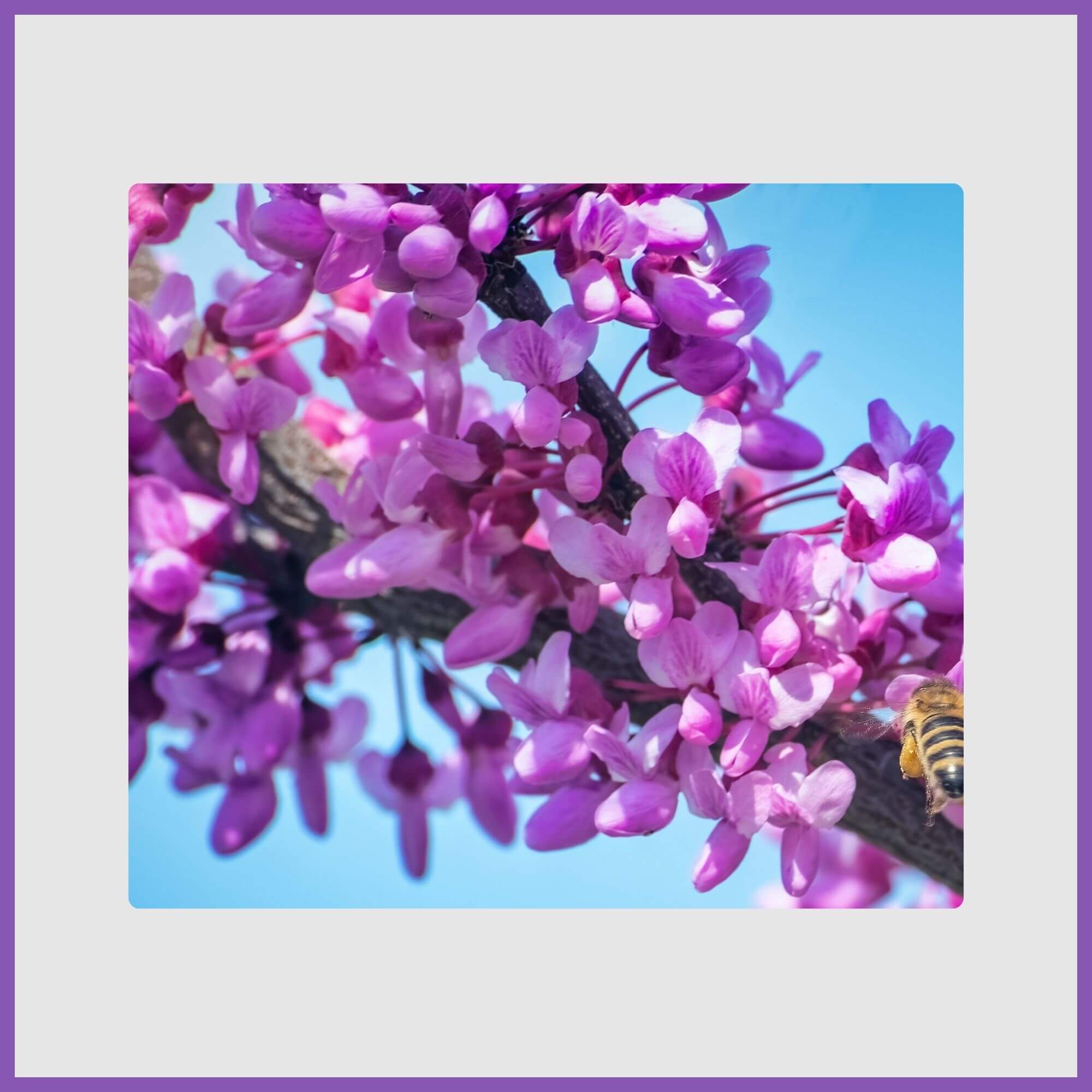
This striking variety shows magenta-pink flowers directly on its bare branches in a beautiful display called cauliflory. It is followed by stunning, heart-shaped leaves that emerge a brilliant reddish-purple. The flowers are not only beautiful but also edible, with a slightly sour taste, perfect for garnishing salads.
Soil: Moist, fertile
Water: Moderate
Sun: Full to partial
USDA Zone: 4–9
Bloom Time: Spring
10. Purple Magnolia (Magnolia liliiflora)
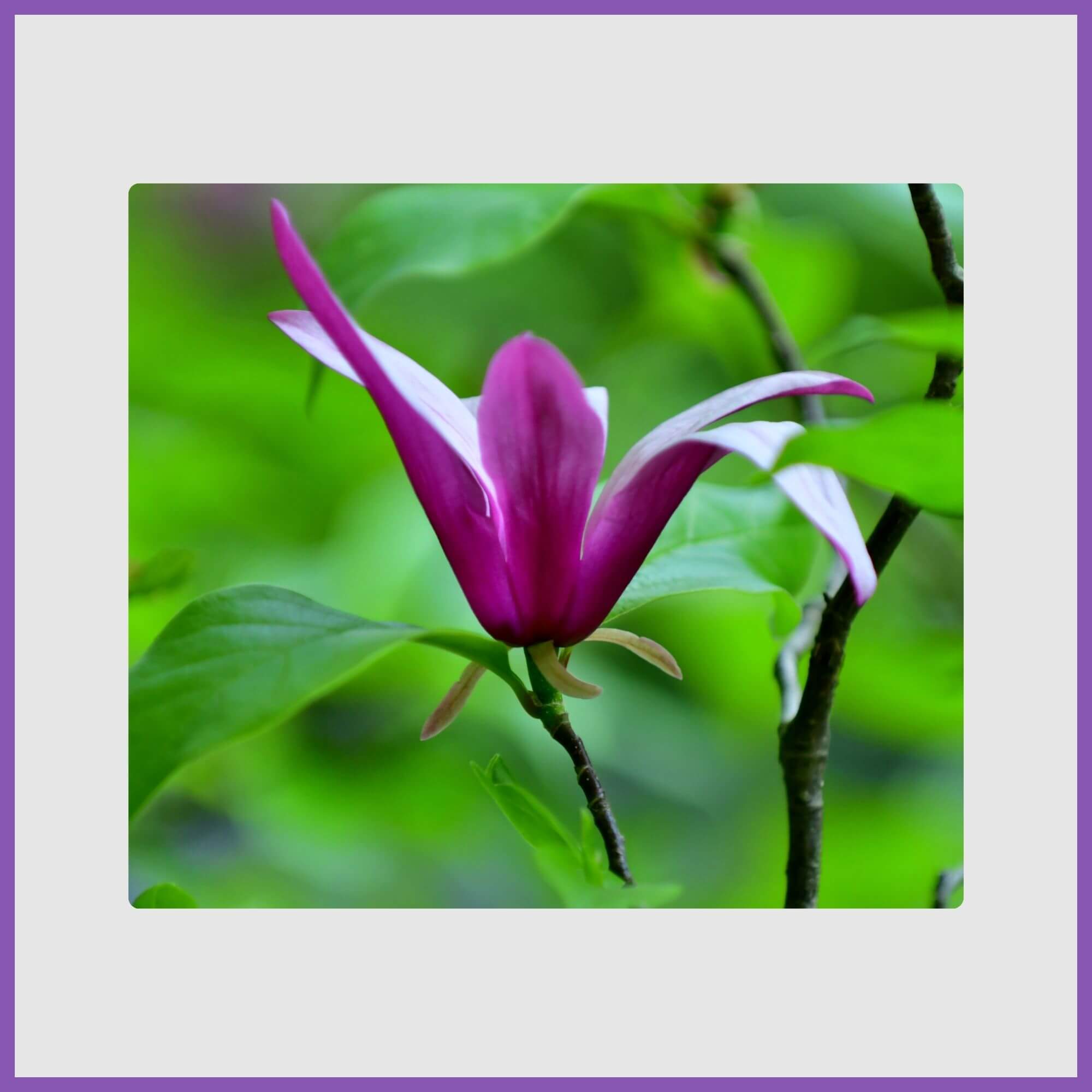
Magnificent tulip-shaped blossoms in rich purple hues make this tree a spring highlight. Magnolias are ancient trees, evolving before bees existed, so their tough flowers are specifically designed to be pollinated by beetles. In Asia, the flower buds are used in traditional medicine.
Soil: Moist, rich
Water: Regular
Sun: Full
USDA Zone: 5–9
Bloom Time: Spring
11. Wisteria Tree (Wisteria sinensis)
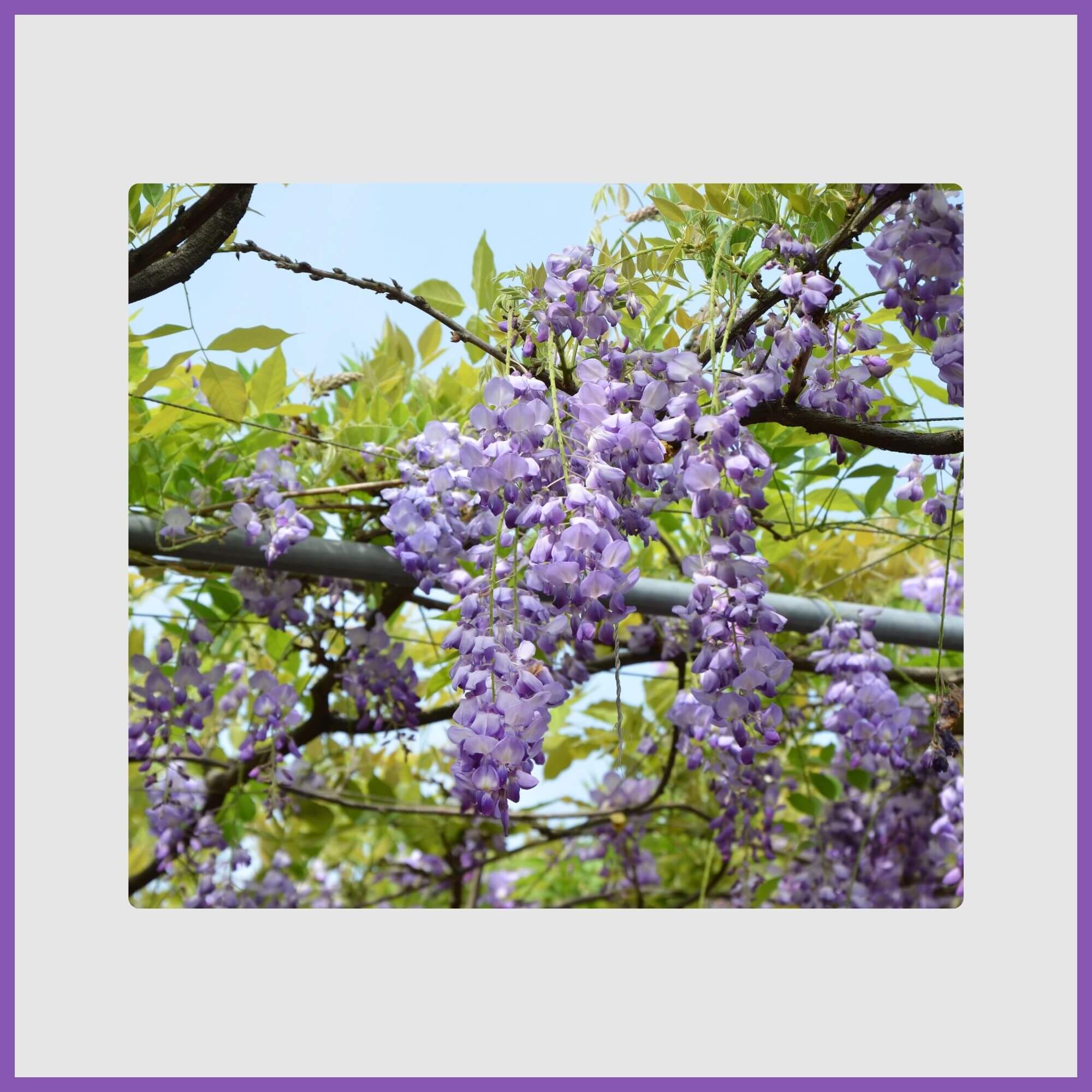
A cascading display of violet vines trained into tree form, Wisteria dazzles with its intoxicating fragrance. All parts of the plant are toxic, but its beauty is legendary. The twisting, woody vines can become incredibly thick and long-lived, making a permanent architectural statement.
Soil: Moist, well-drained
Water: Moderate
Sun: Full to partial
USDA Zone: 5–9
Bloom Time: Spring to early summer
12. Desert Willow (Chilopsis linearis)
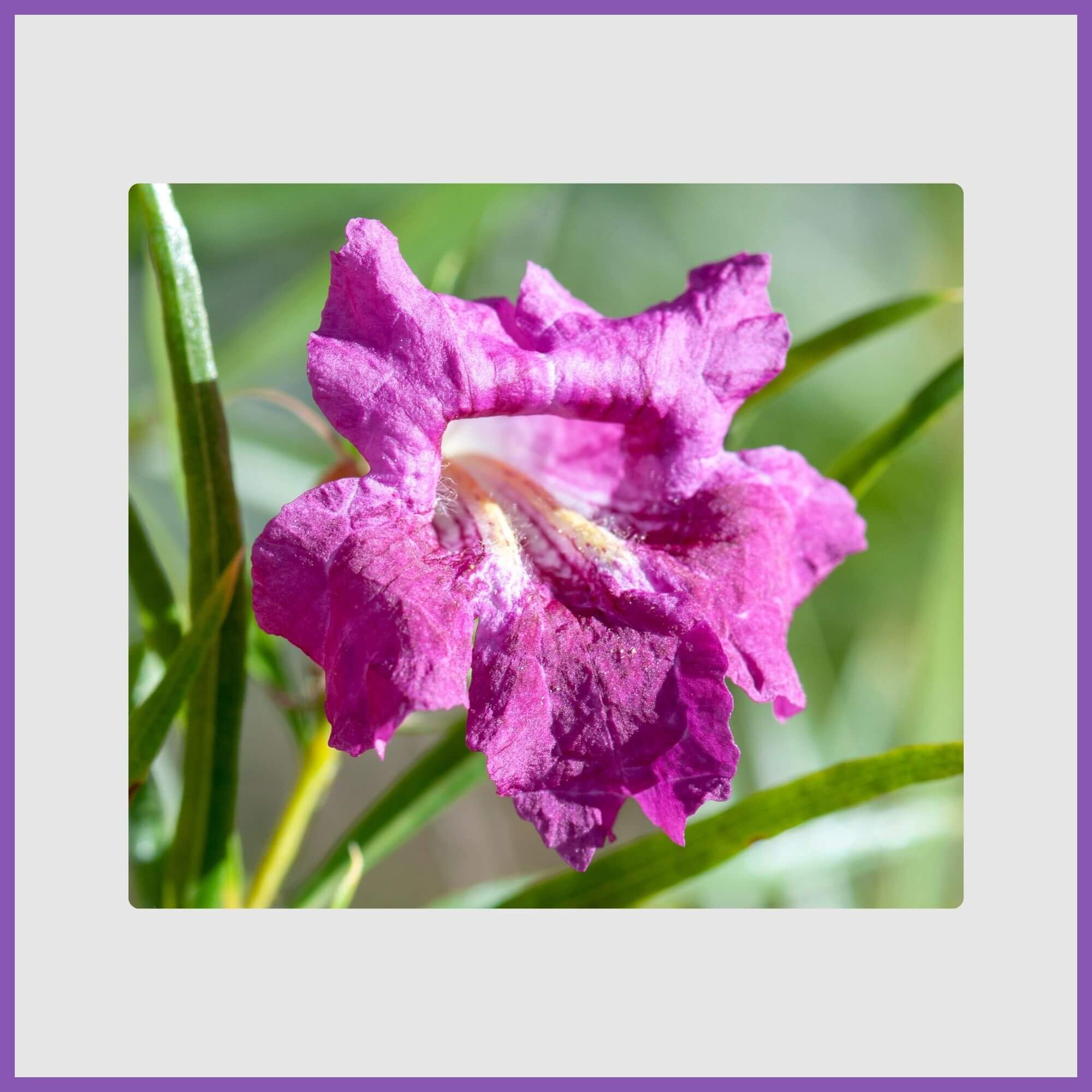
Graceful and hardy, this southwestern native features orchid-like purple blooms with delicate nectar guides to attract hummingbirds. Despite its name, it is not a true willow but gets its name from its long, slender leaves. It is exceptionally drought-tolerant and thrives in harsh, hot climates.
Soil: Sandy, dry
Water: Low
Sun: Full
USDA Zone: 7–10
Bloom Time: Summer
13. American Wisteria Tree (Wisteria frutescens ‘Amethyst Falls’)
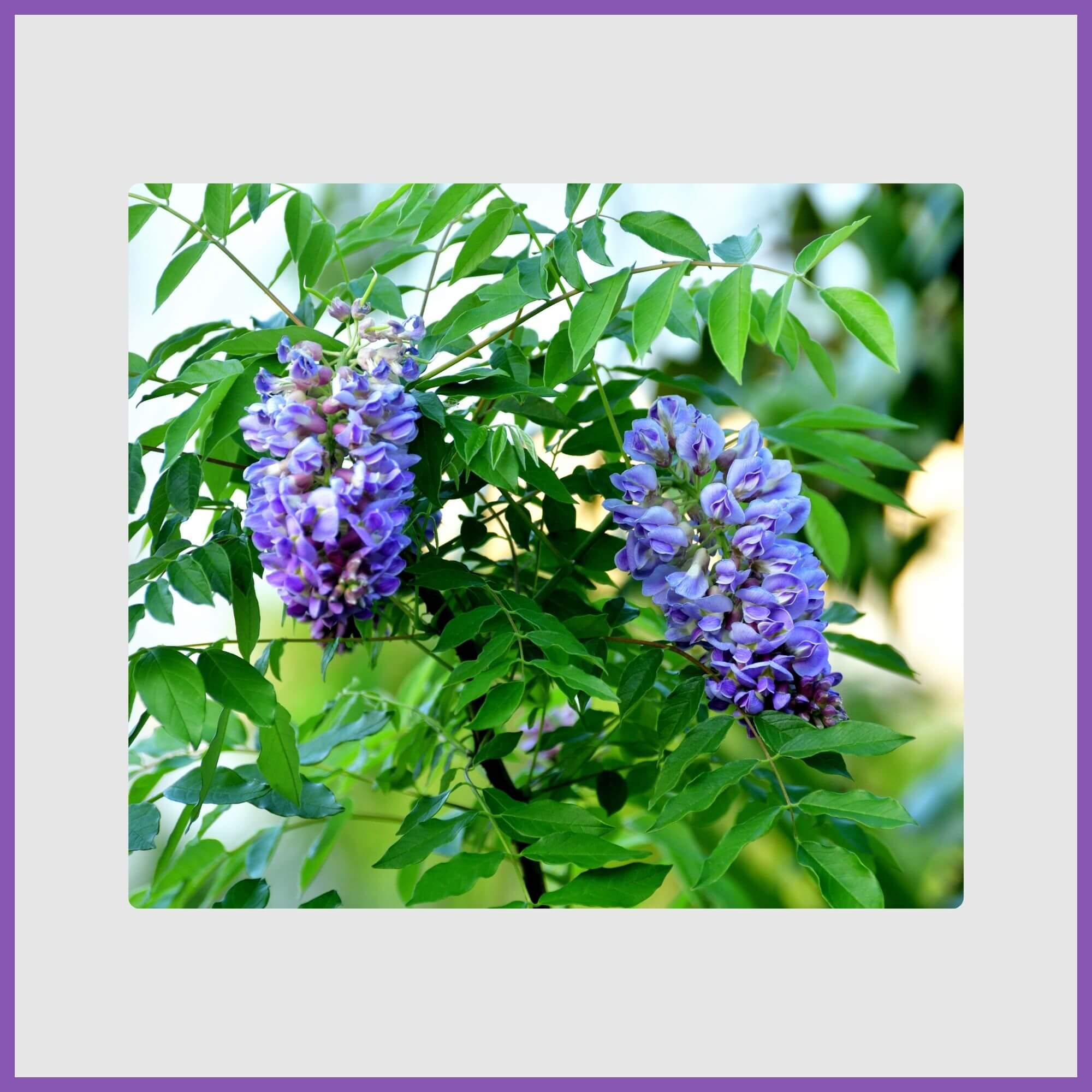
This American Wisteria is a less aggressive alternative to the Asian varieties, making it an excellent choice for training into a small tree form. Its fragrant, lavender-purple flower clusters are slightly smaller but just as beautiful, and it blooms at a younger age. It’s a valuable native plant that supports local pollinators.
Soil: Moist, well-drained
Water: Regular
Sun: Full to partial
USDA Zone: 5–9
Bloom Time: Late spring to early summer
14. Chinese Princess Tree (Paulownia fortunei ‘Fast Blue’)
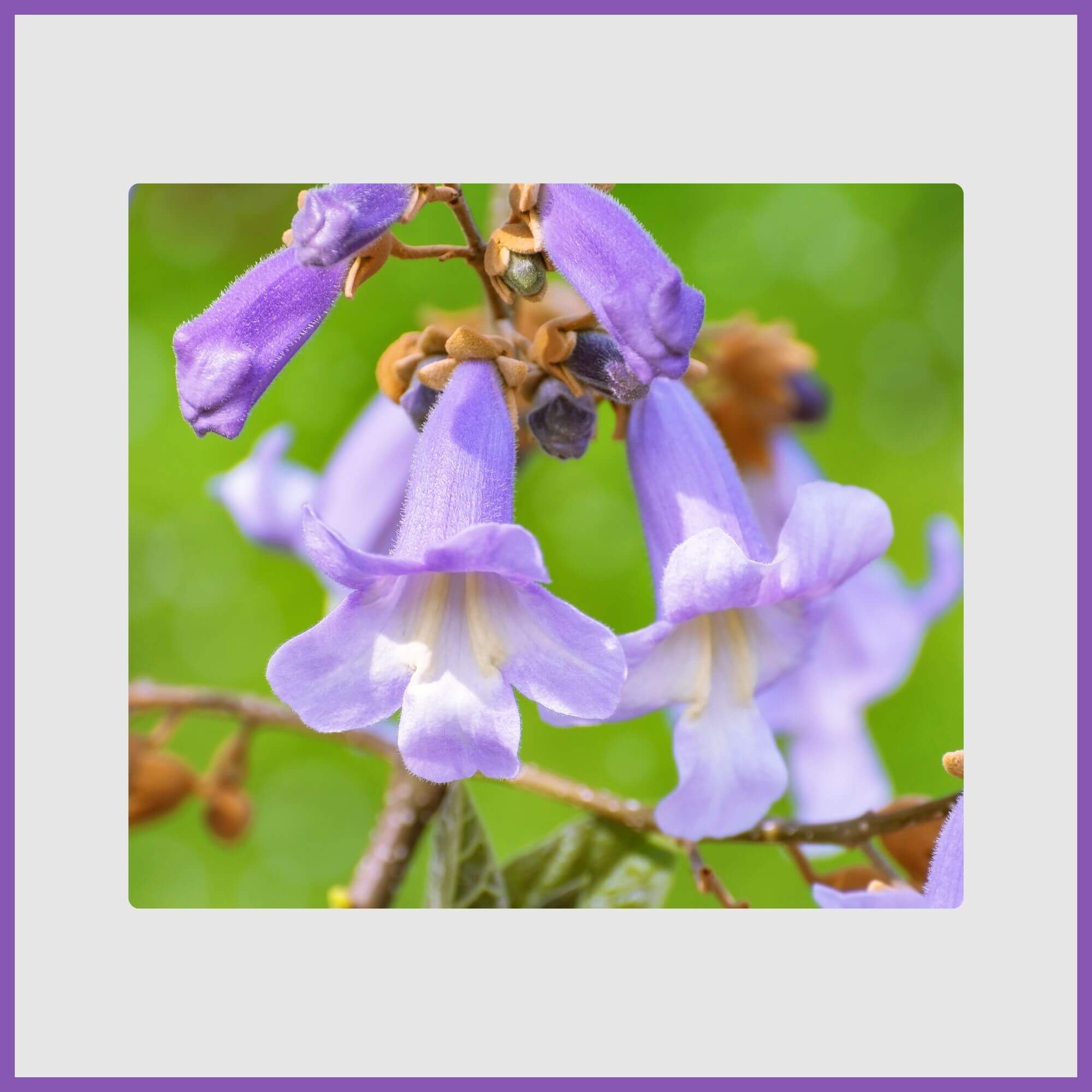
This non-invasive cousin of the Empress Tree dazzles with clusters of violet-purple, trumpet-shaped blooms that appear before the leaves. Its blossoms are deeper and cooler-toned than the standard Paulownia, giving a true purple display. Despite its quick growth, it maintains a well-balanced crown and is more garden-friendly than other Paulownias.
- Soil: Fertile, well-drained
- Water: Moderate
- Sun: Full sun
- USDA Zone: 6–10
- Bloom Time: Early spring
15. Hong Kong Orchid Tree (Bauhinia blakeana)
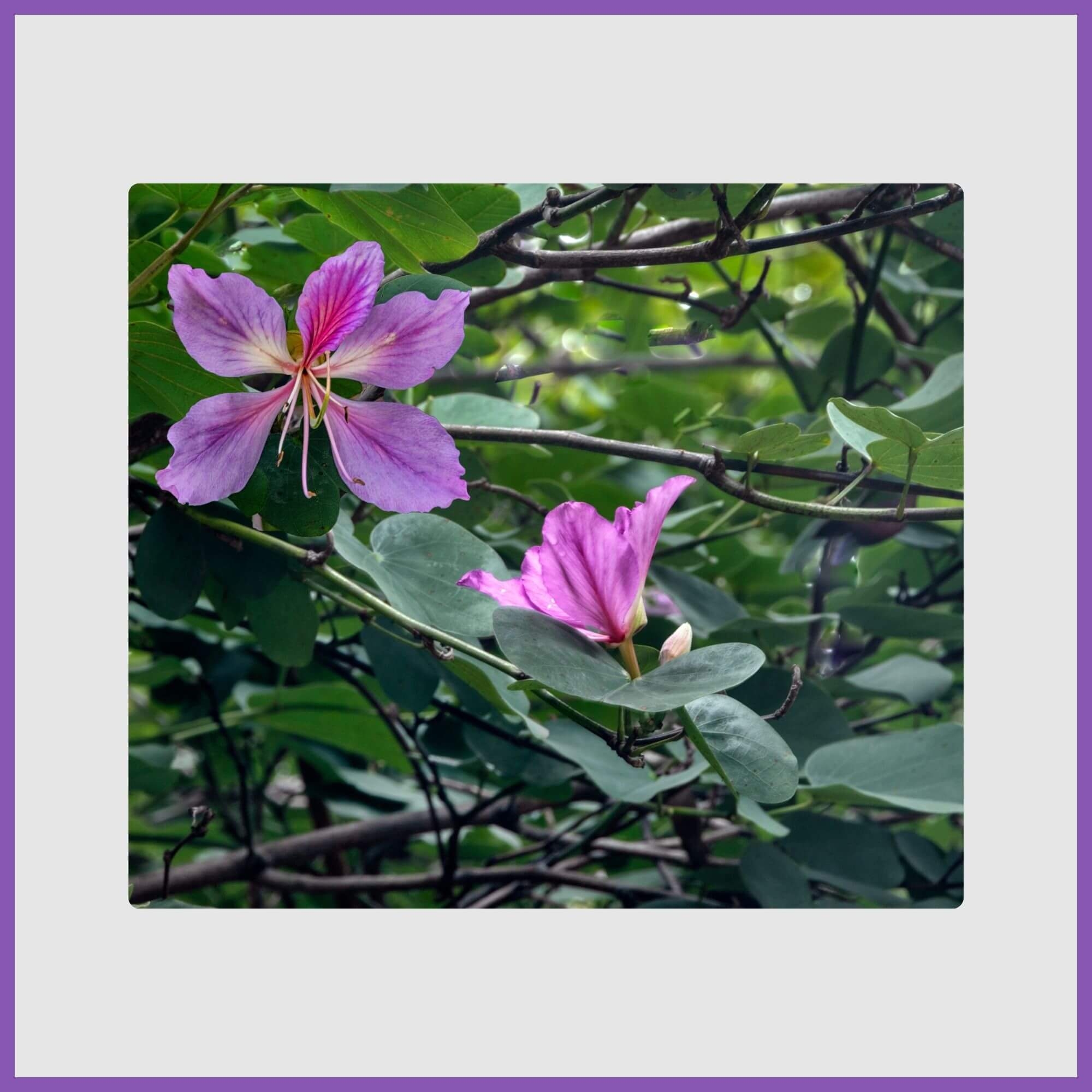
Hong Kong’s national flower, this evergreen tree bears large, orchid-shaped violet blooms with a light fragrance. It is a sterile hybrid that does not produce seed pods, making it a very clean tree for landscapes. It was first discovered in Hong Kong around 1880.
Soil: Well-drained
Water: Moderate
Sun: Full
USDA Zone: 9–11
Bloom Time: Winter to spring
16. Glory Tree (Tibouchina granulosa)
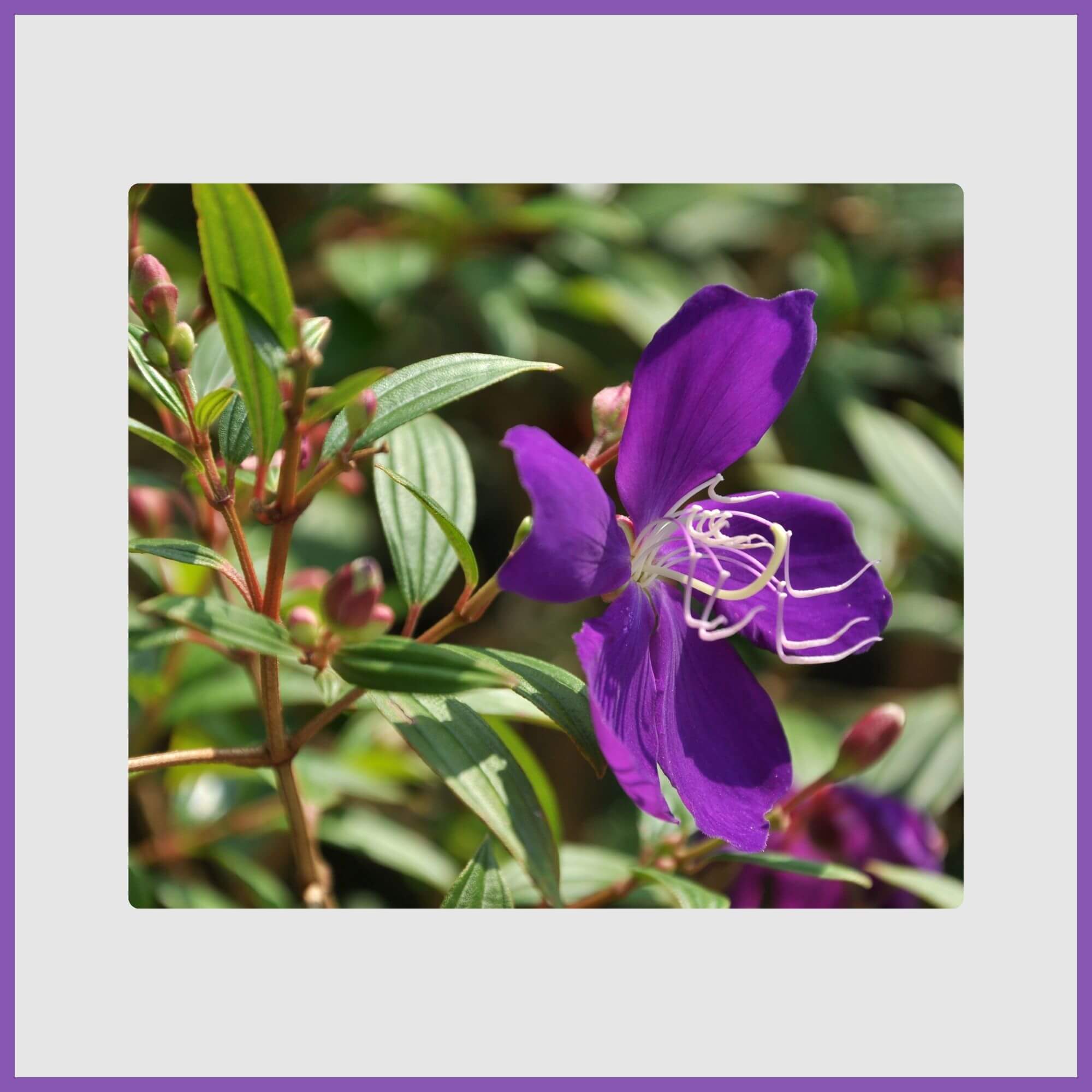
Native to Brazil, the Glory Tree boasts royal-purple blossoms with a unique, shimmering quality due to tiny hairs on the petals. The wood of this tree is also notable, being very hard and dense, and is used locally in construction and for making tool handles.
Soil: Acidic, well-drained
Water: Regular
Sun: Full
USDA Zone: 9–11
Bloom Time: Summer to fall
17. Lavender Lace Tree (Melaleuca nesophila)
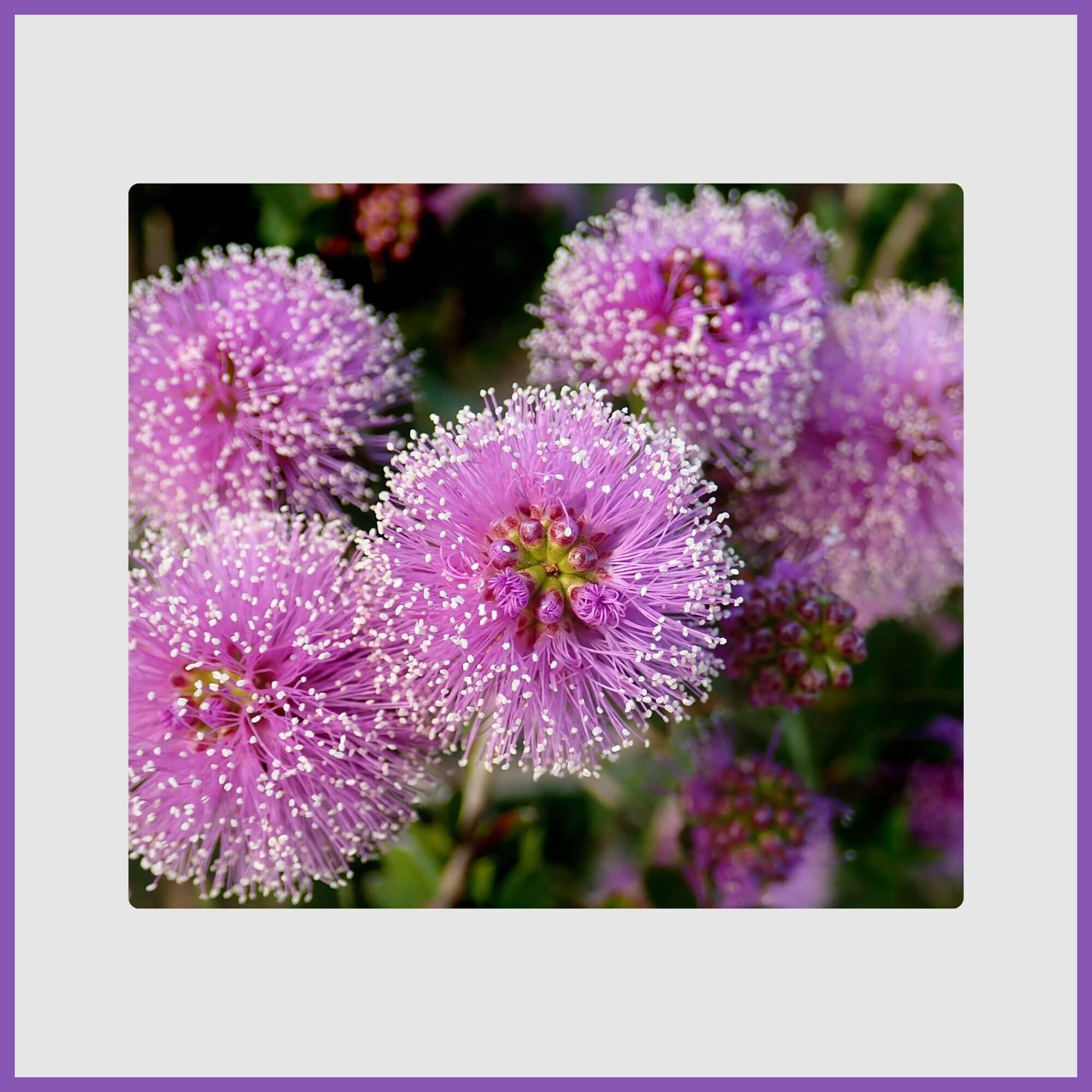
A resilient Australian native featuring fluffy, spherical lavender pom-pom flowers and silver-green foliage. The common name “Paperbark” comes from its spongy, layered bark that peels off in sheets. This tree is exceptionally salt and wind-tolerant, perfect for coastal gardens.
Soil: Sandy
Water: Light
Sun: Full
USDA Zone: 9–11
Bloom Time: Spring to summer
18. Purple Smoke Tree (Cotinus coggygria)
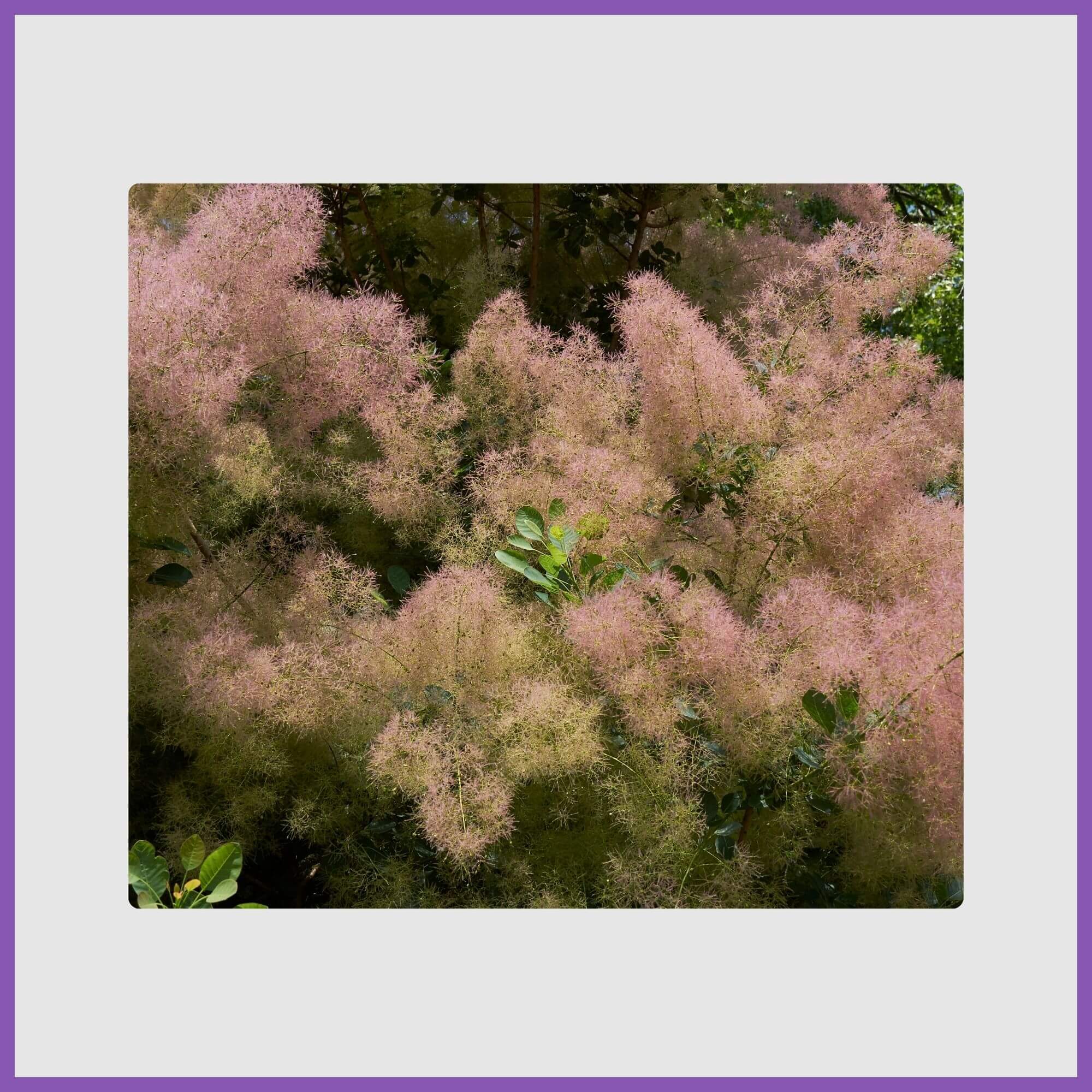
This ornamental tree earns its name from the feathery, smoke-like purple plumes that envelop the tree after its small flowers bloom. The vibrant purple foliage comes from high concentrations of anthocyanins. Historically, the wood was used to make a yellow dye, and the leaves were used in tanning leather.
Soil: Dry, well-drained
Water: Low
Sun: Full
USDA Zone: 4–8
Bloom Time: Late spring
19. Korean Lilac Tree (Syringa meyeri ‘Palibin’)
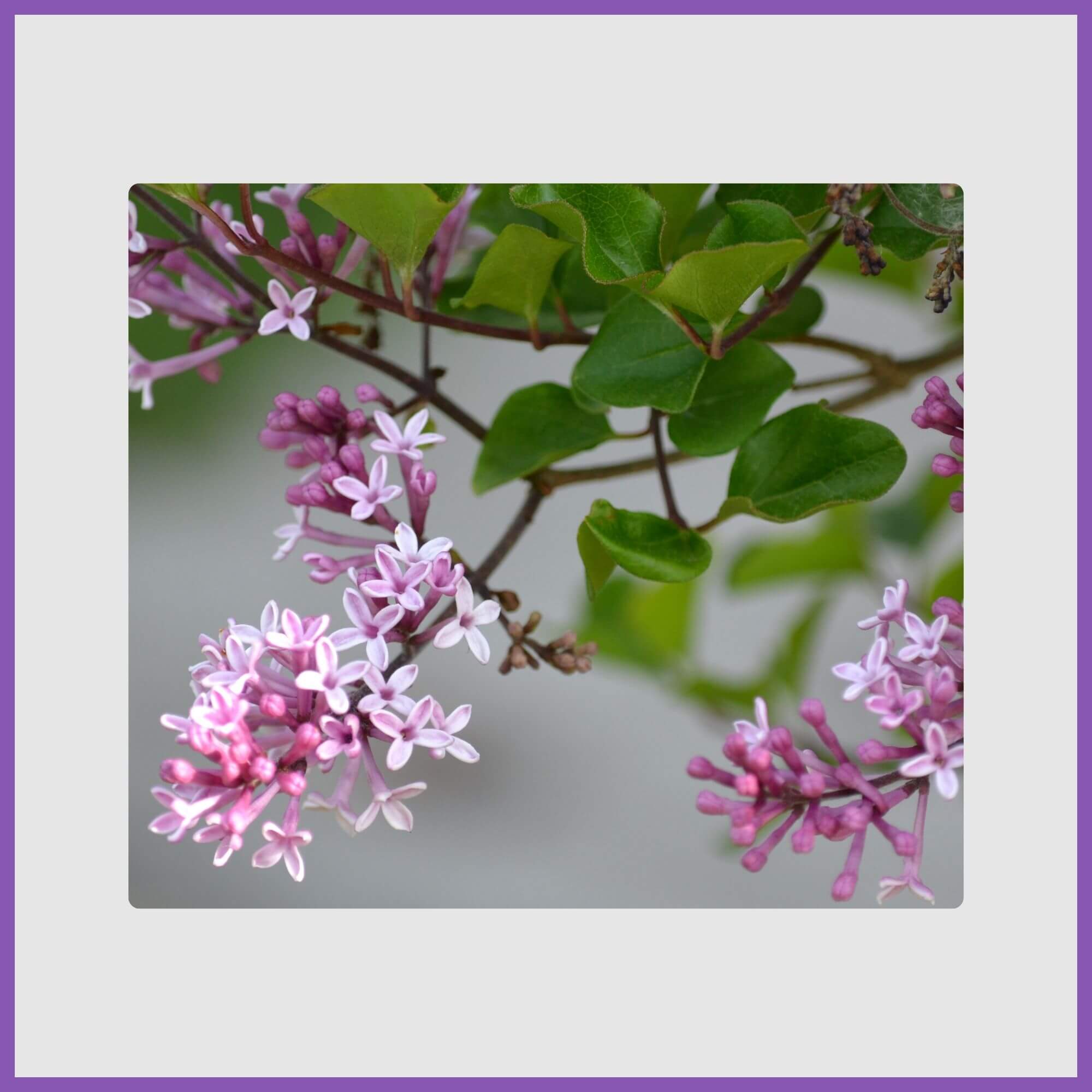
A compact, slow-growing lilac tree that forms a perfect, dense canopy covered in fragrant, lavender-purple flower panicles in late spring. Unlike the common lilac, ‘Palibin’ is known for its excellent resistance to powdery mildew and often reblooms sporadically throughout the summer, offering a longer season of color and fragrance.
Soil: Well-drained, loamy
Water: Moderate
Sun: Full sun
USDA Zone: 3–7
Bloom Time: Late spring, with sporadic summer rebloom
20. Purple Trumpet Tree (Tabebuia impetiginosa)
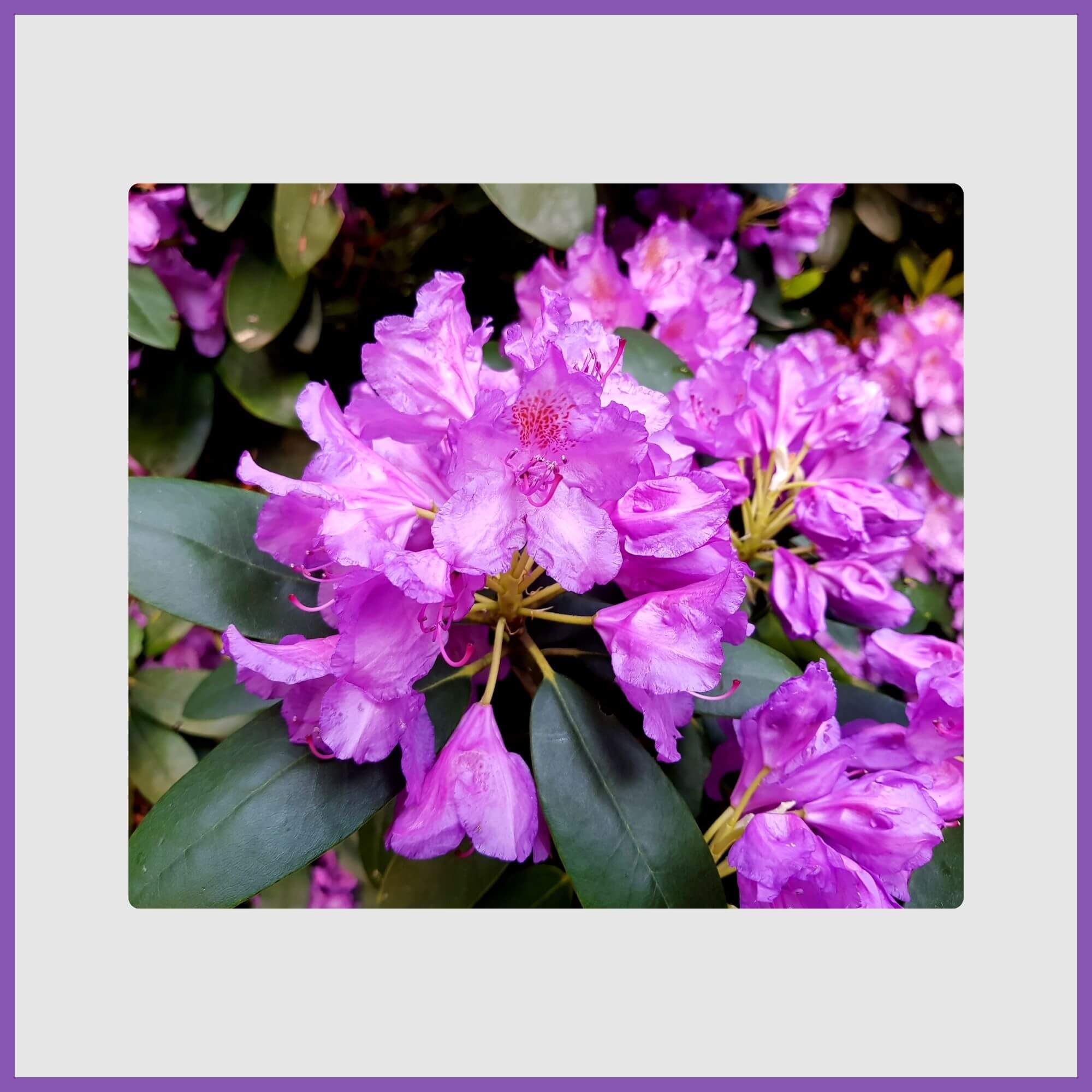
This South American native bursts into a canopy of trumpet-shaped lavender flowers, often on a leafless tree. Its incredibly hard and heavy wood, known as “Ipe” or “Ironwood,” is so dense it sinks in water and is highly prized for decking and outdoor construction due to its natural resistance to rot and insects.
Soil: Well-drained
Water: Moderate
Sun: Full
USDA Zone: 9–11
Bloom Time: Spring
21. Princess Flower Tree (Tibouchina urvilleana)
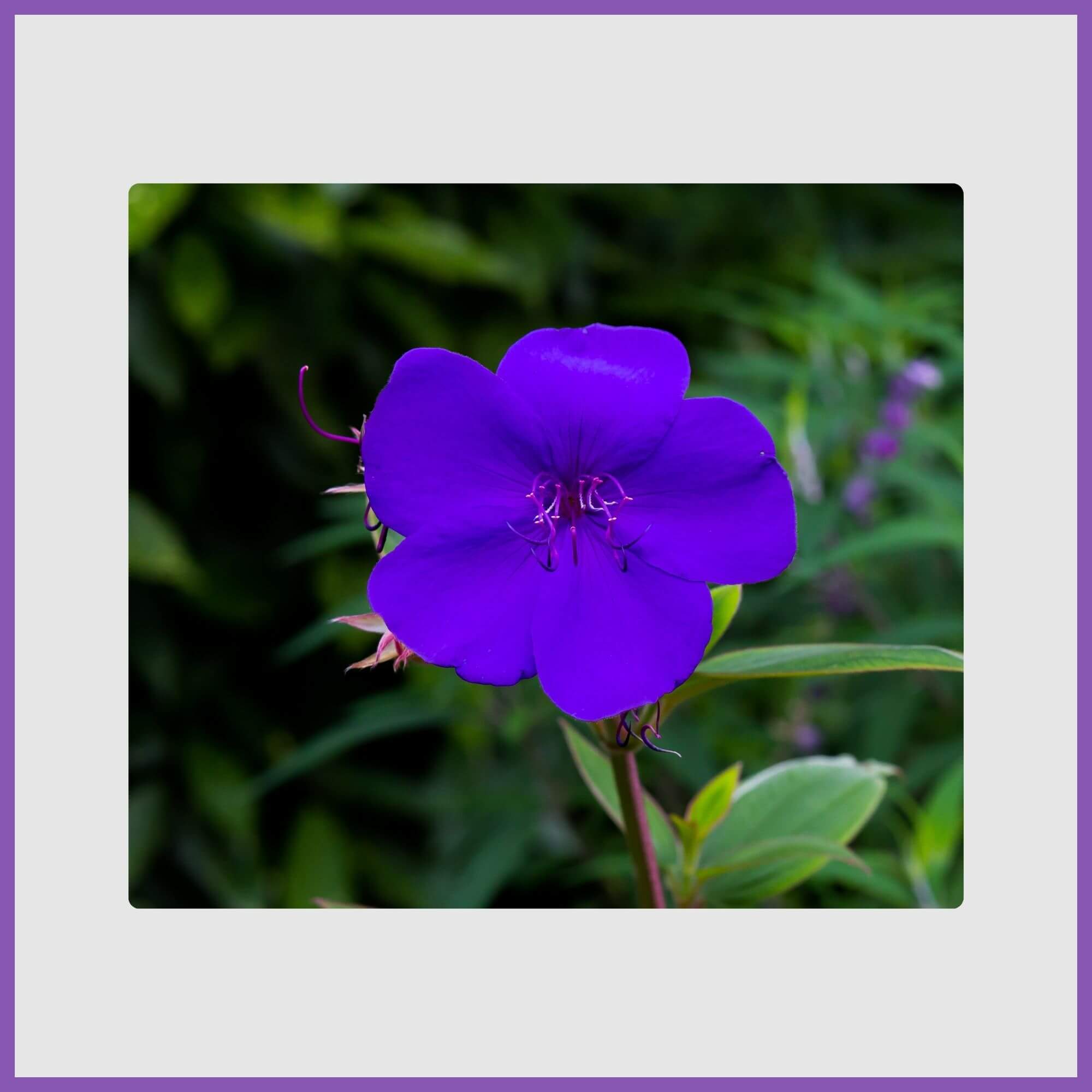
With rich, velvety purple flowers and striking, prominent stamens, this tropical shrub-tree hybrid is a showstopper. The undersides of its leaves are covered in soft, fuzzy hairs. It can bloom nearly year-round in frost-free climates, providing a constant source of vibrant color.
Soil: Acidic, well-drained
Water: Regular
Sun: Full
USDA Zone: 9–11
Bloom Time: Summer to winter
What Is the Most Popular Tree with Purple Flowers?
The Jacaranda tree is the most famous purple-flowering tree worldwide. Its violet-blue blooms create entire “purple streets” during late spring, especially in cities like Pretoria and Los Angeles. Gardeners love it for its beauty, light shade, and reliable flowering each year.
Key Takeaways for Gardeners
Most purple-flowering trees love full sun and well-drained soil.
Plant in spring or early fall for strong root growth.
Use mulch to retain moisture and prevent weeds.
Prune lightly after blooming for fuller shapes.
Many of these trees attract bees, butterflies, and hummingbirds naturally.
FAQs About Flowering Trees with Purple Flowers
Q1. What are the easiest purple flowering trees to grow?
Crape Myrtle and Chaste Tree are among the easiest hardy, drought-tolerant, and long-blooming.
Q2. Which purple flowering trees grow the fastest?
The Royal Empress Tree and Jacaranda are rapid growers that reach maturity in just a few years.
Q3. Can these trees grow in colder regions?
Yes. Lilac, Redbud, and Purple Smoke Tree thrive in cooler zones (USDA 4–8).
Q4. Are purple flowering trees good for pollinators?
Absolutely. Many species, like Vitex and Wisteria, attract bees, butterflies, and hummingbirds naturally.
👉 Explore More Purple Flowering Trees and Colorful Blooms
If you loved discovering purple flowering trees with purple flowers, explore these next — each guide is filled with stunning visuals, quick facts, and growing inspiration:
- 🌸 25 Spectacular Pink and Purple Flowers – Explore gorgeous pink and purple blends that bring elegance and depth to any garden.
- 🌼 40 Brilliant Yellow Flowers with Names & Pictures – Brighten your surroundings with golden blooms that symbolize joy and positivity.
- 🌳 18+ Flowering Trees with Pink Blossoms (With Pictures) – Discover breathtaking trees that burst into pink blooms every spring.