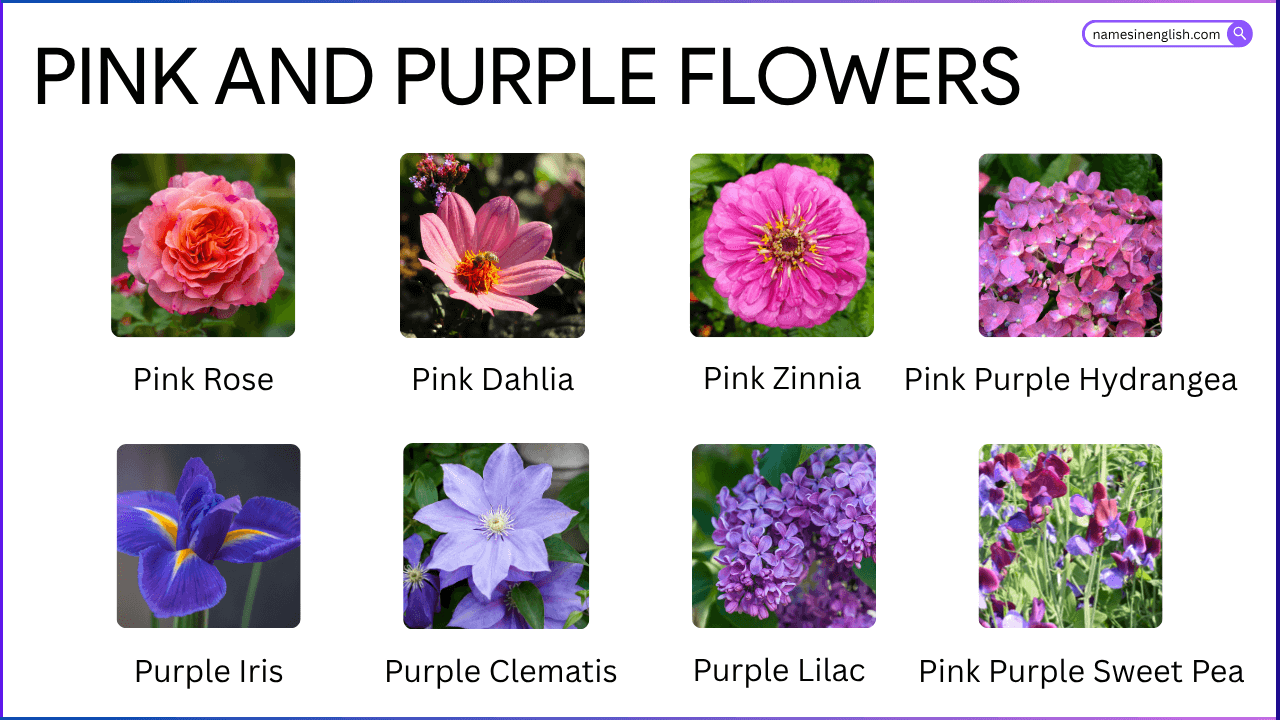

If you’re looking to brighten your garden or simply love colorful blooms, Pink and Purple Flowers are a perfect choice. These beautiful flowers add charm, elegance, and vibrant color to gardens, balconies, flower beds, and floral arrangements. From soft pastel blossoms to bold, eye-catching blooms, they suit every style and season. In this article, you’ll learn 25 Spectacular Pink and Purple Flowers, along with their names, unique features, growing tips, and stunning pictures to help you choose the best varieties for your home or landscape.
Meaning of Pink and Purple Flowers
Pink flowers represent love, warmth, and tenderness emotions we share in close relationships.
Purple flowers, on the other hand, express creativity, spirituality, and admiration.
Together, pink and purple flowers create a balance emotion meeting imagination making them perfect for both gardens and personal gifts.
🌸 10 Stunning Pink Flowers
1. Rose (Rosa spp.)
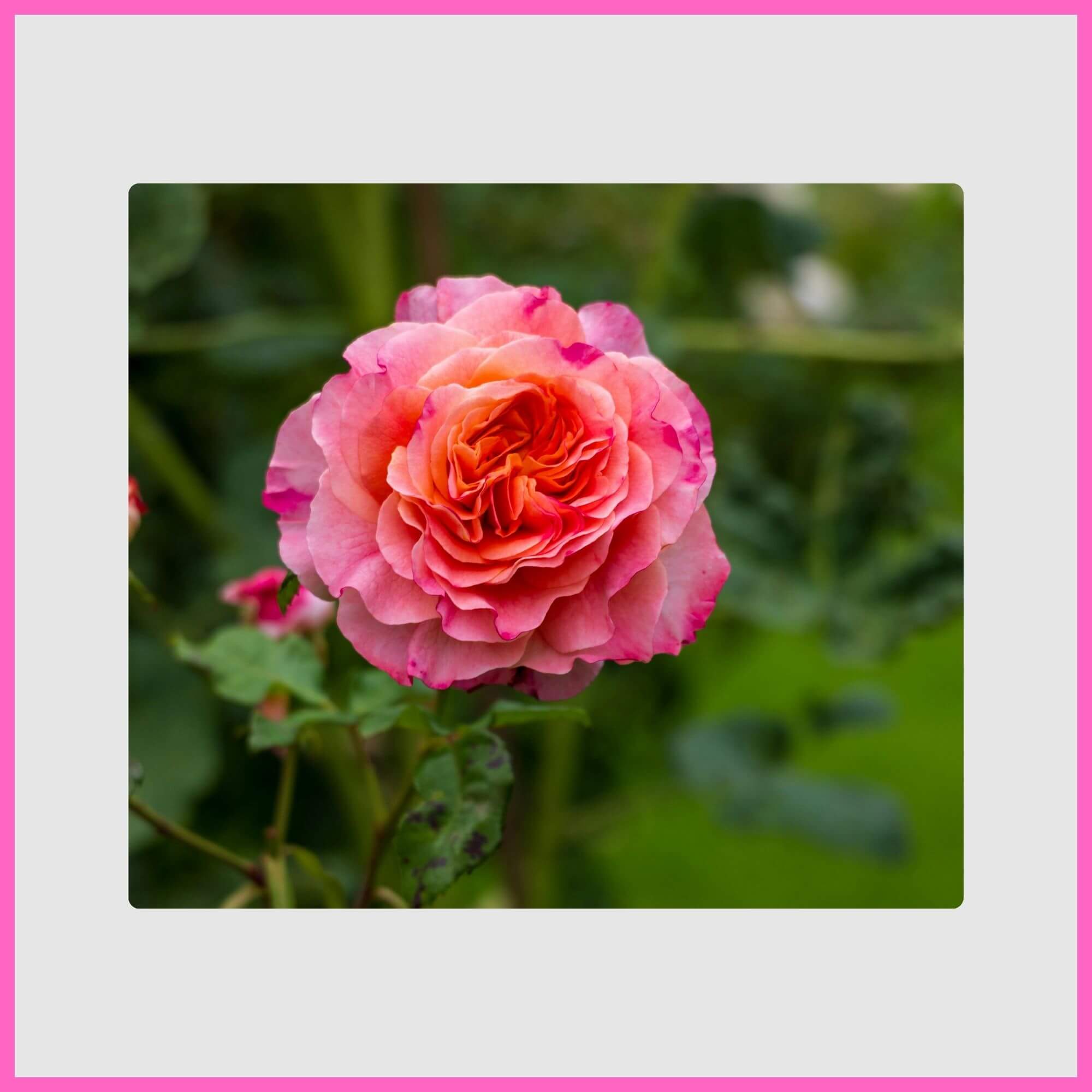
A timeless symbol of grace and admiration, the pink rose is a garden classic. Its exquisite form and fragrance make it a beloved choice for both landscapes and floral arrangements, blooming generously from spring through fall.
USDA Hardiness Zones: 3-11, depending on the type.
Bloom Time: Late spring to fall, with some varieties blooming repeatedly.
Soil: Fertile, well-drained loam with a neutral to slightly acidic pH.
Sun Exposure: Full sun (at least 6 hours of direct sunlight daily).
Water: Regular, deep watering; avoid wetting the leaves.
2. Peony (Paeonia lactiflora)
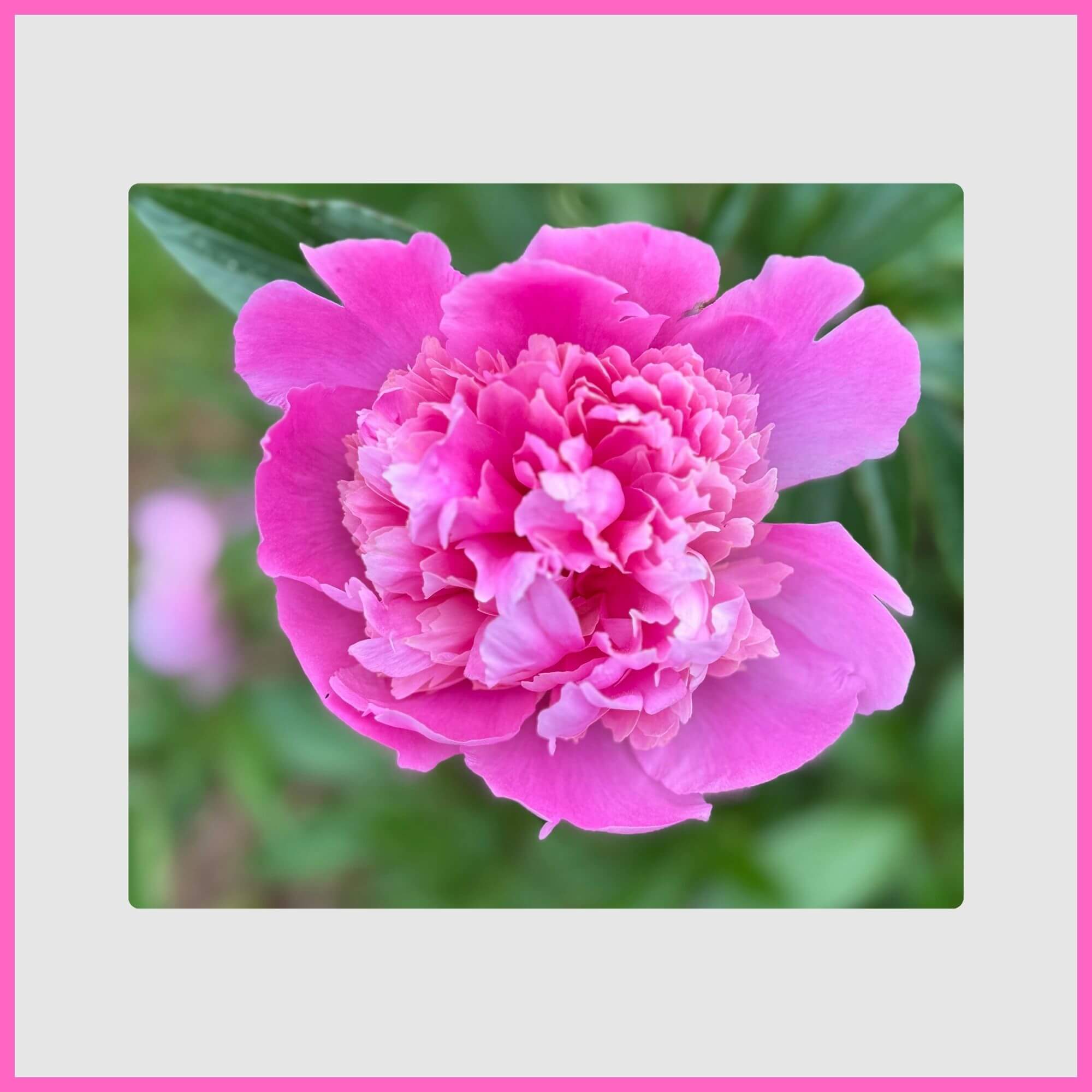
Peonies are celebrated for their lush, fragrant blooms that symbolize prosperity and a happy marriage. These long-lived perennials can thrive for over 50 years, becoming more magnificent with each passing season.
USDA Hardiness Zones: 3-8.
Bloom Time: Late spring to early summer.
Soil: Deep, fertile, well-drained soil with a neutral pH.
Sun Exposure: Full sun to very light shade.
Special Note: Plant roots no deeper than 2 inches, or they may not flower.
3. Camellia (Camellia japonica)
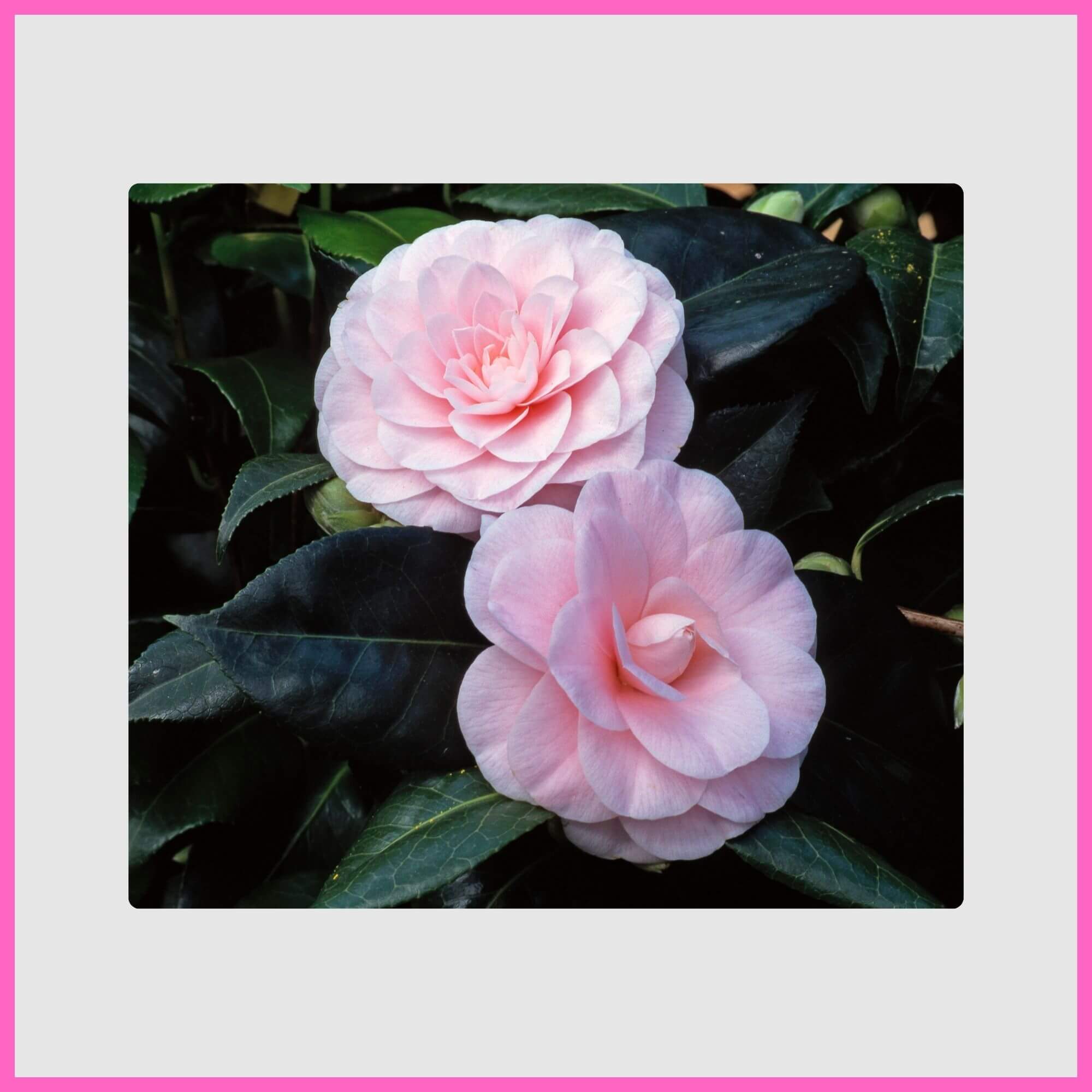
Known as the “Queen of Winter Flowers,” camellias provide elegant blooms when little else is flowering. Their perfectly formed, silky petals symbolize admiration and are a staple in Southern gardens.
USDA Hardiness Zones: 7-9.
Bloom Time: Fall to spring, depending on the variety.
Soil: Moist, well-drained, acidic soil rich in organic matter.
Sun Exposure: Partial to dappled shade; protection from hot afternoon sun is ideal.
Water: Consistent moisture, especially during bud formation.
4. Pink Tulip (Tulipa gesneriana)
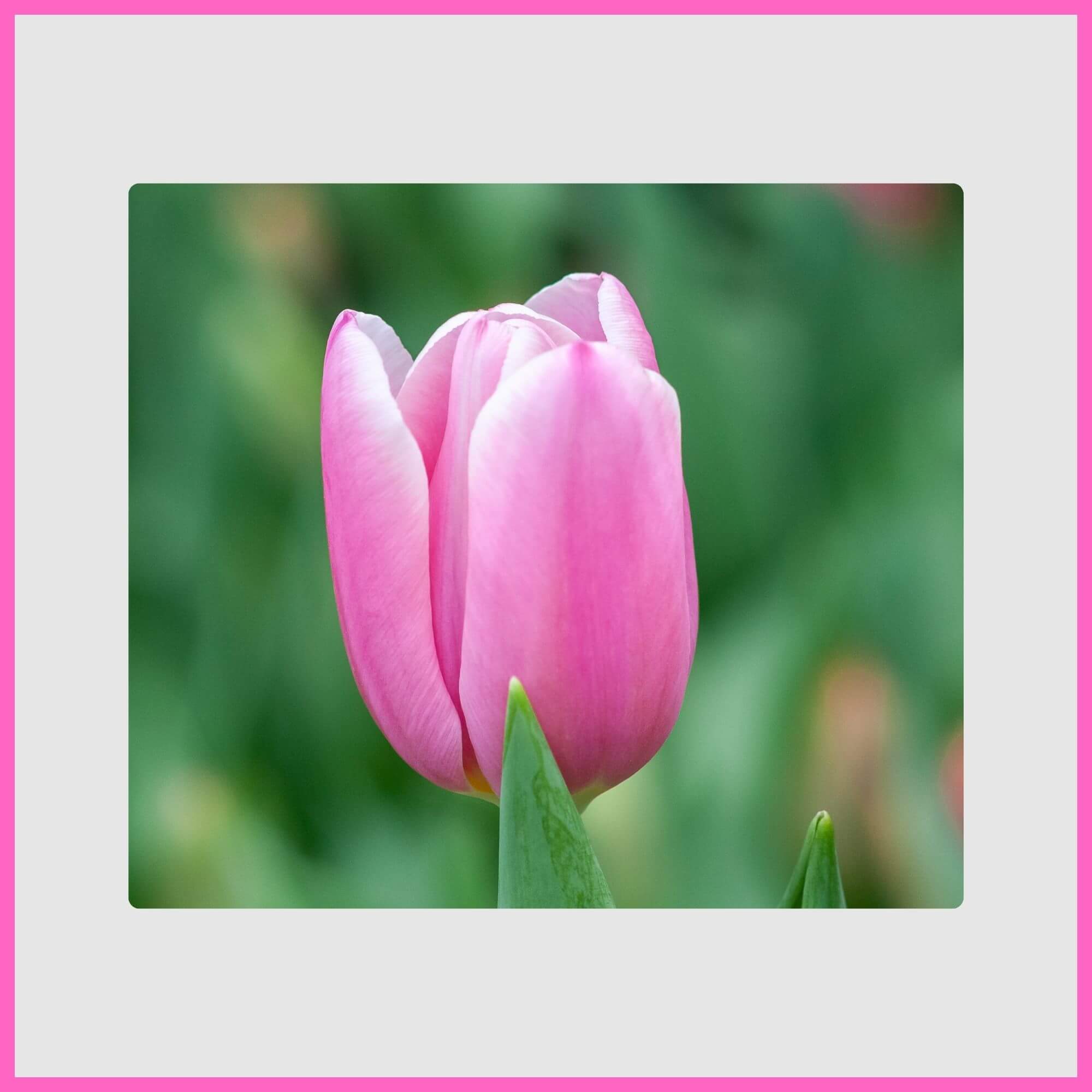
Pink tulips convey caring and good wishes, bringing a cheerful burst of color to spring gardens. They are perfect for borders, containers, and as cut flowers, with a simple yet profound beauty.
USDA Hardiness Zones: 3-8.
Bloom Time: Spring (early, mid, or late, depending on variety).
Soil: Well-drained, fertile, and neutral to slightly acidic soil.
Sun Exposure: Full sun.
Note: Often treated as annuals in warmer zones, as they require a cold winter period to rebloom reliably.
5. Azalea (Rhododendron spp.)
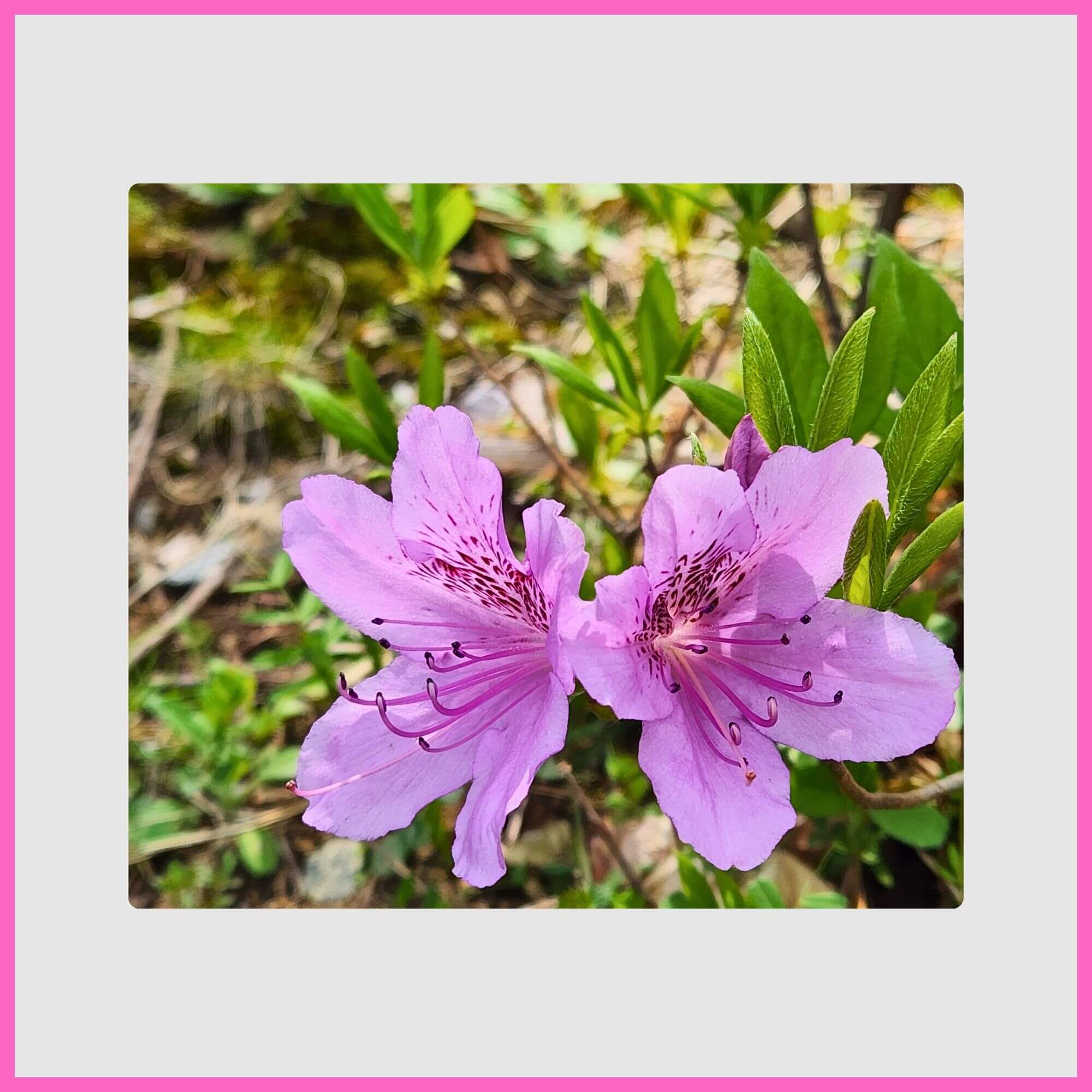
Azaleas announce spring with a spectacular explosion of pink color. These flowering shrubs love dappled shade and acid soil, creating a vibrant understory planting or a stunning hedge.
USDA Hardiness Zones: 5-9, with many thriving in 6-8.
Bloom Time: Primarily spring, though some varieties rebloom.
Soil: Moist, well-drained, acidic soil (pH 4.5-6.0).
Sun Exposure: Partial shade (filtered sunlight is ideal).
Water: Keep consistently moist, but not soggy.
6. Carnation (Dianthus caryophyllus)
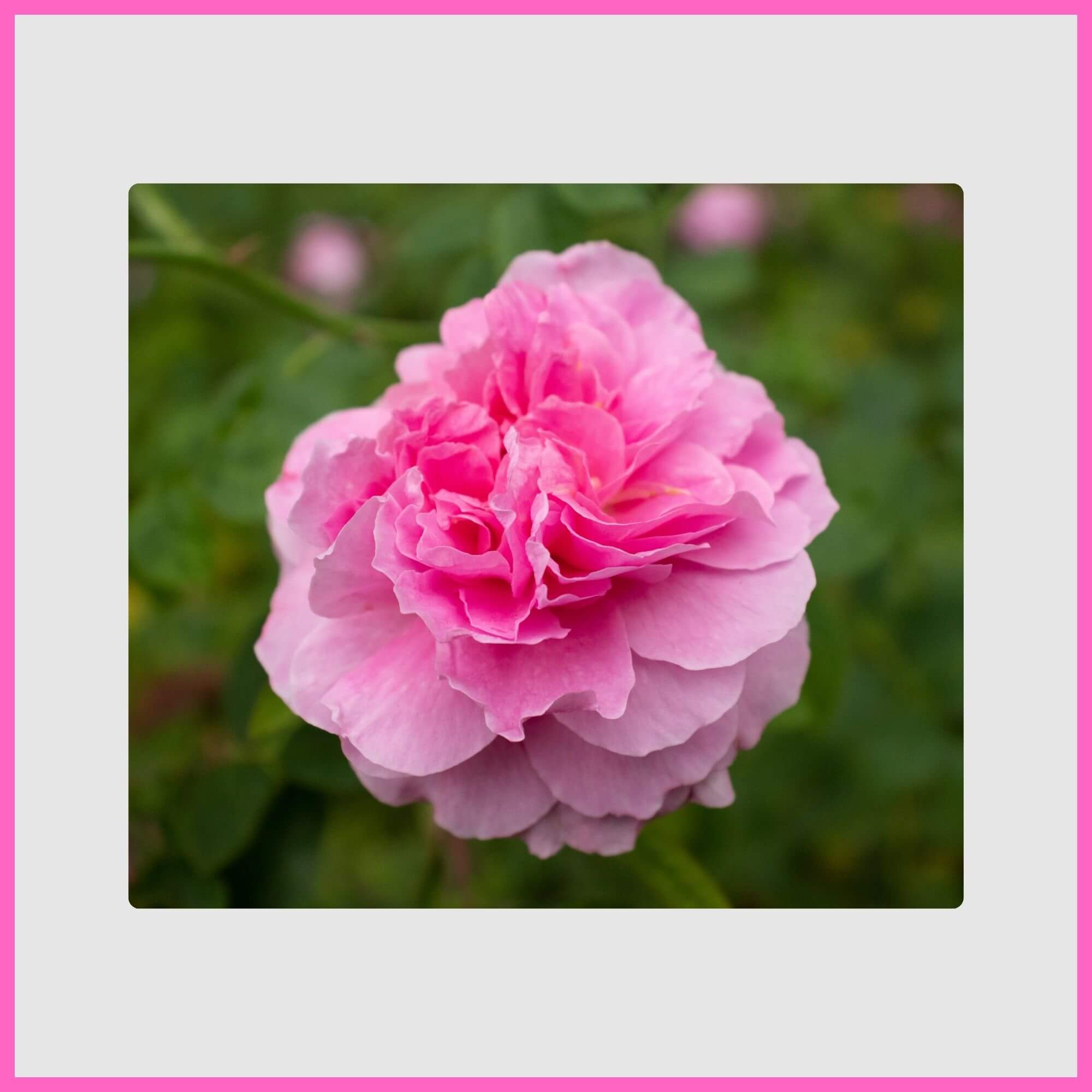
A symbol of a mother’s eternal love, pink carnations are revered for their clove-like scent and long-lasting nature as cut flowers. Their ruffled petals add a classic, frilly texture to any garden or bouquet.
USDA Hardiness Zones: 5-9 (perennial), often grown as annuals.
Bloom Time: Late spring to summer.
Soil: Well-drained, slightly alkaline soil.
Sun Exposure: Full sun.
Water: Water at the base to keep foliage dry; allow soil to dry slightly between waterings.
7. Zinnia (Zinnia elegans)
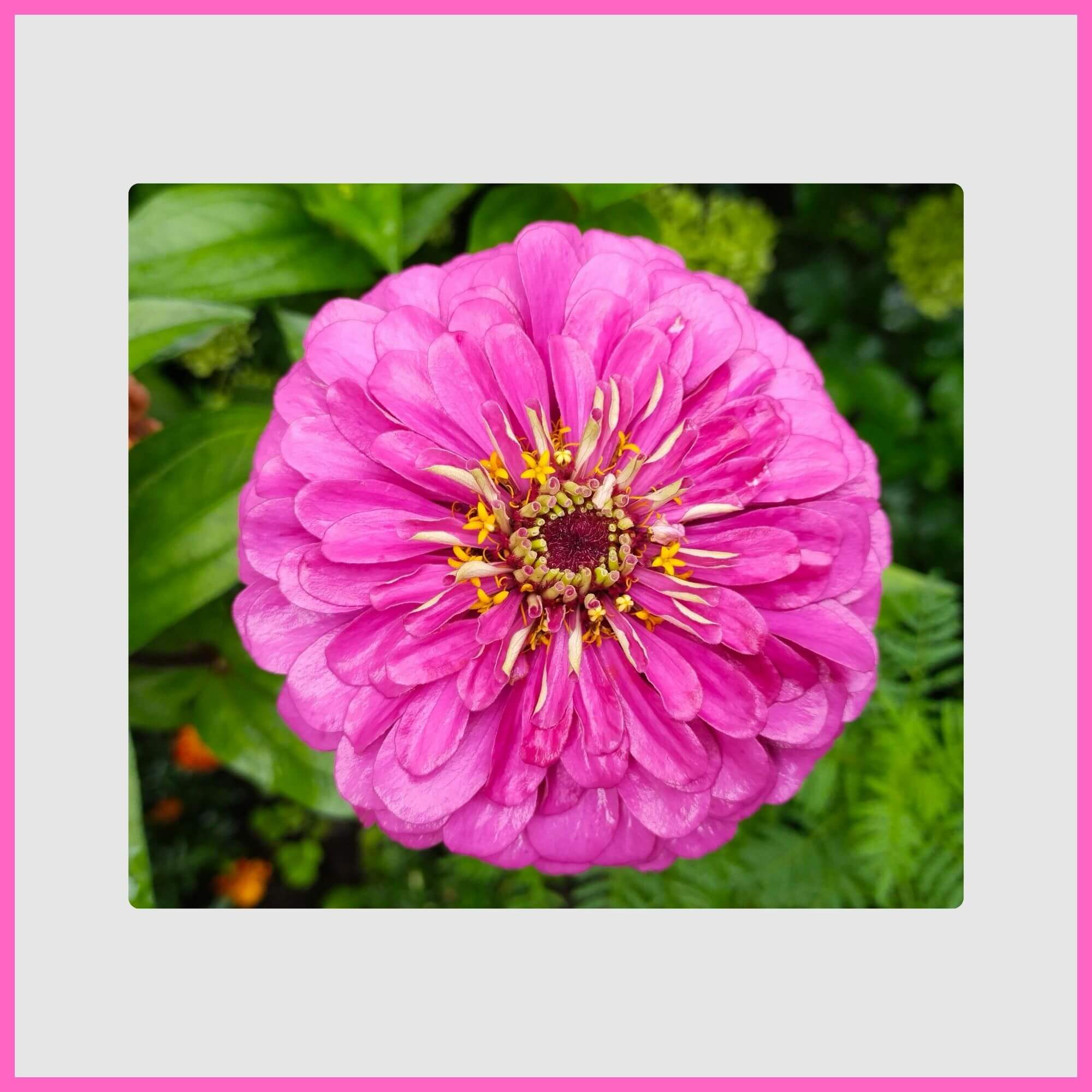
Zinnias are the workhorses of the summer garden, providing vibrant, bold pink blooms with incredible ease. They are excellent for cutting and are a vital nectar source for butterflies and pollinators.
USDA Hardiness Zones: 2-11 (grown as an annual everywhere).
Bloom Time: Summer until the first frost.
Soil: Well-drained, fertile soil; they are tolerant of poorer soils.
Sun Exposure: Full sun.
Water: Water at the base to prevent powdery mildew on leaves.
8. Pink Hibiscus (Hibiscus rosa-sinensis)
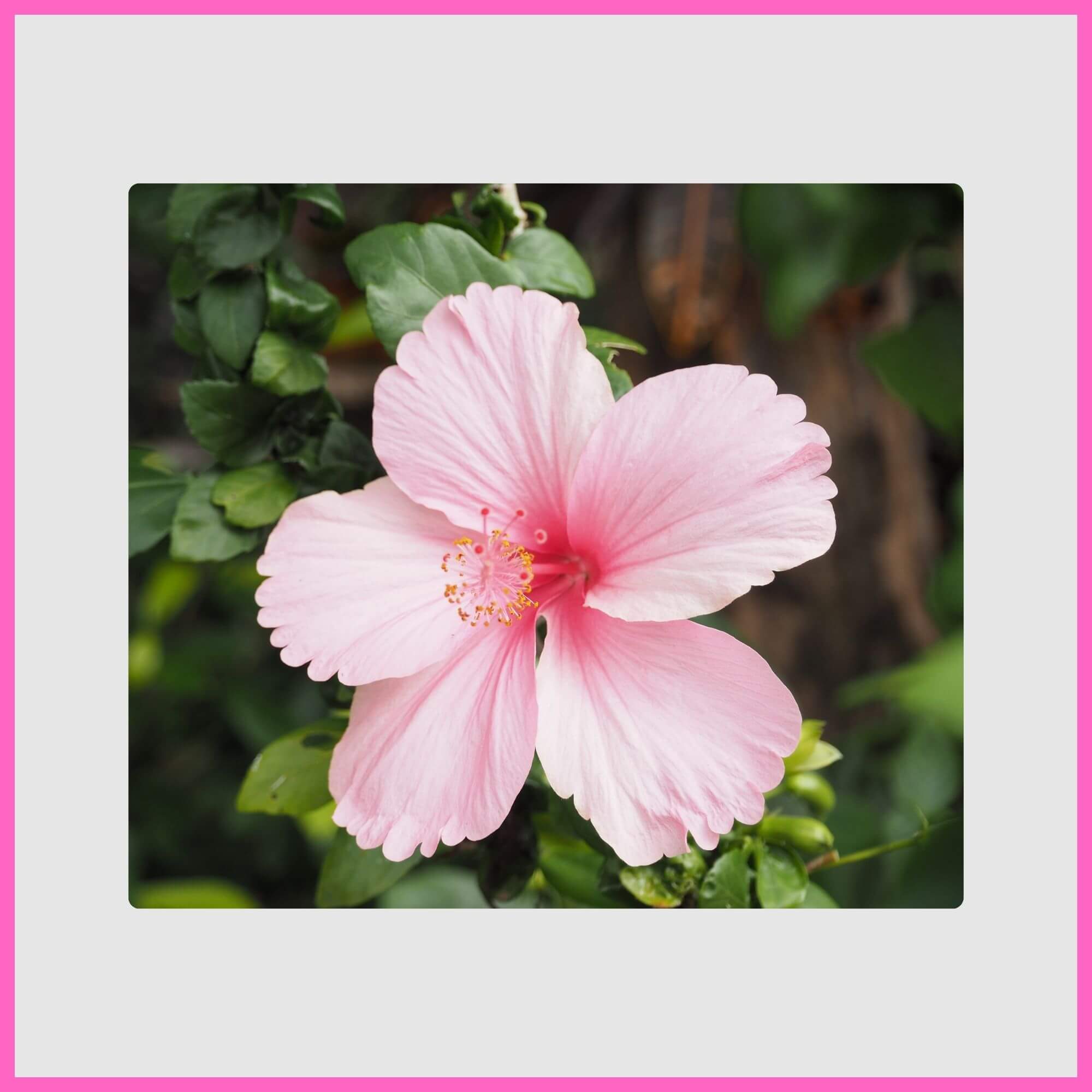
This tropical hibiscus produces large, dramatic blooms that embody feminine energy and friendship. Its striking flowers are a hallmark of warm-climate gardens and patios.
USDA Hardiness Zones: 9-11; often grown as an annual or container plant in cooler zones.
Bloom Time: Summer to fall.
Soil: Rich, well-drained, and consistently moist soil.
Sun Exposure: Full sun to partial shade.
Water: Keep soil consistently moist, especially in containers.
9. Cherry Blossom (Prunus serrulata)
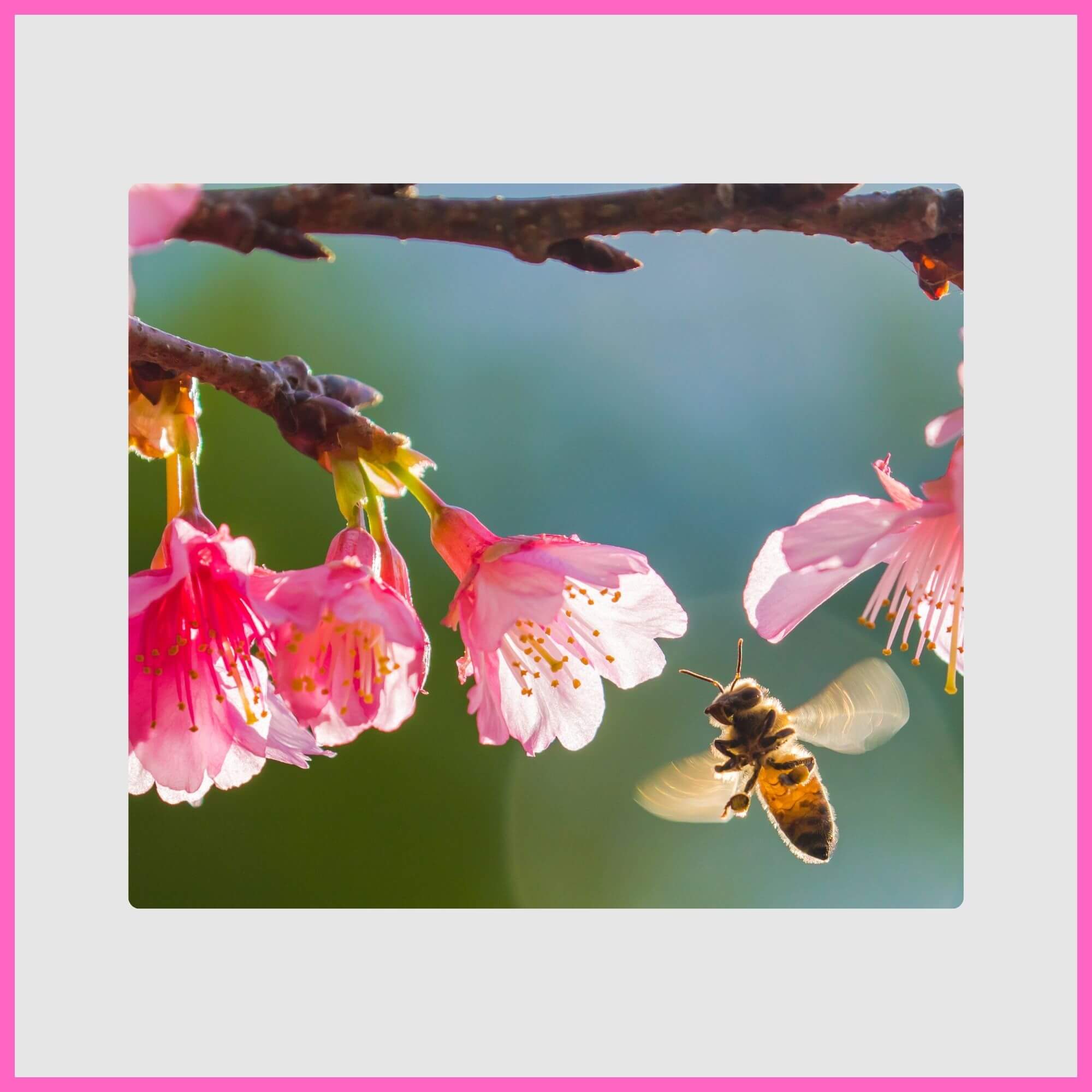
Cherry blossoms are a cultural icon, celebrated for their breathtaking but fleeting spring display. The clouds of soft pink flowers symbolize the transient beauty of life and the arrival of spring.
USDA Hardiness Zones: 5-8.
Bloom Time: Early to mid-spring (often for just 1-2 weeks).
Soil: Moist, well-drained, acidic to neutral soil.
Sun Exposure: Full sun.
Water: Average water needs; more during establishment and drought.
10. Pink Dahlia (Dahlia pinnata)
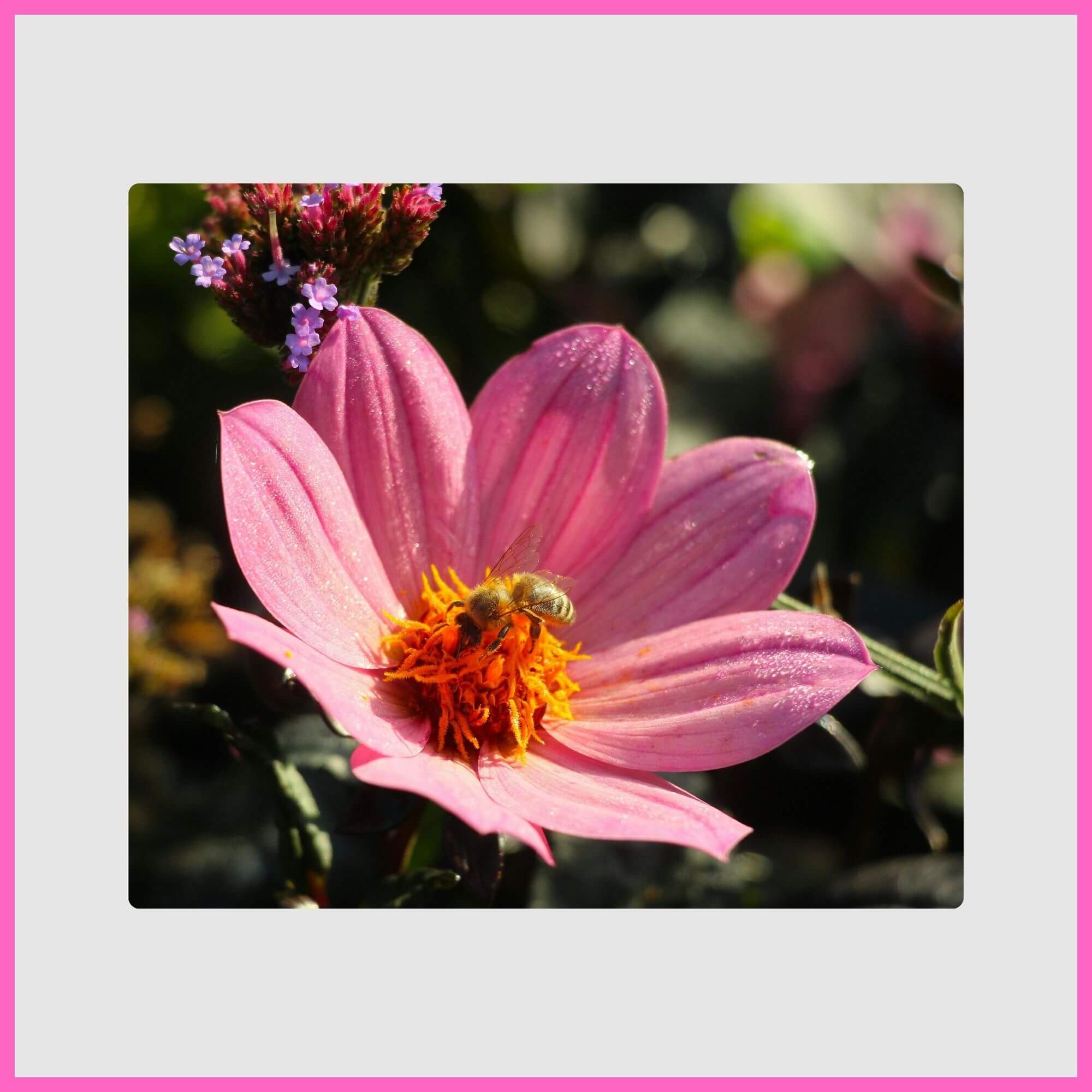
Dahlias offer an incredible diversity of forms, from tiny pompoms to giant dinnerplate blooms. Pink varieties symbolize kindness and grace, creating stunning focal points in late summer gardens.
USDA Hardiness Zones: 8-11; tubers are lifted and stored indoors in colder zones.
Bloom Time: Midsummer until the first frost.
Soil: Fertile, well-drained soil.
Sun Exposure: Full sun (at least 6-8 hours).
Water: Regular, deep watering; support tall varieties with stakes.
💜 10 Enchanting Purple Flowers
1. Lavender (Lavandula angustifolia)
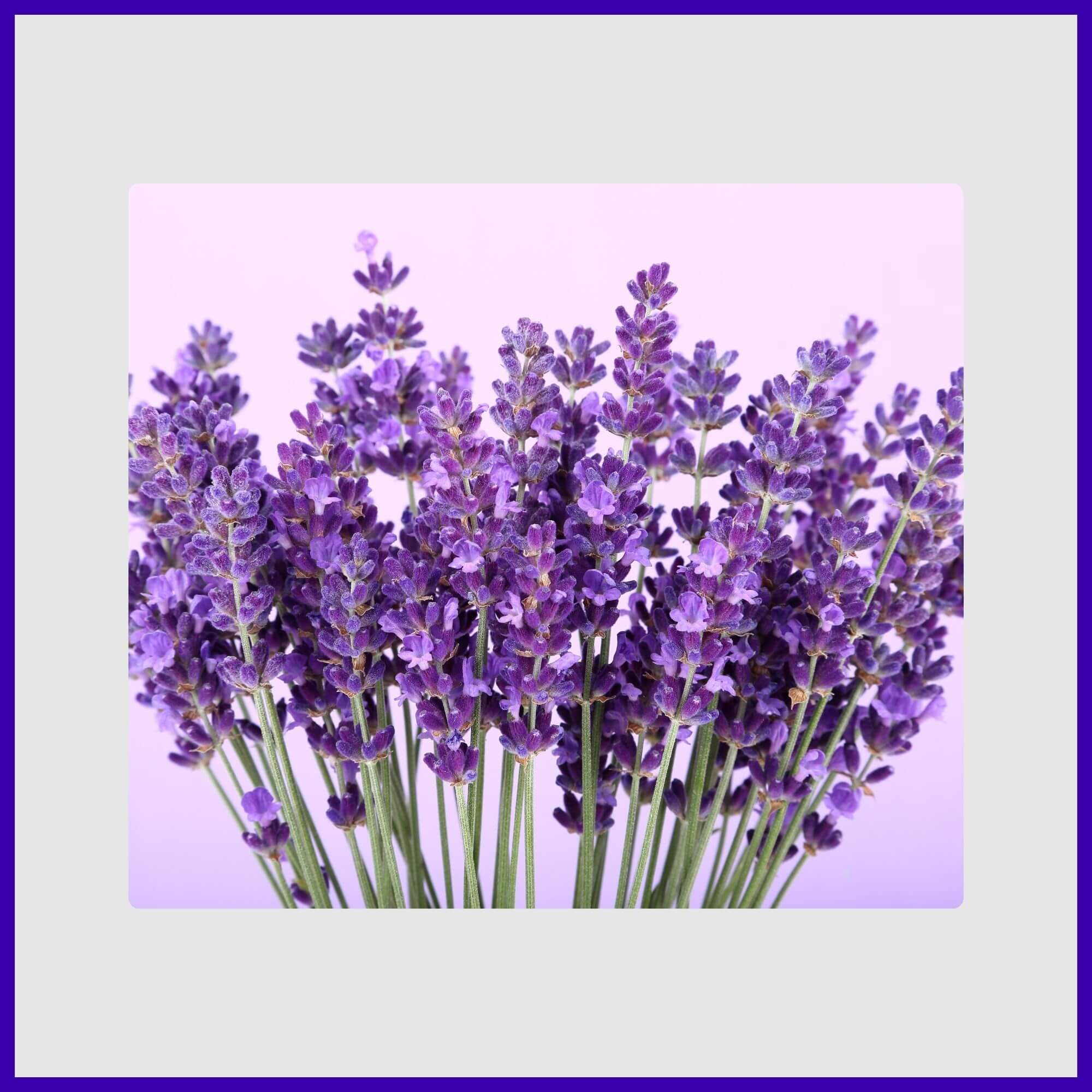
Lavender is cherished for its soothing fragrance, silvery foliage, and spikes of purple flowers. It is drought-tolerant and used for essential oils, sachets, and culinary purposes, bringing both beauty and utility to the garden.
USDA Hardiness Zones: 5-9.
Bloom Time: Late spring to early summer.
Soil: Poor to moderately fertile, very well-drained, alkaline soil.
Sun Exposure: Full sun.
Water: Water deeply but infrequently once established; thrives on neglect.
2. Purple Iris (Iris germanica)
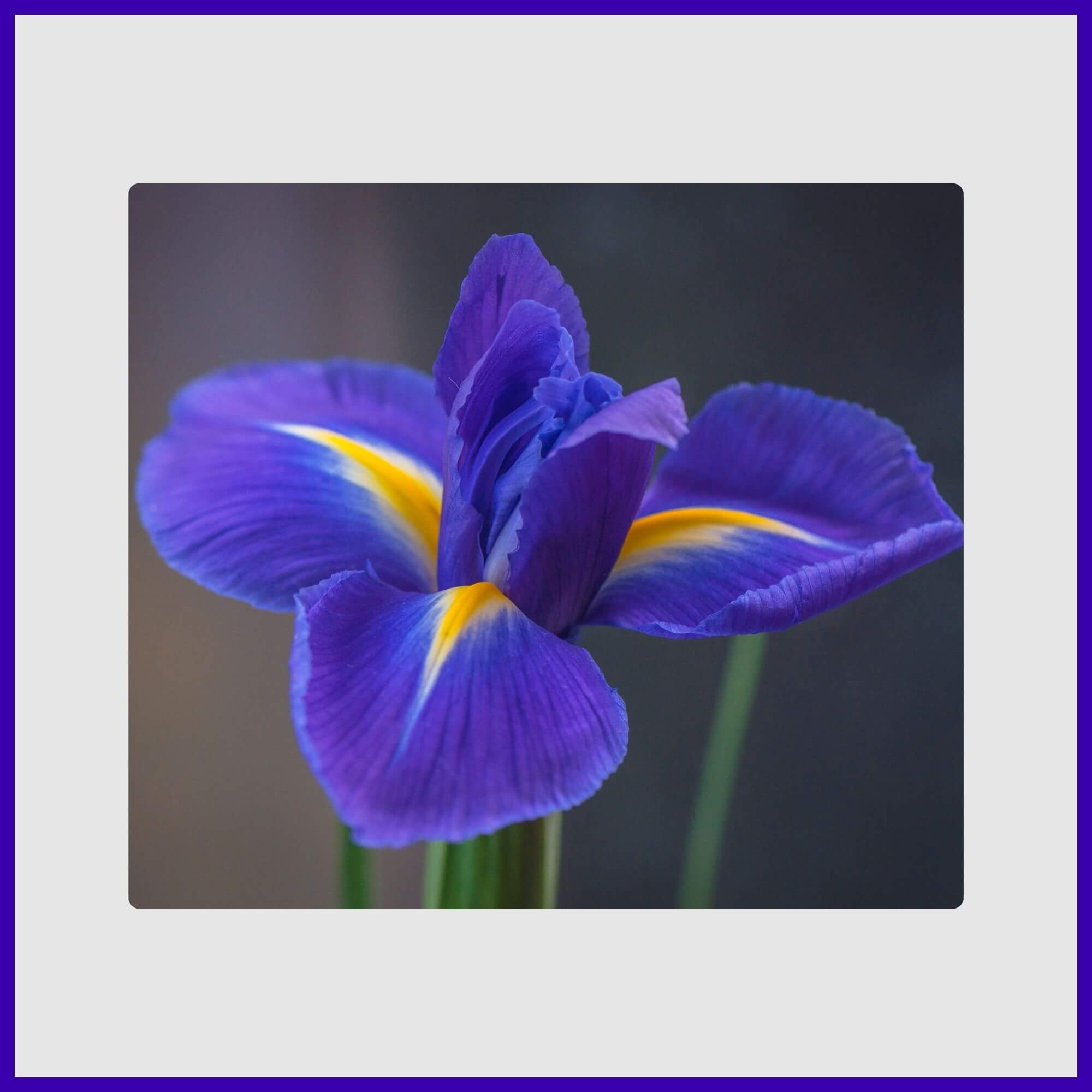
The purple bearded iris is a stately flower representing wisdom and royalty. Its intricate, velvety petals and striking form make it a majestic addition to the late spring garden.
USDA Hardiness Zones: 3-9.
Bloom Time: Late spring to early summer.
Soil: Well-drained, neutral to slightly acidic soil.
Sun Exposure: Full sun.
Special Note: Rhizomes should be planted at or slightly above soil level.
3. Lilac (Syringa vulgaris)
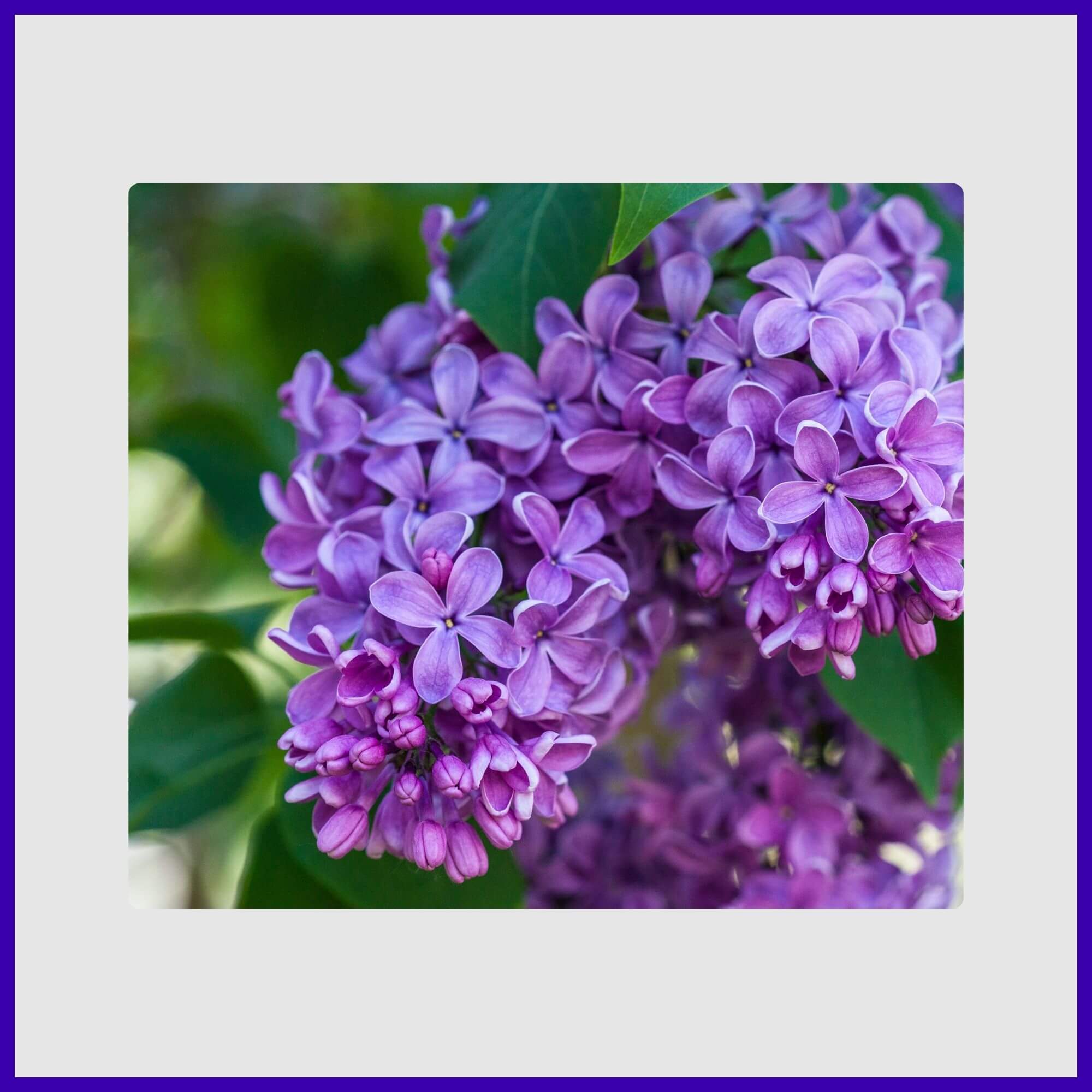
Lilacs are beloved for their intensely fragrant, conical clusters of purple flowers that herald the arrival of spring. They are long-lived shrubs symbolizing the joy of young love and renewal.
USDA Hardiness Zones: 3-7.
Bloom Time: Mid to late spring.
Soil: Fertile, humus-rich, well-drained, neutral to alkaline soil.
Sun Exposure: Full sun.
Pruning: Prune immediately after flowering to ensure blooms next year.
4. Verbena (Verbena bonariensis)
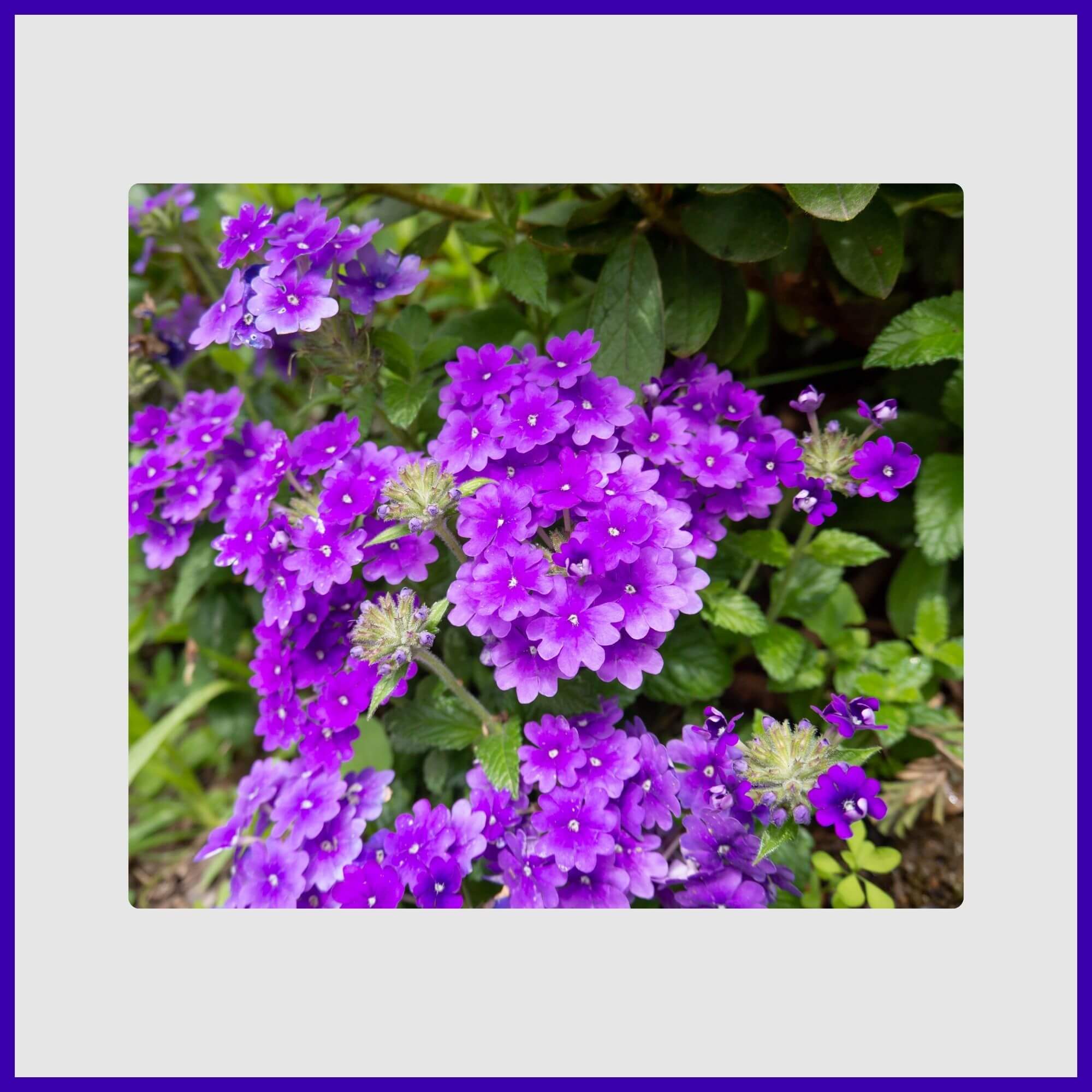
Tall and airy, verbena produces clusters of tiny, vibrant purple flowers on stiff, branching stems. It is a powerhouse for attracting butterflies and bees, adding see-through height to borders.
USDA Hardiness Zones: 7-11 (often grown as an annual).
Bloom Time: Summer to fall.
Soil: Well-drained, average fertility soil.
Sun Exposure: Full sun.
Water: Drought-tolerant once established.
5. Salvia (Salvia nemorosa)
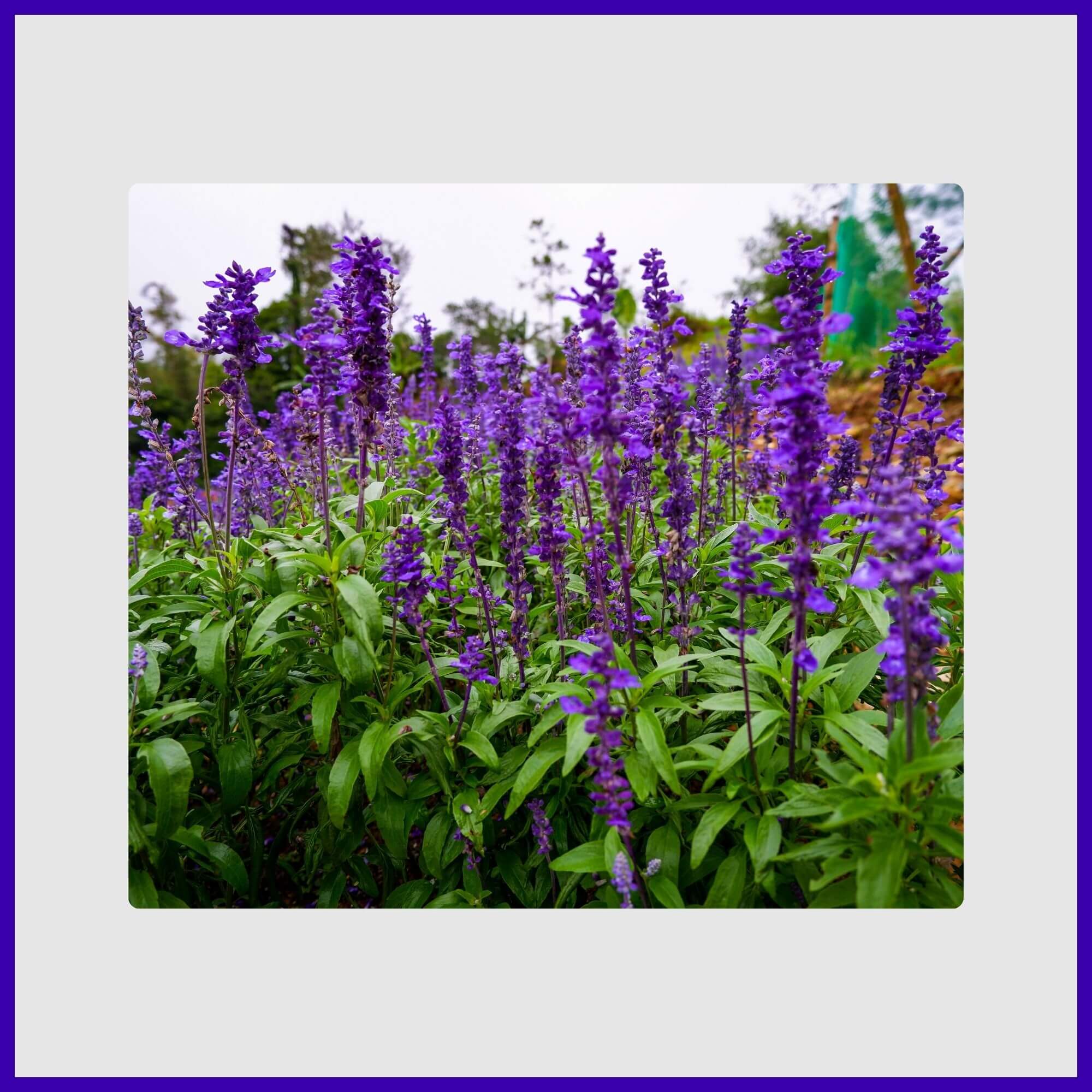
A reliable and long-blooming perennial, salvia sends up spires of small, purple flowers that are highly attractive to pollinators. It is deer-resistant and excellent for adding vertical interest.
USDA Hardiness Zones: 4-8.
Bloom Time: Early summer to fall, especially with deadheading.
Soil: Average, well-drained soil.
Sun Exposure: Full sun.
Water: Low to moderate water needs; very drought-tolerant.
6. Allium (Allium giganteum)
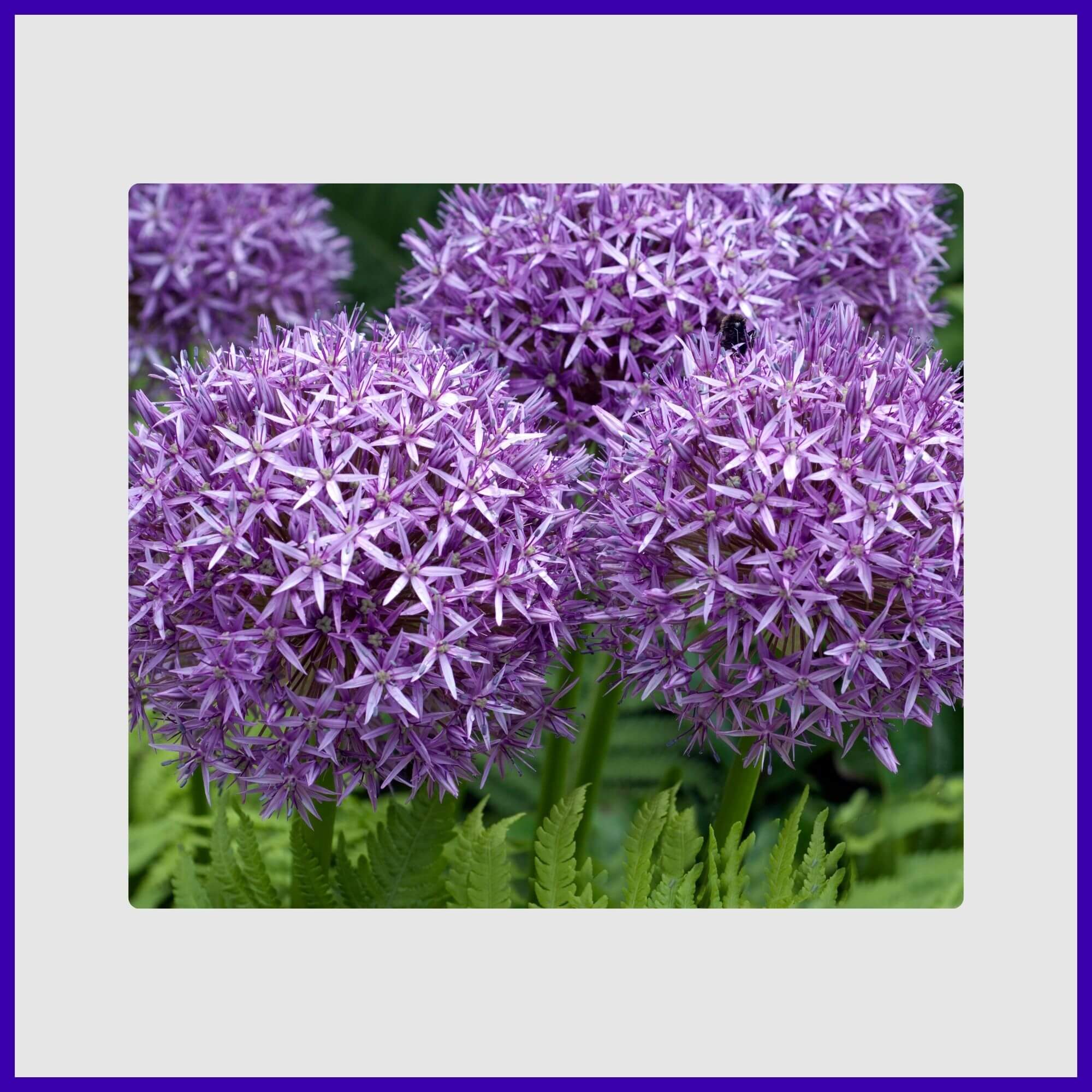
Ornamental alliums are architectural marvels, producing large, perfect spheres of tiny star-shaped purple flowers on tall, leafless stalks. They are part of the onion family but are grown purely for their stunning ornamental value.
USDA Hardiness Zones: 4-8.
Bloom Time: Late spring to early summer.
Soil: Well-drained soil; tolerant of poor, rocky conditions.
Sun Exposure: Full sun.
Note: Deer and rodent resistant.
7. Bellflower (Campanula medium)
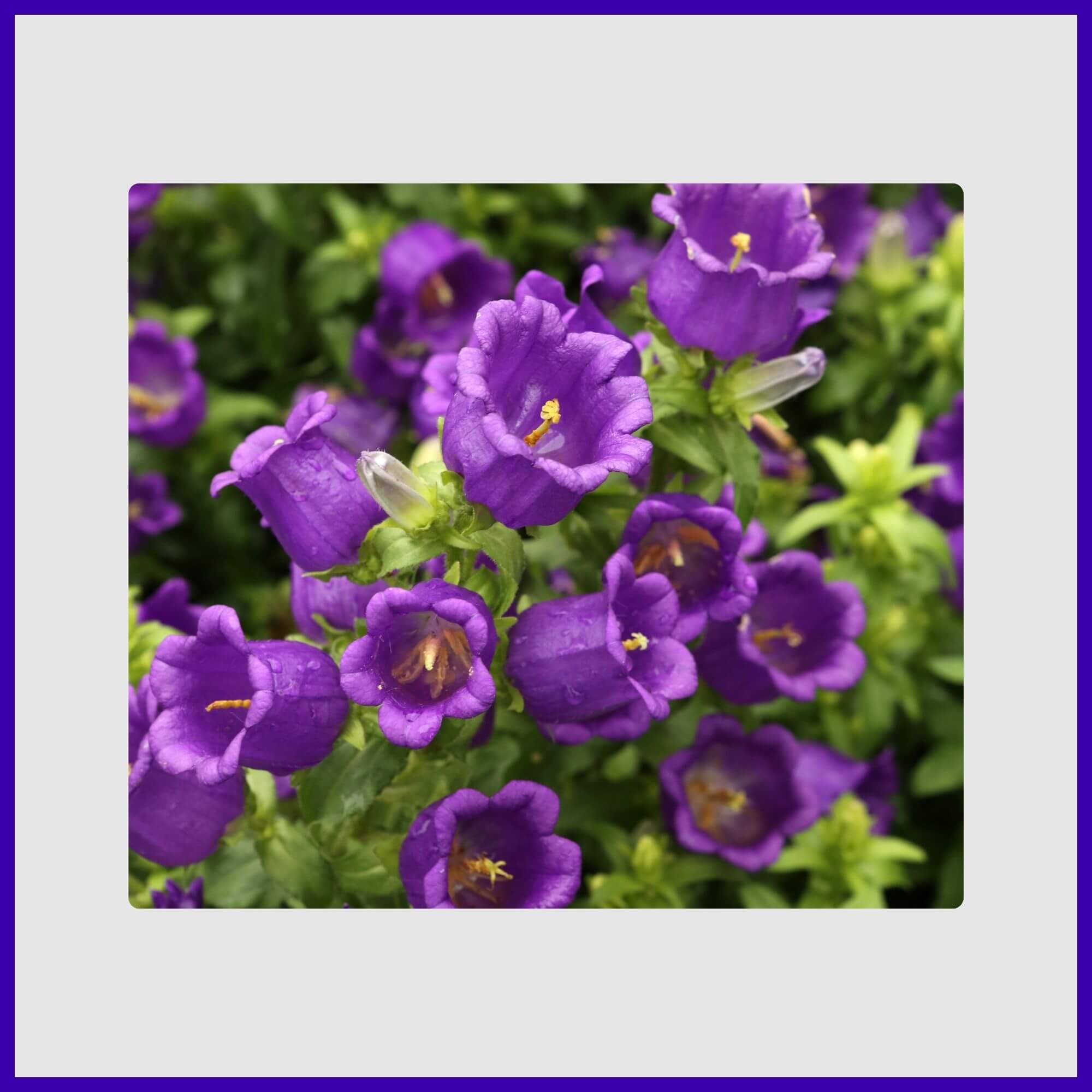
Commonly known as Canterbury Bells, this biennial produces charming, bell-shaped flowers in soft violet and white. It symbolizes gratitude and is a classic choice for cottage gardens and cut flower arrangements.
USDA Hardiness Zones: 5-8.
Bloom Time: Late spring to midsummer.
Soil: Moist, well-drained, rich soil.
Sun Exposure: Full sun to partial shade.
Lifecycle: Grown as a biennial (sown one year to flower the next).
8. Wisteria (Wisteria sinensis)
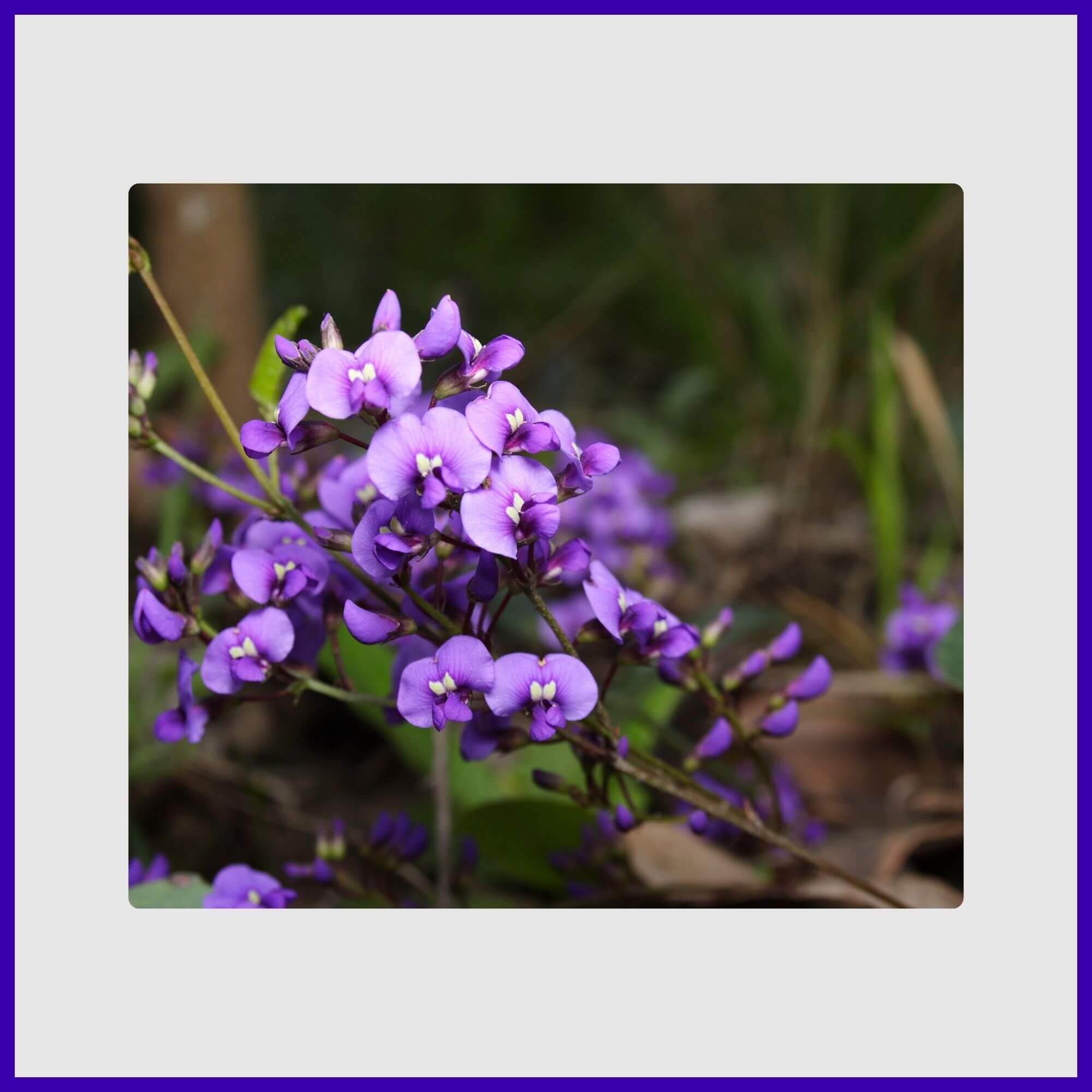
Wisteria is a vigorous, woody vine known for its long, drooping clusters of fragrant purple flowers that create a breathtaking display in spring. It requires strong support and patience but is incredibly rewarding.
USDA Hardiness Zones: 5-9.
Bloom Time: Mid to late spring.
Soil: Moist, well-drained, fertile soil.
Sun Exposure: Full sun.
Caution: Can be invasive; regular pruning is required to control growth.
9. Clematis (Clematis jackmanii)
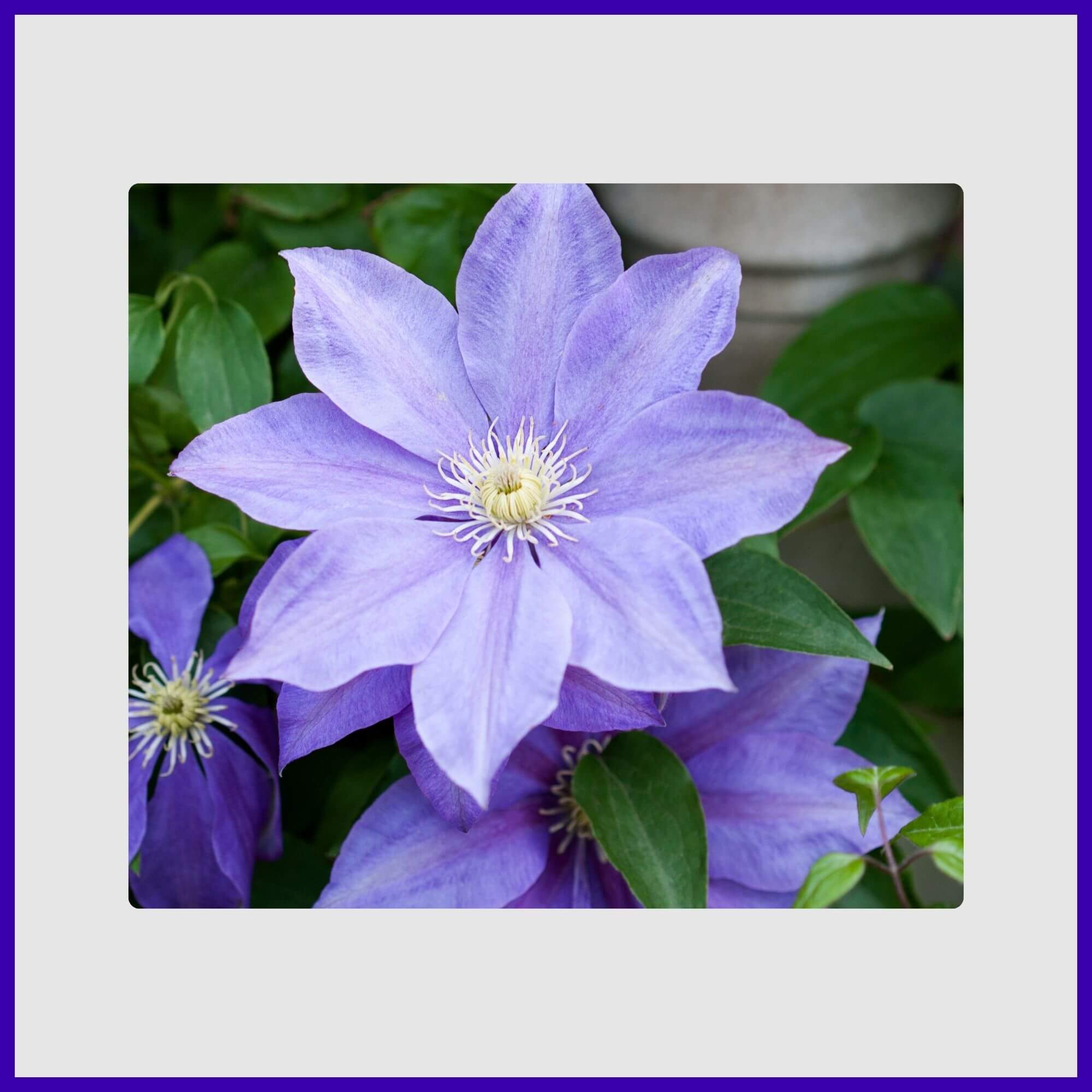
A superstar among climbing vines, clematis produces large, star-shaped purple blooms that add vertical romance to fences, trellises, and arbors. It thrives with “its feet in the shade and head in the sun.”
USDA Hardiness Zones: 4-11, depending on the variety.
Bloom Time: Summer to early fall.
Soil: Cool, moist, well-drained soil with a neutral pH.
Sun Exposure: Full sun on the vines, shade for the root zone.
Pruning: Pruning group depends on the variety (Group 3 for Jackmanii).
10. Purple Orchid (Phalaenopsis spp.)
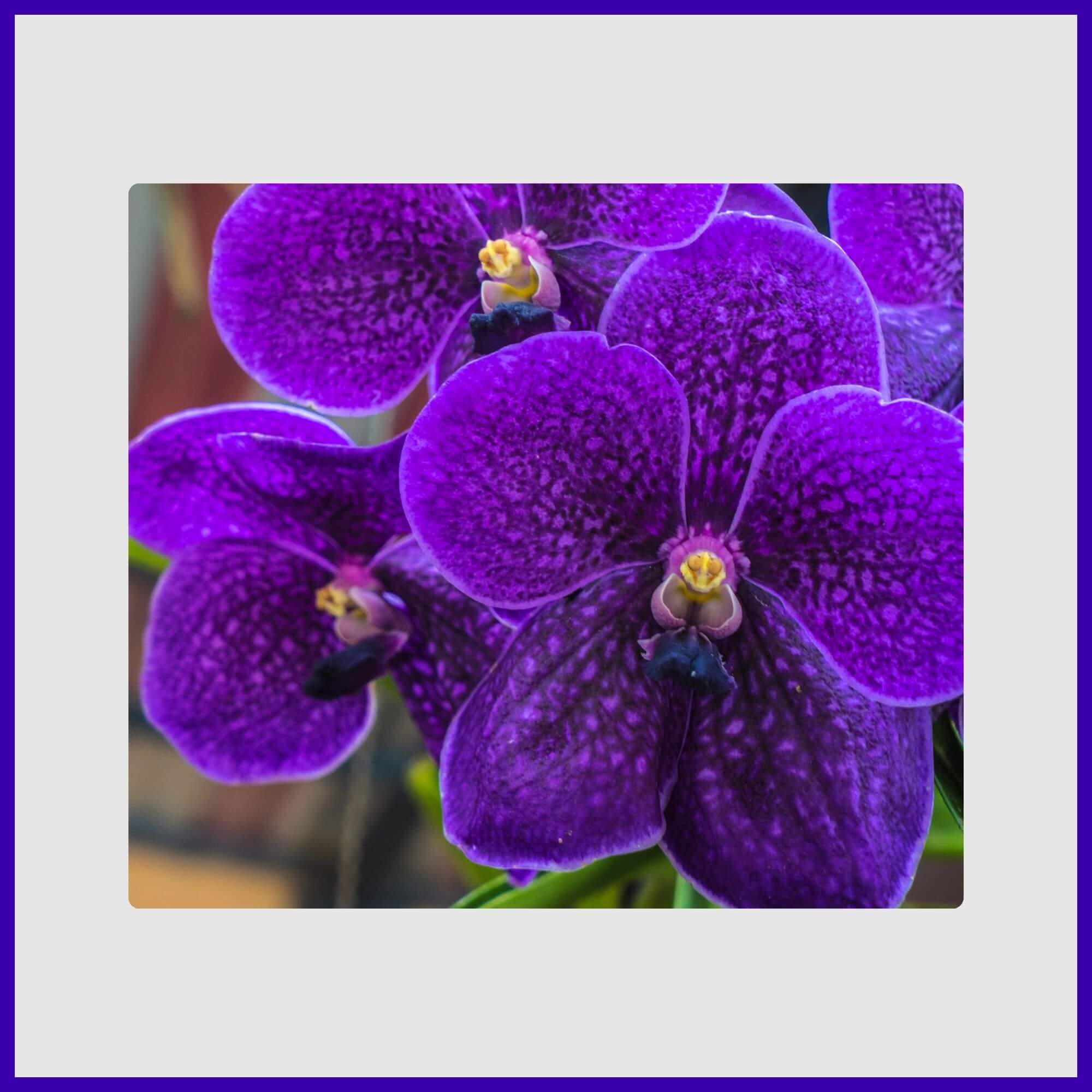
The Moth Orchid epitomizes elegance and luxury with its long-lasting, architecturally complex blooms. Purple varieties add a touch of mystery and refinement to indoor spaces.
USDA Hardiness Zones: Typically grown as a houseplant (Zones 10-12 outdoors).
Bloom Time: Can bloom for months, often in winter or spring.
Soil: Special orchid potting mix (bark, moss, perlite – not soil).
Sun Exposure: Bright, indirect light indoors.
Water: Water thoroughly when the potting medium is nearly dry.
🌸💜 5 Flowers with Shades of Both Pink and Purple
1. Fuchsia (Fuchsia magellanica)
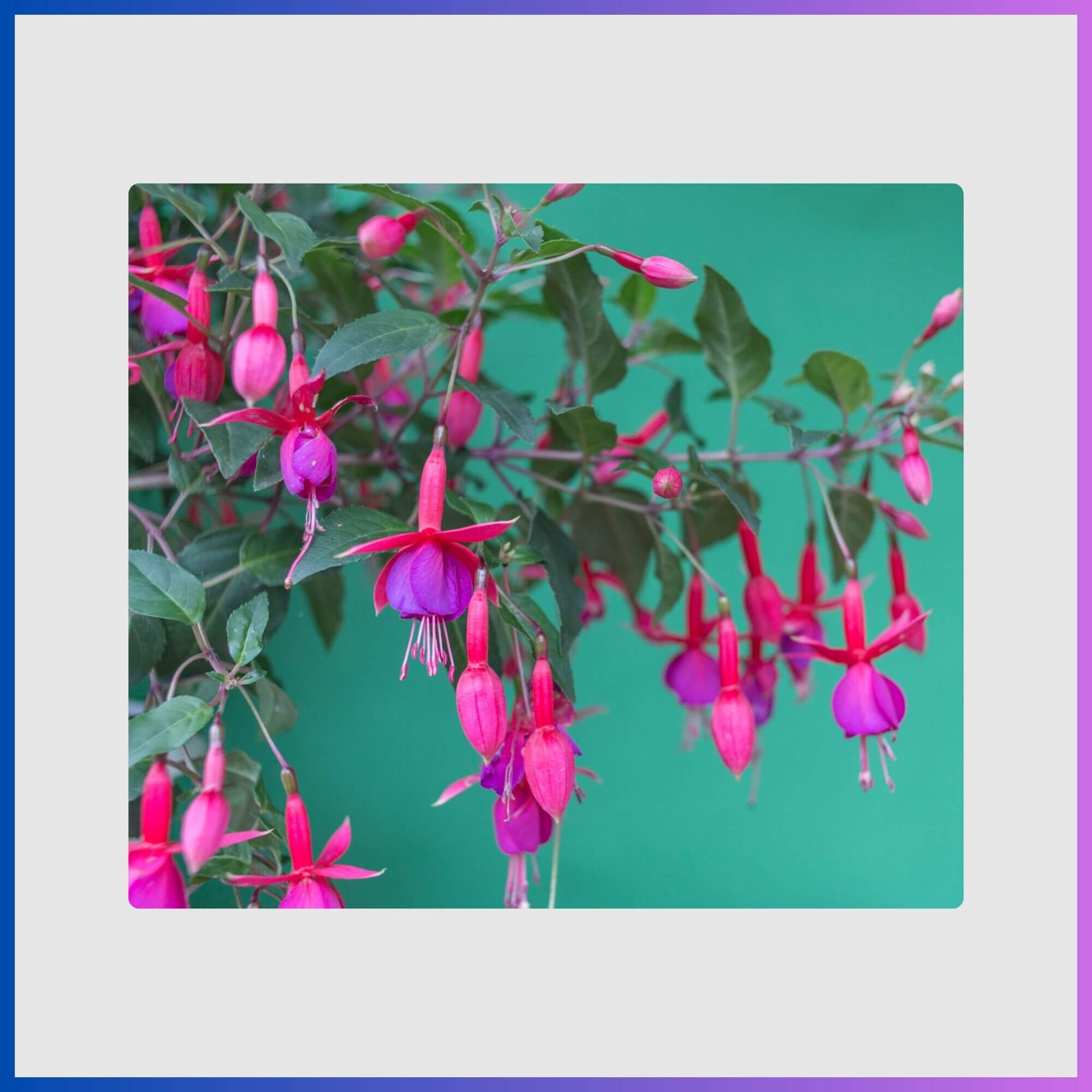
Fuchsia produces stunning, teardrop-shaped flowers with a brilliant combination of pink and purple petals. Perfect for hanging baskets and shady containers, they bloom continuously from spring to fall.
USDA Hardiness Zones: 10-11 (grown as an annual in most areas).
Bloom Time: Spring through fall.
Soil: Rich, well-drained, consistently moist potting mix.
Sun Exposure: Partial to full shade; dislikes hot afternoon sun.
Water: Keep soil consistently moist but not waterlogged.
2. Hydrangea (Hydrangea macrophylla)
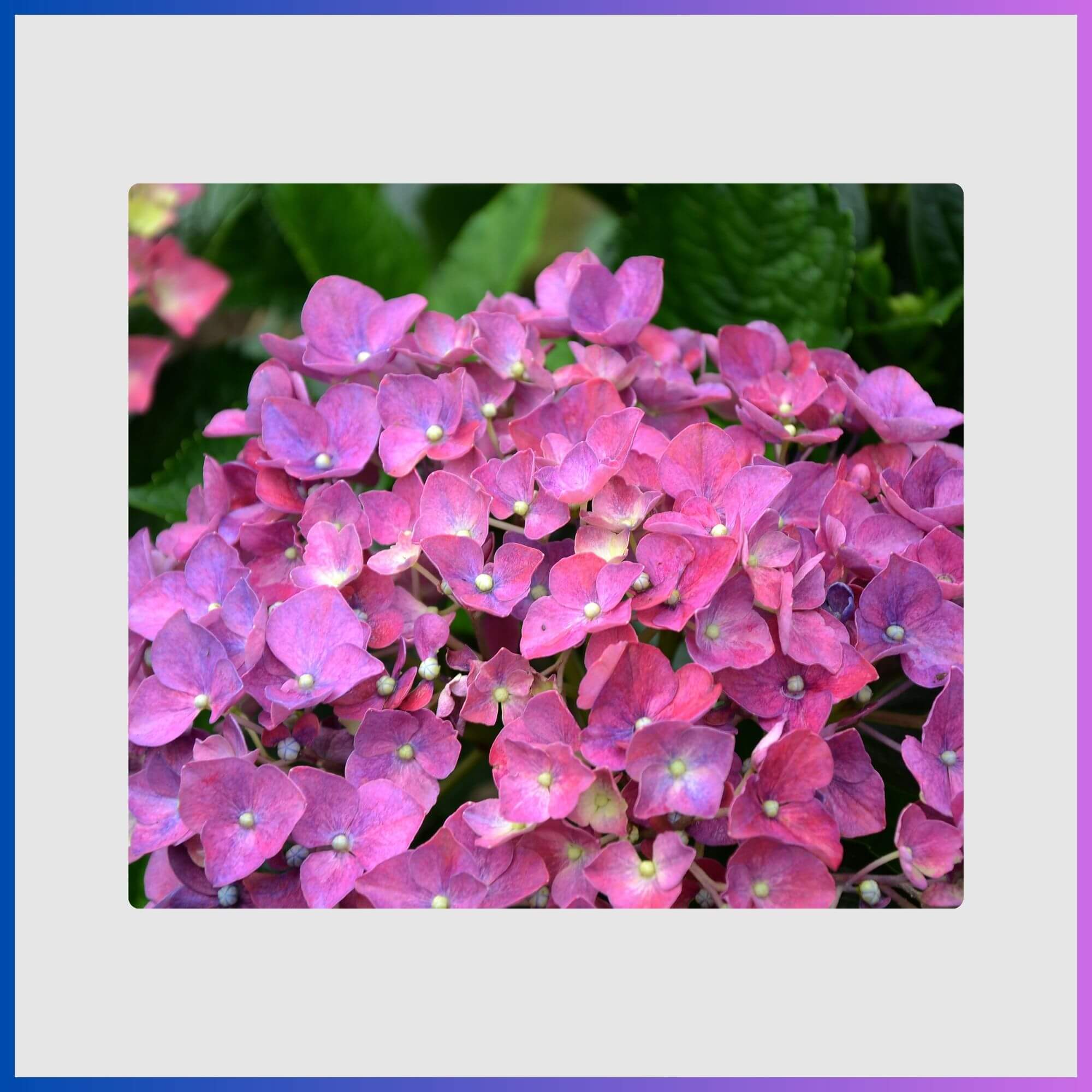
The color of Bigleaf hydrangea blooms is a direct reaction to soil pH, allowing you to influence their color. Acidic soils produce blue to purple flowers, while alkaline soils yield pink blooms, with beautiful blends in between.
USDA Hardiness Zones: 6-9.
Bloom Time: Summer to fall.
Soil: Moist, rich, well-drained soil. Color changes with pH.
Sun Exposure: Partial shade (morning sun, afternoon shade is ideal).
Color Control: Add aluminum sulfate for blue/purple; garden lime for pink.
3. Petunia (Petunia hybrida)
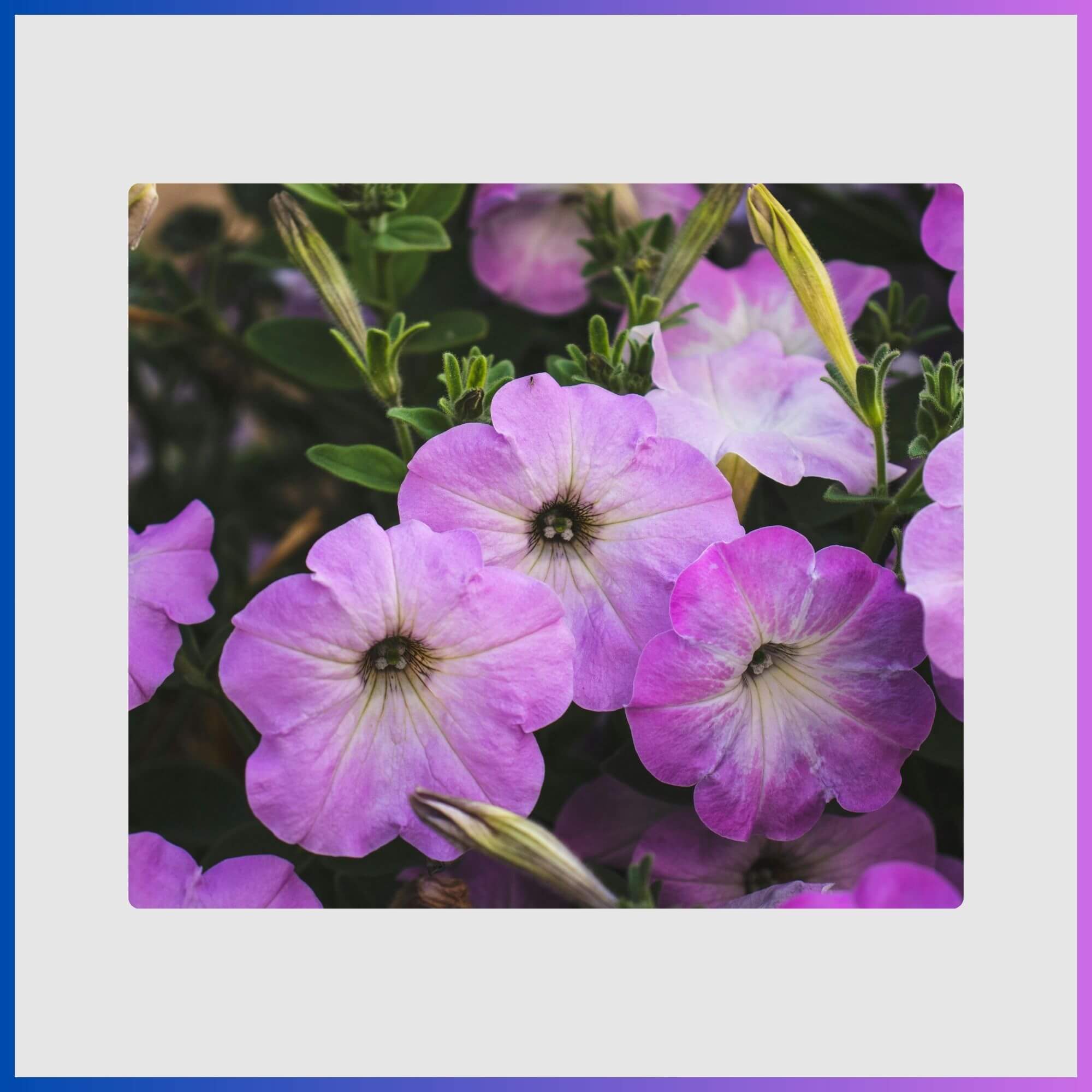
Modern petunias come in a vast array of patterns, including many that beautifully blend pink and purple. They are prolific bloomers, perfect for adding season-long color to beds, borders, and containers.
USDA Hardiness Zones: 9-11 (grown as an annual everywhere).
Bloom Time: Spring until frost.
Soil: Well-drained, fertile soil.
Sun Exposure: Full sun to partial shade.
Care: Deadhead or choose self-cleaning varieties for continuous blooms.
4. Morning Glory (Ipomoea purpurea)
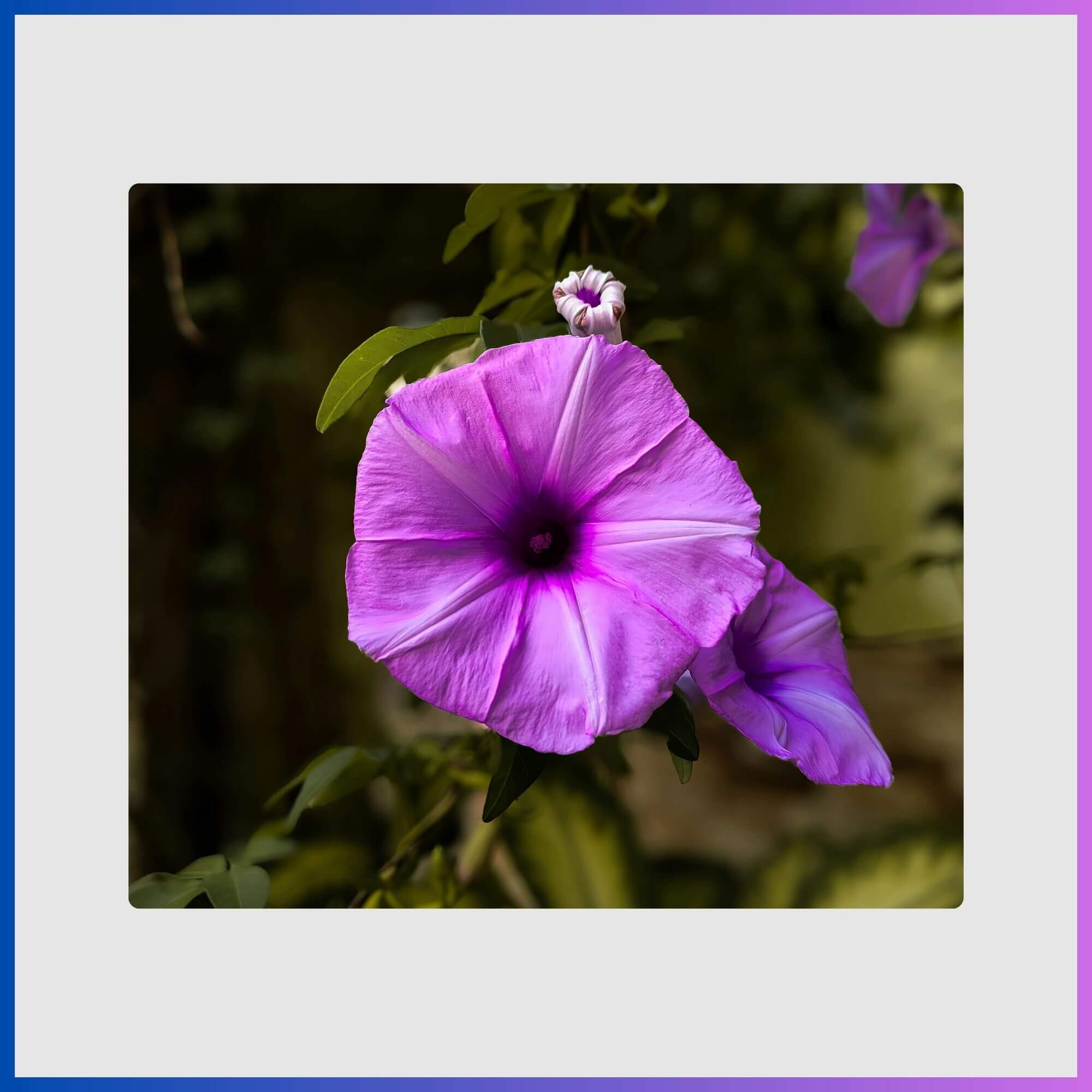
This fast-growing annual vine unfurls new, trumpet-shaped flowers every morning in stunning shades of pink, purple, and blue. It quickly covers fences and trellises with a blanket of color.
USDA Hardiness Zones: 2-11 (grown as an annual).
Bloom Time: Summer to fall.
Soil: Well-drained, average soil; not too rich.
Sun Exposure: Full sun.
Note: Can self-seed aggressively; remove spent blooms to control spread.
5. Sweet Pea (Lathyrus odoratus)
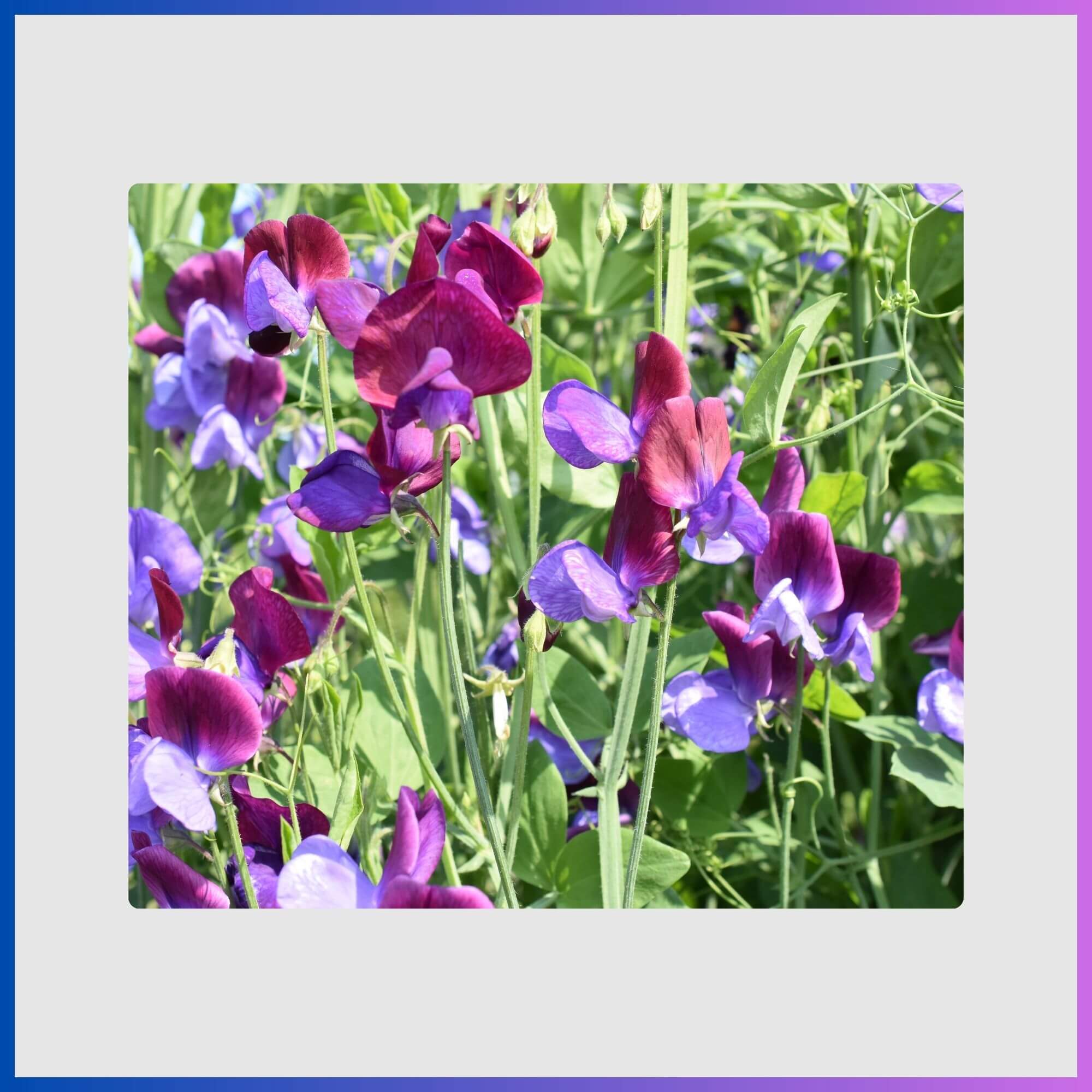
Prized for their delightful fragrance and delicate, ruffled blooms, sweet peas offer a charming range of pastel pink and lavender hues. They are a classic choice for cool-season gardens and cutting gardens.
USDA Hardiness Zones: 2-11 (annual).
Bloom Time: Cool weather of spring and fall; winter in very mild climates.
Soil: Rich, well-drained, neutral to slightly alkaline soil.
Sun Exposure: Full sun.
Tip: Soak seeds overnight before planting and provide a trellis for climbing.
💬 FAQs About Pink and Purple Flowers
Q1: What are the best pink and purple flowers for bouquets?
Roses, peonies, fuchsias, and sweet peas make perfect pink-and-purple combinations for romantic or cheerful bouquets.
Q2: Which flowers bloom in both pink and purple shades?
Hydrangeas, petunias, fuchsias, and morning glories naturally display both hues depending on soil and sunlight.
Q3: Are pink and purple flowers good for wallpapers or digital art?
Yes their soothing contrast makes them a popular theme for pink and purple flowers wallpaper and drawings.
Q4: What do pink and purple flowers symbolize together?
They represent harmony where affection (pink) meets imagination (purple).
Conclusion
Pink and purple flowers don’t just brighten gardens they tell emotional stories through color. Whether you’re arranging a bouquet, designing a floral wallpaper, or planning your next bloom cycle, these shades remind us that beauty often lies in balance.
👉 Explore more: