
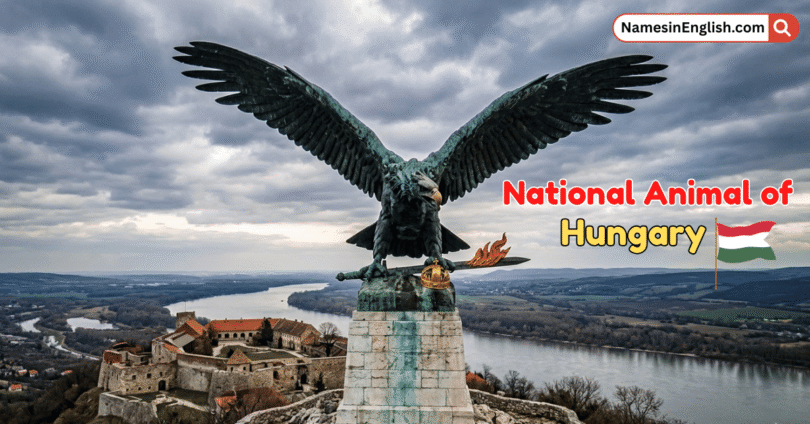

The national animal is a fascinating symbol that reflects the country’s deep history, culture, and ancient traditions. Instead of a typical real animal, Hungary proudly represents itself with the legendary Turul, a powerful mythological bird that appears in old Hungarian stories and national heritage. In this article, you will learn what the Turul is, its historical background, symbolic meaning, and why it was chosen as National Animal of Hungary. . In real life, it helps us understand how deeply history and mythology can shape a nation’s culture and pride.
What is the National Animal of Hungary?
The national animal of Hungary is the Turul, a legendary bird often described as a falcon or eagle-like creature. It is not a real biological species but a mythological symbol that appears in early Hungarian origin stories. Turul is believed to be a divine messenger that guided the early Hungarian tribes during their migration and settlement in the Carpathian Basin.
Historical Background of the Turul
Early Origins in Hungarian Mythology
The history of the Turul starts in ancient Hungarian tribal beliefs, where it was seen as a sacred bird-like spirit. Early Magyars believed it acted as a divine guide that protected and directed their people during important journeys.
Role in the Migration of the Magyars
According to legend, the Turul guided the Hungarian tribes during their migration toward the Carpathian Basin. It was believed to show them the correct path and ensure their safe settlement in new lands.
Connection with Emese’s Dream
One of the most famous legends tells of Emese, who dreamed of a Turul bird appearing to her. The vision predicted the rise of a great royal lineage, linking the Turul with destiny and future leadership.
Association with the House of Árpád
The Turul became a key symbol for the Árpád dynasty, the founders of Hungary. It represented their divine right to rule and their sacred connection to the origins of the Hungarian nation.
Medieval Period Symbolism
During the medieval era, the Turul was used in royal emblems and historical writings. It symbolized protection, unity, and the strength of the Hungarian kingdom.
Decline and Later Revival
With the spread of Christianity, the Turul lost its religious role but remained in cultural memory. It was revived in the 19th century as a national symbol of heritage and independence.
Modern Recognition
Today, the Turul stands as a powerful cultural and historical symbol of Hungary. It represents national pride, ancient origins, and the unity of the Hungarian people.
The Turul carries powerful symbolic meanings in Hungarian culture:
- Strength and Power: Represents military strength and resilience
- Protection: Seen as a guardian spirit of the nation
- Freedom: Symbolizes independence and survival
- Divine Guidance: Linked to destiny and spiritual direction
Because of these meanings, the Turul is often displayed in monuments, sculptures, and historical sites across Hungary.
Does the Turul Really Exist?
Scientifically, the Turul does not exist as a real bird species. It is considered a mythological creature, possibly inspired by large birds of prey such as falcons or eagles. However, its cultural impact is very real. It continues to influence national identity, education, and tourism in Hungary.
Cultural Importance of Turul in Hungary
The Turul holds a very strong place in Hungarian culture as a symbol of national identity and ancient heritage. It is widely seen in historical monuments, statues, and traditional artworks across the country, especially in places connected to Hungary’s origins. People in Hungary connect the Turul with pride, strength, and protection of the nation. It is also used in cultural festivals and educational stories to help younger generations understand their historical roots.
Educational Value of Turul
Students in Hungary learn about the Turul as part of national history and mythology. It helps them understand early tribal culture and national origins.
Tourism Relevance of Turul in Hungary
Tourists often visit Turul statues and historical sites connected to Hungarian heritage, especially in Budapest and other historical regions.
Modern-Day Role of the Turul
Today, the Turul continues to play an important role as a strong national symbol of Hungary. It is widely used in government representations and cultural symbolism to reflect the country’s historical identity and heritage. The image of the Turul also appears in various historical preservation projects, where it helps protect and promote Hungary’s ancient traditions and myths. In addition, it is often included in national pride and identity campaigns to strengthen the sense of unity among the people. Even in modern times, the Turul remains a powerful reminder of Hungary’s unity, cultural strength, and deep historical roots.
National Animal of Hungary facts
- The Turul is not a real bird but a mythological symbol in Hungarian culture.
- It is believed to have guided early Hungarian tribes during their migration to the Carpathian Basin.
- The Turul is strongly connected to the House of Árpád, Hungary’s founding dynasty.
- One of the most famous Turul statues is located in Budapest, symbolizing national pride.
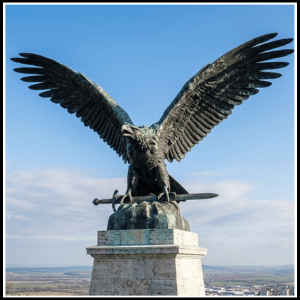
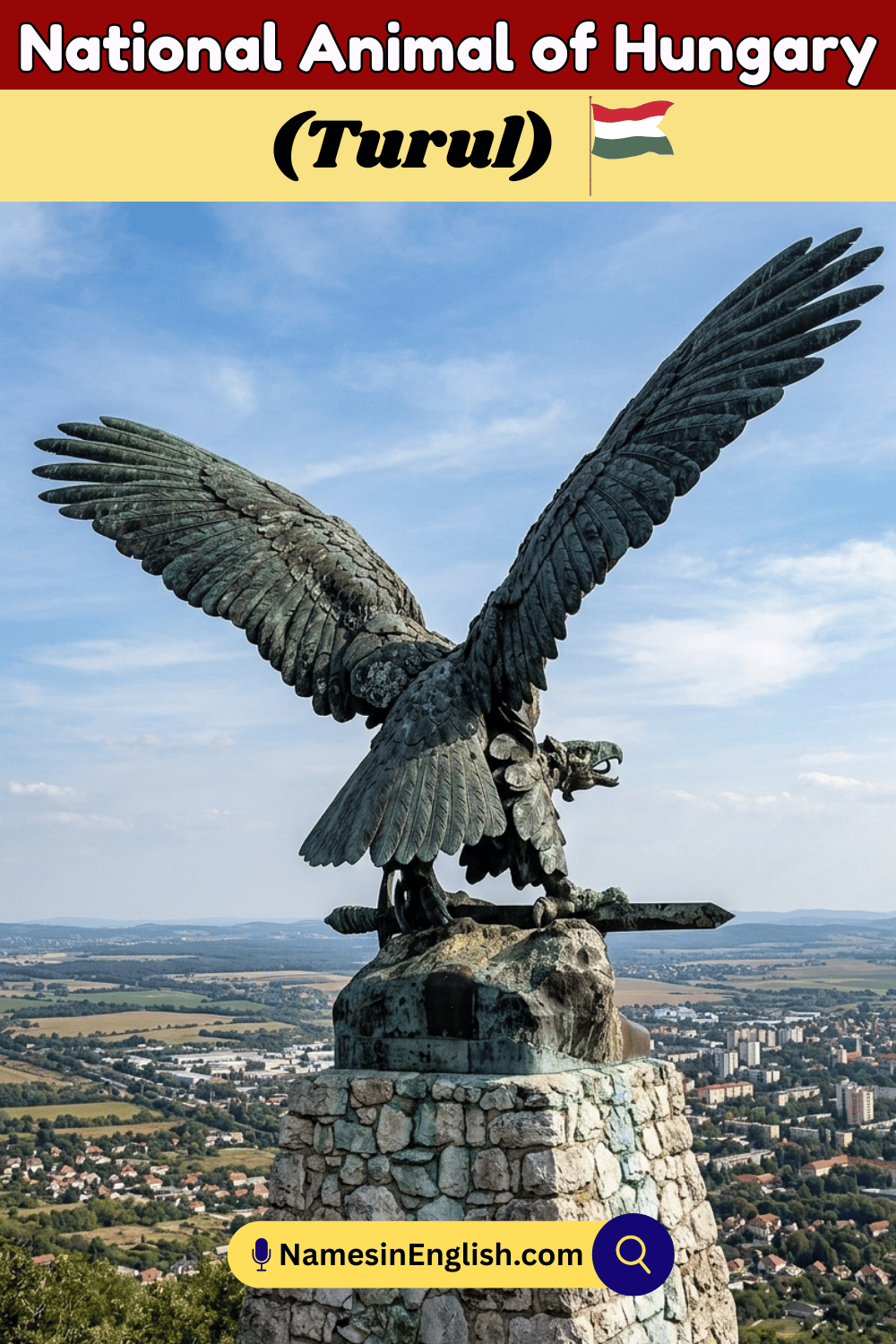
- It is often shown holding a sword or with spread wings to represent protection and strength.
- The Turul appears in ancient legends, dreams, and historical chronicles of Hungary.
- Even today, it remains a powerful symbol of unity, heritage, and national identity in Hungary.
Name of National Animal of Hungary
Learn More Helpful Articles