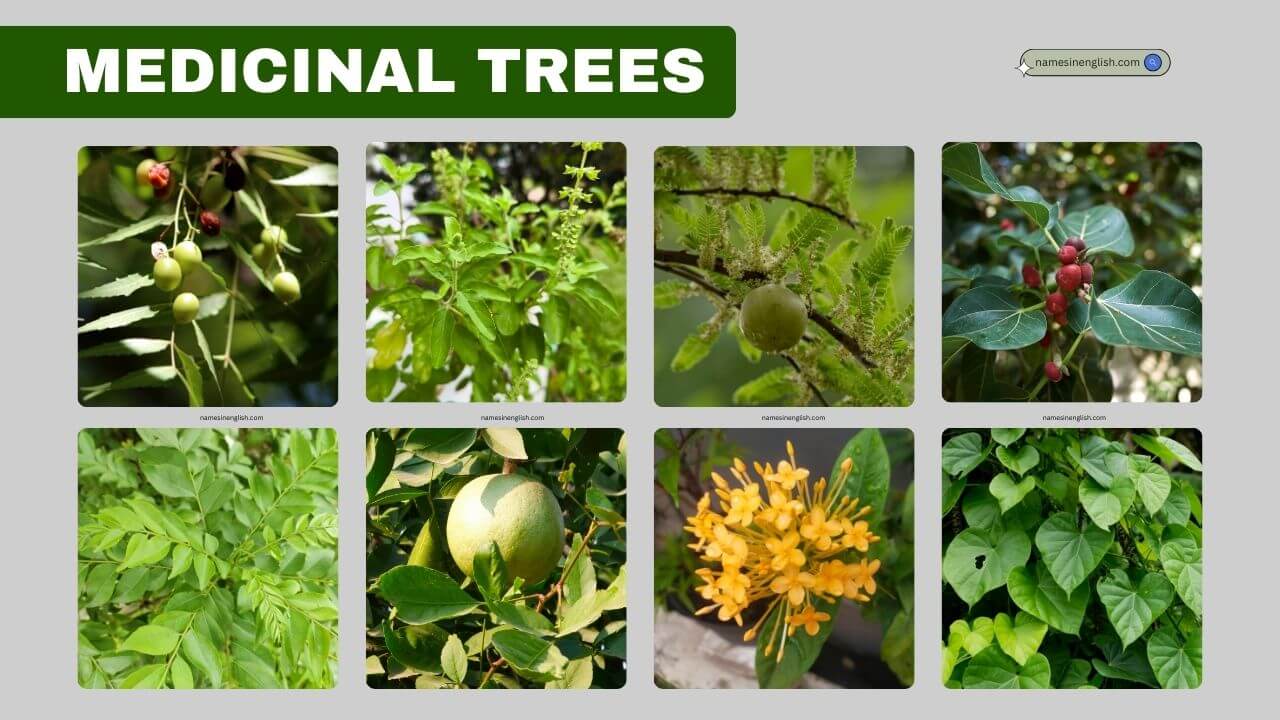

Medicinal Trees Names have been valued for centuries because many trees provide leaves, bark, roots, fruits, and flowers that are used in traditional healing practices around the world. These remarkable trees are not only important for nature but also for supporting health and well-being in everyday life. In this article, you’ll learn 17 Medicinal Trees Names and Their Incredible Healing Powers, learn about their unique benefits, traditional uses, and interesting facts, and understand why they continue to play an important role in natural medicine. Whether you’re a student, gardener, or simply curious about healing plants, this guide will help you explore these amazing trees in a simple and easy-to-understand way.
17 Medicinal Trees Names and Their Healing Powers
1. Neem (Azadirachta indica)
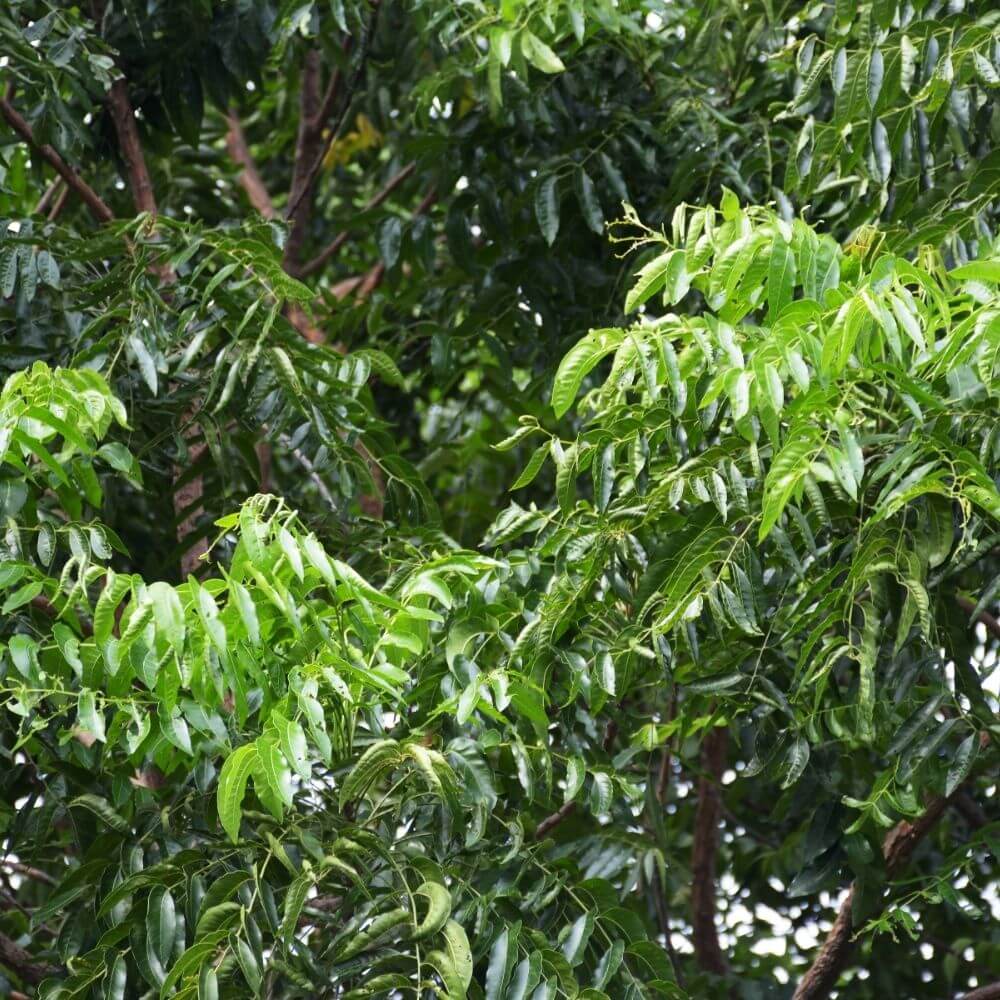
Known as the “village pharmacy” in India, Neem’s healing power stretches far and wide. Its leaves, bark, and oil are used to treat skin infections, reduce inflammation, and even combat viruses. I’ve seen Neem oil work wonders for acne-prone skin, thanks to its potent antibacterial properties. Ayurvedic practitioners highly regard Neem for its detoxifying abilities.
- Contains azadirachtin, a rare compound that disrupts harmful microbes without damaging healthy skin.
- Traditionally used as natural pesticide sticks (neem twigs) for oral hygiene.
- One of the few trees whose oil, leaves, bark, and flowers are all medicinally active.
2. Tulsi (Holy Basil) (Ocimum sanctum)
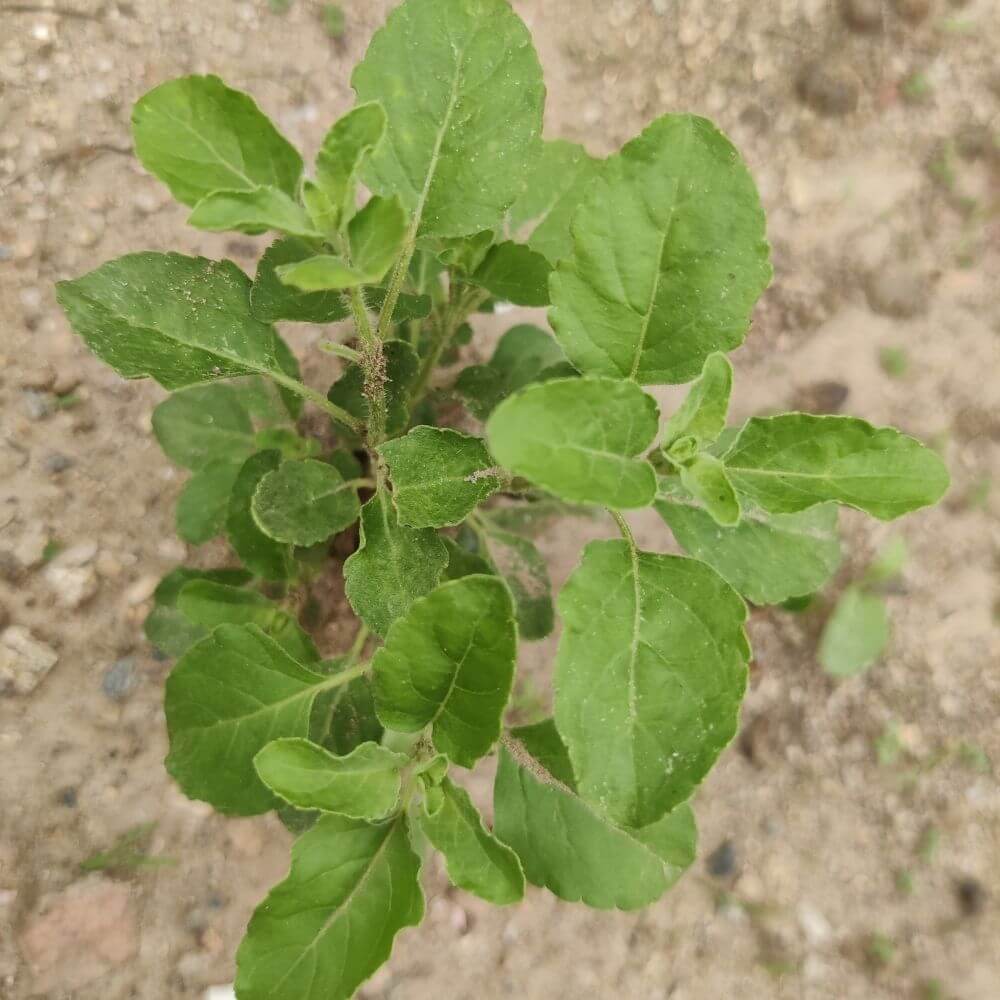
Tulsi is more than just a sacred plant. It’s a powerful medicinal tree used extensively in respiratory ailments and immune support. The aromatic leaves have adaptogenic properties that help the body manage stress. In many Indian households, Tulsi tea is a daily ritual, believed to fight colds and promote overall wellness.
- Classified as an adaptogen, meaning it helps the body balance physical and emotional stress.
- Actively influences cortisol levels, unlike most medicinal plants.
- Considered spiritually medicinal, often planted at home entrances for daily air purification rituals.
3. Amla (Indian Gooseberry) (Phyllanthus emblica)
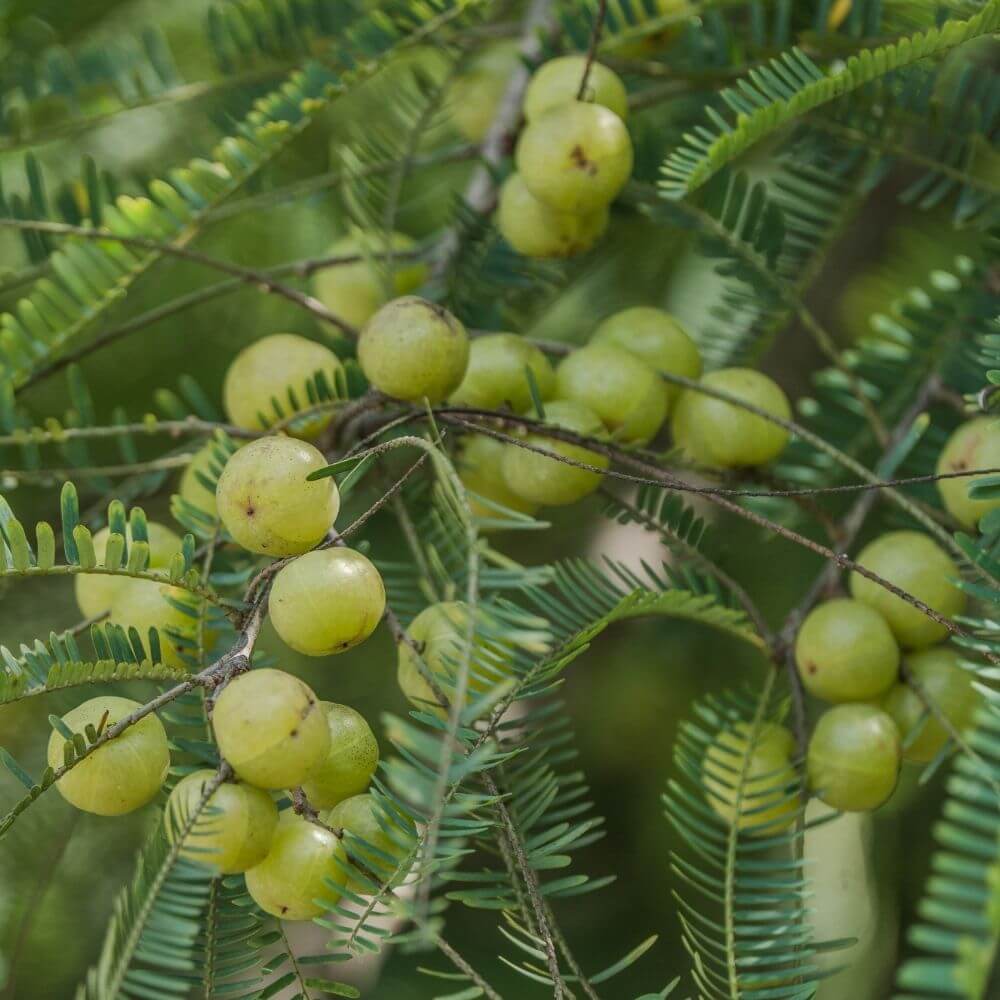
Amla’s high vitamin C content makes it a potent antioxidant tree. Beyond boosting immunity, Amla is traditionally used to improve digestion, strengthen hair, and promote healthy skin. Its sour, tangy fruit often finds a place in chutneys and health tonics.
- Vitamin C in Amla is heat-stable, so it doesn’t break down during cooking or drying.
- One of the few fruits that supports collagen synthesis naturally.
- Central ingredient in Chyawanprash, a classical Ayurvedic rejuvenation formula.
4. Banyan (Ficus benghalensis)

This majestic tree is not just a symbol of longevity but also a source of medicinal benefits. The aerial roots and bark are used in traditional medicine for wound healing and diabetes management. In Ayurvedic texts, the Banyan tree is credited with anti-inflammatory and antibacterial effects.
- Produces aerial roots that are individually harvested for medicinal decoctions.
- Latex from the tree is traditionally used to seal wounds and cracks in skin.
- Symbolically associated with longevity, mirroring its slow-release medicinal action.
5. Indian Kino Tree (Pterocarpus marsupium)
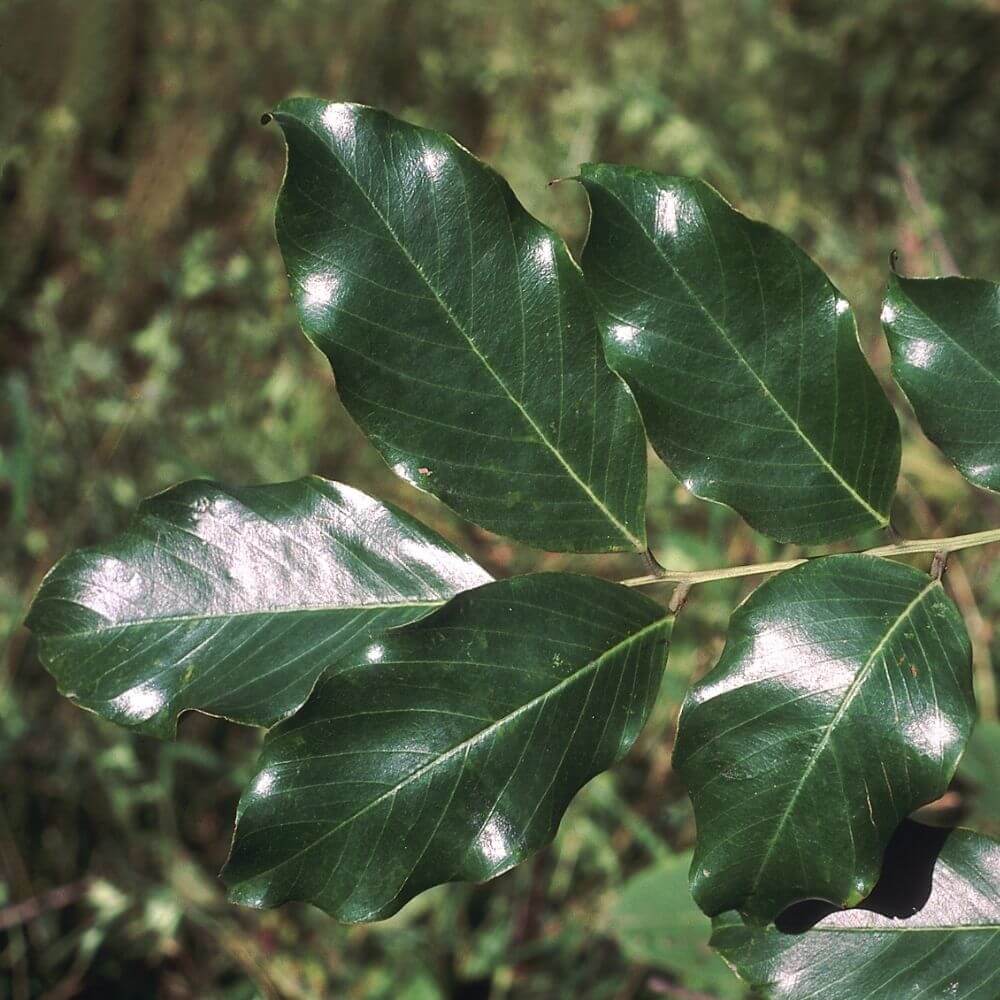
Less known but vital, this tree’s heartwood extract has been used to manage diabetes by regulating blood sugar. Modern studies support its efficacy, and it’s a promising natural adjunct to diabetes care.
- Its heartwood is traditionally soaked overnight in water to create a natural glucose-regulating drink.
- Contains epicatechin, a compound linked to pancreatic cell regeneration.
- Rare example of a tree whose wood itself is medicinal, not just bark or leaves.
6. Bael (Aegle marmelos)
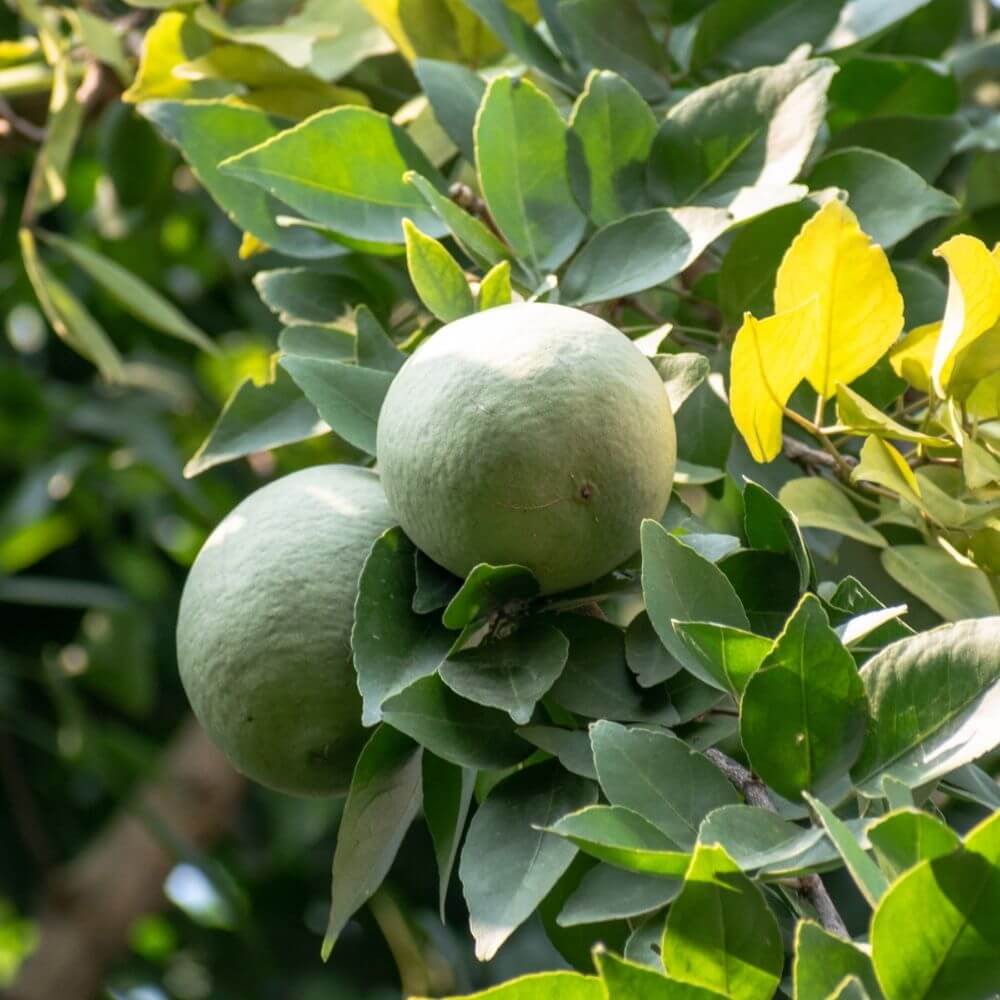
Bael fruit and leaves are famed for their digestive benefits, often used to treat diarrhea and constipation. Its mild laxative and anti-inflammatory effects make it a go-to in folk medicine, especially during monsoon seasons.
- Unripe and ripe fruits have opposite effects (binding vs. laxative).
- One of the few medicinal fruits safe for weak digestive systems.
- Often prescribed during seasonal digestive epidemics, especially in humid climates.
7. Ashoka (Saraca asoca)
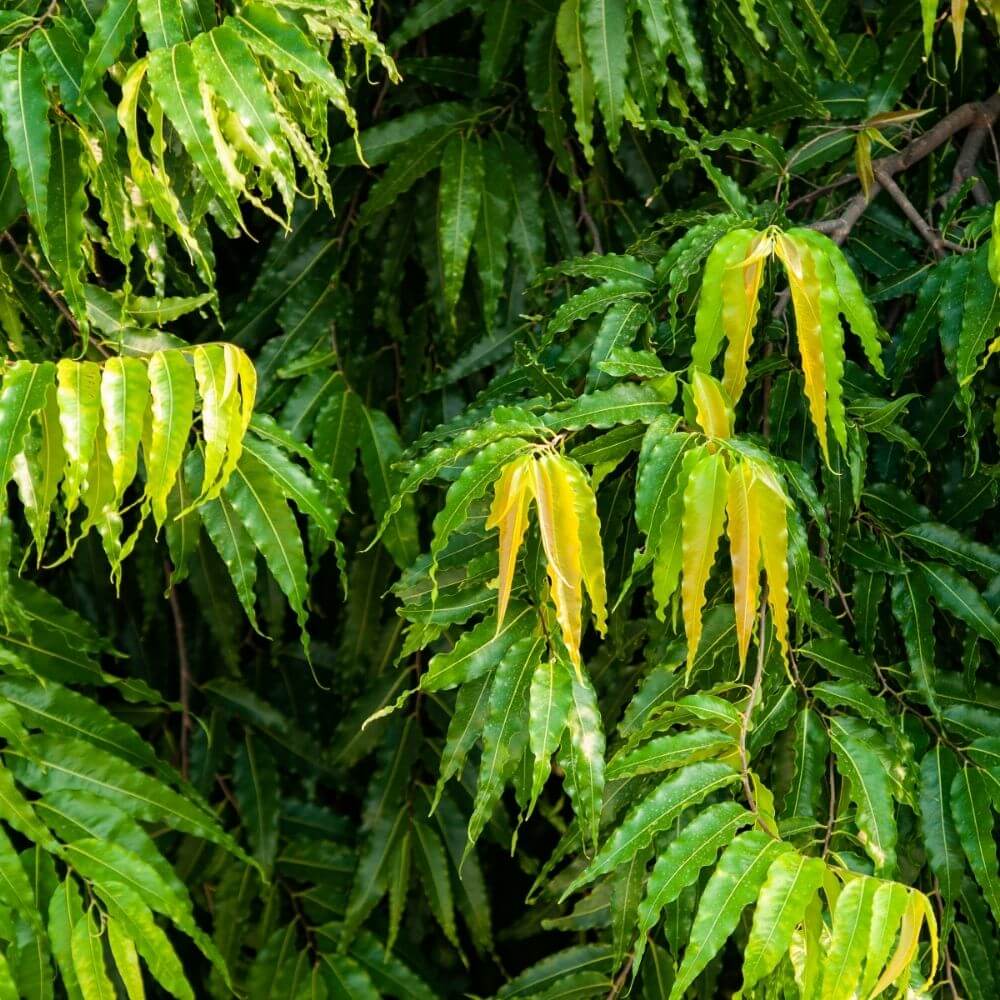
Widely used in women’s health, Ashoka bark is traditionally taken to relieve menstrual cramps and regulate cycles. It also has anti-inflammatory and pain-relieving properties, making it a respected tree in Ayurvedic gynecology.
- Specifically targets uterine muscle tone, not general pain pathways.
- Bark is traditionally harvested only during specific lunar cycles.
- Plays a key role in female-specific Ayurvedic formulations, unlike most trees.
8. Giloy (Tinospora cordifolia)
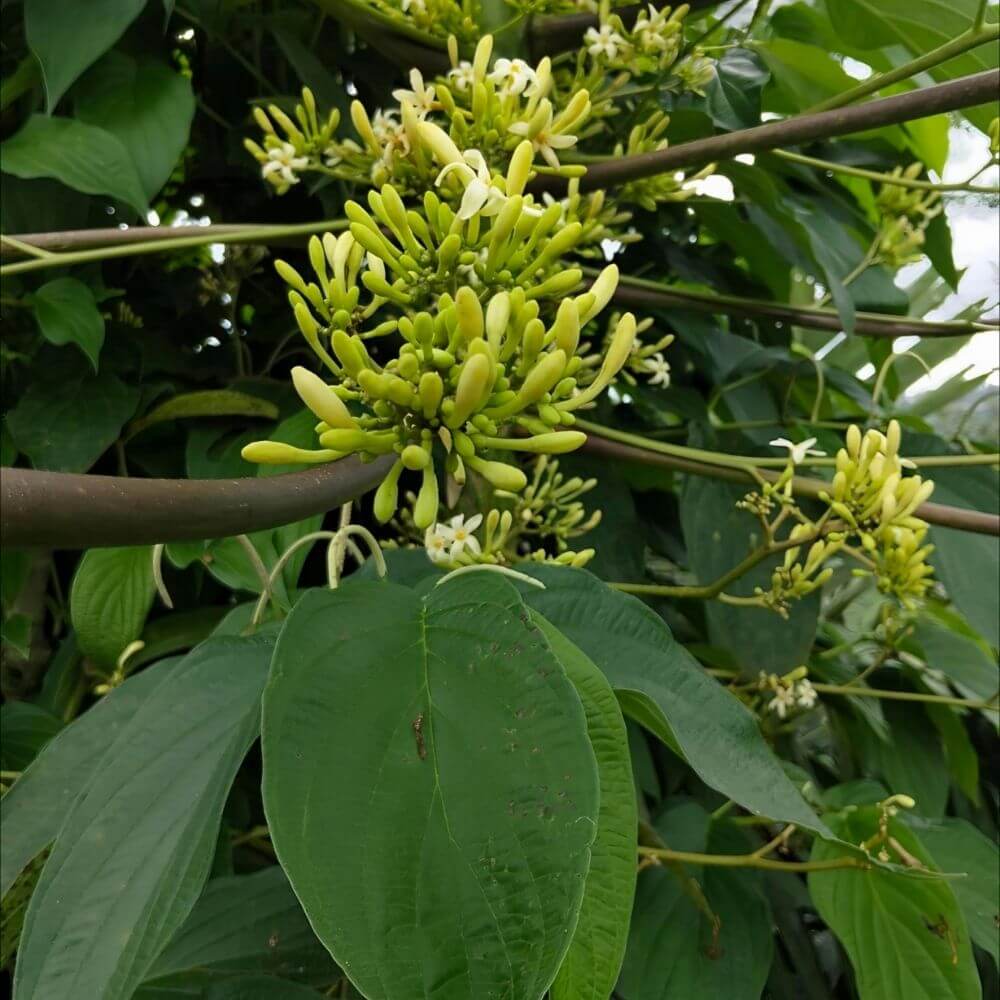
Known as the “root of immortality,” Giloy is a climbing shrub but often treated like a tree due to its medicinal stature. It boosts immunity and detoxifies the body. Studies highlight its anti-inflammatory and anti-pyretic effects, making it helpful during fevers and infections.
- Medicinal potency increases when it grows on a Neem tree host.
- Works as an immunomodulator, not just an immune booster.
- Traditionally classified as Rasayana, meaning it supports long-term vitality.
9. Curry Leaf Tree (Murraya koenigii)
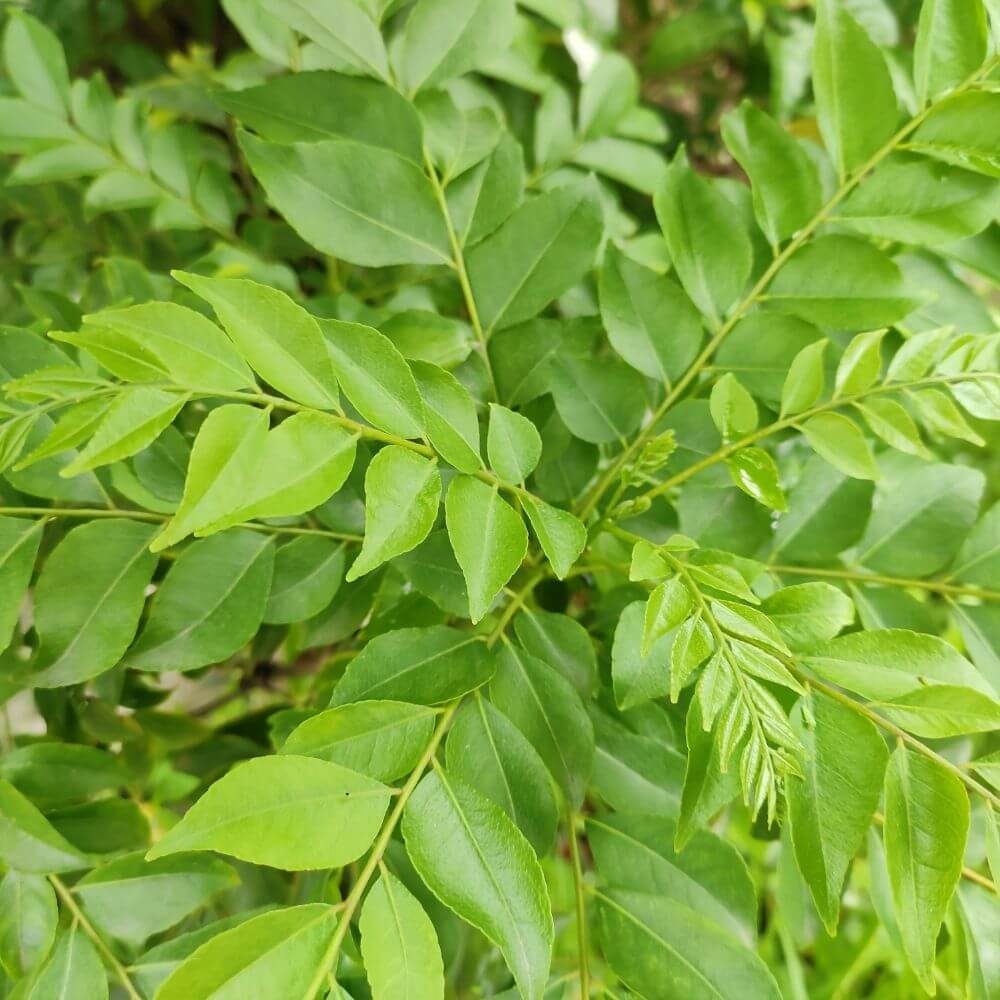
More than a culinary herb, the curry leaf tree’s leaves possess antioxidant and antimicrobial properties. They help regulate blood sugar and cholesterol. In many South Asian kitchens, curry leaves are not just flavor enhancers but health boosters.
- Stimulates digestive enzyme secretion directly.
- Fresh leaves retain benefits better than dried ones, unlike most herbs.
- Used traditionally to slow premature greying of hair from within.
10. Sandalwood (Santalum album)
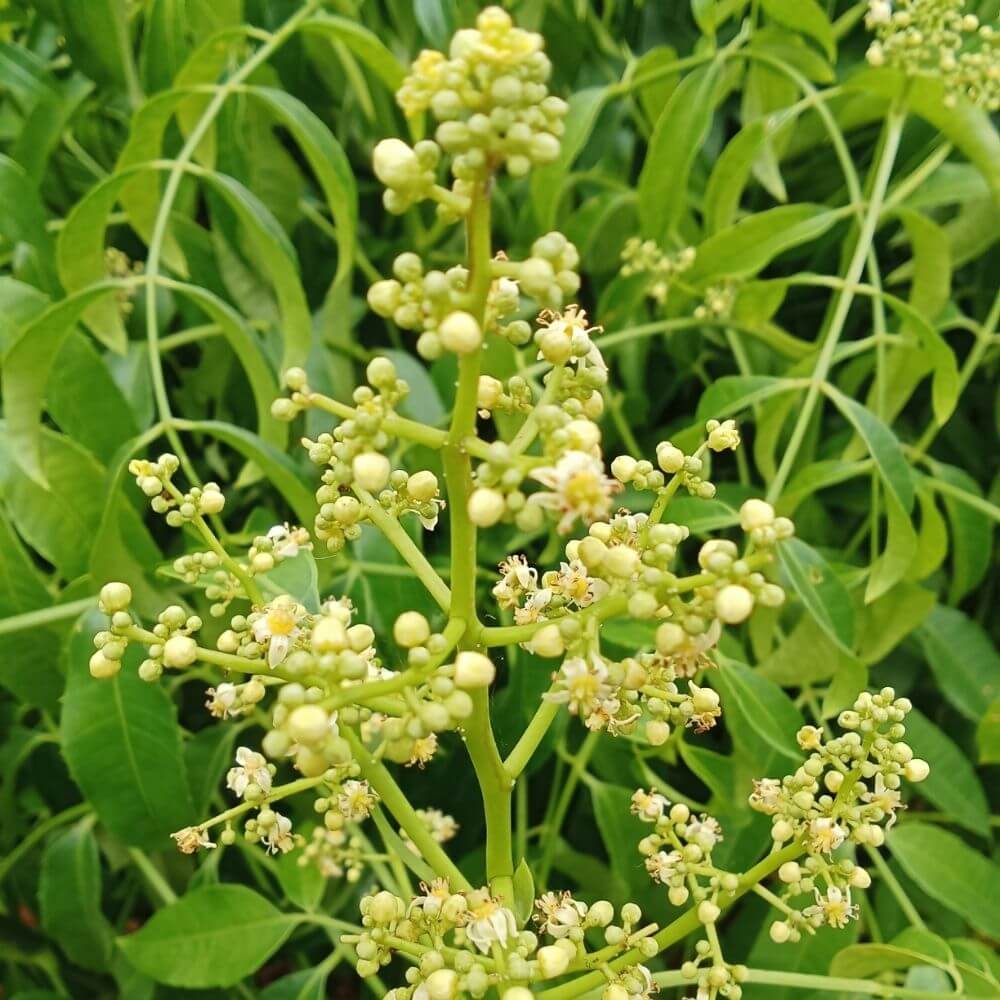
Famous for its fragrant heartwood, Sandalwood also has antiseptic and anti-inflammatory properties. Its oil is used in skincare, calming irritated skin and promoting healing. The soothing aroma also supports mental relaxation and stress relief.
- One of the few medicinal woods used topically and aromatically.
- Contains santalol, a compound shown to calm overactive nerve responses.
- Cooling effect is so strong it’s used to counter heat-based skin disorders.
11. Arjuna (Terminalia arjuna)
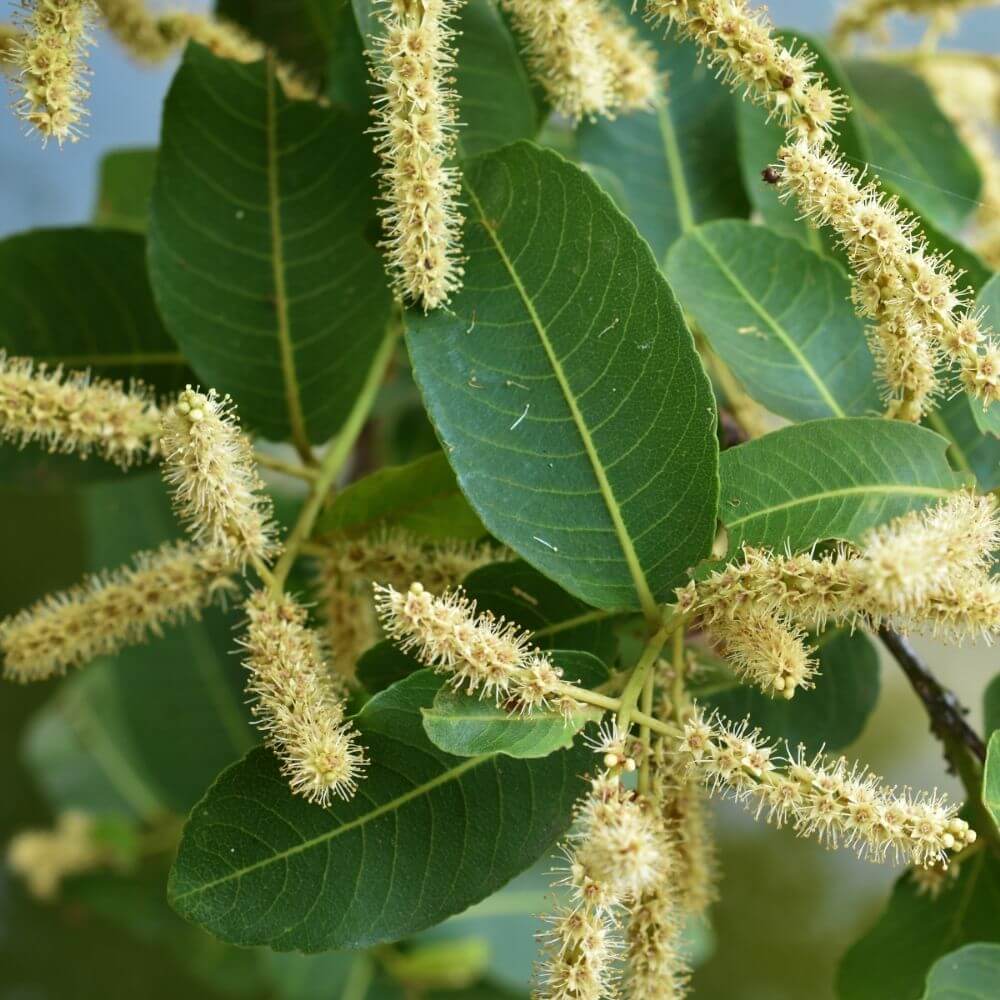
Arjuna’s bark is a cardiovascular tonic, traditionally used to support heart health and manage blood pressure. Clinical studies show its efficacy in improving cardiac function, making it a vital tree in heart health regimes.
- Specifically strengthens heart muscle tissue, not just circulation.
- Traditionally administered with milk to improve calcium bioavailability.
- Bark regenerates quickly, making it a sustainable medicinal harvest.
12. Peepal (Ficus religiosa)
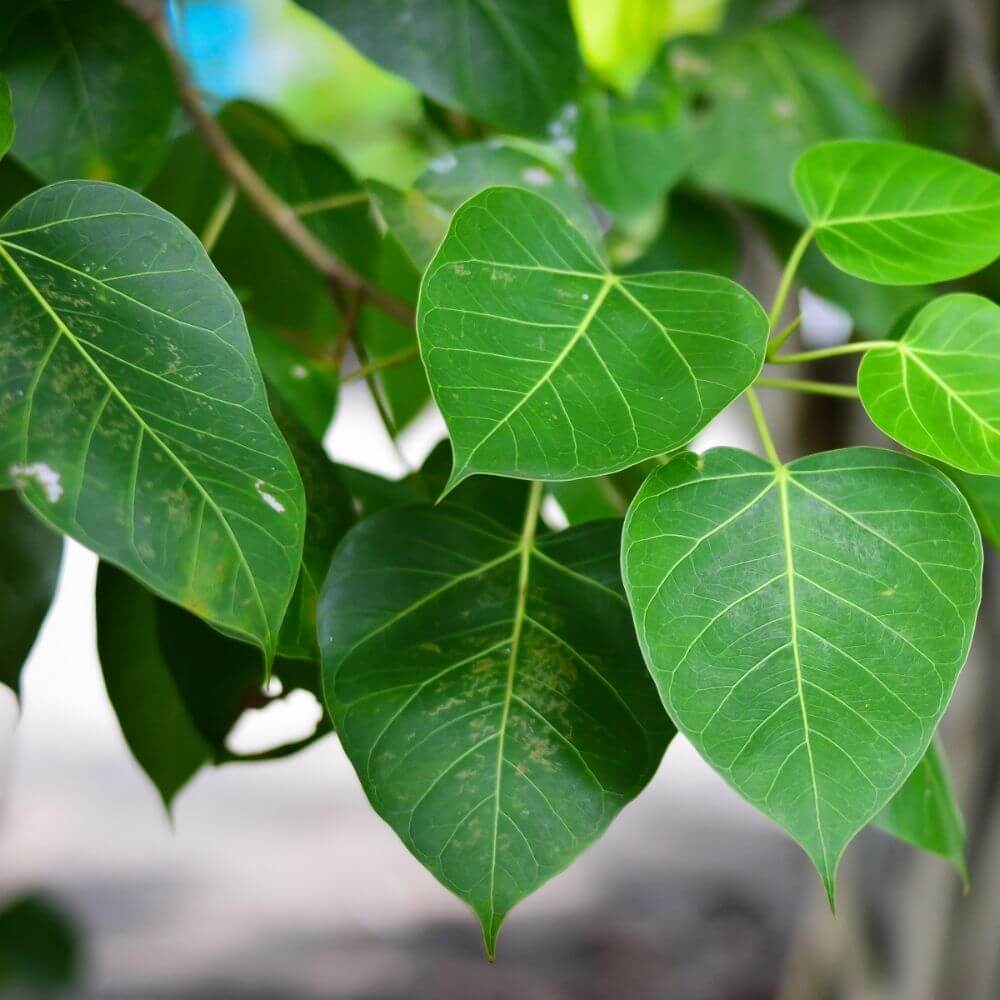
Revered across Asia, Peepal tree leaves and bark contain compounds with antimicrobial and anti-inflammatory properties. It’s used in respiratory conditions, digestive health, and even mental well-being practices in Ayurveda.
- Releases oxygen even at night due to unique gas exchange behavior.
- Used in ancient meditation practices for its calming neurochemical effect.
- Leaves are traditionally used in remedies for sound-related ear disorders.
13. Haritaki (Terminalia chebula)
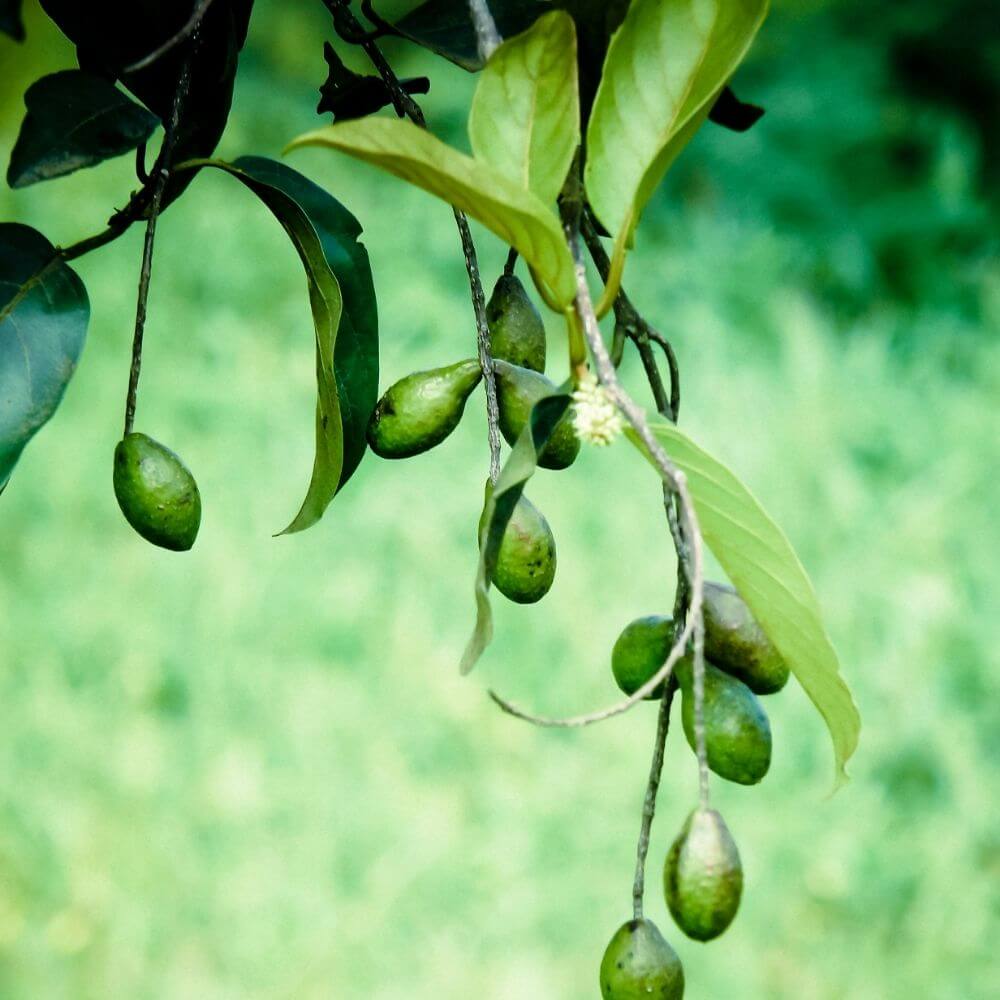
Known as the “king of medicines” in Ayurveda, Haritaki fruit is prized for detoxification and digestive support. Its mild laxative and rejuvenating properties make it essential in cleansing therapies.
- Only medicinal fruit described to balance all three doshas.
- Changes its effect based on time of consumption (day vs night).
- Known for enhancing nutrient absorption, not just cleansing.
14. Baobab (Adansonia digitata)
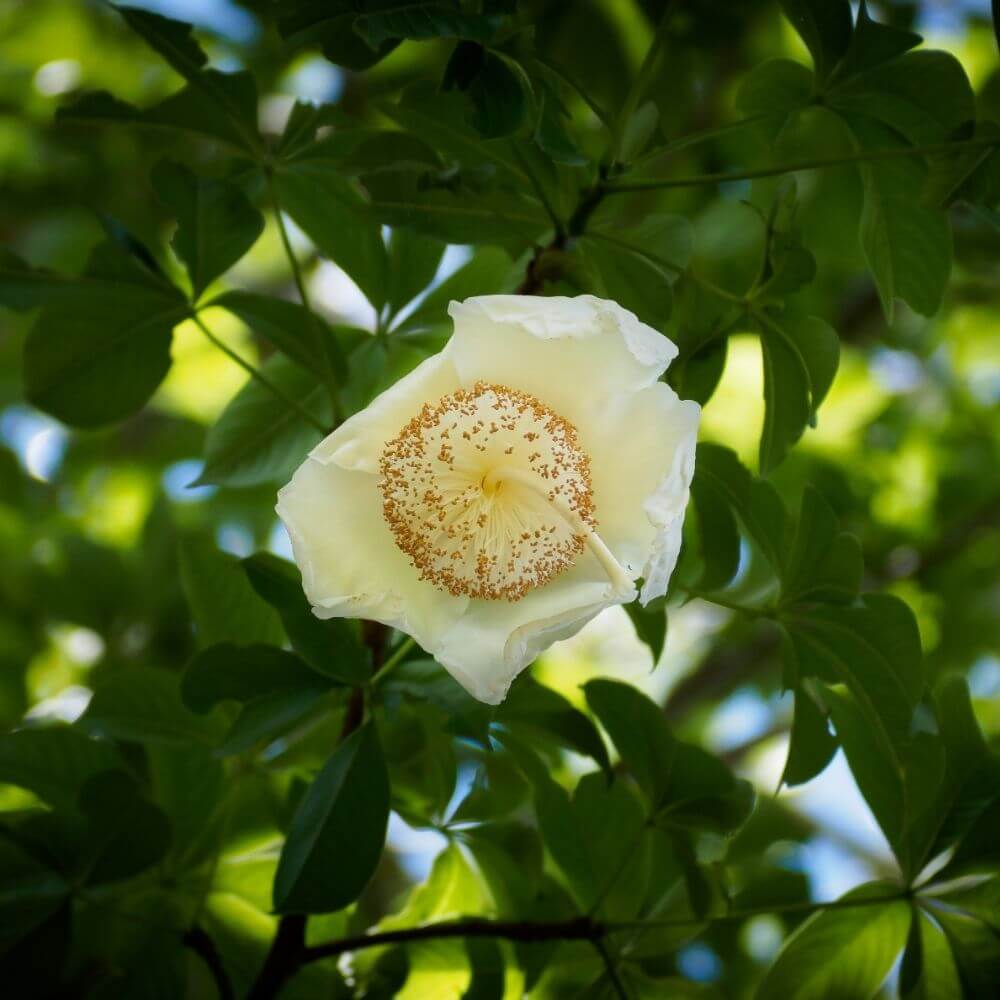
Though native to Africa, Baobab is gaining recognition worldwide. Its fruit pulp is rich in vitamin C and antioxidants, supporting immune function and skin health. It’s also used traditionally to treat fevers and digestive issues.
- Stores water inside its trunk, contributing to electrolyte-rich fruit pulp.
- Naturally contains prebiotic fiber, supporting gut microbiome health.
- Used as a survival food-medicine during droughts in Africa.
15. Mahogany (Swietenia mahagoni)
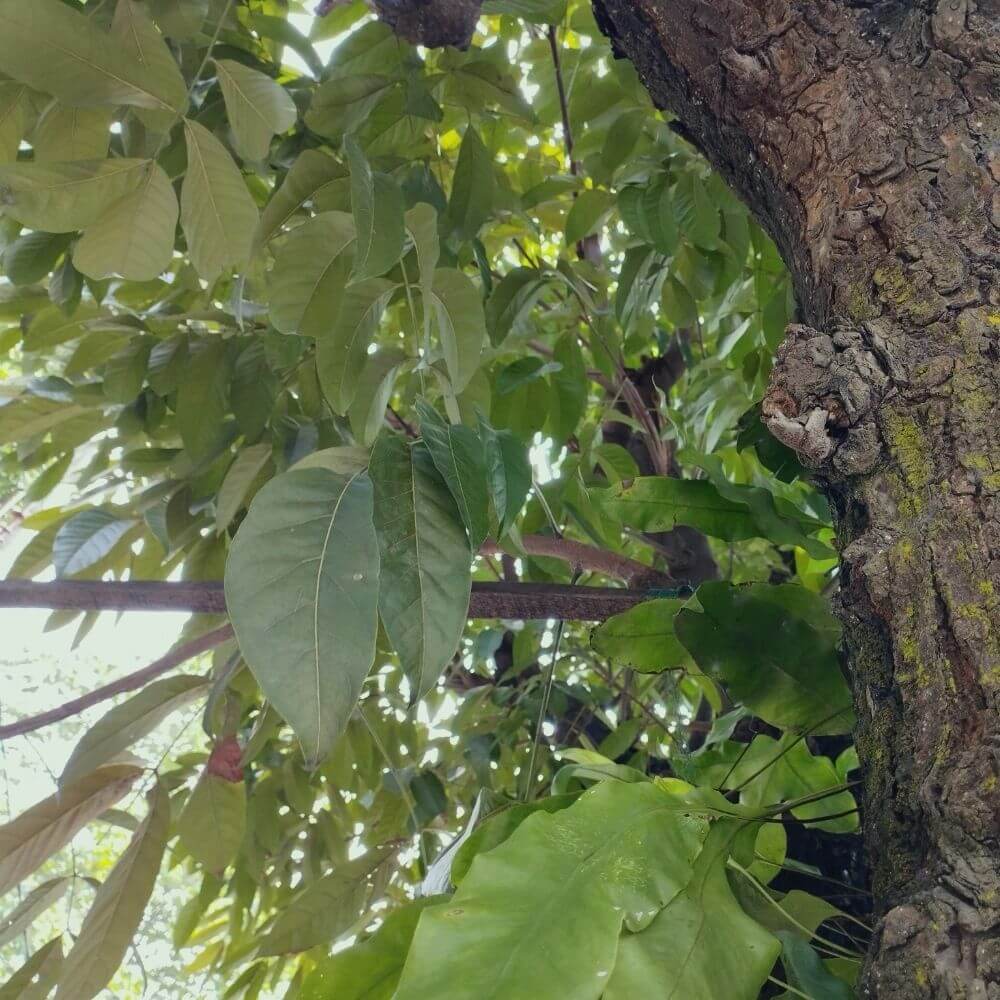
Primarily known for its timber, Mahogany’s seeds have medicinal uses. Extracts show anti-inflammatory and antimicrobial properties, and traditional healers use them to treat infections and skin ailments.
- Seeds contain limonoids, bitter compounds linked to metabolic regulation.
- Traditionally used in low-dose powdered form, not extracts.
- One of the few timber trees with internal medicinal seeds.
16. Moringa (Moringa oleifera)
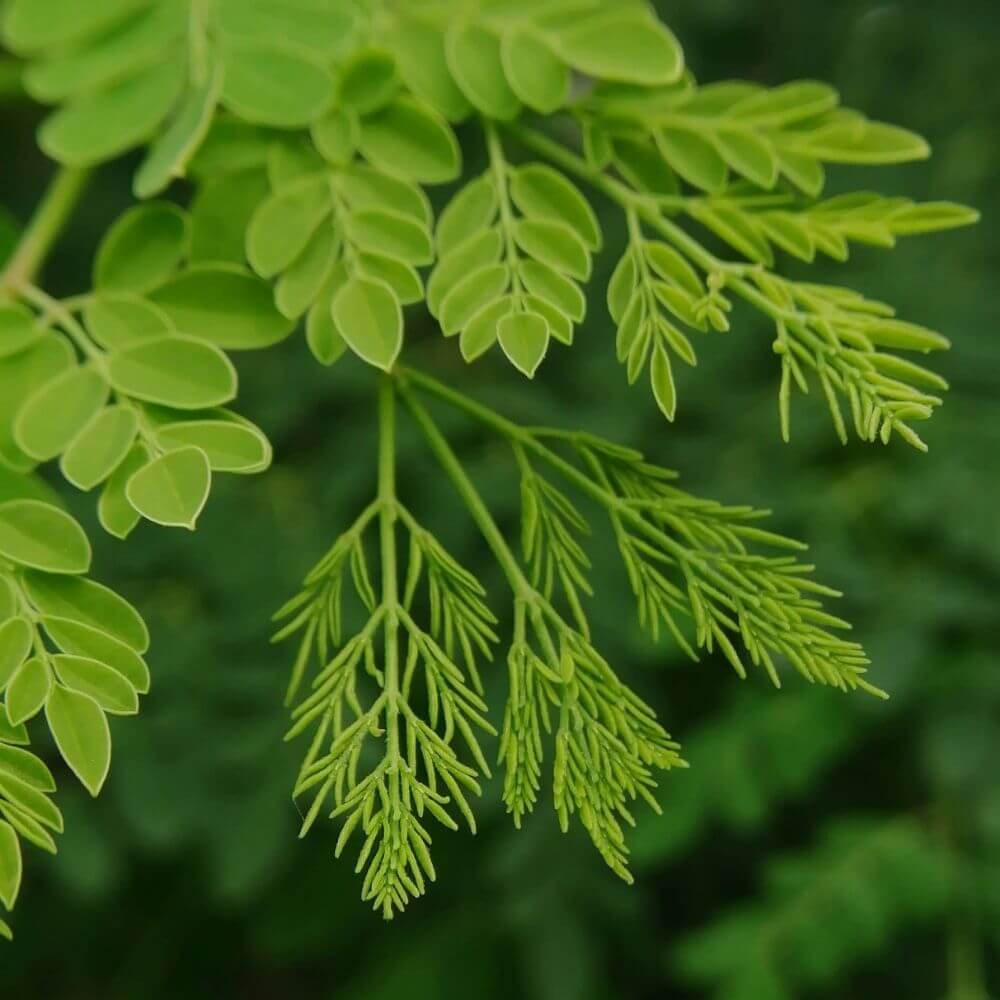
Often called the “miracle tree,” Moringa’s leaves, pods, and seeds are nutrient-dense and medicinally valuable. It supports energy, immunity, and has anti-inflammatory and blood sugar-lowering effects. I personally find moringa powder a great addition to smoothies for a health boost.
- Contains all nine essential amino acids, rare for a plant.
- Seeds are used to naturally purify water by binding impurities.
- Leaves retain nutrition even after drying, unlike leafy vegetables.
17. Jackfruit Tree (Artocarpus heterophyllus)
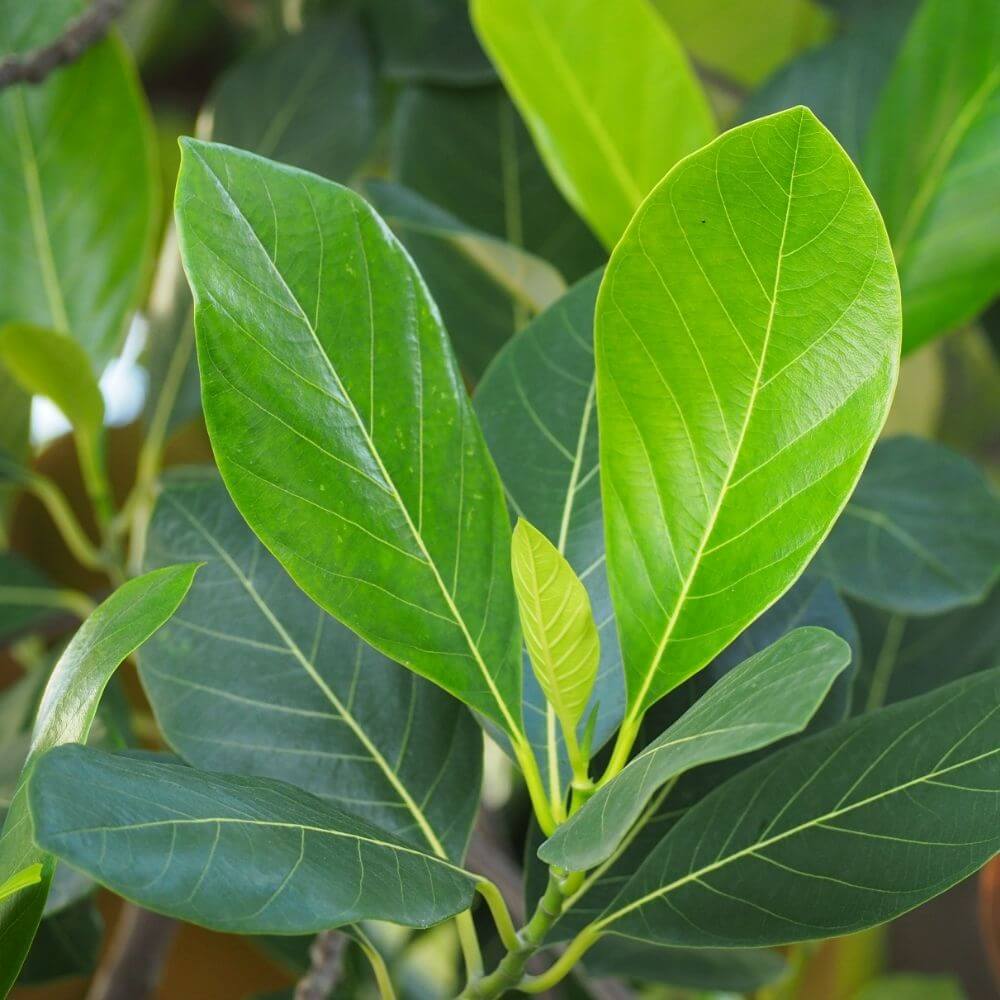
Jackfruit leaves and latex are used traditionally for wound healing and controlling diabetes. The fruit is nutritious, but the medicinal value of the tree’s other parts is often overlooked.
- Latex is traditionally used as a natural antiseptic sealant.
- Leaves are fed to diabetic patients due to alpha-amylase inhibition.
- Wood ash is used in folk medicine for skin fungal conditions.
Top 10 Most Used Medicinal Trees in India
India’s rich tradition of herbal medicine has given prominence to a select group of medicinal trees. Here’s a closer look at the top 10 widely used trees and their significance in Indian healthcare and culture:
- Neem: A multi-purpose healer, used for skin, dental, and immune health.
- Tulsi: Revered for respiratory support and stress relief.
- Amla: Vital source of vitamin C and antioxidant support.
- Ashoka: A cornerstone for women’s reproductive health.
- Giloy: Immune booster and detoxifier.
- Bael: Digestive aid for common gastrointestinal complaints.
- Arjuna: Heart tonic with scientific backing.
- Peepal: Spiritual and medicinal, used for respiratory and digestive health.
- Moringa: Nutrient powerhouse with broad medicinal applications.
- Sandalwood: Skin healer and aromatic relaxant.
These trees are not only embedded in Ayurvedic practices but also cultivated widely in households and herbal gardens across India, reflecting their practical importance.
Scientific Evidence & Research Summaries
Modern research is increasingly supporting what traditional medicine has known for centuries. Here’s a simple, science-backed look at how some medicinal trees actually work in the body.
1. Giloy (Tinospora cordifolia) – Immune & Anti-Inflammatory Support
Study Summary:
A recent scientific review examined Giloy’s natural compounds and confirmed its strong antioxidant and immune-supporting effects. Researchers found that Giloy helps the body manage inflammation and strengthens immune responses at the cellular level.
Key Takeaways:
- Rich in natural compounds that support immunity
- Helps regulate inflammation linked to infections and stress
- Supports its traditional use for respiratory and metabolic health
2. Bael (Aegle marmelos) – Digestive & Blood Sugar Support
Study Summary:
Laboratory research on Bael leaf extract showed powerful antioxidant and anti-inflammatory effects. The study found that Bael helps reduce oxidative stress and supports healthy blood sugar regulation.
Key Takeaways:
- Strong antioxidant activity that protects cells
- Helps control enzymes linked to blood sugar spikes
- Supports traditional use for digestion and gut health
3. Arjuna (Terminalia arjuna) – Heart Health Protection
Study Summary:
A detailed review of Arjuna bark identified multiple plant compounds linked to heart protection. These compounds help fight oxidative damage, which plays a major role in heart disease and aging.
Key Takeaways:
- Supports cardiovascular health at a cellular level
- Helps reduce inflammation and oxidative stress
- Shows antimicrobial activity in lab studies
4. Moringa (Moringa oleifera) – Metabolic & Antioxidant Benefits
Study Summary:
Clinical and preclinical studies found that Moringa leaf powder can help lower blood sugar and improve cholesterol levels. Participants using Moringa showed better glucose control and improved metabolic markers.
Key Takeaways:
- Helps manage blood sugar levels naturally
- Supports healthy cholesterol and metabolism
- High antioxidant content protects against cell damage
While research continues, these studies bridge traditional knowledge and modern science, supporting the use of these trees as complementary medicine.
How to Use Medicinal Trees Safely and Effectively at Home
If you’re considering using medicinal trees for health, here are some practical tips:
- Source Responsibly: Use leaves or extracts from trusted sources or grow your own if possible. Avoid harvesting from polluted areas.
- Preparation Matters: Common methods include making teas, infusions, poultices, or oils depending on the tree and ailment.
- Dosage Awareness: Natural doesn’t always mean safe in any quantity. Start with small amounts and consult healthcare professionals, especially if pregnant, nursing, or on medications.
- Be Aware of Allergies: Skin irritation or digestive upset can occur; discontinue use if adverse reactions appear.
- Combine Wisdom: Use medicinal trees as a complement, not a replacement, to conventional medicine when serious conditions arise.
Natural remedies are powerful but require respect and care for the best results.
FAQs About Medicinal Trees
What is the most medicinal tree?
Neem is widely considered the most medicinal tree due to its powerful antibacterial, antiviral, and anti-inflammatory properties. Almost every part of the Neem tree, leaves, bark, seeds, and oil, is used in traditional medicine. It has been used for centuries to treat skin problems, infections, and digestive issues. Modern research continues to support many of its health benefits.
What are the names of 10 medicinal trees?
Ten well-known medicinal trees include Neem, Tulsi, Amla, Banyan, Arjuna, Bael, Peepal, Ashoka, Moringa, and Sandalwood. These trees are used in Ayurveda and traditional medicine systems worldwide. Each tree offers unique health benefits, from boosting immunity to supporting heart health. Many of them are commonly found in South Asia.
What is a medicinal tree?
A medicinal tree is a tree whose parts are used to prevent, manage, or treat health conditions. Leaves, bark, roots, fruits, and seeds may all contain healing compounds. These trees have been used in traditional medicine for generations. Today, many are also studied and used in modern herbal medicine.
Which tree is used to make medicine?
Many trees are used to make medicine, but Neem, Arjuna, and Moringa are among the most common. Their extracts are used in tablets, powders, oils, and herbal formulations. These trees provide natural compounds that support immunity, heart health, and digestion. Pharmaceutical and herbal industries both rely on them.
Which medicinal trees are most used in India?
In India, Neem, Tulsi, Amla, Ashoka, Peepal, Bael, Arjuna, and Giloy are the most widely used medicinal trees. They play a major role in Ayurveda and home remedies. These trees are commonly grown near homes, temples, and villages. Their daily use reflects deep cultural and medicinal importance.
Conclusion
Exploring the names and healing powers of medicinal trees opens a fascinating window into nature’s pharmacy. These 17 trees highlight a powerful blend of tradition, science, and everyday health benefits that anyone can appreciate. From the protective qualities of the Neem tree to the rich nutrition of Moringa, each tree encourages us to reconnect with natural healing.
If this guide sparked your curiosity, take a moment to explore our other tree- and flower-related guides. You’ll discover detailed lists of tree names in English, flower names with meanings, and rare flowers. That deepen your understanding of nature’s diversity. These guides are designed to help you learn, identify, and appreciate plants around you.