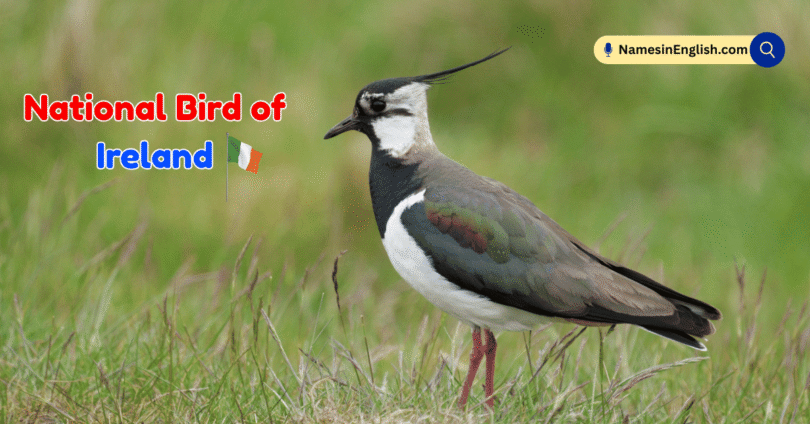

The National Bird of Ireland is the beautiful Northern Lapwing, a bird well known for its striking crest, graceful flight, and unique call across the Irish countryside. National birds are more than just wildlife symbols they reflect a country’s culture, natural heritage, and connection to nature. In Ireland, the Lapwing represents the beauty of wetlands, rural traditions, and environmental importance. In this article, you will learn about the name, history, symbolism, habitat, cultural value, and interesting facts about the national bird of Ireland.
What Is the National Bird of Ireland?
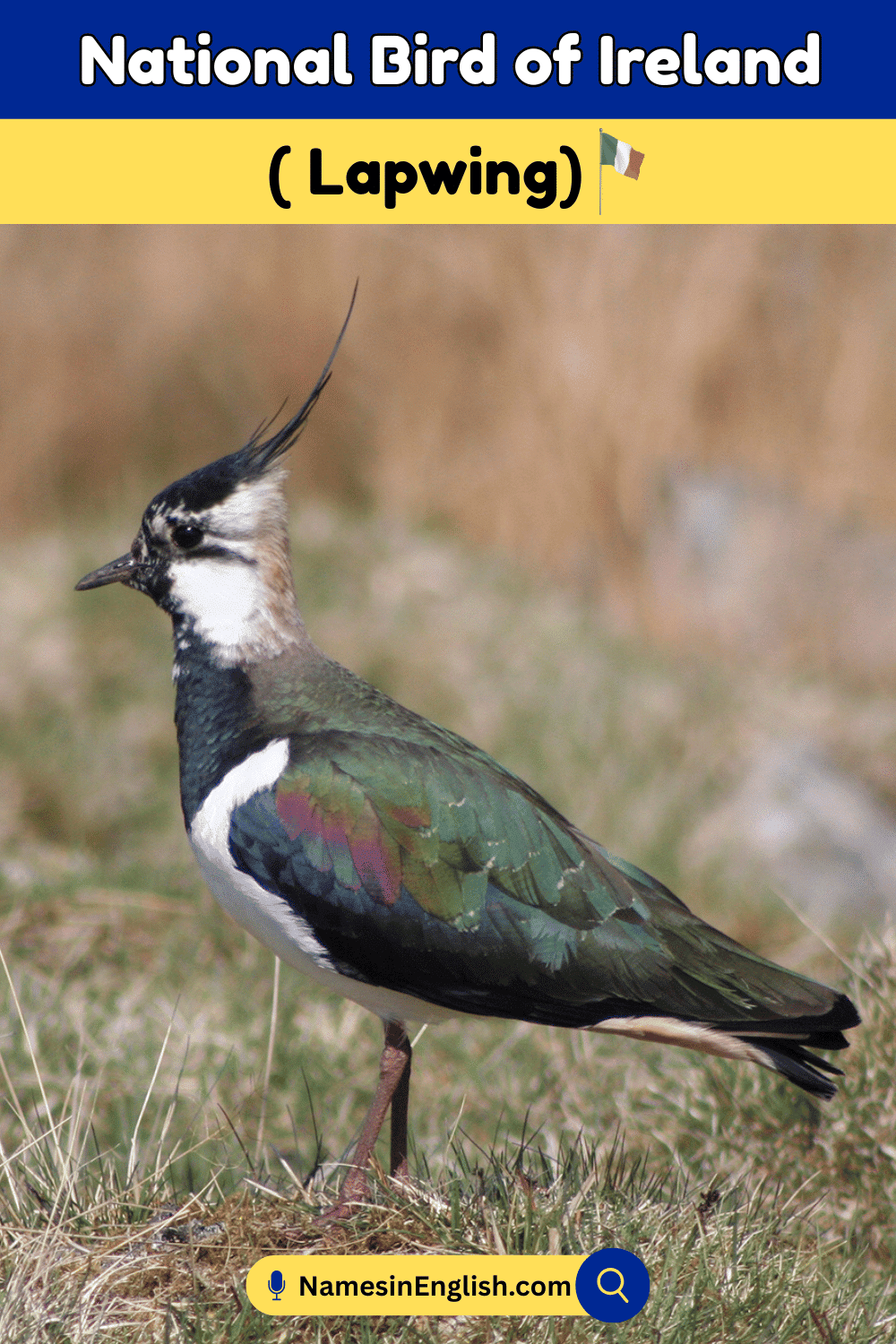
The national bird of Ireland is the Northern Lapwing, also known as the Eurasian Lapwing. Its scientific name is Vanellus vanellus. In Ireland, the bird is often simply called the “Lapwing” or “Peewit,” a name inspired by its distinctive call.
Historical Background of the National Bird of Ireland
Early Presence in Ireland
The Northern Lapwing has been part of Ireland’s natural landscape for centuries. It was commonly seen in wetlands, grasslands, and farmlands, making it familiar to rural Irish communities.
Connection to Irish Folklore
In traditional Irish folklore, the Lapwing was admired for its unique call and graceful flight. Many local stories linked the bird with changing seasons and the beauty of the countryside.
Importance in Rural Life
Farmers often associated the Lapwing with healthy land and fertile fields. Its arrival during spring became a natural sign of seasonal renewal in many parts of Ireland.
When It Was Declared the National Bird
The Northern Lapwing became widely recognized as the national bird of Ireland during the 20th century through cultural and public recognition. Although there is no officially recorded government declaration year.
Symbolic Meaning of the National Bird of Ireland
Symbol of Freedom
The Lapwing is often seen as a symbol of freedom because of its wide soaring flight over open Irish landscapes. Its graceful movement reflects the spirit of independence and natural beauty.
Connection to Nature
The bird represents Ireland’s deep connection with wetlands, grasslands, and rural life. Its presence highlights the importance of protecting the natural environment.
Sign of Spring and Renewal
Lapwings are strongly linked with the arrival of spring in Ireland. Their return each season symbolizes renewal, growth, and the beginning of new life.
Representation of Irish Heritage
For generations, the Lapwing has appeared in Irish folklore and countryside traditions. It reminds people of Ireland’s cultural roots and long-standing relationship with wildlife.
Symbol of Environmental Awareness
Today, the Lapwing also stands for wildlife conservation and habitat protection. Its declining population has made it a powerful symbol of environmental responsibility.
Cultural Importance of Lapwing
The Northern Lapwing has an important place in Irish folklore and rural traditions. Its unique call and graceful flight have inspired stories, poems, and local beliefs for generations.
Physical Appearance of the Lapwing
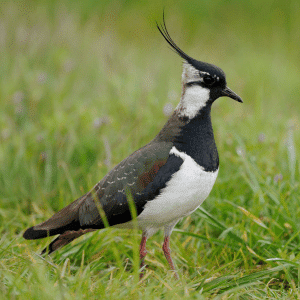
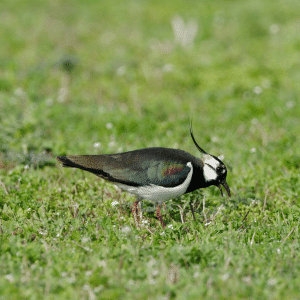
The Lapwing is one of the most recognizable birds in Europe due to its unusual and elegant appearance.
Key Features
- Glossy green, purple, and black feathers
- White belly and face
- Long dark crest on the head
- Broad rounded wings
- Slow and dramatic flight style
Its shimmering feathers often appear metallic in sunlight, making it one of the most visually striking birds in Ireland.
Scientific Classification of the National Bird of Ireland
- Common Name: Northern Lapwing
- Other Name: Eurasian Lapwing
- Scientific Name: Vanellus vanellus
- Kingdom: Animalia
- Phylum: Chordata
- Class: Aves
- Order: Charadriiformes
- Family: Charadriidae
- Genus: Vanellus
- Species: Vanellus vanellus
Habitat and Distribution
Lapwings are commonly found across Ireland, especially in Wet grasslands, Farmlands, Coastal meadows, Marshes, and River valleys. These birds prefer open spaces where they can easily spot predators and search for food.
Migration
Some Lapwings remain in Ireland throughout the year, while others migrate seasonally. During winter, Ireland also receives Lapwings from colder northern European regions.
What Does the Lapwing Eat?
The Lapwing mainly feeds on small invertebrates found in soft soil and wet ground. It’s common food are Earthworms, Insects, Beetles, Spiders, Larvae, and Small snails.
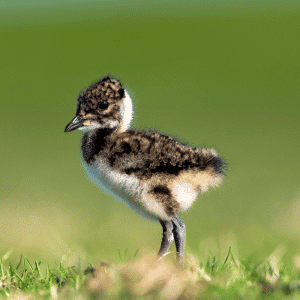
Baby of Lapwing
Baby Lapwings are called chicks. The chicks leave the nest shortly after hatching and quickly learn to move through grasslands with their parents. Their brown-speckled feathers help them stay hidden from predators.
Environmental Importance
The Lapwing helps maintain ecological balance by feeding on insects and small pests. It is also considered an indicator of healthy wetlands and grassland ecosystems in Ireland.
Educational Importance
Schools and wildlife organizations use the Lapwing to teach students about birds, biodiversity, and conservation. It helps raise awareness about protecting Ireland’s natural habitats.
Tourism Value
Birdwatchers and nature lovers visit Ireland to see the Lapwing in its natural environment. Its presence in wetlands and nature reserves supports eco-tourism and wildlife photography.
Interesting Facts About Ireland’s National Bird
- The Lapwing is famous for its tumbling and acrobatic flight.
- Its nickname “Peewit” comes from its loud call.
- The bird’s crest gives it a crown-like appearance.
- Lapwings often pretend to have injured wings to distract predators from their nests.
- Their eggs are highly camouflaged in grassy areas.
Name of National Bird of Ireland
Learn More Helpful Articles