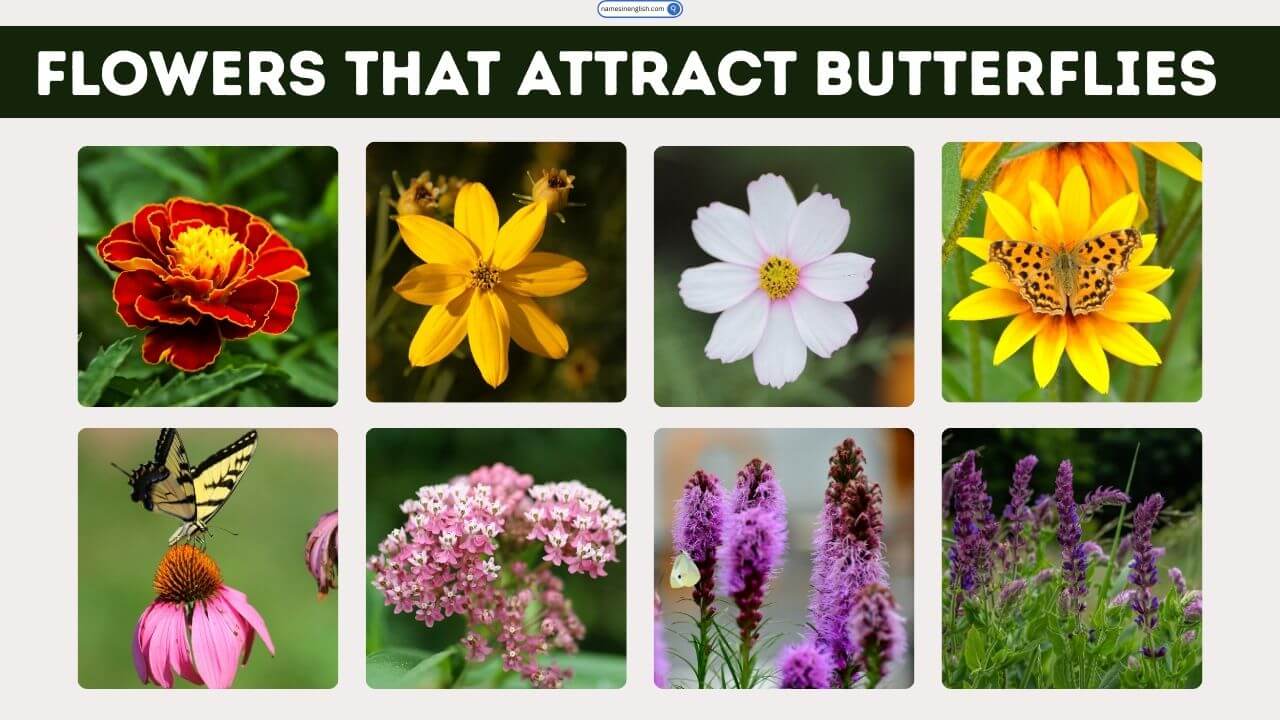

A butterfly friendly garden starts with choosing the right blooms, and the good news is that many of them are surprisingly easy to grow. Easy to Grow Flowers That Attract Butterflies Naturally not only add vibrant color to your outdoor space but also provide essential nectar that helps support healthy butterfly populations. Whether you have a large backyard, a small garden, or a few containers on a patio, these flowers can transform your space into a lively haven for pollinators. In this article, you’ll learn 13 beautiful, low maintenance flowers that naturally attract butterflies, along with tips to help them thrive in your garden.
Why Butterfly-Friendly Gardens Matter More Than Ever
A major scientific study published in the journal Science found that butterfly numbers in the United States have dropped by about 22% in just the last 20 years. Meaning that for every five butterflies seen two decades ago, now there are only about four. This decline is linked to loss of habitat, pesticide use, and climate change, which together reduce the places butterflies can feed, lay eggs, and complete their life cycle.
This doesn’t just affect the pretty butterflies fluttering around your garden. It affects the whole environment. Butterflies pollinate flowers, help plants reproduce, and are part of healthy food chains that support birds and other wildlife. When they disappear, gardens and natural areas become less vibrant and less life‑supporting.
Even though the overall numbers are falling, there’s good thing is small actions in U.S. gardens can help. Providing nectar‑rich flowers and safe habitat without pesticides creates tiny “stepping stones” that help butterflies feed and survive. A few thoughtful plants in your yard or balcony can make a real difference in your neighborhood’s butterfly population.
👉 Learn more about this study and what scientists say you can do here:
Read the Xerces Society’s press release on butterfly declines and conservation
What Flowers Attract Butterflies the Most?
Butterflies are most attracted to nectar-rich, open flowers that allow easy access to food. The most reliable choices include:
- Zinnias
- Coneflowers (Echinacea)
- Milkweed
- Lantana
Flowers in purple, yellow, pink, and red consistently perform best. Grouping several of the same plant together increases visibility and butterfly visits.
How Butterflies Choose Flowers
Butterflies rely heavily on sight. Research published by Penn State Extension explains that butterflies can see ultraviolet patterns on flowers, helping them locate nectar efficiently. Simple, flat blooms outperform heavily bred, double-petal varieties because nectar remains accessible.
Native and long-blooming flowers also matter. The longer a plant flowers, the more consistently butterflies return.
13 Easy to Grow Flowers That Attract Butterflies
Below are flowers that perform well across different climates, suit beginners, and need very little care once established. Each flower includes clear growing context without overloading you with technical details.
1. Zinnia
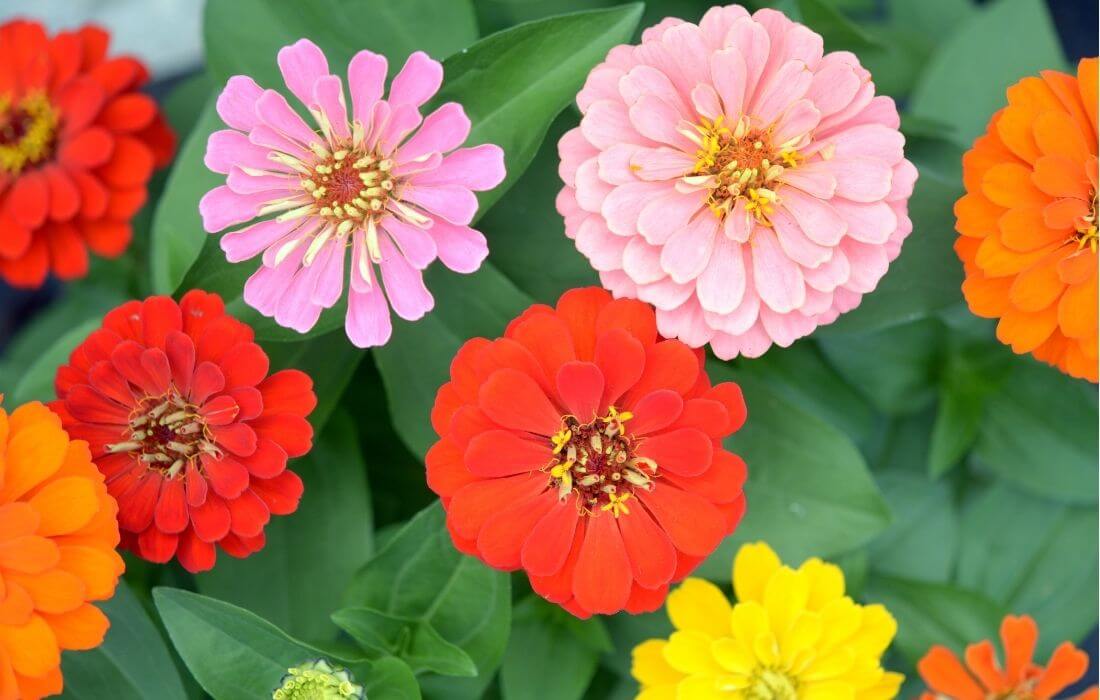
Zinnias are one of the fastest ways to add color to a garden. They grow quickly from seed and bloom nonstop through warm months.
Scientific name: Zinnia elegans
USDA hardiness: Grown as an annual in most climates
- Why butterflies love it: Wide, flat blooms with easy nectar access
- Annual or perennial: Annual
2. Coneflower (Echinacea)
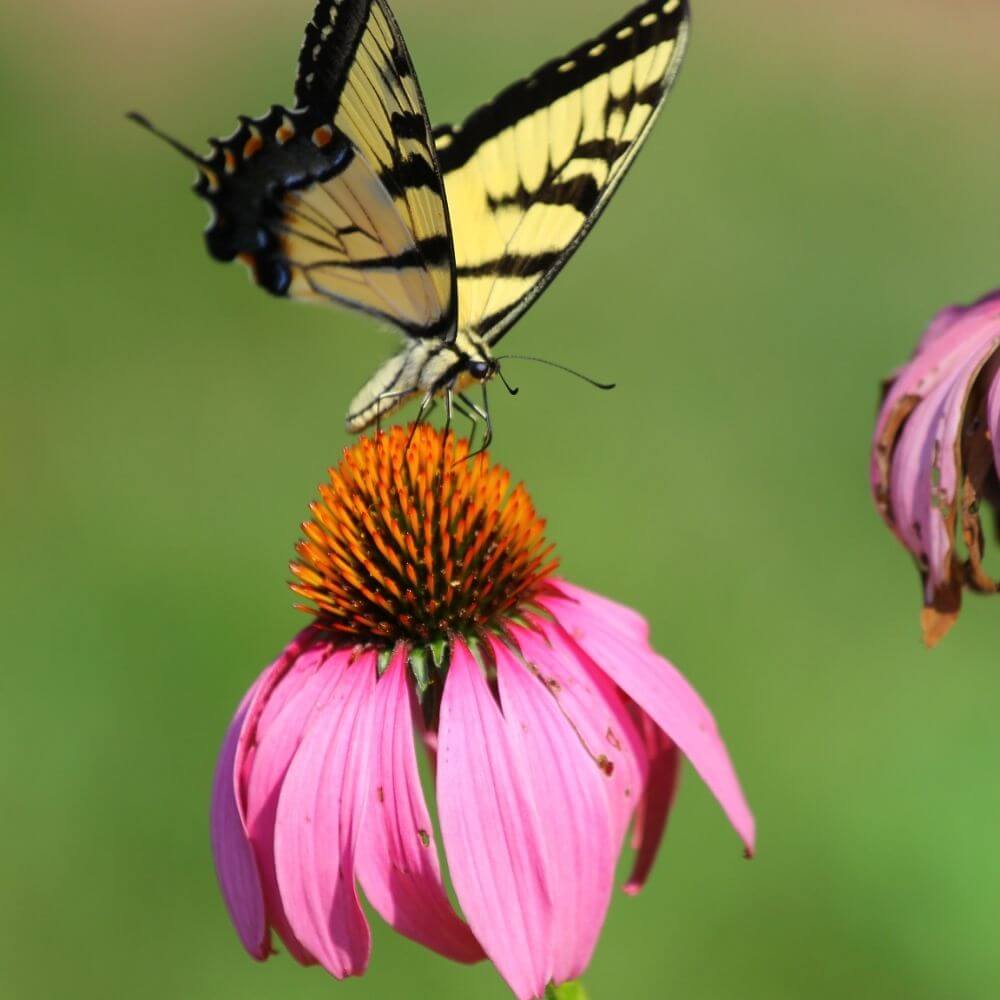
Coneflowers are tough, reliable plants that return every year once established. They tolerate heat, cold, and poor soil better than most flowers.
Scientific name: Echinacea purpurea
USDA hardiness: Zones 3–9
- Annual or perennial: Perennial
- Low maintenance / drought tolerant: Yes
3. Black-Eyed Susan
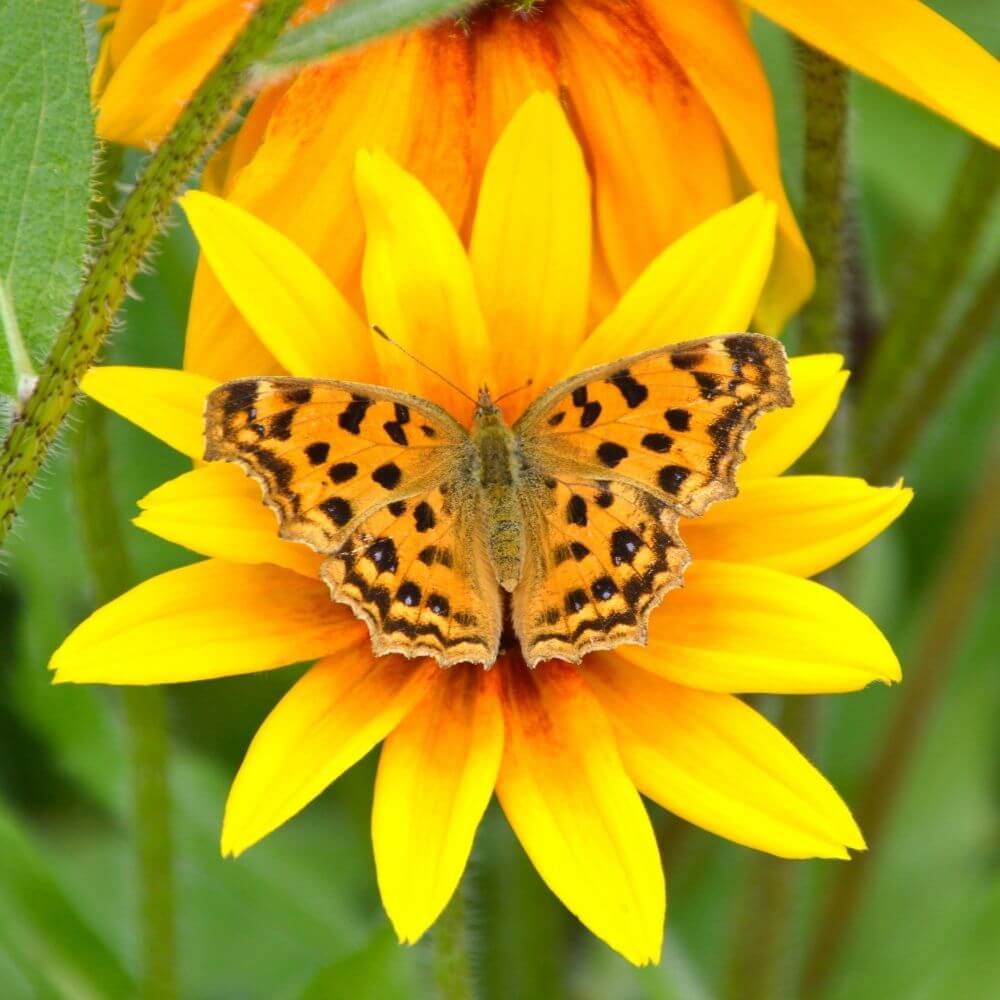
These bright yellow flowers are dependable performers in garden beds and wildflower areas. They bring long-lasting color with very little effort.
Scientific name: Rudbeckia hirta
USDA hardiness: Zones 3–9
- Why butterflies love it: Open flower centers with visible nectar
- Annual or perennial: Perennial (often grown as biennial)
4. Lantana
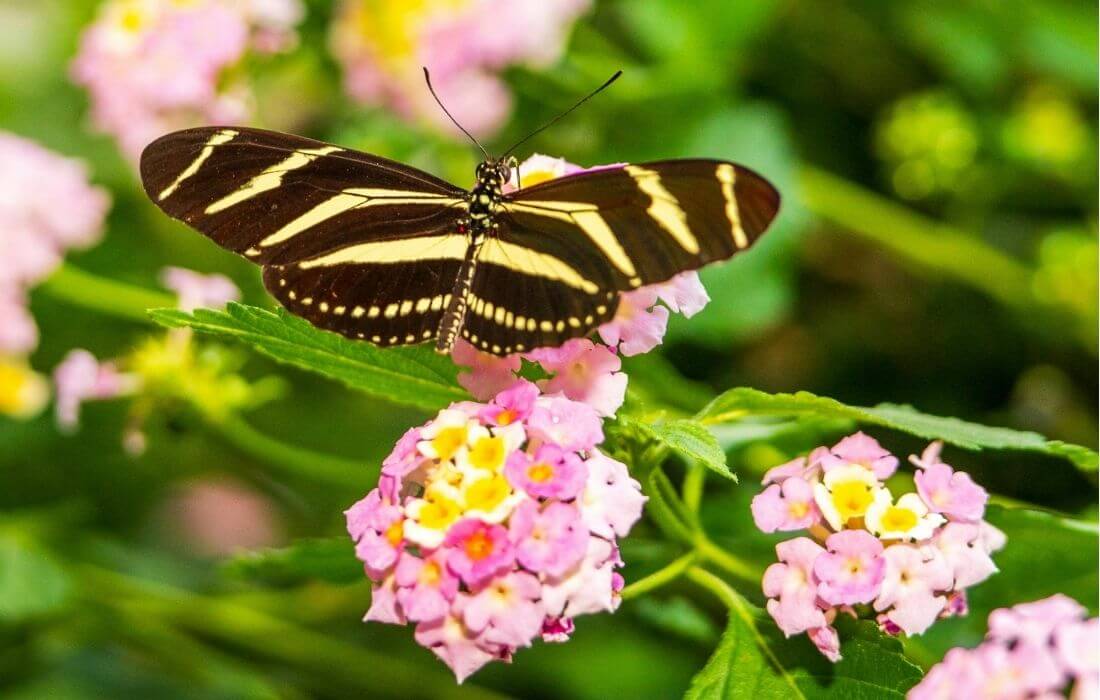
Lantana thrives where many other flowers fail. It handles heat, drought, and poor soil without slowing down.
Scientific name: Lantana camara
USDA hardiness: Zones 8–11
- Sun preference: Full sun
- Annual or perennial: Perennial in warm climates
5. Milkweed
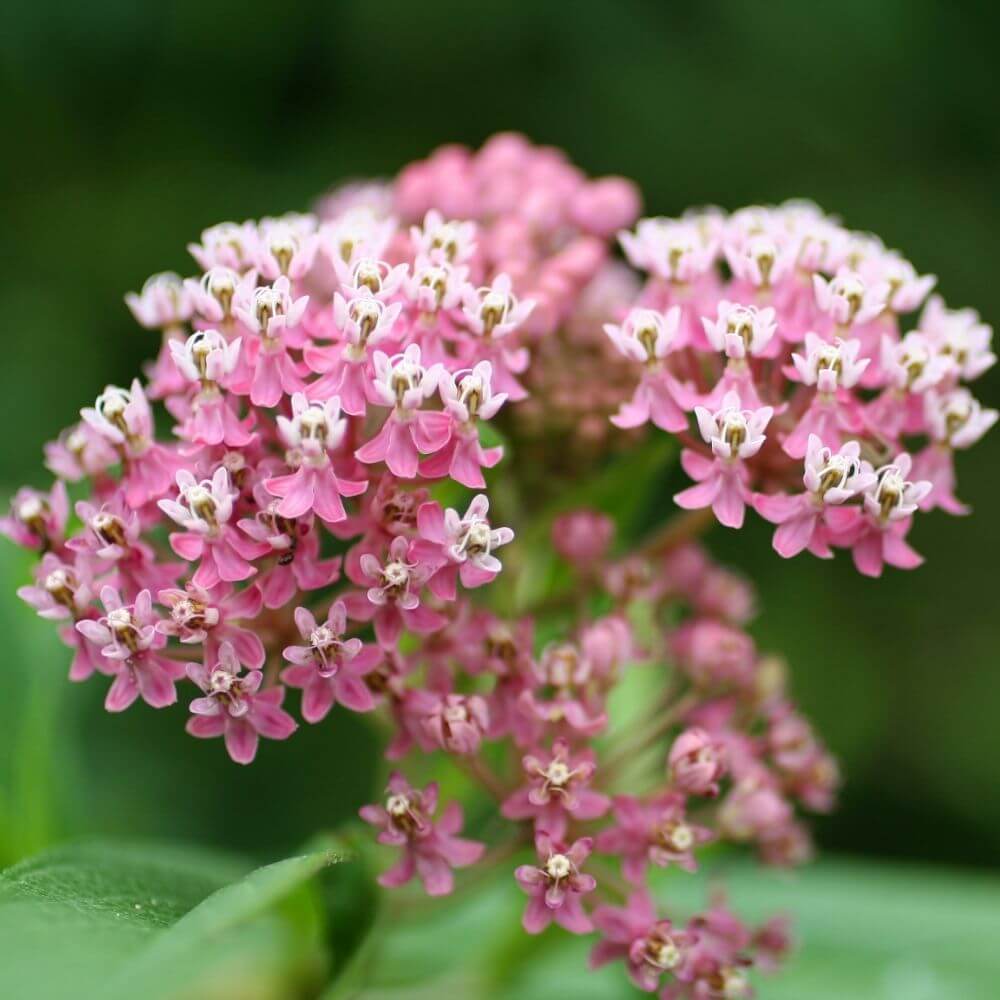
Milkweed plays a vital role in butterfly conservation. It is one of the most impactful plants you can grow for pollinators.
Scientific name: Asclepias species
USDA hardiness: Zones 3–9 (varies by species)
- Why butterflies love it: Essential host and nectar plant for monarchs
- Annual or perennial: Perennial
6. Lavender
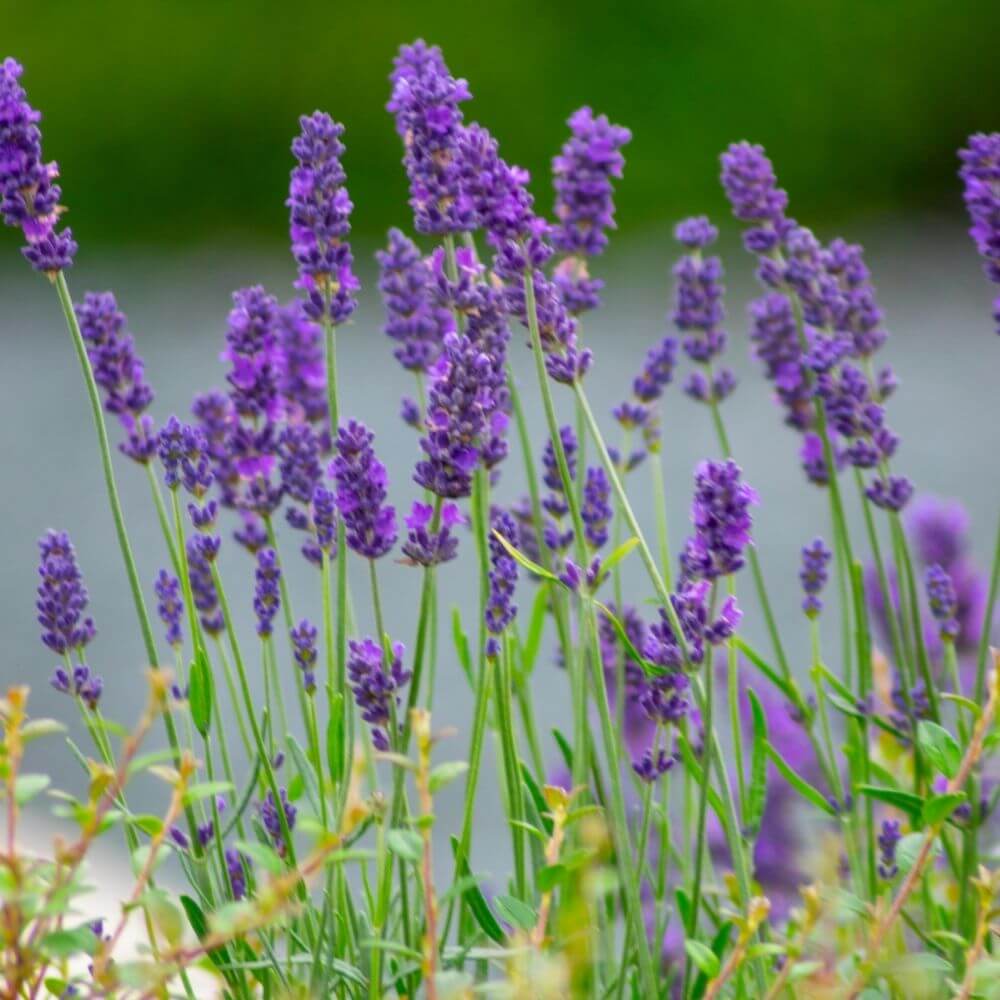
Lavender adds fragrance, structure, and long-term appeal to gardens. Once established, it needs very little attention.
Scientific name: Lavandula angustifolia
USDA hardiness: Zones 5–9
- Sun preference: Full sun
- Low maintenance / drought tolerant: Yes
7. Cosmos
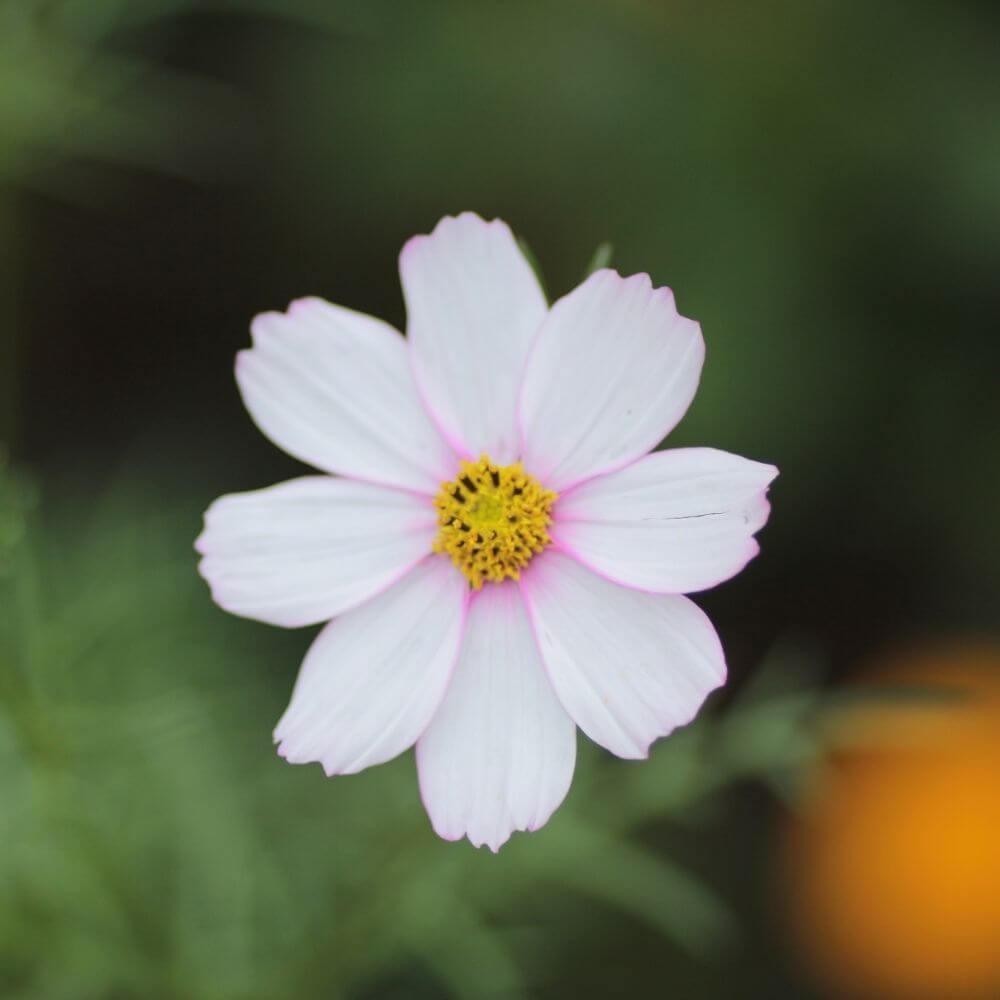
Cosmos are light, airy flowers that bloom generously with minimal care. They are excellent for filling empty garden spaces quickly.
Scientific name: Cosmos bipinnatus
USDA hardiness: Grown as an annual in most climates
- Why butterflies love it: Open flowers with accessible nectar
- Annual or perennial: Annual
8. Blazing Star (Liatris)
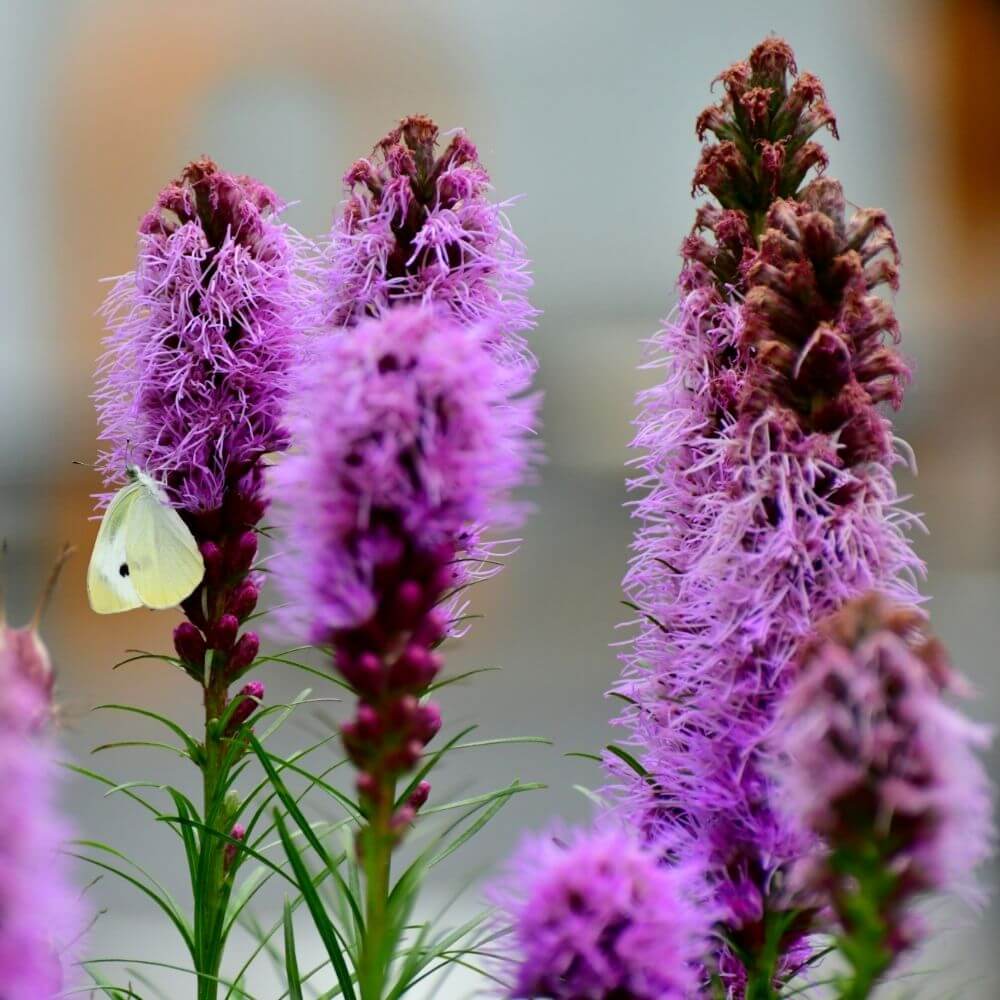
Blazing Star provides a strong vertical accent to the garden and is an absolute magnet for butterflies. It’s tough, native, and returns reliably every year.
Scientific name: Liatris spicata (and related species)
USDA hardiness: Zones 3–9
- Annual or perennial: Perennial
- Low maintenance / drought tolerant: Yes once established
9. Verbena
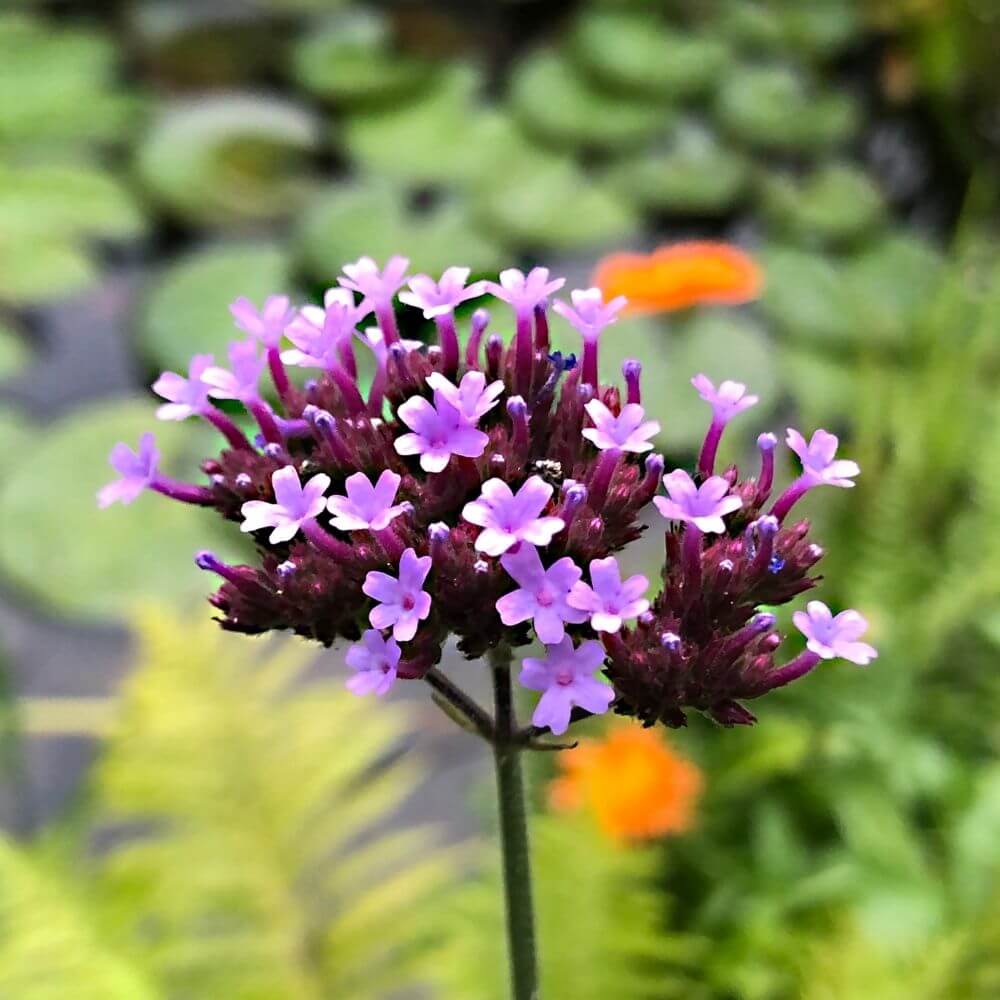
Verbena provides long-lasting color and works well in borders, containers, and hanging baskets. It blooms steadily through warm seasons.
Scientific name: Verbena bonariensis
USDA hardiness: Zones 7–11
- Why butterflies love it: Continuous nectar supply
- Annual or perennial: Perennial in warm climates
10. Sunflower
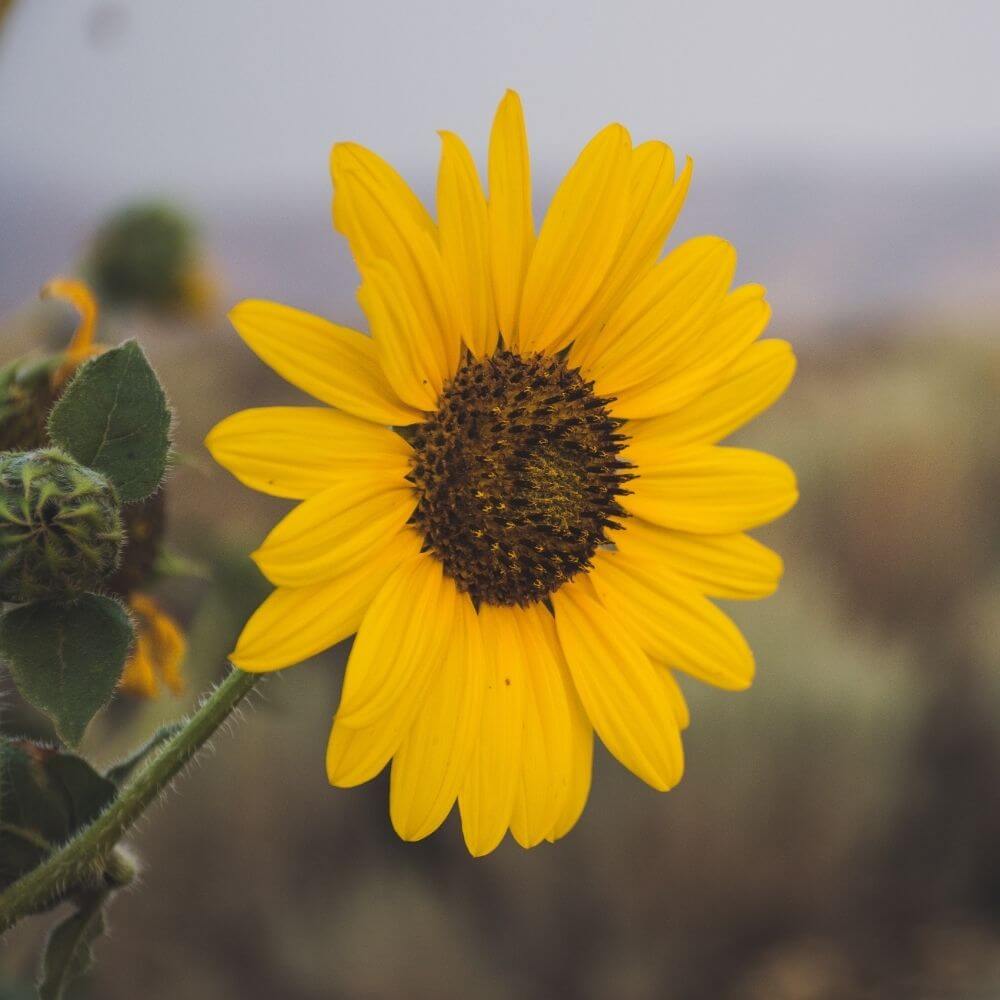
Sunflowers add height and visual impact to gardens. They also quietly support pollinators throughout summer.
Scientific name: Helianthus annuus
USDA hardiness: Grown as an annual in most climates
- Why butterflies love it: Large, pollen-rich flower centers
- Annual or perennial: Annual
11. Salvia
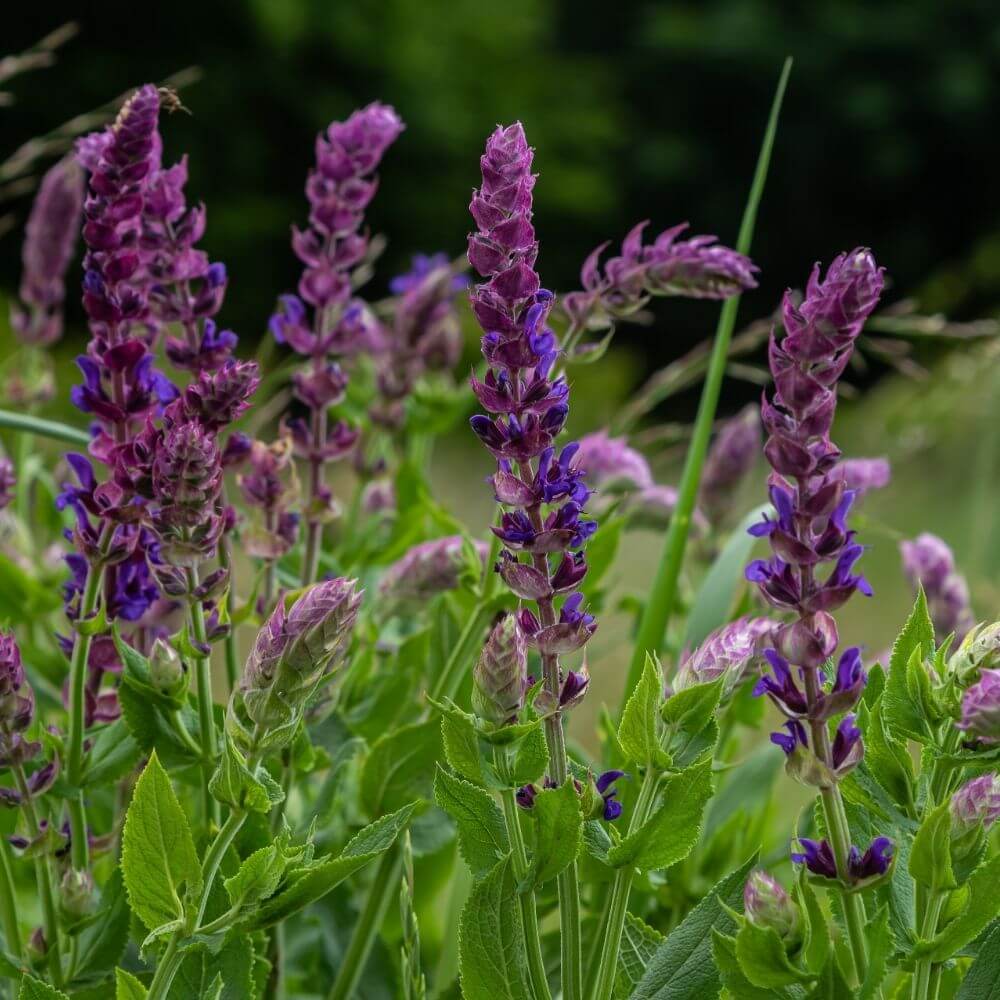
Salvia is a dependable bloomer that handles tough conditions well. It continues flowering even during hot weather.
Scientific name: Salvia nemorosa
USDA hardiness: Zones 4–9
- Sun preference: Full sun to partial shade
- Low maintenance / drought tolerant: Yes
12. Coreopsis
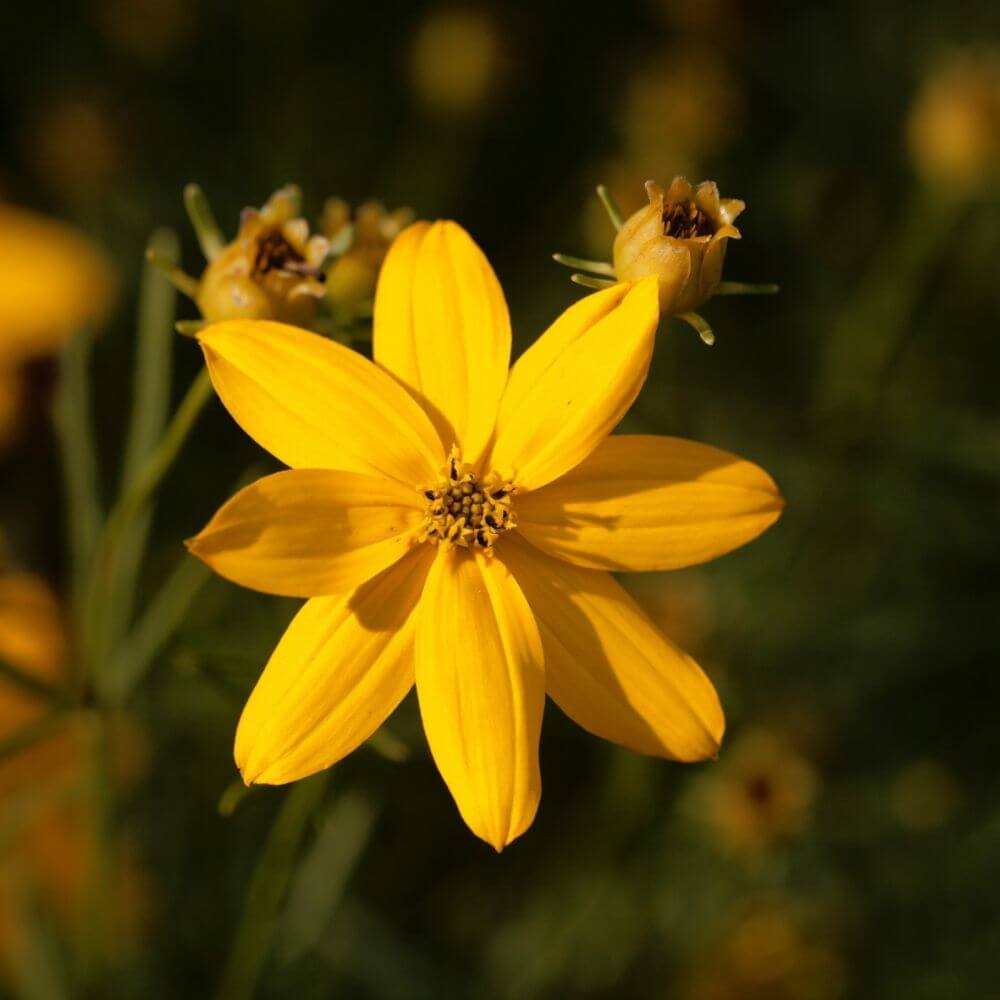
Coreopsis brings cheerful color with almost no effort. It works well in natural gardens and traditional beds alike.
Scientific name: Coreopsis verticillata
USDA hardiness: Zones 4–9
- Annual or perennial: Perennial
- Low maintenance / drought tolerant: Yes
13. Marigold
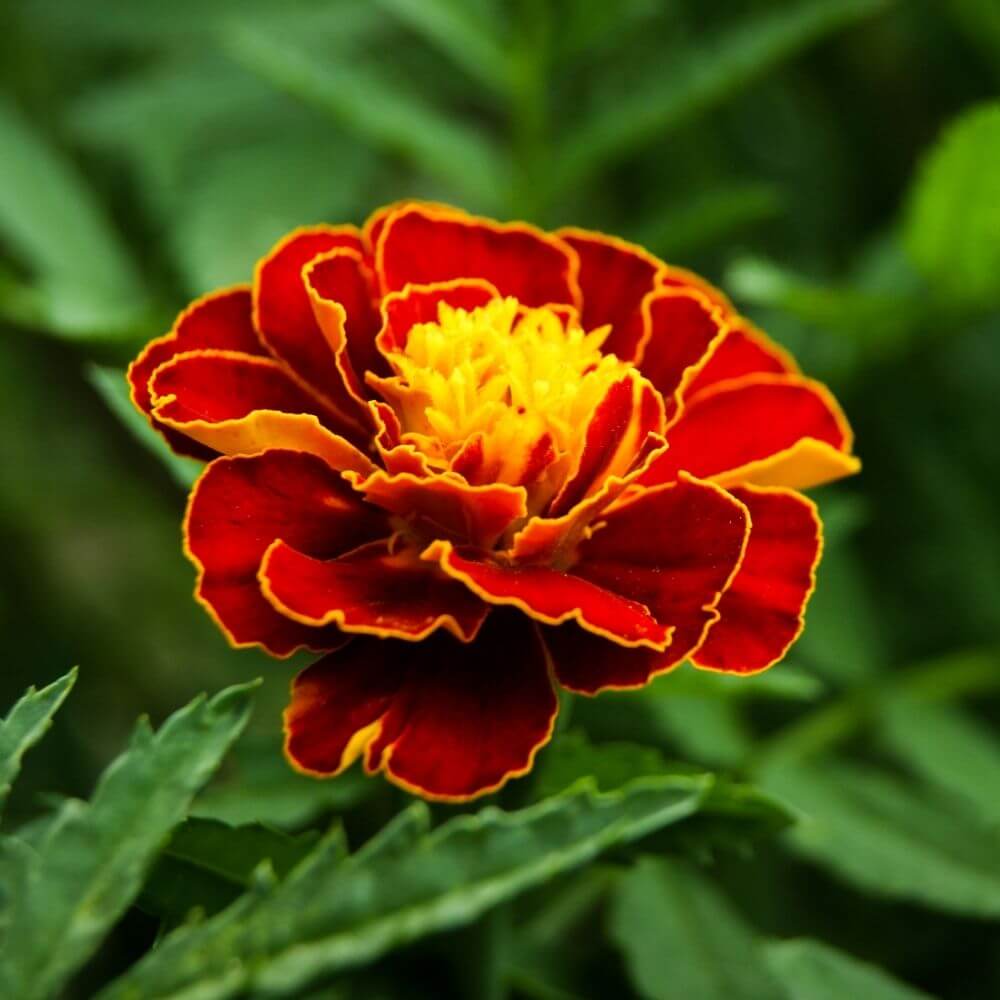
Marigolds are ideal for pots, borders, and beginner gardens. They grow fast and bloom reliably all season.
Scientific name: Tagetes erecta
USDA hardiness: Grown as an annual in most climates
- Why butterflies love it: Bright colors attract visual feeders
- Annual or perennial: Annual
Best Flower Colors for Attracting Butterflies
Butterflies don’t choose flowers randomly. They rely heavily on color to find nectar sources from a distance. Bright, warm colors are easiest for them to spot, especially in sunny gardens.
Purple and yellow flowers tend to attract the most butterflies, followed by pink, red, and orange. Purple flowers like coneflower, verbena, and lavender are especially effective because they stand out strongly against green leaves. Yellow flowers such as coreopsis and black-eyed Susan are also easy for butterflies to notice.
A simple tip is to mix colors instead of planting just one shade. Different butterfly species prefer different colors, so a mix increases your chances of regular visits. It also keeps your garden looking lively rather than flat or boring.
Growing Butterfly Flowers in Pots, Indoors, and Small Spaces
You don’t need a big garden to attract butterflies. Many butterfly-friendly flowers grow very well in pots, containers, and even small balconies.
Zinnias, marigolds, verbena, cosmos, and lavender all adapt easily to containers as long as the pot has good drainage holes. Use a light potting mix, water when the soil feels dry on top, and place pots where they receive plenty of sunlight.
Indoor growing works best for starting seeds, not for attracting butterflies. Butterflies need open access to flowers, so once seedlings are strong, move them outdoors. Even a few pots placed together on a sunny balcony can attract butterflies during warm months.
Low Maintenance Outdoor Flowers for Busy Gardeners
If you don’t have time for daily care, focus on plants that take care of themselves once established. Many butterfly flowers are surprisingly tough and forgiving.
Perennials like coneflower, lavender, salvia, coreopsis, and milkweed come back every year without replanting. After the first growing season, they usually need less watering and handle heat, dry soil, and missed watering better than delicate flowers.
A good tip is to avoid overwatering and over-fertilizing. Many of these plants bloom better when conditions are slightly rough. Letting them grow naturally often attracts more butterflies than trying to “perfect” the soil.
Plant in Clusters, Not Singles
Butterflies look for efficiency. They don’t want to fly long distances between single flowers when they can feed many times in one spot.
Planting flowers in small clusters of three to five plants of the same type makes your garden far more attractive to butterflies. Clusters are easier to see from the air and provide a steady food source once a butterfly lands.
Single plants often get ignored, even if they are butterfly-friendly. Grouping the same flowers together creates a stronger signal and keeps butterflies feeding longer instead of flying away quickly.
Mistakes That Stop Butterflies From Visiting
- Using pesticides, even organic ones
- Planting double-petal hybrids with inaccessible nectar
- Scattering single plants instead of grouping
According to the National Wildlife Federation, eliminating chemical sprays alone can double pollinator activity in home gardens.
FAQs About Butterfly-Attracting Flowers
Milkweed attracts the most butterflies, especially monarchs. Its nectar and role as a host plant are crucial. Other favorites include zinnias and butterfly bush. These flowers provide abundant nectar and easy access.
Butterflies are drawn to bright colors like purple, yellow, and red. They seek flowers with open, flat shapes for easy landing. Scent and nectar richness also play key roles. Native plants often attract more butterflies.
Butterflies are mostly attracted to sweet, floral scents. Wearing fragrances with hints of jasmine or lavender can sometimes draw them near. However, they rely more on flower smells than human scents. Avoid strong chemical perfumes.
Monarchs prefer milkweed because it’s both their main food source and breeding ground. They also visit lantana, coneflowers, and butterfly bush for nectar. Milkweed is essential for their lifecycle. Without it, monarchs struggle to survive.
The best way to attract butterflies is planting nectar-rich flowers in sunny spots. Grouping plants together helps butterflies find food easily. Avoid pesticides and provide water sources like shallow dishes. Native plants boost local butterfly populations.What flower attracts the most butterflies?
What are butterflies attracted to?
What smells attract butterflies to humans?
What is the monarch butterfly's favorite flower?
What is the best thing to attract butterflies?
Building a Garden Butterflies Return To
Attracting butterflies isn’t about perfection. It’s about choosing flowers that work with nature, not against it. Start small. Pick a few easy to grow flowers that attract butterflies, plant them in clusters, and let the garden evolve.
If you’re curious about state flowers, native plants, or more about flowers in general, explore our related guides and keep building a space that supports both beauty and life.