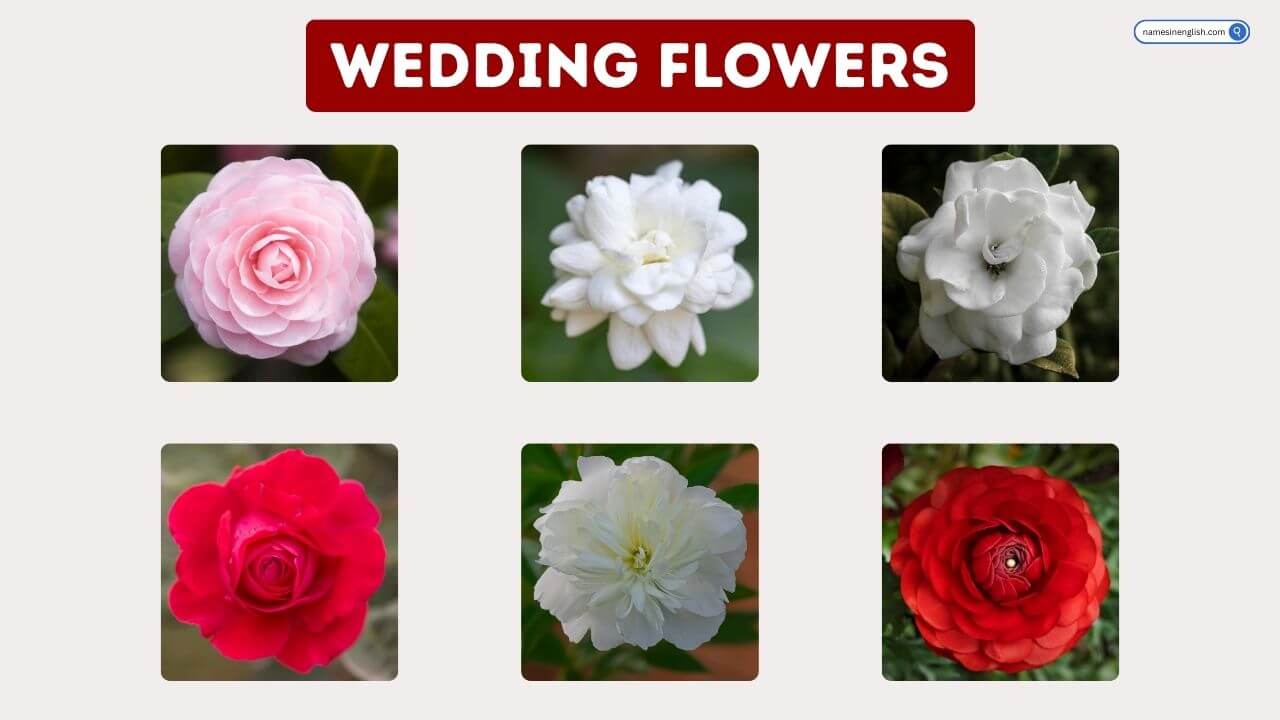

Choosing the right wedding flowers is one of the most exciting parts of planning a wedding because they add beauty, personality, and emotion to every moment of your special day. From the bridal bouquet to the ceremony aisle and reception tables, the right blooms can completely transform the atmosphere and leave a lasting impression on your guests. In this guide to the 21 Best Types of Wedding Flowers Brides Should Never Skip, you’ll learn the most popular wedding flowers, what makes each one special, and how to choose the perfect blooms to match your wedding style, season, and budget.
What Are the Best Types of Wedding Flowers?
If you’re looking for a quick guide, here are five of the best types of wedding flowers that brides often regret missing out on:
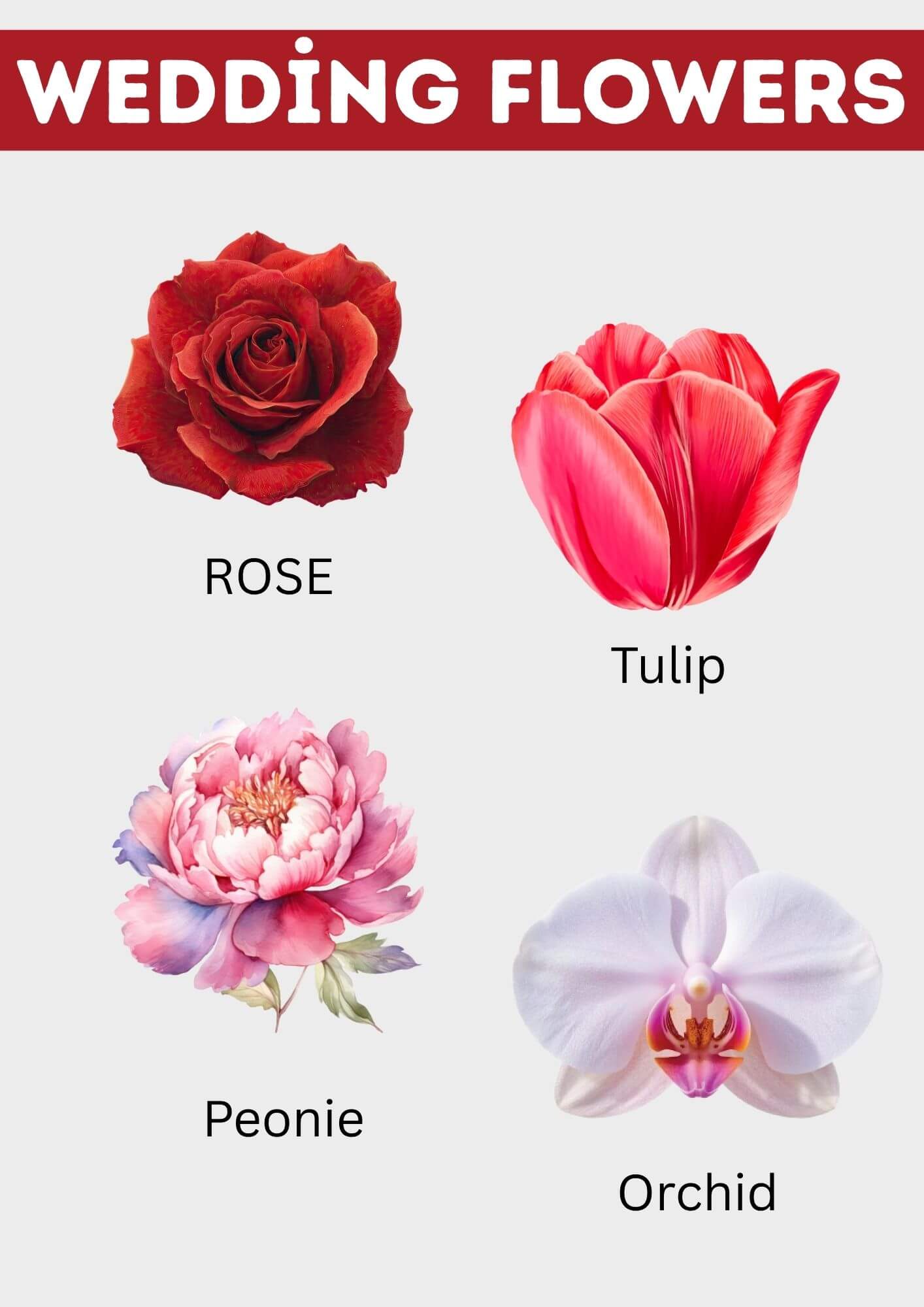
- Roses – The timeless symbol of love and passion.
- Peonies – Known for their lush beauty and good luck association.
- Calla Lilies – Sleek and elegant, symbolizing marital bliss.
- Tulips – Versatile and colorful, representing perfect love.
- Orchids – Exotic and unique, symbolizing strength and beauty.
These flowers not only add charm but also carry meaningful symbolism that resonates with wedding themes. Also, a popular floral design guideline called the “3-5-8 rule” helps balance bouquets and arrangements by mixing focal flowers, secondary blooms, and fillers in these proportions to create visually stunning displays.
21 Best Types of Wedding Flowers
Let’s dive deeper into the best types of wedding flowers. For each, you’ll find their symbolism, common uses, and practical examples from real weddings.
1. Roses
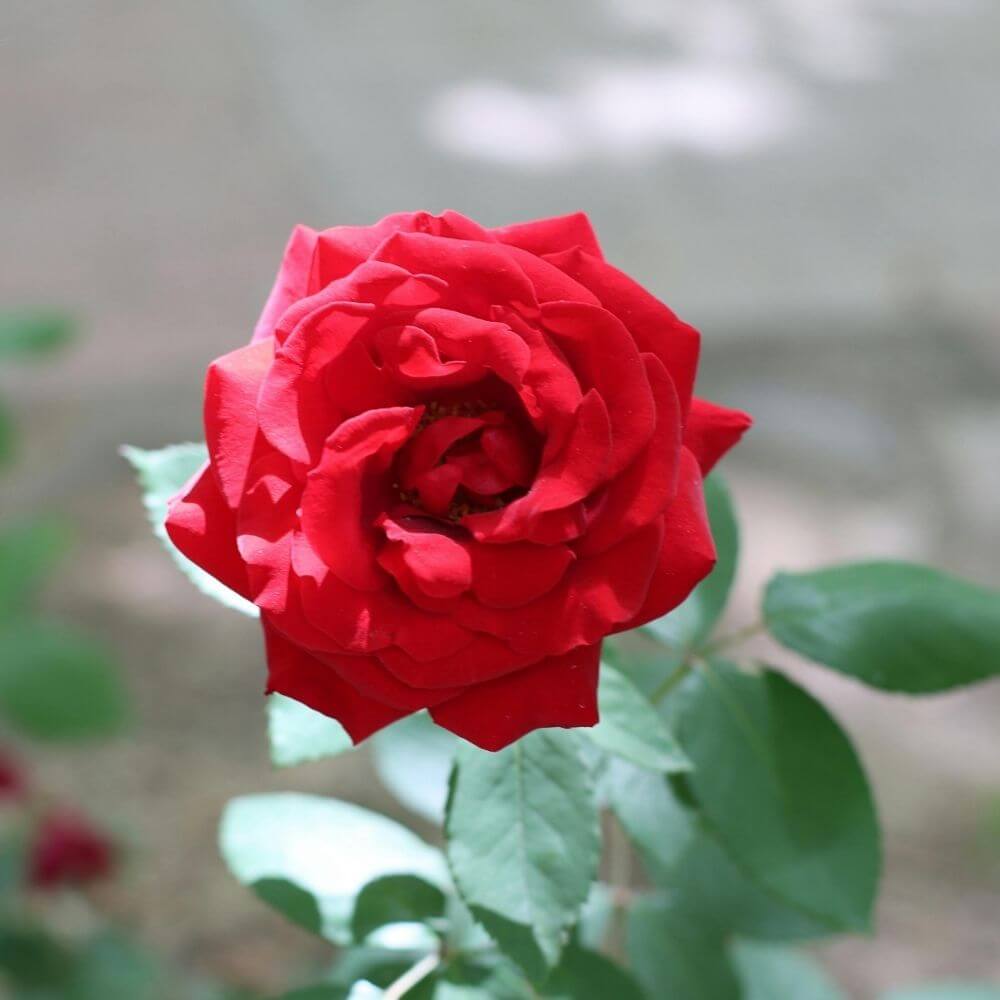
Roses have long been the symbol of deep love and romance. Their velvety petals and intoxicating scent create an atmosphere of timeless elegance. Beyond the classic red, roses bloom in soft blushes, creamy whites, and even vibrant corals, making them versatile for any theme. They lend themselves beautifully to everything from intricate bridal bouquets to sweeping ceremony arches.
2. Peonies
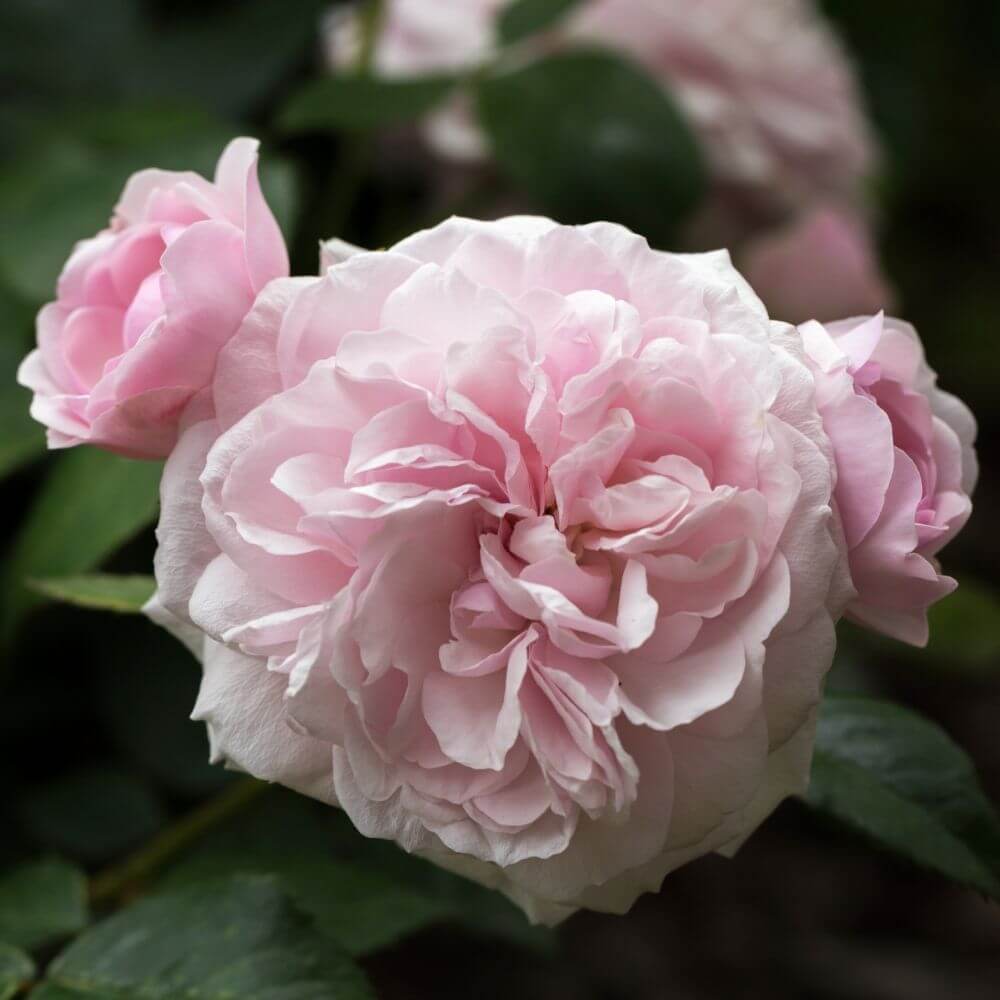
Peonies bring a luxurious softness with their billowy petals and sweet fragrance. Traditionally associated with prosperity and good fortune, these flowers are often reserved for spring and early summer weddings. Their romantic, almost whimsical appearance makes them favorites for couples seeking lush, full arrangements with a touch of natural elegance.
3. Calla Lilies
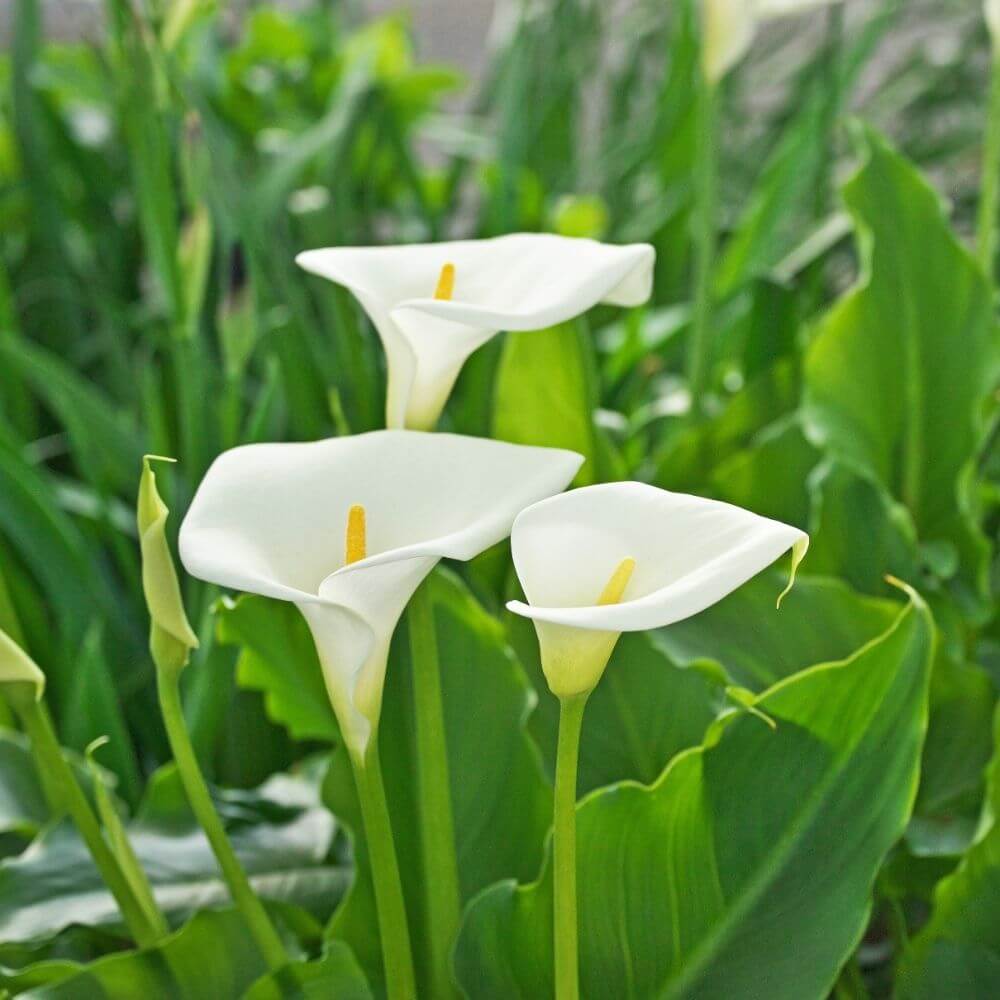
With their smooth, sculptural shape, calla lilies exude modern sophistication. Their sleek, trumpet-like blooms symbolize purity and marital bliss, often chosen for minimalist or contemporary weddings. The subtle beauty of calla lilies makes them a perfect focal point in both bouquets and dramatic centerpiece arrangements.
4. Tulips
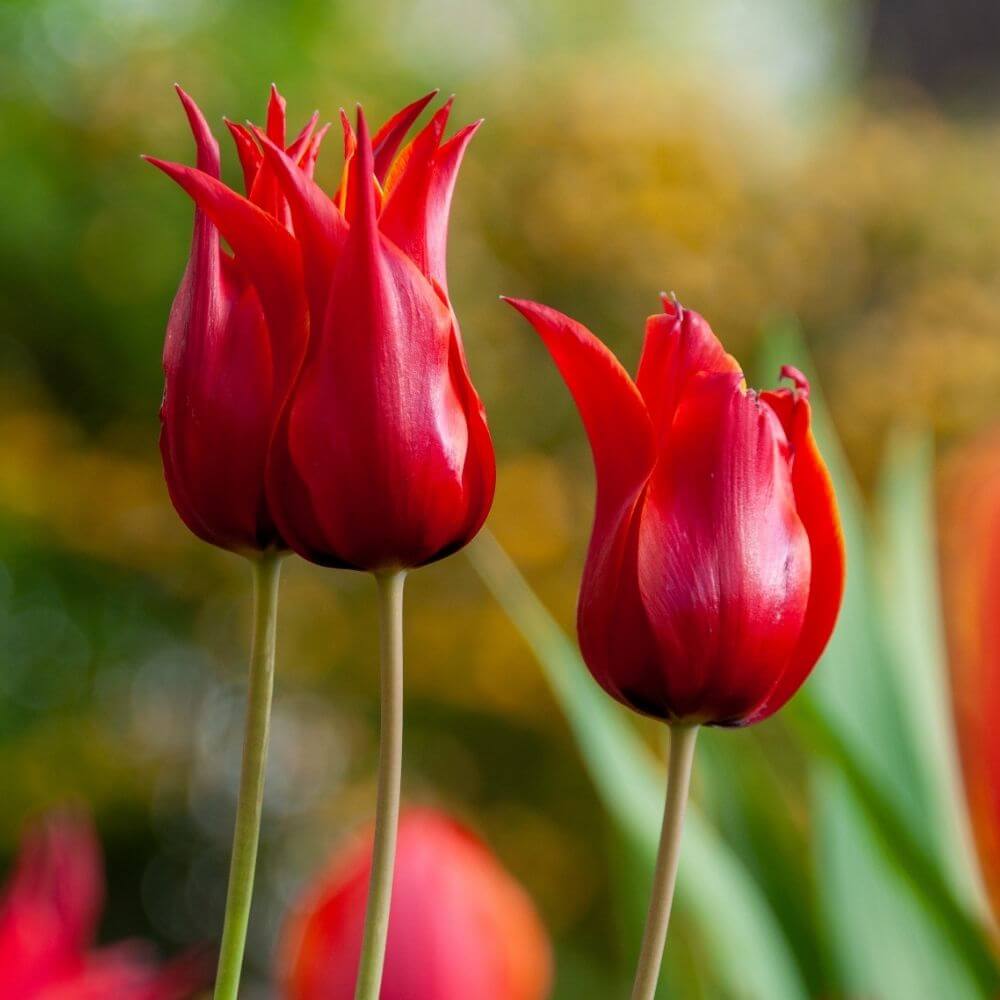
Known for their simple yet striking form, tulips capture the essence of fresh spring energy. They stand for perfect love and are celebrated for their wide range of vivid colors. Tulips are a versatile option that can be paired with other blooms or arranged solo for a clean, elegant look that feels both joyful and refined.
5. Orchids
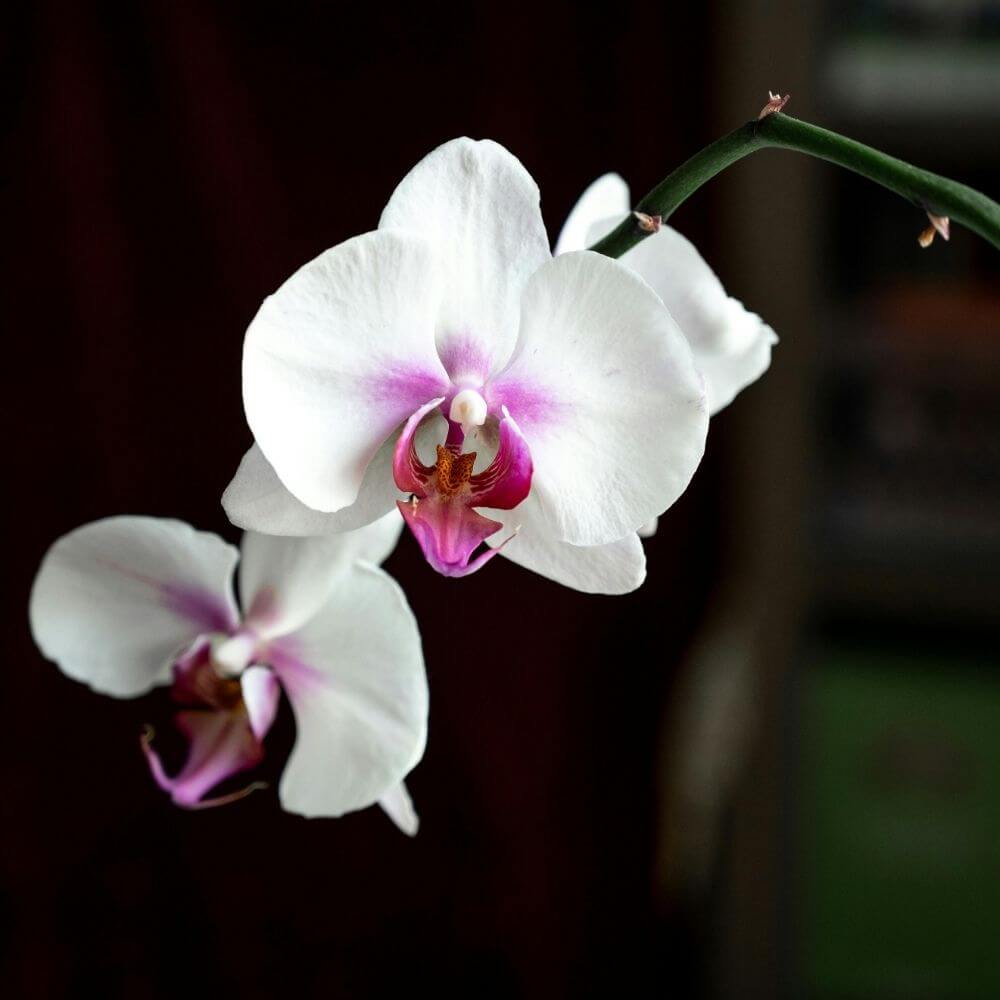
Orchids offer an exotic flair, with intricate blooms that seem almost otherworldly. Their association with beauty, strength, and luxury makes them popular for couples wanting to add sophistication and uniqueness to their wedding flowers. Plus, orchids hold up well throughout the day, maintaining their grace and freshness from ceremony to reception.
6. Hydrangeas
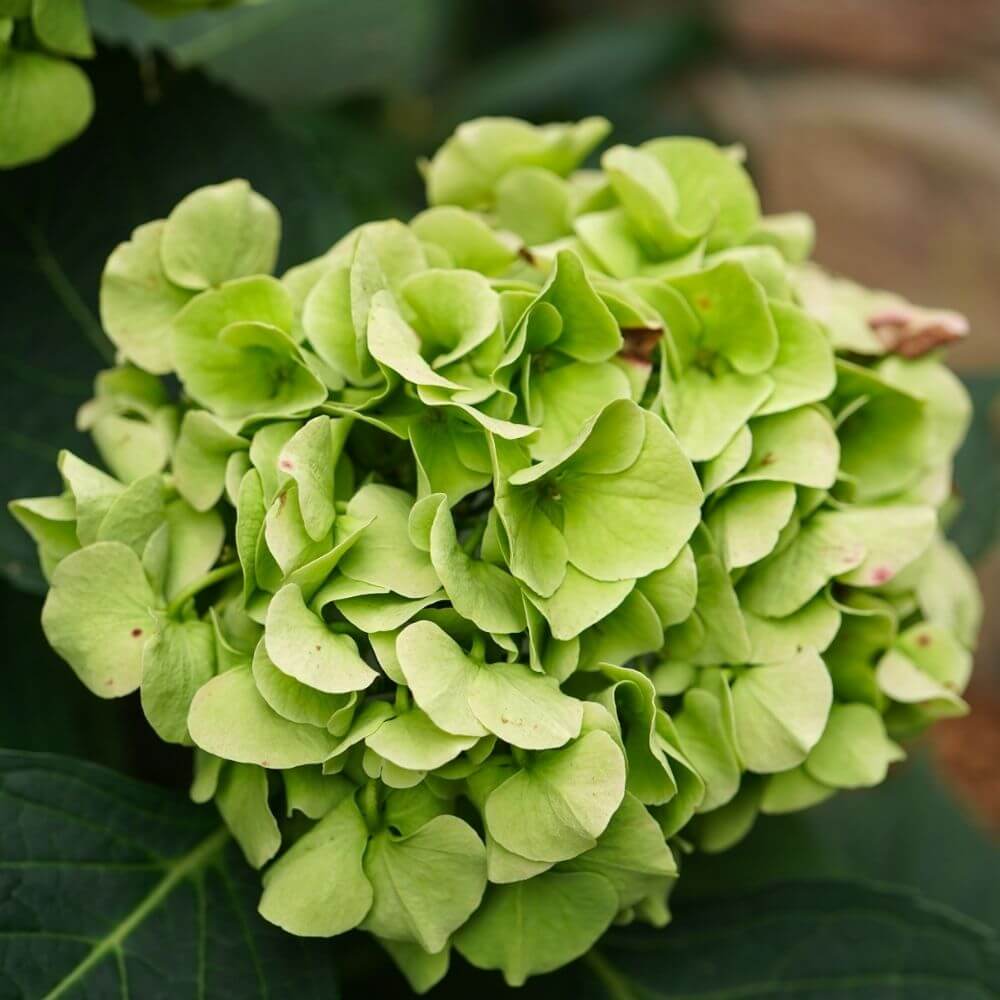
Hydrangeas impress with their voluminous clusters, creating a lush, full-bodied effect. Their symbolism of gratitude and abundance fits perfectly with wedding celebrations. Whether filling large spaces like altars or mingling within bouquets, hydrangeas add a soft, romantic texture and richness to floral designs.
7. Ranunculus
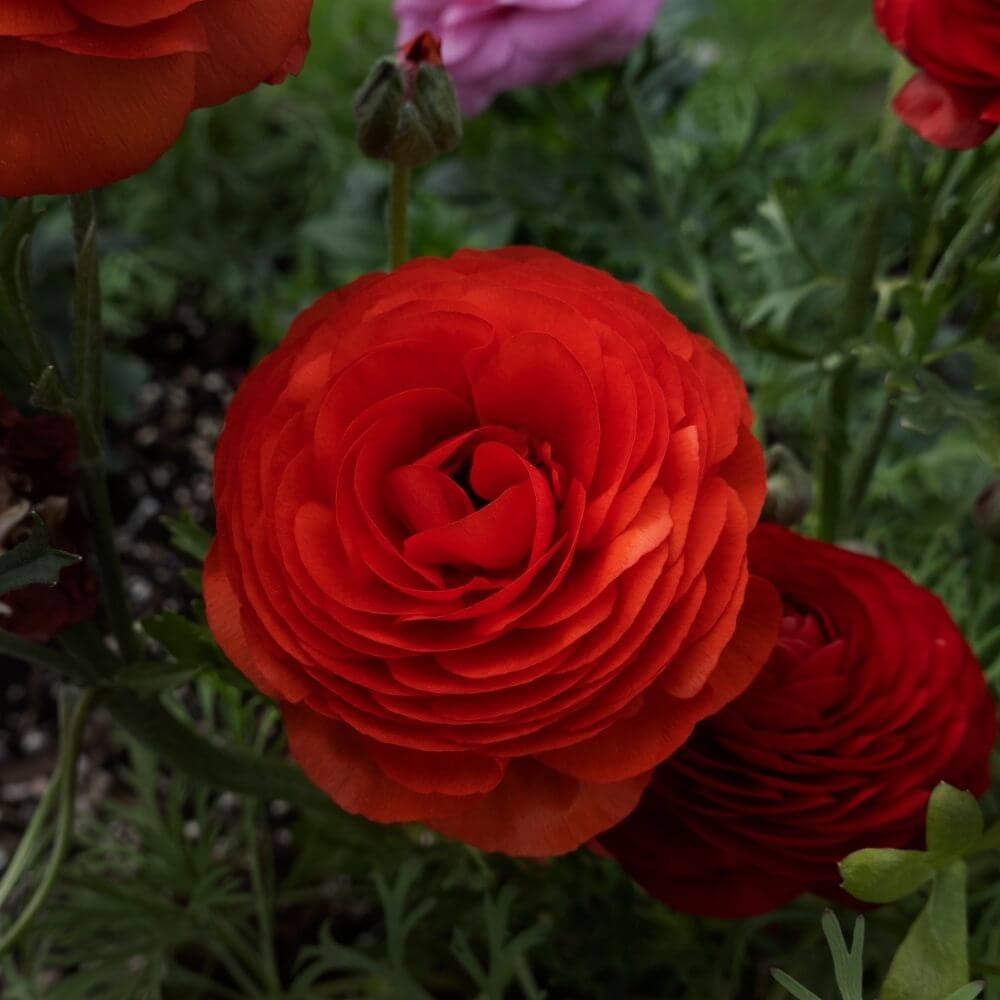
Ranunculus blooms reveal intricate layers of delicate petals that look almost like tiny roses. Known for symbolizing charm and attractiveness, they are an excellent choice to bring lightness and texture to bridal bouquets, giving a fresh, romantic vibe that stands out in photos.
8. Gardenias
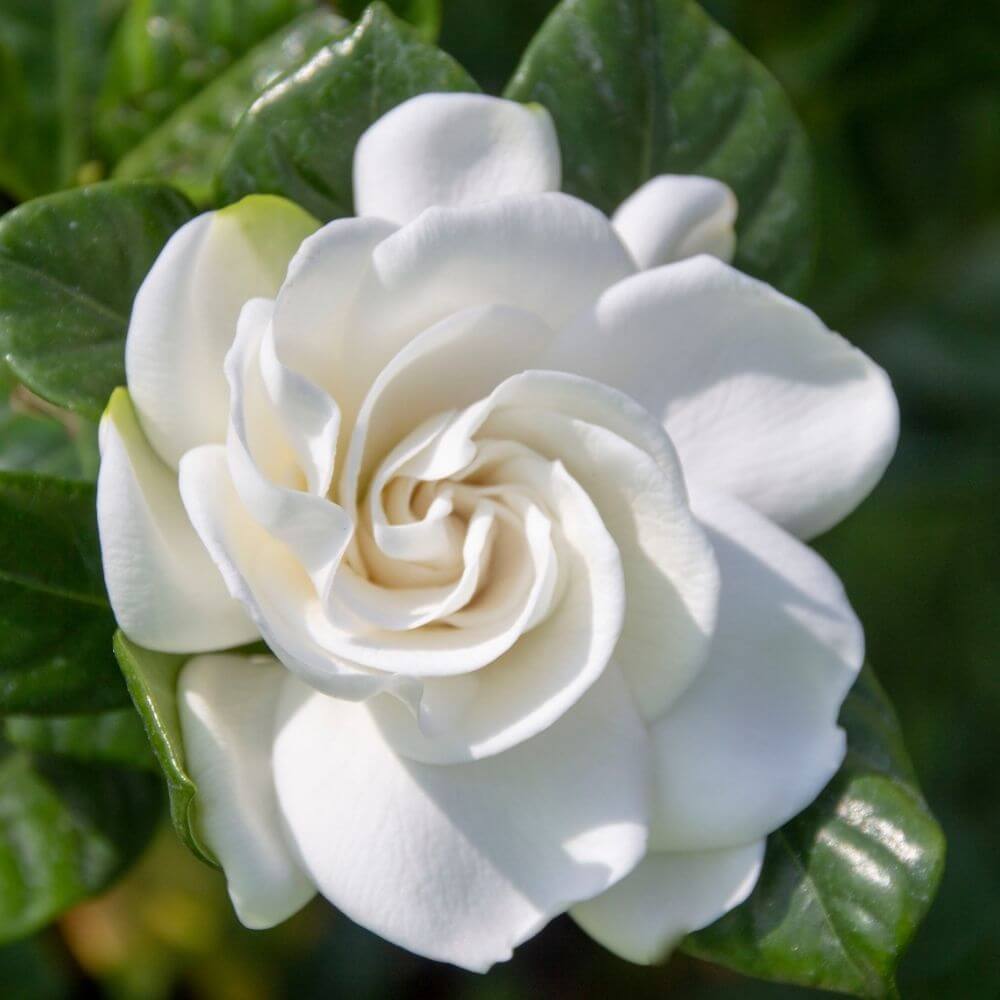
Gardenias captivate with their creamy white petals and intoxicating fragrance. Representing purity and sweetness, they often find their place in bridal hairpieces or intimate bouquet accents. Their scent alone adds an unforgettable sensory layer to any wedding ceremony.
9. Baby’s Breath
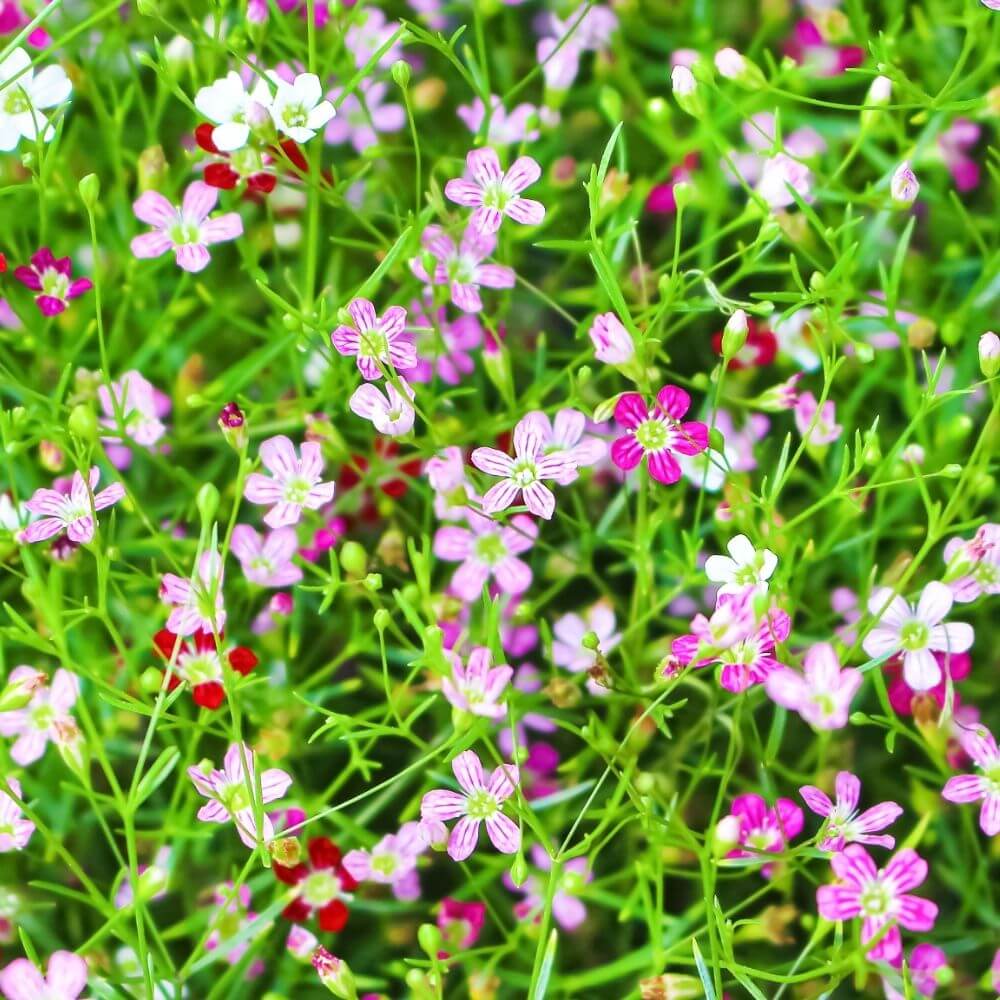
Often overlooked as mere filler, baby’s breath carries a heartfelt symbolism of everlasting love. Its delicate, airy clusters bring softness and a whimsical feel, especially beloved in rustic, boho, or vintage-inspired weddings.
10. Lavender
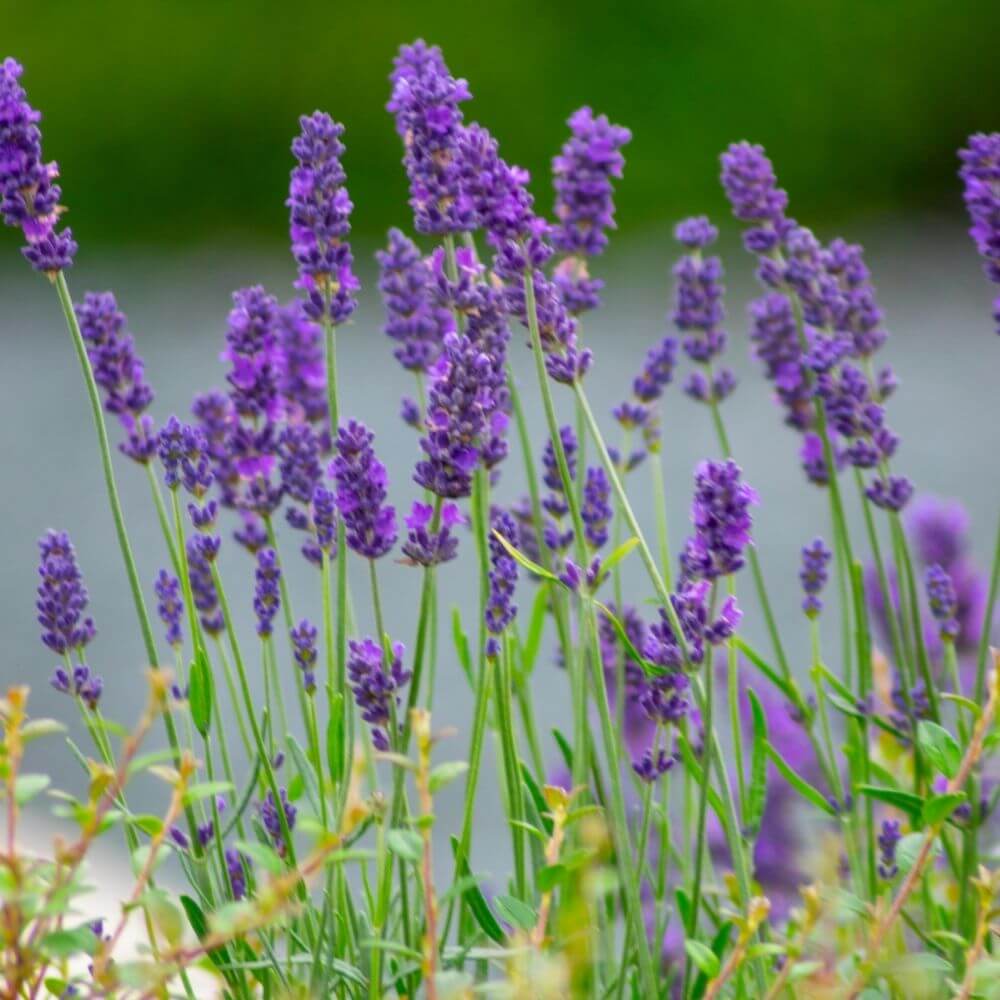
Lavender’s soothing scent and beautiful purple hues symbolize devotion and love. It’s perfect for adding a rustic charm and calming presence, whether woven into bouquets or used as part of ceremony décor.
11. Sunflowers
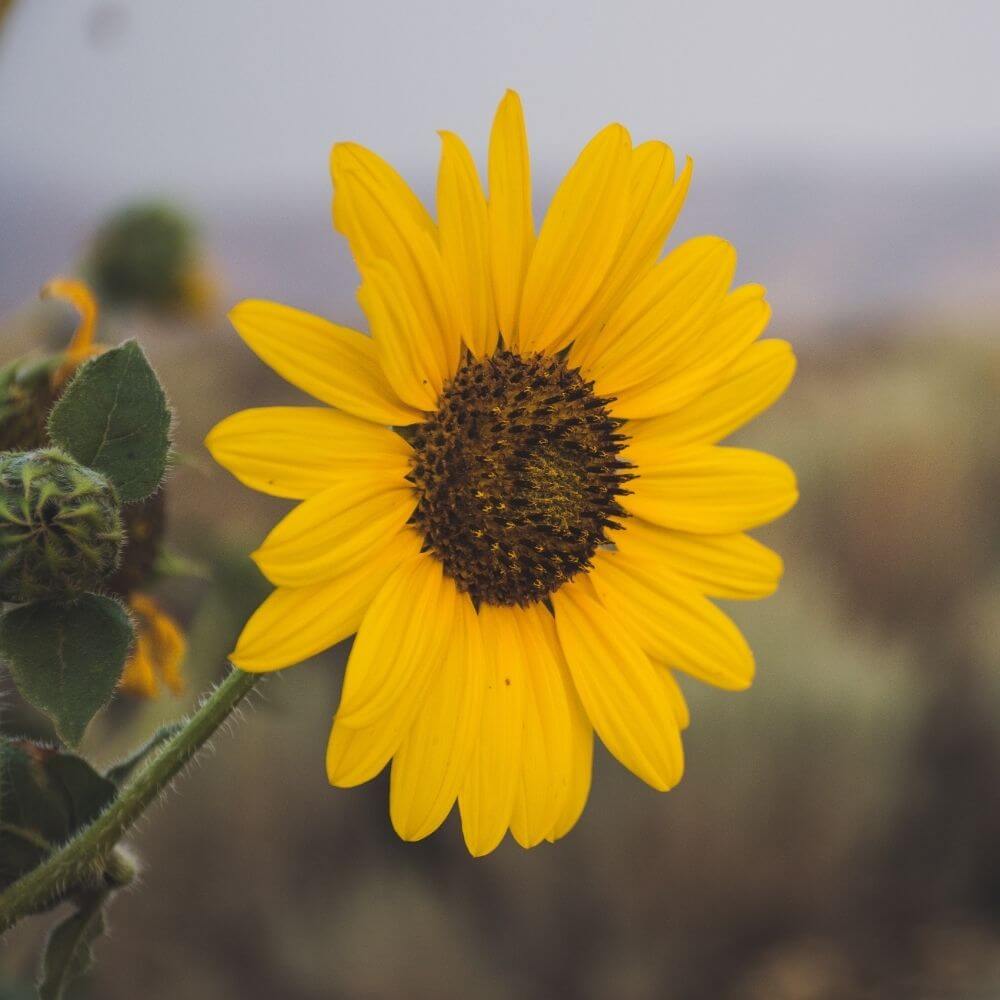
Sunflowers shine bright with bold, golden petals that symbolize adoration and loyalty. Their cheerful vibe brings warmth to outdoor or summer weddings, and their robust size adds instant visual impact.
12. Chrysanthemums
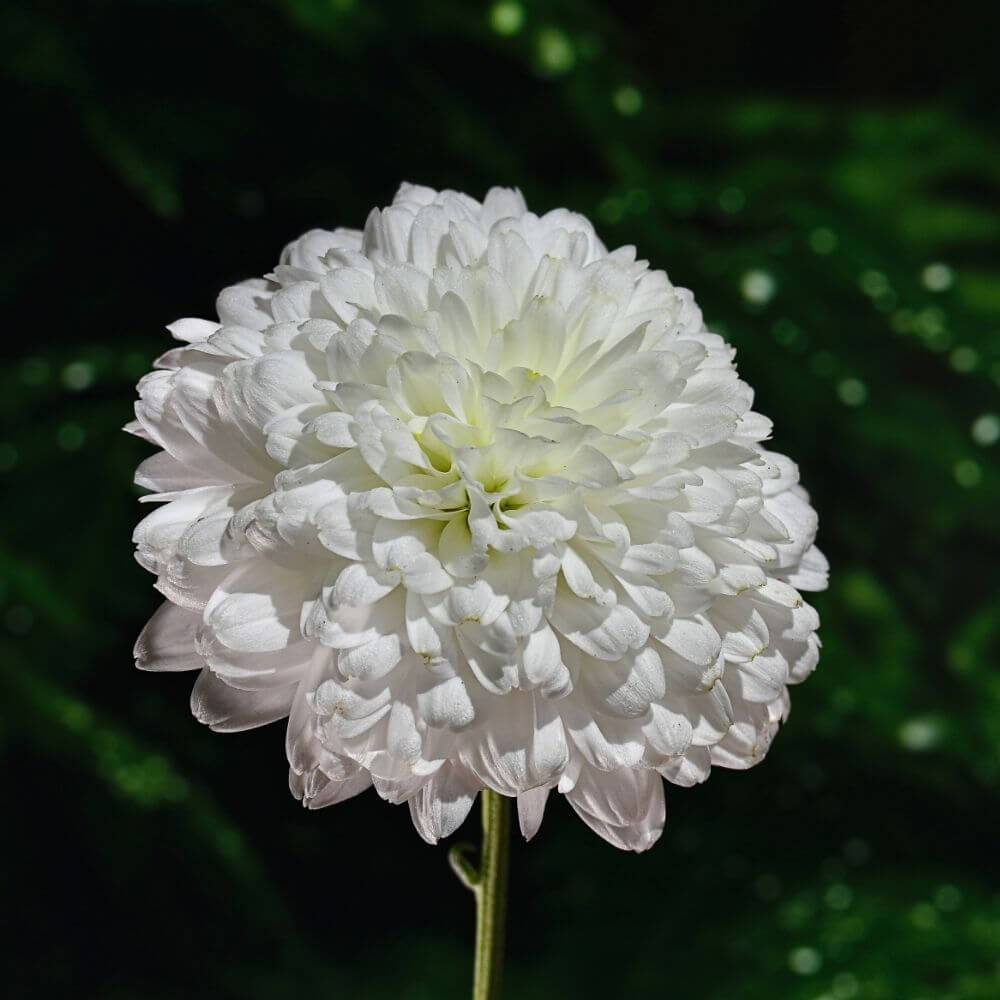
Chrysanthemums are often a symbol of longevity and joy. With a vast variety of shapes and colors, they can suit everything from formal ceremonies to casual celebrations, adding texture and richness.
13. Anemones
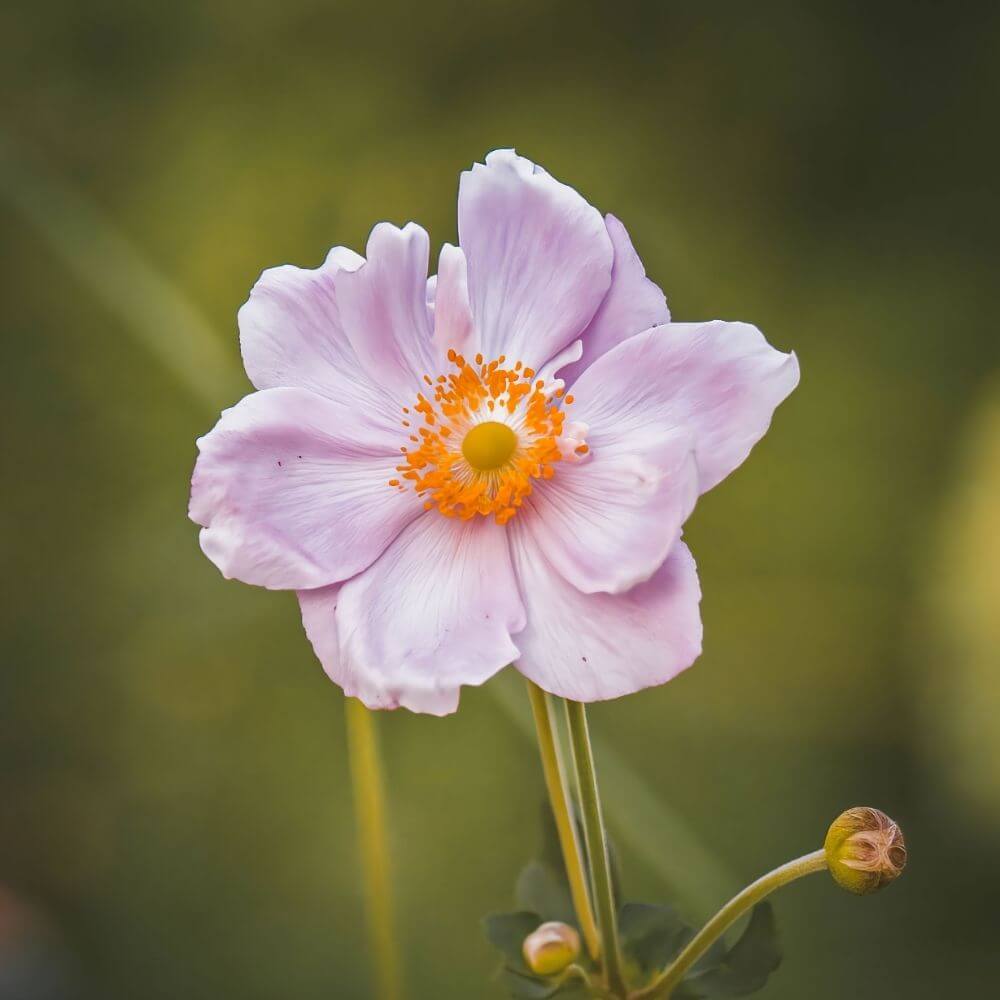
Anemones are striking due to their contrasting dark centers surrounded by delicate petals. They symbolize anticipation and excitement, adding drama and boldness to any floral arrangement.
14. Sweet Peas
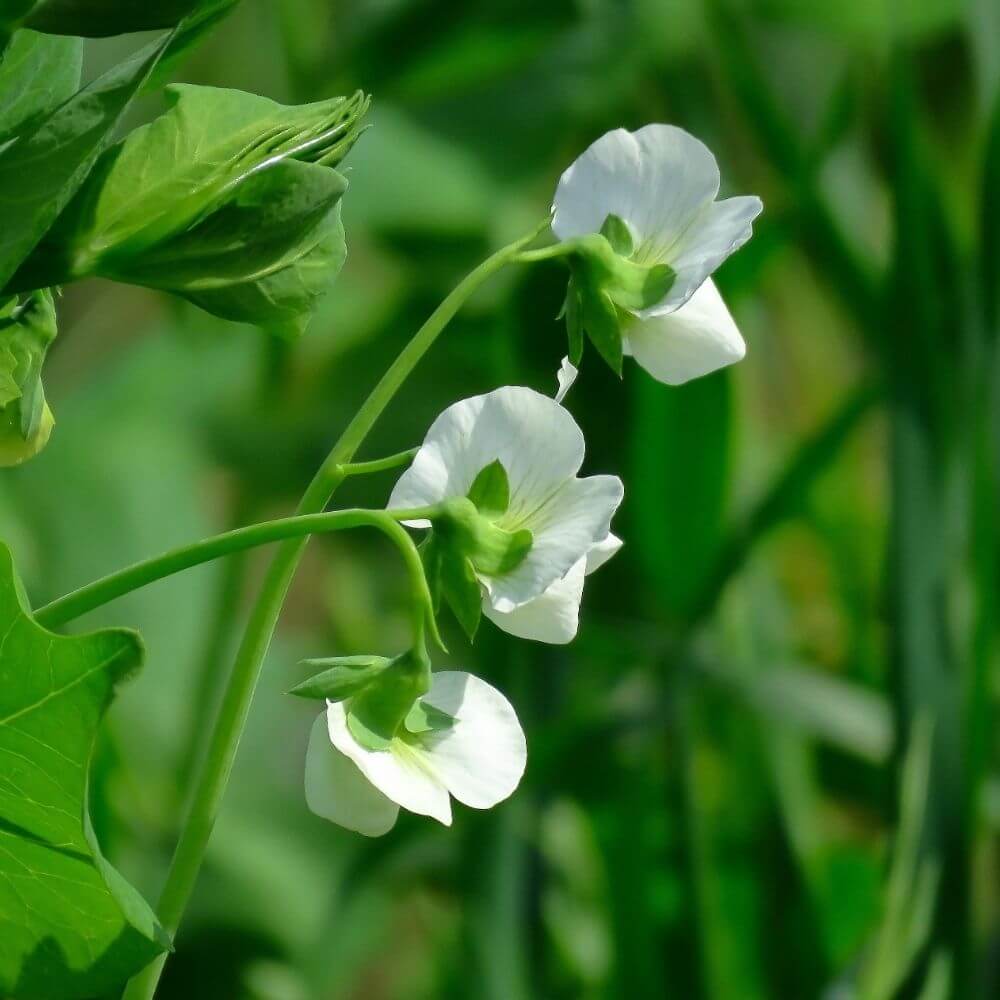
Sweet peas offer a gentle fragrance and represent blissful pleasure. Their soft pastel hues and delicate blooms make them an ideal choice for adding a romantic and tender touch to bouquets.
15. Freesias
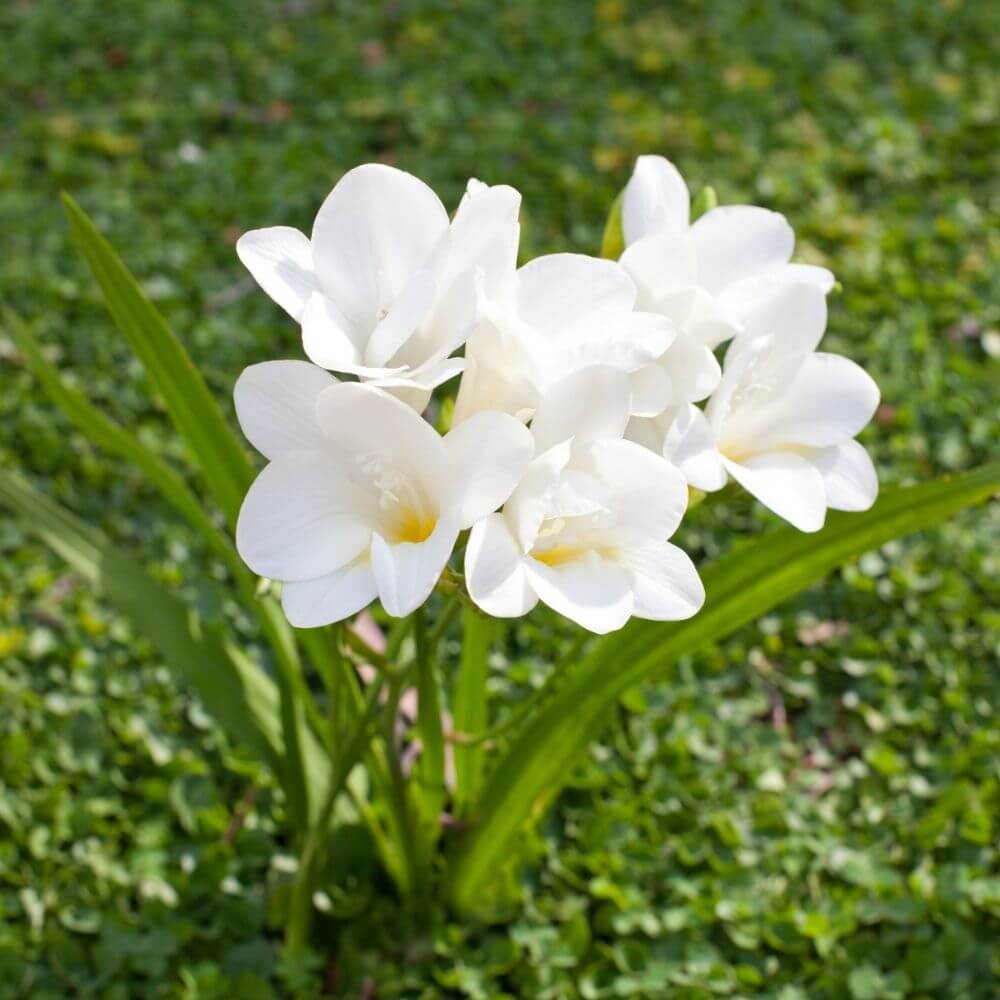
Freesias are celebrated for their sweet scent and symbolize innocence and friendship. Their bell-shaped blooms bring lightness and grace when mixed into wedding bouquets or boutonnieres.
16. Jasmine
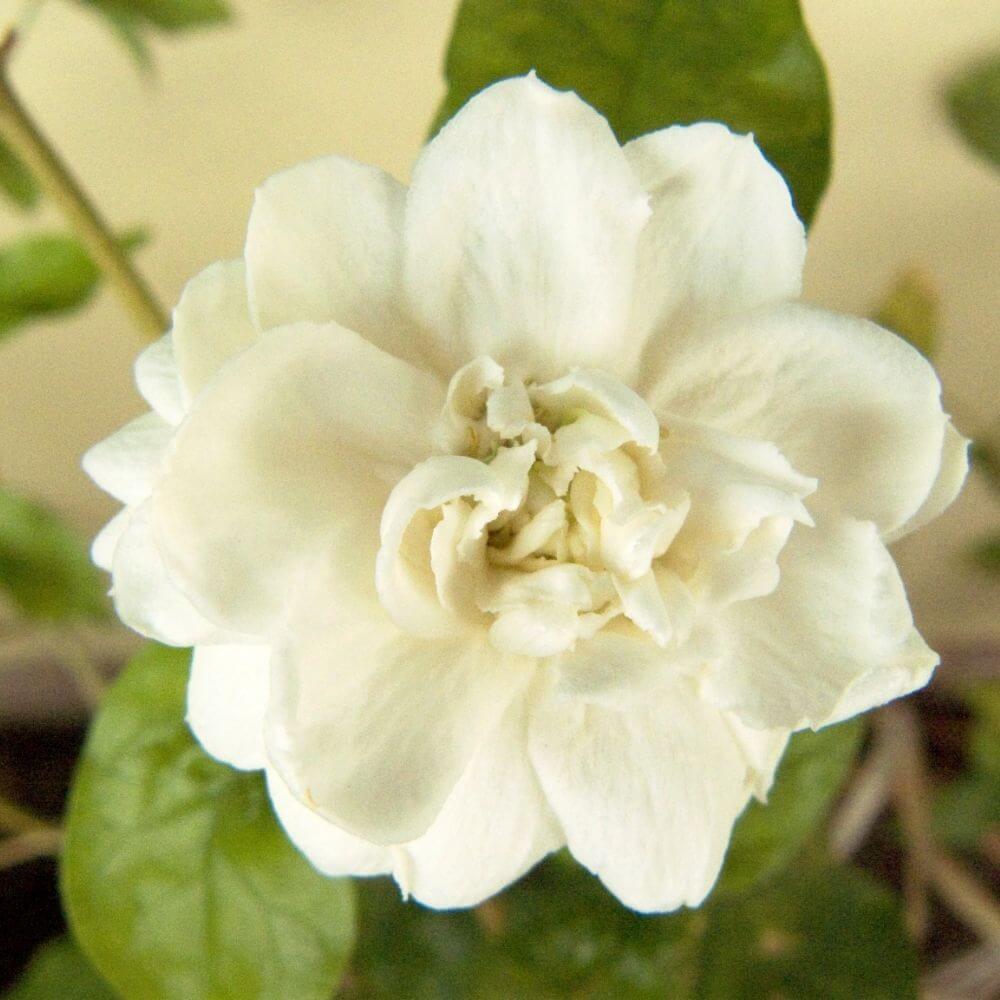
With its heavenly fragrance, jasmine embodies love and sensuality. Often used in hair accessories or small bouquet clusters, jasmine adds a lush, romantic scent that lingers beautifully.
17. Dahlias
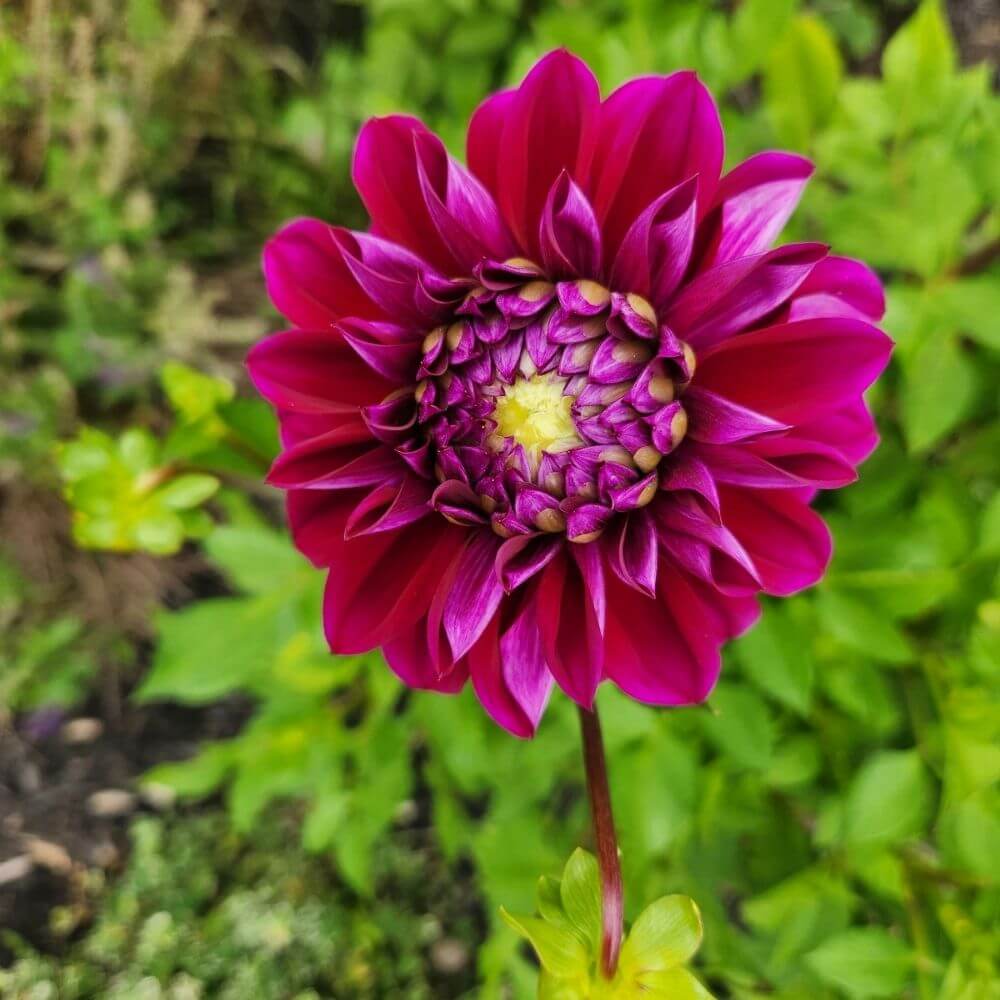
Dahlias bring bold, geometric shapes and vibrant colors to the wedding palette. Symbolizing commitment and lasting bonds, they’re a stunning choice especially for autumn weddings, offering both drama and elegance.
18. Lilies
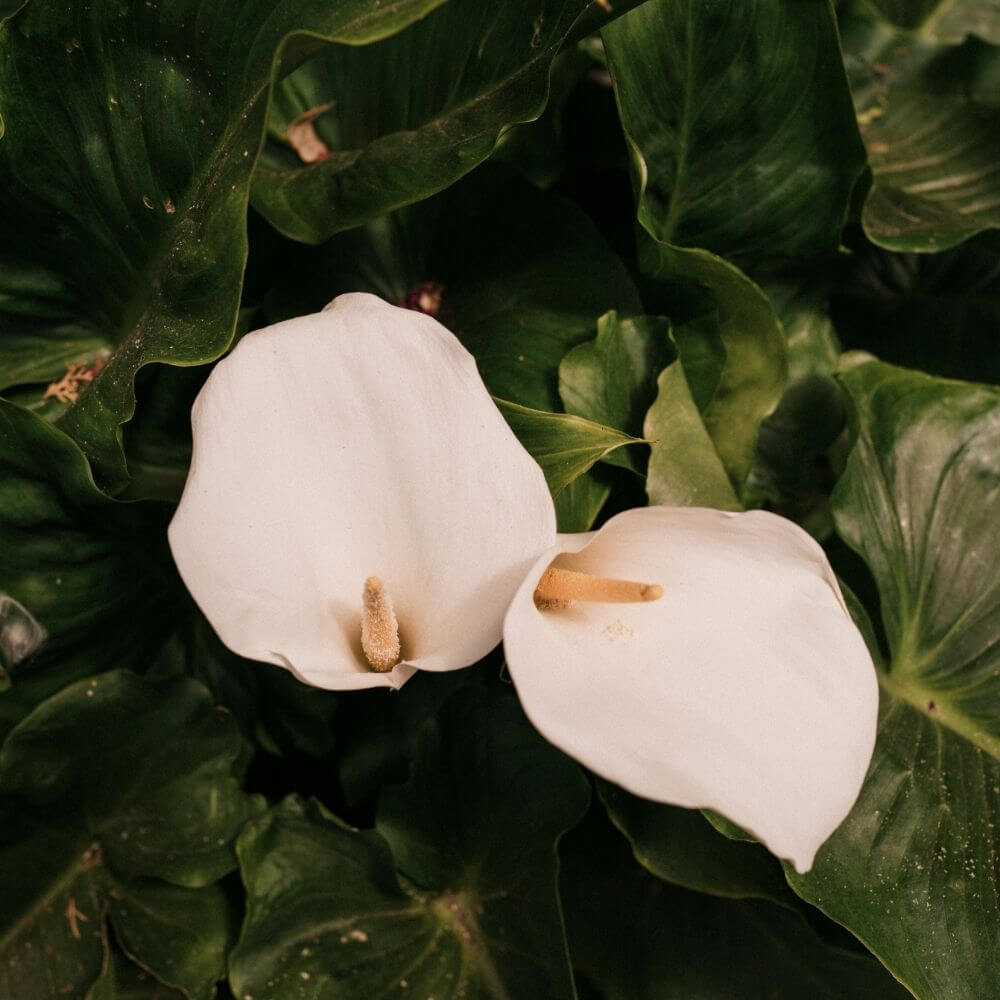
Lilies symbolize purity and refined beauty. Their large, trumpet-shaped flowers bring sophistication and a timeless quality to bridal arrangements and altar décor.
19. Camellias
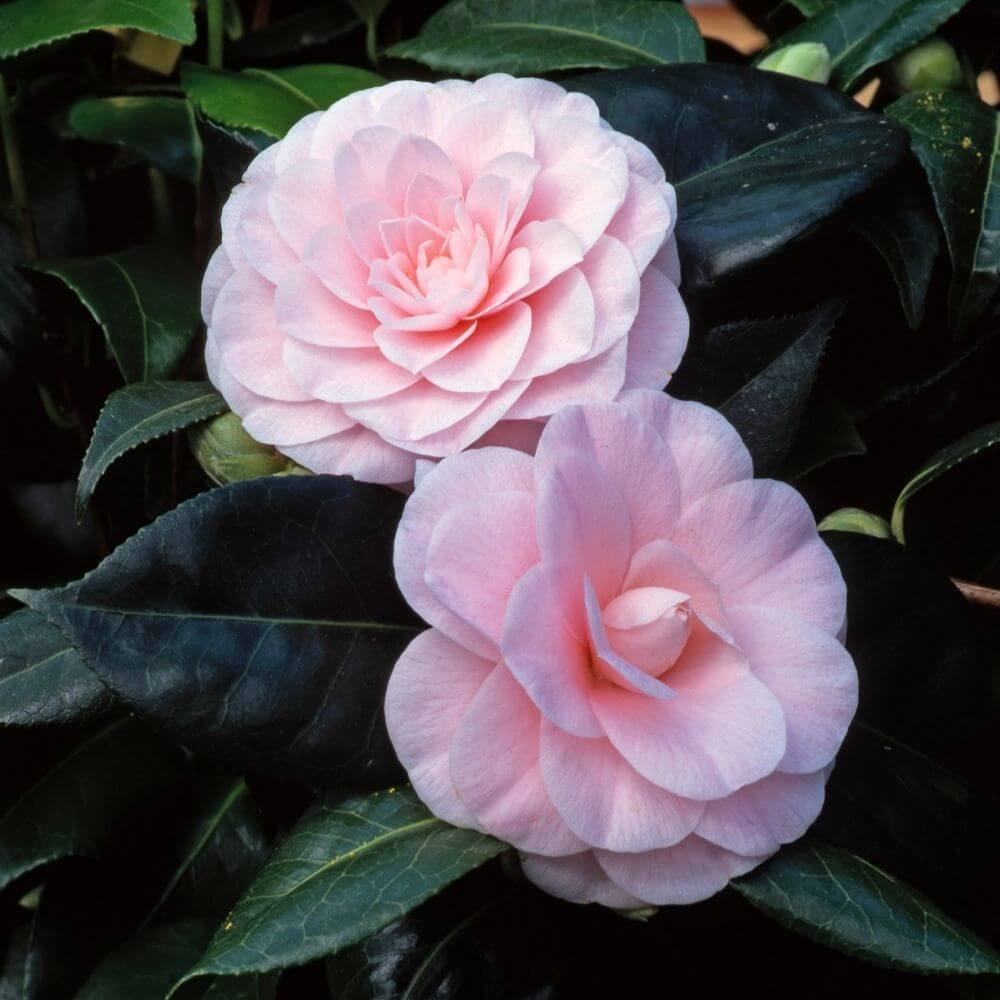
Camellias exude admiration and perfection with their lush, rose-like form. They are elegant and classic, fitting beautifully into traditional wedding designs and vintage-inspired themes.
20. Succulents (In Floral Arrangements)
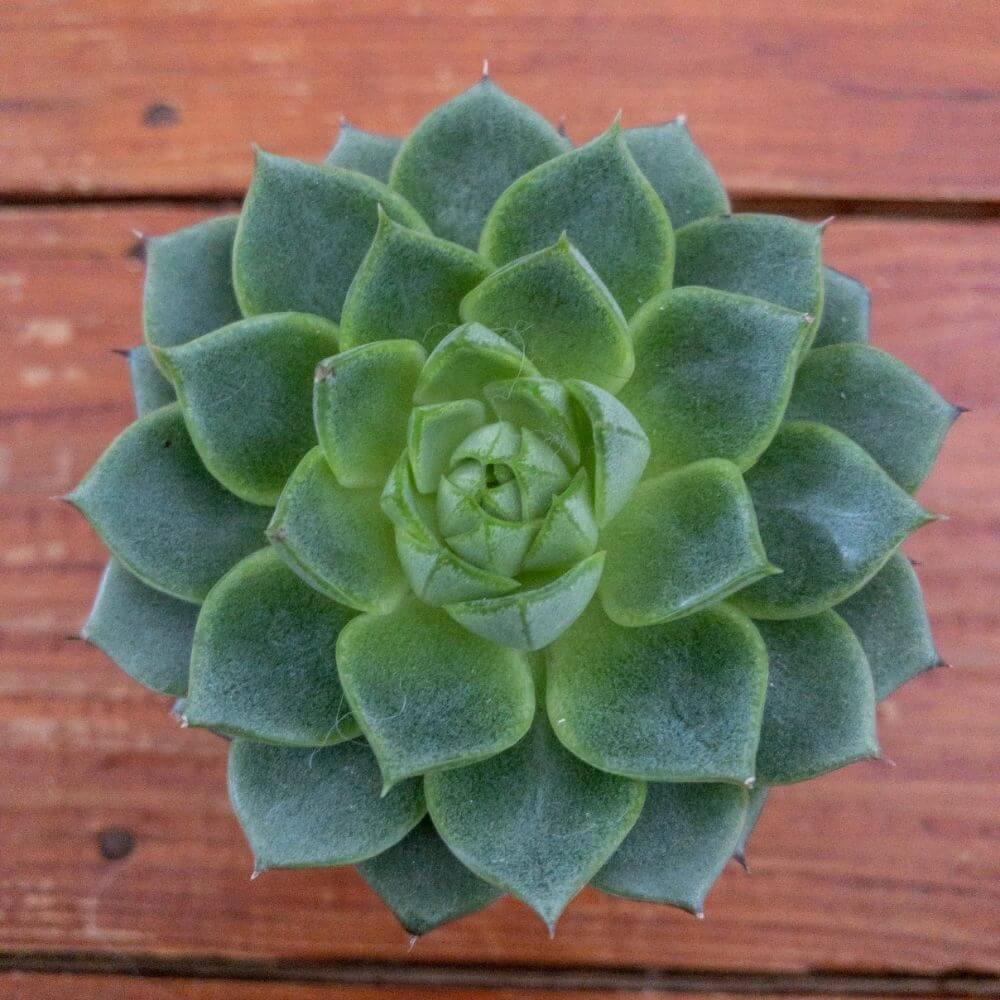
Incorporating succulents offers a contemporary, earthy twist. These hardy plants symbolize enduring and timeless love. Perfect for couples seeking something out-of-the-box, succulents add texture and a modern edge to bouquets and centerpieces.
21. Protea
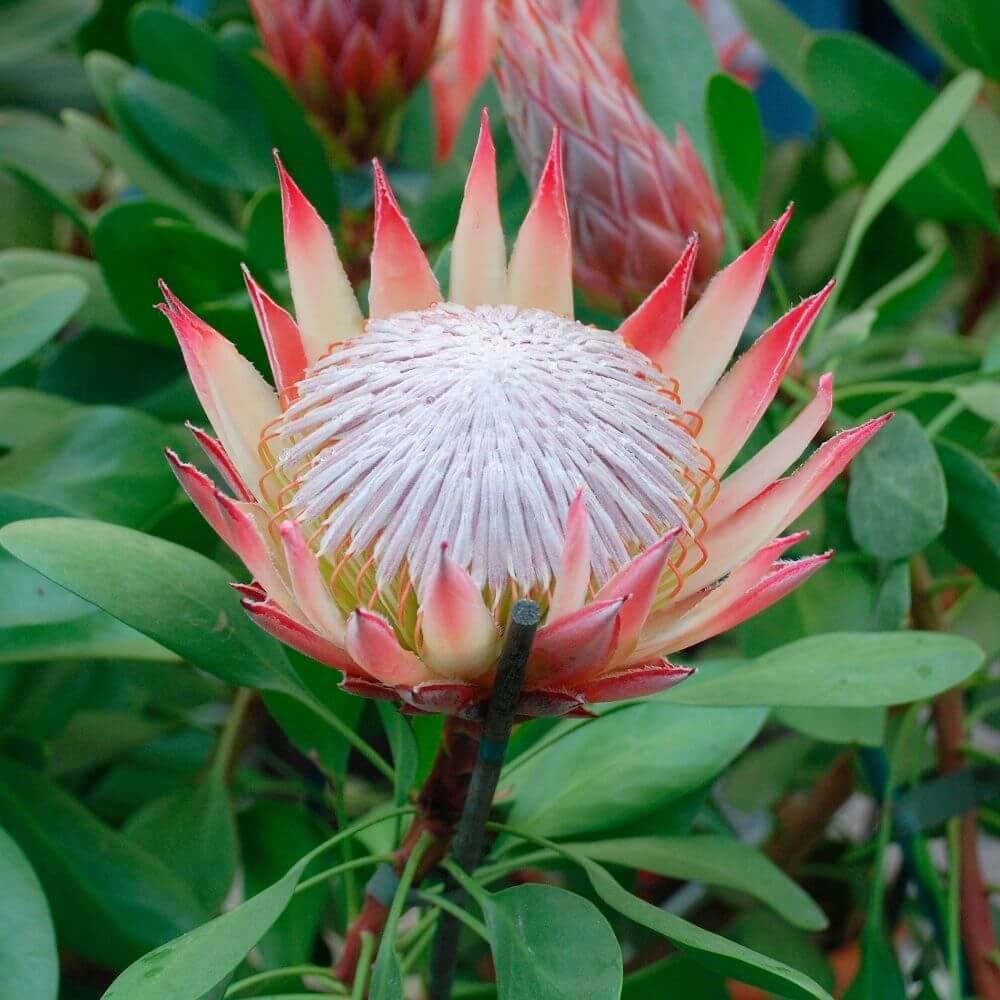
Proteas are bold and rare, symbolizing courage and transformation. Their striking form makes a statement, lending a unique, dramatic focal point to bouquets and arrangements, especially for couples wanting something extraordinary.
Wedding Flower Types and Their Meanings
Flower meanings go beyond aesthetics; they are a language of emotions and intentions. Weddings especially thrive on this language, as couples choose blooms that reflect their hopes and values.
- Roses represent love, passion, and beauty, with red roses being a universal symbol of romantic love, while white roses stand for purity and new beginnings.
- Peonies carry a reputation for good luck and prosperity, making them a favored “good luck flower” at weddings.
- Calla Lilies symbolize marital bliss and elegance, perfect for expressing deep commitment.
- Tulips express perfect and enduring love, a symbol cherished for its simplicity and charm.
- Orchids denote beauty, strength, and luxury, signaling a unique and rare kind of love.
- Hydrangeas embody gratitude and abundance, reflecting appreciation and fullness of heart.
- Gardenias are often linked with purity and sweetness, ideal for symbolizing innocence and tender affection.
- Sunflowers radiate adoration and loyalty, often chosen to represent warmth and unwavering devotion.
- Chrysanthemums stand for joy and longevity, hinting at a long, joyful marriage.
- Anemones symbolize anticipation, the excitement of new beginnings.
- Dahlias represent commitment and inner strength, perfect for couples determined to last together.
Understanding these meanings helps create floral choices that add depth and intention to your wedding, transforming bouquets and décor into symbols of your unique journey.
The 3-5-8 Rule for Wedding Flowers Explained
The 3-5-8 rule is a simple but powerful guideline florists use to design balanced and visually appealing wedding arrangements. It suggests structuring your bouquet or centerpiece with roughly:
- 3 focal flowers – These are the largest or most eye-catching blooms, like roses or peonies, which draw immediate attention.
- 5 secondary flowers – Medium-sized flowers that complement the focal blooms without overpowering them. Examples include ranunculus, tulips, or calla lilies.
- 8 filler flowers and greenery – Smaller blooms and leaves that add texture and fill gaps, such as baby’s breath, eucalyptus, or lavender.
Example bouquet:
Imagine a bouquet featuring 3 lush red roses as focal points, surrounded by 5 creamy peonies and calla lilies combined. Around these are 8 stems of delicate baby’s breath and sprigs of eucalyptus that soften and unify the overall look.
This rule isn’t rigid. You can add or remove flowers according to your taste, seasonality, or budget. The key is balance. Too few fillers can make arrangements look sparse. While too many focal flowers can feel crowded. The 3-5-8 approach helps achieve harmony, ensuring each flower shines without overwhelming the senses.
Budget-Friendly Tips for Choosing Wedding Flowers
You don’t need to break the bank for stunning wedding flowers. Choosing seasonal blooms and local flowers often lowers costs without compromising beauty. Mixing popular flowers with affordable fillers like baby’s breath or greenery can create lush arrangements. For instance, one bride saved money by using hydrangeas and tulips combined with eucalyptus, resulting in elegant but budget-friendly décor. Florists recommend booking early and discussing budget-friendly alternatives to get the most value.
The Underappreciated Power of Non-Traditional Wedding Flowers
Choosing less common flowers or incorporating wildflowers and sustainable blooms can make a wedding stand out. These choices often reflect the couple’s personality and values. For example, a florist once created a wedding bouquet featuring native wildflowers and succulents, which surprised guests with its originality and freshness. Sustainable flowers also reduce environmental impact, a growing concern among modern couples. This approach offers a meaningful alternative to typical wedding flower types and can be both beautiful and conscientious.
FAQs About Types of Wedding Flowers
Roses are often considered the best wedding flowers because they symbolize timeless love and elegance. Peonies are also popular for their lush, romantic look, especially in spring. Orchids bring an exotic touch, perfect for unique styles. The best choice depends on your wedding theme and personal taste.
Roses hold the crown as the most popular wedding flower worldwide. Their wide range of colors and rich symbolism of love make them a top pick. They fit well with almost any wedding style, from classic to modern. Many couples choose roses for bouquets, centerpieces, and decorations.
Peonies, roses, gardenias, and ranunculus are often called the most romantic wedding flowers. Their soft petals and delicate fragrances evoke feelings of love and tenderness. These blooms add a dreamy, elegant vibe to bouquets and décor. They’re favorites for couples wanting to create an intimate, heartfelt atmosphere.
Calla lilies and camellias are flowers that symbolize marriage and commitment. Calla lilies represent purity and marital bliss, while camellias stand for admiration and perfection. Including these in wedding flowers expresses a deep, lasting bond. They are elegant choices to highlight the sacredness of marriage.
The 3-5-8 rule helps create balanced floral arrangements by using roughly 3 focal flowers, 5 secondary blooms, and 8 fillers or greenery. This mix ensures the bouquet looks full but not overcrowded. It’s a simple formula florists use to achieve harmony and visual appeal. Couples can adjust these numbers based on style and preference.What is the best flower for a wedding?
What is the most popular flower used in weddings?
What are the romantic flowers for weddings?
Which flower means marriage?
What is the 3 5 8 rule for weddings?
Winding-Up
Choosing the perfect types of wedding flowers can feel overwhelming, but it’s also an exciting chance to personalize your big day. From timeless roses to bold proteas, the flowers you pick will speak volumes about your love story and style. I encourage you to explore my other guides for deeper insights about flowers. Remember, flowers are not just decoration. They’re part of your wedding’s heart.