
What Is the National Animal of the Netherlands?
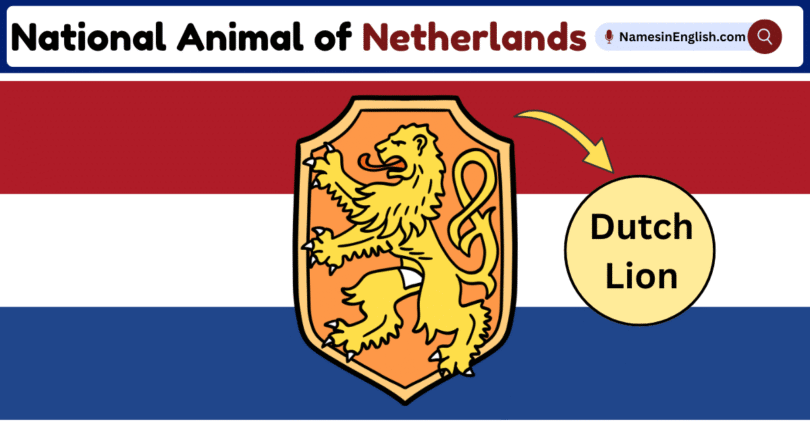
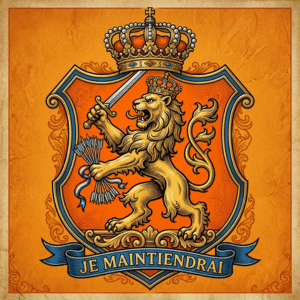
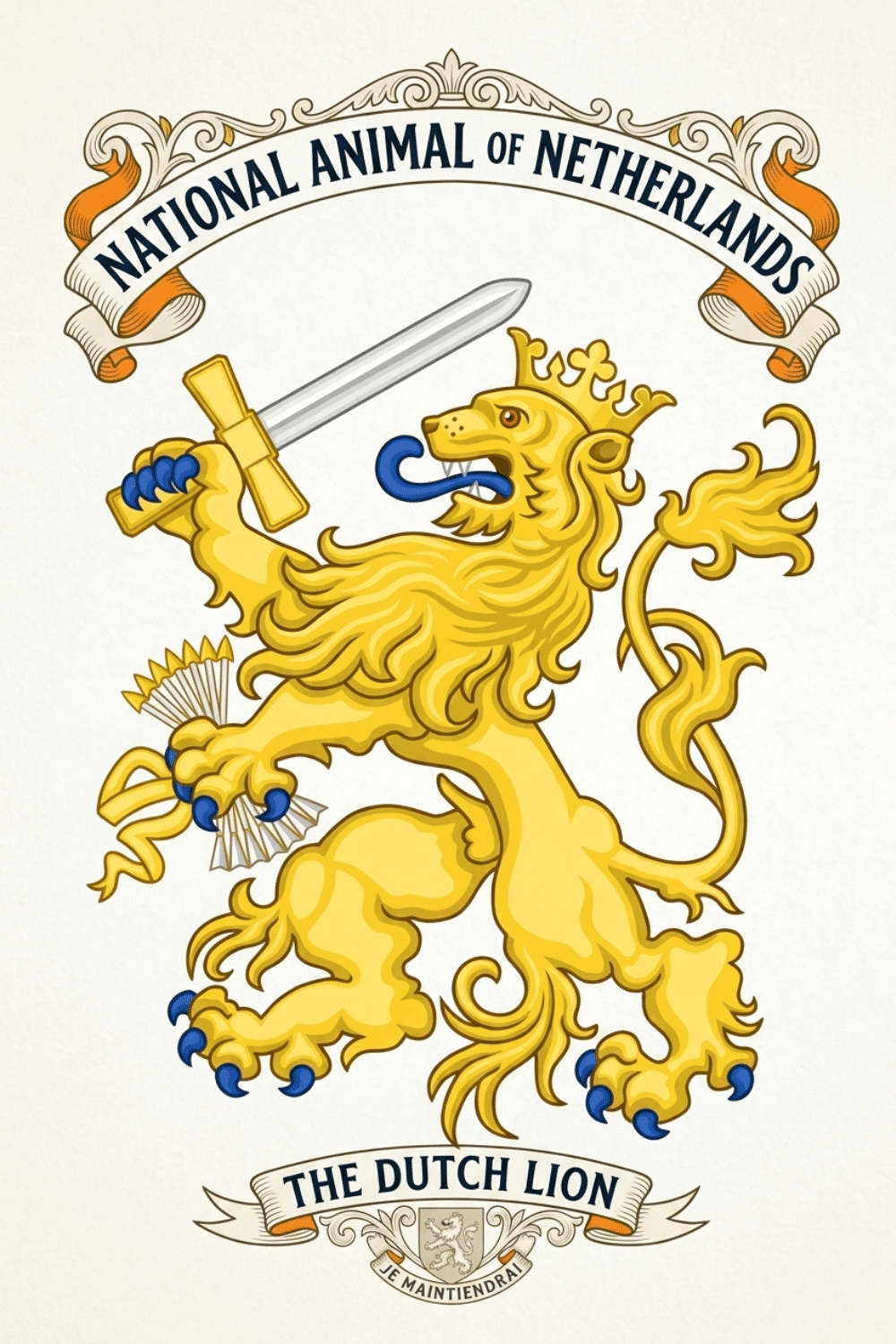
The lion is officially recognized as the national animal of the Netherlands. It is commonly known as the “Dutch Lion”. The Dutch lion is usually shown as a golden crowned lion standing on two legs while holding a sword and arrows
Historical Background of Netherlands’ National Animal
Early Use in European Heraldry
The lion was widely used in European heraldry during the Middle Ages as a symbol of courage, royalty, and power. Many noble families and kingdoms adopted the lion in their coats of arms.
Rise of the Dutch Lion
The Dutch lion became popular during the 16th century when the provinces of the Netherlands united against Spanish rule. It represented resistance, bravery, and the desire for independence.
Symbol of Dutch Independence
During the Dutch Revolt, the lion appeared on flags, coins, and military banners. It became a strong national emblem connected with freedom and unity.
Adoption in the National Coat of Arms
Over time, the lion was officially included in the coat of arms of the Netherlands. The crowned lion holding a sword and arrows still represents the Dutch nation today.
Modern National Importance
Today, the Dutch lion remains an important national symbol seen in sports, government emblems, and cultural celebrations. It continues to reflect national pride and identity.
Symbolic Meaning of Dutch Lion
Courage and Bravery
The lion symbolizes courage and fearlessness in difficult situations. It reflects the strong and determined spirit of the Dutch people.
Strength and Power
As one of the most powerful animals, the lion represents national strength and authority. It also reflects confidence and leadership.
Freedom and Independence
The Dutch lion became a symbol of freedom during the struggle against Spanish rule. It reminds people of the country’s fight for independence.
Unity of the Nation
The lion holding arrows represents the unity of the Dutch provinces. It symbolizes cooperation and national solidarity.
Royal Heritage
The lion is closely connected to the Dutch monarchy and royal traditions. Its crowned appearance represents dignity and sovereignty.
Does the Lion Live in the Netherlands?
No, lions are not native to the Netherlands. The lion is used as a symbolic national animal rather than a local wildlife species. Real lions are mainly found in parts of Africa and a small region of India.
Appearance of the Dutch Lion
The Dutch lion is usually shown in heraldic style rather than as a real wild animal. It often appears standing on two legs while holding a sword and arrows.
- Sword: Defense and courage
- Arrows: Unity among Dutch provinces
- Crown: Royal authority
The lion is commonly golden in color and placed on a blue background in the national coat of arms.
The Lion in Dutch Culture
Sports
Dutch national sports teams often use the lion symbol on jerseys and logos. Fans proudly wave lion-themed flags during football tournaments and international competitions.
Government Symbols
The lion appears on official government buildings, passports, military insignia, and national documents.
Art and Architecture
Many historical buildings, statues, and monuments in the Netherlands feature lion imagery as a sign of national pride.
Educational Importance of Dutch Lion
The Dutch lion helps people learn about the history, culture, and national identity of the Netherlands. It also creates awareness about wildlife conservation and the symbolic role of animals in society.
Tourism Value of Dutch Lion
The Dutch lion attracts tourists through monuments, government buildings, museums, and sports events in the Netherlands. It adds cultural charm and helps visitors connect with Dutch history and traditions.
Interesting Facts About the Dutch Lion
- The lion is connected with the Dutch royal family.
- Many historical Dutch buildings feature lion statues and emblems.
- Dutch football fans are called “Oranje Lions.”
- The Dutch lion is sometimes called the “Lion of Holland.”
Name of National Animal of Netherlands
Learn More Helpful Articles