Animals

National Animal of Serbia with Name and Picture

National Animal of Serbia with Name and Picture
Written by Operra Jerry

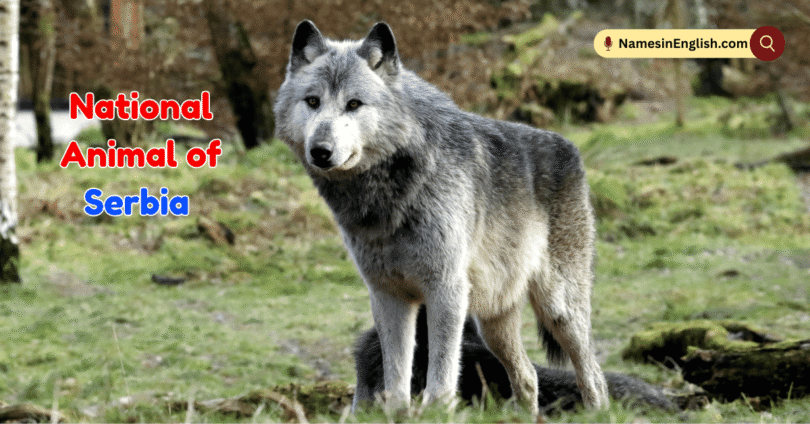
A national animal is a specific animal that is officially or symbolically chosen by a country to represent its identity, culture, values, and natural heritage. It reflects important qualities like strength, courage, freedom, or wisdom that are connected to the nation. The National Animal of Serbia, the Gray Wolf  is not only a symbol of strength and survival but also an important part of Serbia’s natural heritage and cultural identity. In this article, you will learn about the Serbia’s National Animal, it’s name, meaning, historical importance, habitat, behavior, and why it was chosen as the national animal of Serbia.

What Is the National Animal of Serbia?

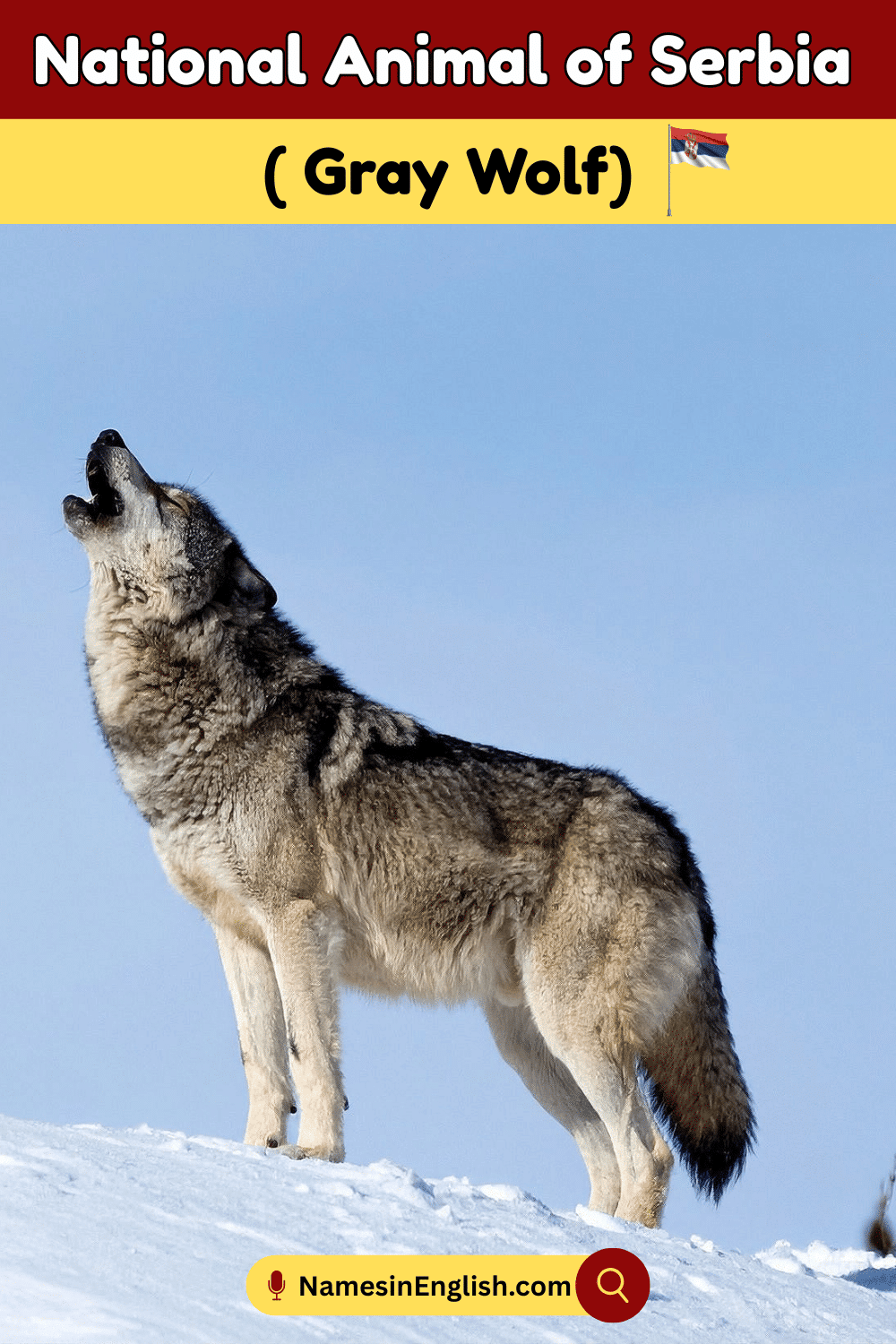
The official national animal of Serbia is the Gray Wolf, one of the most famous wild animals in Europe. The gray wolf is a large carnivorous mammal belonging to the dog family, known scientifically as Canis lupus.
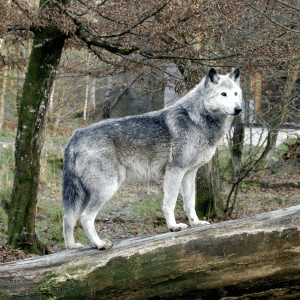
What Is the National Animal of Serbia

Historical Background of Serbia’s National Animal

Ancient Serbian Beliefs

The Gray Wolf was respected in ancient Serbian culture as a symbol of strength, courage, and protection. People believed wolves had spiritual power and could protect families from danger.

Role in Serbian Folklore

In Serbian folk tales and legends, wolves were often described as fearless and intelligent animals. They appeared in stories, songs, and myths passed down through generations.

Influence on Serbian Names

The wolf became so important in Serbian society that many traditional names were inspired by it. The popular Serbian name “Vuk,” meaning wolf, was believed to bring strength and protection.

Modern Cultural Importance

Today, the wolf remains an important national symbol in Serbia. It reflects the country’s wildlife heritage, traditions, and respect for nature.
Symbolic Meaning of Serbia’s National Animal

Symbol of Courage

The Gray Wolf is seen as a symbol of bravery and fearlessness in Serbian culture. Its strong hunting skills and survival instincts represent courage in difficult situations.

Representation of Freedom

Wolves live freely in forests and mountains, which makes them a symbol of independence and liberty. This quality reflects the strong and free spirit of the Serbian people.

Loyalty and Family Unity

Gray wolves live in packs and protect their family members together. Because of this behavior, they symbolize loyalty, teamwork, and strong family bonds.

Strength and Endurance

The wolf is known for surviving harsh weather and challenging environments. In Serbia, this represents resilience, determination, and the ability to overcome hardships.

Spiritual Protection

In old Serbian traditions, wolves were believed to protect people from evil spirits and bad luck. Many communities considered the animal a guardian symbol of safety and power.

Cultural Importance of Gray Wolf

The Gray Wolf holds a strong place in Serbian culture and traditions. It appears in folklore, stories, and old beliefs as a symbol of bravery and protection. Many Serbian names, like “Vuk,” are inspired by the wolf, showing its deep cultural influence.

Physical Appearance of the Gray Wolf

The gray wolf is the largest wild member of the canine family. Although called “gray,” its fur color can vary from gray and brown to black or white.

Key Features

  • Strong muscular body
  • Thick fur for cold weather
  • Sharp teeth and powerful jaws
  • Long legs built for running
  • Bushy tail
  • Excellent hearing and sense of smell

Scientific Classification of Gray Wolf

  • Kingdom: Animalia
  • Phylum: Chordata
  • Class: Mammalia
  • Order: Carnivora
  • Family: Canidae
  • Genus: Canis
  • Species: Canis lupus
  • Common Name: Gray Wolf

What Does the Gray Wolf Eat?

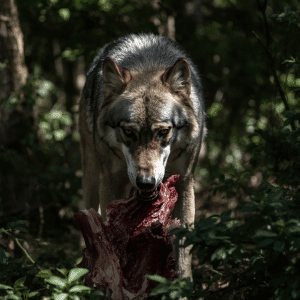
The gray wolf is a carnivore, meaning it mainly eats meat. Wolves are skilled hunters and usually hunt in packs. Main Diet of Wolves is:  Deer, Wild boar, Rabbits, Small mammals, and Livestock in some rural areas.
What Does the Gray Wolf Eat

Baby of Gray Wolf

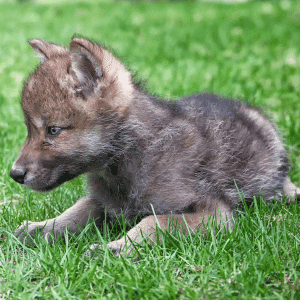
A baby wolf is called a pup. Wolf pups are usually born in spring and stay inside a den during their early weeks of life. Both parents and other pack members help care for the young wolves. This strong family structure is one reason wolves are admired for their loyalty and teamwork.
Baby of Gray Wolf

Habitat and Distribution in Serbia

Gray wolves are mainly found in mountainous and forested regions of Serbia. They prefer areas with fewer human settlements where they can hunt and travel safely. Wolves are especially associated with the Balkan mountain ecosystems, where they play an important role in maintaining ecological balance.

Role of the Gray Wolf in Nature

The gray wolf plays an important role in maintaining ecological balance in forests and mountains. It controls the population of herbivores like deer and wild boar, preventing overgrazing. This helps keep the natural ecosystem healthy and stable.

Tourism Value

Wolves indirectly support eco-tourism in Serbia by attracting wildlife enthusiasts and nature lovers. Tourists visit forests and protected areas to explore Serbia’s rich biodiversity, including habitats where wolves live. This contributes to local tourism awareness and nature-based travel.

Educational Value

The gray wolf is widely studied in schools, universities, and wildlife research programs. It helps students understand predator behavior, ecosystems, and conservation science. Learning about wolves also raises awareness about protecting wildlife and natural habitats.

Interesting Facts About Serbia’s National Animal

  • Wolves can communicate through howling, body language, and scent marking.
  • A wolf pack usually follows a strong social structure.
  • Gray wolves can travel long distances in search of food.
  • Wolves are known for their intelligence and teamwork.
  • In Serbian folklore, wolves are symbols of protection and courage
Name of National Animal of Serbia

Name of National Animal of Serbia


Learn More Helpful Articles

About the author

Operra Jerry

Leave a Comment