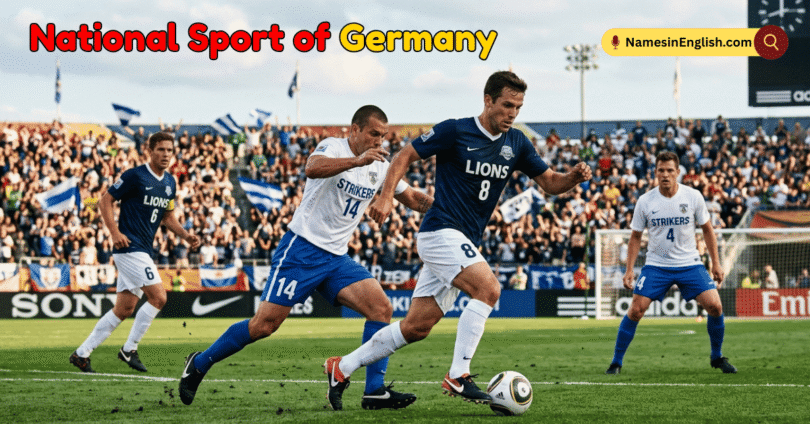

Football is more than just a game in Germany it is a passion that connects millions of people across the country. Known as the National Sport of Germany, football holds a special place in German culture because of its exciting history, international success, and strong fan support. From local clubs to world-famous tournaments, the sport plays an important role in daily life and national pride. In this article, you will learn about the history of German football, why it became the national sport, its cultural and social importance, famous players, major achievements, and many interesting facts about the game.
Table of Contents
ToggleWhat Is the National Sport of Germany?
The national sport of Germany is Football (Soccer). Known as “Fußball” in German, the sport is the most followed and widely played game in the country. Football is deeply connected to German identity, bringing people together across cities, towns, and generations.

History of Football in Germany
Early Introduction of Football
Football was introduced to Germany in the late 19th century through English merchants and students. The sport quickly became popular in schools and local sports clubs.
Formation of the German Football Association
In 1900, the German Football Association (DFB) was established to organize football activities nationwide. This helped create official rules, leagues, and competitions.
Growth Before World War II
Football expanded rapidly during the early 20th century, with many clubs forming across Germany. The sport became a major source of entertainment and community pride.
The 1954 “Miracle of Bern”
West Germany won the 1954 FIFA World Cup by defeating Hungary in a historic final. This victory became a symbol of national recovery and hope after World War II.
Rise of the Bundesliga
The Bundesliga was launched in 1963 to improve professional football in Germany. It soon became one of the strongest football leagues in the world.
Modern Era of German Football
Germany continued achieving success in international football with World Cup and European Championship victories. Today, German football is known for discipline, teamwork, and world-class talent.
Symbolic Meaning of Football in Germany
Symbol of National Unity
Football brings people together across different cities, cultures, and backgrounds in Germany. Major victories often create a strong feeling of national pride and togetherness.
Representation of Discipline and Teamwork
German football is known for discipline, organization, and teamwork. These qualities reflect values that are highly respected in German society.
Source of National Pride
International football success has made the sport a powerful symbol of German achievement. Fans proudly support the national team during global tournaments.
Connection Between Communities
Local football clubs act as social centers where communities gather and build strong relationships. The sport helps strengthen local identity and community spirit.
Inspiration for Youth
Football inspires young people to stay active, work hard, and follow their dreams. Many children in Germany grow up seeing football players as role models.
Symbol of Modern German Culture
Football has become an important part of modern German culture and entertainment. It influences media, celebrations, fashion, and everyday conversations across the country.
Cultural Importance of Football in Germany
Football is an important part of life in Germany and is deeply connected to the country’s culture. Families and friends gather to watch matches, celebrate victories, and support their favorite clubs with great passion.
How Football Is Played
Football is played between two teams with eleven players on each side. The main goal is to score by moving the ball into the opponent’s net without using hands or arms, except by the goalkeeper.
Basic Rules of Football
- Each match usually lasts 90 minutes
- The team with the most goals wins
- Players use feet, head, or body to control the ball
- Goalkeepers can use hands inside the penalty area
- Fouls may result in free kicks or penalty kicks
Popular Football Competitions in Germany
Germany hosts several important football tournaments and leagues that attract global attention.
Bundesliga
The Bundesliga is Germany’s top professional football league. It is one of the most competitive and popular football leagues in the world.
DFB-Pokal
The DFB-Pokal is Germany’s annual knockout football competition where clubs from different divisions compete for the national cup.
UEFA and FIFA Competitions
German clubs and the national team regularly participate in international tournaments such as:
- FIFA World Cup
- UEFA European Championship
- UEFA Champions League
Germany’s International Football Achievements
Germany is considered one of the greatest football nations in history. The country has achieved remarkable success on the international stage.
Major Achievements
The Germany has won four FIFA World Cup titles, multiple UEFA European Championships, several FIFA Women’s World Cups, and Olympic football medals. German teams are also known for consistently reaching the finals and performing strongly in major international tournaments.
Famous German Football Players
Germany has produced many legendary football players who inspired millions of fans. Famous Players are Franz Beckenbauer, Gerd Müller, Miroslav Klose, and Manuel Neuer.
Social Importance of Football
Football helps unite people from different communities, backgrounds, and age groups. Local football clubs also create friendship, teamwork, and a strong sense of belonging among players and fans.
Impact on Tourism
Major football tournaments and league matches attract thousands of international tourists to Germany every year. Visitors travel to watch games, explore famous stadiums, and experience the country’s football culture.
Impact on Economy
Football contributes greatly to Germany’s economy through ticket sales, sponsorships, broadcasting rights, and merchandise. The sport also creates jobs in coaching, media, tourism, and event management.
Physical Benefits of Football
Football improves physical fitness by increasing strength, stamina, speed, and flexibility. Regular play also helps maintain a healthy body and supports heart health.
Mental Benefits of Football
Football helps reduce stress and improves focus, confidence, and decision-making skills. Playing the sport also encourages discipline, teamwork, and a positive mindset.
Fun Facts About Germany’s National Sport
- Germany won its first FIFA World Cup in 1954.
- German football fans are among the most passionate in the world.
- The Bundesliga has some of the highest stadium attendance rates globally.
- Germany hosted the FIFA World Cup in 1974 and 2006.
- Football is played by millions of registered players across the country.
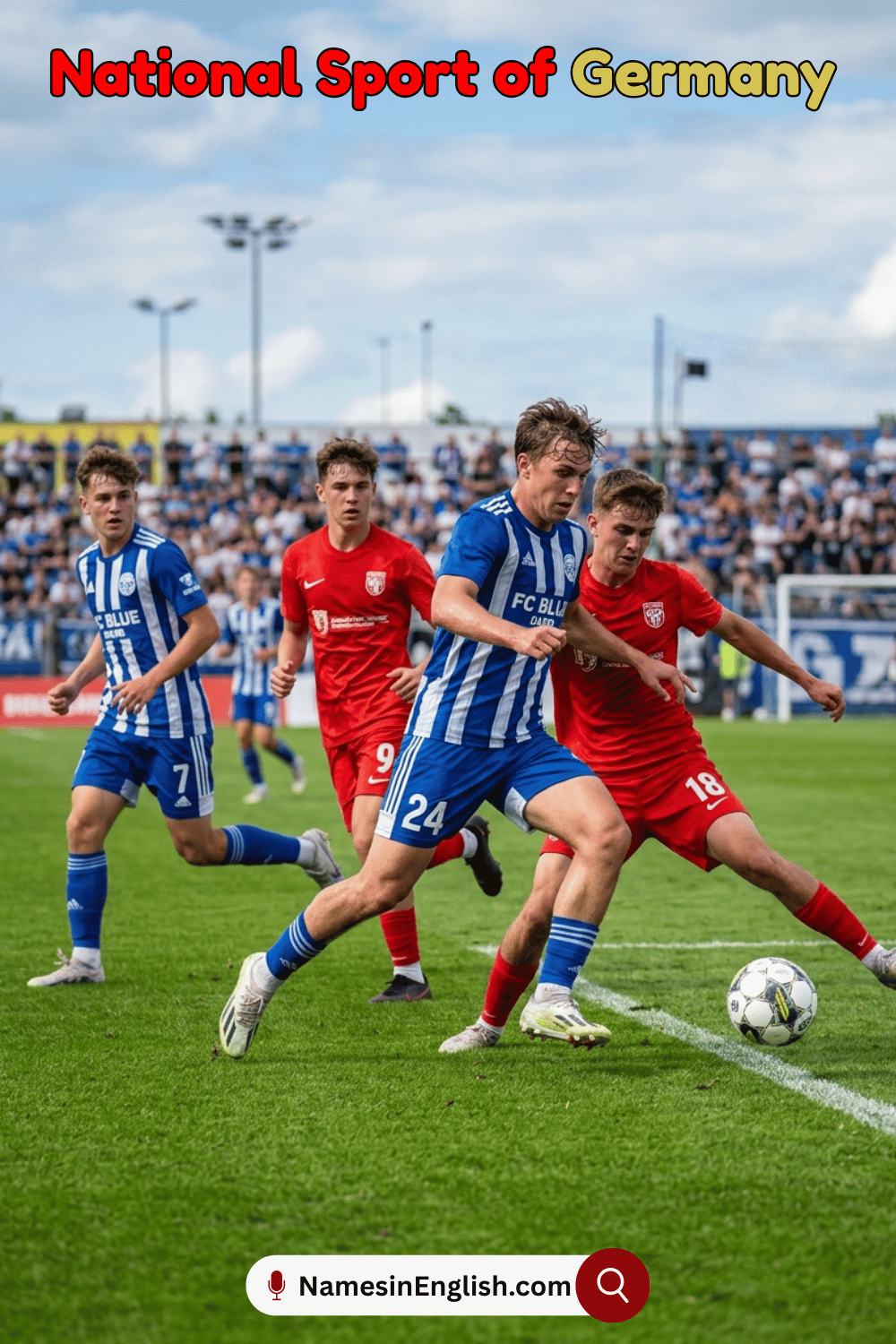
Name of National Sport of Germany
Learn More Helpful Articles