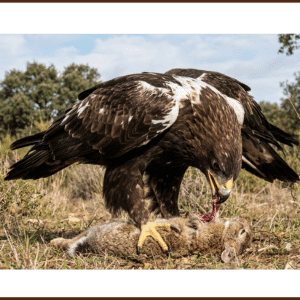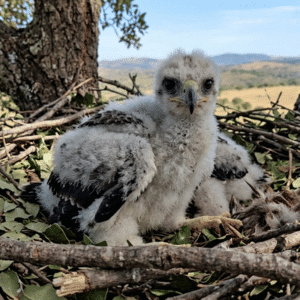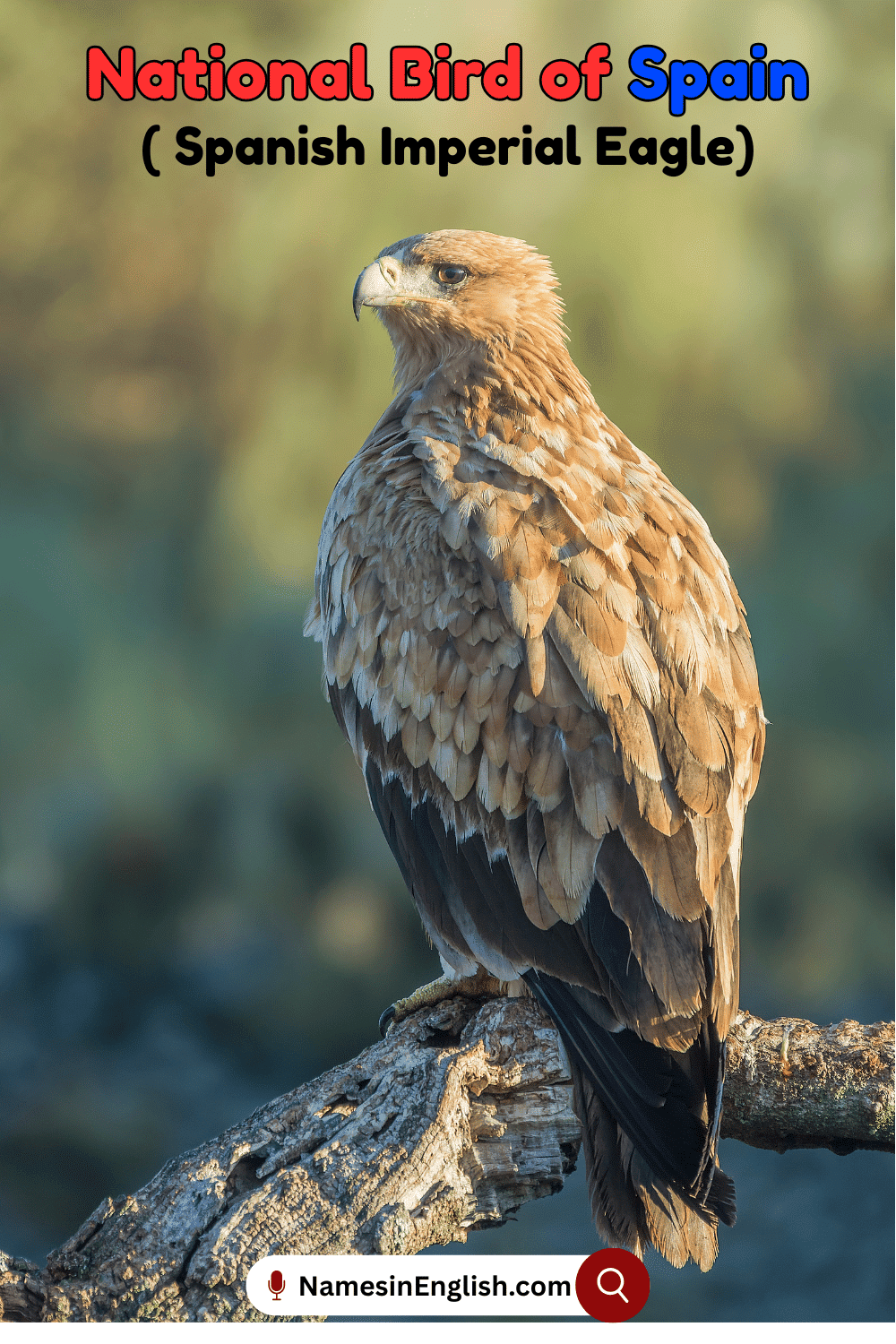
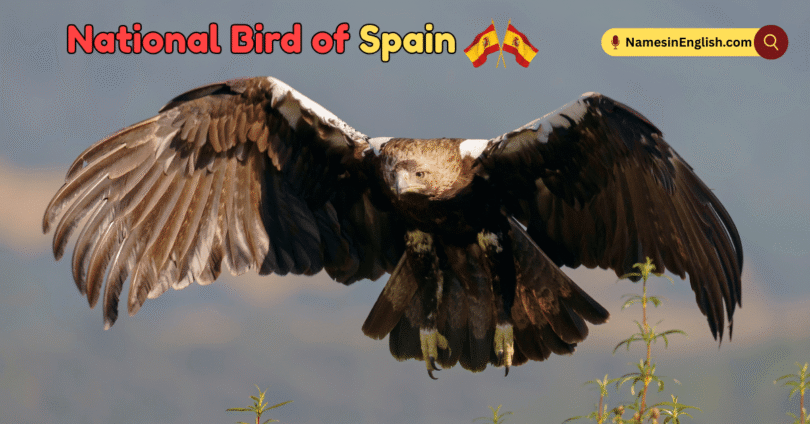

The National Bird of Spain, the majestic Spanish Imperial Eagle, is one of the rarest and most powerful birds of prey in Europe. Known for its sharp eyesight, strong wings, and royal appearance, this eagle is an important symbol of strength, freedom, and natural heritage in Spain. Learning about Spain’s national bird helps readers understand the country’s wildlife, conservation efforts, and cultural identity. In this article, you will learn the history, symbolic meaning, habitat, diet, conservation status, and interesting facts about the Spanish Imperial Eagle in a simple and engaging way.
What Is the National Bird of Spain?
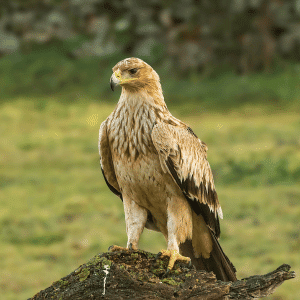
The official national bird of Spain is the Spanish Imperial Eagle. It is a large bird of prey belonging to the eagle family and is scientifically known as Aquila adalberti. This eagle is native to the Iberian Peninsula and is considered one of the most endangered eagle species in the world.
Historical Background of the Spanish Imperial Eagle
Early Presence in the Iberian Peninsula
The Spanish Imperial Eagle has lived in the Iberian Peninsula for centuries and was once widely seen across many regions of Spain. It became an important part of Spain’s natural ecosystem and wildlife heritage.
Decline in Population
During the 20th century, the eagle’s population decreased rapidly because of habitat destruction, illegal hunting, poisoning, and reduced food supply. By the 1970s, it became one of the rarest birds of prey in Europe.
Conservation and Recovery Efforts
Spain introduced strict conservation programs to protect the species and its habitat. Breeding projects, wildlife laws, and protected natural parks helped the population slowly recover over the years.
Present-Day Importance
Today, the Spanish Imperial Eagle is considered a conservation success story in Europe. It now symbolizes environmental protection, national pride, and Spain’s commitment to preserving endangered wildlife.