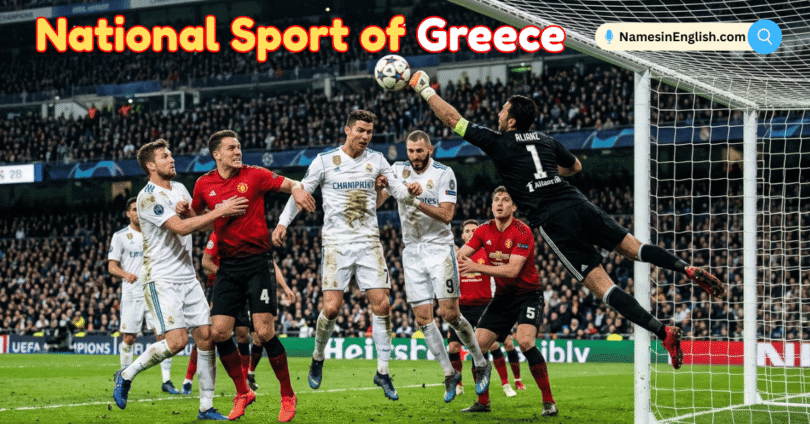

A national sport is basically the most popular and culturally important sport of a nation, which represents its identity, passion, and unity. The National Sport of Greece is widely recognized as football (soccer), a game that holds a special place in the hearts of millions across the country In this article, you will learn what the national sport of Greece is, why football became so important, its history, cultural impact, and how it influences Greek society, tourism, and economy.
Table of Contents
ToggleWhat Is the National Sport of Greece?
The national sport of Greece is commonly considered to be football (soccer). It is the most widely followed, played, and commercially supported sport in the country. Greek football is governed by the Hellenic Football Federation, which organizes national leagues and the Greece national team’s international participation.
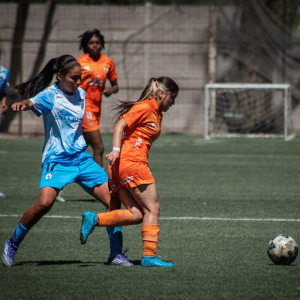
History of Football in Greece
Early Introduction
Football was introduced in Greece in the early 20th century through European influence and sailors.
It quickly became popular in major cities like Athens and Thessaloniki.
Formation of Clubs
Local football clubs started forming as the sport grew in popularity. These clubs organized friendly matches and early competitions.
Establishment of Federation
In 1926, the Hellenic Football Federation was created to manage football activities. This helped bring structure and official rules to the sport in Greece.
Growth into Professional Sport
Over time, football developed into a professional and organized sport. Today, it is the most popular and widely followed sport in Greece.
Why Football Became the National Sport of Greece
Football became the national sport of Greece because it is simple, exciting, and widely accessible to people of all ages. Strong club rivalries, passionate fan support, and Greece’s historic UEFA Euro 2004 victory also helped make football the country’s most loved and followed sport.
Symbolic Meaning of Football in Greece
Football in Greece is more than just a sport; it carries deep symbolic meaning for the people. It represents unity, especially when the national team plays important international matches. It also reflects regional identity through strong club rivalries, where different cities passionately support their teams.
How Soccer Is Played
Soccer is played by passing, dribbling, and kicking the ball to score goals against the opposing team. The match lasts 90 minutes, and the team with the most goals wins.
Number of Team Members in Soccer
A soccer team consists of 11 players on the field, including one goalkeeper. The remaining players usually play as defenders, midfielders, and forwards depending on team strategy.
Design of a Soccer Ball
A soccer ball is round and usually made of synthetic leather with black-and-white patterns. It is specially designed for smooth movement, control, and accurate kicking during matches.
Structure of a Soccer Field
A soccer pitch is a large rectangular field with two goals placed at opposite ends. It includes markings such as the center circle, penalty area, and sidelines.
Main Objective of Soccer
The main aim of soccer is to score more goals than the opposing team before the match ends. Teams use strategy, passing, and teamwork to create scoring opportunities.
Basic Rules of Soccer
Soccer follows official FIFA rules that control gameplay, fouls, match timing, and player behavior. Players cannot use their hands except for the goalkeeper inside the penalty area.
Understanding Fouls in Soccer
A foul happens when a player breaks the rules by pushing, tripping, or tackling unfairly. Fouls can result in free kicks, penalties, or disciplinary cards.
Meaning of a Penalty Kick
A penalty kick is awarded when a serious foul occurs inside the penalty area. The attacking player gets a direct chance to score from the penalty spot.
When the Ball Leaves the Field
When the ball goes out of play, the game restarts with a throw-in, goal kick, or corner kick depending on which team last touched the ball.
Soccer Player Equipment
Soccer players wear jerseys, shorts, socks, shin guards, and football boots for safety and performance. Goalkeepers also wear gloves for better grip and protection.
Role of the Soccer Referee
The referee controls the match and ensures that players follow the rules fairly. They make decisions on fouls, goals, penalties, and disciplinary actions.
Yellow Card vs Red Card
A yellow card is a warning for unsporting behavior or rule violations. A red card removes a player from the match for serious fouls or misconduct.
What Is VAR in Soccer?
VAR stands for Video Assistant Referee, a technology used to review important match decisions. It helps referees check goals, penalties, offsides, and red-card incidents.
Number of Substitutes in Soccer
Most professional soccer matches allow teams to use up to five substitutes during regular play. Substitutions help manage player fitness, tactics, and injuries.
Popular Tournaments and Events
The main national tournaments include the Super League Greece, which is the top professional league, and the Greek Cup, where clubs compete for another major title. Greek clubs also participate in international UEFA competitions such as the UEFA Champions League, UEFA Europa League, and UEFA Conference League, representing Greece at the European level.
International Achievements of Greece in Football
Greece achieved its greatest football success by winning UEFA Euro 2004 under coach Otto Rehhagel. The victory shocked the football world and remains one of the biggest underdog achievements in football history. Greece has also participated in FIFA World Cup and UEFA European Championship tournaments.
Famous Football Players from Greece
- Giorgos Karagounis – Legendary midfielder and national team leader
- Theodoros Zagorakis – Captain of Euro 2004-winning team
- Kostas Mitroglou – Prolific striker in European clubs
- Sokratis Papastathopoulos – Strong defensive player in top European leagues
- Giorgos Samaras – Key attacker in international competitions
Cultural Importance of Football in Greece
Football in Greece is an important part of everyday culture and national identity. It brings families and communities together, especially on match days, creating strong emotional connections. Club loyalty is often passed from generation to generation, making football a shared cultural tradition across the country.
How Football Influences Tourism
Football in Greece attracts many local and international fans who travel to watch major matches and famous derbies. It also brings visitors during international tournaments and supports growing sports tourism across the country.
Impact of Football on Economy
Football contributes significantly to the Greek economy through ticket sales, broadcasting rights, and sponsorships. It also creates jobs and supports businesses linked to sports, travel, and stadium activities.
Educational Importance of Football
Football in Greece helps students learn teamwork, discipline, and leadership. It is widely played in schools and sports academies. The sport also improves physical fitness and promotes healthy habits.
Fun Facts About the National Sport of Greece
- Greece’s Euro 2004 win is considered one of football’s greatest upsets
- Rival matches between Olympiacos and Panathinaikos are among the most intense in Europe
- Football is the most watched sport on Greek television
- Many Greek football clubs have over 100 years of history
- Stadium atmospheres in Greece are known for passionate chants and strong fan culture
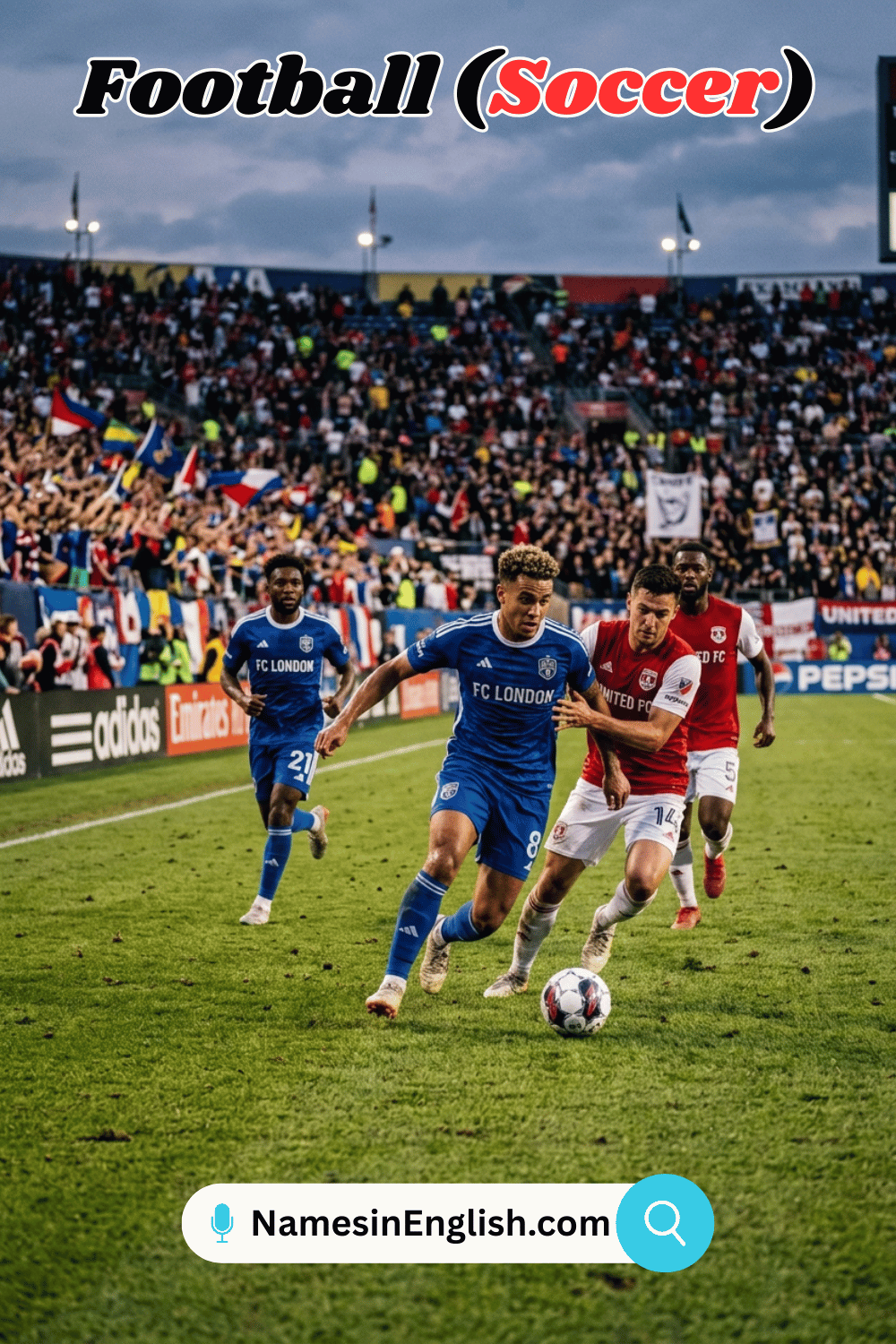
Name of National Sport of Greece