
When you think of Belgium, you might picture historic cities, delicious chocolates, or world-famous beers. But there’s a quieter symbol, a delicate bloom that speaks volumes about the country’s history and spirit, the Red Poppy. This modest flower carries stories of resilience, remembrance, and natural beauty that connect deeply with Belgians and curious travelers alike. Exploring the national flower of Belgium is more than a simple botanical inquiry. It’s a journey through culture, nature, and shared memory. In this article, we’ll see meaning behind the Red Poppy, reveal its botanical secrets, and share unique insights maybe you won’t find anywhere else.
What Is the National Flower of Belgium?
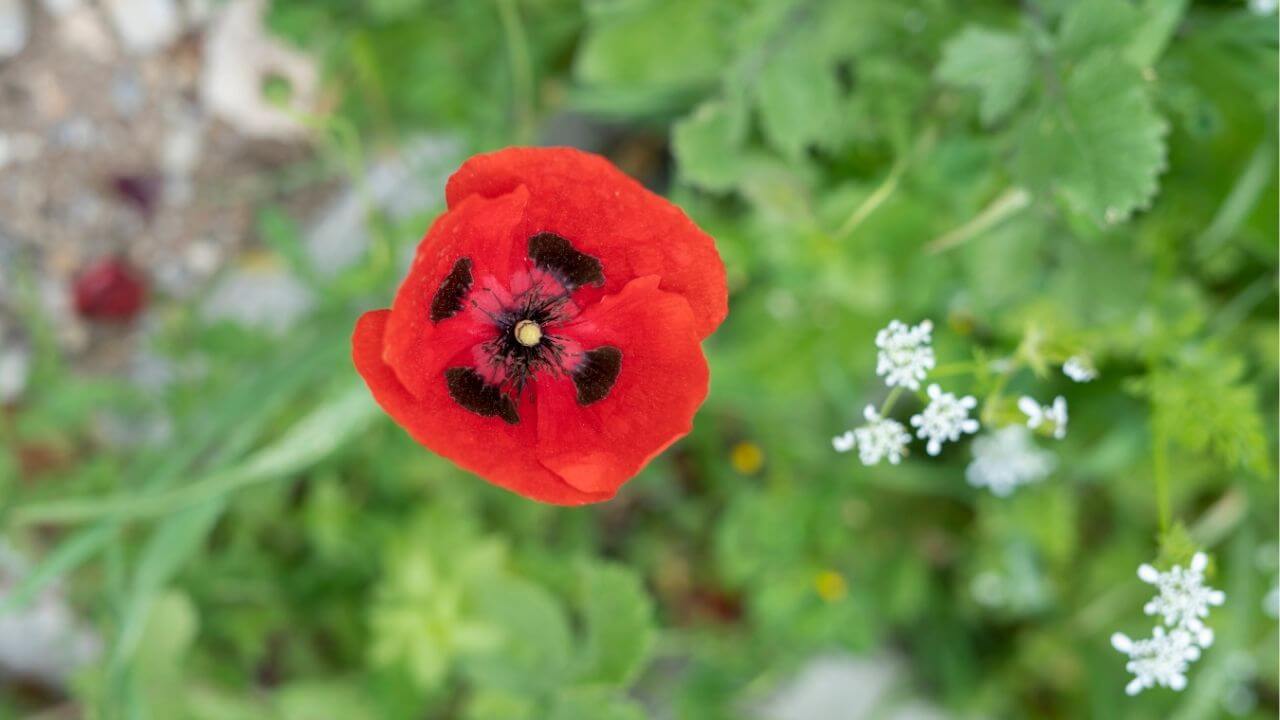
The national flower of Belgium is the Red Poppy, scientifically known as Papaver rhoeas. Instantly recognizable by its vibrant scarlet petals and delicate black center, the Red Poppy stands as a living symbol of remembrance, especially linked to the sacrifices of soldiers during World War I. Its selection as Belgium’s floral emblem reflects a deeper connection to the country’s identity and historical landscape. Unlike some nations that choose exotic or rare plants, Belgium’s choice is humble yet powerful. Rooted in the fields where history was written in blood and bravery.
Botanical Details of The Red Poppies
The Red Poppy (Papaver rhoeas) is a resilient annual wildflower known for its delicate appearance and “tough” nature.
- Appearance: Features four silky, paper-thin petals in vivid scarlet or orange-red, often with a distinct black center.
- Size: Grows to a height of approximately 60cm on slender, hairy stems.
- Life Cycle: A hardy annual. Seeds remain dormant in the soil through winter and germinate quickly when the earth is disturbed or temperatures rise.
- Blooming Period: Typically flowers from late spring to early summer, creating the famous “red carpet” effect in fields.
- Adaptability: Thrives in full sun and well-drained, “poor” soil, making it a pioneer species that often grows where other plants cannot.
How to Grow
Growing poppies is relatively simple because they prefer a “hands-off” approach once planted.
- When to Plant: Sow seeds in late autumn or early spring. They benefit from a period of cold (stratification) to sprout successfully.
- Sowing Method: Do not bury the seeds. They need light to germinate.
- Simply scatter them on the surface of prepared soil and press down lightly to ensure contact.
- Location: Choose a spot with full sun (at least 6 hours a day).
- Soil: They aren’t picky but require good drainage. They dislike “wet feet” or heavy clay.
- Maintenance: Thinning: If they grow too close together, thin them to about 15-20cm apart.
- Watering: Water gently until established; once mature, they are quite drought-tolerant.
- Self-Seeding: Leave the dried seed pods on the plant if you want them to return naturally next year.
History and Cultural Significance
The Red Poppy is more than a botanical symbol; it is a profound emblem of Belgium’s resilience and history.
The WWI Connection
- Battlefield Origins: The flower is famous for blooming in the scarred, devastated fields of Flanders after intense trench warfare.
- Symbol of Sacrifice: Immortalized by John McCrae’s poem, “In Flanders Fields,” it became the global standard for honoring fallen soldiers.
- Resilience: Its ability to grow in disturbed soil mirrors the recovery of the Belgian landscape after the war.
Cultural Meaning in Belgium
- National Identity: Serves as the primary emblem of respect for those who fought on Belgian soil.
- Beyond the Past: While it honors sacrifice, it also represents peace and a hopeful future.
- Educational Role: Deeply integrated into Belgian schools, memorial days, and civic ceremonies to teach history through a natural lens.
| Aspect | Meaning |
| Historical | Honors WWI soldiers and the devastation of the front lines. |
| Emotional | Represents sacrifice, grief, and national respect. |
| Aspirational | Symbolizes the hope for lasting peace and rebirth. |
National Flower of Belgium Stunning Pictures
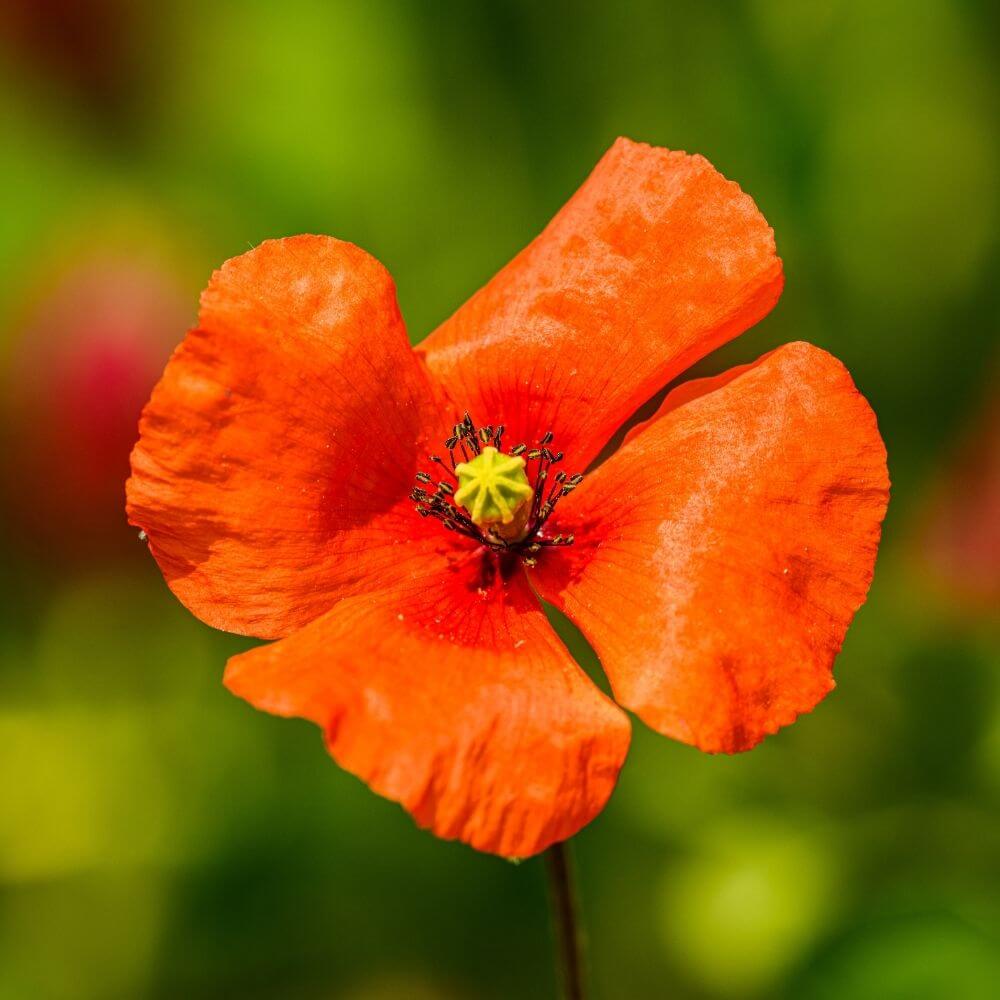
If you’re planning a visit or simply want to appreciate the Red Poppy from afar, Belgium offers countless opportunities to see this flower in its natural glory. The sight of endless red fields during the blooming season is truly breathtaking and has inspired countless photographers, artists, and travelers.
To capture the Red Poppy’s beauty, look for early morning or late afternoon light when the sun’s angle highlights the delicate translucence of the petals. Belgian nature reserves, rural farmlands, and historical sites often host the best displays. Bringing a macro lens or even a smartphone with a good camera will help you seize the flower’s intricate details. Its silky petals, the velvet-like black center, and the fine hairs on the stems.
The Red Poppy’s Role Today
While famously known as a symbol of WWI remembrance, the Red Poppy serves a vital modern role in Belgium’s ecology and community life.
Ecological Importance
- Biodiversity Support: Acts as a key resource for pollinators like bees and butterflies.
- Ecosystem Health: Plays a functional role in maintaining local natural balances.
- Overlooked Value: Its status as Belgium’s national flower is reinforced by these “green” benefits, not just its history.
Modern Community Initiatives
- Urban Planting: Belgian cities use poppy cultivation to boost pollinator populations in developed areas.
- Artistic Awareness: Public art projects use the flower’s imagery to bridge the gap between historical memory and environmental protection.
- Case Study (Ypres): The city hosts annual exhibitions that blend WWI history with modern ecological themes.
The Red Poppy has evolved into a dual symbol: it honors the past (remembrance) while actively protecting the future (nature and community well-being).
Quick Facts About the National Flower of Belgium
- Botanical name: Papaver rhoeas
- Common names: Red Poppy, Flanders Poppy
- Blooming season: Late spring to early summer
- Symbolism: Remembrance, sacrifice, peace, resilience
- Natural habitat: Fields, disturbed soils, rural Belgium
- Cultural significance: Linked to World War I remembrance ceremonies
- Ecological role: Supports pollinators like bees and butterflies
This snapshot provides a clear, concise answer for anyone searching quickly for the national flower of Belgium.
How to Appreciate and Protect Belgium’s Red Poppy
You’re a student researching regional symbols, a traveler planning a spring trip, or love nature , there are several ways to engage with the Red Poppy respectfully and meaningfully.
- Visit responsibly: Stick to paths and avoid trampling delicate flowerbeds, especially in protected areas.
- Photography tips: Capture the poppy’s beauty without disturbing the habitat, early morning light enhances its natural glow.
- Support conservation: Join or donate to local groups dedicated to preserving Belgium’s wildflower habitats.
- Participate in festivals: Attend remembrance events and flower festivals that celebrate the Red Poppy’s cultural significance.
By doing these, you contribute to both cultural respect and environmental protection.
FAQs About the National Flower of Belgium
Is the Red Poppy officially the national flower of Belgium?
Yes. While some sources describe it as an unofficial popular emblem, it is widely recognized as the national flower of Belgium. It holds this status alongside other regional symbols, such as the Yellow Iris (Brussels) and the Cornflower (Flanders).
Why is the Red Poppy specifically linked to Belgium?
The connection comes from the Flanders region of Belgium during World War I. The soil there is rich in lime, and the heavy shelling of the battlefields disturbed the earth, creating the perfect conditions for poppy seeds to germinate. This resulted in 'carpets of red' blooming amidst the destruction.
What is the difference between a Red Poppy and a 'Flanders Poppy'?
They are the same plant (Papaver Rhoeas). The name Flanders Poppy is simply a cultural title given to the flower to honor its historical growth in the Belgian war zones. It is also known as the Corn Poppy or Field Poppy.
Does the Red Poppy symbolize anything other than war?
While it is primarily a symbol of Remembrance and Sacrifice, in Belgium it also represents resilience, the ability to grow and thrive in devastated soil, and the promise of a peaceful future.
Why do people wear artificial poppies if the flower is Belgian?
The tradition of wearing an artificial poppy began after the publication of the poem 'In Flanders Fields' by John McCrae. Because real poppies wilt almost immediately after being cut, silk and paper versions were created so people could wear them on their lapels to show respect during Remembrance Day.
Closing Thoughts
The Red Poppy is more than just Belgium’s national flower. It’s a vibrant emblem of the country’s resilience through hardship, a symbol of peace and remembrance, and a living participant in Belgium’s natural ecosystems. Understanding the layers of meaning behind this modest bloom enriches our appreciation not only of Belgium’s heritage but also of the delicate balance between history and nature.
If you feel inspired by the story of the Red Poppy, I encourage you to explore more about national flowers around the world. Bisit Belgian countryside fields during poppy season, or even join a local conservation effort. There’s something deeply human in connecting with these symbols. Reminding us how plants, culture, and memory grow intertwined. You can check my related guides about flowers: