
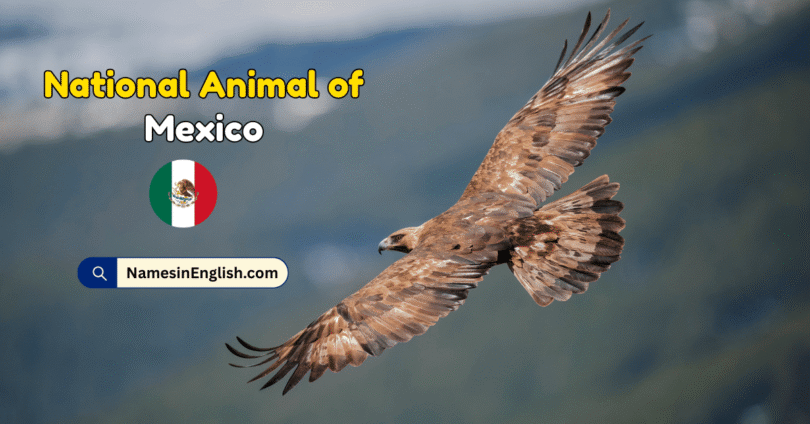

The national animal of Mexico is a powerful symbol of the country’s history, culture, and national identity. Featured prominently on the Mexican flag, this remarkable animal represents strength, courage, freedom, and pride. It holds deep significance in Mexican heritage and has been an important part of the nation’s traditions for centuries. Learning about Mexico’s national animal helps us better understand the country’s rich cultural background and natural wildlife. In this article, you will learn the national animal of Mexico with its name and picture, along with interesting facts about its importance and symbolism.
What Is the National Animal of Mexico?
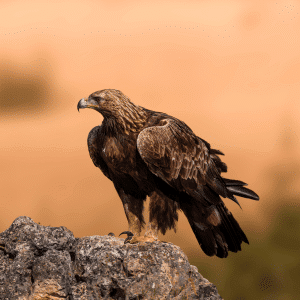
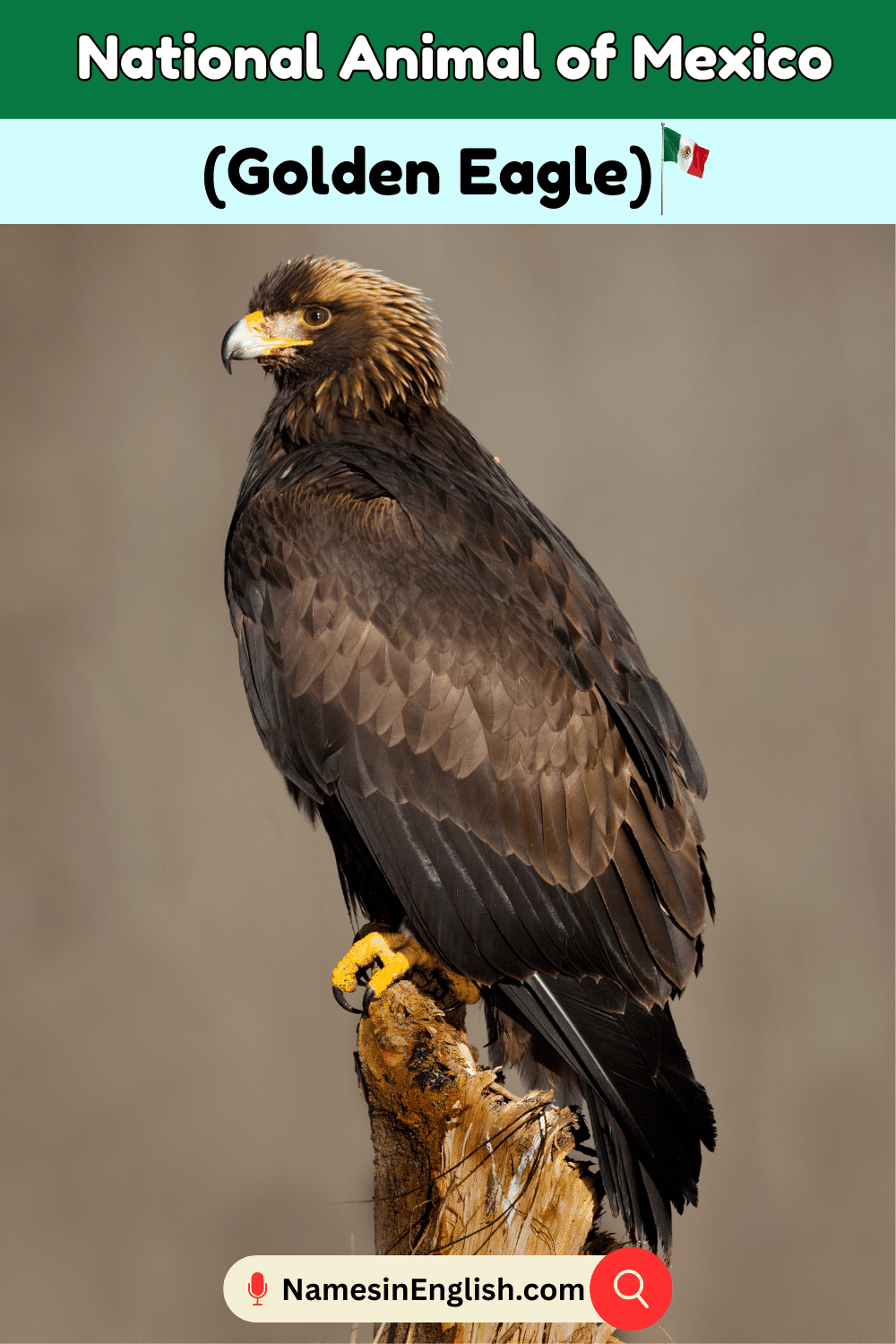
The national animal of Mexico is the Golden Eagle (Aquila chrysaetos). This large bird of prey belongs to the eagle family and is widely distributed across North America, Europe, Asia, and parts of North Africa.
Historical Background of Mexico’s National Animals
Ancient Aztec Legend
The history of the Golden Eagle in Mexico dates back to the Aztec civilization. According to legend, the Aztecs were told to settle where they saw an eagle perched on a cactus holding a snake.
Founding of Tenochtitlan
The Aztecs eventually witnessed this sacred sign on an island in Lake Texcoco. They founded Tenochtitlan at that location, which later became modern-day Mexico City.
Symbol of National Identity
Over time, the Golden Eagle became a powerful symbol of Mexican heritage and cultural pride. Its image represented strength, determination, and divine guidance.
Adoption in National Symbols
After Mexico gained independence, the eagle was incorporated into the national coat of arms and flag. This helped preserve the country’s historical connection to its indigenous roots.
Symbolic Meaning of Golden Eagle in Mexico
Symbol of Strength
The Golden Eagle is admired for its power, sharp vision, and hunting ability. It symbolizes strength, resilience, and determination in Mexican culture.
Representation of Freedom
As a bird that soars high in the sky, the Golden Eagle represents freedom and independence. It reflects the spirit of a nation that values liberty.
Connection to Aztec Heritage
The eagle is deeply linked to the Aztec founding legend of Tenochtitlan. This connection makes it an enduring symbol of Mexico’s indigenous roots.
Emblem of National Pride
Featured on Mexico’s flag and coat of arms, the Golden Eagle serves as a powerful national emblem. It unites citizens through a shared sense of history and identity.
Symbol of Victory
The image of the eagle holding a snake is often interpreted as a symbol of triumph over challenges. It represents courage and the ability to overcome adversity.
Scientific Name and Classification
- Common Name: Golden Eagle
- Scientific Name: Aquila chrysaetos
- Kingdom: Animalia
- Phylum: Chordata
- Class: Aves
- Order: Accipitriformes
- Family: Accipitridae
- Genus: Aquila
- Species: Aquila chrysaetos
- Type: Bird of Prey (Raptor)
Physical Characteristics of the Golden Eagle
The Golden Eagle is one of the largest birds of prey in the world.
Appearance
The bird has dark brown feathers with distinctive golden-brown feathers on the back of its head and neck, giving it its name.
Size
- Length: 66–102 cm (26–40 inches)
- Wingspan: 1.8–2.3 meters (6–7.5 feet)
- Weight: 3–7 kilograms (6.6–15.4 pounds)
Eyesight
Golden Eagles possess extraordinary vision and can spot prey from great distances while soaring hundreds of feet above the ground.
Habitat and Distribution
Golden Eagles inhabit a variety of environments across Mexico and other regions of the world. Common habitats include Mountain ranges, Grasslands, Open deserts, Rocky cliffs, and Semi-arid regions. They prefer areas with wide open spaces that allow them to hunt efficiently and build nests on elevated cliffs or tall structures.
Baby Golden Eagle
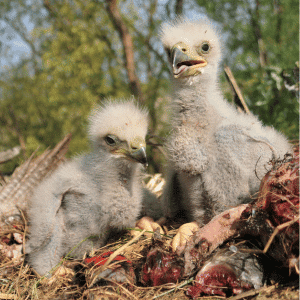
A baby Golden Eagle is called an eaglet. Eaglets hatch from eggs laid in large nests known as eyries after an incubation period of about 40 to 45 days and are initially covered in soft white down. Both parents care for and feed the young until they learn to fly and develop hunting skills, although survival in the wild can be challenging.
What Does the Golden Eagle Eat?
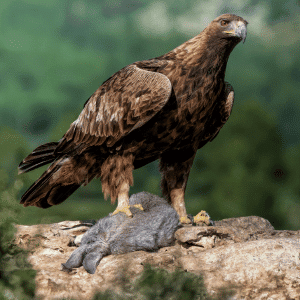
The Golden Eagle is a carnivorous predator and an exceptionally skilled hunter. Its diet mainly consists of Rabbits, Hares, Ground squirrels, Rodents, Reptiles, Birds, and Small mammals.
The Golden Eagle on the Mexican Flag
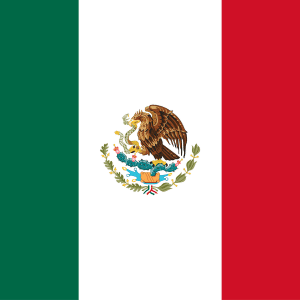
One of the most famous representations of the Golden Eagle appears on the national flag of Mexico. The central emblem depicts A Golden Eagle, Perched on a prickly pear cactus, Holding a snake. This design originates from the Aztec founding legend and serves as a reminder of Mexico’s historical roots and cultural heritage.
Environmental Importance in Mexico
The Golden Eagle helps maintain ecological balance by controlling populations of rodents, rabbits, and other small animals. As a top predator, it contributes to the health and stability of natural ecosystems.
Educational Importance of Golden Eagle
The Golden Eagle is widely used in schools, museums, and educational programs to teach students about Mexican history, wildlife conservation, and national symbols. It helps raise awareness about the importance of protecting biodiversity.
Tourism Importance
The Golden Eagle attracts birdwatchers, wildlife photographers, and nature enthusiasts to various regions of Mexico. Its connection to the country’s history and national identity also enhances cultural tourism.
Conservation Status and Protection
Although Golden Eagles are not globally endangered, they face several threats in some regions. Like Habitat loss, Human disturbance, Illegal hunting, Electrocution from power lines, and Declining prey populations. Mexico has implemented conservation measures to protect this iconic species and preserve its natural habitats.
Interesting Facts About the Golden Eagle
- It Is One of the Fastest Birds of Prey
- It Has Incredible Vision
- It Builds Massive Nests
- It Can Carry Heavy Prey
- It Appears on Mexico’s Flag
Name of National Animal of Mexico