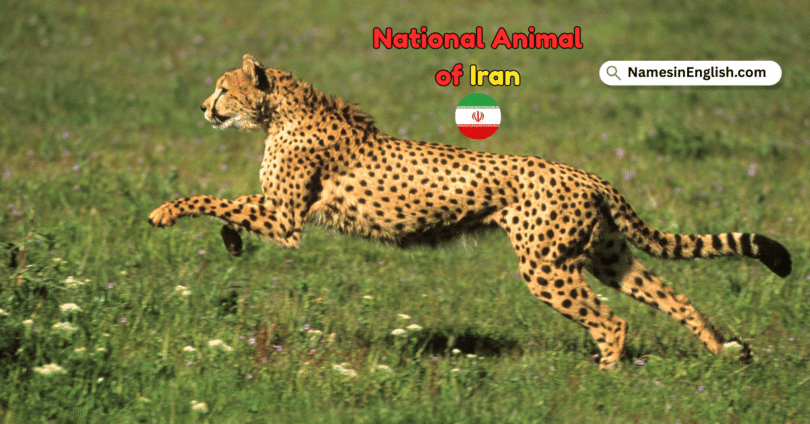

The National Animal of Iran is the Asiatic cheetah, one of the rarest and fastest wild animals on Earth. More than just a national symbol, it represents Iran’s rich wildlife, natural heritage, and ongoing efforts to protect endangered species. Learning about this remarkable animal helps us understand its role in nature and why its survival matters to the world. In this article, you’ll learn everything you need to know about the National Animal of Iran, including its English name, appearance, habitat, diet, symbolic meaning, conservation status, and interesting facts, along with a picture for easy identification.
What Is the National Animal of Iran?
The Asiatic cheetah (Acinonyx jubatus venaticus) is the official national animal of Iran. It is a critically endangered subspecies of the cheetah and the last surviving population of Asiatic cheetahs in the world. For centuries, these magnificent cats roamed across the Middle East, Central Asia, and parts of India. Today, Iran is the only country where they still exist in the wild, making the species a symbol of national pride and environmental responsibility.
History of the Asiatic Cheetah in Iran
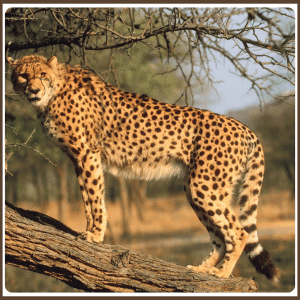
Thousands of years ago, Asiatic cheetahs lived across a vast range stretching from the Arabian Peninsula to India. Ancient Persian rulers admired these animals and even trained some for royal hunting. Over time, habitat destruction, declining prey populations, road accidents, and illegal hunting caused their numbers to fall dramatically. While the species disappeared from neighboring countries, Iran remained its final stronghold.
Symbolic Meaning if Asiatic cheetah in Iran
Speed and Excellence
The Asiatic cheetah symbolizes extraordinary speed, agility, and precision. These qualities reflect determination, excellence, and the ability to overcome challenges.
National Pride
As the world’s last wild population survives in Iran, the Asiatic cheetah has become a powerful symbol of national identity. It represents Iran’s unique natural heritage and global conservation responsibility.
Strength and Resilience
Despite facing numerous threats, the Asiatic cheetah continues to survive in harsh desert environments. This resilience symbolizes courage, endurance, and hope for the future.
Freedom and Independence
The cheetah’s ability to roam vast open landscapes represents freedom and independence. It reminds people of the importance of preserving nature in its wild and natural state.
Conservation and Responsibility
The Asiatic cheetah serves as a symbol of environmental protection and sustainable conservation. Its survival encourages individuals and governments to work together to protect endangered wildlife.
Cultural Importance
The Asiatic cheetah has been admired throughout Persian history. Ancient artwork and historical records show that Persian royalty valued cheetahs for their elegance and hunting abilities. In modern Iran, the animal has become a symbol of wildlife conservation. It has appeared in awareness campaigns, educational programs, and sporting events to encourage the protection of endangered species.
Physical Characteristics of Asiatic cheetah
The Asiatic cheetah closely resembles the African cheetah but has several distinctive features.
Appearance
- Slim, lightweight body
- Small rounded head
- Long legs built for speed
- Long tail for balance while running
- Golden-yellow coat with black spots
- Black “tear marks” running from the eyes to the mouth
Size
- Length: About 110–150 cm (43–59 inches)
- Tail length: Around 60–80 cm (24–31 inches)
- Weight: Approximately 35–55 kg (77–121 pounds)
- Top speed: Up to 100–110 km/h (62–68 mph) over short distances
Although famous as the fastest land animal, the Asiatic cheetah relies more on quick bursts of speed than long-distance running.
Habitat of Cheetah
The Asiatic cheetah inhabits Iran’s dry landscapes, including Deserts, Semi-deserts, Open plains, Rocky hills, and Protected wildlife reserves. These habitats provide wide open spaces that allow the cheetah to spot prey from a distance and sprint at high speeds during a hunt.
What Does the Asiatic Cheetah Eat?
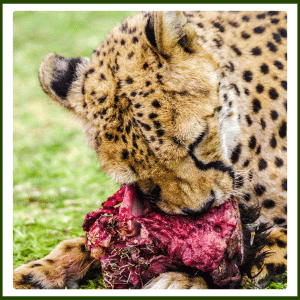
The Asiatic cheetah is a carnivore that hunts mainly during the day. Its diet includes Gazelles, Wild sheep, Wild goats, Hares, Small mammals, and Occasionally birds. Unlike lions or leopards, cheetahs depend on speed rather than strength to catch prey. After a successful chase, they usually eat quickly before larger predators arrive.
Baby Asiatic Cheetah
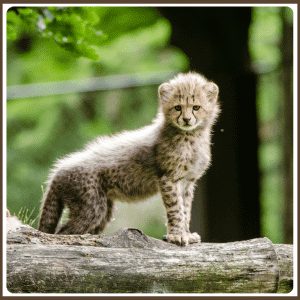
A baby Asiatic cheetah is called a cub and is usually born in litters of two to five. Cubs have soft gray fur along their backs that helps them blend into their surroundings. They stay with their mother for up to two years while learning essential hunting and survival skills.
Environmental Importance
The Asiatic cheetah plays a vital role in maintaining the balance of desert ecosystems by controlling populations of grazing animals. Its presence supports healthy biodiversity and indicates a well-functioning natural habitat. Protecting this predator also helps conserve many other species living in the same environment.
Educational Value
The Asiatic cheetah teaches people about biodiversity, endangered species, and the importance of wildlife conservation. It is widely used in schools, documentaries, and environmental awareness programs. Learning about this rare animal inspires future generations to protect nature.
Tourism Value
The Asiatic cheetah attracts wildlife researchers, conservationists, and nature enthusiasts from around the world. Its presence enhances Iran’s reputation as a destination for unique desert wildlife and eco-tourism. Conservation efforts also encourage responsible tourism that supports local communities and protected areas.
Conservation Status
The Asiatic cheetah is listed as Critically Endangered, making it one of the rarest wild cats on Earth. Its survival is threatened by habitat loss, road accidents, and declining prey populations. Iran continues to protect the species through conservation programs, habitat management, and scientific monitoring.
Interesting Facts About Asiatic cheetah
- The Asiatic cheetah survives naturally only in Iran.
- It is one of the rarest wild cats in the world.
- It is the fastest land mammal on Earth.
- Every cheetah has a unique pattern of black spots.
- Its long tail helps maintain balance during high-speed turns.
- It relies on excellent eyesight to locate prey.
- Unlike many large cats, cheetahs usually hunt during daylight hours.
- Conservation of the Asiatic cheetah is considered globally significant.
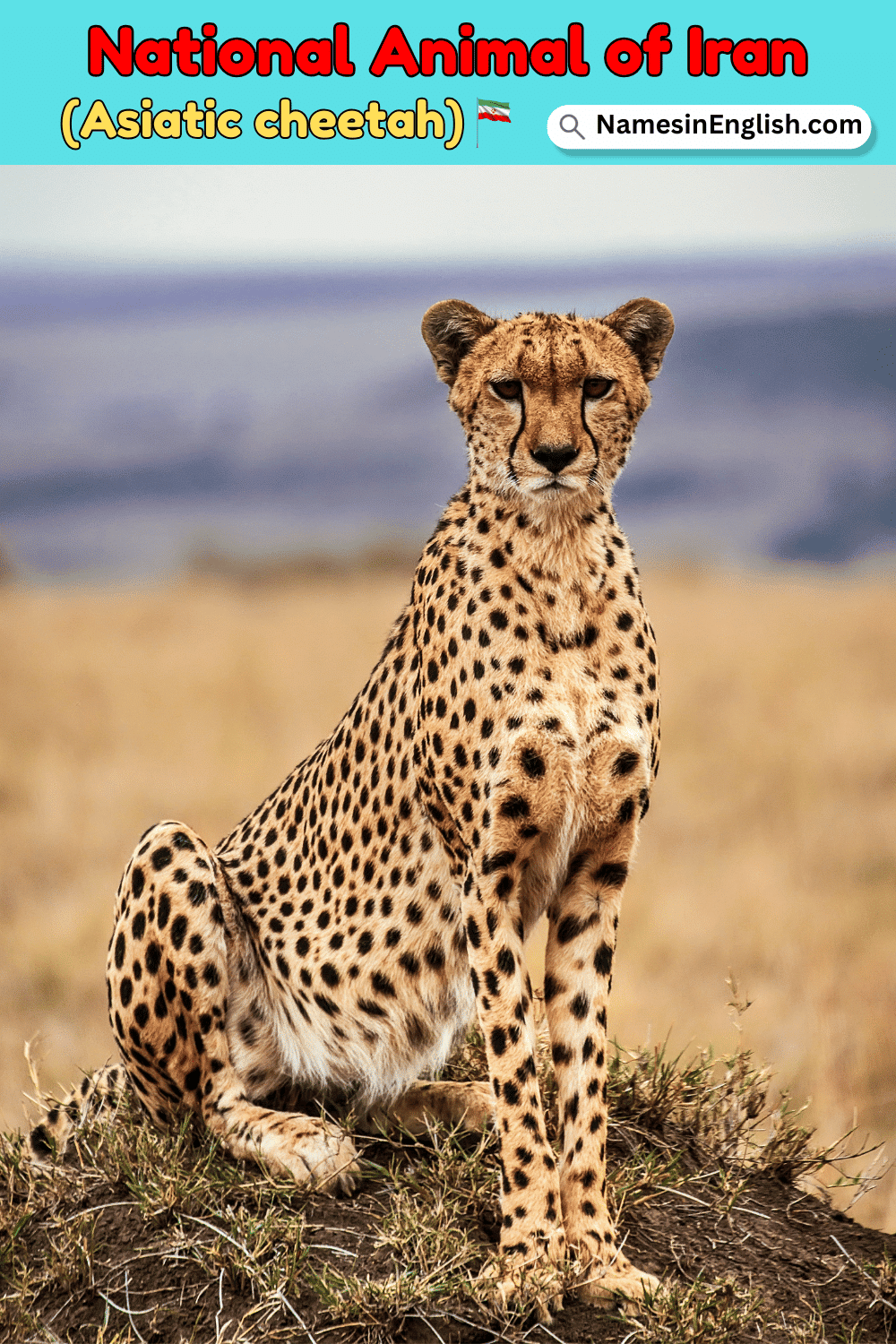
Name of National Animal of Iran
Learn More Helpful Articles