
What Is the National Animal of China?
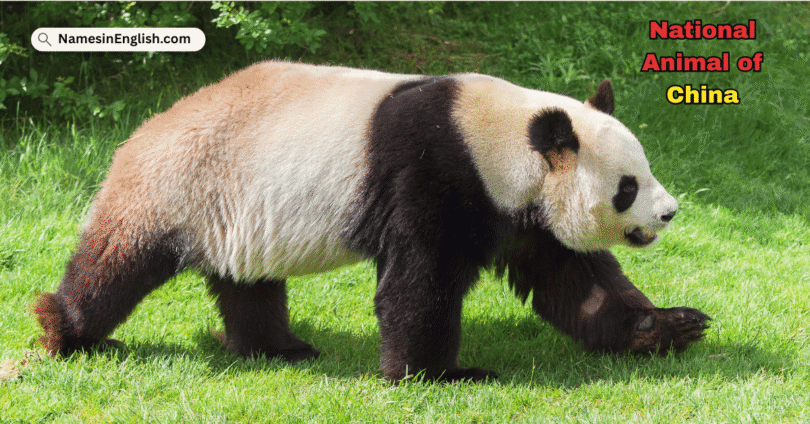
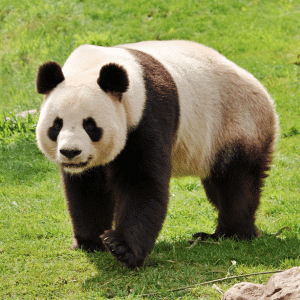
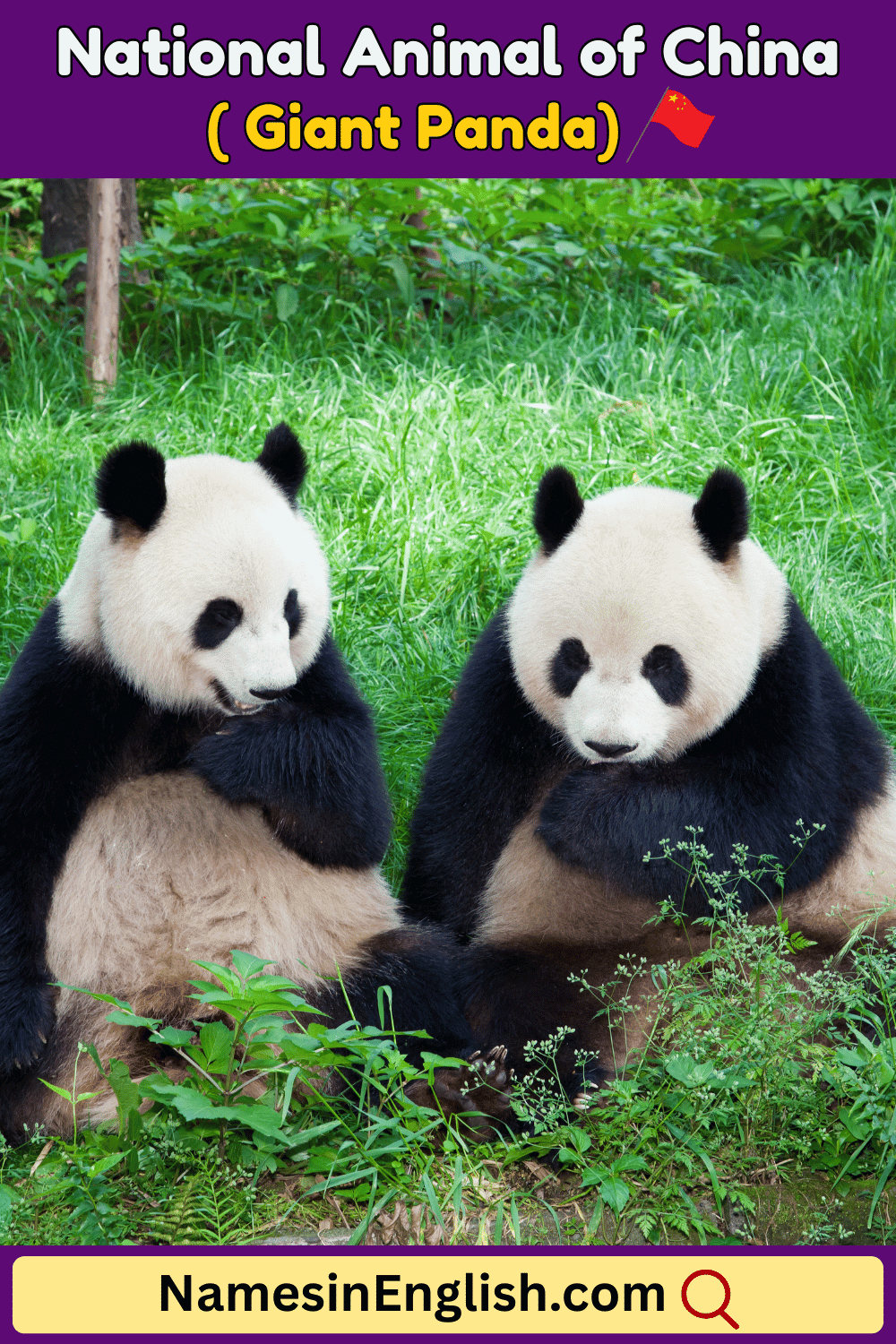
The Giant Panda is widely recognised as the national animal of China. Although it was not officially declared by law, it has long represented the country’s rich biodiversity, cultural identity, and commitment to wildlife conservation. The panda is found naturally only in China, making it a unique national treasure. It is also famous around the world as a symbol of environmental protection and international goodwill.

Importance of the Giant Panda
Environmental Importance
The giant panda helps protect bamboo forests, which support many other plants and animals.
Cultural Importance
The panda reflects China’s traditions, wildlife, and respect for nature.
Tourism Importance
Millions of visitors travel to panda reserves and breeding centres every year, making the giant panda one of China’s biggest wildlife attractions.
Educational Importance
The giant panda teaches people about biodiversity, endangered species, and environmental conservation.
Conservation Status
The giant panda was once listed as an endangered species due to habitat loss and a declining population. Thanks to successful conservation programmes, habitat protection, and captive breeding, its numbers have increased significantly in recent years. Today, the giant panda is classified as Vulnerable by the IUCN, but continued conservation efforts remain essential for its long-term survival.
Interesting Facts About China’s National Animal
- Giant pandas are found naturally only in China.
- They spend up to 14 hours a day eating bamboo.
- Their distinctive black-and-white coat helps them blend into snowy and shaded forests.
- Giant pandas have a special wrist bone that functions like a thumb for gripping bamboo.
- They can climb trees from a very young age.
- Every giant panda born anywhere in the world is considered part of China’s conservation programme through international agreements.
- The panda is one of the world’s most recognised conservation symbols.
China National Animal with Name
Learn More Helpful Articles