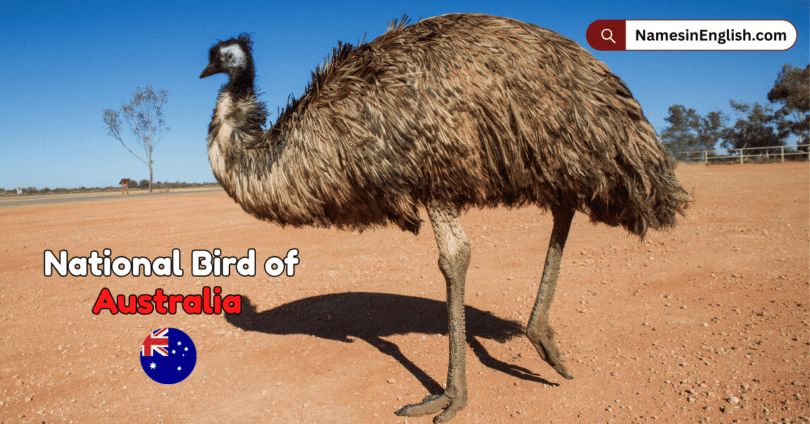

Australia is home to some of the world’s most unique wildlife, and the National Bird of Australia, the Emu, is one of its most famous natural symbols. This large, flightless bird represents the country’s rich biodiversity, resilience, and national identity. Understanding the emu is important because it plays a significant role in Australian culture, history, tourism, and the environment. In this article, you’ll learn the emu’s appearance, scientific classification, historical background, symbolic meaning, habitat, diet, cultural importance, and many fascinating facts that make it a true icon of Australia.
What Is the National Bird of Australia?
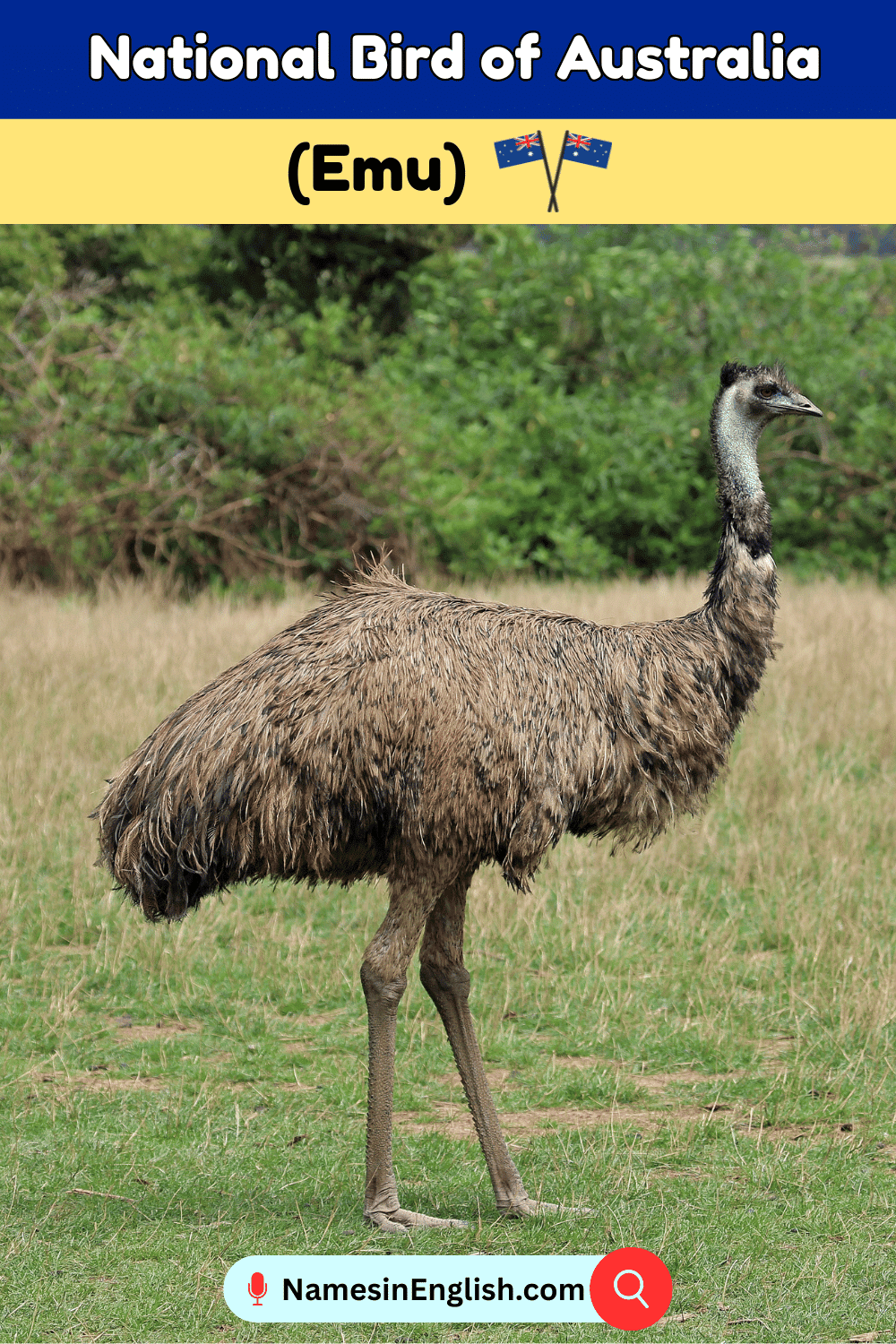
The National Bird of Australia is Emu. The emu (Dromaius novaehollandiae) is a large, flightless bird native to Australia. It belongs to a group of birds known as ratites, which also includes ostriches, cassowaries, rheas, and kiwis.
Historical Background of Emu in Australia
Indigenous Australian Heritage
The emu has been an important part of Aboriginal Australian culture for thousands of years. It appears in Dreamtime stories, traditional artwork, and cultural practices, symbolizing survival and connection to the land.
Early European Discovery
When European settlers arrived in Australia during the late 18th century, they encountered emus across much of the continent. Explorers and naturalists documented the bird because of its large size and unique appearance.
Emu as a National Symbol
Over time, the emu became a symbol of Australia’s unique wildlife and identity. Its national significance was officially recognized when it was featured on the Australian Coat of Arms alongside the kangaroo in 1912.
Modern-Day Importance
Today, the emu remains one of Australia’s most recognized national symbols. It represents resilience, progress, and the country’s rich natural heritage while continuing to play an important role in conservation and tourism.
Symbolic Importance of the Emu
Symbol of Progress
The emu is often associated with progress because it rarely moves backward over long distances. This quality symbolizes Australia’s forward-looking spirit and national development.
Representation of National Identity
As a bird found only in Australia, the emu reflects the country’s unique wildlife and natural heritage. Its presence on the national Coat of Arms highlights its importance to Australian identity.
Strength and Resilience
Emus can survive in diverse and sometimes harsh environments across Australia. Their adaptability and endurance make them a symbol of strength, resilience, and perseverance.
Cultural Significance
For many Indigenous Australian communities, the emu holds cultural and spiritual value. It appears in traditional stories, art, and teachings that have been passed down through generations.
Cultural Importance of the Emu
The emu holds a special place in Australian culture, particularly among Indigenous communities. It appears in traditional Dreamtime stories, artwork, and ceremonies, symbolizing wisdom, survival, and a strong connection to the land.
Scientific Name and Classification of Emu
- Common Name: Emu
- Scientific Name: Dromaius novaehollandiae
- Kingdom: Animalia
- Phylum: Chordata
- Class: Aves
- Order: Casuariiformes
- Family: Dromaiidae
- Genus: Dromaius
- Species: Dromaius novaehollandiae
Physical Characteristics of the Emu
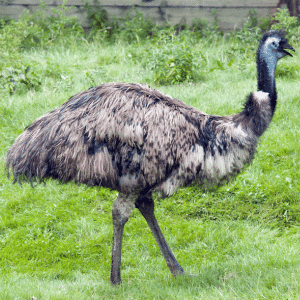
Emus are among the largest birds on Earth and possess several features that help them survive Australia’s diverse landscapes.
Size and Appearance
- Height: Up to 1.9 meters (6.2 feet)
- Weight: Between 30 and 55 kilograms
- Feather Color: Brown to grayish-brown
- Lifespan: Typically 10–20 years in the wild
Their soft, double-shafted feathers help regulate body temperature in Australia’s often harsh climate.
Speed and Movement
Emus have powerful legs designed for running. Their long strides allow them to travel great distances while searching for food and water. They are also capable swimmers and can cross rivers when necessary.
What Does the Emu Eat?
The emu is an omnivore, meaning it eats both plant and animal matter. Its flexible diet helps it survive in changing environmental conditions. Common Foods of Emu include Seeds, Fruits, Berries, Flowers, Grasses, Insects, Beetles, Caterpillars, and Small vertebrates.
Baby Emu
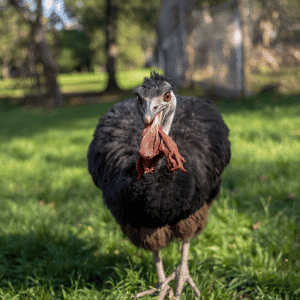
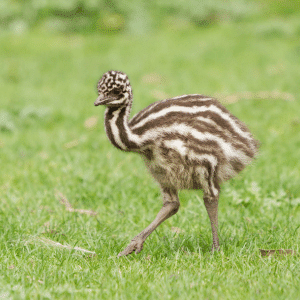
A baby emu is called a chick. Male emus play the primary parenting role by incubating the eggs for about eight weeks after the female lays them. During this time, they eat very little and stay committed to protecting the nest. After hatching, the striped chicks are cared for and protected by their father for several months.
Habitat and Distribution
The emu is found throughout most of mainland Australia. It adapts well to different environments and can live in Grasslands, Open forests, Woodlands, Scrublands, and Semi-arid regions.
Agricultural Value
Emus have agricultural importance because they are farmed for their meat, oil, leather, and feathers. These products are used in various industries and contribute to local farming and economic activities.
Tourism Importance
The emu is a popular attraction for both local and international visitors exploring Australia’s wildlife. Tourists often see emus in national parks, wildlife reserves, zoos, and nature tours, making the bird an important part of Australia’s tourism industry.
Interesting Facts About the Emu
- The emu is the second-largest bird in the world.
- It can run up to 50 km/h (31 mph).
- Emus cannot fly but are excellent runners and swimmers.
- Male emus incubate the eggs and raise the chicks.
- The emu appears on Australia’s Coat of Arms.
- It is found only in Australia.
- Emus can travel long distances in search of food and water.
- Their feathers help protect them from extreme temperatures.
Name of National Bird of Australia
Learn More Helpful Articles