Birds

National Bird of San Marino with Name and Picture

National Bird of San Marino with Name and Picture
Written by Operra Jerry

A national bird is a symbolic species chosen by a nation to reflect its values, history, and environment in a meaningful way. This topic matters in real life because national symbols help people understand a country’s identity and natural diversity in a simple and memorable way. In this article, you will learn what the National Bird of San Marino is, why it was chosen, its symbolic meaning, and key facts that make it one of the most powerful birds in the world.

What Is the National Bird of San Marino?

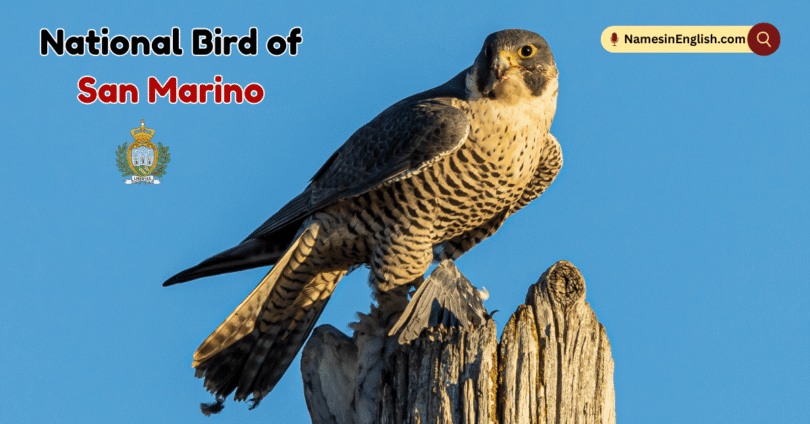
The national bird of San Marino is the Peregrine Falcon.  It belongs to the falcon family and is famous for being the fastest animal on Earth.
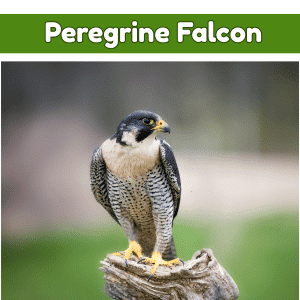
What Is the National Bird of San Marino

Historical Background of the Peregrine Falcon in San Marino

Early Presence in the Region

The Peregrine Falcon has lived in the mountainous areas around San Marino for centuries. The rocky cliffs and high landscapes provided ideal nesting and hunting locations for this powerful bird.

Connection With European Falconry

During the medieval period, falcons were highly respected in European falconry traditions. Noble families admired the Peregrine Falcon for its speed, hunting skill, and majestic appearance.

Modern National Recognition

In modern times, the Peregrine Falcon gained recognition as a national symbol of San Marino. It represents resilience, pride, and the country’s enduring spirit of freedom.
Why Was the Peregrine Falcon Chosen in San Marino

Freedom and Independence

The Peregrine Falcon symbolizes freedom because of its powerful flight and ability to soar high in the sky. This reflects the independent spirit of San Marino.

Strength and Courage

Known for its fearless hunting style, the falcon represents bravery and determination. Its powerful nature makes it a symbol of strength and resilience.

Sharp Vision and Intelligence

The bird is famous for its excellent eyesight and precise hunting skills. These qualities symbolize wisdom, focus, and clear vision.

National Pride

The Peregrine Falcon represents the pride and identity of San Marino. It reminds citizens of their country’s long history, unity, and enduring freedom.

Cultural Importance of Peregrine Falcon

The Peregrine Falcon is a symbol of strength, freedom, and national pride in San Marino. Its fearless nature and powerful flight reflect the country’s long history of independence and resilience.

Physical Appearance of the Peregrine Falcon

The Peregrine Falcon has a sleek and powerful body designed for speed and precision.

Key Features

  • Blue-gray back and wings
  • White or cream-colored chest with dark markings
  • Sharp hooked beak
  • Long pointed wings
  • Strong yellow feet with sharp claws
  • Dark “helmet-like” markings around the head

Scientific Name and Classification

The scientific name of Peregrine Falcon is Falco peregrinus, and it belongs to the family Falconidae, which includes fast and powerful birds of prey known for their exceptional hunting skills.

Habitat and Distribution of Peregrine Falcon

Peregrine Falcons are found almost everywhere in the world except extreme polar regions. They live in: Mountains, Coastal cliffs, Forest edges, Open grasslands, Urban cities with tall buildings. In and around San Marino, rocky cliffs and elevated areas provide suitable nesting and hunting locations for these birds.

What Does the Peregrine Falcon Eat?

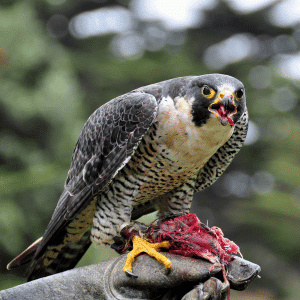
The Peregrine Falcon is a carnivorous bird. It mainly feeds on other birds caught during flight. Common Foods are: Pigeons, Small ducks, Songbirds, Shorebirds, Bats, Small mammals.
What Does the Peregrine Falcon Eat

Baby Peregrine Falcon

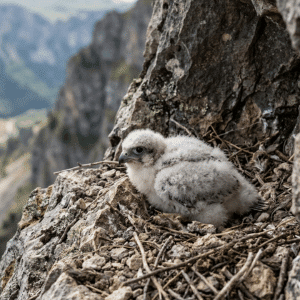
A baby Peregrine Falcon is called an eyas. Young falcons are covered in soft white feathers after hatching and depend completely on their parents for food and protection. As they grow, they learn flying and hunting skills from adult falcons. Juvenile birds usually have browner feathers compared to adults.
Baby Peregrine Falcon

Environmental Importance of Peregrine Falcon

The Peregrine Falcon helps maintain ecological balance by controlling populations of smaller birds and pests. As a top predator, it also acts as an indicator of a healthy environment and strong biodiversity.

Educational Value of Peregrine Falcon

The Peregrine Falcon is widely studied in wildlife education because of its speed, hunting techniques, and recovery through conservation efforts. It helps students learn about ecosystems, bird adaptation, and environmental protection.

Tourism Value of Peregrine Falcon

Birdwatchers and wildlife photographers visit natural areas to observe the Peregrine Falcon in flight. Its reputation as the world’s fastest bird adds strong attraction for eco-tourism and nature tourism activities.

Conservation Status of the Peregrine Falcon

The Peregrine Falcon is listed as “Least Concern” by the International Union for Conservation of Nature due to its stable global population. It once declined sharply because of pesticides and habitat loss, but strong protection laws helped it recover.

Fun Facts About the Peregrine Falcon

  • The Peregrine Falcon can fly faster than a racing car during a hunting dive.
  • It can blink using a special transparent eyelid while flying at very high speeds.
  • Some Peregrine Falcons live in big cities and nest on skyscrapers instead of cliffs.
  • This bird can catch prey in midair with amazing accuracy.
  • Peregrine Falcons have been known to travel thousands of kilometers during migration.
  • The word “peregrine” means “traveler” or “wanderer.”
  • Young falcons learn flying and hunting skills from their parents.
  • Peregrine Falcons were once endangered in many regions but made a strong comeback through conservation.
  • The national bird of San Marino is admired worldwide for its speed and strength.
Name of National Bird of San Marino

Name of National Bird of San Marino

About the author

Operra Jerry

Leave a Comment