
The hibiscus is a beautiful flower known for its bright colors, tropical beauty, and cultural importance around the world. But have you ever wondered what does Hibiscus mean and where its name comes from? The name carries a history that connects ancient languages, botanical discoveries, and traditional beliefs. Learning the origin and meaning of the hibiscus name helps us understand why this flower is admired not only for its appearance but also for its symbolism of beauty, passion, and harmony. In this article, you’ll learn the meaning behind the word “hibiscus,” how the name developed, and the fascinating stories associated with this popular flower.
What Does Hibiscus Mean & Where Its Name Comes From
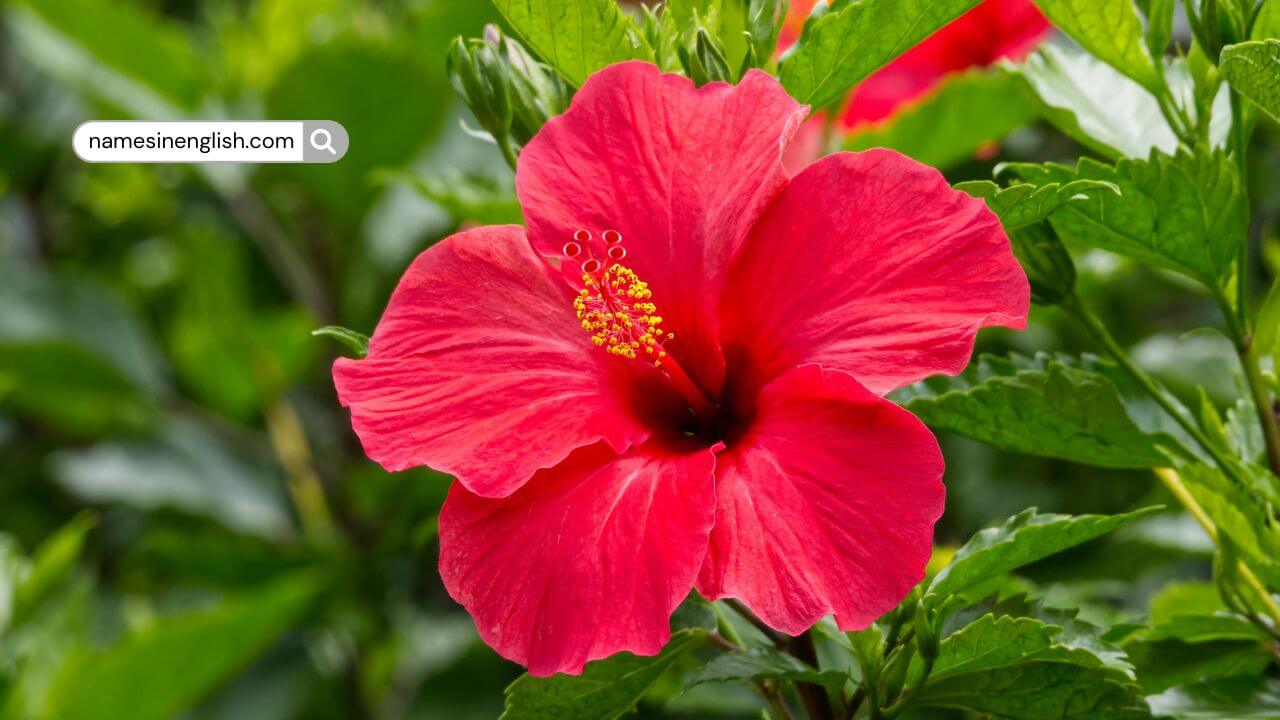
Hibiscus means beauty, fleeting charm, and delicate affection.
The name comes from the Ancient Greek word hibiskos, which originally referred to a marshmallow-like plant used for medicine and food. Over time, European botanists adopted the term to classify the tropical flowering shrubs we know today. So every time you say “Hibiscus,” you’re using a word that connects ancient medicine, exploration, and tropical beauty in one.
From Greek Hibiskos to English Mallow
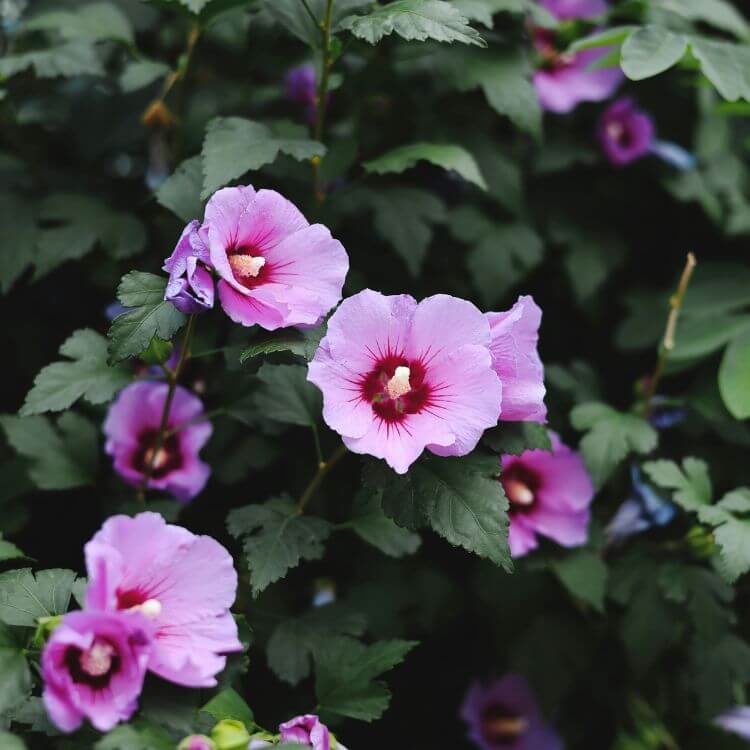
The word hibiscus comes from the Greek hibiskos, originally describing a marshmallow-like plant used in medicine and food. In Latin, the same plants were called malva, which became mallow in English.
When tropical hibiscus arrived in 18th-century England, gardeners and everyday people often called it a mallow because it looked similar to familiar plants. Botanists disagreed and insisted on using hibiscus for the tropical species, keeping it separate from European mallows.
This shows a small clash between formal science and everyday language. In ordinary gardens, hibiscus was a “mallow” for convenience. In botanical books, it was an exotic flower with its own name. Today, hibiscus is the scientific term, while mallow reminds us of its common, familiar relatives in the same Malvaceae family.
Pronunciation of Hibiscus
The word hibiscus is usually pronounced hi-BIS-kus. The emphasis is on the second syllable, BIS, while the first and last syllables are softer. Some people say hye-BIS-kus, especially in casual speech, but hi-BIS-kus is considered standard in dictionaries and by botanists. Saying it correctly connects you to centuries of history, from Greek to modern gardens around the world.
Hibiscus (hi-BIS-kus) Listen: [sc_embed_player fileurl="https://namesinenglish.com/wp-content/uploads/2026/03/hibiscus-english-pronunciation.mp3"]
Hibiscus and the Everyday Connection
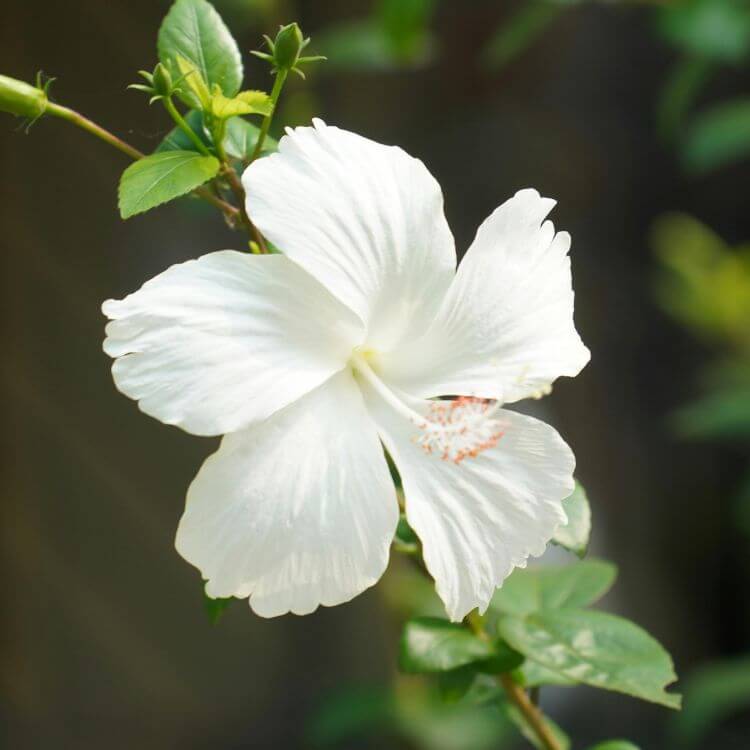
Hibiscus is part of the Malvaceae family, which includes plants you probably see or use every day, like okra, cotton, cocoa, and durian. Knowing this makes hibiscus feel familiar rather than just a tropical flower.
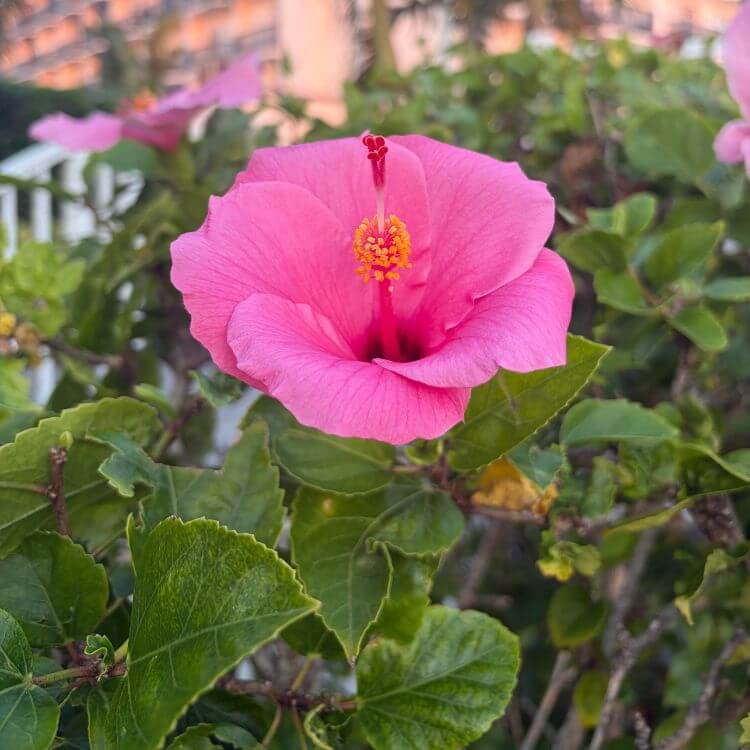
One of the flower’s most distinctive features is the stamen column, sometimes called a staminal tube. This is the “floral centerpiece” of the hibiscus. All the tiny male parts, called stamens, are fused together to form this single column that rises from the middle of the flower. At the tip sits the pistil, the female part. This structure is what makes hibiscus instantly recognizable and sets it apart from flowers like roses or lilies, which have separate stamens.
You can see the stamen column clearly in gardens, in hibiscus petals brewed for tea, and even in beauty products that use hibiscus for its color and antioxidants.
Hibiscus’ relation to other common plants:
| Plant | Relation to Hibiscus | Common Use |
|---|---|---|
| Okra | Same family | Culinary (pods) |
| Cotton | Same family | Textile production |
| Cocoa | Same family | Food (chocolate) |
| Durian | Same family | Fruit consumption |
| Marshmallow (Althaea) | Historical linguistic link | Traditional remedies & sweets |
This is now became easier to understand for you-why this flower is both scientifically interesting and visually striking.
Cultural and Regional History
Hibiscus is a flower that belongs to human culture as much as it does to nature. Its journey across regions has given it multiple names and symbolic meanings.
- Malaysia – Bunga Raya: In Malay, Bunga means flower and Raya means great or celebratory. When Malaysia gained independence, this flower was chosen as a national symbol representing courage, unity, and celebration. Its bright red petals are a reminder of strength and resilience.
- Philippines – Gumamela: Here, hibiscus is called Gumamela. The term is derived from local usage and reflects how the flower is integrated into everyday life. Children historically used the petals to create soap bubbles, while adults valued it in gardens and rituals.
- Hawaii and Polynesia: Hibiscus flowers are used in leis or tucked behind the ear to signal social messages. Left ear indicates someone is taken, right ear suggests they are single. The flower represents hospitality, beauty, and respect.
- Egypt and North Africa: Hibiscus, particularly Hibiscus sabdariffa, has been brewed as tea for centuries, called karkade. Beyond flavor, it was believed to have cooling properties and health benefits, especially in hot climates.
- Africa and the Caribbean: Hibiscus species were cultivated for dyeing fabrics, culinary uses, and medicine, illustrating that practical and aesthetic significance often go hand-in-hand.
Symbolism of Hibiscus
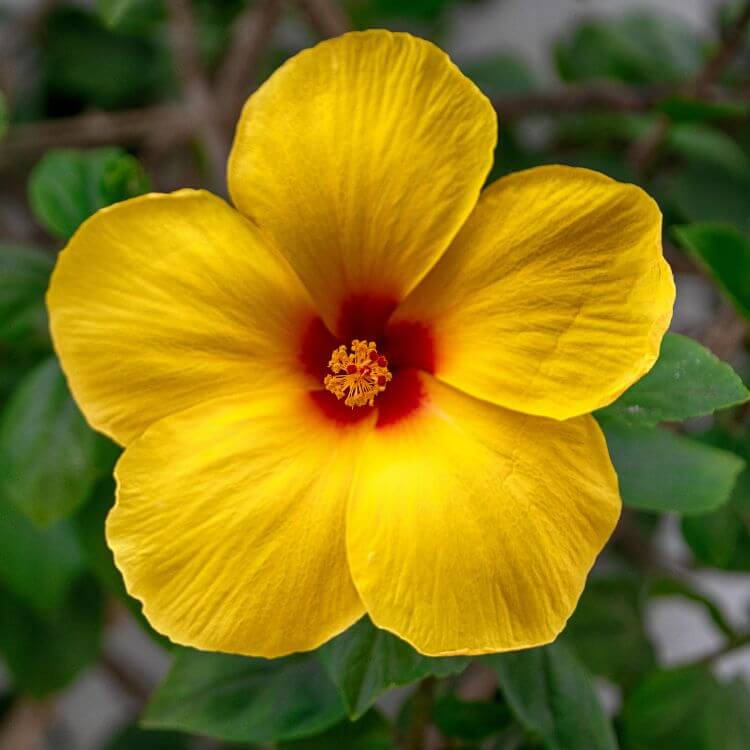
Hibiscus carries rich symbolic meaning across eras and cultures. Below is the color, historical meaning, modern interpretation, and occasions for use:
| Flower Color | Victorian Meaning | Modern Symbolism | Common Occasion |
|---|---|---|---|
| Red | Love and Passion | Deep affection, romantic gestures | Valentine’s Day, anniversaries |
| Yellow | Friendship, Cheer | Joy, platonic warmth | Birthdays, congratulations |
| Pink | Delicate admiration | Gentle affection | Appreciation, thank-you |
| White | Purity, Innocence | Peace, spiritual reflection | Sympathy, meditation |
| Purple | Nobility, Mystery | Wisdom, spiritual depth | Ceremonies, personal reflection |
Beyond color, hibiscus symbolizes fleeting beauty, reminding people that life is temporary and precious. Artists and writers often use hibiscus to convey delicate emotion, whether in tattoos, literature, or illustrations. Its stamen column and petal shape provide a recognizable, elegant form that conveys meaning without words.
Hibiscus in Daily Life and Creative Inspiration
Hibiscus is part of everyday human experience:
- Tea and Beverages: Hibiscus petals are brewed worldwide. Agua de Jamaica in Mexico and karkade in Egypt are just two examples. According to 2024 botanical research, hibiscus tea may support cardiovascular health due to natural antioxidants. Source: NCBI
- Gardening and Home Decor: Hibiscus blooms bring tropical energy to gardens and interiors. Its large, colorful petals are a favorite for gardeners and decorators aiming for natural vibrancy.
- Gifting: The flower communicates intention. Red for love, yellow for friendship, white for peace, and pink for gentle admiration. Unlike generic gifts, hibiscus conveys thoughtfulness and meaning.
- Creative Arts: Hibiscus inspires tattoo designs, prints, illustrations, and patterns. By focusing on its distinct shape and stamen column, artists create subtle, elegant representations that do not rely on color.
- Culinary Uses: Hibiscus petals are edible, often used to decorate dishes, cocktails, or desserts. This brings its symbolism and beauty into taste and experience.
FAQs About Origin of Hibiscus
How did hibiscus get its name?
It comes from the Greek word 'hibiskos,' used by ancient botanists to describe marsh mallow plants.
What is the meaning of 🌺?
This emoji is the Hibiscus flower, symbolizes exotic beauty, tropical vibes, and a summer vacation mood.
What is the English name for 🌺?
The common English name is Hibiscus, though some call it Rose of Sharon or Tropical Mallow.
How do you pronounce hibiscus 🌺?
It is pronounced 'hi-BIS-kus,' with the emphasis on the middle syllable.
What is the real name of hibiscus?
Its scientific name is Hibiscus, representing a genus of several hundred species in the mallow family.
Is hibiscus a love flower?
Yes; it symbolizes delicate beauty and passion, historically meaning 'the giver is consumed by love.'
Which country's national flower is hibiscus?
It is the national flower of Malaysia. The yellow variety is also the state flower of Hawaii.
What does the Bible say about hibiscus?
The Bible doesn't name it directly, though some link it to the 'Rose of Sharon' in the Song of Solomon.
Conclusion
Hibiscus name carries centuries of history, from Greek marshmallow plants to modern ornamental blooms. Its petals express love, beauty, and cultural depth, and its stamen column makes it instantly recognizable.
Plant a hibiscus, gift one to someone special, or enjoy it in tea. Each bloom carries stories, symbolism, and human experience. To explore more about flowers, check out:
- Why Are Sunflowers Named After the Sun?
- Where Did the Forget-Me-Not Flower Get Its Name?
- 78 Amazing A to Z Flowers
- National Flowers of Countries Around The World
Hibiscus shows how language, culture, and nature intertwine, turning a simple flower into a story we can see, taste, and experience.