
Flowers have different meanings in cultures around the world, and some are linked with themes like loss, remembrance, and farewell. These flowers are often used in funerals, memorials, and quiet moments of reflection to express deep emotions without words. Learning about flowers that represent death helps students and readers understand the symbolic meanings behind these plants. In this article, you will learn 20 flowers associated with death with their names and pictures, making it easier to recognize them and learn how they are used to show respect, memory, and emotion.
Table of Contents
ToggleWhy Flowers Are Important in Death Ceremonies
Flowers were chosen because they offer a natural and gentle way to express feelings during times of loss. Their beauty, fragrance, and short life reflect the reality of life and death. They are easy to share, widely understood, and accepted in many cultures. Flowers help show respect, love, and remembrance in a quiet and meaningful way when words feel difficult.
Flowers Commonly Used at Funerals
Flowers commonly used at funerals are chosen for their calm appearance and deep meanings. Flowers like lily, rose, carnation, and chrysanthemum are often used in funeral services, wreaths, and sympathy bouquets. They usually come in soft colors and simple shapes, and they symbolize peace, love, respect, remembrance, and farewell, helping people express grief and honor the person who has passed away in a quiet and meaningful way.
How to Choose the Right Sympathy Flower
Choosing the right sympathy flower shows respect and care during a difficult time. Simple, soft flowers like lilies, roses, carnations, and chrysanthemums are often chosen because they represent peace, love, and remembrance. White flowers symbolize purity and peace, while light colors express kindness and support.
Emotional & Symbolic Importance of Flowers
Flowers help people express feelings when words are not enough. Their soft colors, natural beauty, and quiet presence bring comfort during times of loss. Each flower carries a meaning, allowing people to show love, respect, grief, and remembrance in a simple way. They create a peaceful environment, support emotional healing, and offer a gentle way to honor someone who has passed away without needing to speak.
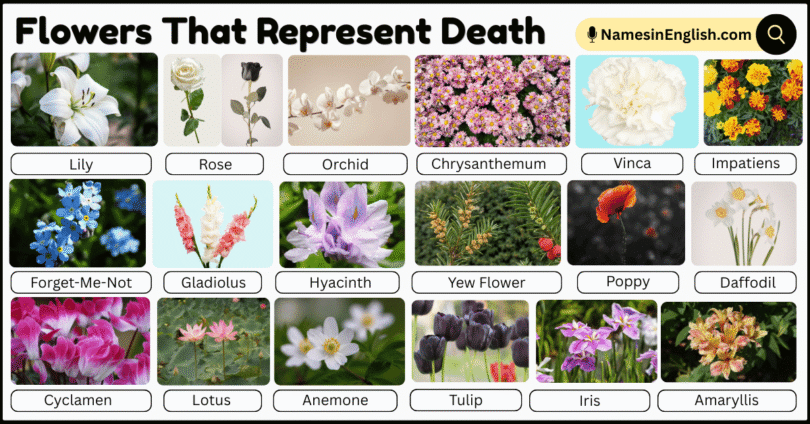
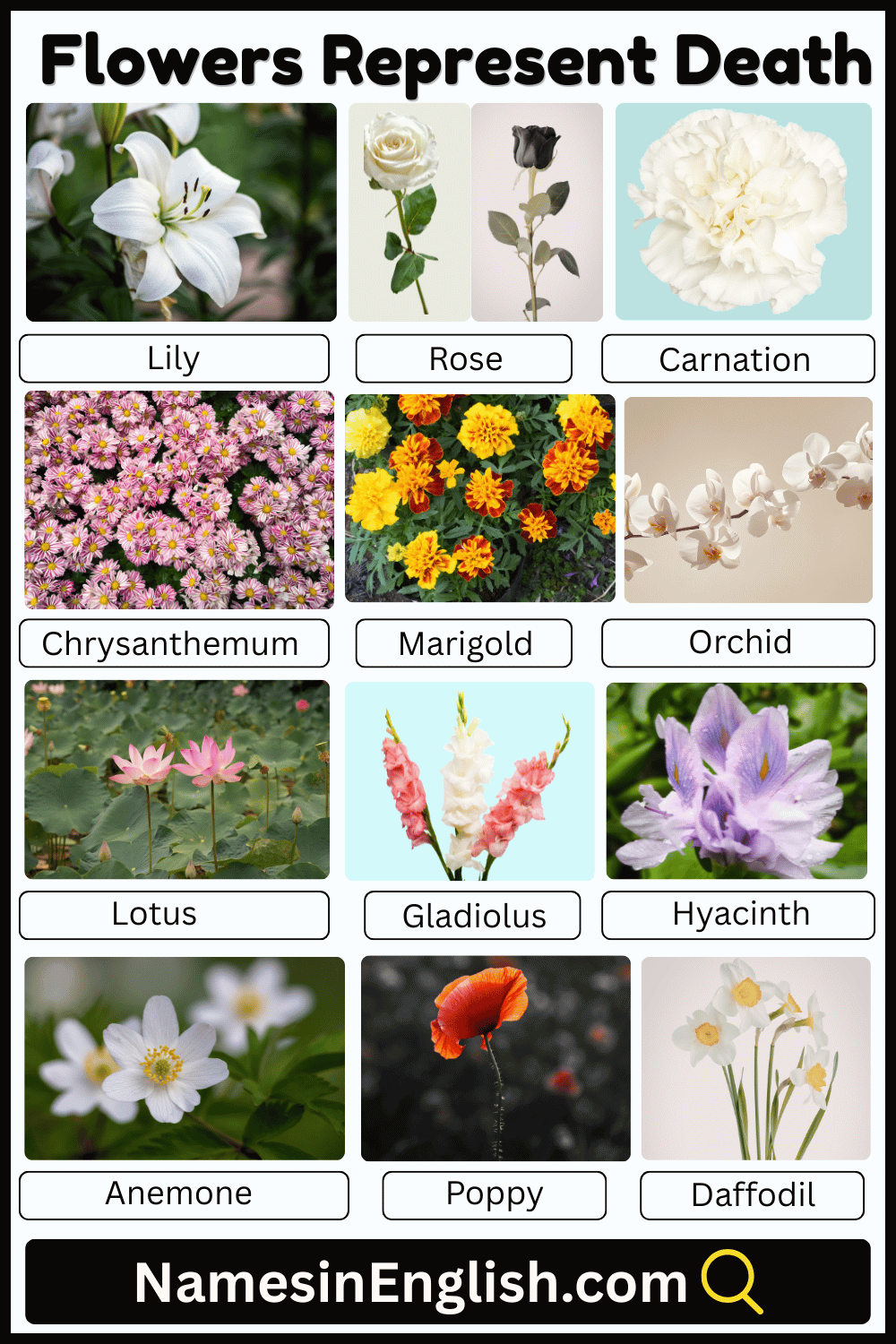
20 Flowers That Represent Death with Names
- Lily
- Chrysanthemum
- Rose (Black / White)
- Carnation (White)
- Marigold
- Orchid
- Gladiolus
- Hyacinth (Purple)
- Poppy
- Daffodil (White)
- Lotus
- Zinnia
- Anemone
- Tulip (Dark)
- Forget-Me-Not
- Iris
- Cyclamen
- Yew Flower
- Hellebore
- Amaryllis
Flowers that Symbolize death with Names and Pictures
- Lily
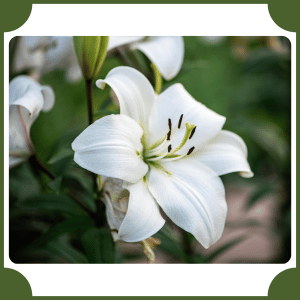
A lily is a large, trumpet-shaped flower with smooth petals and a soft fragrance, usually found in white or light colors. It grows in gardens across Europe and Asia. It is commonly used in funerals and symbolizes purity, peace, and the soul’s return.

- Chrysanthemum
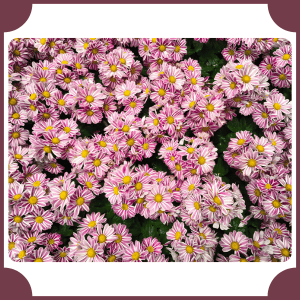
Chrysanthemum is a round, layered flower with many petals, found in colors like white, yellow, and purple. It grows widely in Asia and Europe. It is often used in grave decorations and symbolizes mourning, respect, and remembrance in many cultures.

- Rose (Black / White)
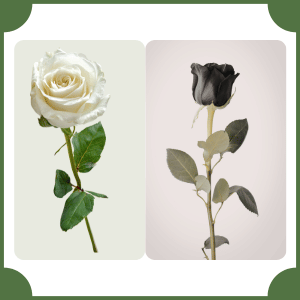
Roses are classic flowers with soft petals and a strong scent, grown worldwide in many shades. Black and white roses are commonly used in memorials and funerals. They symbolize farewell, loss, respect, and deep emotions connected to death.

- Carnation (White)
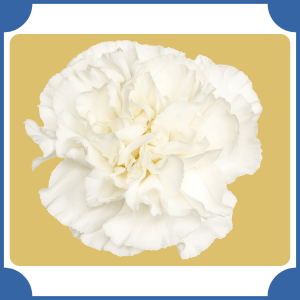
White carnation is a soft, ruffled flower with a gentle scent, commonly grown in Mediterranean regions. It is widely used in funeral arrangements and sympathy bouquets. It symbolizes pure love, innocence, and lasting remembrance for someone who has passed away.

- Marigold
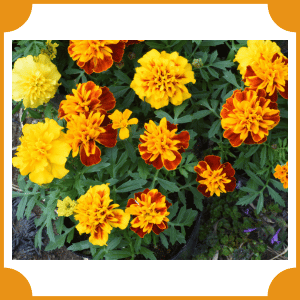
Marigold is a bright flower with layered petals in orange and yellow shades, commonly found in warm regions like India and Mexico. It is used in death rituals and festivals. It symbolizes the connection between life and death and guides spirits.

- Orchid
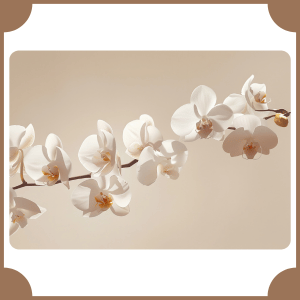
Orchid is a delicate and elegant flower with unique shapes and patterns, found in tropical regions. It is often used as a sympathy gift during times of loss. It symbolizes eternal love, strength, and the idea that love continues even after death.

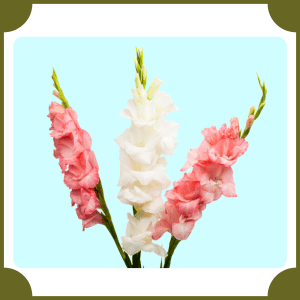
- Gladiolus
Gladiolus is a tall flower with multiple blooms arranged along a long stem, found mainly in Africa and Mediterranean areas. It is used in funeral displays. It symbolizes strength, honor, and remembrance of the person who has passed away.

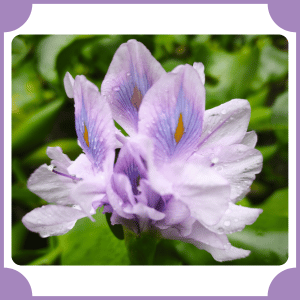
- Hyacinth (Purple)
Purple hyacinth is a small, clustered flower with a strong fragrance, commonly grown in Mediterranean regions. It is used in mourning settings. It symbolizes sorrow, regret, and deep emotional pain after losing someone close.

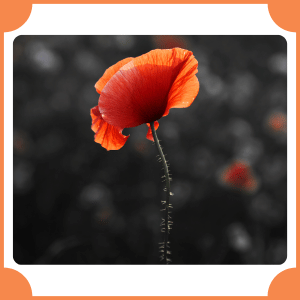
- Poppy
Poppy is a soft, delicate flower with thin petals, often red or white, found in many parts of Europe. It is used in memorials, especially for soldiers. It symbolizes eternal sleep, peace, and remembrance of those who have died.

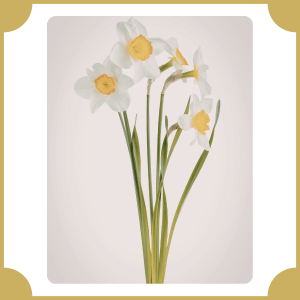
- Daffodil (White)
White daffodil is a simple, trumpet-shaped flower with soft petals, mainly found in Europe. It is used in memorial gardens and peaceful ceremonies. It symbolizes hope, renewal, and the belief in life after death.

- Lotus
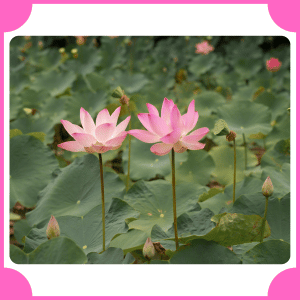
Lotus is a water flower with wide petals and a calm appearance, commonly found in Asian regions. It grows in ponds and lakes. It is used in religious ceremonies and symbolizes spiritual rebirth, purity, and the journey after death.

- Zinnia
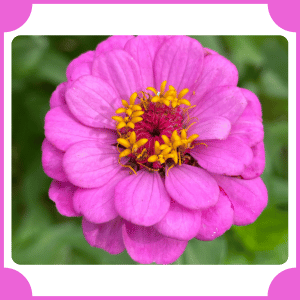
Zinnia is a bright, round flower with layered petals, found mainly in Mexico and warm climates. It is used in remembrance events and memorial gardens. It symbolizes lasting memory, friendship, and thoughts of those who have passed away.

- Anemone
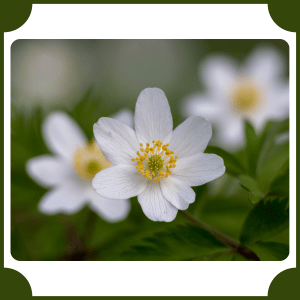
Anemone is a soft flower with thin petals and a dark center, commonly found in Europe. It is used in symbolic floral arrangements. It represents loss, death, and forgotten or lost love connected to someone who is no longer alive.

- Tulip (Dark)
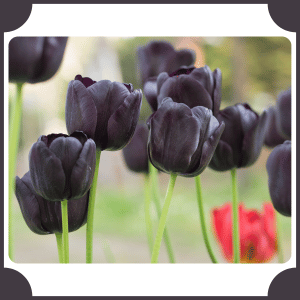
Dark tulips are smooth, cup-shaped flowers found in deep shades like purple and red, originally from Central Asia. They are used in simple funeral settings. They symbolize farewell, deep respect, and a quiet goodbye to the deceased.

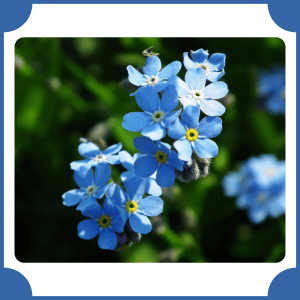
- Forget-Me-Not
Forget-me-not is a small blue flower with tiny petals, commonly found in Europe and cool climates. It is placed on graves and used in remembrance. It symbolizes memory, loyalty, and the desire to never forget loved ones.

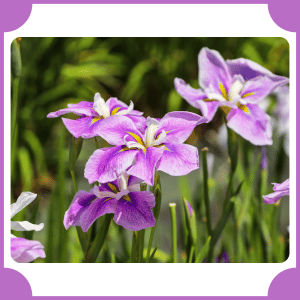
- Iris
Iris is a tall flower with unique, curved petals, often found in Europe and North America. It is used in funeral ceremonies. It symbolizes hope, faith, and the connection between the living world and the soul’s journey after death.

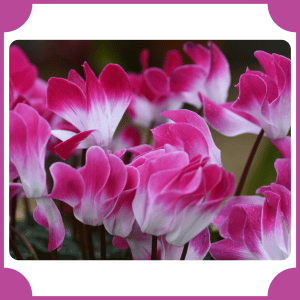
- Cyclamen
Cyclamen is a small flower with upward-curved petals, usually found in Mediterranean regions. It is used as a sympathy plant during loss. It symbolizes goodbye, separation, and the gentle departure of someone from life.

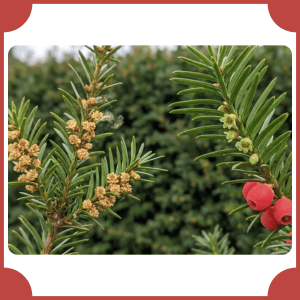
- Yew Flower
Yew is a tree that produces small flowers and berries, commonly found in Europe and often planted near cemeteries. It is linked with funeral grounds. It symbolizes death, immortality, and the idea of life continuing after death.

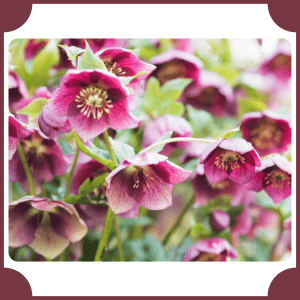
- Hellebore
Hellebore is a winter-blooming flower with soft petals, found in Europe. It grows in cold conditions and shaded areas. It is used in symbolic meanings and represents death, mystery, and the darker side of life and human emotions.

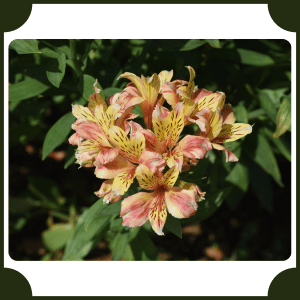
- Amaryllis
Amaryllis is a large, bold flower with wide petals, commonly found in South America. It is used in indoor displays and memorial settings. It symbolizes strength, pride, and beauty that remains even after someone has passed away.

Flowers that Symbolize death with Names and Pictures
Flower Colors and Their Meaning in Death
Flower colors carry clear meanings in times of loss. In funerals and memorials, colors are chosen carefully because they express emotions, respect, and beliefs without words. Different colors are linked with different feelings, and each one is used to show a specific message about death, remembrance, and the afterlife.
- White
White is the most common color used in funeral flowers. It represents peace, purity, and innocence. White flowers are widely used in funeral services and sympathy arrangements because they create a calm and respectful atmosphere. - Red
Red flowers show deep love and strong emotions. They are used in funerals to express respect and lasting connection with the person who has passed away. - Yellow
Yellow flowers are linked with friendship and remembrance. They are used to honor memories and celebrate the life of the deceased in a gentle and warm way. - Pink
Pink flowers represent grace, kindness, and admiration. They are often used in sympathy bouquets to show care and soft emotions during times of loss. - Purple
Purple is a color of sorrow and dignity. It is used in mourning arrangements to express respect, honor, and a sense of quiet sadness. - Blue
Blue flowers are calm and peaceful in appearance. They symbolize comfort and serenity, making them suitable for memorial settings. - Orange
Orange flowers are bright and meaningful in certain cultures. They are used in rituals and represent warmth, energy, and the cycle of life and death. - Black (Dark Shades)
Black or very dark-colored flowers are strongly linked with death and farewell. They are used in symbolic arrangements to show final goodbye and deep grief.
Cultural Meanings of Death Flowers
Flowers linked with death carry deep meanings in different cultures. The same flower can show grief in one place and respect or even hope in another. These meanings come from long traditions, religious beliefs, and local customs. Understanding these cultural meanings helps in choosing the right flowers for funerals, memorials, and remembrance events.
Asia
In many Asian countries, flowers are closely connected with mourning and respect for the dead.
Chrysanthemum is the most recognized death flower in places like Japan, China, and Korea. It is often placed on graves and used during remembrance ceremonies. It symbolizes grief, honor, and farewell.
Lotus is also important, especially in spiritual traditions. It represents rebirth, purity, and the soul’s journey after death. It is commonly used in religious rituals and memorial spaces.
Europe
In Europe, funeral flowers focus on respect, peace, and remembrance.
Lily is widely used in funerals and churches. It symbolizes purity and the peaceful return of the soul. White lilies are especially common in memorial services.
Poppy has a strong connection with remembrance, especially for soldiers who died in wars. It represents eternal sleep and honor. Many European countries use poppies during remembrance days.
Latin America
In Latin American cultures, death is remembered with color, tradition, and celebration.
Marigold is the most important flower, especially during Day of the Dead celebrations in Mexico. Its bright color and strong scent are believed to guide spirits back to the world of the living.
These flowers are used to decorate graves and altars, symbolizing connection, memory, and respect for ancestors.
United States and Western Cultures
In the United States and other Western countries, funeral flowers express sympathy and emotional support.
Roses, especially white and dark shades, are used to show love, respect, and farewell. White roses symbolize peace, while darker tones reflect loss.
Carnations, especially white ones, are also common in funerals. They represent pure love and lasting remembrance. These flowers are often used in wreaths and sympathy arrangements.
Middle East
In many Middle Eastern traditions, flowers used in funerals are simple and respectful.
Iris is sometimes linked with mourning and spiritual connection. It represents faith and the idea of a message between the living and the dead.
Flowers to Avoid at Funerals
Choosing flowers for a funeral requires care because not every flower carries a suitable meaning. Some flowers are linked with celebration, romance, or strong positivity, which can feel out of place in a moment of grief. In many cultures, using the wrong flowers may unintentionally send the wrong message. Below are flowers that are generally avoided at funerals and the reasons behind it.
- Bright and Party-Like Flowers
Flowers that are too bright or festive are usually avoided because they create a cheerful mood instead of a respectful one. Very bold mixed-color bouquets may look more suitable for celebrations than mourning. - Sunflowers
Sunflowers are large, bright, and strongly associated with happiness and energy. They symbolize joy, positivity, and long life, which does not match the calm and sorrowful atmosphere of funerals. - Gerbera Daisies
Gerbera daisies come in vivid colors and are often used in birthday or congratulatory arrangements. Their cheerful appearance makes them less appropriate for expressing grief or loss. - Bright Mixed Tulips
Tulips in bright, mixed colors are often linked with spring celebrations and happy occasions. While simple tulips can be used respectfully, very colorful mixes may feel too lively for funeral settings. - Yellow Roses (in some cultures)
Yellow roses usually symbolize friendship and joy. In certain cultures, they are seen as too cheerful for mourning, although meanings can vary depending on tradition. - Orchids in Bright Shades (in casual arrangements)
While orchids can be used in sympathy gifts, very bright or decorative orchid arrangements may feel more like luxury gifts than funeral flowers, which can reduce their emotional suitability.
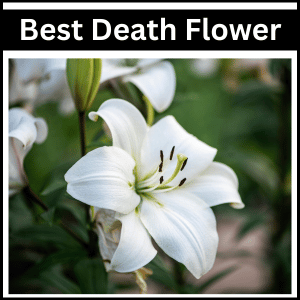
What is the best Flower that represent Death?
The best flower that represents death is the Lily. It is widely used in funerals and memorial services because it has a calm, pure appearance and carries a strong symbolic meaning. White lilies especially represent peace, purity, and the soul returning to a peaceful state after death.
Learn More Helpful Articles