
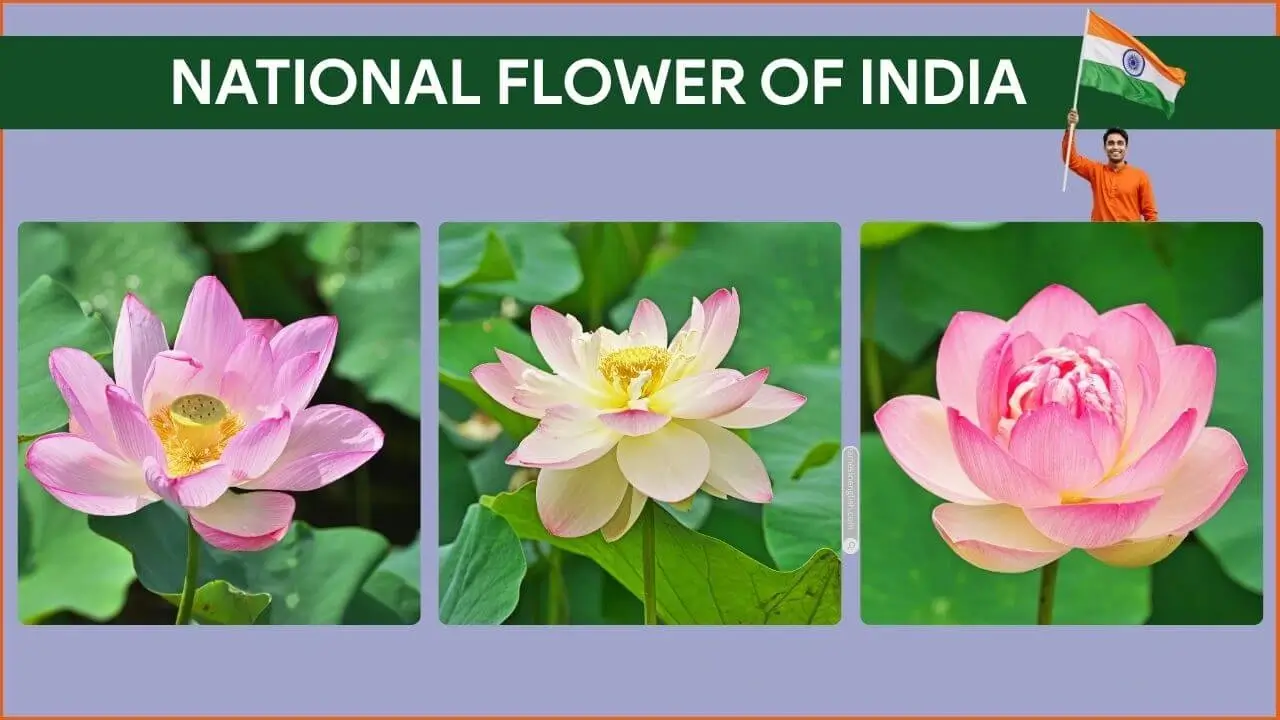

The National Flower of India is the magnificent lotus, a beautiful bloom that symbolizes purity, strength, wisdom, and spiritual growth. Rising gracefully from muddy waters while remaining clean and vibrant, the lotus has inspired people for centuries and holds a special place in India’s culture, traditions, art, and religions. Understanding the National Flower of India helps us appreciate the country’s rich heritage and the deep meaning behind its national symbols. In this article, you’ll learn why the lotus was chosen as India’s national flower, its cultural and religious significance, fascinating facts, and its lasting importance in everyday life.
What is National Flower of India?
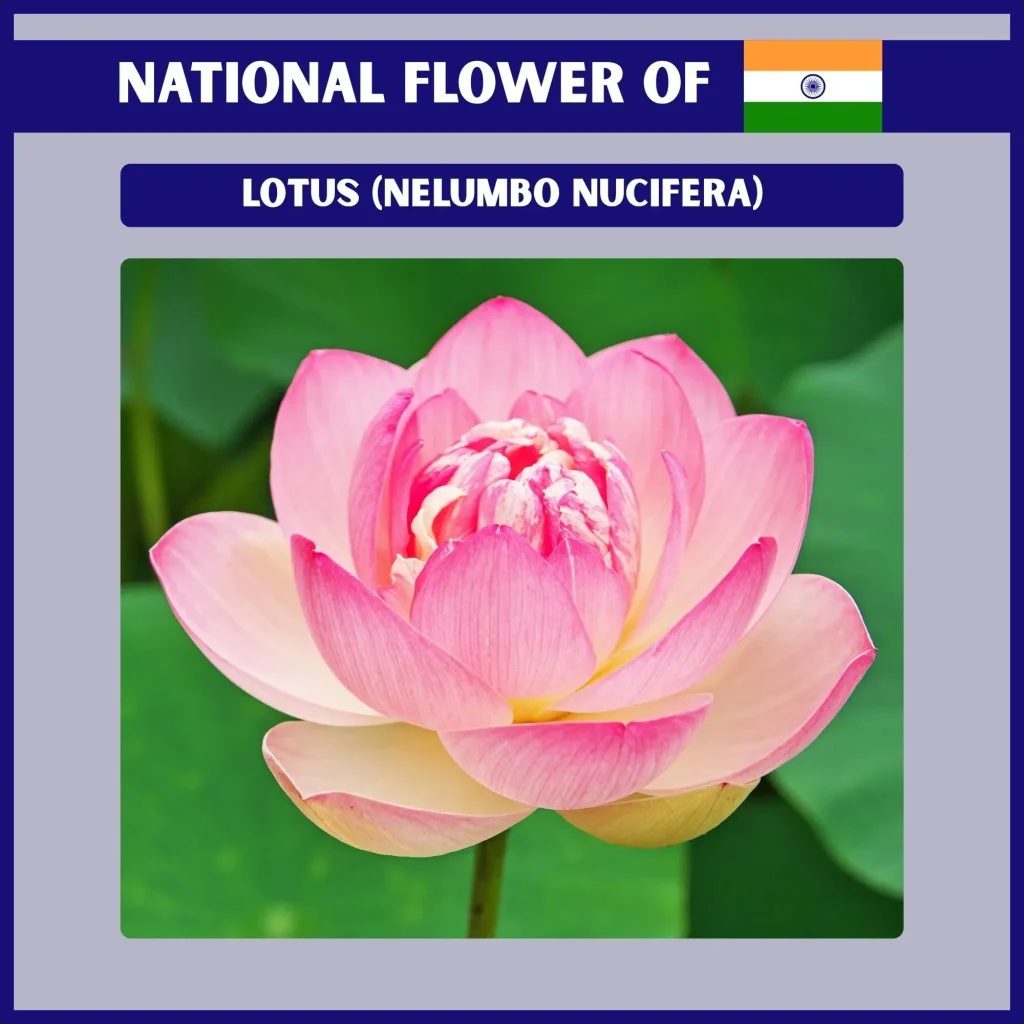
The lotus is officially recognized as the National Flower of India. This aquatic plant grows naturally in ponds, lakes, and slow-moving rivers across the country. Its large, fragrant flowers bloom in shades of white, pink, and sometimes yellow, rising above the water on long stalks.
The lotus’s ability to stay pure and beautiful despite growing in muddy water is remarkable. This unique quality has made it a powerful symbol of purity and spiritual awakening in Indian culture.
Botanical Features of the Lotus
The lotus (Nelumbo nucifera) is a perennial aquatic herb with broad leaves that repel water. The flower itself can grow from 4 to 12 inches in diameter, with layers of delicate petals. Its seeds are known for extraordinary longevity, sometimes sprouting after centuries, symbolizing rebirth and immortality.
Beyond its beauty, the lotus’s root is edible and widely used in Indian cooking, while its leaves and seeds are valued for medicinal uses.
Cultural and Religious Importance of National Flower
The lotus holds great importance in Hinduism, Buddhism, and Jainism, the major religions of India.
In Hinduism, gods and goddesses like Lakshmi and Vishnu are often shown with lotus flowers, symbolizing purity and divine power. The flower’s emergence from muddy waters symbolizes spiritual growth and detachment from materialism.
In Buddhism, the lotus represents enlightenment-the journey from ignorance to awakening. Its role in Buddhist art and teachings is significant, symbolizing purity of mind and body.
In Jainism, the lotus symbolizes the soul’s journey to liberation, making it a universally revered spiritual icon in India.
Historical and Artistic Presence
The lotus has been a key symbol in Indian art and history for thousands of years. It appears in temple carvings, ancient murals, and national emblems, including India’s official emblem alongside the Ashoka Chakra.
Its image also graces currency, government documents, and cultural artworks, symbolizing beauty, harmony, and purity.
Ecological Role and Habitat of Lotus
The lotus plays a vital role in India’s freshwater ecosystems. Its broad leaves provide shade and shelter to aquatic life, helping regulate water temperature and reduce algae growth. The flowers attract pollinators like bees, supporting biodiversity.
This flower thrives in India’s tropical and subtropical climates, preferring still or slow-moving waters. Lotus fields are often scenic spots, attracting visitors and nature lovers.
Practical Uses of the Lotus
Besides its symbolic importance, the lotus has many practical uses. Lotus seeds, called makhana, are nutritious snacks rich in protein and antioxidants. The roots are a popular ingredient in Indian cuisine, adding crunch and flavor.
Medicinally, lotus parts are used in Ayurveda to treat inflammation, digestive issues, and skin problems. Lotus extracts are also common in beauty products for their soothing effects.
In religious ceremonies, lotus flowers are widely used as offerings, symbolizing purity and devotion.
Interesting Facts About National Flower of India You Should Know
The lotus is sometimes called the “Sacred Water Lily,” though it differs botanically from true water lilies.
It closes at night and sinks underwater, then rises and blooms again with sunlight, symbolizing renewal.
The lotus has inspired Indian poets, artists, and dancers throughout history.
It symbolizes non-attachment, teaching to stay unaffected by life’s negativity.
Conclusion: Embracing the National Flower of India
The National Flower of India, the lotus, is a symbol of beauty, spirituality, and endurance. Its ability to thrive in challenging conditions while maintaining purity mirrors India’s own spirit. Rich in cultural, religious, and ecological significance, the lotus remains an inspiring emblem for generations.
Admired in gardens, temples, and natural habitats, the lotus continues to be a timeless symbol representing India’s heritage and identity to the world.
Related Blogs You’ll Love
If you enjoyed learning about the National Flower of India, you might also like these: