
Flowers often represent a country’s history, culture, and national identity, and the National Flower of Turkey is no exception. Known for its deep connection to Turkish heritage, this beautiful flower symbolizes beauty, prosperity, and cultural pride while reflecting centuries of tradition and artistic influence. In this article, you’ll learn what the National Flower of Turkey is, its meaning, symbolism, fascinating history, and why it continues to hold a special place in the hearts of the Turkish people. Whether you’re a student, traveler, or flower enthusiast, this guide will give you a clear and engaging understanding of this iconic national symbol.
What is the National Flower of Turkey
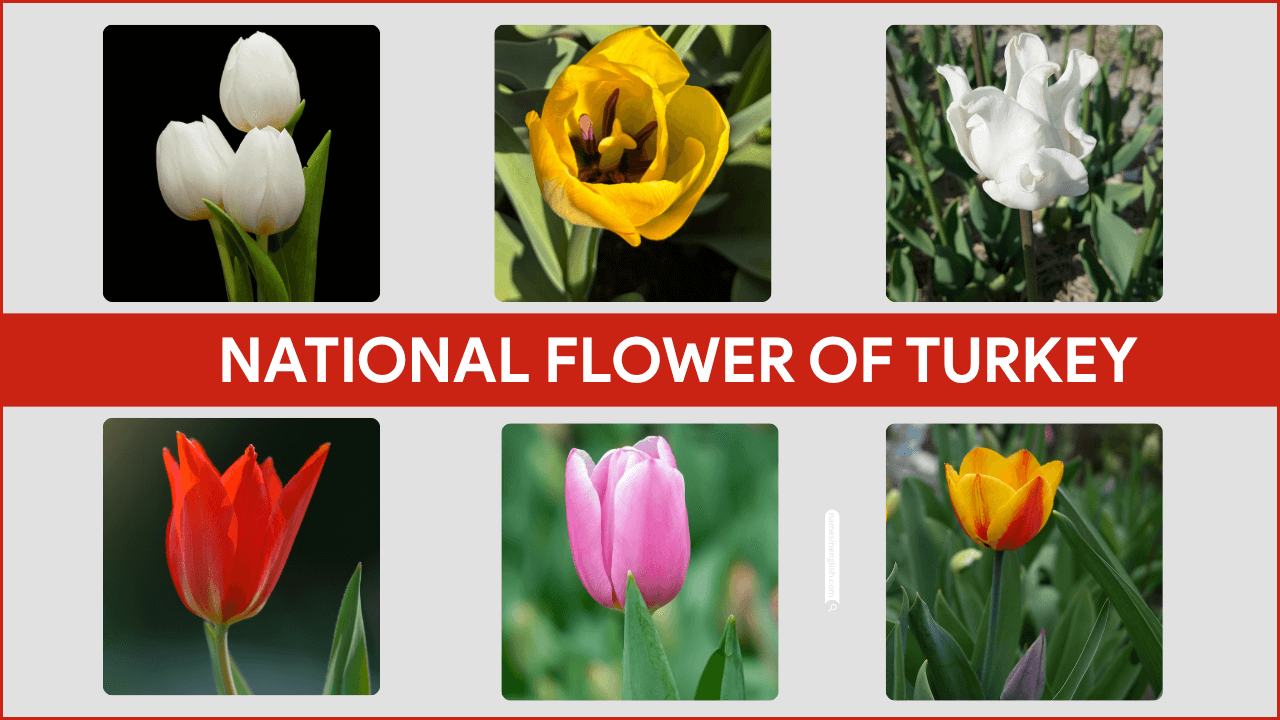
Many people think of the Netherlands when they see tulips, but in reality, the National Flower of Turkey is the Tulip (Tulipa spp.) – a flower that originated in the heart of Anatolia long before it reached Europe.
The tulip holds deep cultural, historical, and spiritual meaning in Turkey, symbolizing love, beauty, and divine perfection. From the Ottoman Empire to modern-day Istanbul, this graceful flower has remained an everlasting emblem of national pride.
The Story Behind the National Flower of Turkey
The tulip’s journey began in the Ottoman Empire, where it became a powerful symbol of elegance and abundance. During the 16th and 17th centuries, Istanbul entered its famous “Tulip Era” (Lâle Devri) – a golden age marked by peace, art, and celebration of beauty.
Sultans such as Ahmed III cultivated rare tulip varieties in palace gardens. Artists and poets immortalized the flower in Turkish tiles, fabrics, and manuscripts. For Ottomans, the tulip was not just decoration – it represented paradise on earth and harmony in creation.
Symbolism of Turkey’s National Flower
In Turkish culture, the tulip symbolizes love, purity, and perfection. The Turkish word for tulip, “lale,” shares the same Arabic letters as “Allah,” giving it a sacred spiritual meaning.
The tulip’s upright shape and balanced petals represent the unity between body and soul, and the simple beauty of divine creation. That’s why it continues to appear in Turkish art, poetry, and architecture even today.
The Tulip’s Role in Modern Turkey
Even in modern times, the National Flower of Turkey continues to be a cherished national symbol. Every spring, Istanbul celebrates the Istanbul Tulip Festival, where over 30 million tulips bloom across parks, mosques, and streets – creating breathtaking scenes of color.
This annual event honors the flower’s Ottoman roots and attracts visitors from all over the world. The tulip motif is also proudly featured in Turkish Airlines branding, tourism materials, and cultural logos – a living link between Turkey’s history and present.
Botanical Profile of the Tulip
| Feature | Detail |
|---|---|
| Scientific Name | Tulipa spp. |
| Family | Liliaceae |
| Native Region | Central Asia and Anatolia (Turkey) |
| Blooming Season | Spring (March–May) |
| Colors | Red, yellow, pink, white, purple, and orange |
| Symbolism | Love, balance, perfection, and spiritual beauty |
Interesting Facts About the National Flower of Turkey
- True Origin: Tulips were cultivated in the Ottoman Empire centuries before the Dutch made them famous.
- Cultural Icon: Tulip patterns appear in Turkish mosques, carpets, and calligraphy.
- Festival Legacy: The Istanbul Tulip Festival has celebrated this flower since 2006.
- Economic Symbol: Tulips contribute to Turkey’s ornamental plant exports.
- National Pride: The tulip represents the harmony between tradition and modern beauty in Turkish culture.
How to Grow Tulips Like in Turkey
If you want to grow the National Flower of Turkey at home, here’s how:
Planting Time: In autumn (October–November)
Soil Type: Well-drained and slightly sandy
Sunlight: Full to partial sun
Watering: Moderate – keep soil moist but not soggy
Bloom Time: Early to mid-spring
For best results, chill the bulbs before planting to mimic Turkey’s natural cold winter conditions.
Final Thoughts
The National Flower of Turkey -the Tulip – is not just a bloom; it’s a living symbol of the country’s rich culture, artistic heritage, and spiritual harmony. Whether in Ottoman palaces or Istanbul’s modern gardens, the tulip continues to represent Turkey’s enduring connection to beauty and tradition.
Related Flower Guides
If you enjoyed learning about the National Flower of Turkey, explore these colorful guides to discover more fascinating blooms:
Flower Names for Boys: 23 Unique Baby Names Inspired by Flowers
Orange Flowers with Names and Pictures – 25 Beautiful Blooms
These guides feature beautiful images and helpful tips to bring nature’s most stunning colors into your garden.