The state flower of Virginia is often noticed long before people learn its name, mainly because it marks the start of spring in the most charming way. You’ll see its blooms brightening quiet neighborhoods, adding color to forest paths, and appearing in celebrations across the state. Many residents recognize it instantly, not just for its soft beauty, but for the way it reflects Virginia’s character.
This bloom didn’t become a symbol by chance. Its story mixes history, meaning, and a presence that makes you pause and appreciate the season. Before revealing what this iconic flower is, let’s look at why it matters so much to people across Virginia.
Difference Between State Flower and National Flower
A national flower represents an entire country and often symbolizes its culture, history, or values on a broad scale. In contrast, a state flower is designated by individual states or regions within a country to represent their unique natural heritage and identity. While national flowers have widespread recognition, state flowers highlight local pride and biodiversity.
What Is the State Flower of Virginia?
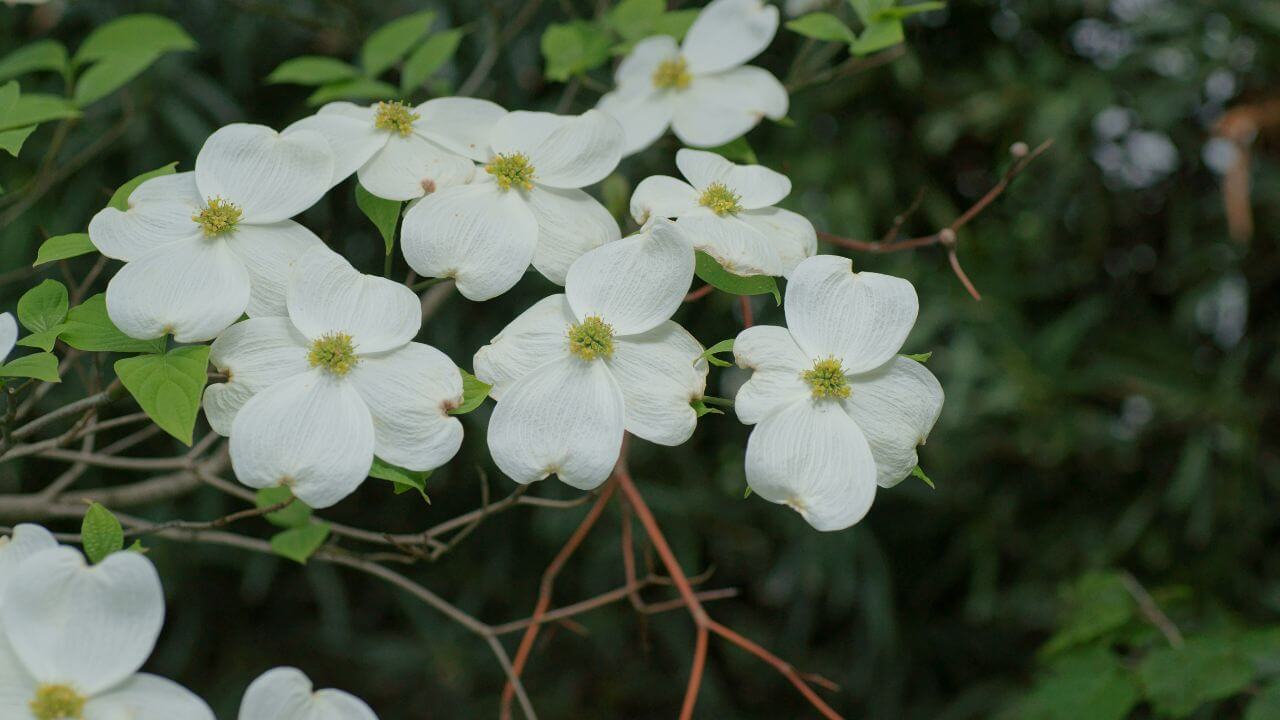
The state flower of Virginia is the American Dogwood, a spring-blooming tree known for its soft petals, gentle colors, and long-standing relationship with the region. Virginia officially adopted the Dogwood in 1918, and later honored the same tree as its state tree as well, making it one of the few states with a shared floral and arboreal symbol.
Why the Dogwood Was Chosen for Virginia
The Dogwood became Virginia’s state flower because it represents resilience, beauty, and strong ties to the land. The tree thrives across the state’s mountains, valleys, and coastal regions. Lawmakers at the time also admired its visual appeal during spring, when Dogwood trees seem to blanket the state with white and pink blooms.
Many local communities were already using Dogwood branches for decorations and festivals, so its adoption simply formalized a symbol that Virginians deeply valued.
State Flower of Virginia Meaning
The meaning tied to the Dogwood flower goes beyond its looks. Across generations, the bloom has symbolized rebirth, hope, and renewal, mainly because it appears early in spring when landscapes shift out of winter’s dullness.
Symbolism in American Folklore
Dogwood flowers carry a strong presence in American folklore. Stories describe the tree as humble and modest, often linked to themes of kindness and inner strength. While these tales are not scientific, they’ve become part of regional storytelling that gives the flower sentimental value in families and communities.
Some people also see the Dogwood as a symbol of endurance because these trees can live for decades, continuing to bloom even in challenging climates.
Dogwood Flower Appearance and Identification
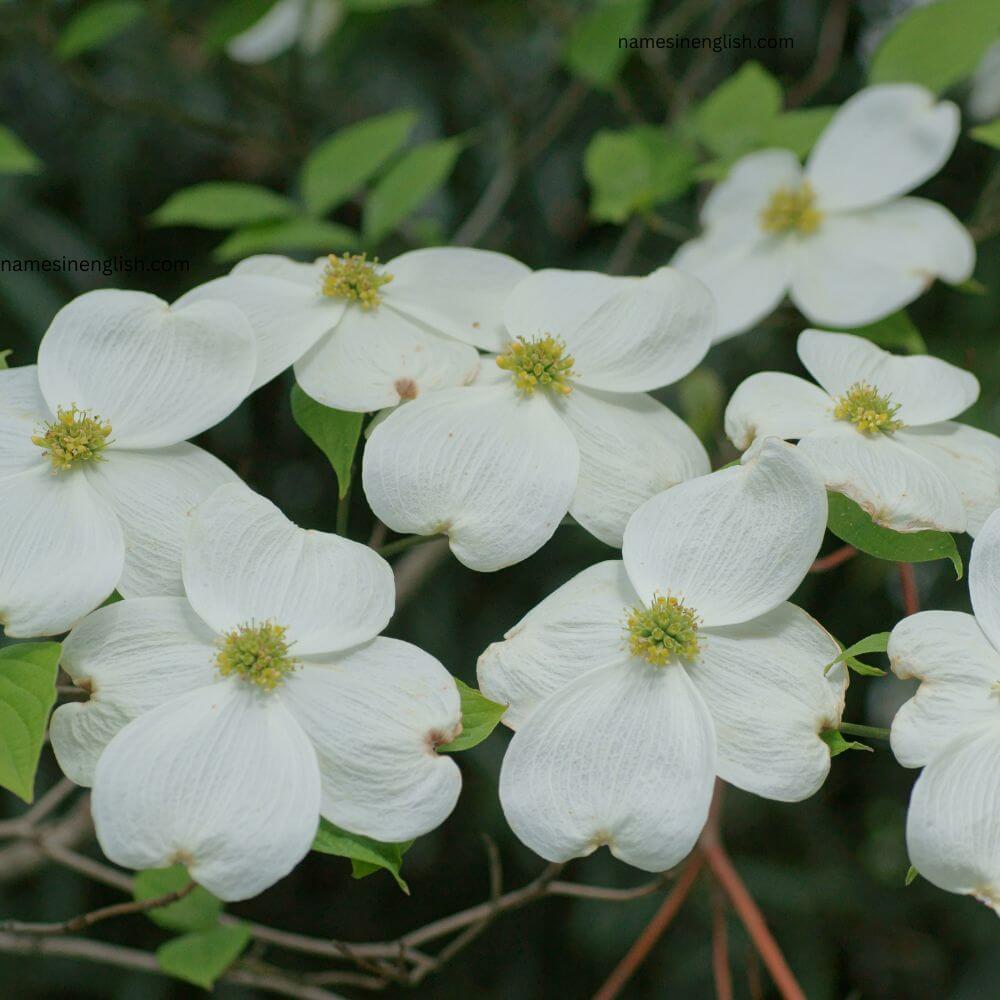
If you’ve ever walked through Virginia between March and May, you’ve likely spotted Dogwood flowers without realizing it. They’re easy to identify because of a few signature traits:
- Blossoms shaped like four petals, often creamy white or soft pink
- A small cluster of greenish-yellow flowers at the center
- Delicate edges on the petals that appear slightly rounded
- A branching pattern that spreads horizontally, creating a layered look
These flowers usually open before many other trees leaf out, which makes them stand out across hillsides and neighborhoods.
Botanical Facts About the Dogwood
Here are some simple botanical details that help explain why the Dogwood is such a strong fit for Virginia:
- Scientific name: Cornus florida
- Lifespan: Often 80+ years with proper care
- Height: Typically 15 to 30 feet
- Native range: Eastern United States, including all parts of Virginia
- Blooming season: Early spring
- Growth habit: Prefers partial shade and well-drained soil
Dogwoods are known for blooming reliably even after harsh winters. Their consistent performance highlights why the species remains highly valued throughout the state.
Dogwood vs West Virginia State Flower
Many people confuse the floral symbols of Virginia and West Virginia, so here’s the quick comparison:
Virginia’s state flower: American Dogwood
West Virginia’s state flower: Rhododendron
The Rhododendron grows as a shrub with large clusters of bright flowers, while the Dogwood grows as a tree with individually distinct blossoms. Both are beautiful, but they represent very different landscapes and plant families.
Searchers often compare the two because of their similar names, but their state flowers are completely different.
Why States Choose Flowers
State flowers are more than decorations. They help preserve local history, highlight native species, and connect communities to their environment. For example, Virginia chose the Dogwood partly because it was already part of everyday life—seen in gardens, hillsides, and seasonal festivals.
These selections also encourage conservation. When a flower becomes a state symbol, people naturally care more about protecting it and supporting the environment it grows in.
How Dogwood Strengthens Virginia’s Identity
The Dogwood plays a visible role in the state’s image. You’ll find it in public parks, tourism brochures, and even local art. During spring, entire regions celebrate its bloom, turning the season into something residents look forward to.
Key Takeaways
- The state flower of Virginia is the American Dogwood.
- It symbolizes renewal, hope, and natural beauty.
- Dogwood flowers are easy to recognize with their four-petal look and soft colors.
- Virginia selected the Dogwood in 1918 because of its abundance and cultural value.
- It differs completely from the West Virginia state flower, which is the Rhododendron.
- Dogwood blooms continue to shape the state’s seasonal identity and charm.
Final Thoughts on the State Flower of Virginia
The Dogwood isn’t just a flower you see in spring. It’s part of Virginia’s personality, history, and shared experiences. Whether you’re learning for general knowledge, a school project, or personal curiosity, the Dogwood offers a meaningful look into what makes the state’s natural life so special.
If you’re exploring more floral symbols, you may enjoy reading about other national flowers and the stories behind them.
Related Reads