
Flowers in every color of the rainbow can instantly brighten any bouquet, garden, or special celebration. Rainbow flower names include a wide variety of naturally colorful blooms that bring beauty, meaning, and personality to floral arrangements. Whether you’re choosing flowers for a wedding, birthday, home décor, or a thoughtful gift, knowing the best rainbow-colored flowers can help you create stunning combinations. In this article, you’ll learn 20 rainbow flower names with pictures, learn about their unique colors and symbolism, and find inspiration for creating vibrant, eye-catching bouquets for any occasion.
What Are Rainbow Flowers?
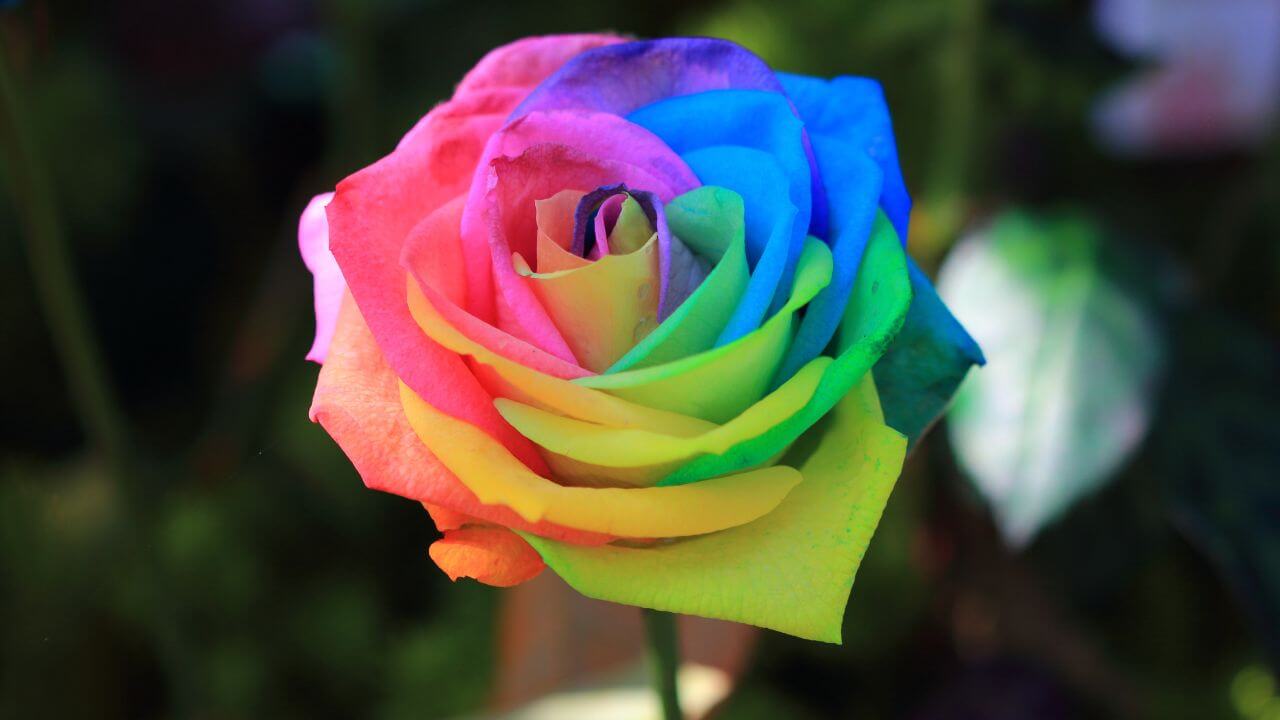
Rainbow flowers are natural or hybrid blooms that display multiple colors on a single plant or petal. Some species change shades as they mature, while others have naturally blended tones. In floristry, dyed rainbow roses and chrysanthemums are also popular because they offer controlled, vibrant color patterns that don’t appear in nature.
Do Rainbow Flowers Exist in Real Life?
Absolutely. Several flowers such as pansies, lantanas, and some iris varieties naturally exhibit multicolor petals. On the other hand, iconic rainbow flowers like the rainbow rose and chrysanthemum get their bright, multi-hued look through a dyeing process. Both natural and dyed rainbow flowers are popular choices for floral arrangements and décor because of their eye-catching colors.
20 Rainbow Flower Names
Here is the quick list of twenty rainbow flowers:
- Lantana
- Iris Germanica (Bearded Iris)
- Columbine
- Rainbow Tulip
- Freesia
- Gazania
- Rainbow Orchids
- Zinnia Elegans
- Blanket Flower
- Bird of Paradise
- Rainbow Rose
- Rainbow Chrysanthemum
- Rainbow Pansy
- Snapdragon
- Dahlia Pinnata
- Rainbow Hibiscus
- Plumeria
- Croton Plant
- Ranunculus
- Rainbow Petunia
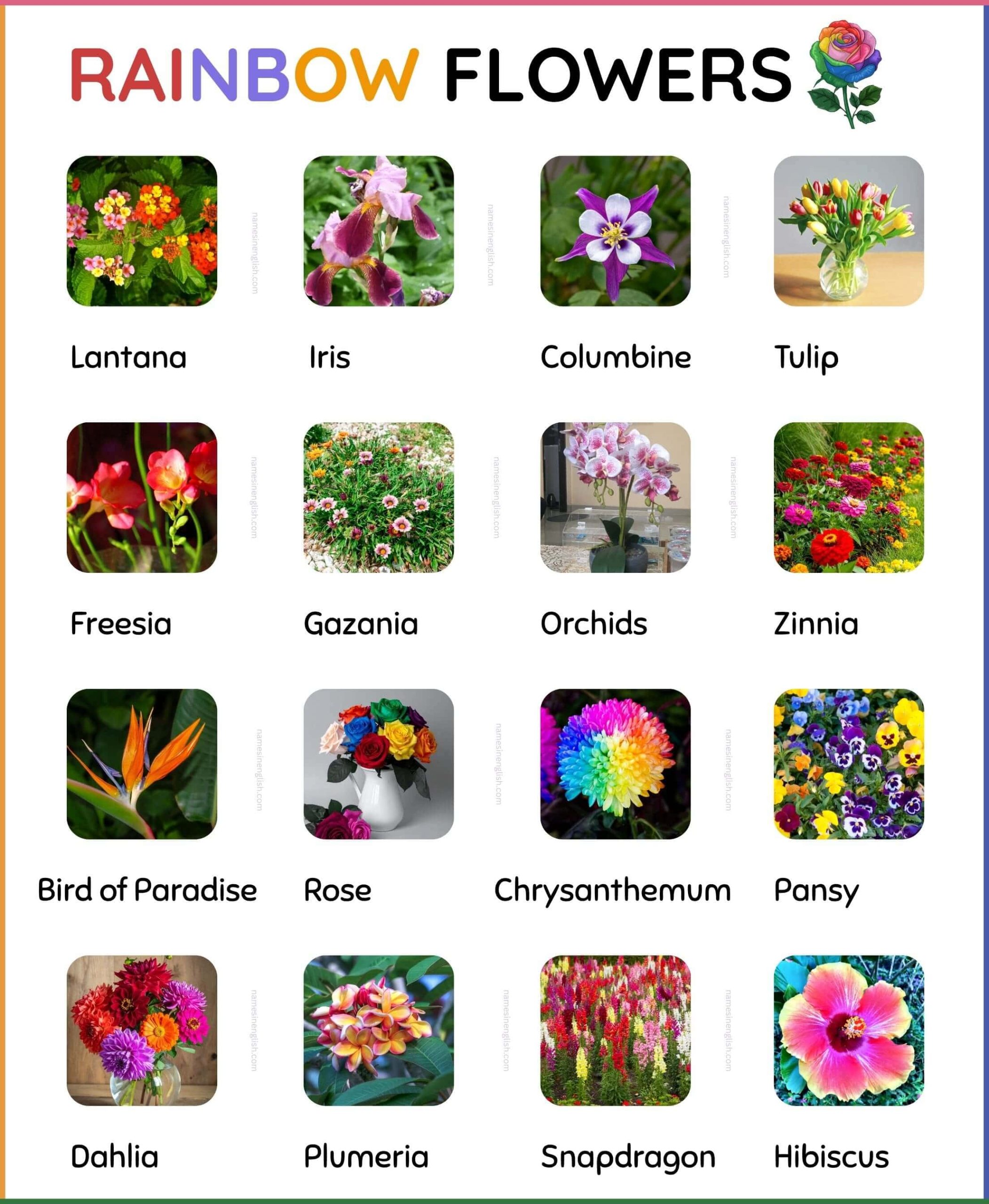
Names of 20 Rainbow Flowers with Pictures
Natural Rainbow Flowers
Some flowers just come with all the colors built right in no tricks, no dyes. If you love the idea of real, natural rainbows in your garden or bouquet, these 10 flowers are sure to brighten your day. Take a look below!
1. Lantana (Lantana camara)
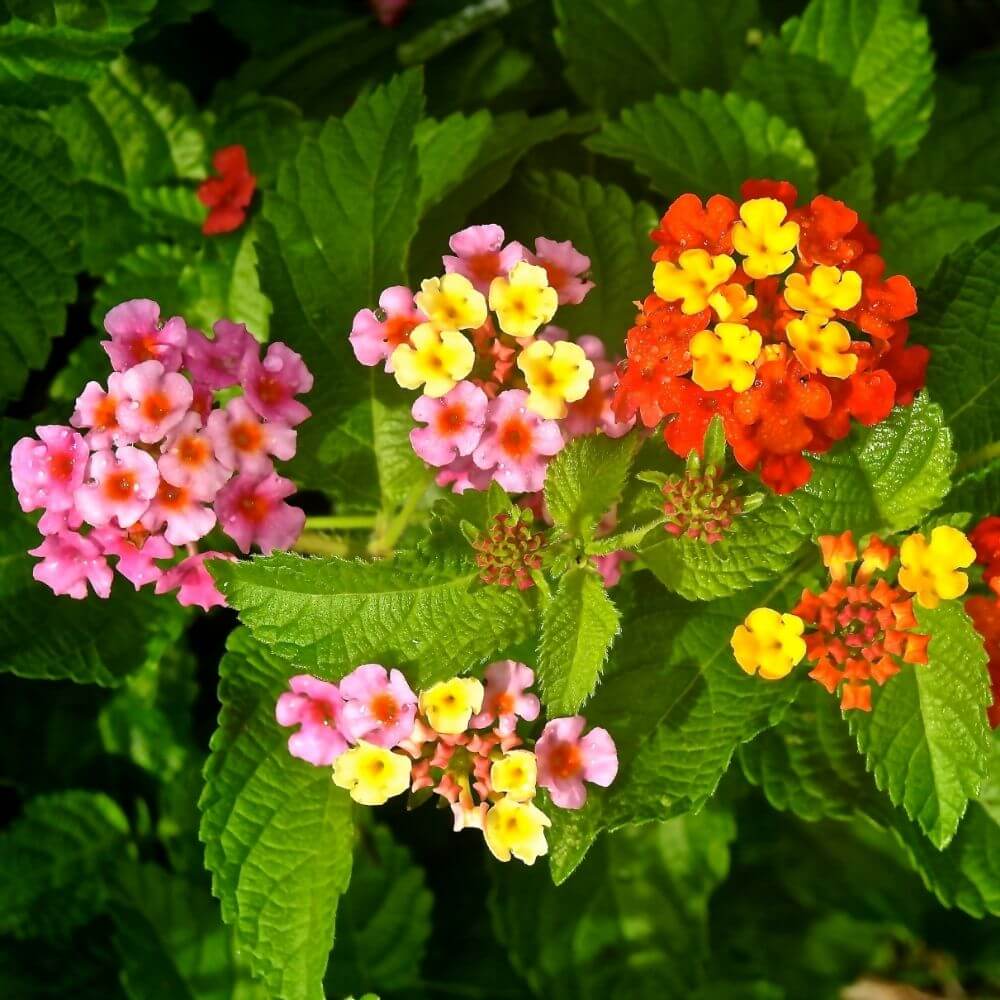
Lantana naturally shifts colors as the blooms age, creating stunning yellow, pink, orange, and red clusters. Its changing tones give a true rainbow effect in one flower head. Gardeners love it for its fragrance and butterfly attraction.
Plant Facts:
- USDA Zone: 7–11
- Bloom Time: Summer to fall
- Sun: Full sun
- Water: Low
- Soil: Sandy or loamy
- Best For: Borders, pollinator gardens
2. Iris Germanica (Bearded Iris)
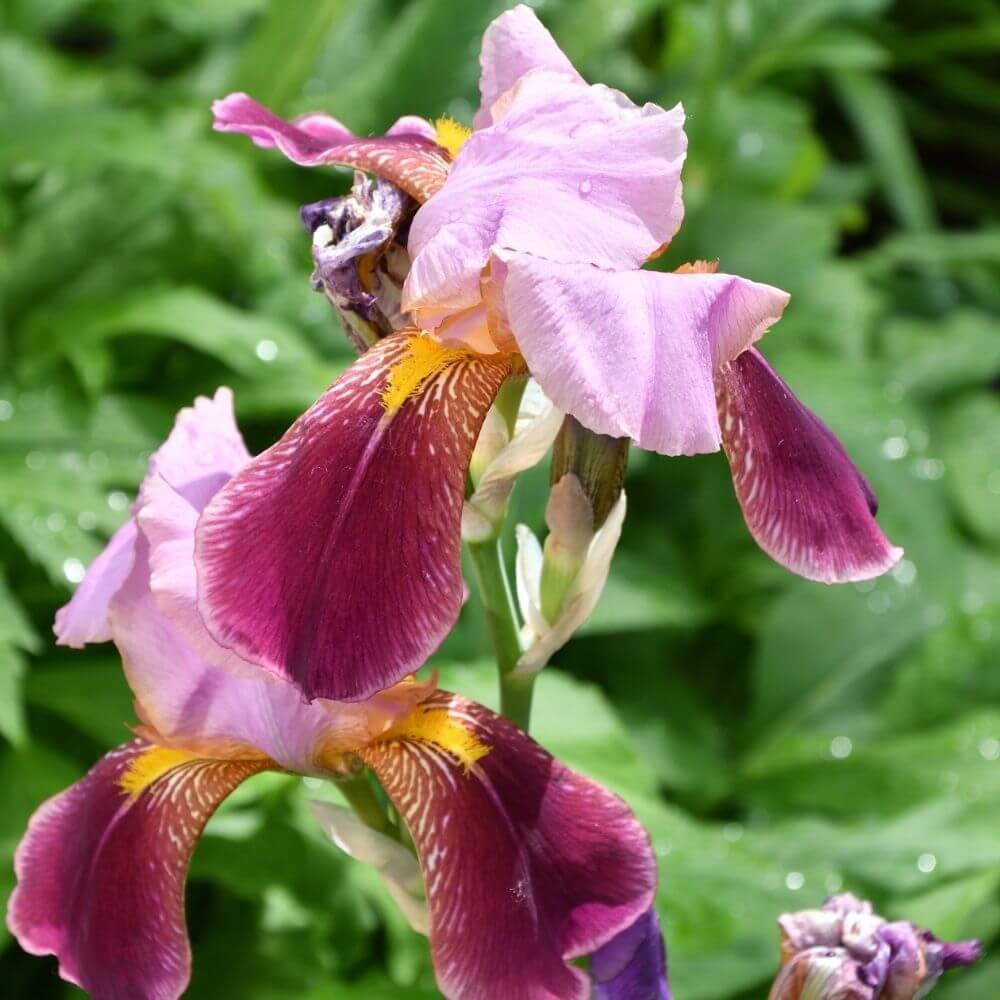
This flower naturally blends shades like purple, yellow, white, and blue depending on the cultivar. Its petals look hand-painted, giving it a soft rainbow appearance. Ideal for spring landscapes with bold color.
Plant Facts:
- USDA Zone: 3–9
- Bloom Time: Late spring
- Sun: Full sun
- Water: Low
- Soil: Well-drained soil
- Best For: Spring garden displays
3. Columbine (Aquilegia vulgaris)
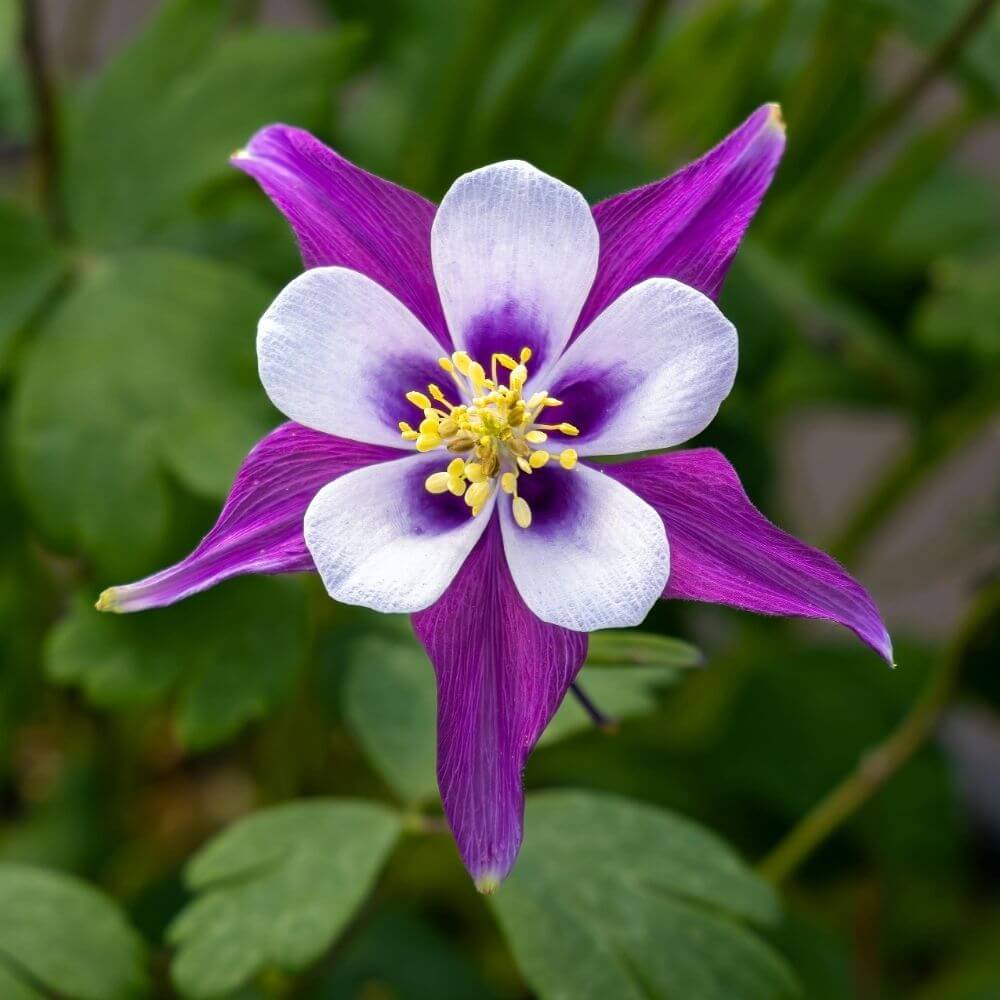
Columbine forms unique star-shaped petals with dual or multi-toned shades that glow in sunlight. Its natural color combinations add charm to wildlife gardens. Hummingbirds frequently visit these blooms.
Plant Facts:
- USDA Zone: 3–9
- Bloom Time: Late spring
- Sun: Partial shade
- Water: Moderate
- Soil: Moist, well-drained
- Best For: Cottage gardens
4. Rainbow Tulip (Tulipa gesneriana – Natural Hybrids)
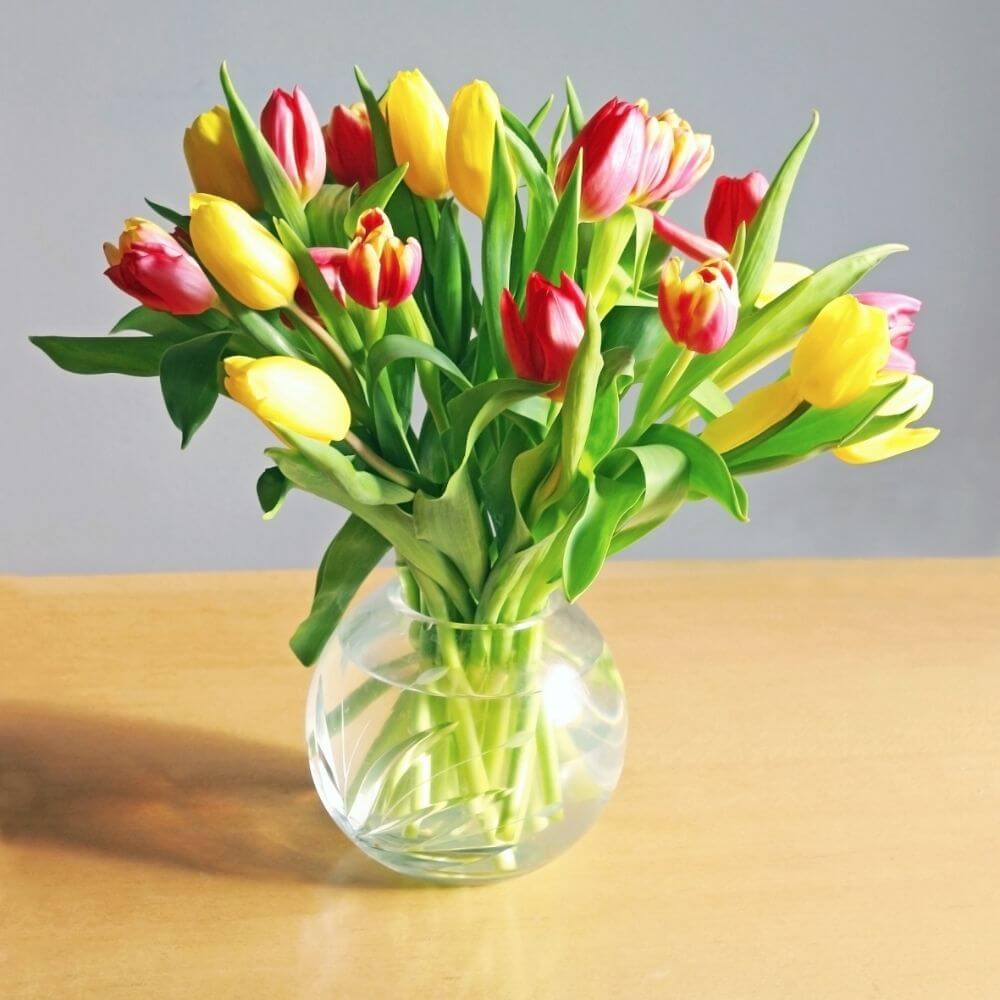
Some tulip hybrids display natural color gradients like red, pink, yellow, and cream. Parrot and Triumph types show the strongest rainbow-like blending. A top choice for spring arrangements.
Plant Facts:
- USDA Zone: 3–8
- Bloom Time: Spring
- Sun: Full sun
- Water: Low
- Soil: Sandy loam
- Best For: Spring bouquets
5. Freesia (Freesia refracta)
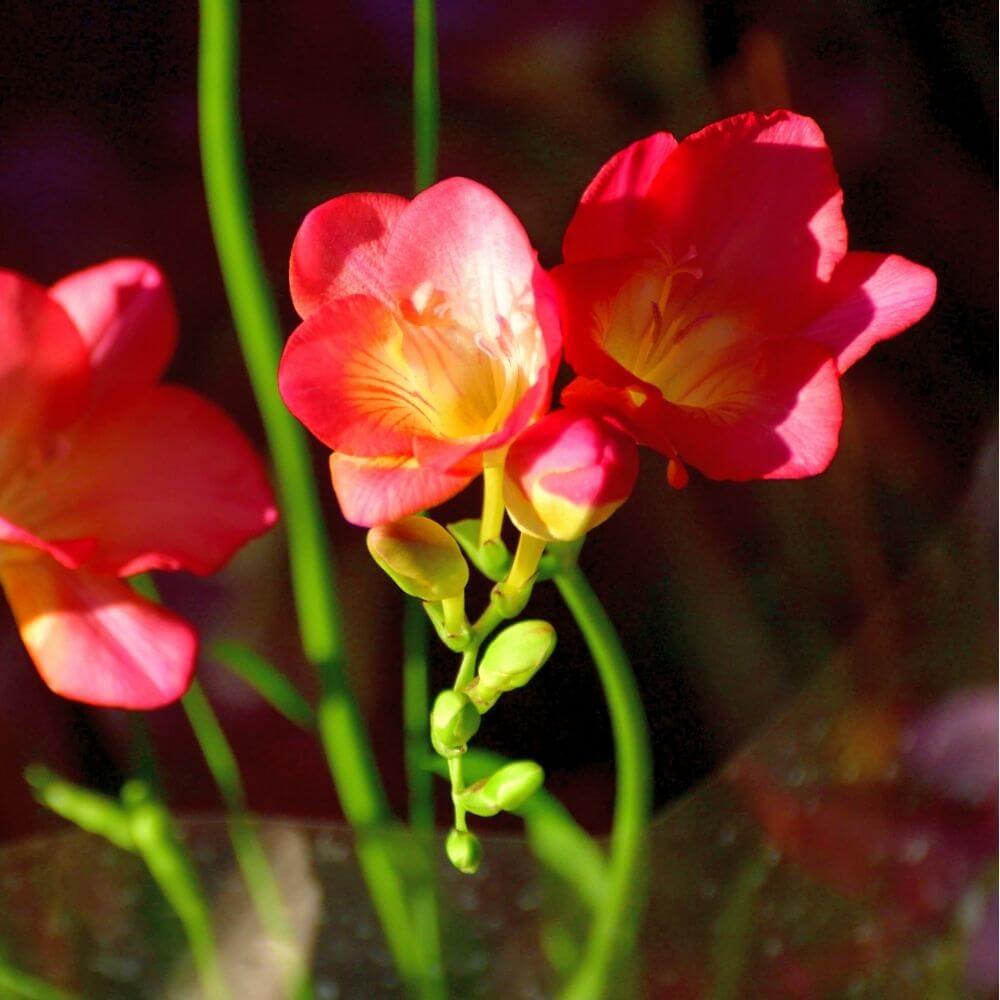
Freesias produce naturally multi-toned blooms with a sweet fragrance. Their funnel-shaped flowers often look pastel and rainbow-like. Popular for romantic scented bouquets.
Plant Facts:
- USDA Zone: 9–10
- Bloom Time: Spring
- Sun: Full sun to light shade
- Water: Moderate
- Soil: Well-drained
- Best For: Scented bouquets
6. Gazania (Gazania rigens)
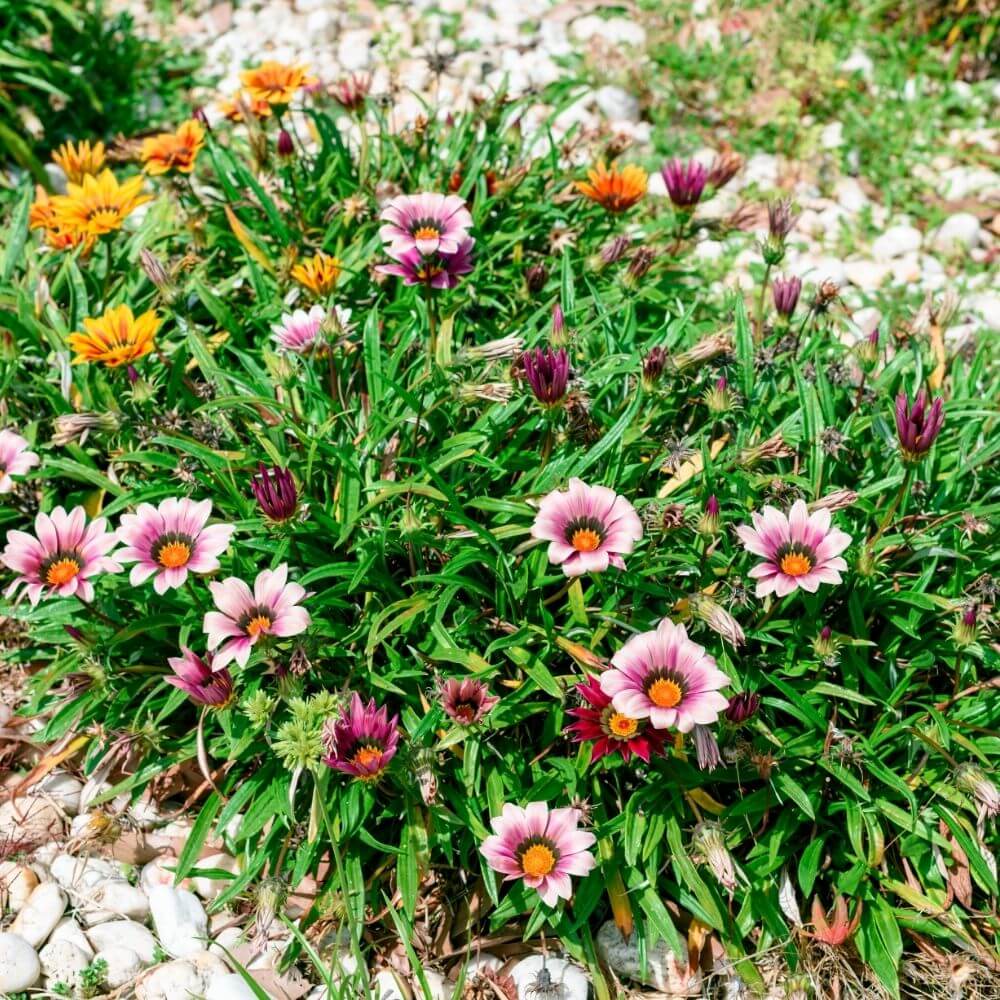
Gazania shows bold natural stripes in orange, yellow, red, and pink. Its vivid tones stay bright even in extreme heat. A tough, colorful plant for harsh climates.
Plant Facts:
- USDA Zone: 9–11
- Bloom Time: Summer
- Sun: Full sun
- Water: Low
- Soil: Poor to average
- Best For: Hot, dry landscapes
7. Rainbow Orchids (Hybrid Dendrobium & Phalaenopsis)
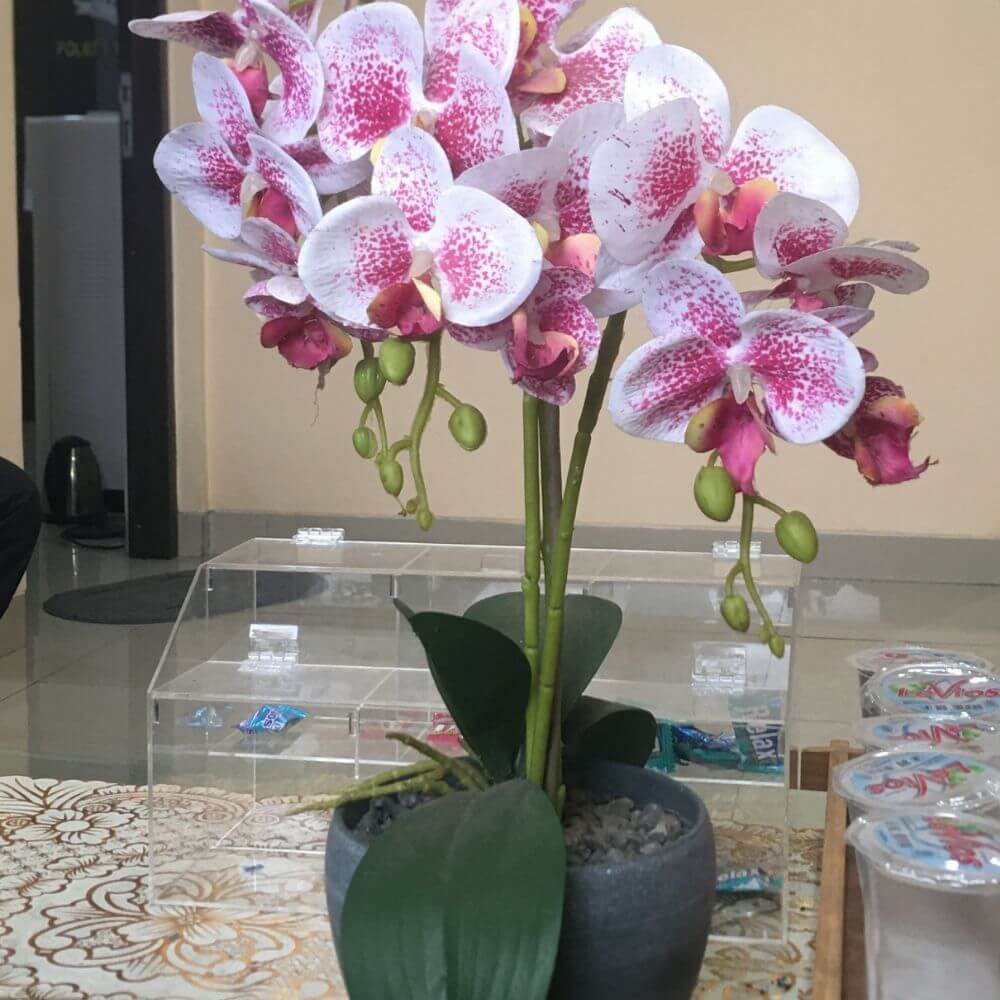
Many orchid hybrids naturally develop rainbow gradients without dye. Their long-lasting petals and exotic tones make them stand out indoors. Perfect for modern décor and gifting.
Plant Facts:
- USDA Zone: 9–12
- Bloom Time: Varies
- Sun: Indirect light
- Water: Low
- Soil: Orchid bark mix
- Best For: Indoor arrangements
8. Zinnia Elegans
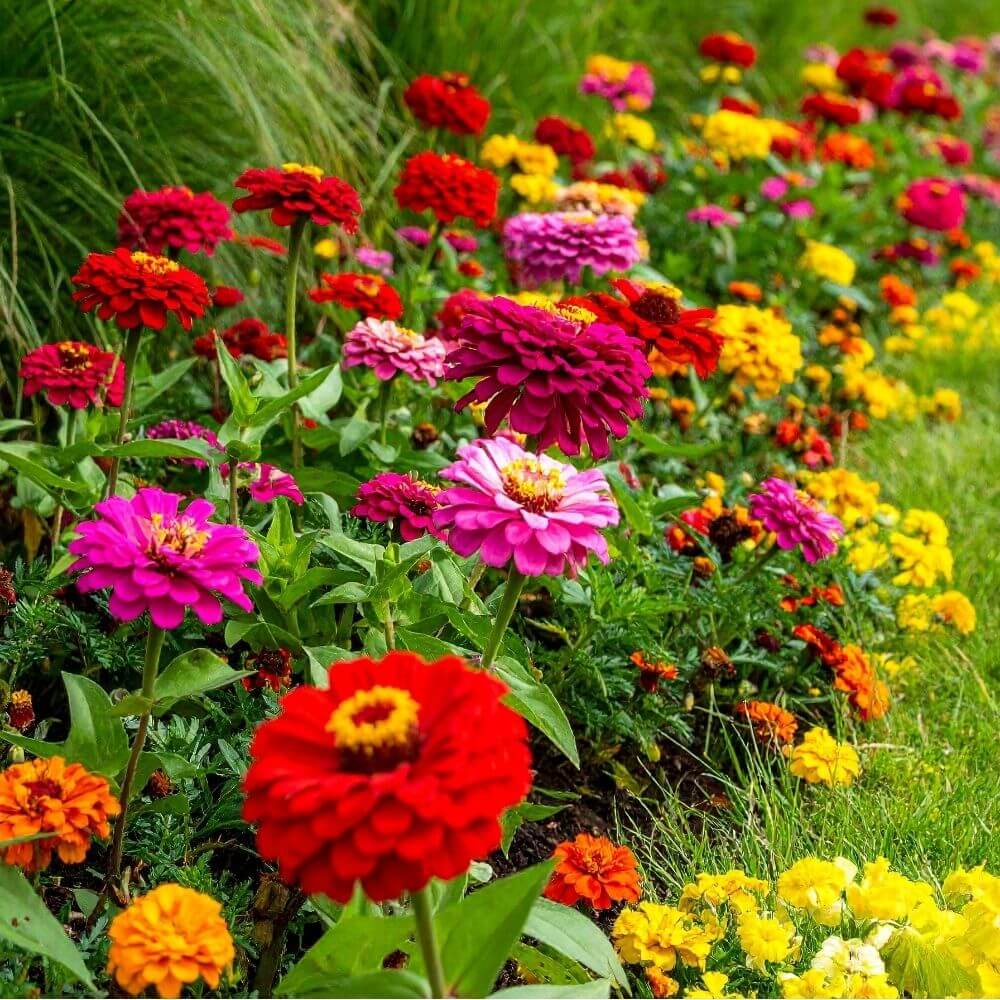
Zinnias offer bright natural blends in varieties like Candy Mix and Carousel. Their bold petals look painted in multiple colors. Excellent for long-lasting summer color.
Plant Facts:
- USDA Zone: 2–11
- Bloom Time: Summer to frost
- Sun: Full sun
- Water: Moderate
- Soil: Average soil
- Best For: Summer bouquets
9. Blanket Flower (Gaillardia pulchella)
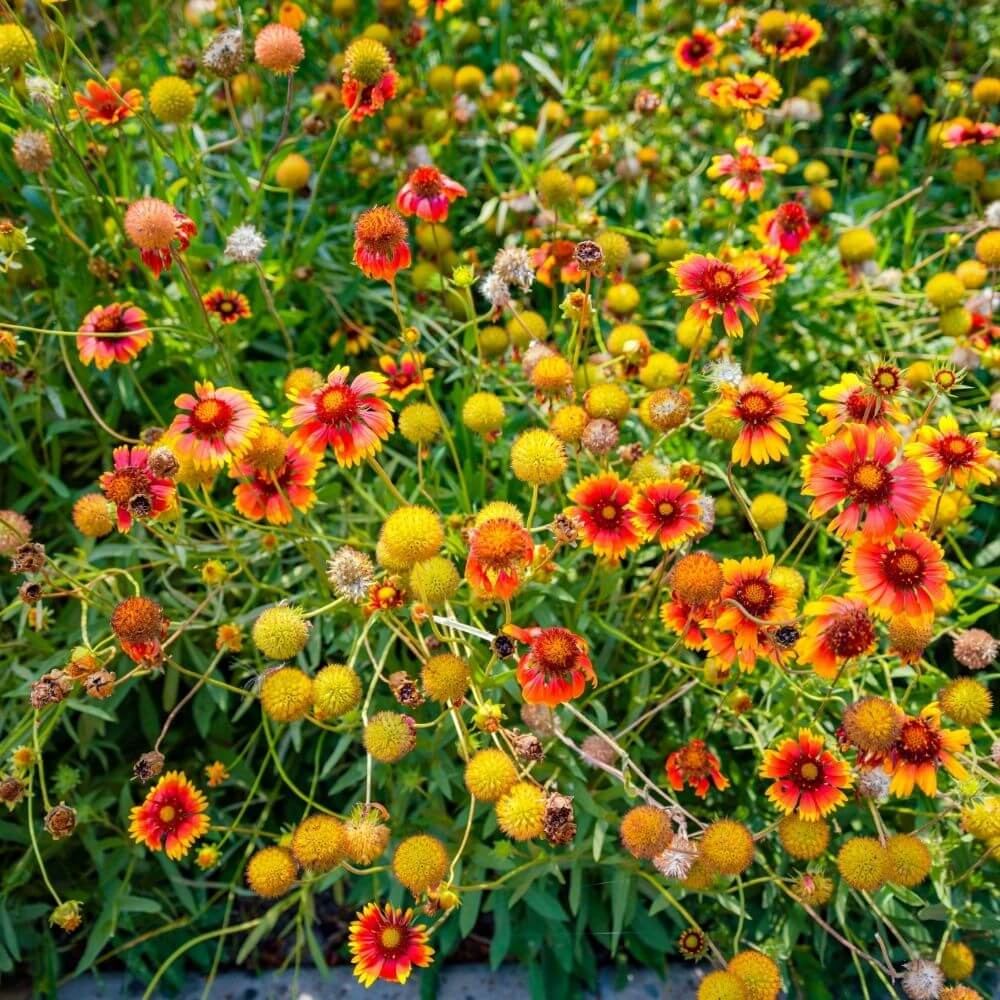
Known for fiery blends of red, orange, and yellow, resembling sunset colors. Naturally heat-tolerant and long-blooming. A favorite for low-maintenance gardens.
Plant Facts:
- USDA Zone: 3–10
- Bloom Time: Summer
- Sun: Full sun
- Water: Low
- Soil: Sandy soil
- Best For: Drought-tolerant gardens
10. Bird of Paradise (Strelitzia reginae)
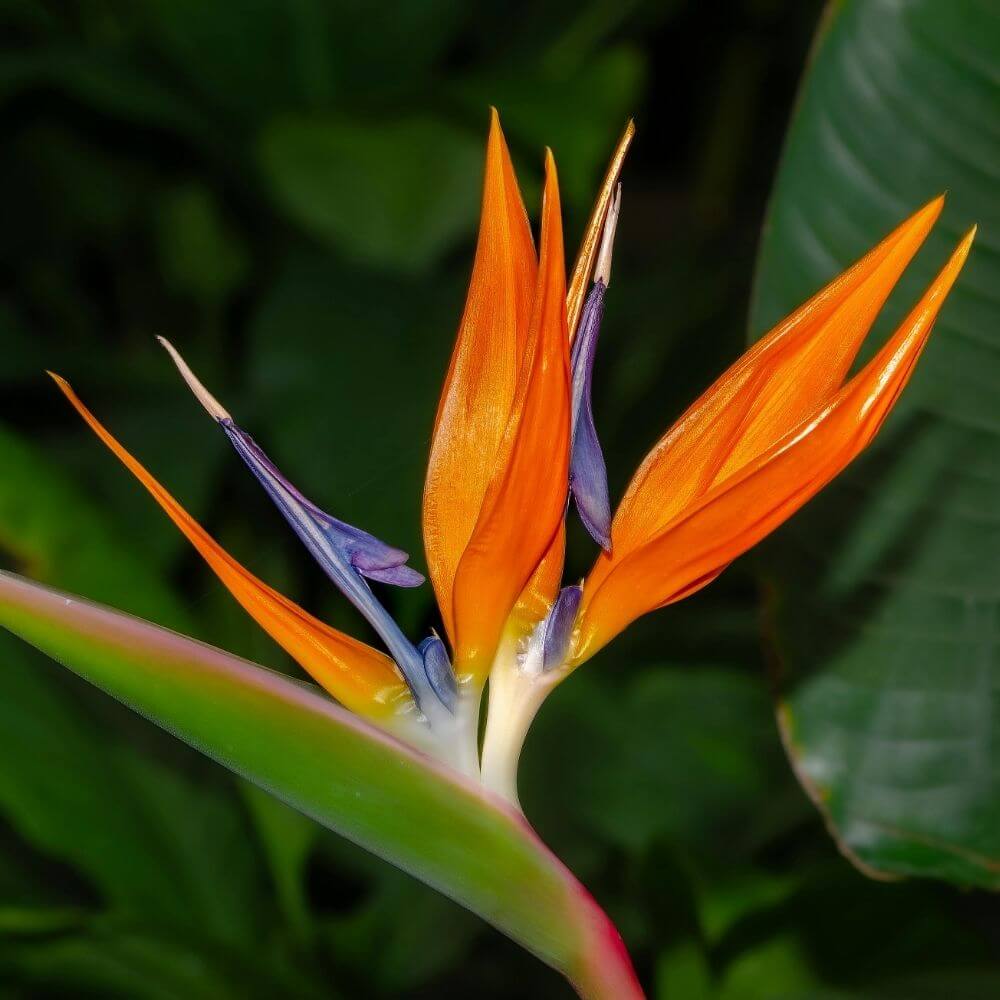
This tropical flower naturally combines orange, blue, and purple tones. Its unique shape resembles a flying bird. A dramatic choice for exotic floral displays.
Plant Facts:
- USDA Zone: 10–12
- Bloom Time: Spring to summer
- Sun: Full sun
- Water: Moderate
- Soil: Rich soil
- Best For: Tropical arrangements
Hybrid or Artificially Colored Rainbow Flowers
These flowers aren’t naturally rainbow-colored. They are either specially bred hybrids or dyed to achieve those bright, multicolored petals. If you want bold and colorful blooms for gifts or decorations, these artificially colored or hybrid flowers are perfect. Here are the next 10 artificial rainbow flowers to explore
11. Rainbow Rose (Rosa spp.)
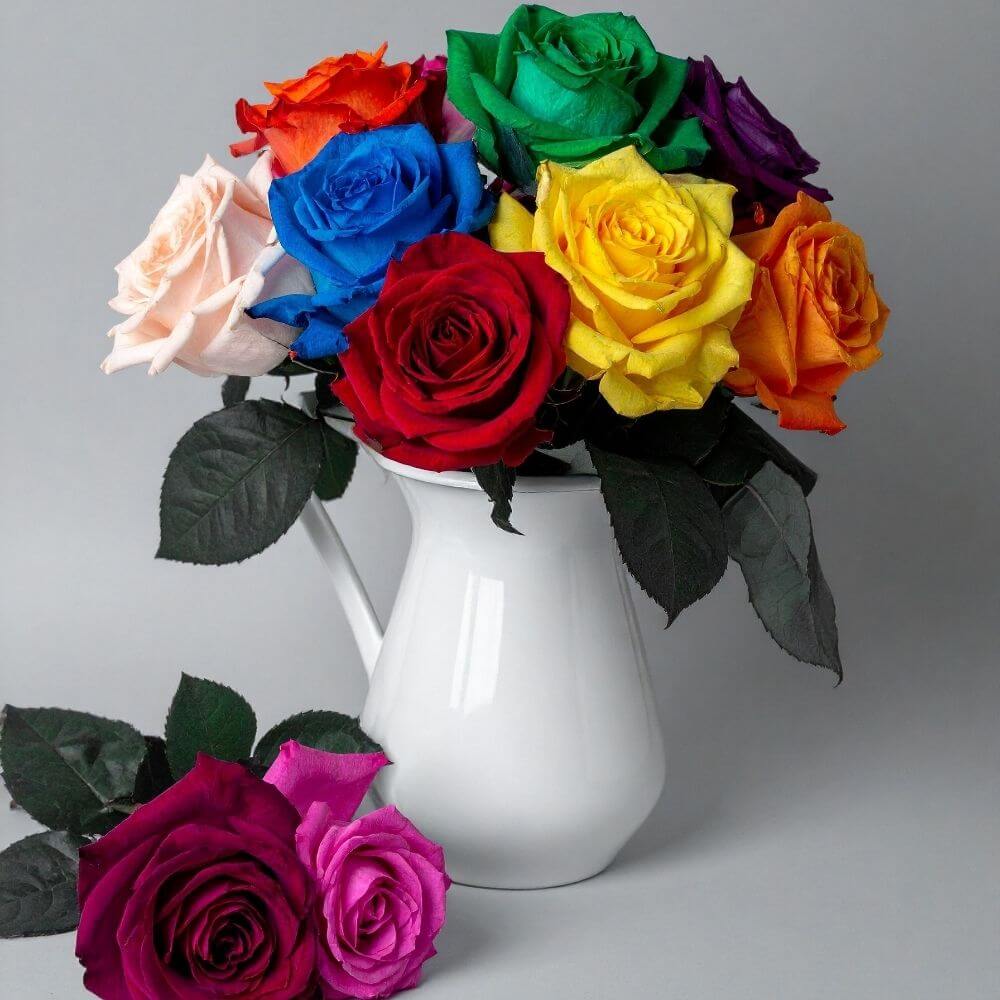
These roses are created using a dye-infusing method that splits color across each petal. Famous for their bold, modern rainbow look. A top pick for gifts and events.
Plant Facts:
- USDA Zone: 5–9
- Bloom Time: Spring to fall
- Sun: Full sun
- Water: Moderate
- Soil: Well-draining loam
- Best For: Gift bouquets, centerpieces
12. Rainbow Chrysanthemum (Chrysanthemum morifolium)
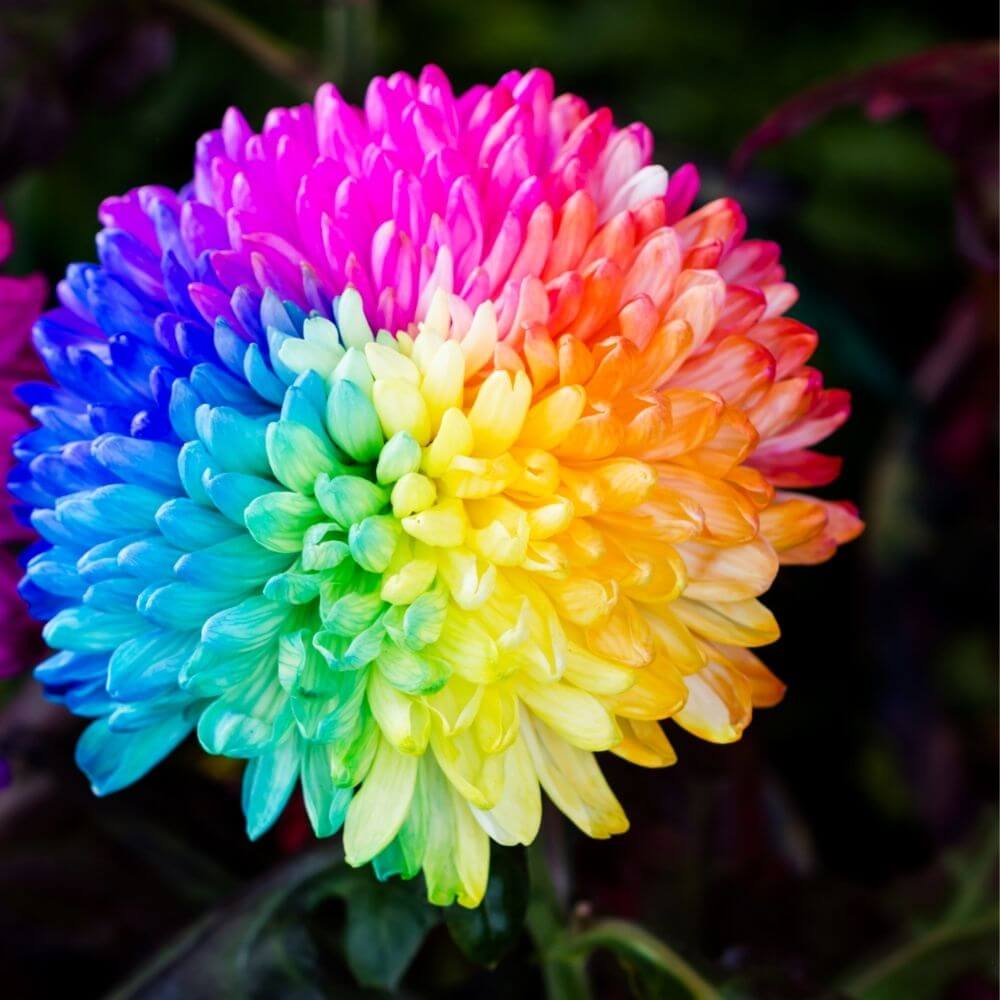
Dyed chrysanthemums hold color extremely well and stay fresh longer. Their bright petals show strong multicolor patterns. Common in long-lasting bouquets.
Plant Facts:
- USDA Zone: 5–9
- Bloom Time: Fall
- Sun: Full sun
- Water: Moderate
- Soil: Rich, moist
- Best For: Long-lasting bouquets
13. Rainbow Pansy (Viola tricolor – Enhanced Varieties)
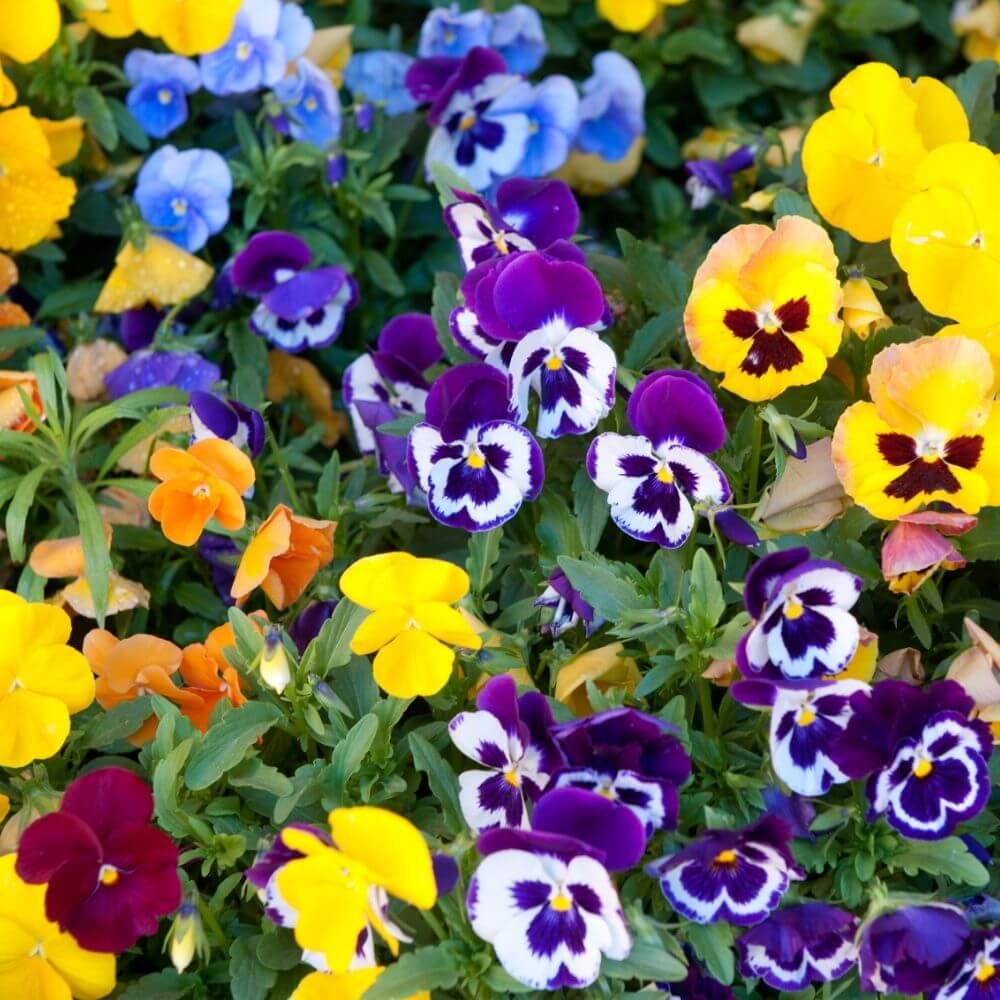
Enhanced pansies show brighter, more blended color variations than natural ones. Their small, expressive faces add charm to any pot or border. Great for cool-season color.
Plant Facts:
- USDA Zone: 3–9
- Bloom Time: Spring and fall
- Sun: Partial sun
- Water: Moderate
- Soil: Moist soil
- Best For: Containers, borders
14. Snapdragon (Antirrhinum majus – Hybrid Mixes)

Hybrid snapdragons develop multicolor spikes that shift shade as each bloom opens. Their tall stems add structure and color variation to bouquets. Widely used by florists.
Plant Facts:
- USDA Zone: 7–10
- Bloom Time: Spring to summer
- Sun: Full sun
- Water: Moderate
- Soil: Well-drained
- Best For: Tall arrangements
15. Dahlia Pinnata (Rainbow Hybrids)
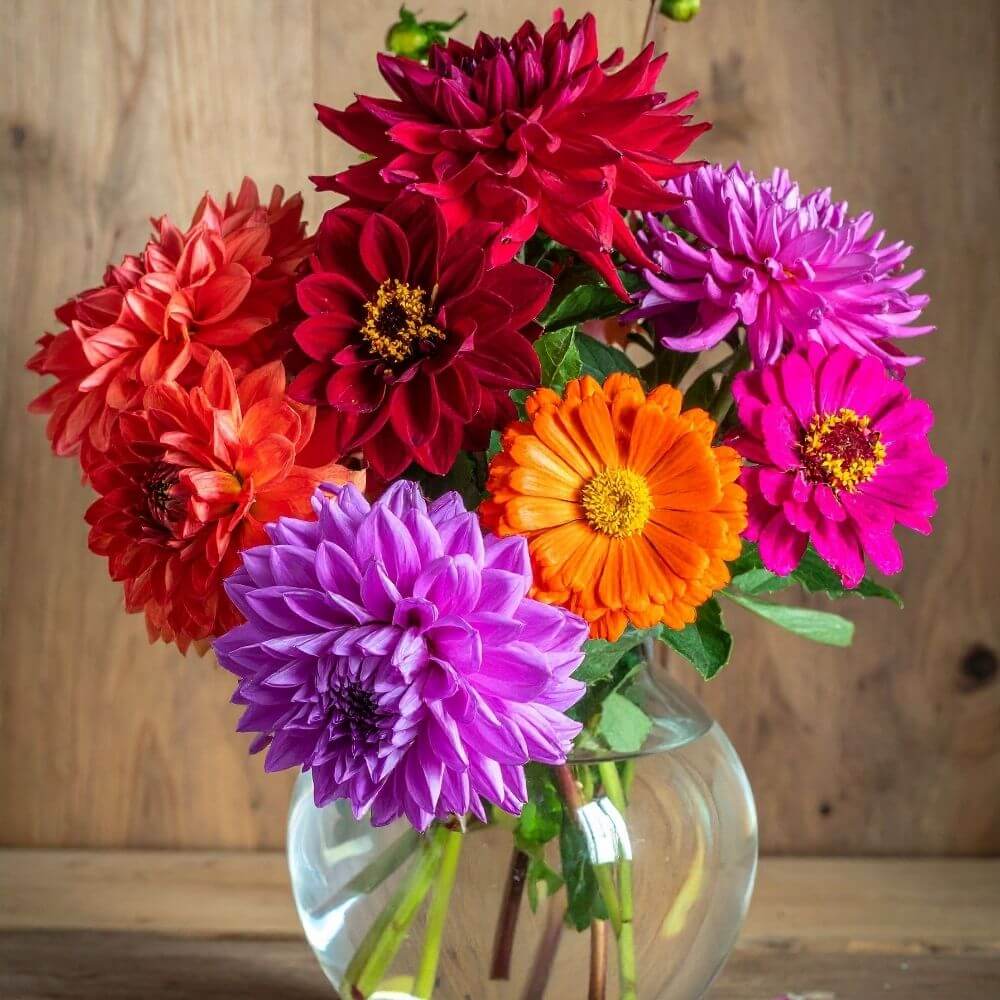
Hybrid dahlias show blended pink, orange, red, and yellow tones. Their many layered petals give a painted, rainbow-like look. Ideal for statement arrangements.
Plant Facts:
- USDA Zone: 8–11
- Bloom Time: Summer to fall
- Sun: Full sun
- Water: Moderate
- Soil: Rich loam
- Best For: Luxury bouquets
16. Rainbow Hibiscus (Hibiscus rosa-sinensis hybrids)
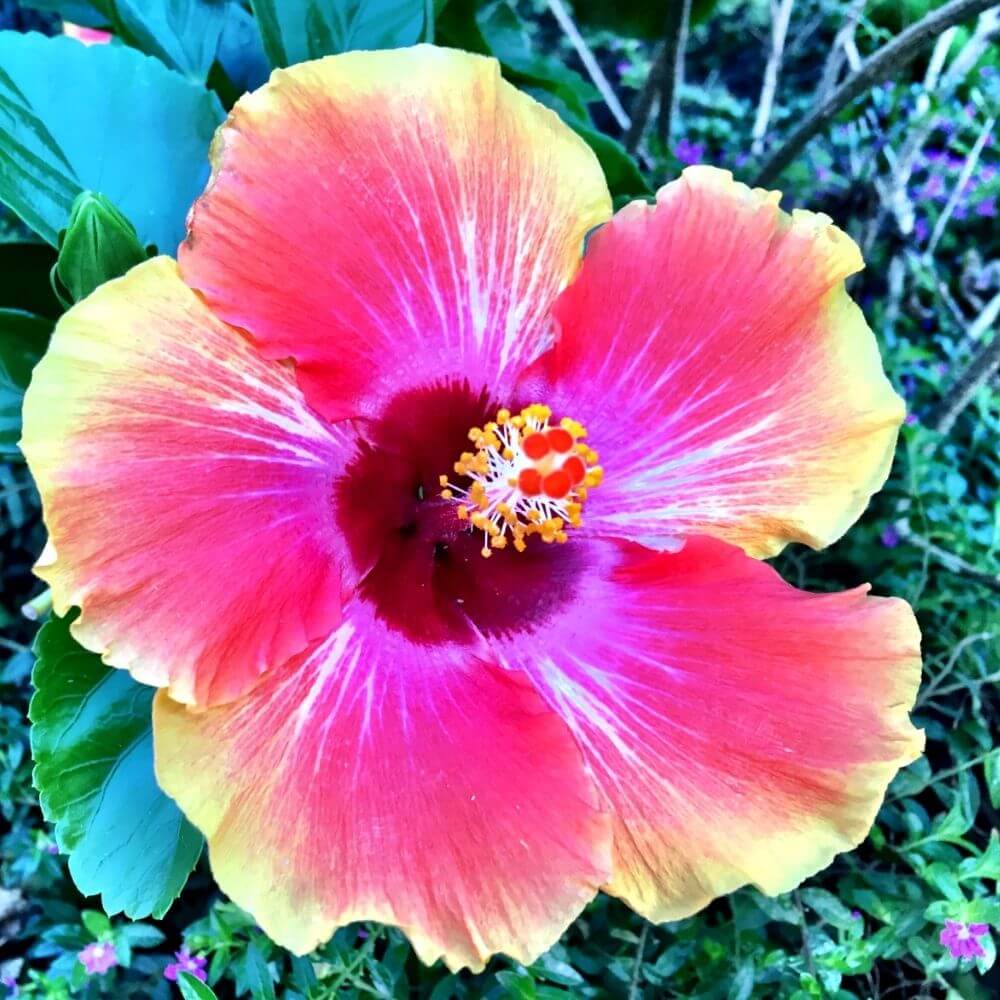
These hybrids produce large blooms with airbrushed gradients of pink, orange, and yellow. The petals have a tropical watercolor effect. Perfect for patio plantings.
Plant Facts:
- USDA Zone: 9–11
- Bloom Time: Summer
- Sun: Full sun
- Water: High
- Soil: Moist soil
- Best For: Tropical patios
17. Plumeria (Rainbow Cultivars)
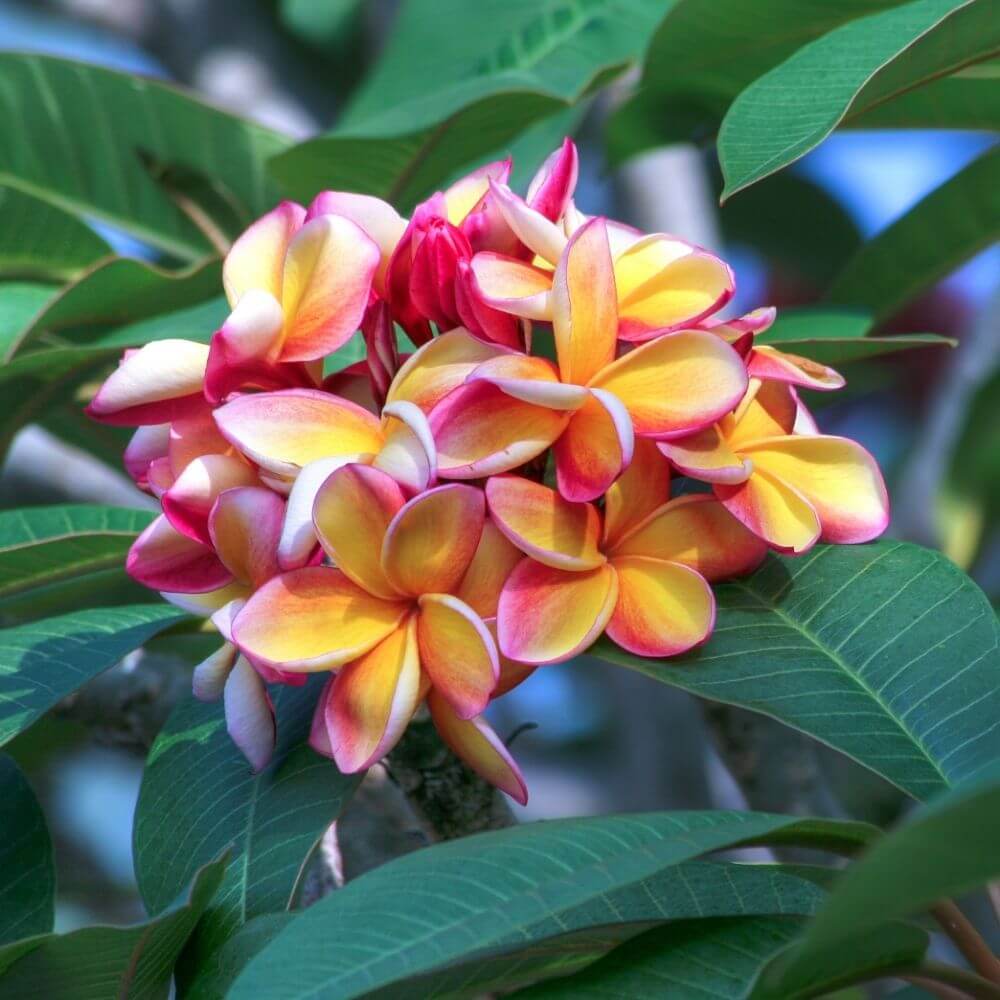
Some cultivars show soft multicolor transitions, especially pink to yellow blends. Their strong fragrance makes them popular worldwide. Used in leis and tropical décor.
Plant Facts:
- USDA Zone: 10–12
- Bloom Time: Spring to fall
- Sun: Full sun
- Water: Low
- Soil: Sandy soil
- Best For: Tropical décor
18. Croton Plant (Codiaeum variegatum – Color Varieties)
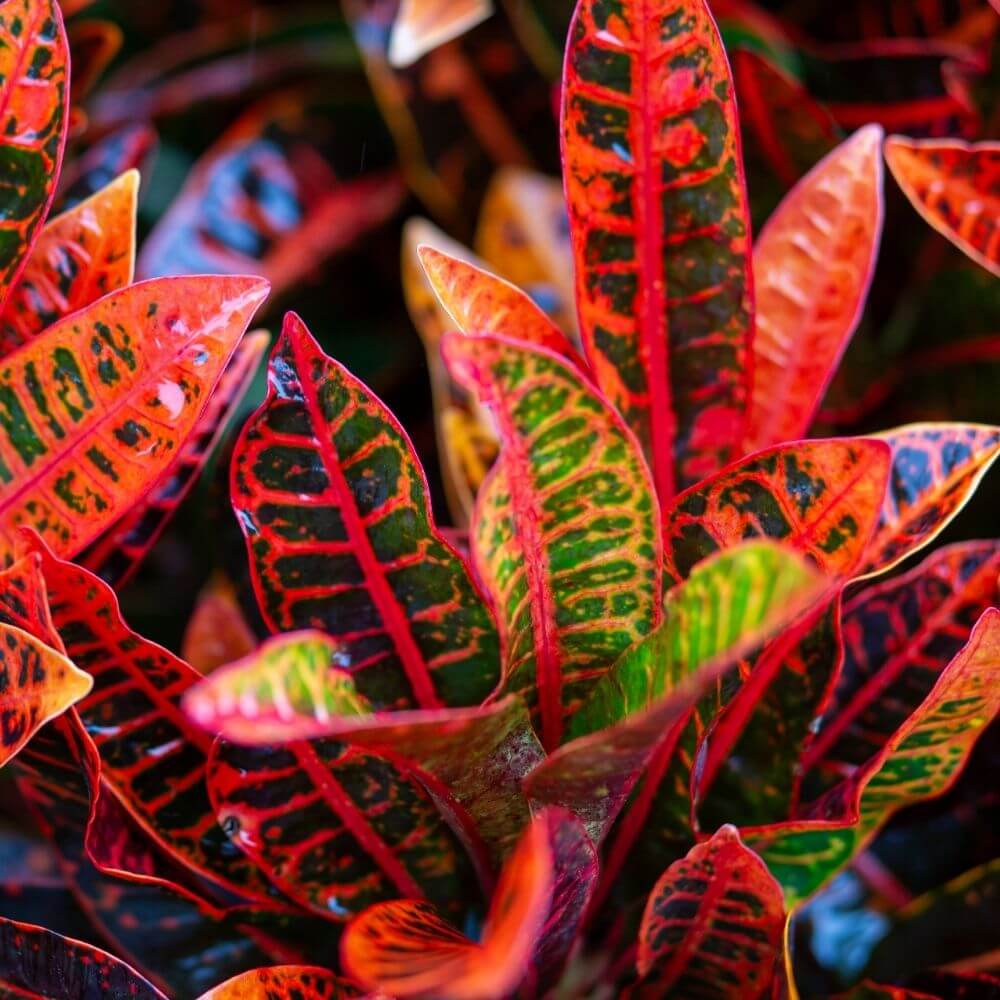
Crotons are grown for their bright foliage with red, yellow, orange, and green patterns. Their leaves look naturally rainbow-like indoors. A strong decorative choice.
Plant Facts:
- USDA Zone: 10–12
- Bloom Time: Foliage plant
- Sun: Bright light
- Water: Moderate
- Soil: Rich soil
- Best For: Indoor decoration
19. Ranunculus (Rainbow Mix Hybrids)
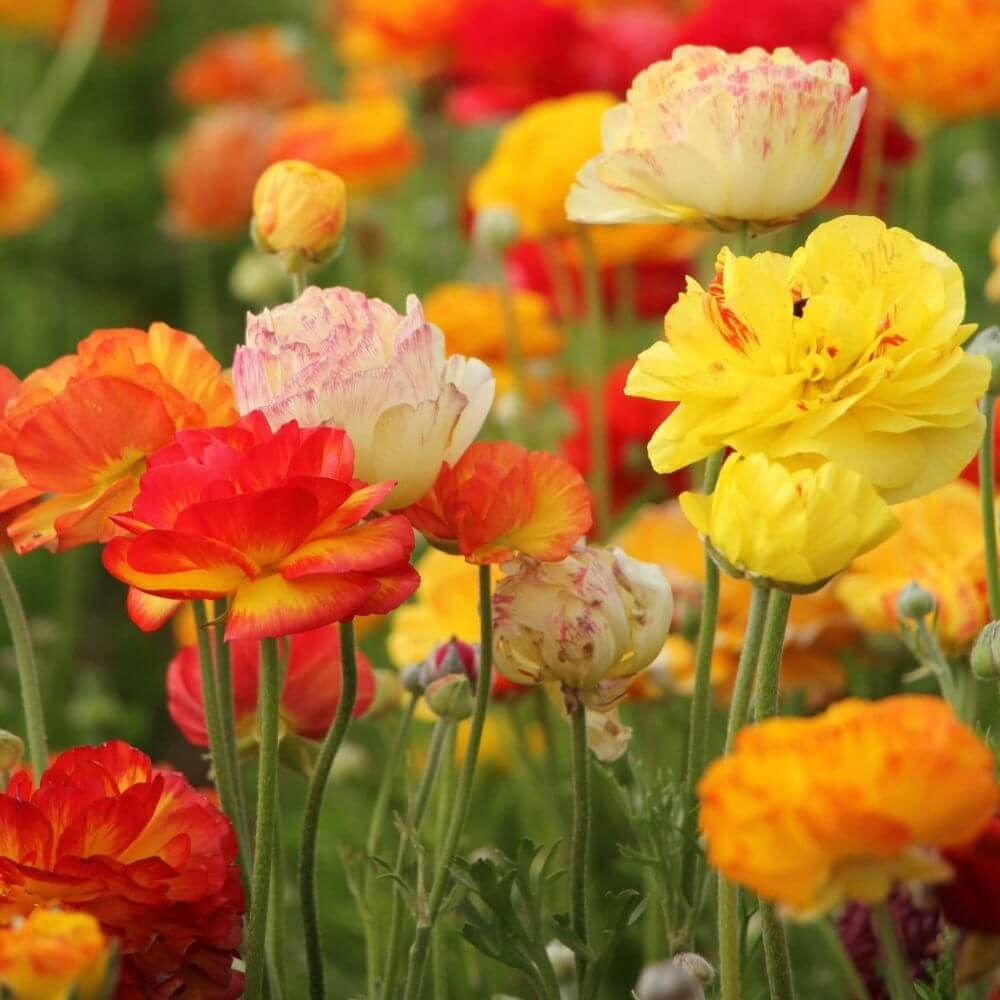
Hybrid ranunculus varieties form delicate, multi-toned petals that look like watercolor strokes. Their soft gradients photograph beautifully. Perfect for weddings.
Plant Facts:
- USDA Zone: 8–10
- Bloom Time: Spring
- Sun: Full sun
- Water: Moderate
- Soil: Well-drained soil
- Best For: Wedding bouquets
20. Rainbow Petunias (Petunia Hybrida – Enhanced Varieties)
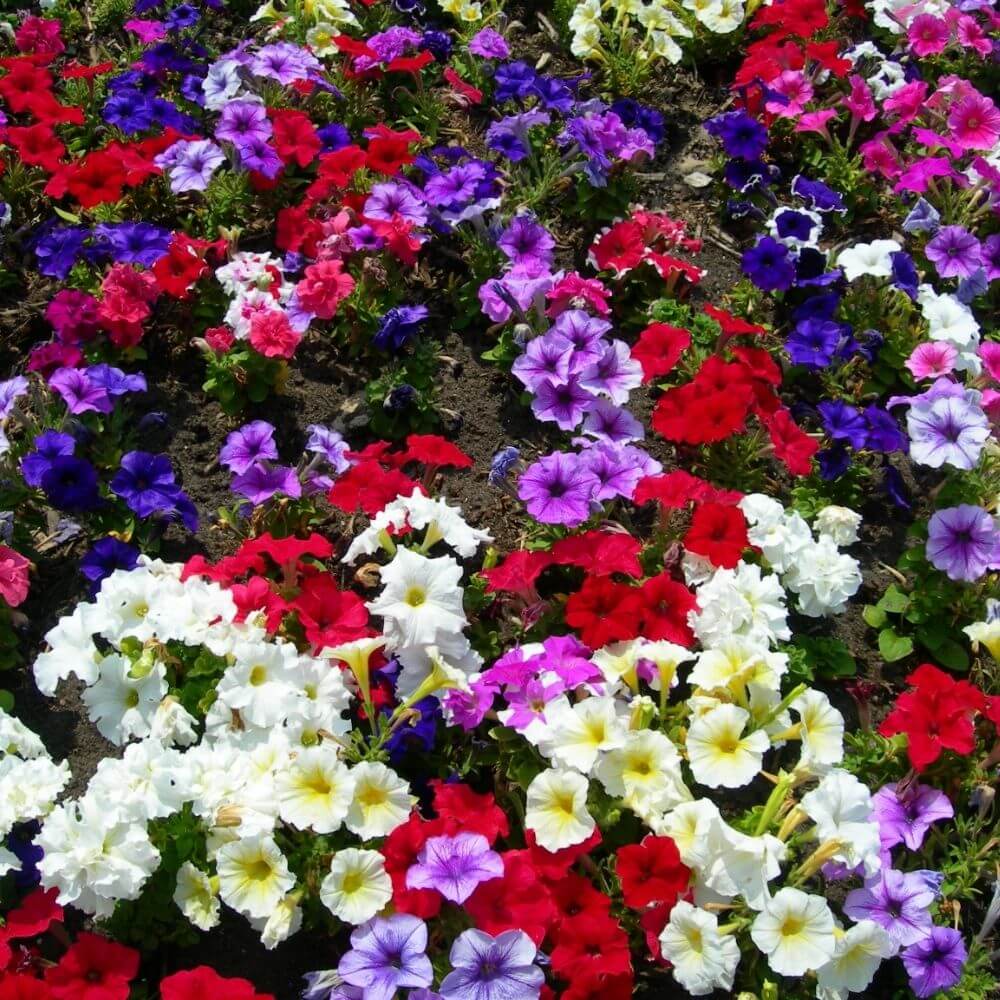
These hybrids are bred for shifting multi-shaded petals that deepen as they grow. Very easy to care for and bloom nonstop. A favorite for hanging baskets.
Plant Facts:
- USDA Zone: 9–11
- Bloom Time: Summer
- Sun: Full sun
- Water: Moderate
- Soil: Fertile soil
- Best For: Hanging baskets
Best Uses of Rainbow Flowers in Bouquets & Décor
Wedding Bouquets
Rainbow flowers create a vibrant, contemporary twist for brides who want something different from traditional white bouquets. Their multi-tone petals add depth and contrast, making the arrangement look artistic and carefully curated. These flowers also match a wide range of wedding themes, from boho to modern pastel palettes. Because they photograph beautifully, they help elevate wedding portraits and décor shots.
Birthday and Gift Bouquets
Colorful blooms instantly give gift bouquets a fun, celebratory feel that stands out from ordinary flower presents. Rainbow roses and chrysanthemums are especially popular because they look unique and feel more thoughtful. Their lively colors make them great for “surprise” gifts where you want the bouquet to spark excitement. They also work well when paired with chocolates, gift baskets, or handwritten notes.
Home Decoration Ideas
A rainbow flower arrangement can brighten dull corners, add personality to neutral rooms, and bring a cheerful atmosphere to small spaces. Displaying them in clear vases lets the colors stand out even more, especially in rooms with natural light. They work well as dining table centerpieces, desk accents, or living room highlights. For longer-lasting décor, many people use rainbow orchids or croton plants since they stay vibrant for months.
Rainbow Flowers Price & Where to Buy
Rainbow roses and chrysanthemums sold online often range from budget-friendly single stems to premium boxed arrangements, depending on how complex the dyeing process was. Local florists may offer fresher options, especially for same-day events, but prices vary with season and demand. Natural multicolor flowers like lantanas, gazanias, and pansies are usually cheaper because they grow in nurseries rather than being artificially colored. For bulk orders or event décor, wholesalers and farm-direct sellers can offer better value and more consistent quality.
How to Grow a Rainbow Flower Plant at Home
Most rainbow-style plants come from special hybrids, so starting with the right seeds or nursery-bought cultivars makes a big difference. A sunny location helps them develop stronger pigment, while consistent watering keeps the blooms vibrant throughout the season. Using loose, well-draining soil prevents root problems and encourages healthier growth. It’s better to skip heavy fertilizers because too much nitrogen can mute the natural multicolor patterns these flowers are known for.
Key Takeaways for Bouquet Makers & Gardeners
- Rainbow flowers come in both natural and dyed forms
- They offer strong visual impact for special events
- Natural multicolor plants like lantana are easy to grow
- Dyed flowers stay vibrant for many days
- Many rainbow flowers attract pollinators
- Hybrid varieties produce reliable color patterns
- These flowers help florists stand out in competitive markets
- Gardeners can use rainbow species for lively borders
- Some varieties are highly drought tolerant
- Rainbow roses remain the most popular for gifting
Final Thoughts
Rainbow flowers bring a lively, charming feel to bouquets and gardens. Whether you’re designing arrangements, decorating your home, or planning a colorful garden corner, these multicolor blooms offer endless creative options. They appeal to anyone who wants something bright, bold, and full of personality.
Related Reads