A garden filled with strong smelling flowers can change the entire mood of a space, especially when their fragrance drifts through early mornings or warm evenings. Many people look for fragrant flowers not only for beauty but also for their emotional impact and cultural meaning. If you’re planning a garden, bouquet, or just learning about flowers, knowing which blooms carry the richest aromas helps you choose the right ones. In this guide, I’ve gathered the best fragrant flowers and what makes them so special.
What Makes a Flower Truly Fragrant?
Different flowers release scent for different reasons, but most rely on aroma to attract pollinators. Their fragrance is actually a mix of natural oils and chemical compounds released into the air, especially when temperatures rise. Some scents are soft and powdery, others sweet or citrus-like, and a few are intensely floral.
Petals also play a role. Flowers with thick, waxy petals often hold scent longer, while delicate blooms release fragrance quickly but for shorter periods. The environment matters too; flowers usually smell stronger in humid air or during evening hours when they conserve energy.
People sometimes think fragrance depends on color, but scent is unrelated to petal shades. The smell comes purely from how the plant evolved and the oils it produces.
Meaning of Fragrant Flowers in Different Cultures
Around the world, fragrant flowers have held deep meaning for centuries.
- In South Asia, jasmine is a symbol of purity and is often used in weddings and spiritual rituals.
- In Japan, sweet-smelling flowers like wisteria represent love, respect, and longevity.
- In the Middle East, rose water and rose-based perfumes show how strongly people value scent for hospitality and daily life.
- In Europe, lavender became a symbol of calm and protection, used in homes and herbal medicine for generations.
A fragrant flower isn’t just a scent; it connects with memories, emotions, traditions, and personal moments. That’s one reason why people still search for them even with modern perfumes available.
Fragrant Flower Names
Below is a quick list of the 20 fragrant flowers covered in this guide:
- Jasmine
- Gardenia
- Rose
- Tuberose
- Lily of the Valley
- Lavender
- Honeysuckle
- Plumeria
- Magnolia
- Sweet Alyssum
- Freesia
- Scented Geranium
- Mock Orange
- Osmanthus
- Hyacinth
- Wisteria
- Stargazer Lily
- Night Blooming Jasmine
- Peony
- Sweet Pea
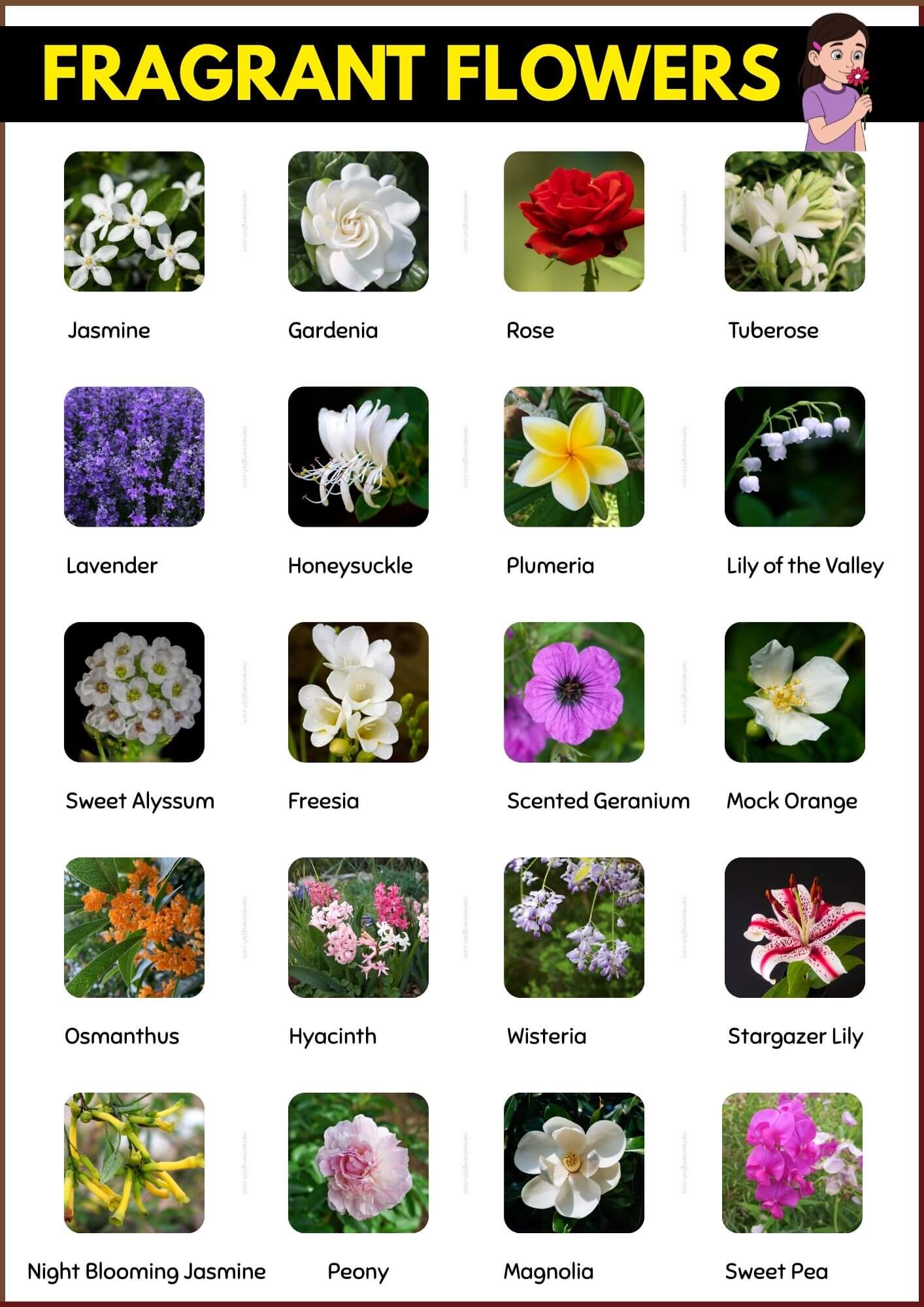
List of 20 Strong Smelling Flowers People Love
1. Jasmine
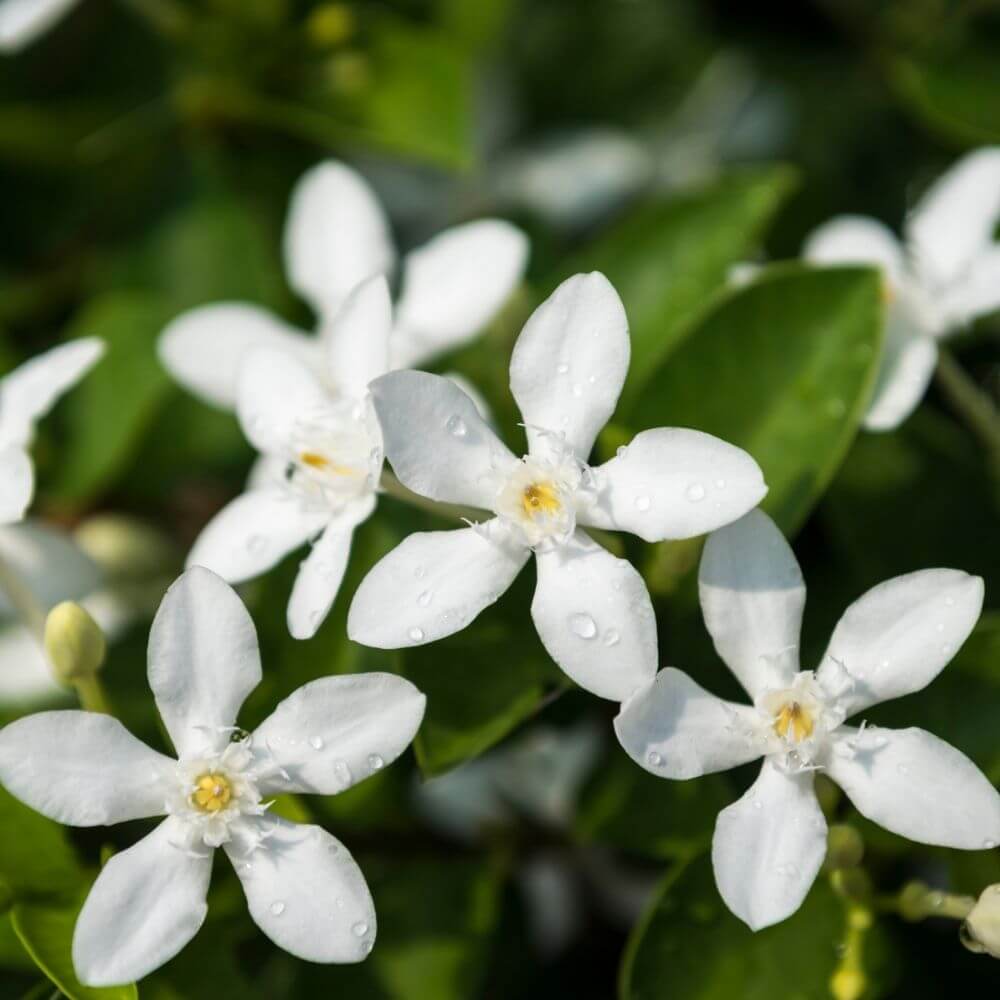
Jasmine is one of the most recognizable fragrance flowers, with a sweet and bold scent that intensifies at night. It’s commonly used in perfumes, teas, and traditional ceremonies. The blooms are small, but their aroma carries far, especially in warm climates.
2. Gardenia
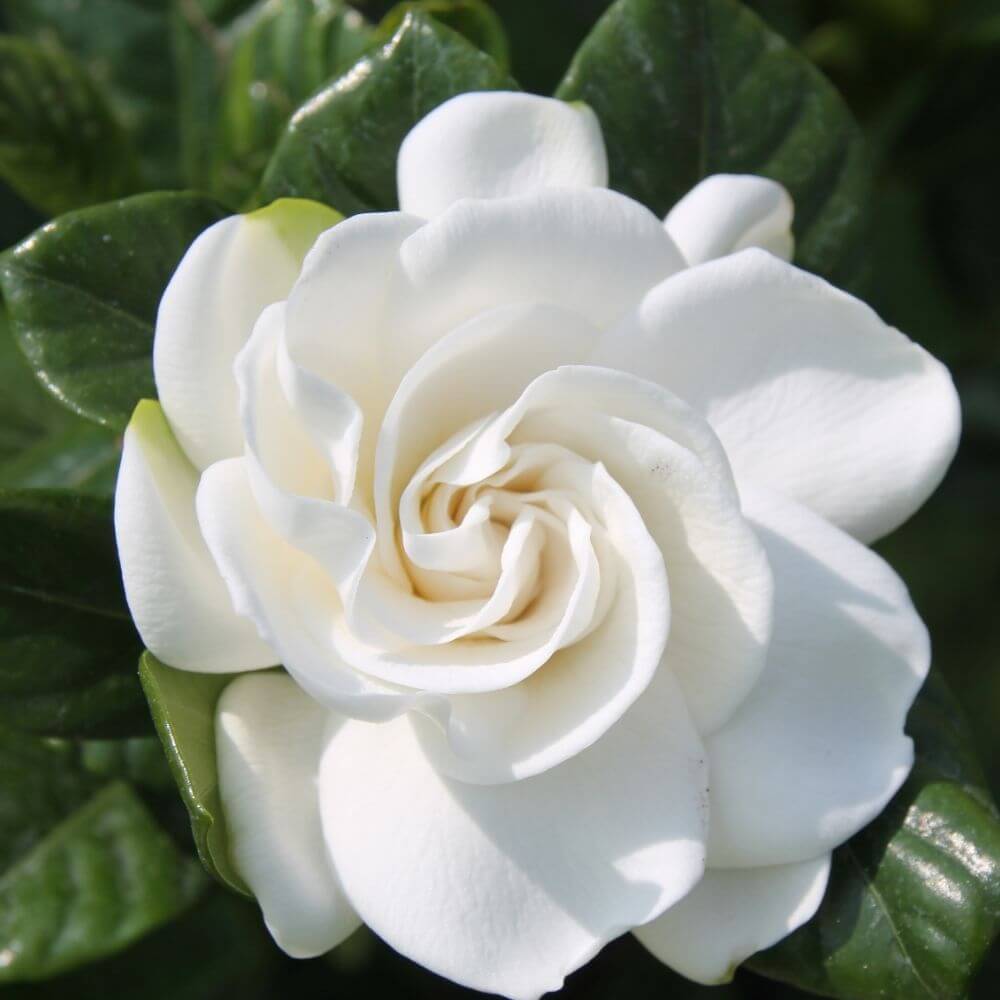
Gardenias have lush white petals and a creamy, romantic scent that many compare to warm summer air. Their fragrance is strongest in the evening, making them popular for patios. They also symbolize love and purity in many cultures.
3. Rose
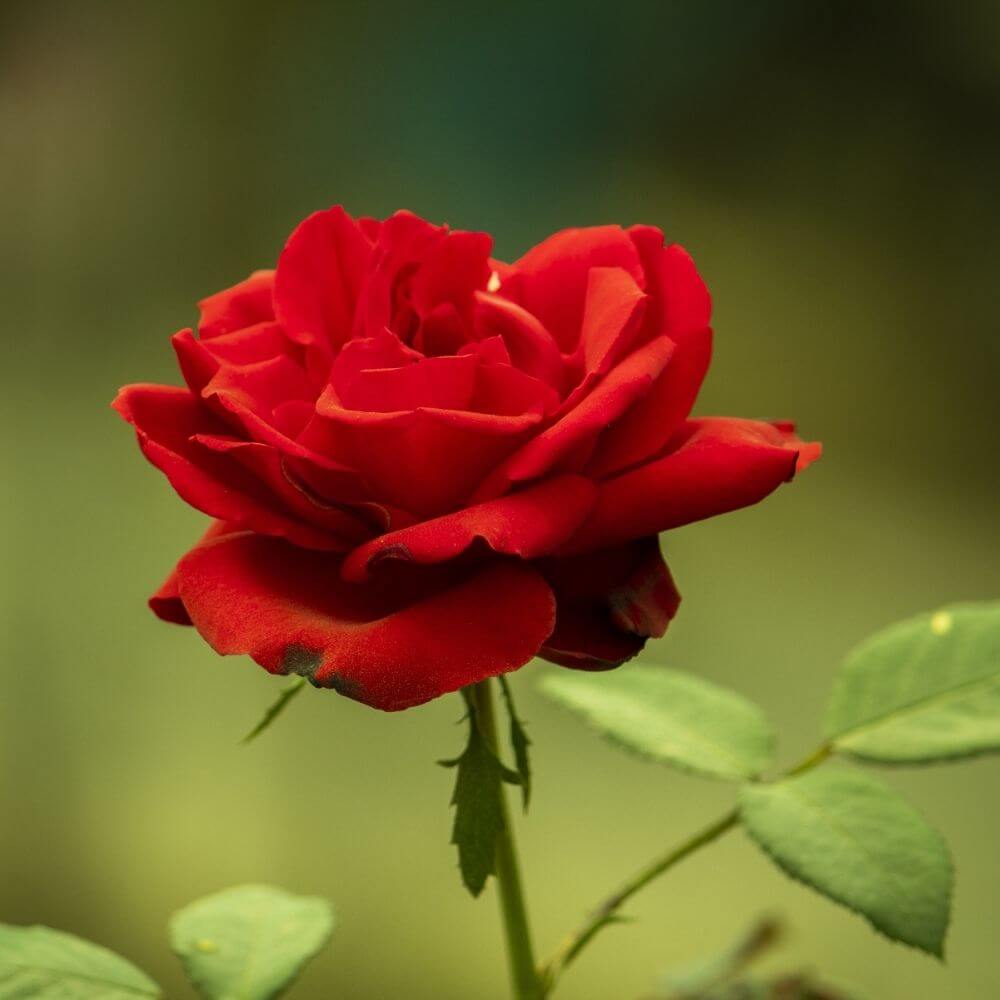
Roses offer a wide range of scents, from soft and powdery to rich and spicy. Their fragrance is heavily influenced by variety and color. Beyond gardens, roses are used in skincare, perfumes, and emotional healing traditions.
4. Tuberose
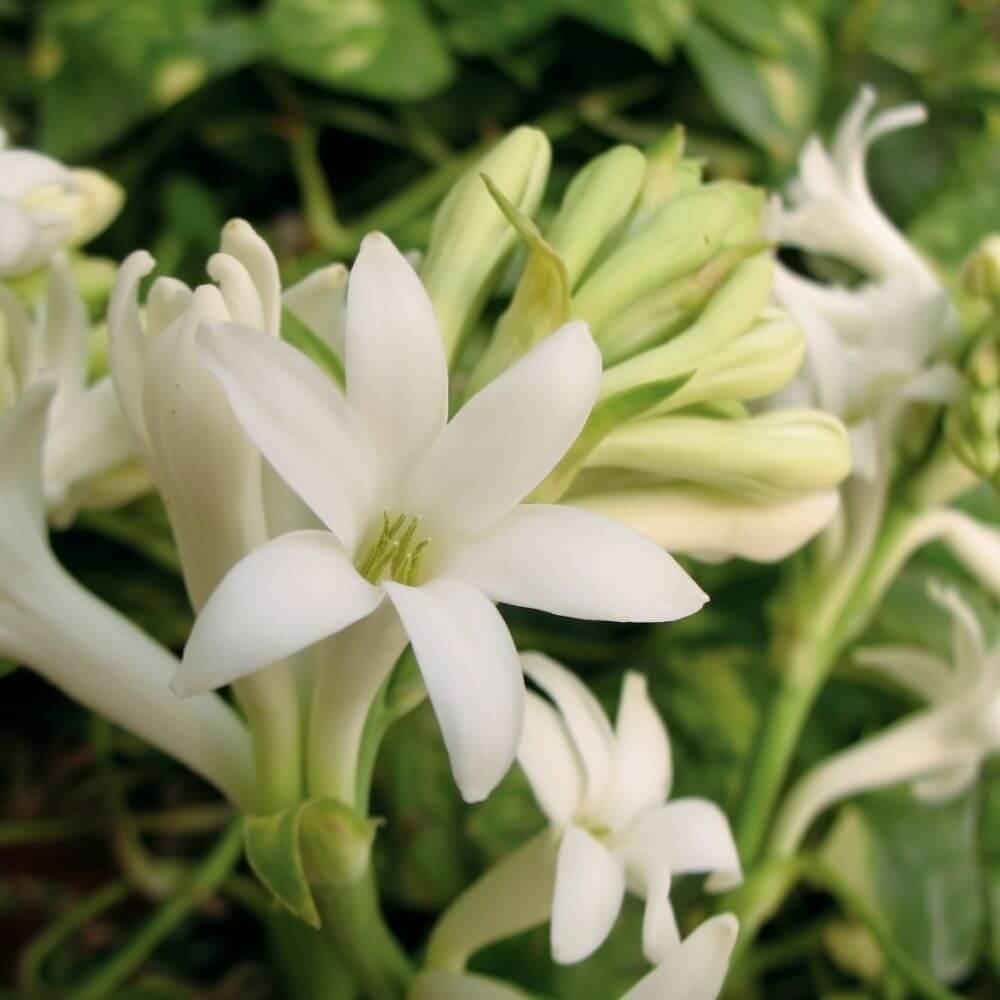
Tuberose is known for its intense and luxurious aroma, often called one of the strongest floral scents in the world. Perfume makers love it for its long-lasting notes. The flower blooms at night and spreads its scent smoothly across large spaces.
5. Lily of the Valley
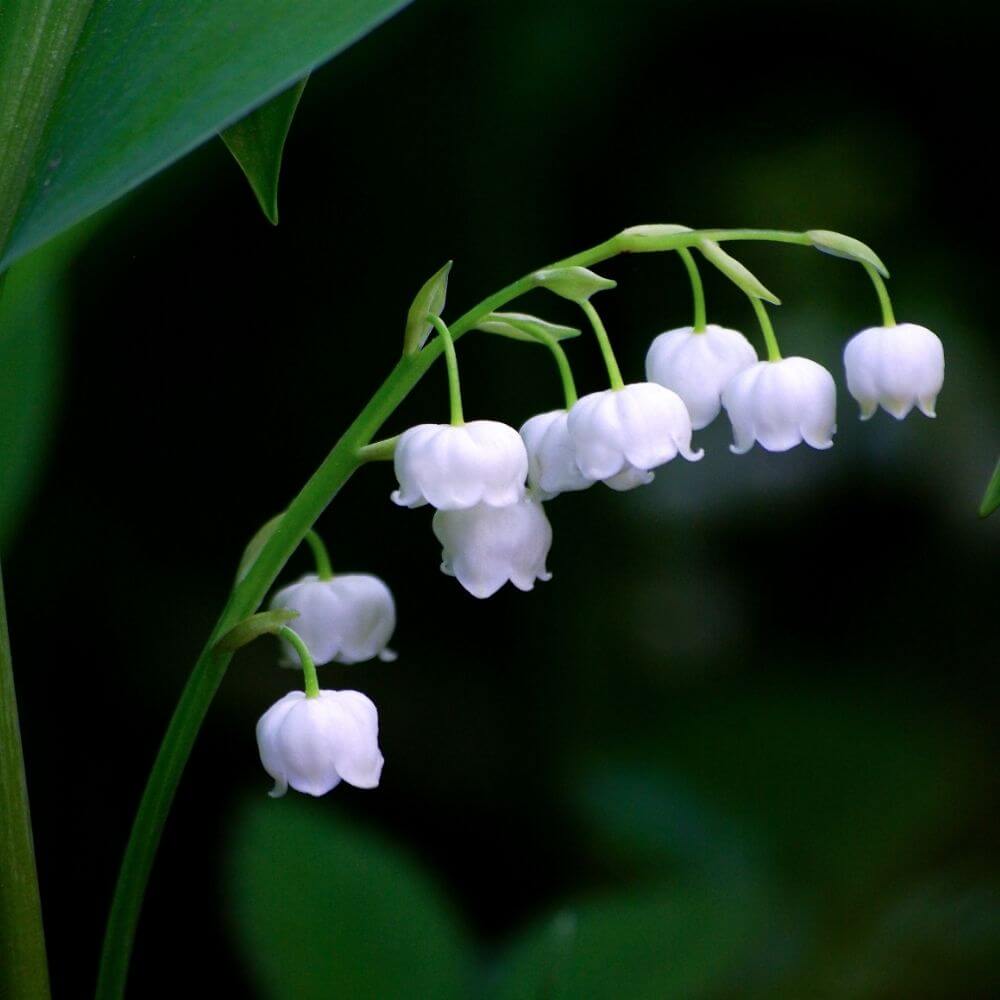
This delicate white flower carries a fresh, sweet scent that feels airy and natural. Despite its small size, it produces a surprisingly strong aroma. It’s commonly used in bridal bouquets and symbolizes new beginnings.
6. Lavender
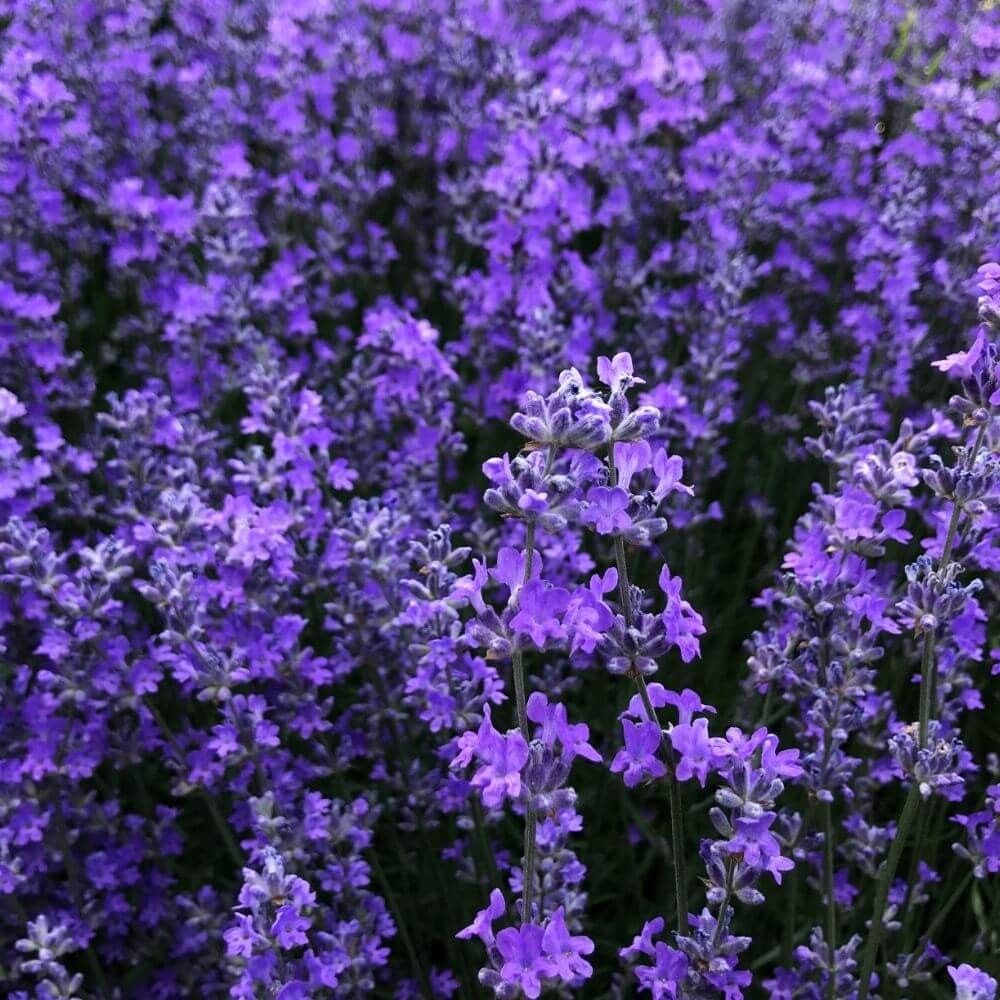
Lavender has a calming floral scent mixed with slight herbal notes. It’s widely grown for oils, soaps, and home décor because its fragrance lasts even when dried. Many people keep lavender to support relaxation and better sleep.
7. Honeysuckle

Honeysuckle releases a creamy, nectar-like aroma that instantly reminds you of warm afternoons. Its sweet scent draws bees and hummingbirds. Many gardeners grow it on fences because it spreads fast and perfumes the whole yard.
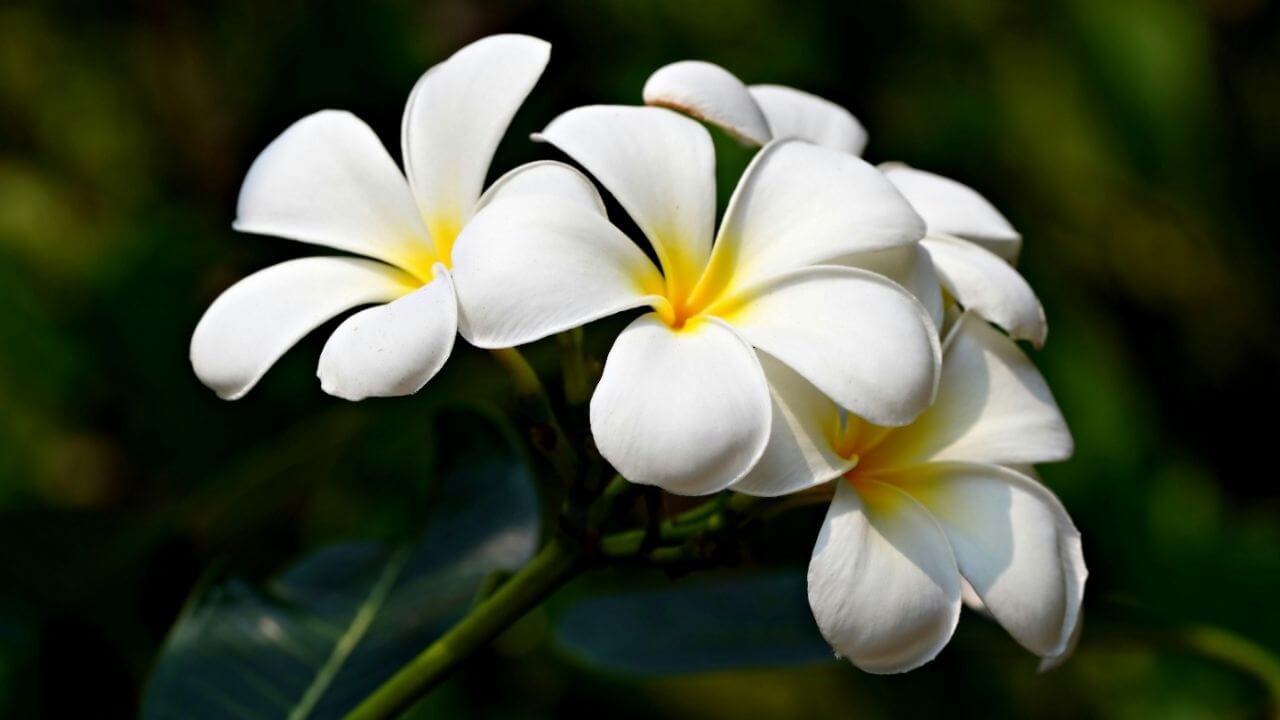
8. Plumeria
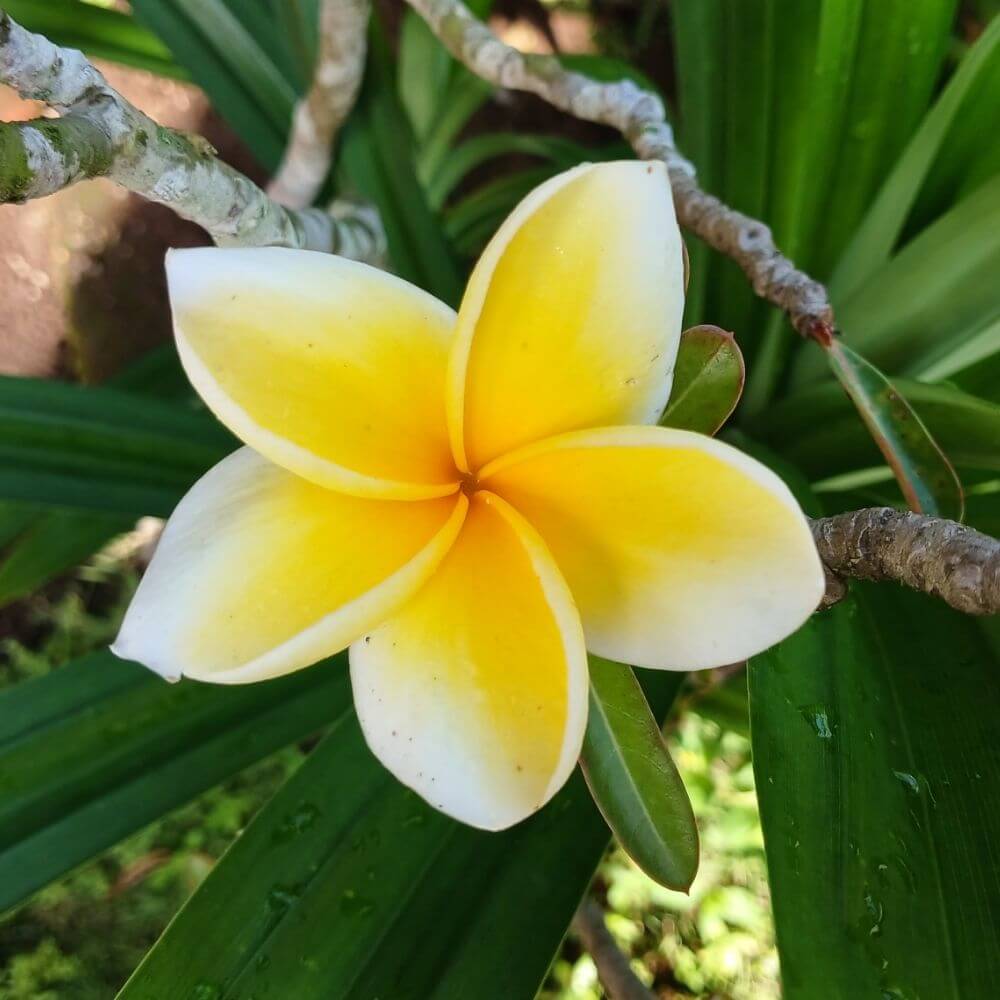
Plumeria flowers, often used in tropical leis, have a bold and fruity smell. They bloom in bright colors like pink, yellow, and white, each with a slightly different fragrance. Their scent becomes strongest in warm, humid air.
9. Magnolia
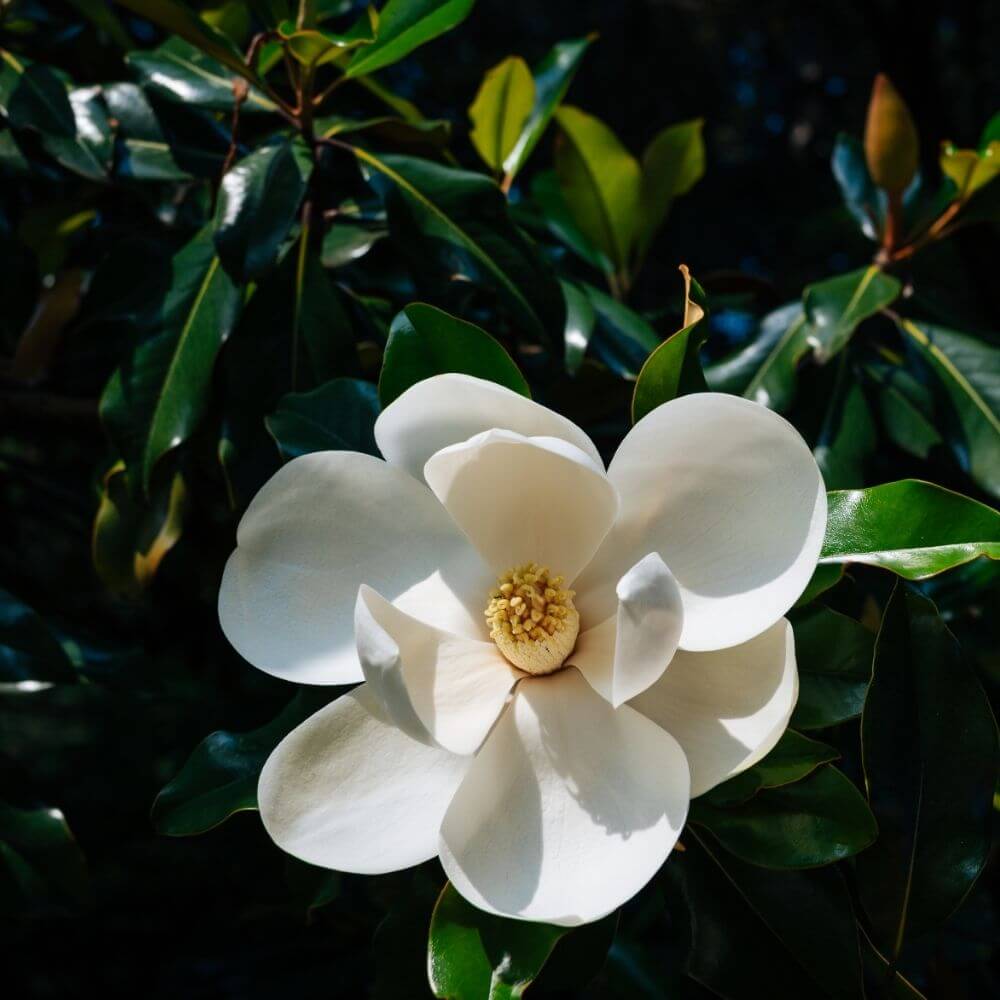
Magnolia has a lemony floral aroma that feels fresh yet sophisticated. The large blooms make a strong impression in landscapes. Some species smell sweeter, while others have a sharper citrus-like note.
10. Sweet Alyssum
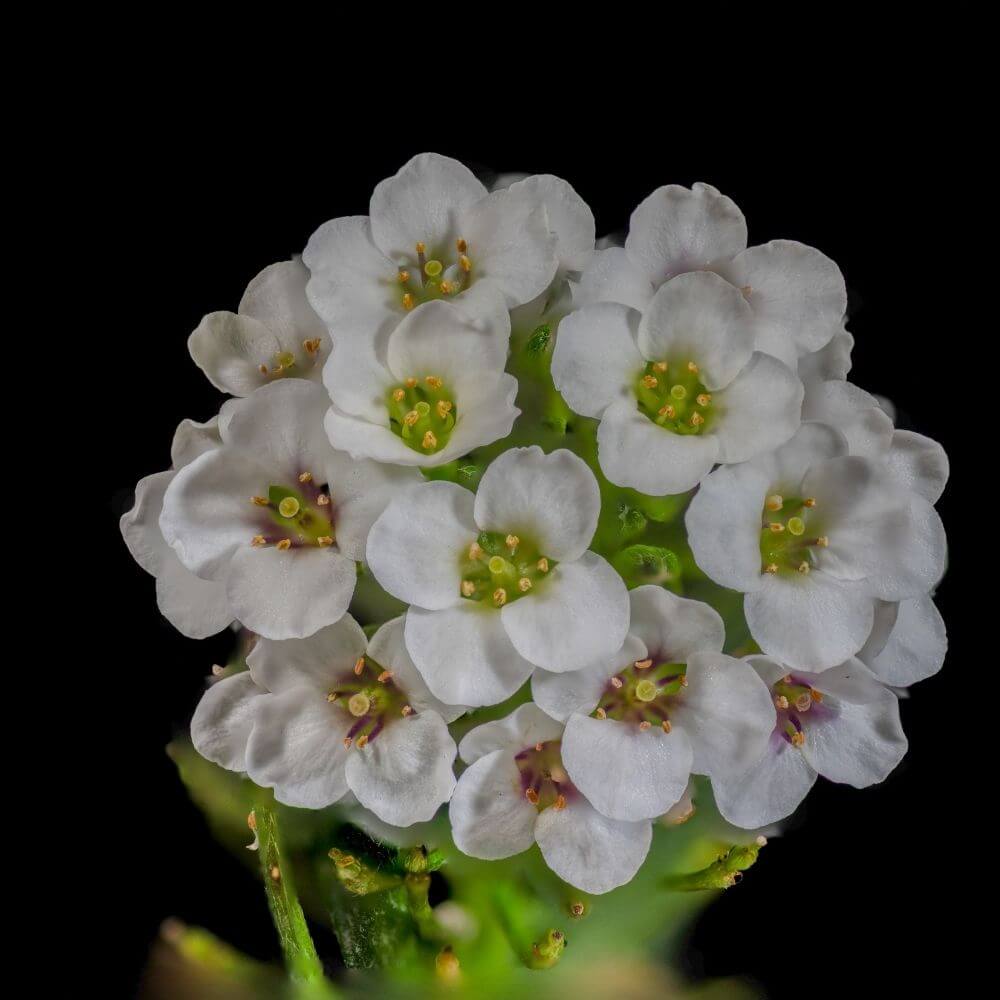
Sweet Alyssum produces clusters of tiny flowers with a honey-like scent. It grows low to the ground and spreads quickly, making it great for borders. The aroma becomes stronger in cooler temperatures, especially evenings.
11. Freesia
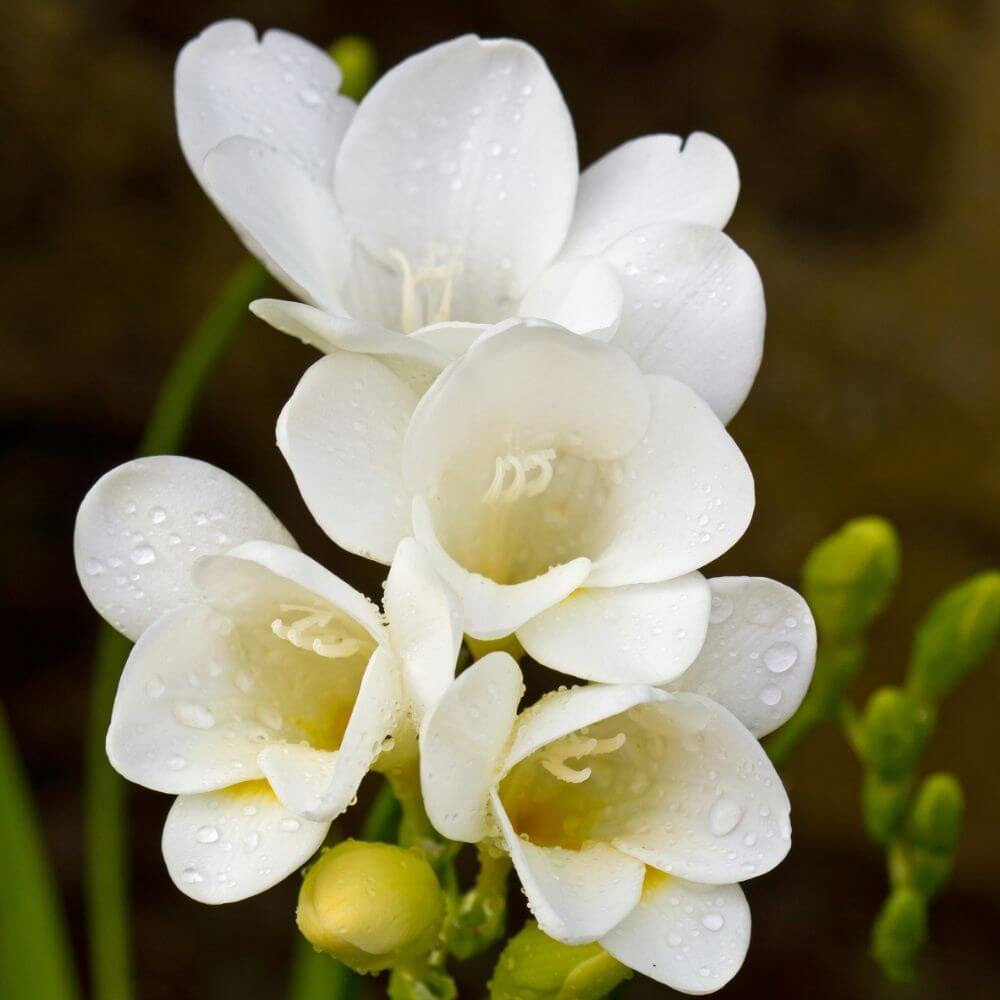
Freesia offers a clean, fruity fragrance often described as refreshing and cheerful. Its elegant blooms come in many colors, each with a slightly different scent strength. It’s a favorite for floral arrangements due to its long vase life.
12. Scented Geranium
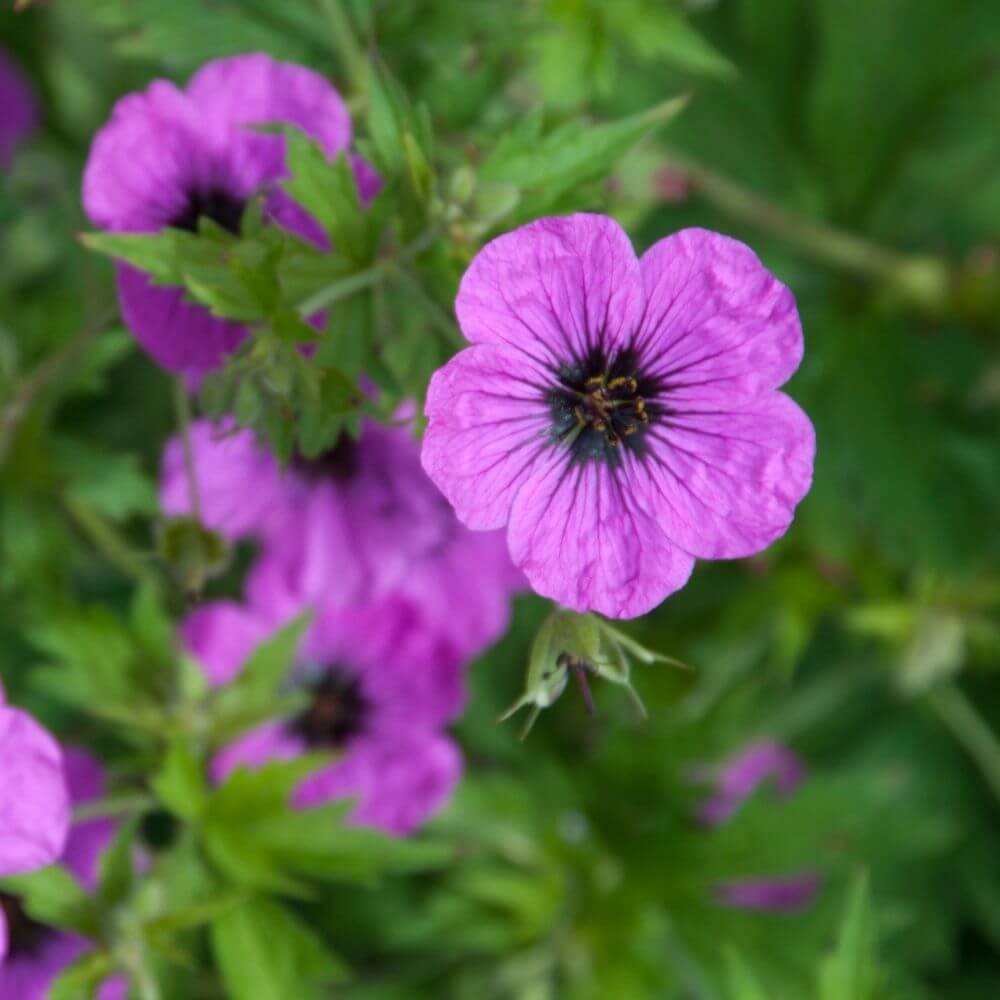
These plants release fragrance when touched, making them unique. Depending on the variety, you might smell lemon, mint, or rose-like notes. They’re great for pots and outdoor sitting areas because of their long growing season.
13. Mock Orange
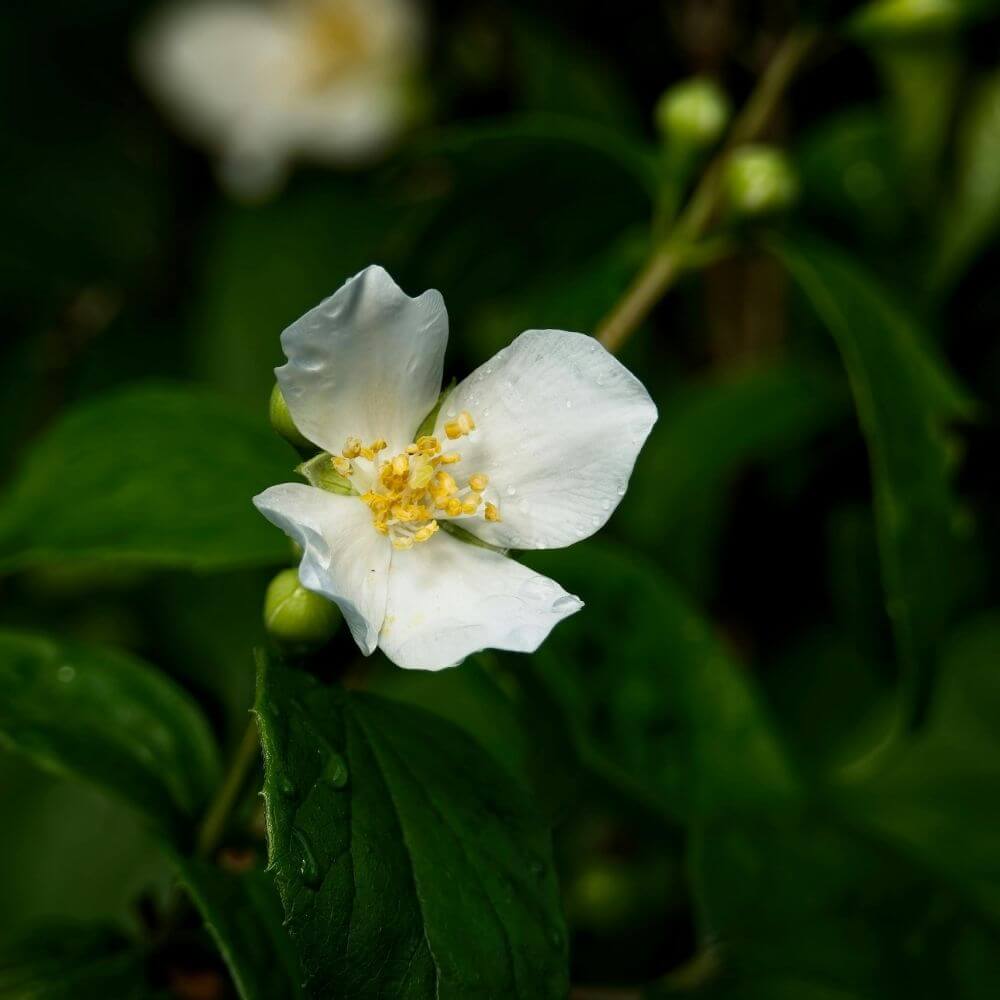
Mock Orange gets its name because its blossoms smell like fresh oranges. The scent is crisp, sweet, and clean. It’s one of the best shrubs for strong fragrance during late spring.
14. Osmanthus
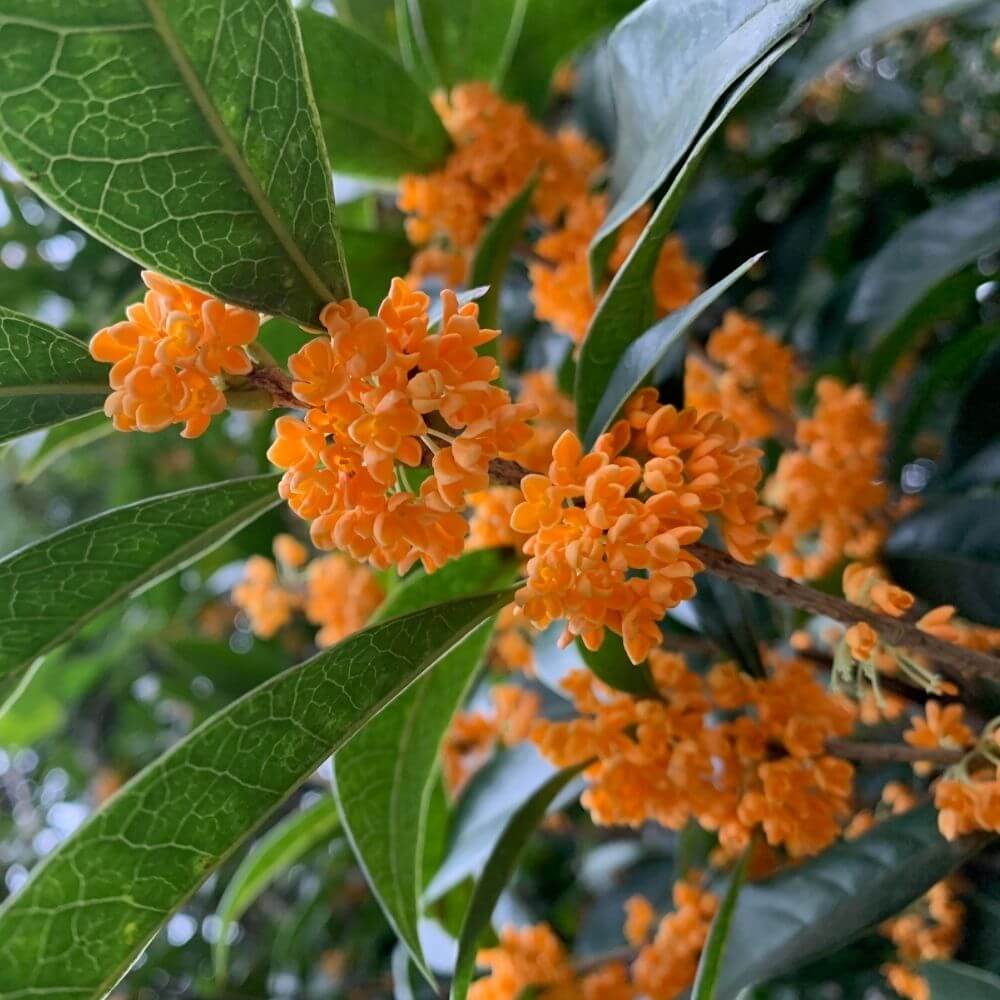
Osmanthus flowers smell like a mix of apricot and soft jasmine. The tiny blooms release more fragrance than their size suggests. Many Asian teas use osmanthus to give a naturally sweet scent.
15. Hyacinth
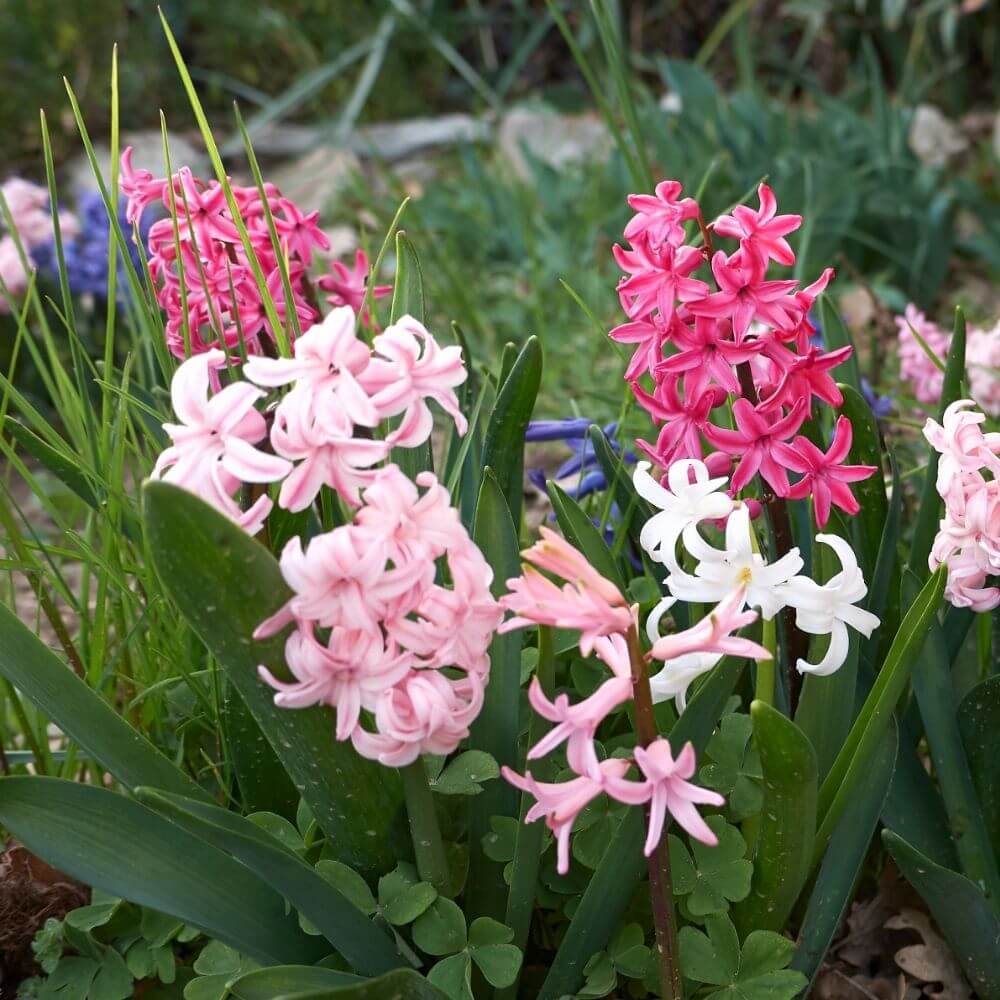
Hyacinths produce thick clusters of flowers with a powerful, room-filling scent. Their aroma ranges from sweet to slightly spicy depending on color. They are one of the earliest fragrant flowers to bloom in spring.
16. Wisteria
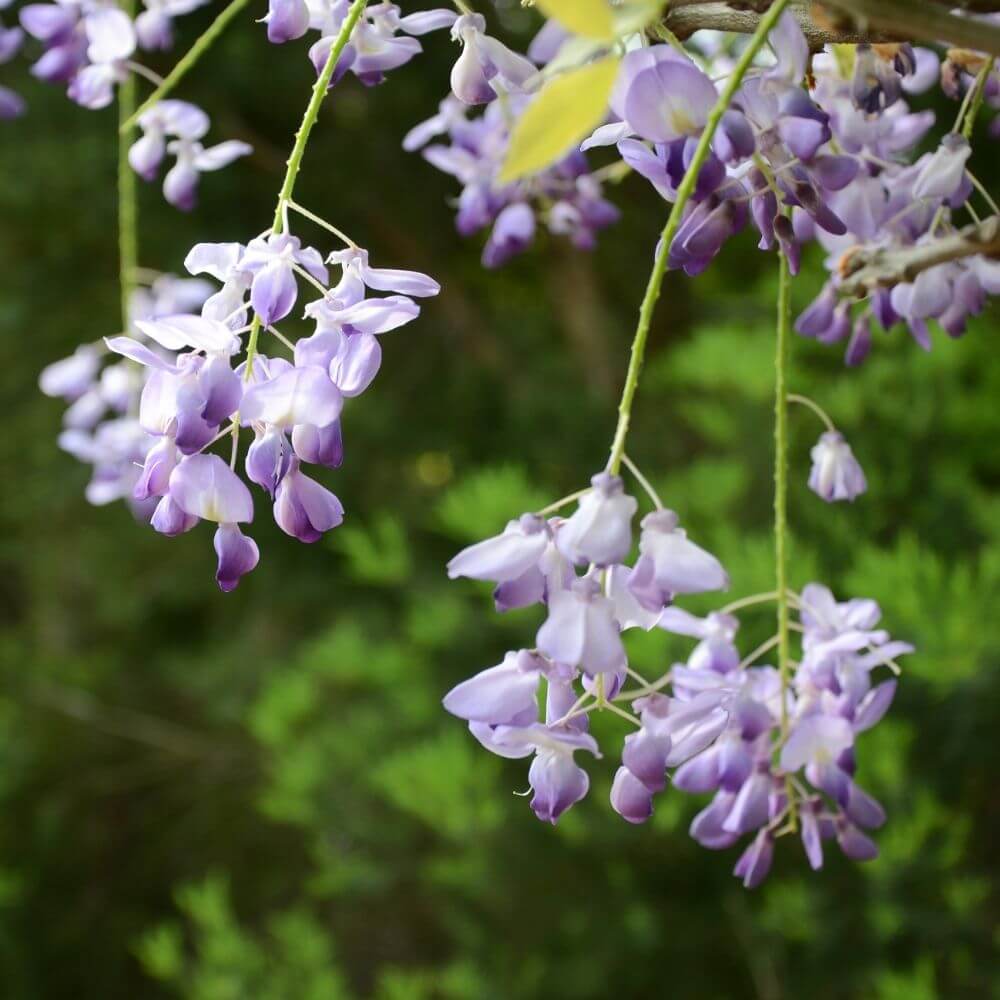
Wisteria vines create long, hanging clusters that smell sweet and elegant. The floral scent grows stronger when the flowers are warm under sunlight. Wisteria is often seen in courtyards and garden entrances for its dramatic display.
17. Stargazer Lily

Stargazer lilies have a bold, spicy-sweet aroma that instantly fills any room or garden space. Their bright pink petals make them popular in bouquets. Because the scent is strong, even a few stems create a noticeable fragrance.
18. Night Blooming Jasmine
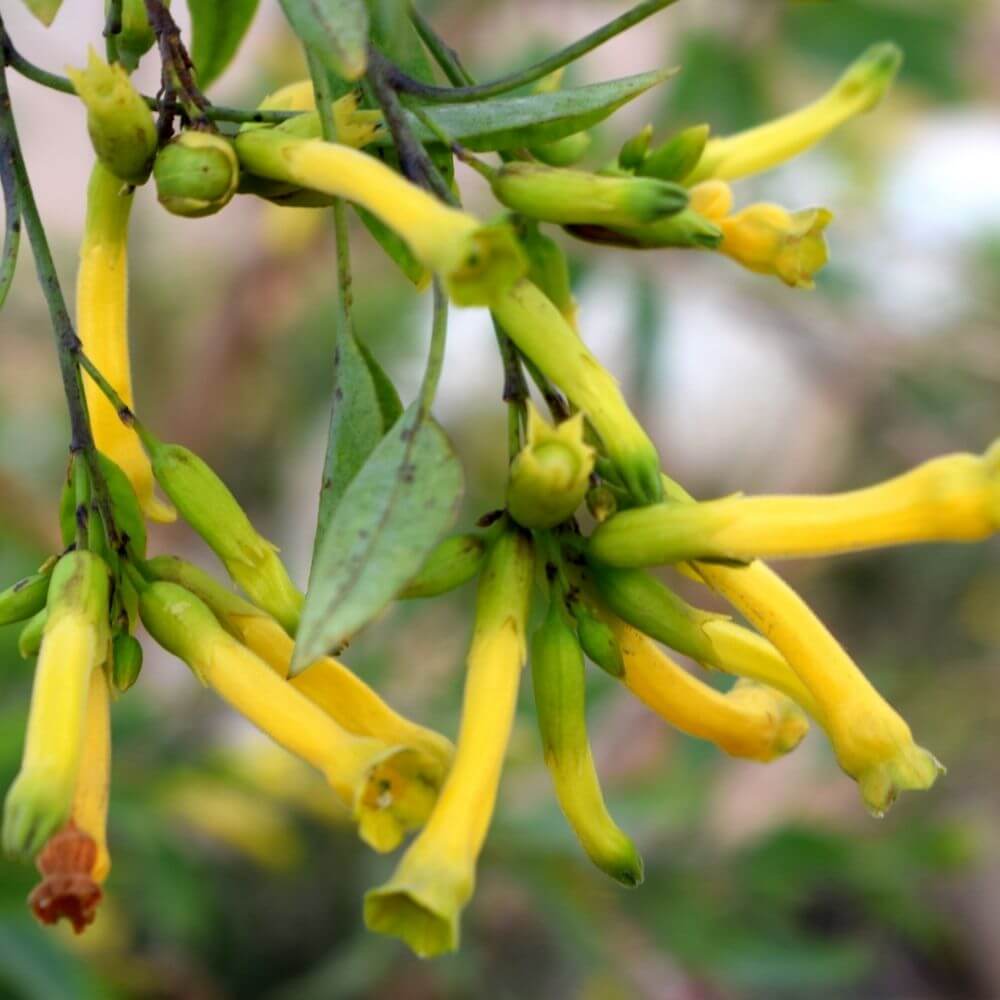
This flower releases its fragrance only after sunset, making it one of the best night-scented plants. Its aroma is rich and slightly sweet, spreading quickly through warm evening air. Many people grow it near patios to enjoy its scent during nighttime gatherings.
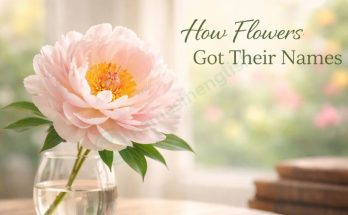
19. Peony
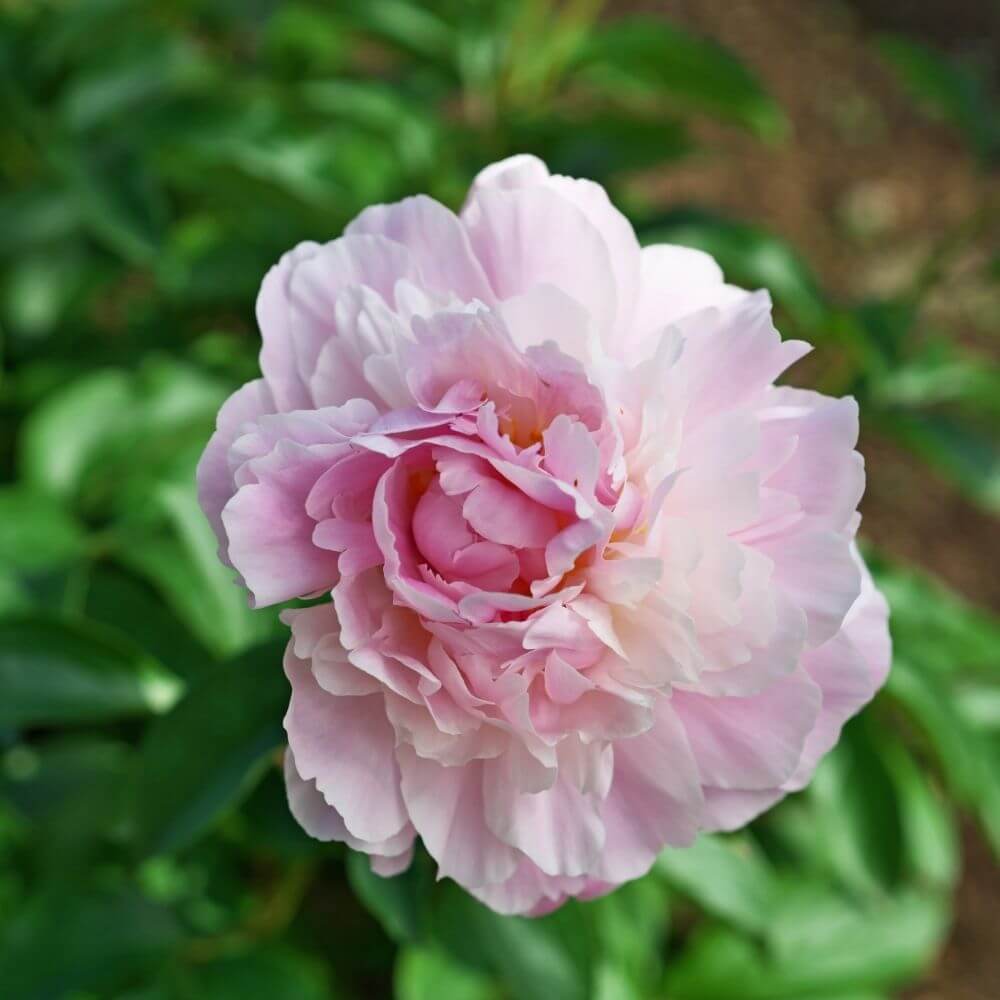
Peonies offer a soft, rosy fragrance that feels both fresh and comforting. The scent varies from light sweetness to a deeper floral tone depending on the variety. Their large blooms make them a favorite for spring weddings and garden displays.
20. Sweet Pea
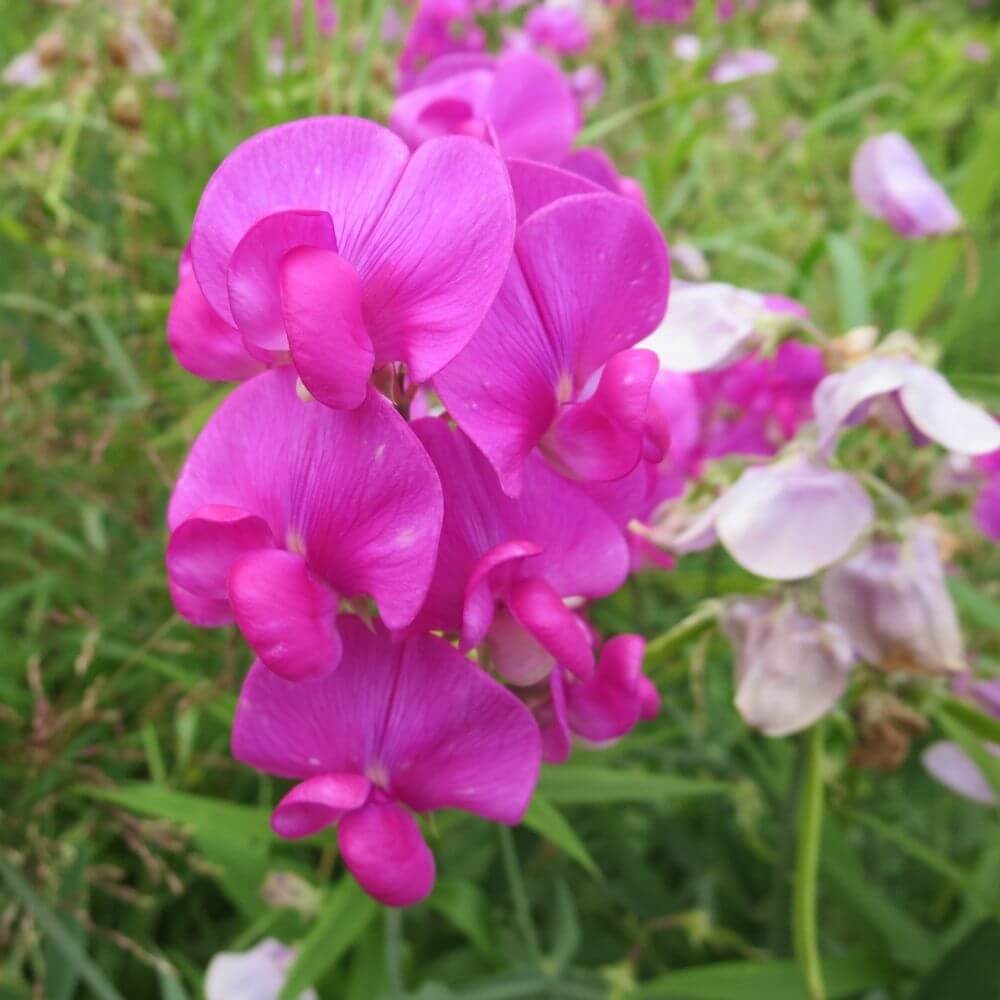
Sweet peas carry a gentle, old-fashioned floral scent that many people describe as nostalgic. They come in a wide range of pastel colors and bloom in cool seasons. The fragrance is strongest in early mornings.
Top 10 Most Fragrant Flowers
Below is a fast ranking based on strength, popularity, and scent longevity:
- Jasmine
- Tuberose
- Gardenia
- Rose
- Stargazer Lily
- Night Blooming Jasmine
- Magnolia
- Hyacinth
- Plumeria
- Lavender
Flowers That Smell Good at Night
Some flowers release more fragrance after sunset to attract nocturnal pollinators. If you enjoy evening gardens or outdoor sitting areas, these blooms are perfect:
- Night Blooming Jasmine
- Tuberose
- Moonflower
- Queen of the Night Cactus
- Evening Primrose
- Wisteria
- Four O’Clock Flower
These flowers smell the strongest in warm, still air. Placing them near windows, balconies, or courtyard seating areas helps their scent carry naturally.
Best Smelling Flowers for Bouquets
If you’re arranging bouquets or gift flowers, certain blooms hold their fragrance better when cut. These flowers stay fresh longer and keep releasing scent even in vases:
- Rose
- Peony
- Freesia
- Stargazer Lily
- Gardenia
- Lavender
- Sweet Pea
Bouquets with a mix of soft scents (like peony or sweet pea) and stronger ones (like stargazer lily) create a balanced aroma without feeling overwhelming.
Non-Fragrant Flowers (Names to Know)
Not every beautiful flower has a scent. Many popular flowers are actually scentless due to breeding focused on color and size.
Common non-fragrant flowers include:
- Tulip
- Sunflower
- Hydrangea
- Poppy
- Dahlia
- Ranunculus
- Anemone
- Hibiscus
- Gardeners often mix scented and non-scented flowers to get both color and aroma in the landscape.
Worst Smelling Flowers (Surprising Ones)
Some flowers are famous for their unpleasant scent. They often use strong odors to attract flies instead of bees.
A few examples:
- Corpse Flower
- Skunk Cabbage
- Carrion Flower
- Dragon Arum
- Stapelia (Starfish Flower)
These blooms have foul scents that mimic decaying material. They are fascinating from a botanical point of view but not ideal for home gardens.
Key Takeaways: Quick Notes on Fragrant Flowers
- Not all colorful flowers have a scent; fragrance depends on natural oils.
- Warm evenings and humid air make strong smelling flowers more noticeable.
- Jasmine, tuberose, and gardenia are among the most intense fragrant flowers.
- Soft-scented flowers like peony and sweet pea suit indoor bouquets.
- Some flowers are night-scented and smell strongest after sunset.
- A mix of fragrant and non-fragrant flowers gives balance in gardens.
Conclusion
Strong smelling flowers bring more than color to a space. Their fragrance adds emotion, atmosphere, and a sense of calm or joy depending on the bloom. Whether you’re choosing fragrant flowers for a garden, bouquet, or indoor display, understanding their scent profiles helps you select the right ones.
If you enjoyed exploring these blooms, feel free to check out more of our flower guides to learn about colors, meanings, and seasonal favorites.