
The National Flower of Korea, the Mugunghwa Flower, is a beautiful symbol of strength, resilience, and everlasting beauty. Loved for its delicate blooms and deep cultural meaning, this flower has represented the spirit of the Korean people for generations. Learning about the National Flower of Korea helps you understand Korea’s history, traditions, and national identity. In this article, you’ll learn what the Mugunghwa Flower is, why it is so important, its symbolic meaning, interesting facts, and how it continues to inspire people in Korea and around the world.
What Is the National Flower of Korea?
The Mugunghwa, also known as the Rose of Sharon, holds the honor of being South Korea’s national flower. This flower blooms profusely during late summer and early autumn, brightening gardens and natural spaces across the country. It belongs to the Hibiscus family, scientifically called Hibiscus syriacus.
The Mugunghwa thrives in Korea’s temperate climate and can grow well in a variety of soils. It is a hardy shrub that can withstand strong winds and harsh weather, making it a symbol of resilience.
Botanical Characteristics of the Mugunghwa Flower
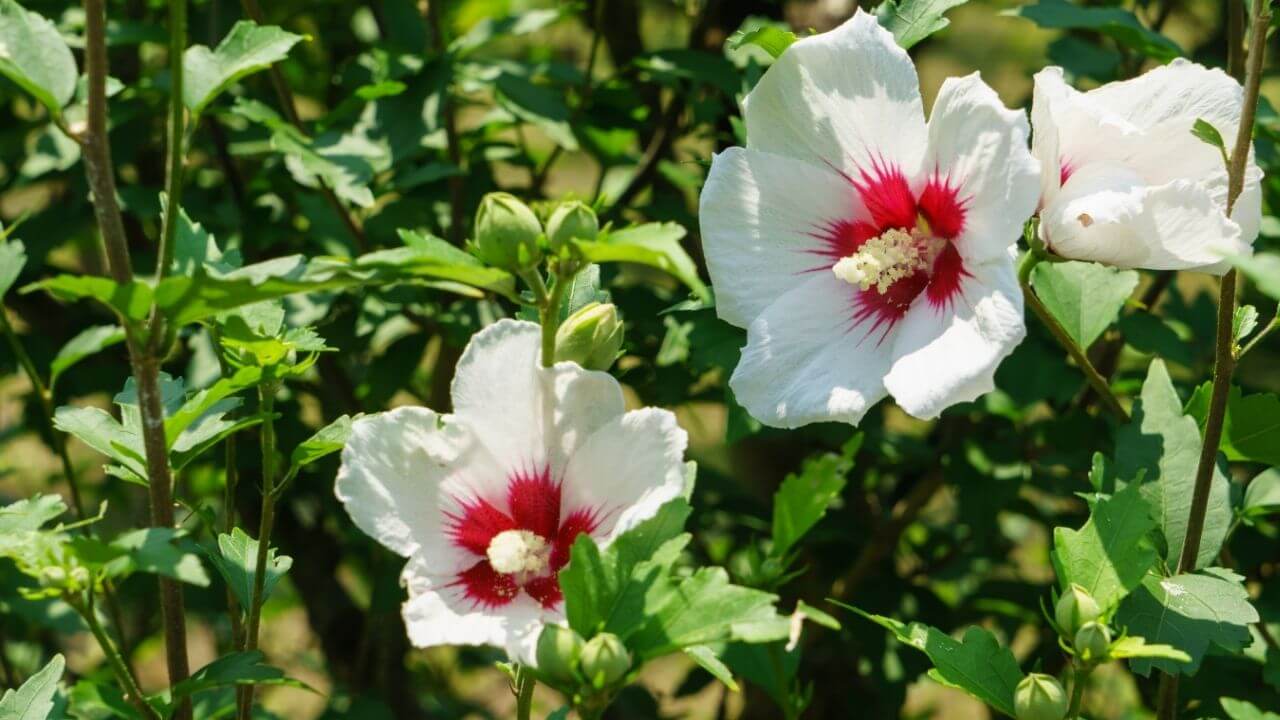
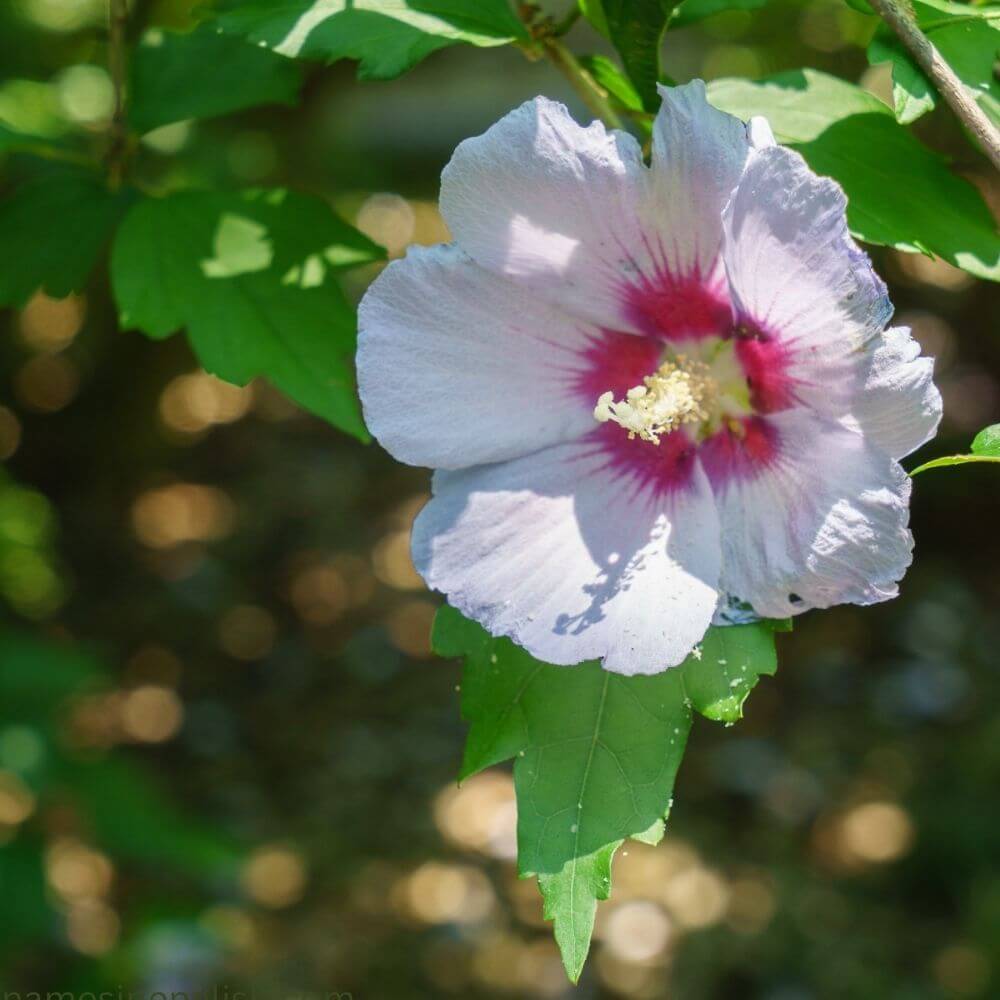
The Mugunghwa is a deciduous shrub or small tree that usually grows between 2 to 4 meters tall. Its flowers have five petals, ranging in colors from pale pink to deep violet, often featuring a vibrant red or dark purple center. The bloom typically lasts just one day but the plant produces flowers continuously over several months.
Its leaves are dark green and oval-shaped with serrated edges, adding to the plant’s ornamental appeal. Due to its hardiness and ease of growth, the Mugunghwa is a common sight along roadsides, in gardens, and public parks throughout South Korea.
South Korea’s National Flower Picture
The Mugunghwa flower typically has five petals with colors ranging from soft pink to bright purple, often with a striking red center. Its delicate yet vibrant appearance makes it easy to recognize.
If visiting Korea, one can see these flowers in public parks, along streets, and even in the wild countryside during their blooming season. They create a beautiful sight that reflects both nature’s charm and cultural pride.
Meaning and Symbolism of the Mugunghwa Flower
In Korean culture, the Mugunghwa is much more than just a pretty flower. Its name translates to concepts like “eternity” or “immortality,” highlighting qualities of endurance and unwavering spirit. The flower has been celebrated for centuries and appears in many traditional artworks, poems, and official emblems.
This flower’s symbolism connects closely with the Korean people’s enduring nature through hardships and their hope for a bright future. It is featured on national coins, government seals, and even military insignias, showing how deeply ingrained it is in Korea’s identity.
The flower’s resilience also mirrors the country’s history of overcoming invasions, occupations, and divisions, making it a fitting emblem of national pride and unity.
National Flower of Korea in English
In English, the Mugunghwa is commonly known as the Rose of Sharon or Hibiscus syriacus. However, it should not be confused with tropical hibiscus species, which have larger flowers and grow in warmer climates.
The Korean name Mugunghwa remains preferred locally because it carries deep historical and emotional connections. Using this name honors the unique cultural significance the flower holds for Korea.
This dual naming can sometimes confuse people unfamiliar with Korean culture, but understanding both names helps appreciate its significance globally.
How the Mugunghwa Is Used in Korean Culture and Society
The Mugunghwa appears in many areas of Korean life beyond just being a flower. It is prominently featured on South Korea’s national emblem and currency, symbolizing the country’s identity to both citizens and foreigners.
In literature and art, poets and painters have long celebrated the Mugunghwa for its beauty and meaning. Schools, government buildings, and even military units incorporate the flower in their logos or badges, reinforcing its presence as a symbol of strength and endurance.
The flower is also celebrated during festivals, where its blooming signals the changing of seasons and renewal.
What About North Korea’s National Flower?
North Korea does not have a traditional national flower like South Korea. Instead, it recognizes two symbolic flowers named after its leaders: Kimilsungia and Kimjongilia. The Kimilsungia is an orchid named after Kim Il-Sung, and the Kimjongilia is a begonia named after Kim Jong-Il.
These flowers serve political and symbolic purposes within North Korea but differ from the traditional national flower concept, which focuses on natural heritage and cultural identity.
Unlike the Mugunghwa, which grows naturally and holds cultural meaning beyond politics, the leader-named flowers are more recent and tied directly to the country’s ruling figures.
Growing and Caring for Mugunghwa Outside Korea
For gardening enthusiasts interested in the Mugunghwa, it is possible to grow this flower outside Korea. It adapts well to temperate climates with full sun to partial shade. The plant prefers well-draining soil and moderate watering but is tolerant of dry spells once established.
Because it blooms repeatedly from summer to fall, it can add long-lasting color to gardens. Its resilience also makes it a low-maintenance choice for many gardeners.
Key Takeaways About Korea’s National Flower
- The Mugunghwa is South Korea’s national flower
- It symbolizes endurance, immortality, and hope
- Widely used in Korean culture, from art to official symbols
- The flower’s resilience mirrors Korea’s history and spirit
- North Korea recognizes leader-named flowers instead of a traditional national flower
- The Mugunghwa can be grown in temperate climates around the world
Conclusion
The Mugunghwa flower is a beautiful emblem of South Korea’s spirit and history. Its enduring presence in culture and nature makes it a fitting national flower. Exploring its meaning offers a glimpse into the values cherished by the Korean people. For those interested in learning more about Korea’s rich traditions and symbols, diving deeper into its national emblems can be both inspiring and rewarding.
For more insights, explore our detailed guides on national flowers from various countries and other floral topics.