
Blue-flowering trees are among the rarest and most eye-catching trees you can grow, adding unique color and beauty to gardens, parks, and landscapes. Whether you’re looking to create a stunning outdoor space or simply discover unusual flowering trees, Trees with Blue Flowers offer an impressive mix of charm, shade, and seasonal blooms. In this article, you’ll learn 15 beautiful varieties of trees with blue flowers, along with their names, key features, growing tips, and what makes each one special. This guide will help you choose the perfect blue-flowering tree for your garden while expanding your knowledge of these remarkable plants.
Why Blue Flowers Are So Rare in Trees
The rarity of blue blooms isn’t just coincidence it’s chemistry. True blue coloration in flowers comes from anthocyanin pigments combined with specific pH levels and co-pigments that reflect blue wavelengths of light. This complex biochemical recipe is difficult for plants to achieve, which is why nature produces far more reds, pinks, and whites.
What we often call “blue” flowers are actually varying shades of purple, violet, or lavender. Genuine blue is so rare that horticulturists consider it the “holy grail” of flower breeding. For gardeners and nature lovers, this means that any tree producing blue flowers becomes an instant conversation piece and garden treasure.
These trees don’t just offer visual appeal they’re ecological powerhouses. Many blue-flowering trees attract specialized pollinators like carpenter bees, certain butterfly species, and hummingbirds that are drawn to cooler color spectrums.
15 Trees with Blue Flowers: Complete Guide
Blue-flowering trees are the perfect way to add unique visual depth and cool contrast to your garden. This definitive guide features 15 reliable, breathtaking species, correctly categorized by size, that will transform your outdoor space.
Small Trees with Blue Flowers (Under 30 feet)
These compact specimens are perfect for smaller gardens, urban lots, or use as stunning accent pieces, offering maximum visual impact without overwhelming your space.
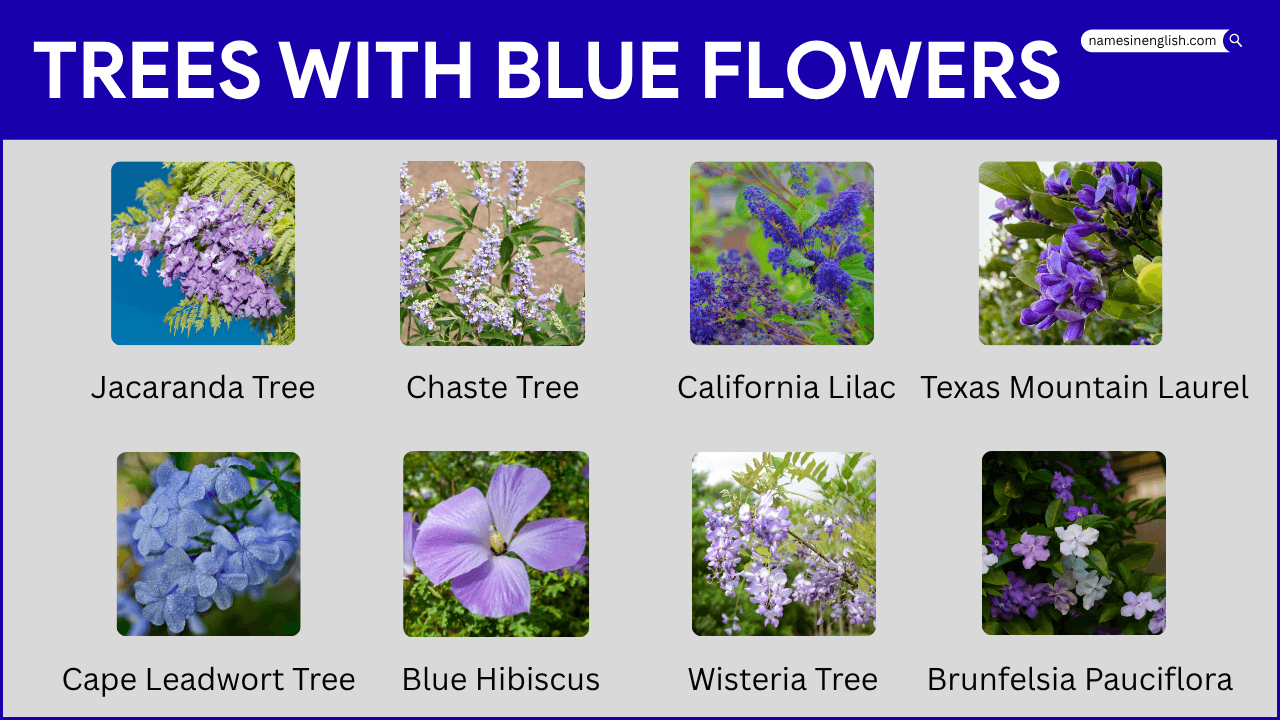
1. Chaste Tree (Vitex agnus-castus)
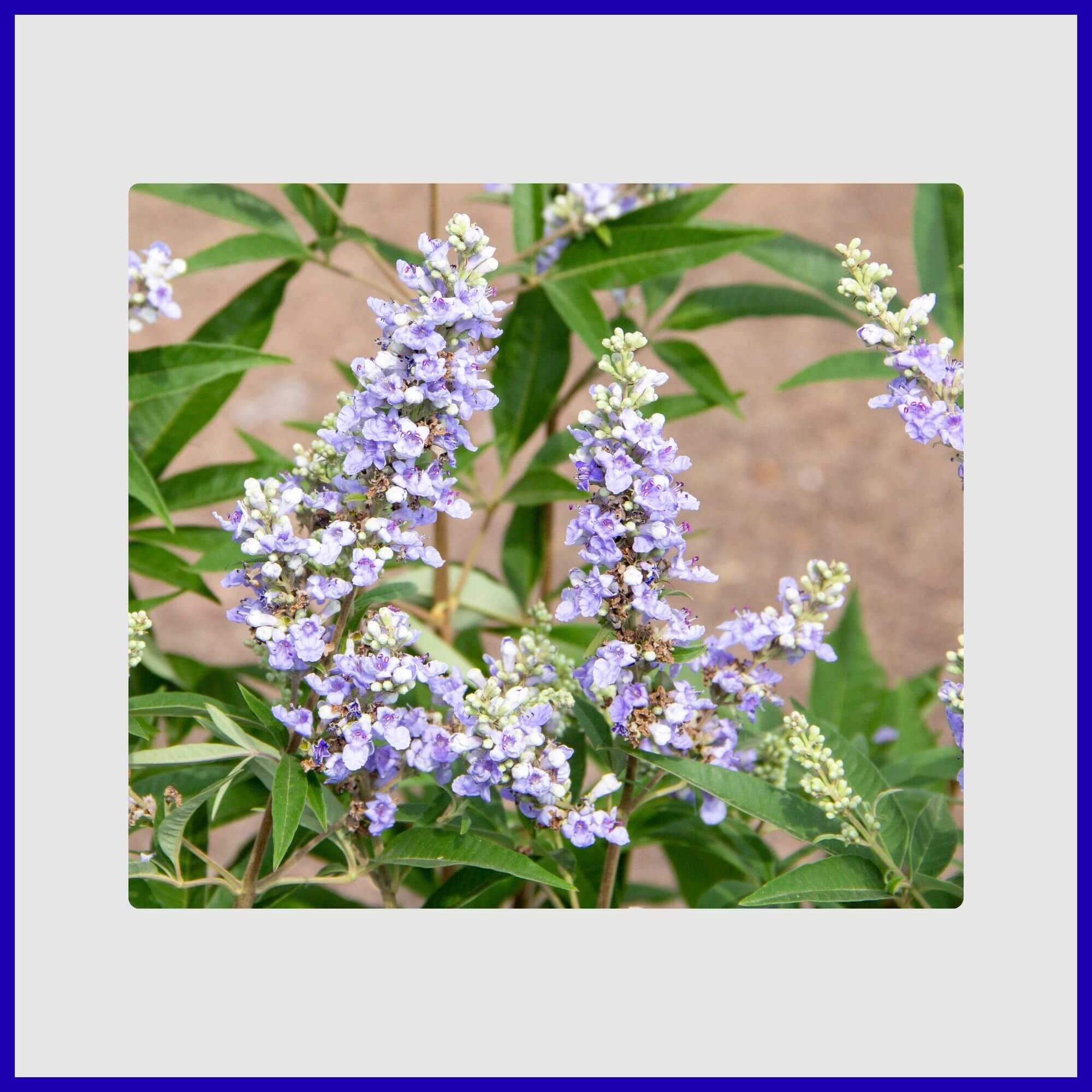
The Chaste Tree is technically a large shrub but easily trained into a lovely small tree form. It produces elegant spikes of fragrant lavender-blue flowers throughout summer a huge advantage when many other trees have finished blooming. It is remarkably drought-tolerant once established, and butterflies absolutely adore it.
- Height: 15-25 feet (with training)
- Bloom Time: Summer to early fall
- Water Needs: Low to moderate; drought-tolerant
- USDA Hardiness Zones: 6-9
2. California Lilac Tree (Ceanothus ‘Ray Hartman’)
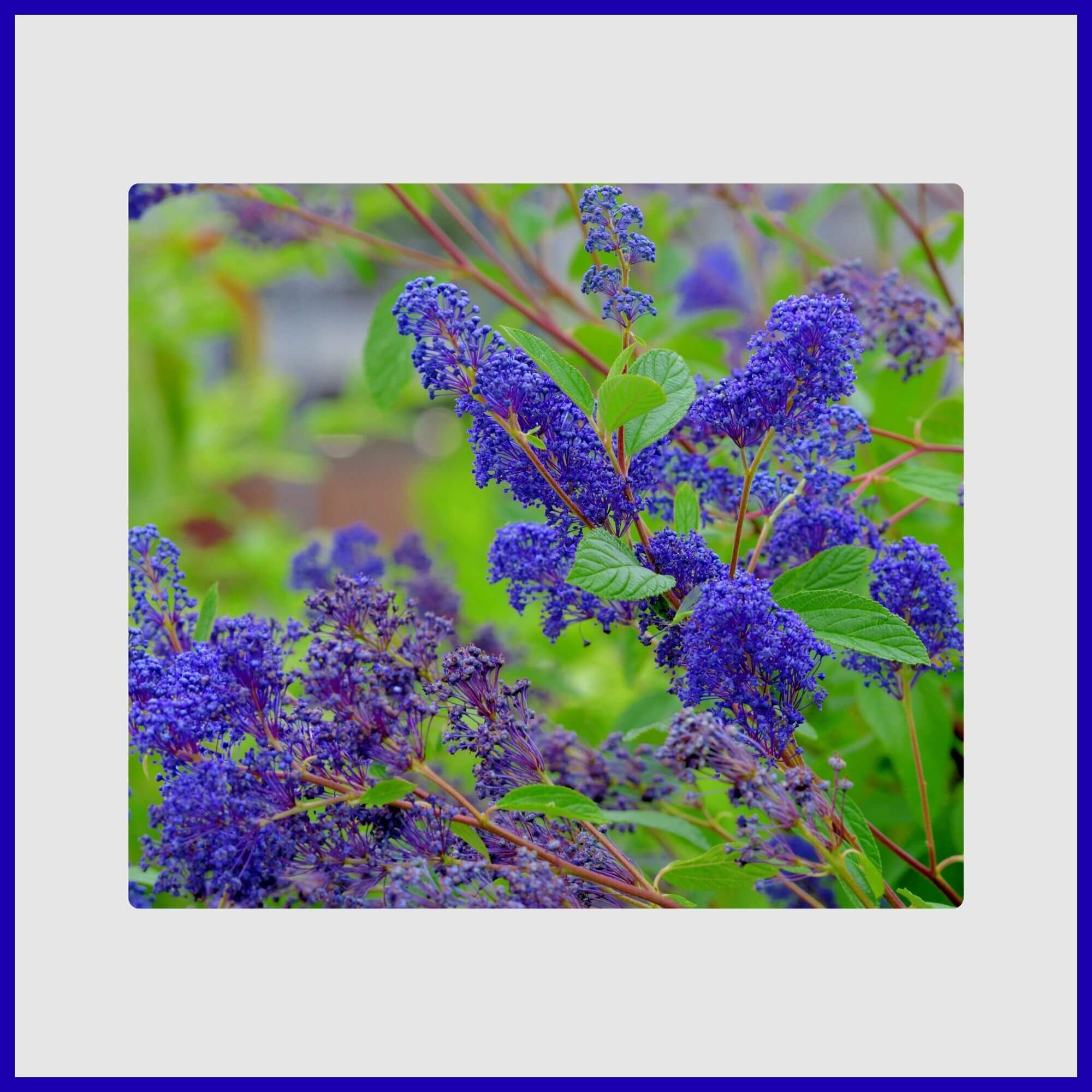
‘Ray Hartman’ can be trained as a small tree, producing abundant clusters of true blue flowers that are magnets for native bees. This California native provides critical habitat and requires minimal water. Its evergreen foliage stays attractive year-round, making the spring display nothing short of breathtaking.
- Height: 12-20 feet
- Bloom Time: Spring
- Water Needs: Low; extremely drought-tolerant
- USDA Hardiness Zones: 8-10
3. Texas Mountain Laurel (Sophora secundiflora)
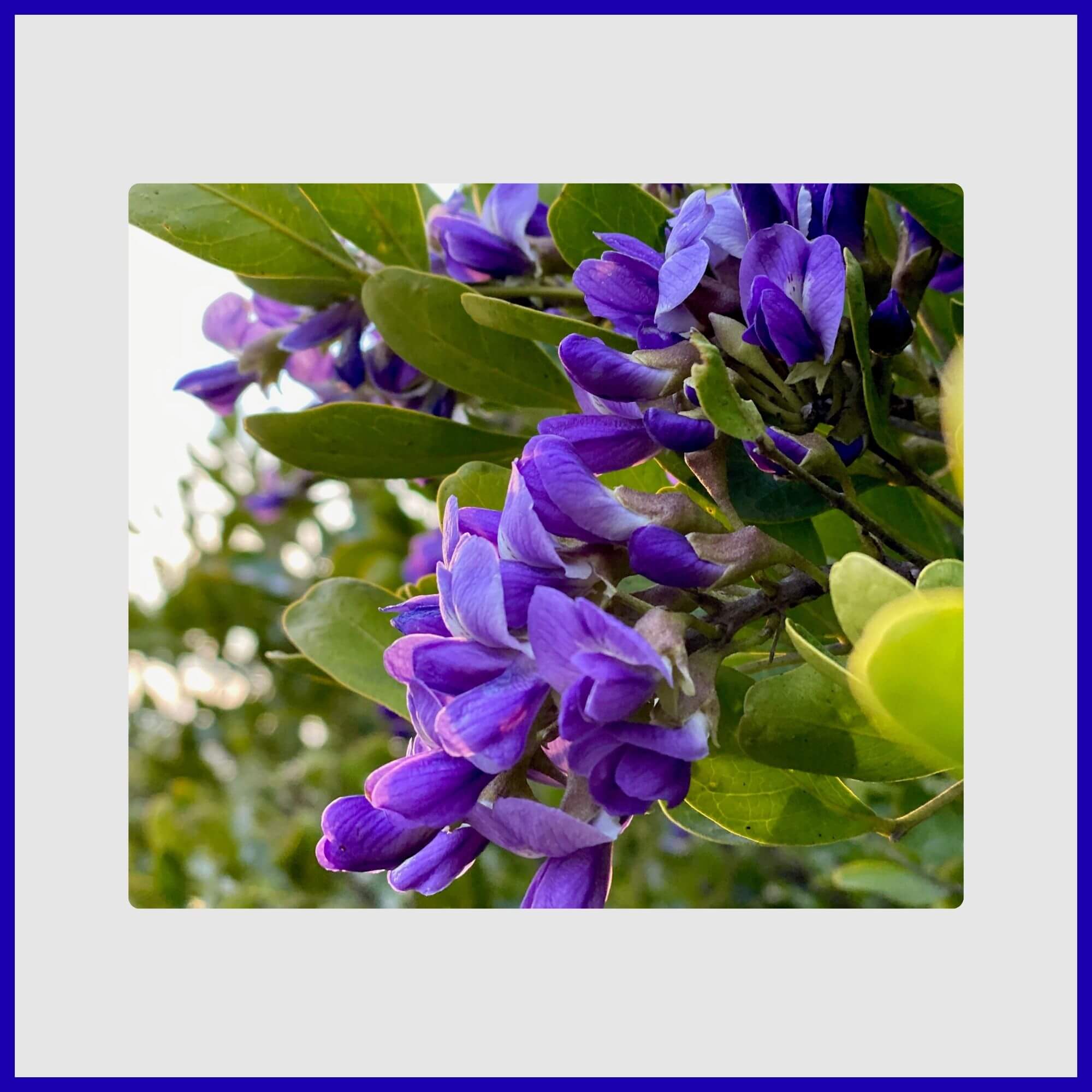
This southwestern native produces pendant clusters of intensely fragrant, purple-blue flowers that famously smell like grape soda. The evergreen foliage makes this a year-round performer. It’s exceptionally drought-tolerant and pest-resistant, though it grows slowly.
Important Note: The seeds are highly toxic if ingested, so plant thoughtfully if you have curious children or pets.
- Height: 15-25 feet
- Bloom Time: Early spring
- Water Needs: Low; very drought-tolerant
- USDA Hardiness Zones: 7-11
4. Yesterday-Today-Tomorrow (Brunfelsia pauciflora)
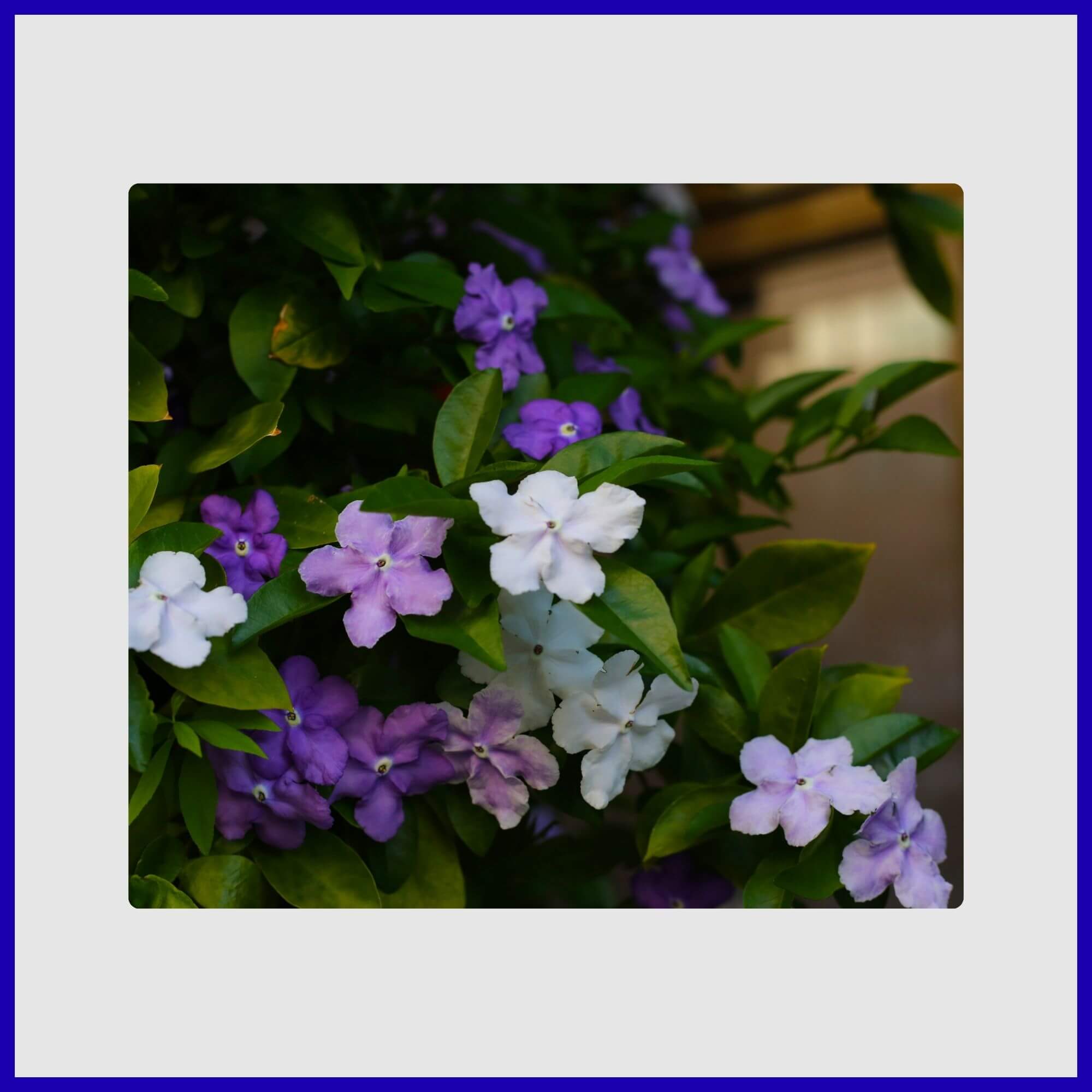
This charming tree earns its name from its color-changing flowers. Blooms open deep purple-blue, fade to lavender, then finish nearly white all simultaneously. The fragrant, three-toned effect is mesmerizing, perfect for tropical and subtropical gardens.
- Height: 8-15 feet
- Bloom Time: Spring through summer
- Water Needs: Moderate; prefers consistent moisture
- USDA Hardiness Zones: 9-11
5. Golden Dewdrop (Duranta erecta)
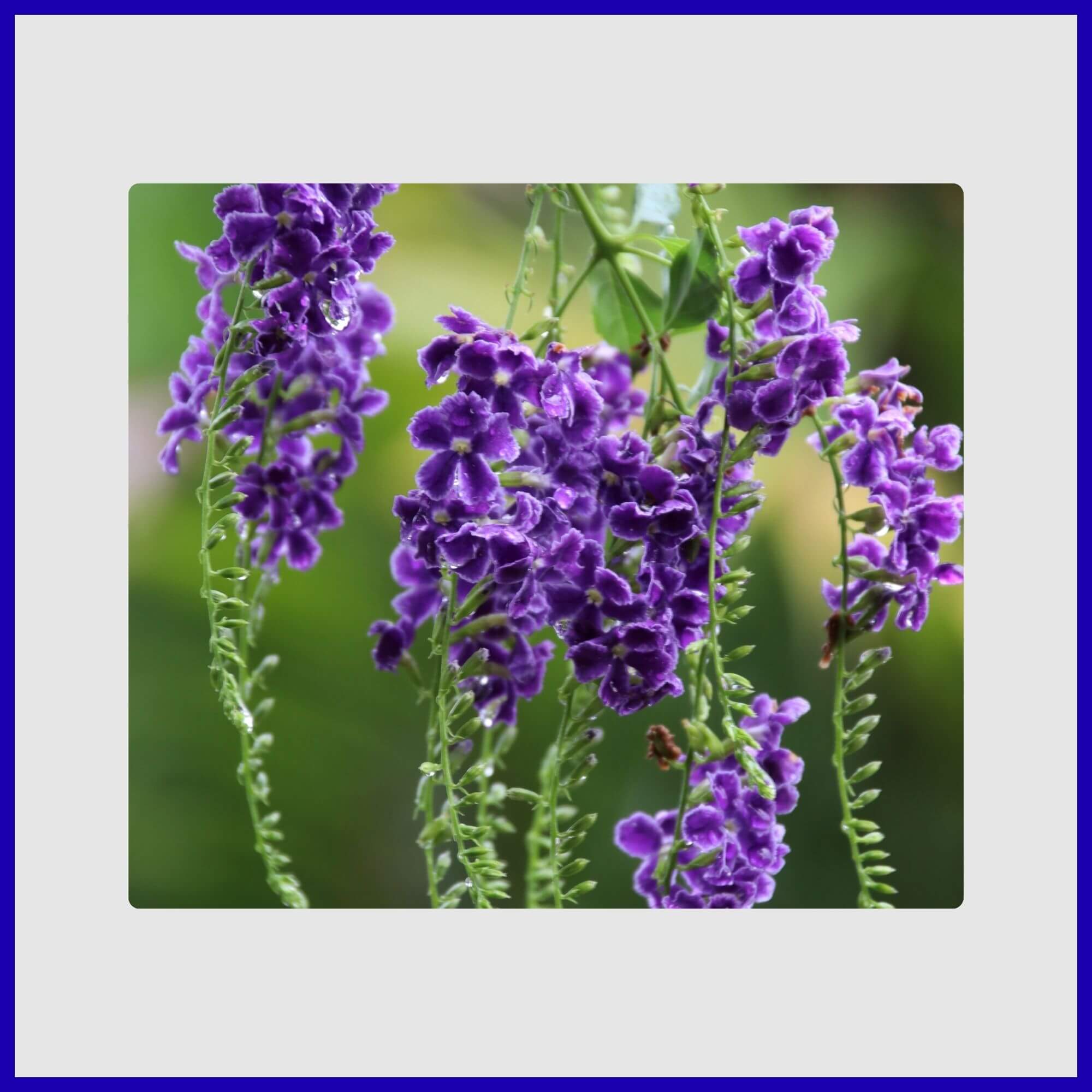
While the berries are golden, the flowers are a beautiful sky blue to purple-blue. Duranta produces cascading clusters of tubular flowers that attract hummingbirds and butterflies. This fast-growing tree can be shaped into stunning standards and is great for poolside landscaping.
- Height: 15-18 feet
- Bloom Time: Year-round in tropical climates; summer elsewhere
- Water Needs: Moderate
- USDA Hardiness Zones: 9-11
6. Cape Leadwort Tree Form (Plumbago auriculata)
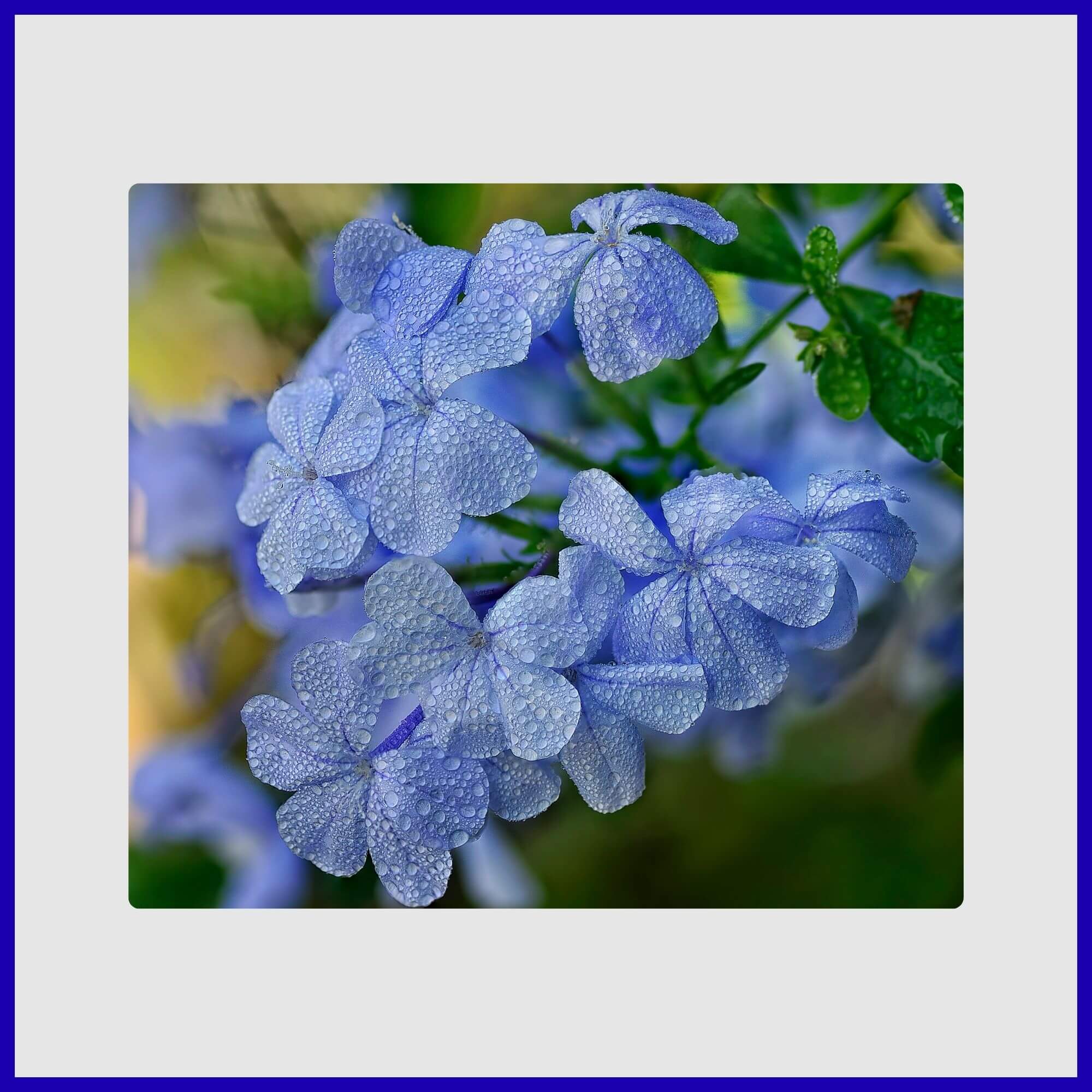
Typically grown as a sprawling shrub, Cape Leadwort trains into a delightful small tree. The sky-blue flowers appear nearly year-round in mild climates, providing consistent color. It is highly forgiving, tolerating heat, drought (once established), poor soil, and even salt spray.
- Height: 6-10 feet (tree form)
- Bloom Time: Nearly year-round in warm climates
- Water Needs: Low to moderate; drought-tolerant
- USDA Hardiness Zones: 8-11
7. Blue Butterfly Bush Tree Form (Clerodendrum ugandense)
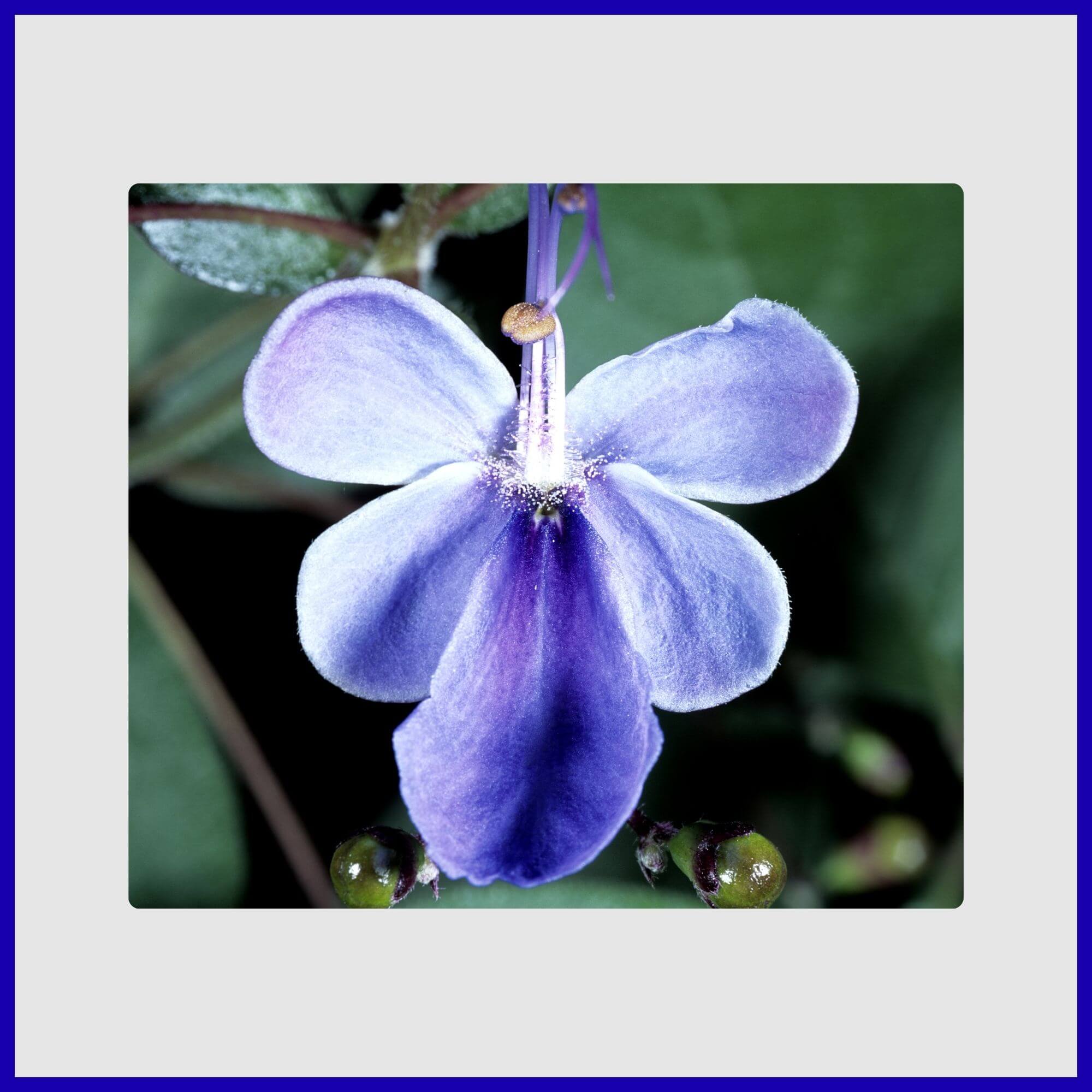
With flowers that genuinely resemble blue butterflies in flight, this African native is a show-stopper. The two-toned blue blooms create an enchanting focal point in tropical-themed gardens. The bloom period extends throughout warm months, providing long-lasting color.
- Height: 8-12 feet (tree form)
- Bloom Time: Summer through fall
- Water Needs: Moderate; prefers consistent moisture
- USDA Hardiness Zones: 9-11
8. Blue Jacaranda Dwarf (Jacaranda mimosifolia ‘Bonsai Blue’)
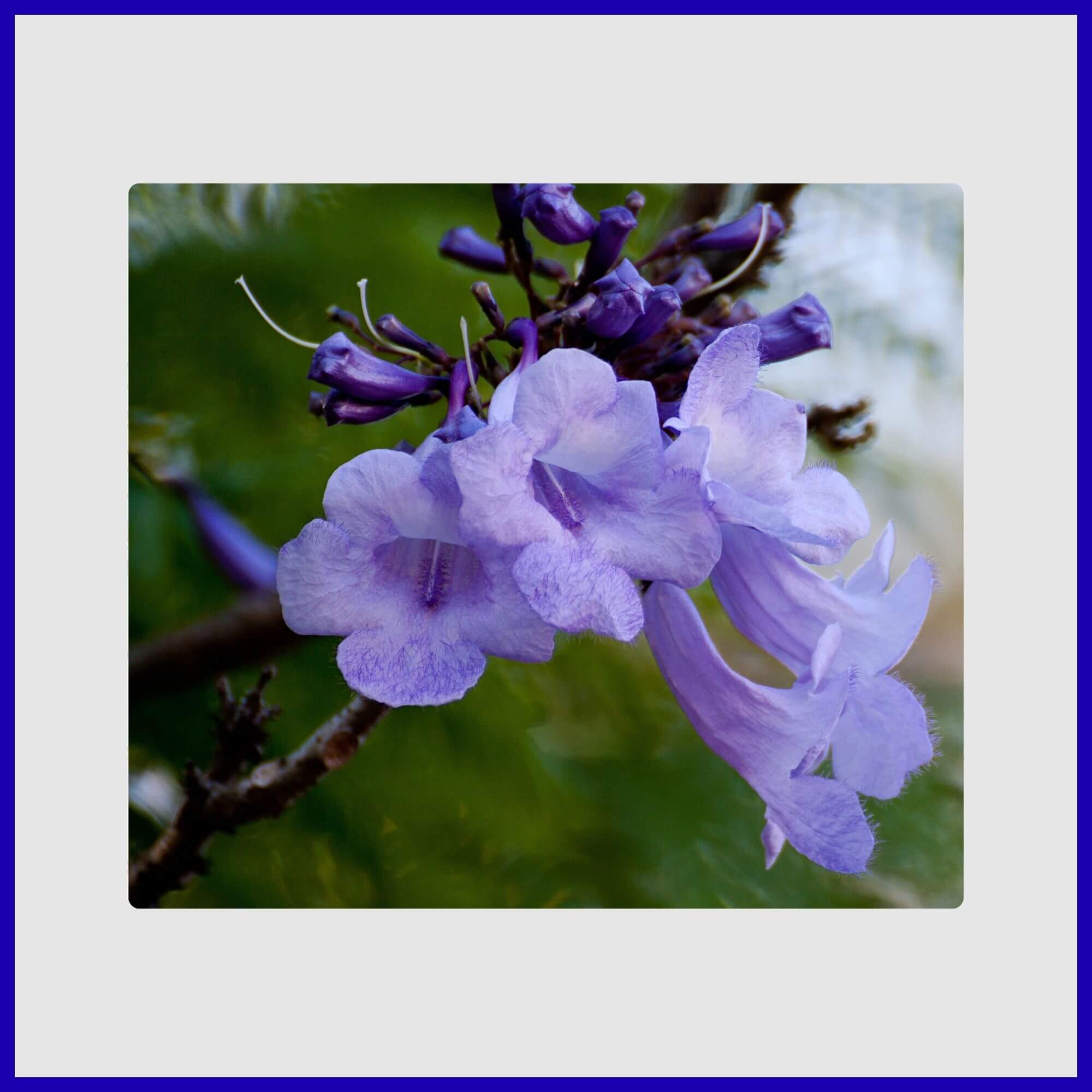
For gardeners who love the classic look but lack space, dwarf cultivars like ‘Bonsai Blue’ deliver the same spectacular blue-purple blooms on a compact frame. These are ideal for large containers, small yards, balconies, or patios.
- Height: 10-15 feet
- Bloom Time: Late spring to early summer
- Water Needs: Moderate
- USDA Hardiness Zones: 9-11
9. Desert Willow with Blue Blooms (Chilopsis linearis ‘Blue Skies’)
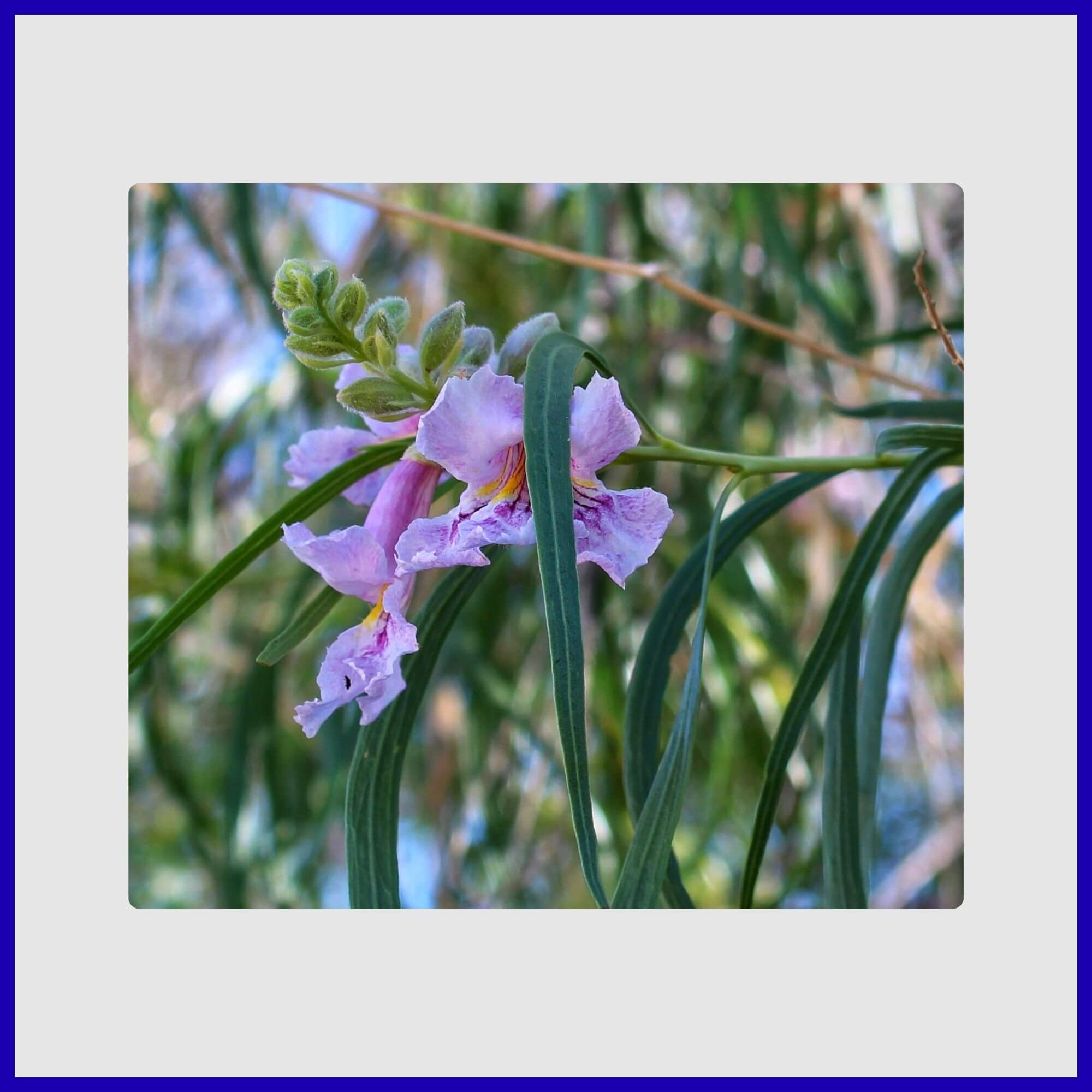
Desert Willow produces spectacular trumpet-shaped flowers. The cultivar ‘Blue Skies’ offers lovely lavender-blue blooms that appear throughout the warm season. This southwestern native is extraordinarily drought-tolerant and attracts hummingbirds.
- Height: 15-30 feet
- Bloom Time: Late spring through fall
- Water Needs: Low; drought-tolerant once established
- USDA Hardiness Zones: 7-9
10. Blue Hibiscus Tree (Alyogyne huegelii)
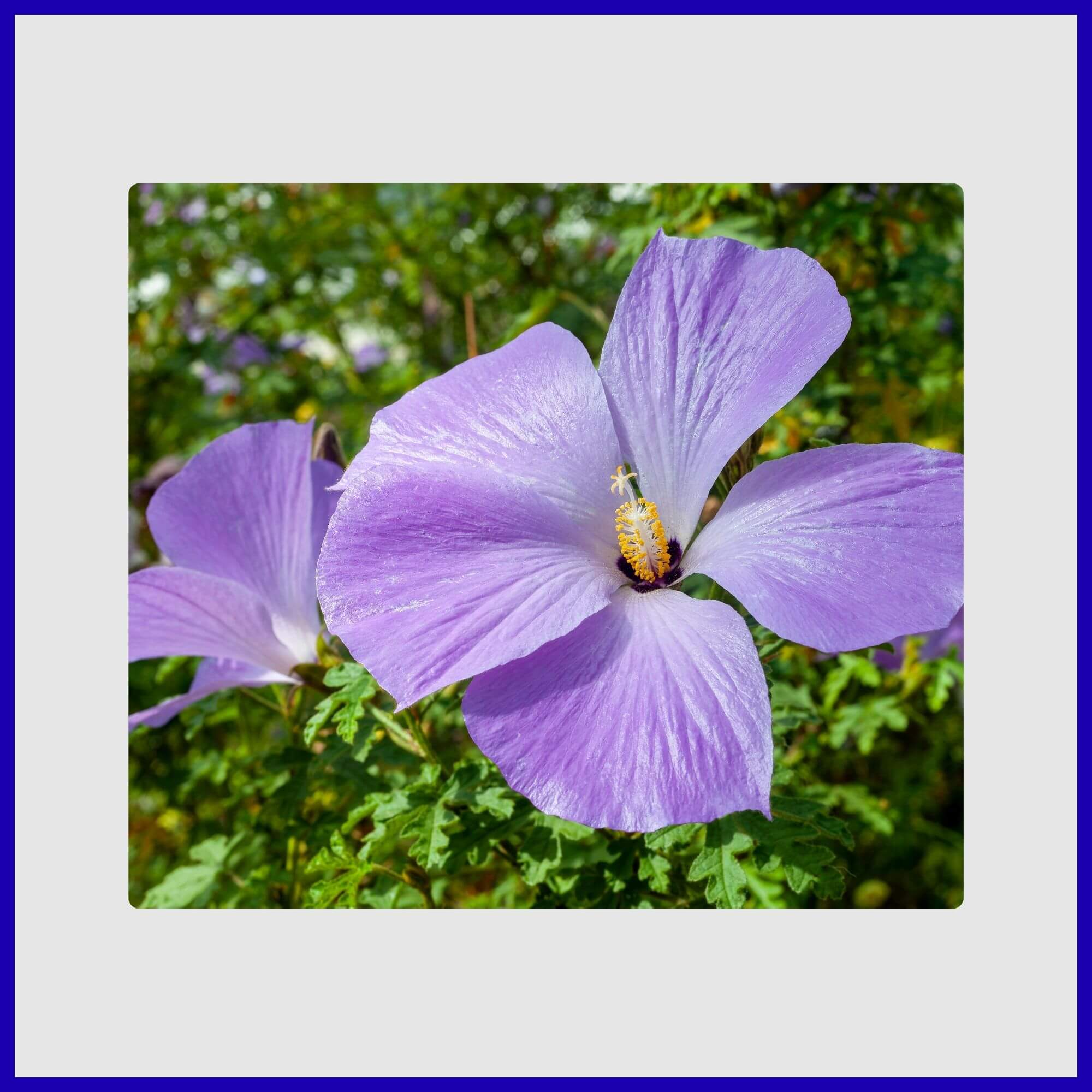
This Australian native produces stunning blue-purple hibiscus-like flowers continuously in warm climates. While naturally a large shrub, it trains beautifully into a tree form. It tolerates coastal conditions well, including salt spray and sandy soils.
- Height: 10-20 feet (tree form)
- Bloom Time: Year-round in mild climates
- Water Needs: Low to moderate; drought-tolerant
- USDA Hardiness Zones: 9-11
Large Trees with Blue Flowers (Over 30 feet)
For those blessed with generous garden space, these majestic specimens create dramatic focal points and unforgettable seasonal displays.
11. Jacaranda (Jacaranda mimosifolia)
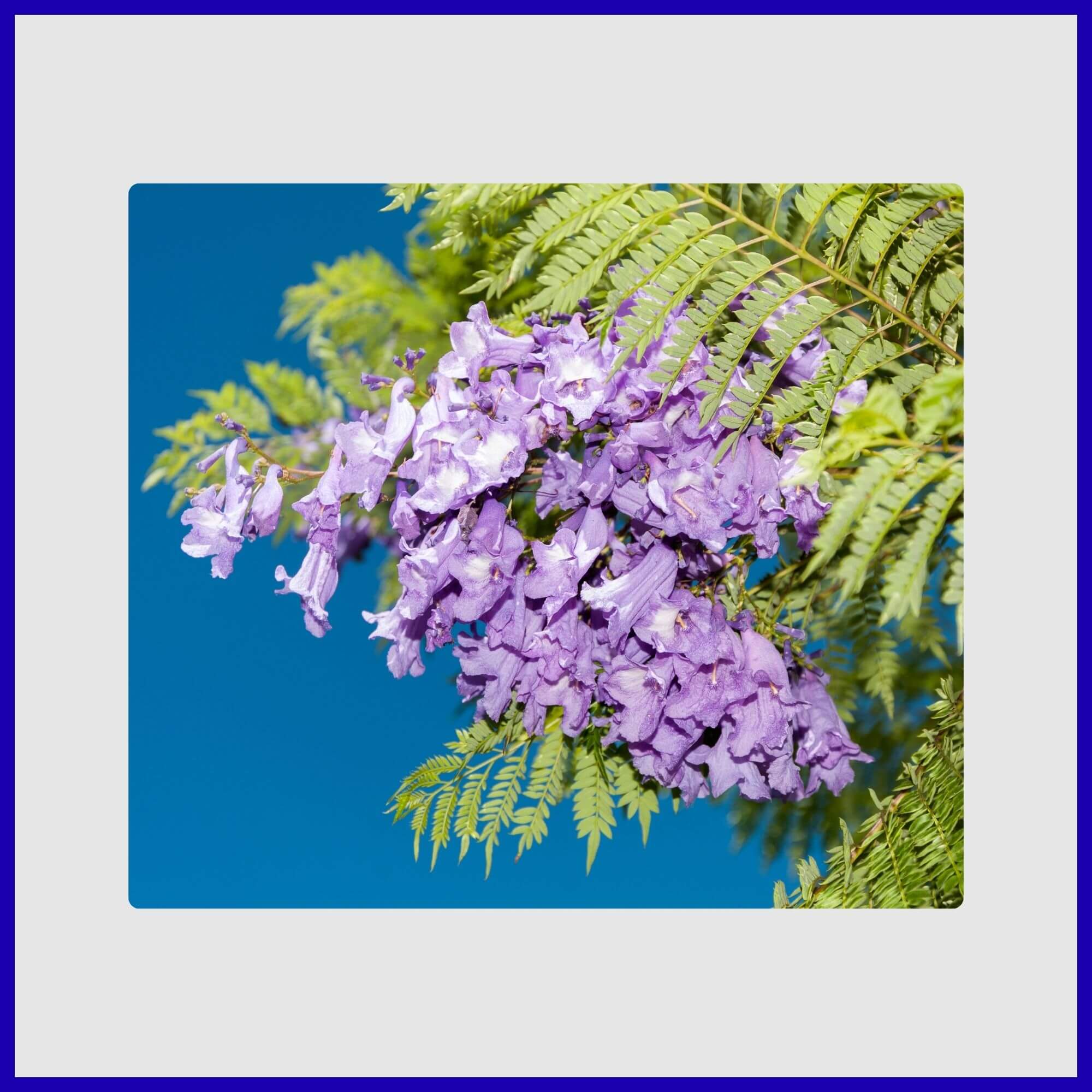
These South American natives create breathtaking displays of tubular, lavender-blue flowers that fall to carpet the ground beneath. Jacarandas thrive in warm climates, producing fern-like foliage and creating spectacular flowering tunnels when planted along streets.
- Height: 25-40 feet
- Bloom Time: Late spring to early summer
- Water Needs: Moderate; drought-tolerant once established
- USDA Hardiness Zones: 9-11
12. Chinese Wisteria Tree Standard (Wisteria sinensis)
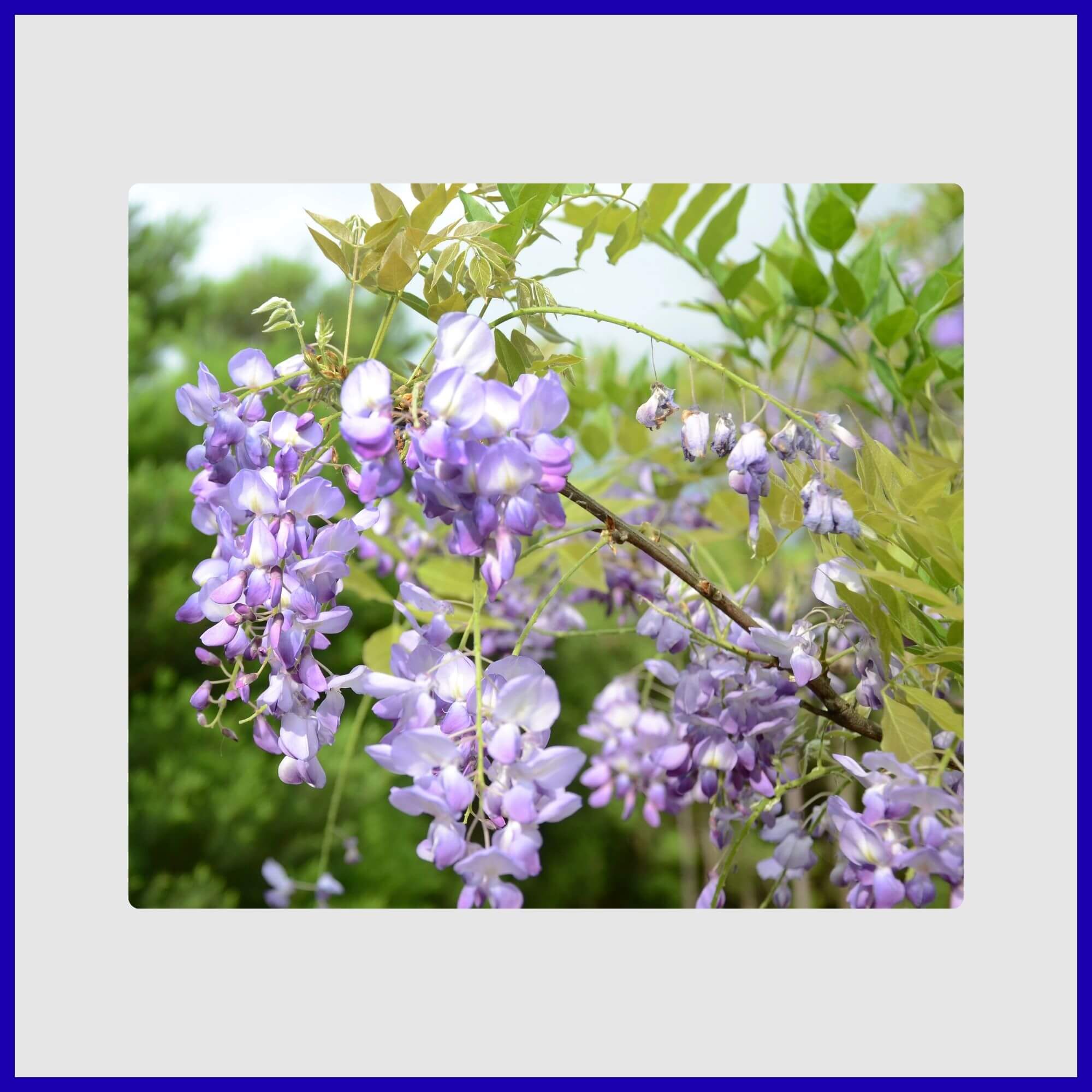
When trained as a tree standard, the Wisteria vine becomes an architectural masterpiece. The cascading racemes of fragrant, lavender-blue flowers can reach 12 inches long, creating a spectacular weeping effect that stops traffic.
- Height: 25-30 feet (as trained standard)
- Bloom Time: Spring
- Water Needs: Moderate
- USDA Hardiness Zones: 5-9
13. Blue Orchid Tree (Bauhinia variegata ‘Purpurea’)
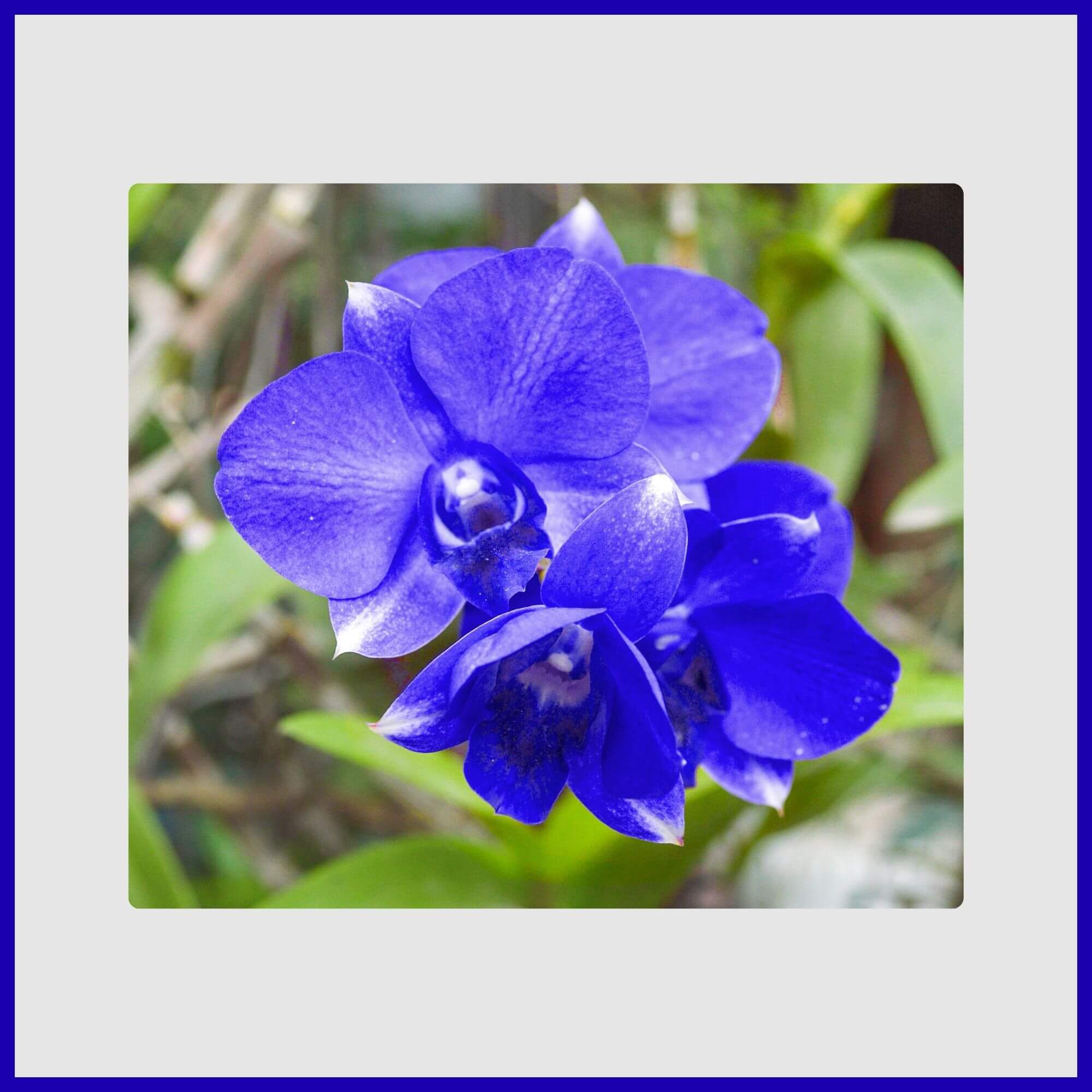
While the color leans towards purple-blue, the Orchid Tree’s spectacular, exotic-looking flowers are too beautiful to exclude. Each bloom resembles a tropical orchid. Bauhinia creates stunning displays in late winter to early spring when the landscape often looks drab.
- Height: 20-40 feet
- Bloom Time: Late winter to early spring
- Water Needs: Low to moderate; drought-tolerant once established
- USDA Hardiness Zones: 9-11
14. Empress Tree (Paulownia fortunei)
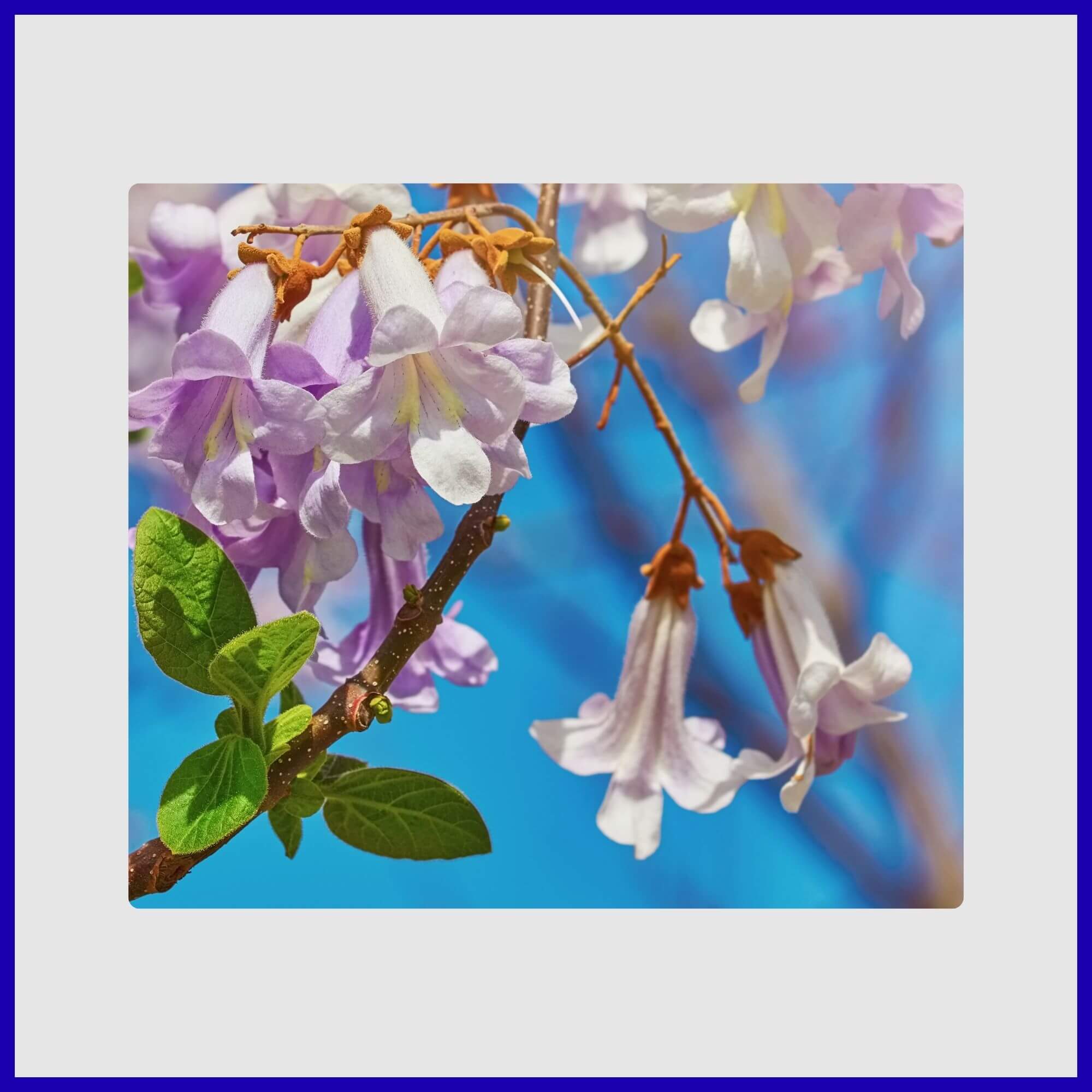
A relative of the Princess Tree (P. tomentosa), this species produces spectacular panicles of lavender-blue flowers in spring. It is an extremely fast-growing species, capable of adding 10-15 feet in a single season, making it ideal for quick landscape results.
- Warning: Due to its aggressive growth and prolific seeding, careful placement and monitoring are essential.
- Height: 40-50 feet
- Bloom Time: Spring
- Water Needs: Moderate to high
- USDA Hardiness Zones: 5-9
15. Princess Tree (Paulownia tomentosa)
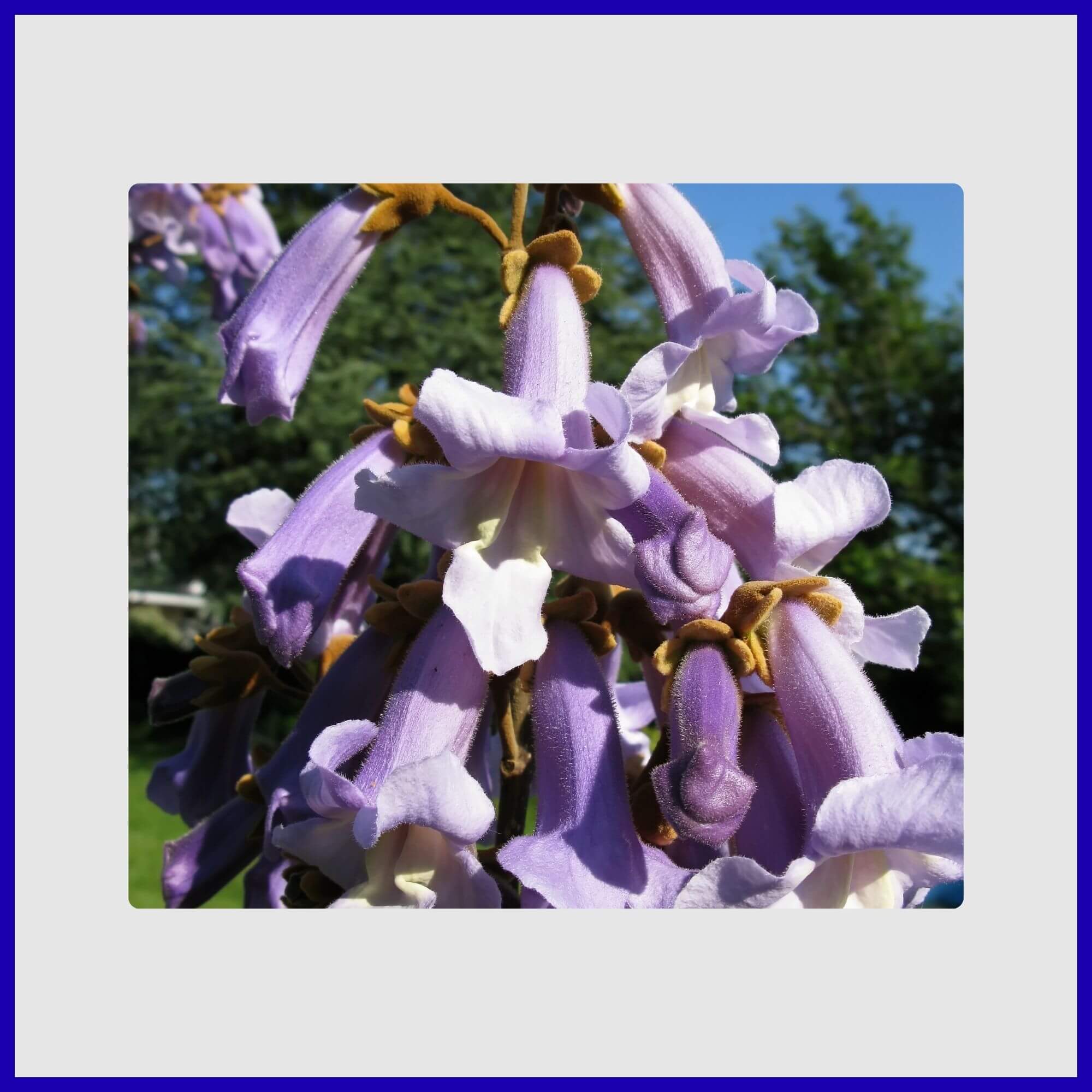
Don’t let the elegant name fool you. This tree is a vigorous grower that can add several feet per year. The Princess Tree produces stunning clusters of fragrant, pale blue to lavender trumpet-shaped flowers before its leaves emerge in spring. Native to China, Paulownia has become popular worldwide for its rapid growth and spectacular spring display. The flowers emit a sweet vanilla-like fragrance that fills entire yards.
However, be aware that in some regions, it’s considered invasive due to its aggressive seeding.
- Height: 30-40 feet
- Bloom Time: Early to mid-spring
- Water Needs: Moderate to high
- Soil Type: Adaptable; prefers rich, well-draining
- USDA Hardiness Zones: 5-9
Caring for Blue-Flowering Trees: Essential Tips
Successfully growing trees with blue flowers requires understanding their specific needs. Here’s what I’ve learned from years of cultivating these beauties.
Watering strategies vary considerably among species. Tropical varieties like Brunfelsia and Thunbergia need consistent moisture, while desert-adapted species like Blue Palo Verde actually suffer from overwatering. The general rule: establish a deep watering schedule that encourages deep root growth rather than frequent shallow watering.
During the first growing season, even drought-tolerant species need regular water to establish strong root systems. I typically water deeply once or twice weekly, then gradually reduce frequency as the tree matures.
Fertilization directly impacts bloom production. Most blue-flowering trees benefit from balanced, slow-release fertilizers applied in early spring. For Hydrangeas and other species where soil pH affects bloom color, specialized fertilizers containing aluminum sulfate help maintain blue tones.
Avoid high-nitrogen fertilizers during bloom season they promote leaf growth at the expense of flowers. Instead, choose bloom-boosting formulas with higher phosphorus content (the middle number in NPK ratios).
Pruning techniques differ based on bloom timing. Trees that flower on new growth (like Vitex and Duranta) should be pruned in late winter or early spring before new growth begins. Species that bloom on old wood (like Wisteria) need pruning immediately after flowering to preserve next year’s flower buds.
I always recommend studying each species’ specific pruning requirements before making cuts. One mistimed pruning session can eliminate an entire year’s blooms.
Common challenges include chlorosis (yellowing leaves), often caused by iron deficiency in alkaline soils. Many blue-flowering trees prefer slightly acidic conditions; if your soil is alkaline, consider container growing or raised beds with amended soil.
Pests vary by species, but scale insects, aphids, and spider mites are common culprits. Regular monitoring and early intervention prevent minor issues from becoming major problems. I’m a strong advocate for integrated pest management, using targeted organic controls before reaching for harsh chemicals.
Frequently Asked Questions About Trees with Blue Flowers
What is the most popular blue-flowering tree?
The Jacaranda (Jacaranda mimosifolia) is the most popular. Its abundant spring displays, attractive foliage, and moderate maintenance have made it famous worldwide, with cities celebrating “Jacaranda season.”
Can blue-flowering trees grow in cold climates?
Yes. While tropical species are common, options for colder zones include Chinese Wisteria (Zones 5-9), Princess Tree (Zones 5-9), and tree-form Hydrangeas (Zones 3-8). Always match the species’ hardiness rating to your specific zone.
How long do blue flowers last on trees?
Bloom duration varies significantly, ranging from just 2–3 weeks (like Jacaranda) to nearly year-round (like Duranta and Plumbago in warm climates). On average, expect 2–6 weeks of peak bloom, with many species producing sporadic flowers outside the main season.
Are blue-flowering trees high maintenance?
Maintenance varies dramatically. Desert-adapted species (like Blue Palo Verde) are low-maintenance once established. Conversely, tropical types (like Brunfelsia) and tree-form Hydrangeas require consistent moisture, regular feeding, and attentive care.
Which blue-flowering tree blooms the longest?
In tropical/subtropical regions, Golden Dewdrop (Duranta erecta) and Cape Leadwort (Plumbago auriculata) bloom almost continuously year-round. In temperate climates, the Chaste Tree (Vitex agnus-castus) blooms the longest, from summer through early fall.
Conclusion: Transform Your Garden with Blue Blooms
Trees with blue flowers represent nature’s most captivating color palette rare enough to be remarkable, beautiful enough to stop traffic, and diverse enough to suit virtually any garden style or climate zone. From the iconic cascades of Jacaranda to the desert-tough resilience of Blue Palo Verde, these 15 trees offer something for every gardener, student, and nature enthusiast. Whether you’re working with a compact urban courtyard or a sprawling countryside estate, there’s a blue-flowering beauty waiting to transform your landscape. Don’t wait for the perfect moment start planning your blue-flowering tree selection today. Your future self (and your neighbors) will thank you every spring when those extraordinary blooms appear.
👉To continue exploring plants in the purple and cool-blue color spectrum, check out these related guides: