
Why Blue and White Flowers Create Stunning Combinations
Blue and white flowers create what designers call a “cool palette.” It’s naturally soothing, sophisticated, and inviting. While warm colors like reds and oranges demand attention, this palette invites you to pause and appreciate subtle beauty.
From a practical standpoint, this color scheme is incredibly versatile. It works perfectly in:
- Formal Settings: Providing an air of classic elegance for wedding ceremonies.
- Cottage Gardens: Blending seamlessly with relaxed charm.
- Modern Landscapes: Offering a clean, crisp, and minimalist look.
Furthermore, research from the American Society for Horticultural Science suggests that cool-colored gardens (blues, purples, and whites) are perceived as more restful and spacious than warm-colored ones. This makes them perfect for smaller gardens where you want to create an illusion of depth.
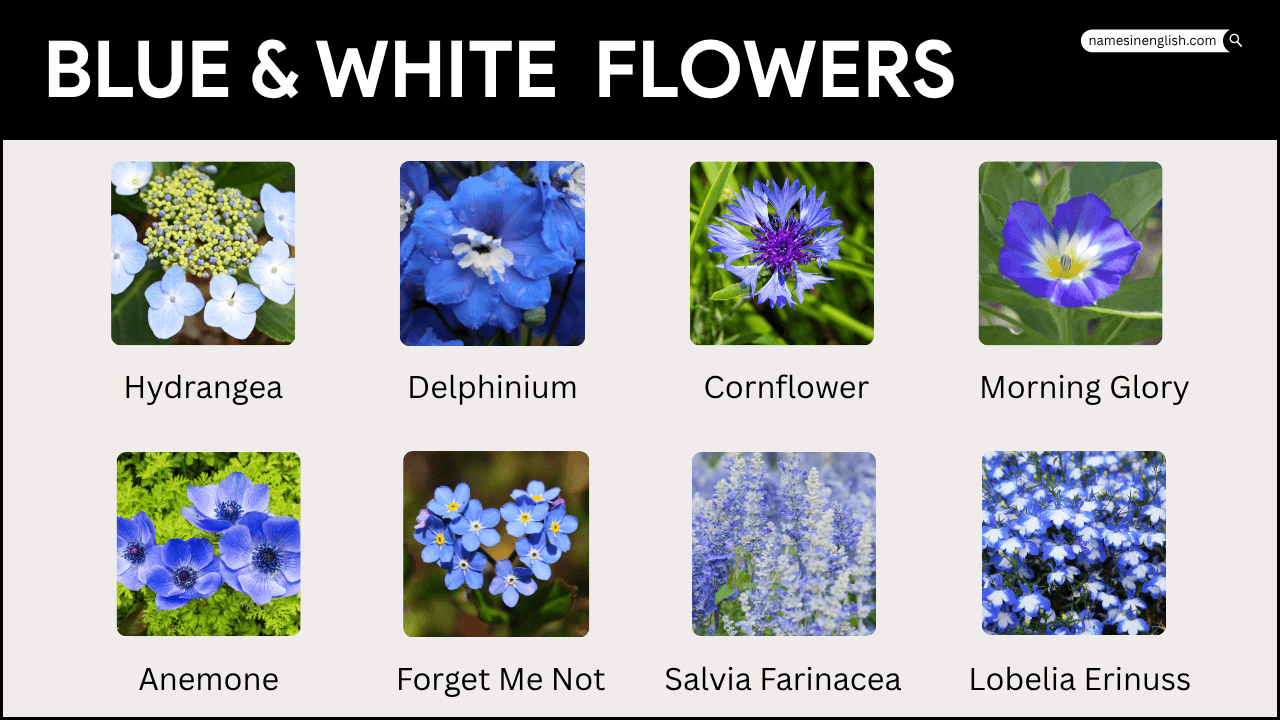
The Top 15 Blue and White Flowers You Need to Know
Here are the top selections for incorporating beautiful blue and white flowers into your next project:
1. Hydrangea (Hydrangea macrophylla)
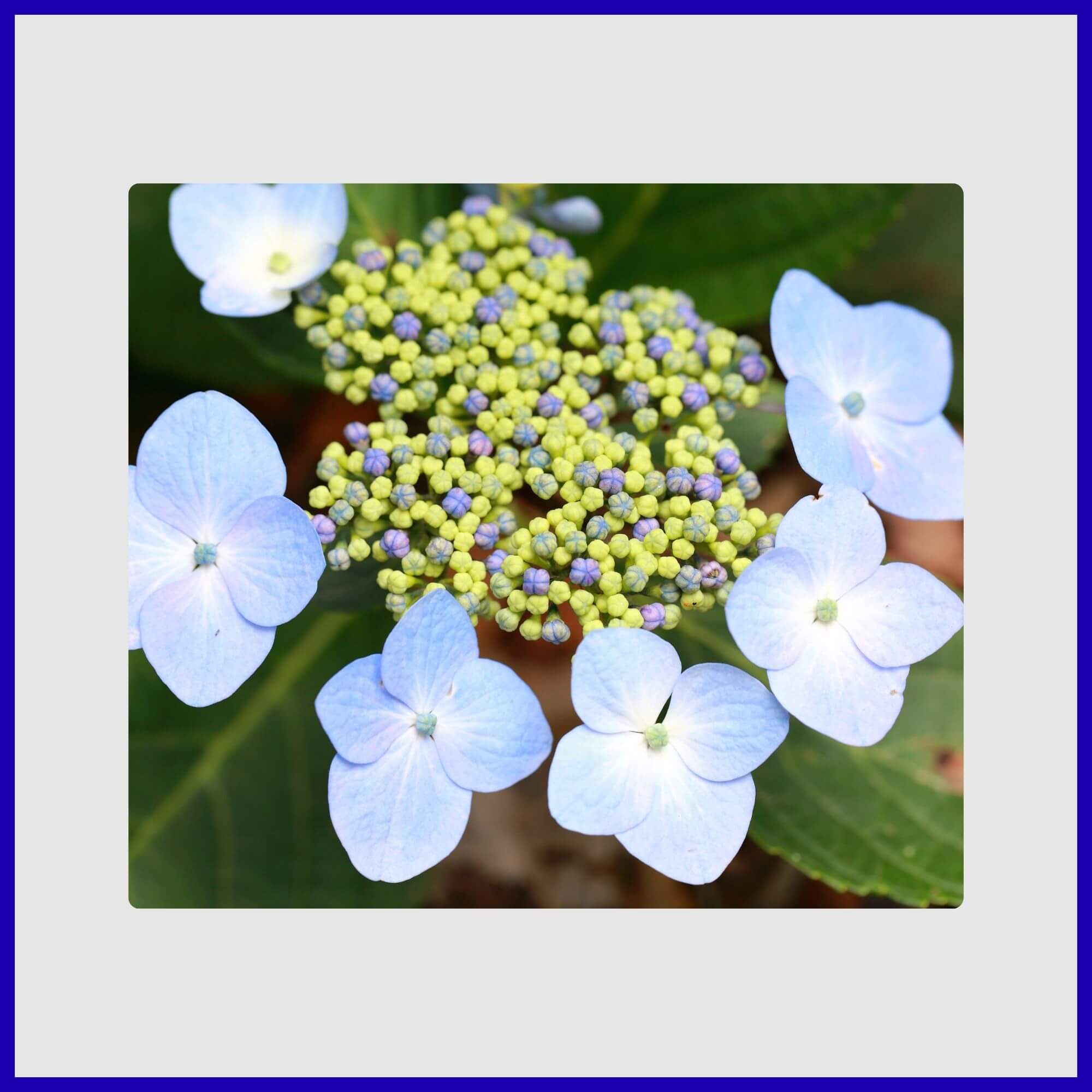
Hydrangeas are the undisputed queens of the blue and white flower world. These lush, globe-shaped blooms can actually change color based on your soil’s pH level acidic soil yields blue flowers, while alkaline soil produces pink ones. White varieties remain consistently pristine. They offer an incredible vase life and provide months of continuous garden bloom.
- USDA Hardiness Zones: 3-9 (varies by cultivar)
- Bloom Time: June through September
- Sun Requirements: Partial shade to full sun (morning sun preferred)
- Soil Needs: Rich, well-drained, consistently moist
- Height: 3-6 feet depending on variety
2. Delphinium (Delphinium elatum)
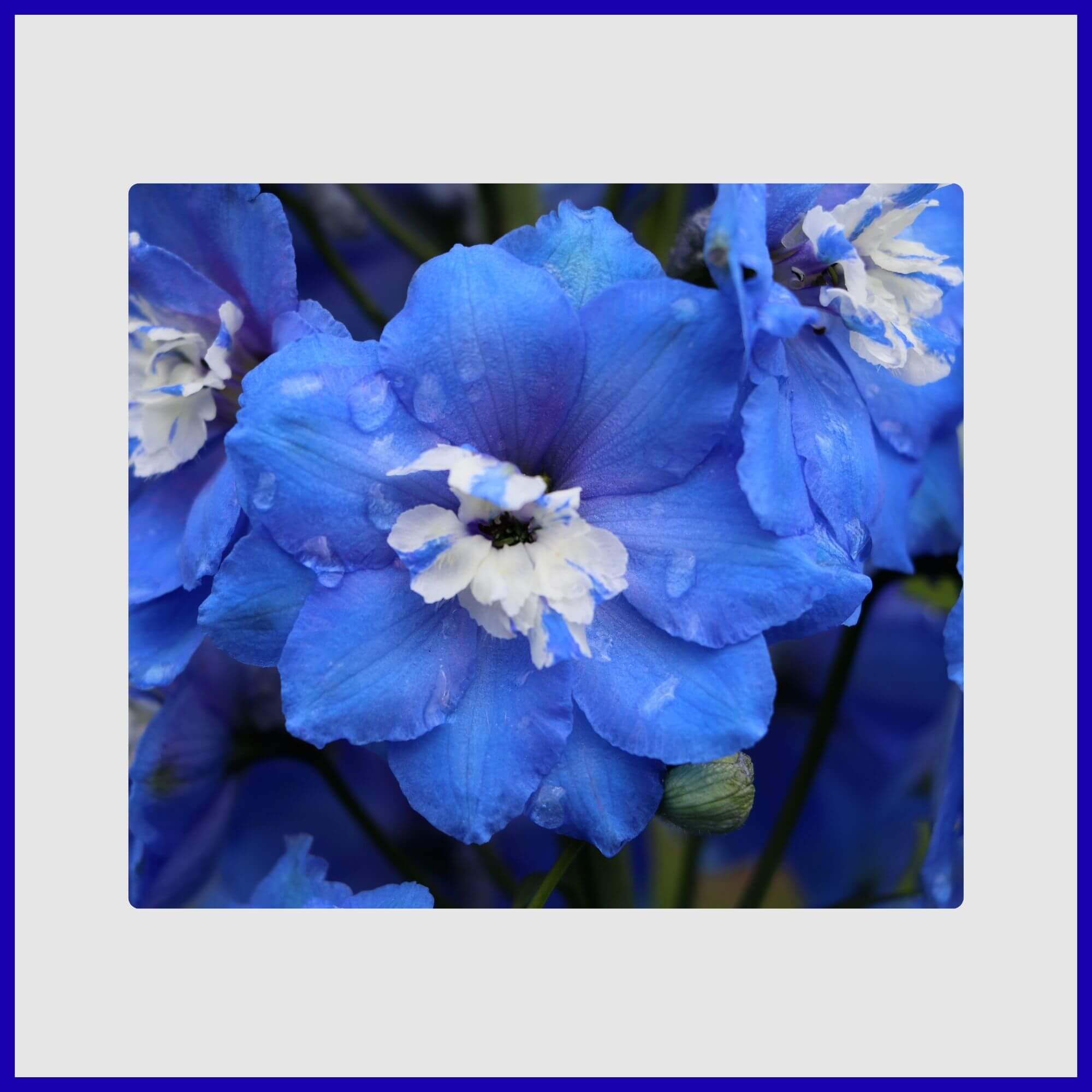
If you want height and drama, delphiniums deliver. These towering spikes can reach 5-6 feet, covered in layered blooms that range from soft sky blue to deep sapphire. In bouquets, a single stem adds architectural presence and vertical interest, making them a favorite for summer events.
- USDA Hardiness Zones: 3-7 (prefers cool climates)
- Bloom Time: Late spring to early summer (May-July)
- Sun Requirements: Full sun (at least 6-8 hours daily)
- Soil Needs: Rich, well-drained with neutral to slightly alkaline pH
- Height: 4-6 feet (requires staking)
3. Cornflower (Centaurea cyanus)
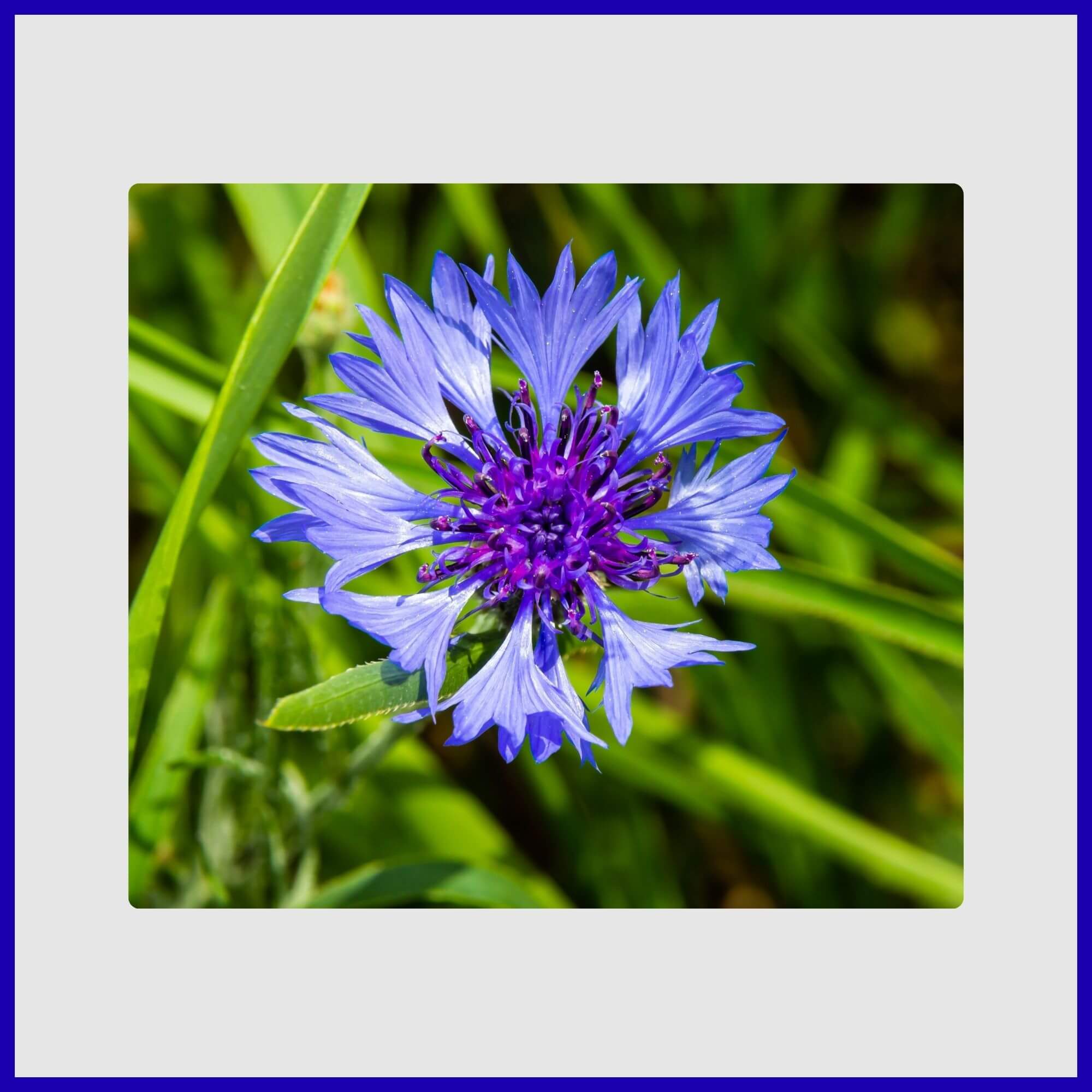
Also known as bachelor’s buttons, cornflowers are the ultimate low-maintenance garden flower. Their true blue color is a vivid cerulean, hard to find in many other blooms. They self-seed freely, meaning they often return year after year without effort.
- USDA Hardiness Zones: 2-11 (grown as annual)
- Bloom Time: Late spring through summer (May-August)
- Sun Requirements: Full sun
- Soil Needs: Average, well-drained (tolerates poor soil)
- Height: 1-3 feet
4. Iris (Iris germanica)
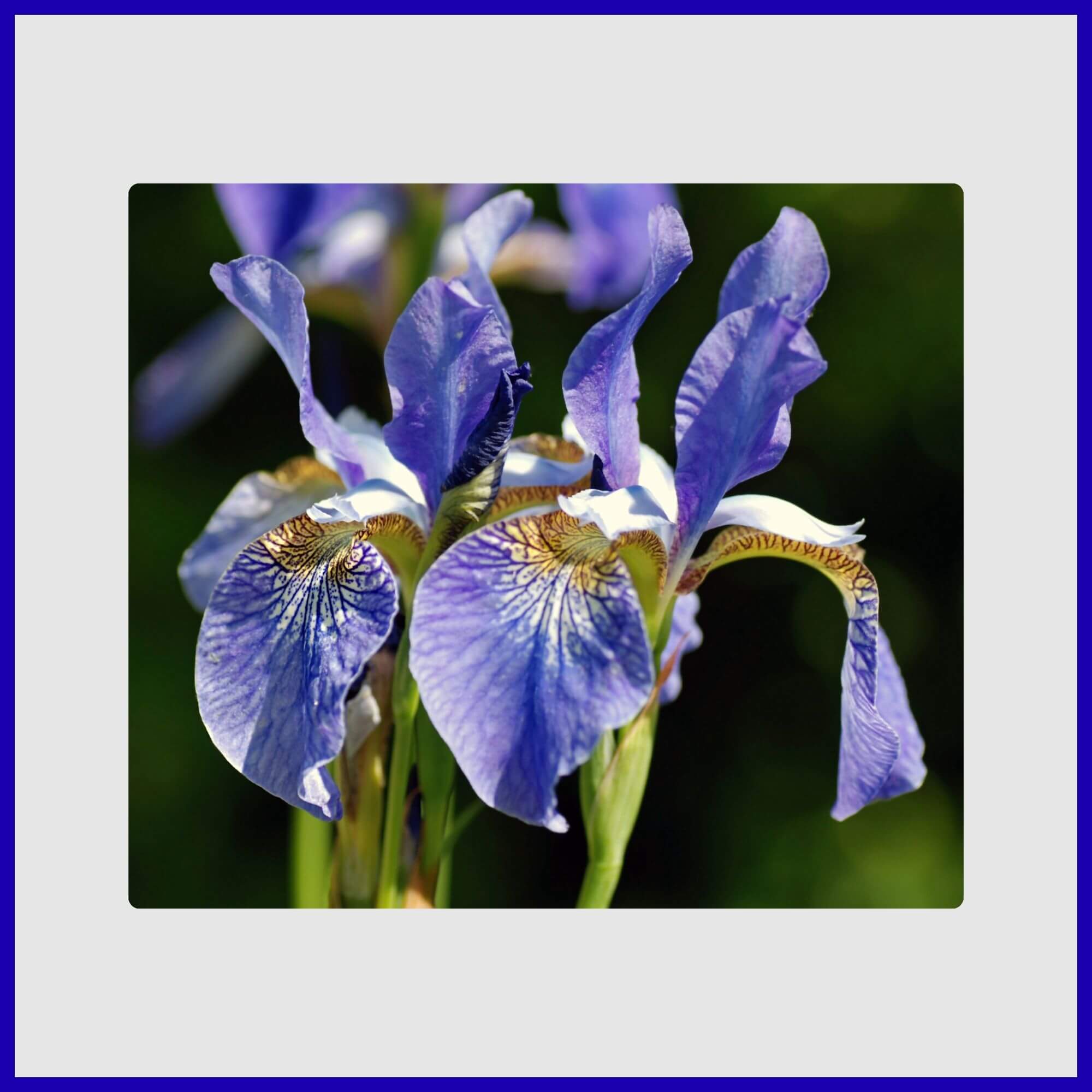
Irises bring a regal quality to gardens with their distinctive form upright “standards” and drooping “falls.” Blue irises range from pale powder blue to deep navy. These hardy perennials multiply freely, offering years of enjoyment.
- USDA Hardiness Zones: 3-9
- Bloom Time: Mid to late spring (April-June)
- Sun Requirements: Full sun (minimum 6 hours)
- Soil Needs: Well-drained, slightly acidic to neutral
- Height: 2-4 feet depending on variety
5. Agapanthus (Agapanthus africanus)
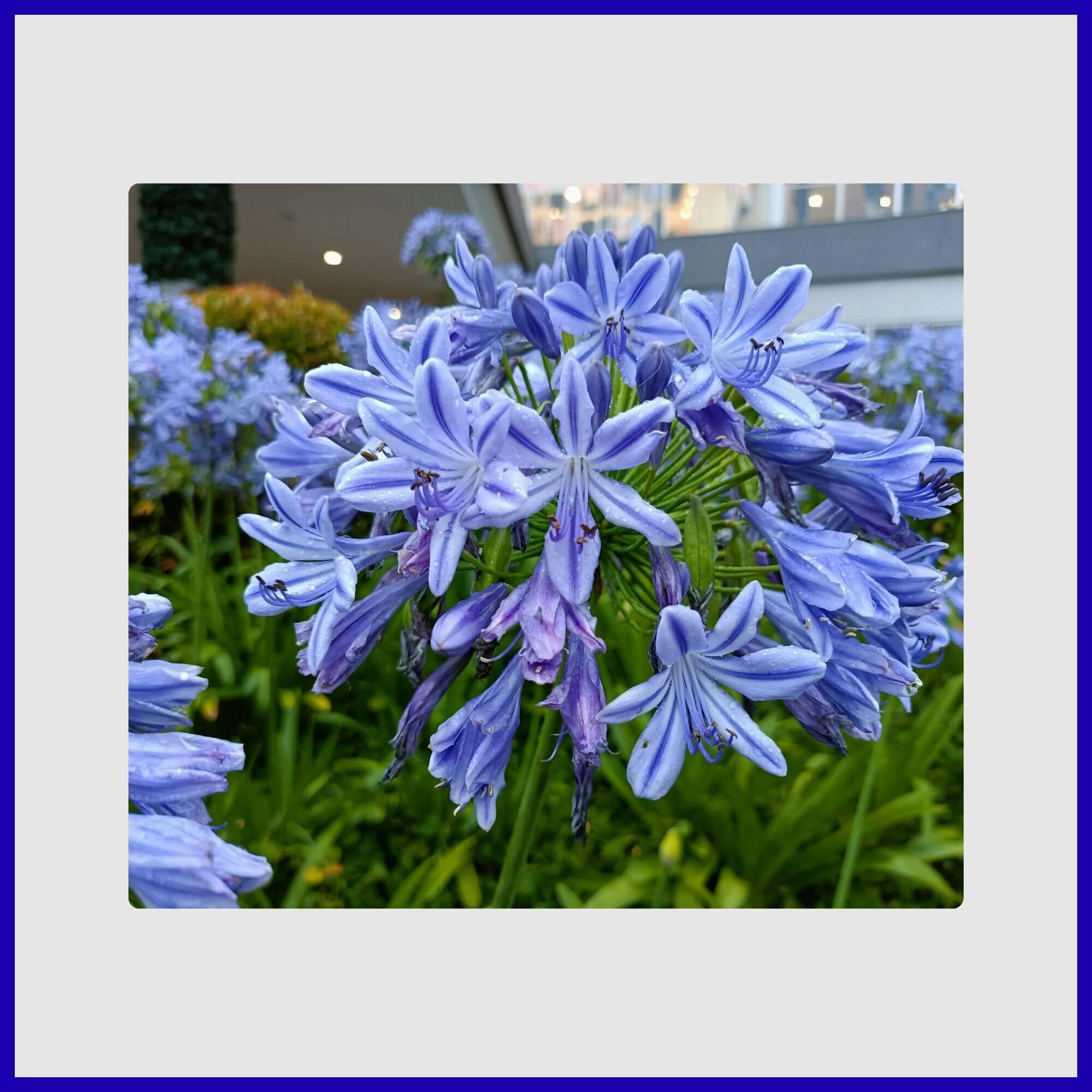
Commonly called Lily of the Nile, agapanthus produces globe-shaped clusters of tubular flowers atop tall, sturdy stems. The blue varieties range from periwinkle to deep violet-blue, creating an almost tropical effect. They thrive in containers and offer exceptional longevity in arrangements.
- USDA Hardiness Zones: 8-11 (can be grown as annual elsewhere)
- Bloom Time: Mid to late summer (July-September)
- Sun Requirements: Full sun to partial shade
- Soil Needs: Fertile, well-drained, tolerates some drought
- Height: 2-4 feet
6. Morning Glory (Ipomoea tricolor)
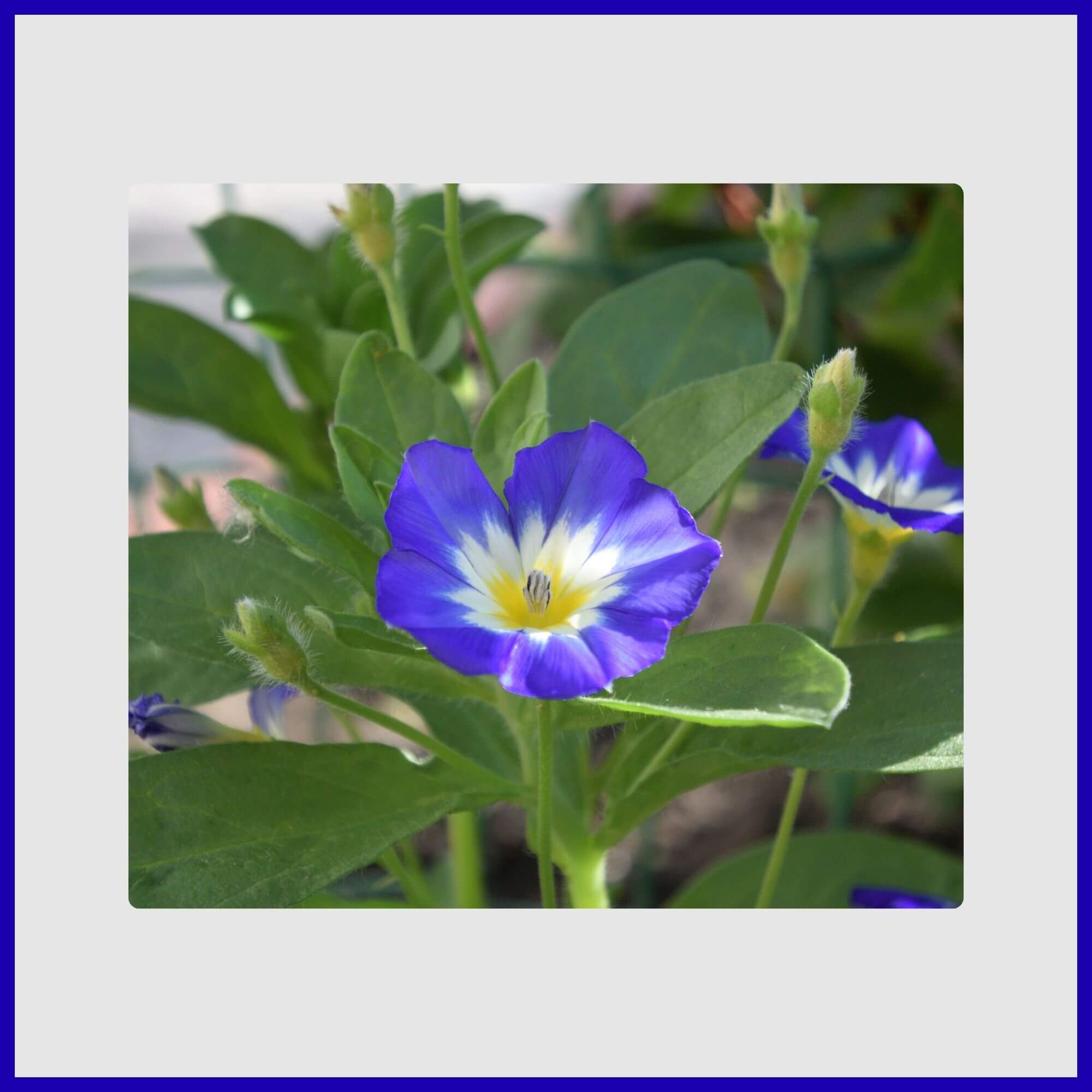
Morning glories are vigorous climbers that open at dawn and close by afternoon. The classic ‘Heavenly Blue’ variety features sky-blue flowers with white throats, perfect for covering a fence or trellis.
- USDA Hardiness Zones: 3-10 (grown as annual)
- Bloom Time: Summer to fall (June-October)
- Sun Requirements: Full sun
- Soil Needs: Average, moderately fertile, well-drained
- Height: 6-15 feet (climbing vine)
7. Pansy (Viola × wittrockiana)
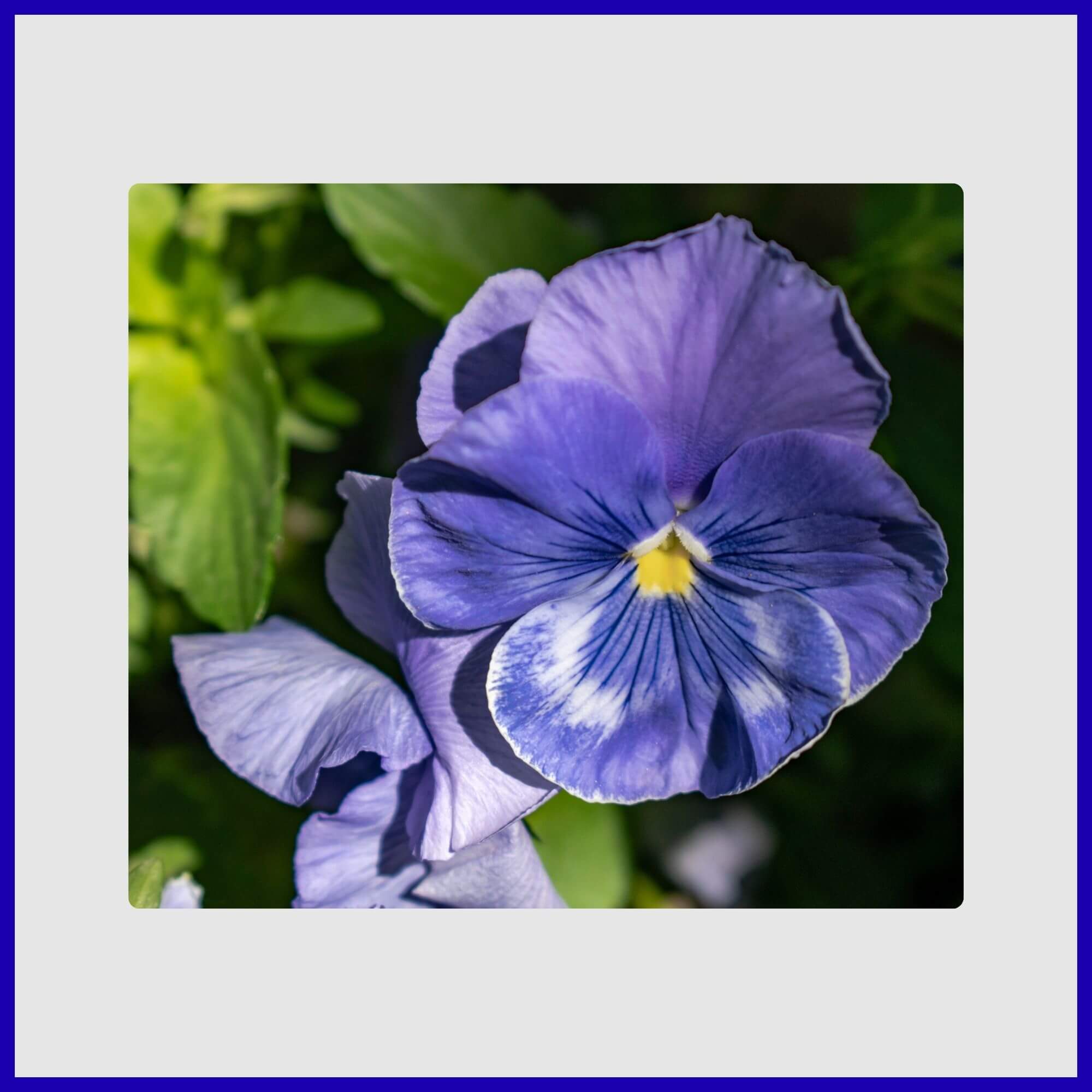
These cheerful, cold-tolerant flowers bloom happily through light frosts. Blue pansies often feature adorable darker centers, while white pansies bring brightness to spring and fall gardens.
- USDA Hardiness Zones: 6-10 (cool-season annual in other zones)
- Bloom Time: Fall through spring in mild climates, spring-summer elsewhere
- Sun Requirements: Full sun to partial shade
- Soil Needs: Rich, moist, well-drained
- Height: 6-9 inches
8. Sweet Pea (Lathyrus odoratus)
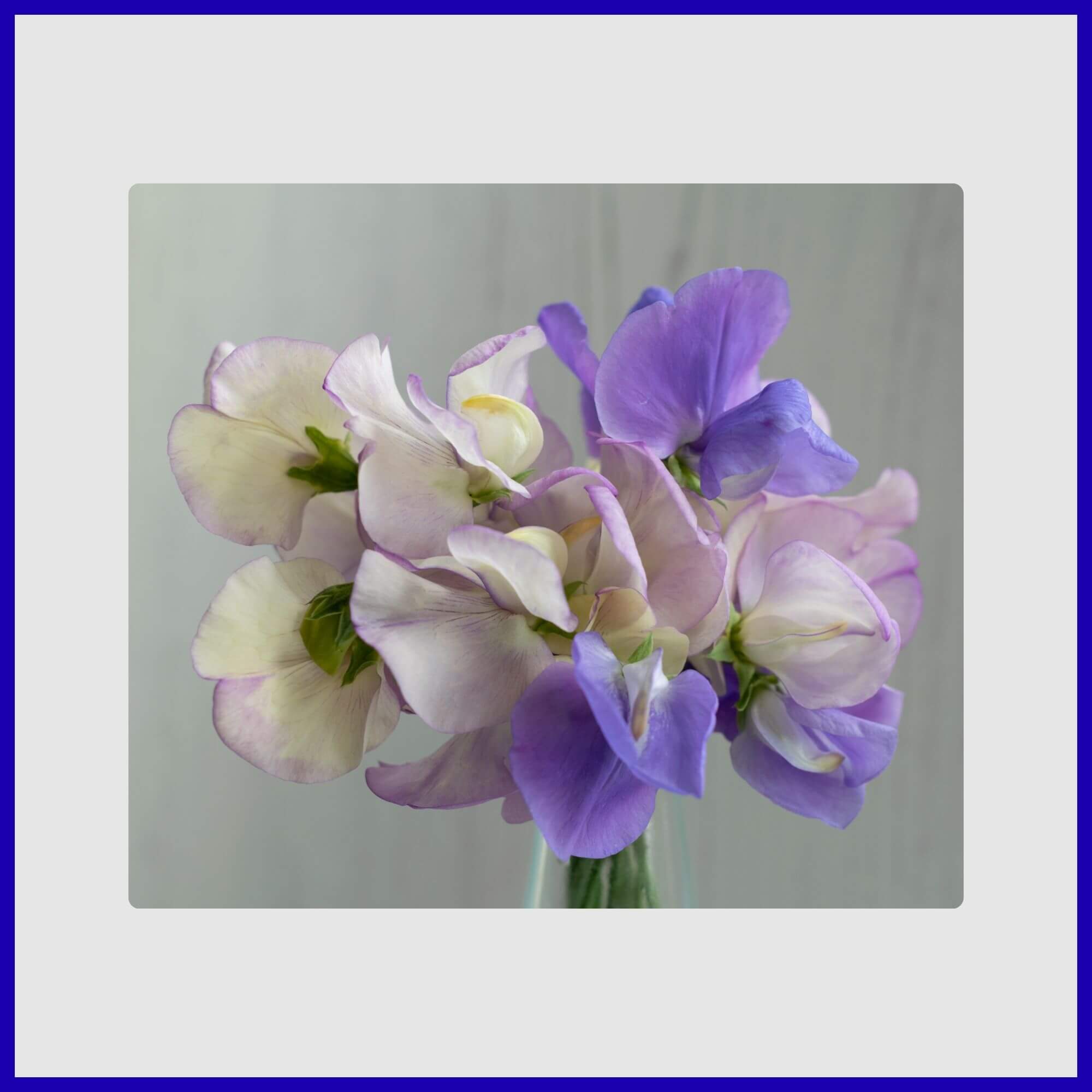
For fragrance, sweet peas are essential. These climbing annuals produce ruffled, delicate flowers with an intoxicating scent. Blue sweet peas often lean toward lavender-blue, and they are popular with florists for their romantic, vintage appeal.
- USDA Hardiness Zones: 2-11 (grown as annual)
- Bloom Time: Spring to early summer (March-June)
- Sun Requirements: Full sun
- Soil Needs: Rich, moist, well-drained with neutral to slightly alkaline pH
- Height: 6-8 feet (climbing vine, needs support)
9. Campanula (Campanula spp.)
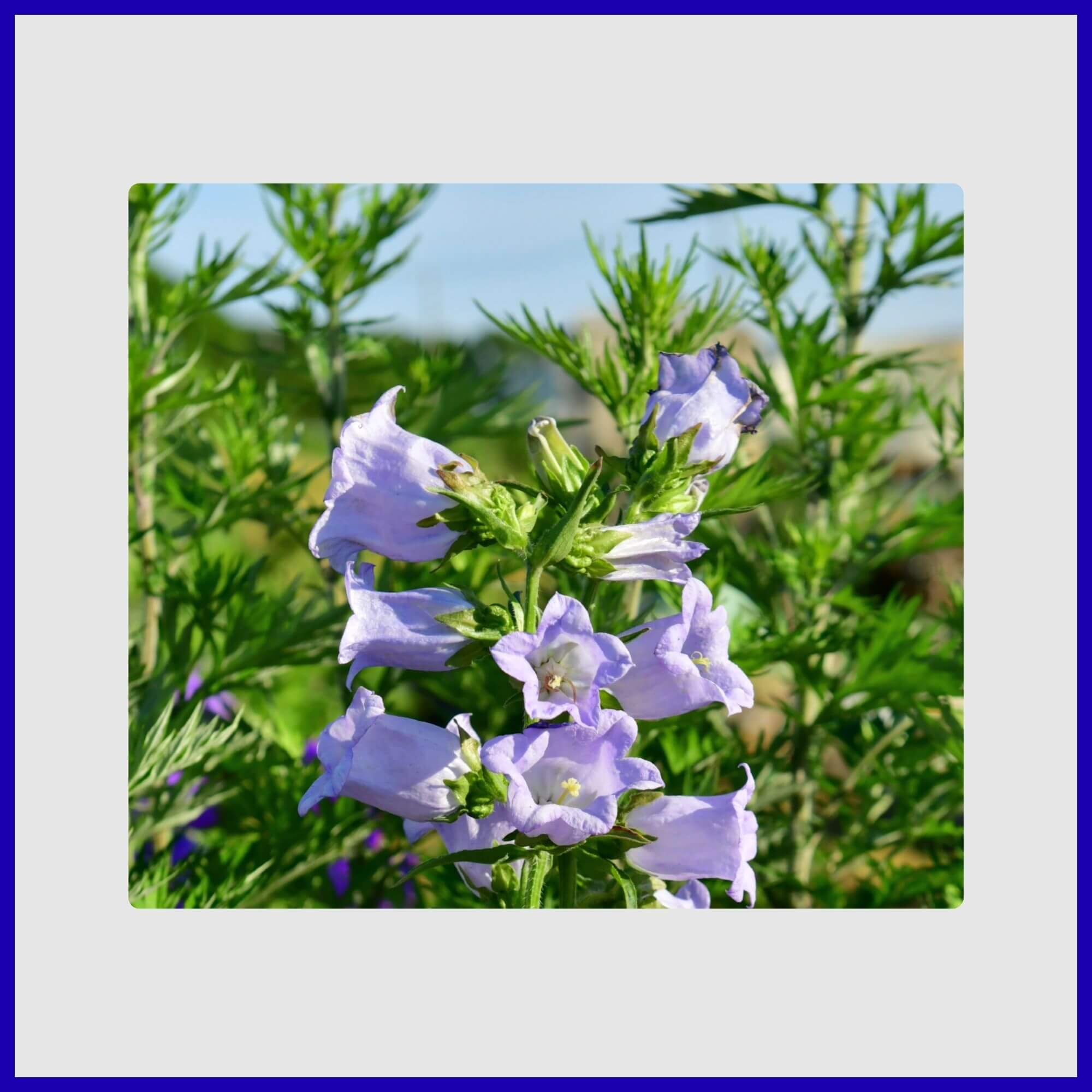
Bellflowers live up to their name with delicate, bell-shaped blooms. Versatile perennials, blue campanulas range from soft periwinkle to deep purple-blue. Their long bloom period from late spring through early fall is a major garden benefit.
- USDA Hardiness Zones: 3-8 (varies by species)
- Bloom Time: Late spring through summer (May-August)
- Sun Requirements: Full sun to partial shade
- Soil Needs: Well-drained, moderately fertile
- Height: 6 inches to 3 feet depending on variety
10. Anemone (Anemone coronaria)
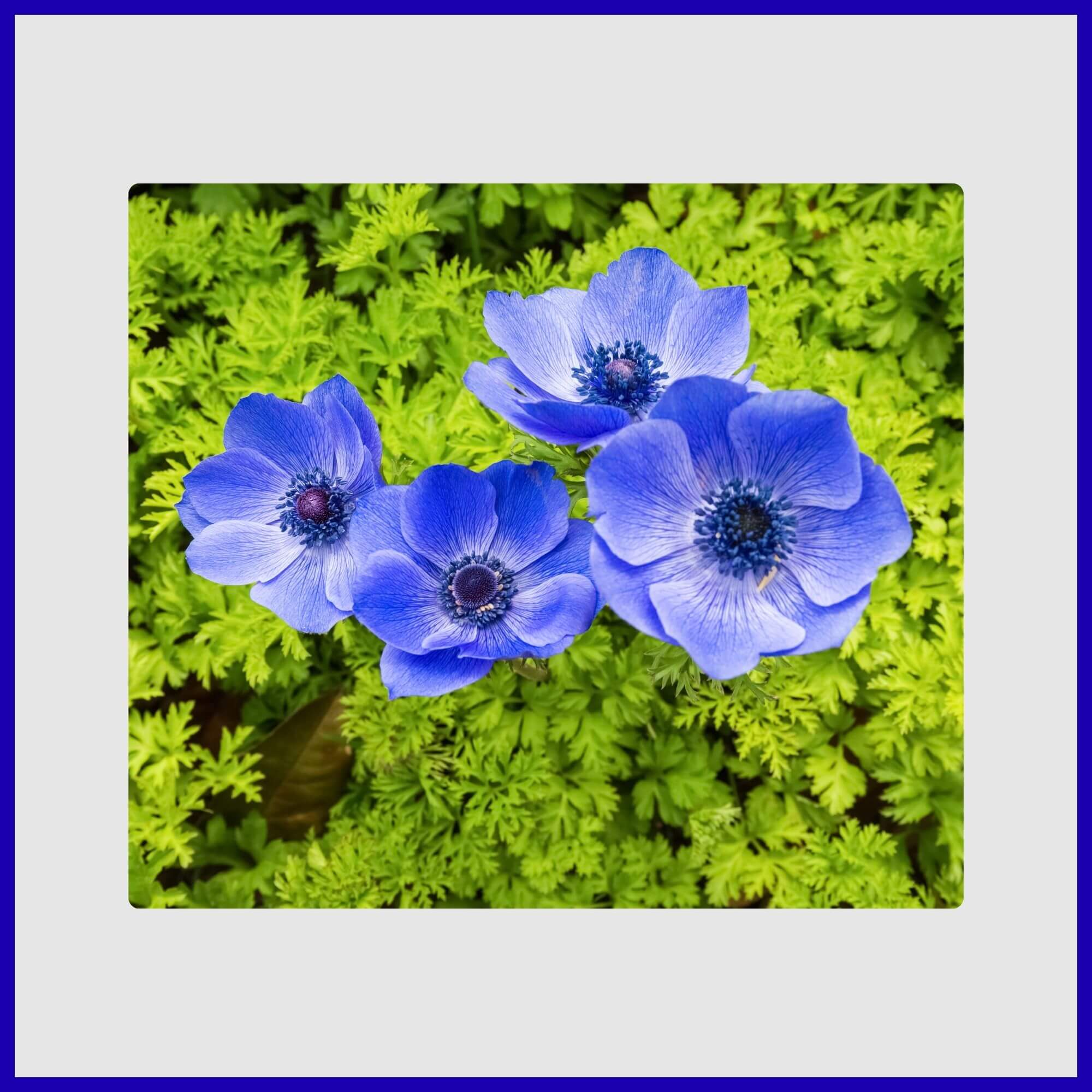
Anemones offer sophistication with delicate, poppy-like petals surrounding dramatic dark centers. The rich, saturated blue varieties and stark white varieties are highly sought after for modern, minimalist bouquets due to their striking contrast.
- USDA Hardiness Zones: 7-10
- Bloom Time: Spring or fall depending on planting time
- Sun Requirements: Full sun to partial shade
- Soil Needs: Rich, well-drained, slightly acidic
- Height: 12-18 inches
11. Lobelia (Lobelia erinus)
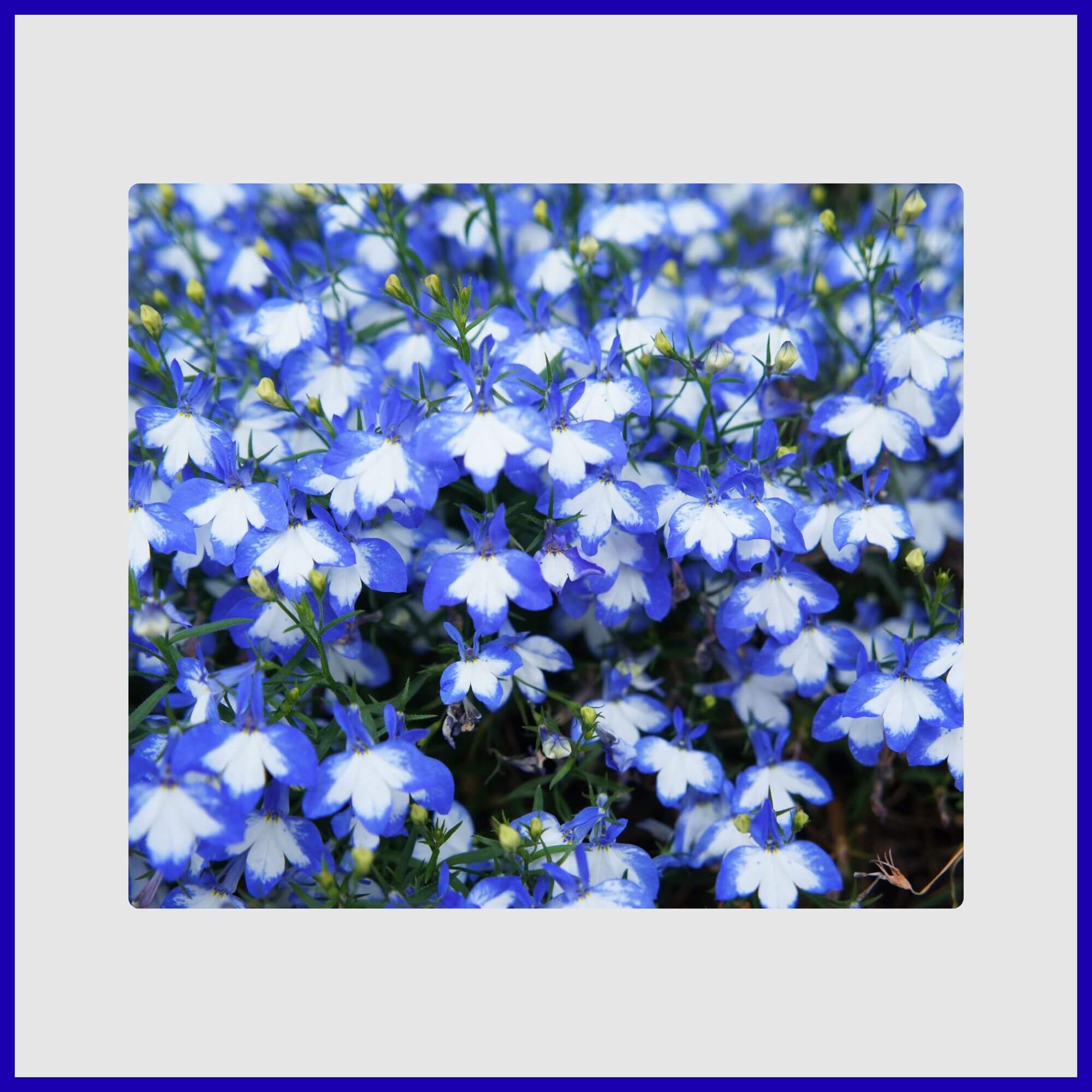
Lobelia creates cascading clouds of tiny flowers, ideal for hanging baskets and container edges. The electric blue varieties are particularly eye-catching, spilling gracefully over pot edges and providing continuous color.
- USDA Hardiness Zones: 10-11 (grown as annual elsewhere)
- Bloom Time: Spring through fall (April-October)
- Sun Requirements: Partial shade to full sun (prefers afternoon shade)
- Soil Needs: Rich, evenly moist, well-drained
- Height: 4-9 inches (trailing varieties cascade 12-18 inches)
12. Clematis (Clematis spp.)
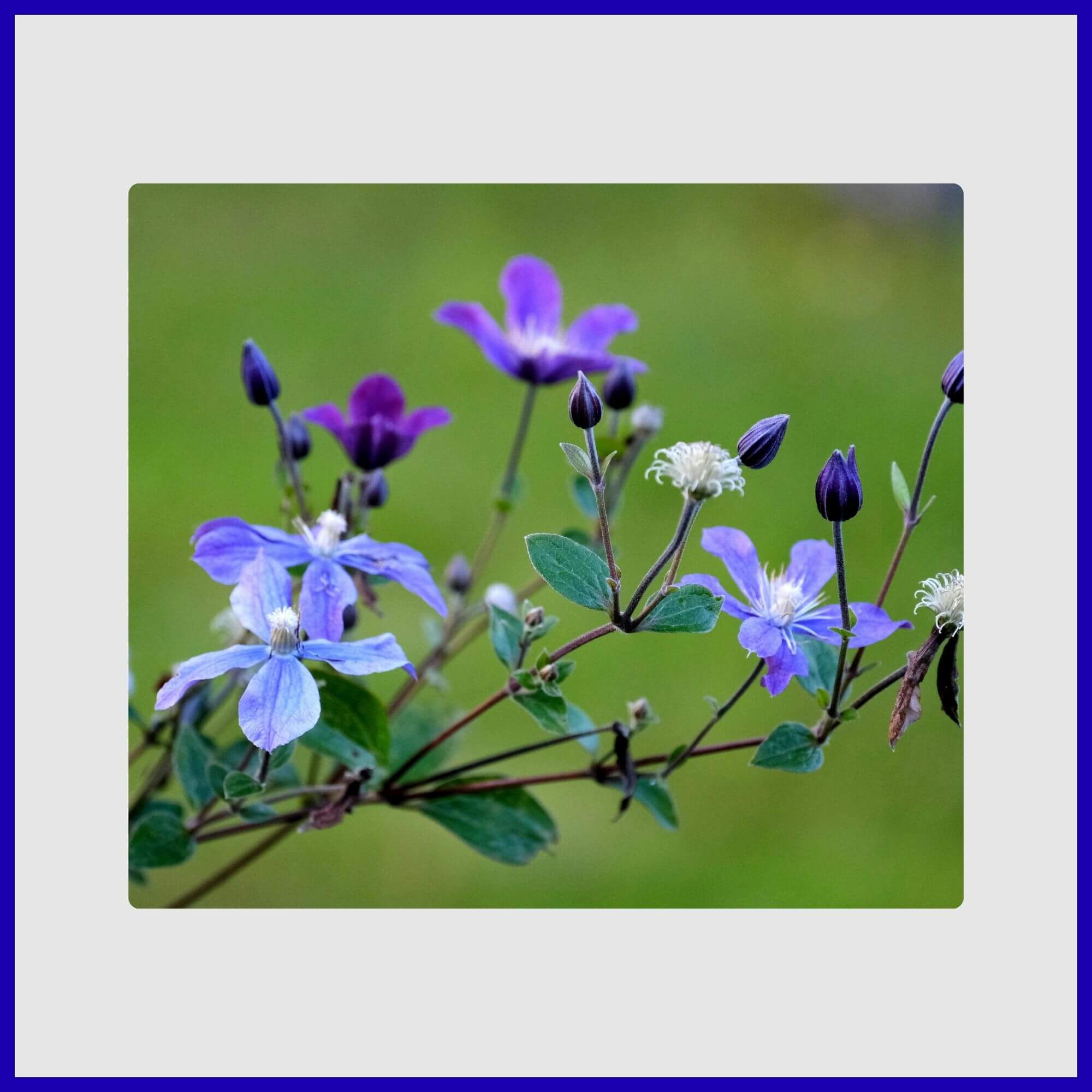
Often called the “queen of vines,” clematis produces stunning star-shaped flowers in shades of blue, purple-blue, and pristine white. They are magnificent trained on arbors or pergolas.
- USDA Hardiness Zones: 4-9 (varies by variety)
- Bloom Time: Spring, summer, or fall depending on variety
- Sun Requirements: Full sun for flowers, cool/shaded roots
- Soil Needs: Rich, well-drained, neutral to slightly alkaline
- Height: 6-20 feet (climbing vine)
13. Forget-Me-Not (Myosotis sylvatica)
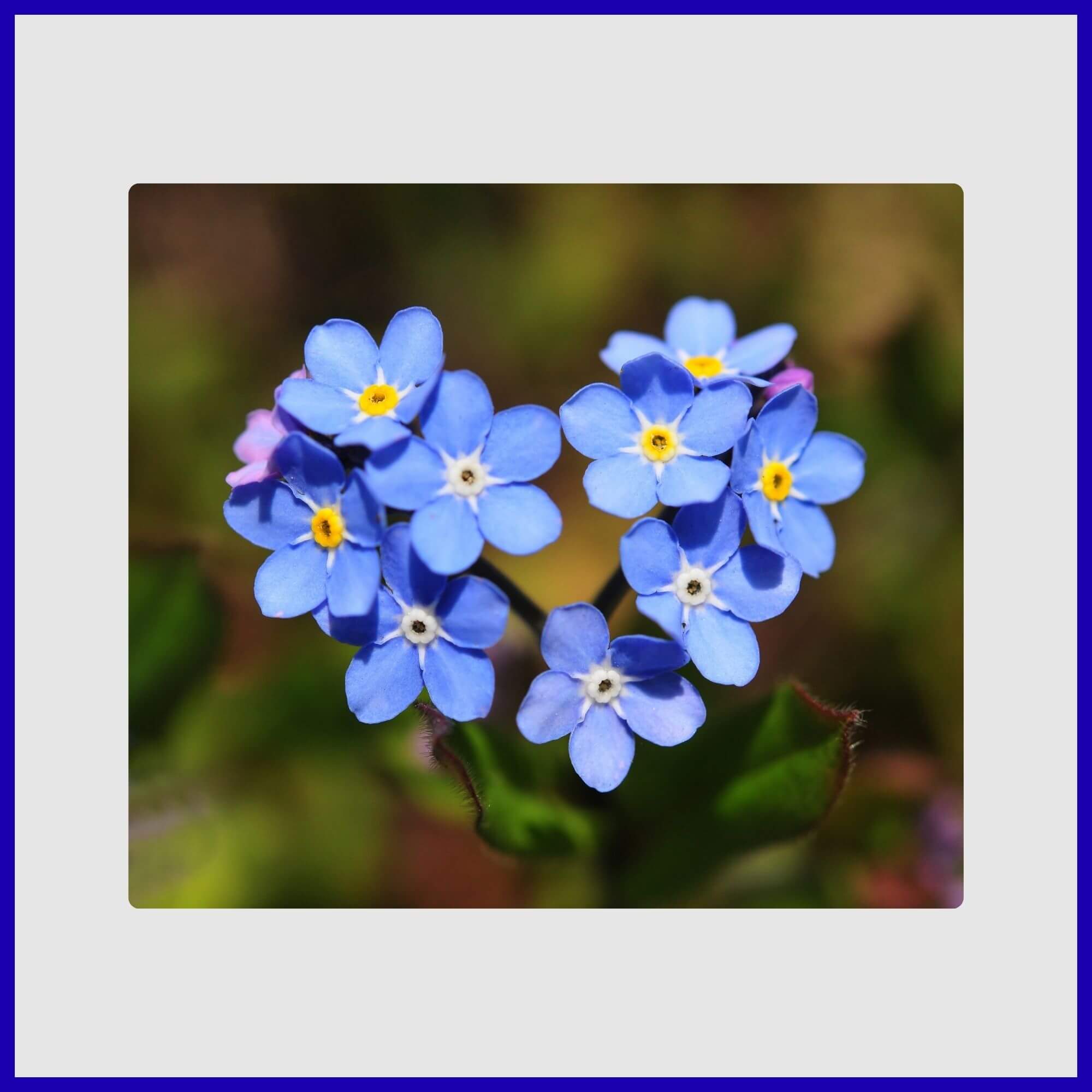
These charming little flowers create a spring blue haze in shady gardens. Each tiny bloom features a yellow center surrounded by five sky-blue petals. They self-seed enthusiastically, naturalizing beautifully in woodland settings.
- USDA Hardiness Zones: 3-8
- Bloom Time: Spring to early summer (April-June)
- Sun Requirements: Partial shade to full shade
- Soil Needs: Moist, well-drained, rich in organic matter
- Height: 6-12 inches
14. Petunia (Petunia × hybrida)
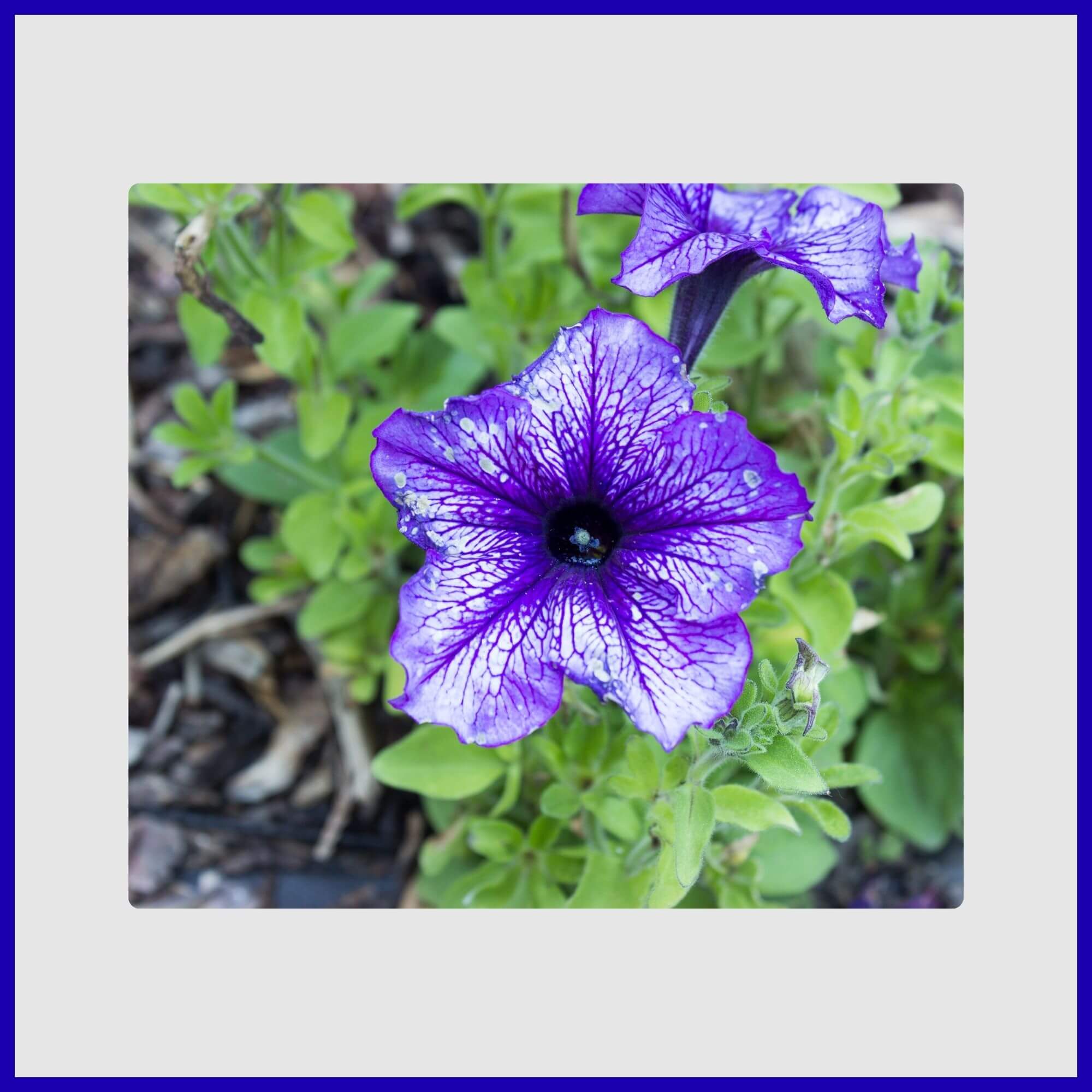
Modern petunias offer incredible flower power. The blue varieties range from soft lavender-blue to deep violet-blue. Newer varieties like the Wave and Supertunia series bloom prolifically and continuously from spring until hard frost.
- USDA Hardiness Zones: 9-11 (grown as annual elsewhere)
- Bloom Time: Spring through fall (continuous until frost)
- Sun Requirements: Full sun
- Soil Needs: Well-drained, moderately fertile
- Height: 6-18 inches (trailing varieties spread 3-4 feet)
15. Salvia (Salvia farinacea)
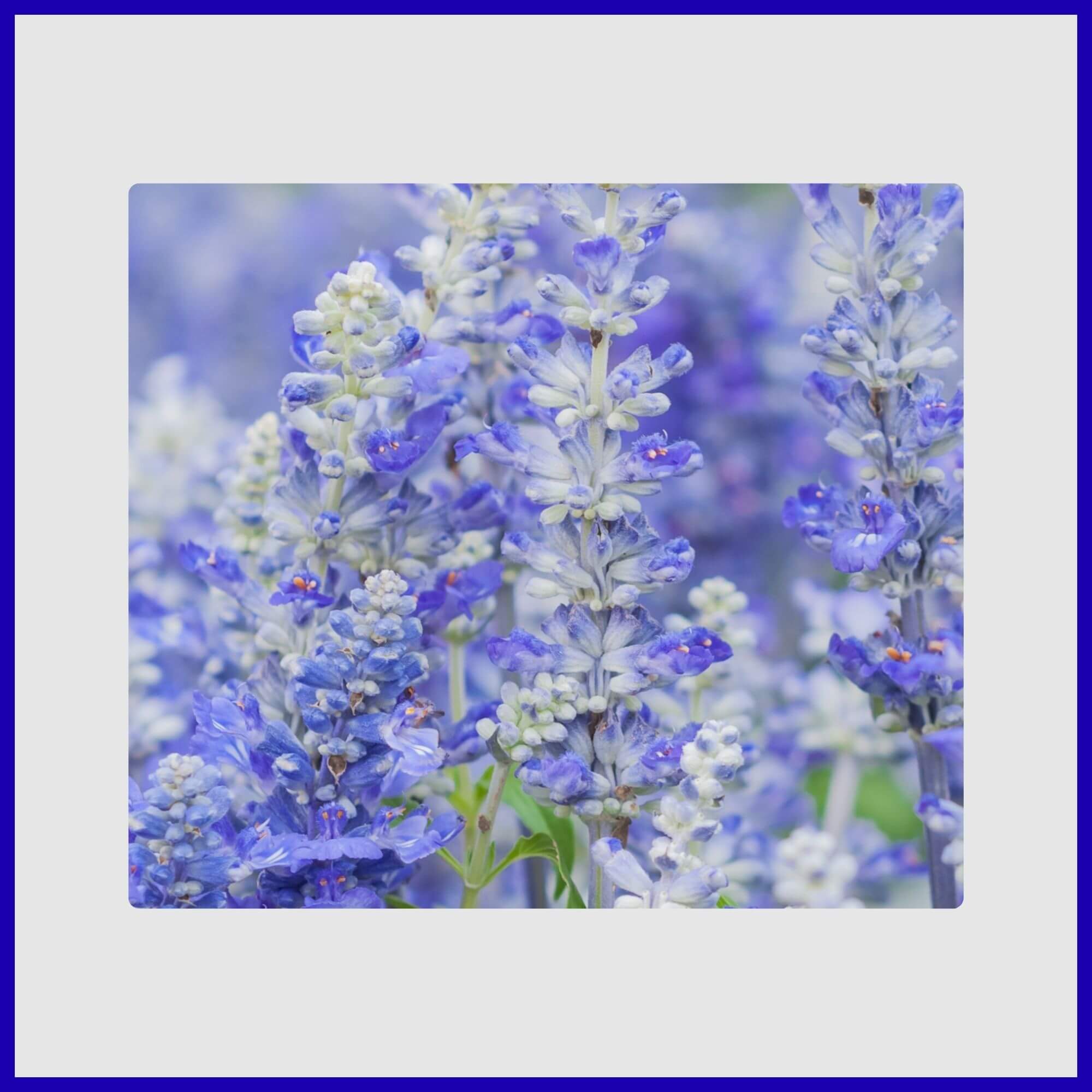
Blue salvia, particularly ‘Victoria Blue,’ creates vertical spikes of intensely blue flowers that butterflies and hummingbirds can’t resist. It is incredibly heat-tolerant and drought-resistant, making it one of the longest-blooming, low-maintenance options.
- USDA Hardiness Zones: 7-10 (often grown as annual)
- Bloom Time: Late spring through fall (May-October)
- Sun Requirements: Full sun
- Soil Needs: Well-drained, average fertility (tolerates poor soil)
- Height: 18-30 inches
Creating Perfect Blue and White Flower Bouquets
The key to a stunning blue and white bouquet is balancing different flower shapes and sizes.
- Start with a Focal Flower: Use your largest bloom, like a Hydrangea or Delphinium, to anchor the arrangement and draw the eye first.
- Add Secondary Flowers: Incorporate mid-sized blooms, such as Irises or Anemones, that complement the focal point without competing with it.
- Use Filler: Finish with small blooms like Cornflowers or Lobelia to create fullness, texture, and airiness.
- Incorporate Silver Foliage: Blue and white flowers truly shine when paired with silvery-green foliage like dusty miller or eucalyptus. These soft, neutral greens enhance the cool color palette.
Pro Tip: Varying stem heights dramatically cutting some short, others medium, and keeping a few tall creates depth and makes the arrangement more interesting from every angle.
Garden Design Tips for Blue and White Color Schemes
Creating a cohesive blue and white garden requires thoughtful placement:
- Think in Layers: Place tall blue flowers (Delphiniums, Salvias) at the back of borders, medium-height plants (Irises, Agapanthus) in the middle, and low growers (Pansies, Lobelia) at the front. This ensures all flowers are visible and creates depth.
- Repeat for Cohesion: Instead of planting one of everything, repeat the same varieties in clumps throughout the space. Three clumps of blue agapanthus spaced along a border look intentional and sophisticated.
- Add Silver Foliage Plants: Plants like Lamb’s ear, artemisia, and Russian sage provide silvery-blue foliage that ties the garden together even when flowers aren’t in bloom, enhancing the cool color scheme.
❓ Frequently Asked Questions
What blue and white flowers bloom the longest?
Hydrangeas take the prize, flowering continuously from June through September. Petunias and Lobelia come in close second, blooming non-stop from spring until hard frost.
Can I grow blue and white flowers together in containers?
Absolutely! Try pairing white pansies with blue lobelia and trailing white petunias for a fantastic spring and summer planter.
Which blue and white flowers are best for cutting?
Sweet Peas, Delphiniums, and Anemones are professional florists’ top choices due to their excellent vase life (maintaining their beauty for over a week). Hydrangeas are also outstanding if stems are properly recut and placed in deep water.
Do any blue and white flowers attract pollinators?
Yes! Cornflowers and Salvia are exceptional pollinator magnets. Campanulas also attract numerous pollinators, and Morning Glories and Lobelia draw hummingbirds.
Your Next Steps to a Stunning Blue and White Garden
Creating a beautiful space with blue and white flowers doesn’t require a professional designer. Start small: choose just three or four varieties from this list that match your sunlight and soil conditions, and build from there. Even a simple container with blue lobelia and white petunias can transform a porch or patio.
The flowers shared today are perfect for nearly every climate and skill level. This timeless color combination will serve you well for years to come.
👉If you’ve loved this exploration of cool-toned blooms, you might be interested in expanding your knowledge of related colors and plant types:
- For more vivid inspiration, dive into our list of 25 Stunning Purple and Blue Flowers.
- If you’re looking for larger focal points in this palette, check out these gorgeous Trees with Blue Flowers: 15 Beautiful Varieties.
- To complete the color scheme across your landscape, see our guide to 30 Flowering Trees with White Flowers in Spring.