
What Is the Washington State Animal?
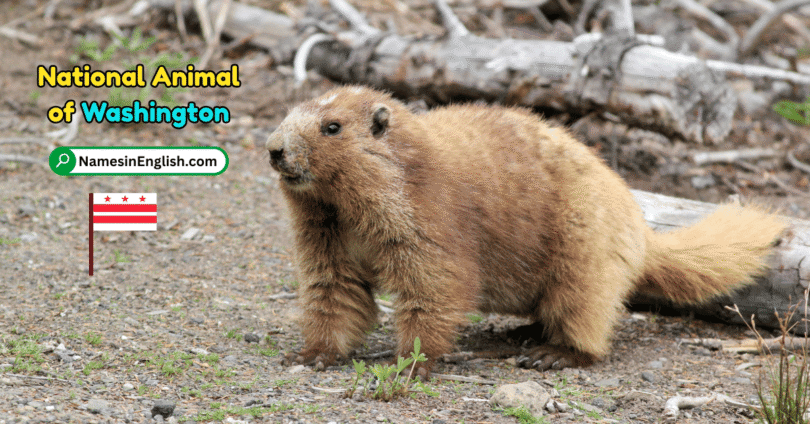
The Olympic marmot is Washington’s official endemic mammal. Its scientific name is Marmota olympus, and it belongs to the squirrel family, Sciuridae. Unlike a state animal that may be found across several states or regions, the Olympic marmot has a much more specific distinction: it is endemic to Washington, occurring naturally only in the Olympic Mountains on the Olympic Peninsula. Washington’s legislature officially designated it as the state endemic mammal in 2009.
History of the Olympic Marmot as a State Symbol
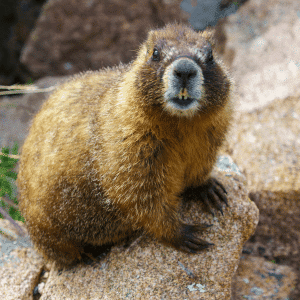
The Olympic marmot became Washington’s official endemic mammal in 2009 after students from Wedgwood Elementary School in Seattle proposed it as a state symbol. Their idea eventually became Senate Bill 5071, which was approved by the Washington Legislature and signed into law on May 12, 2009. The designation recognized the marmot as a unique part of Washington’s natural heritage.
Why Is the Olympic Marmot Washington’s State Animal?
The Olympic marmot was chosen because it is found naturally only in Washington State, making it a truly unique state symbol. It lives mainly in the Olympic Mountains and has adapted to the region’s cold alpine environment. By choosing this species, Washington also highlights the importance of protecting its native wildlife and distinctive mountain ecosystems.
Symbolic Meaning of the Olympic Marmot
The Olympic marmot represents Washington’s unique wildlife, natural beauty, and mountain environment. Since this species cannot naturally be found anywhere else in the world, it reflects the special biodiversity of the Olympic Peninsula. Its ability to survive harsh winters and live successfully in a challenging alpine habitat also makes it a meaningful symbol of adaptation and resilience.
Scientific Name and Classification
- Common Name: Olympic Marmot
- Scientific Name: Marmota olympus
- Kingdom: Animalia
- Phylum: Chordata
- Class: Mammalia
- Order: Rodentia
- Family: Sciuridae
- Genus: Marmota
- Species: Marmota olympus
What Does an Olympic Marmot Look Like?
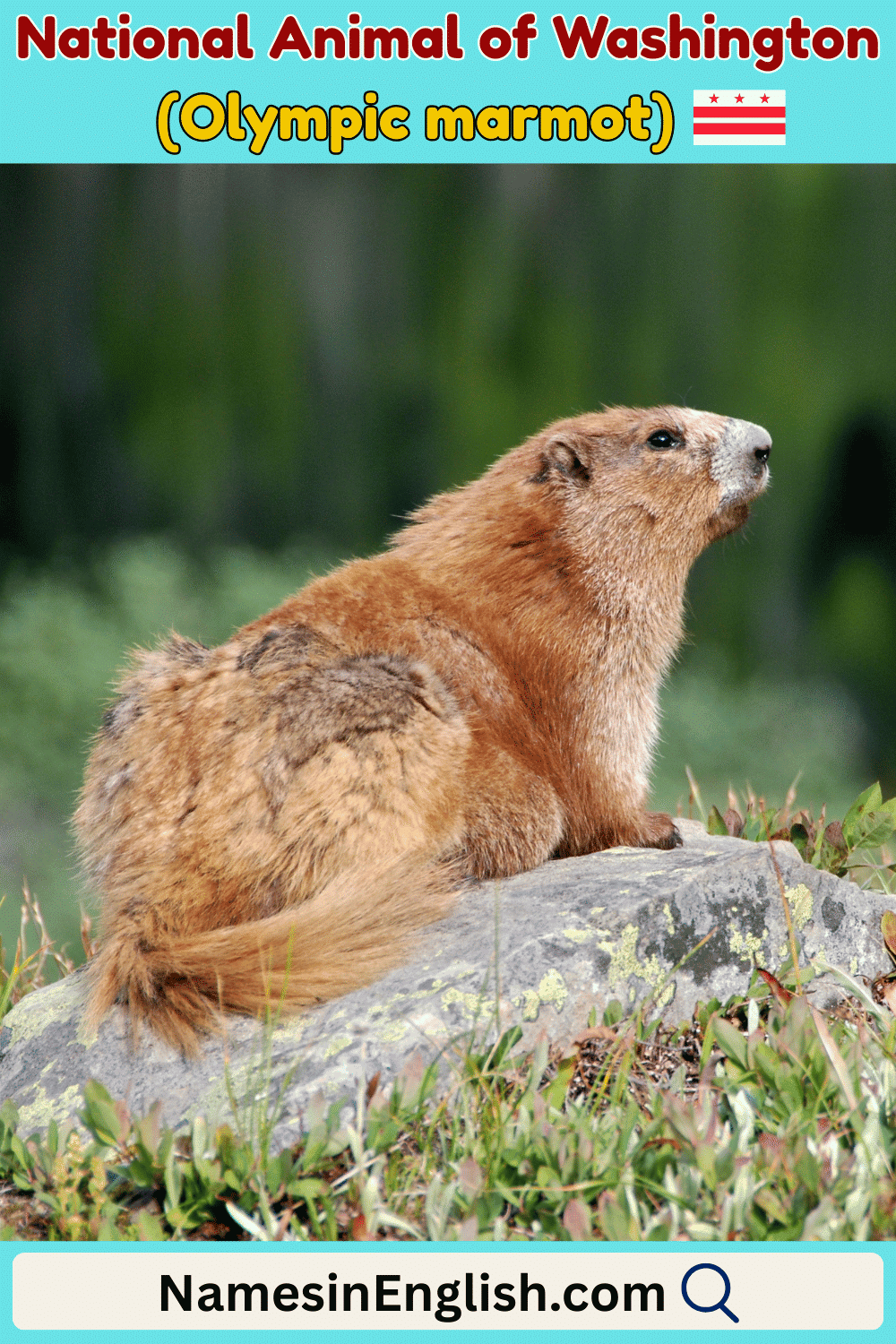
The Olympic marmot is a large, sturdy member of the squirrel family with a rounded body, short legs, small ears, and a bushy tail. Its thick fur can appear brown, tan, gray, or darker depending on the individual and season. Its strong body and dense coat help it stay warm while living in the cool, rocky environments of the Olympic Mountains.
Where Does the Olympic Marmot Live?
The Olympic marmot lives mainly in the Olympic Mountains on Washington’s Olympic Peninsula. It prefers alpine and subalpine meadows, rocky slopes, and areas close to the timberline, with much of its habitat located within Olympic National Park. During summer, these animals can often be spotted around places such as Hurricane Ridge while they feed and rest in the mountain landscape.
What Does the Olympic Marmot Eat?
Olympic marmots are mainly herbivores and feed on a variety of plants found in their mountain habitat. Their diet includes grasses, herbs, flowers, roots, and other vegetation that becomes available during the short summer season. They spend much of this period feeding and building up body fat, which provides the energy they need to survive their long winter hibernation.
How Does the Olympic Marmot Survive Winter?
The Olympic marmot survives the harsh mountain winter by going into long-term hibernation inside an underground burrow. It may remain underground for around seven or eight months, surviving mainly on body fat stored during the warmer months. Its metabolism slows greatly during hibernation, allowing the animal to conserve energy until spring and summer bring warmer temperatures and fresh vegetation.
Life Span of Olympic Marmot
Olympic marmots can live for many years, and some individuals have been recorded surviving into their teenage years. However, life in the mountains is challenging, especially for young marmots, which face a high risk of dying during their first year. Their relatively slow development and reproduction make healthy habitats important for maintaining stable populations.
Educational Value of Olympic Marmot
The Olympic marmot is an excellent example for teaching students about endemic animals, ecosystems, adaptation, and conservation. Its unusual lifestyle demonstrates how wildlife can adapt to cold temperatures, limited food seasons, and high mountain environments. Its history as a state symbol also shows students how young people can contribute ideas that become part of their state’s official heritage.
Tourism Value of Olympic Marmot
The Olympic marmot adds to the wildlife and nature experience for visitors exploring Olympic National Park and the Olympic Mountains. During summer, hikers and tourists may see marmots feeding, resting, or sunbathing near rocky slopes and alpine meadows. Because the species is found naturally only on Washington’s Olympic Peninsula, seeing one can be a memorable experience for wildlife lovers and photographers.
Interesting Facts About the Olympic Marmot
- The scientific name of the Olympic marmot is Marmota olympus.
- It is endemic to Washington State.
- Washington officially designated it as the state endemic mammal in 2009.
- It lives primarily in the Olympic Mountains and Olympic Peninsula.
- Olympic marmots hibernate for much of the year, generally from September to May.
- They are highly social and can live in groups of more than a dozen.
- Their diet consists mainly of herbs, grasses, flowers, and other vegetation.
- They are relatively easy to observe around Hurricane Ridge during summer.
- The Olympic marmot is different from Washington’s official marine mammal, the orca.
Name of National Animal of Washington
Learn more helpful articles