Animals

Missouri State Animal with Name and Picture

Missouri State Animal with Name and Picture
Written by Operra Jerry

The Missouri State Animal is an important symbol that represents the state’s history, culture, and connection with animals. Missouri is home to diverse wildlife, and its official animal has a special place among the state’s recognized symbols. Learning about it is also a simple way to improve animal vocabulary and explore interesting facts about Missouri. In this article, you will learn the Missouri State Animal with its name and picture, along with easy-to-understand information about its history and importance. This visual guide is helpful for students, teachers, children, wildlife lovers, and English learners who want to learn in an enjoyable way.

What Is the State Animal of Missouri?

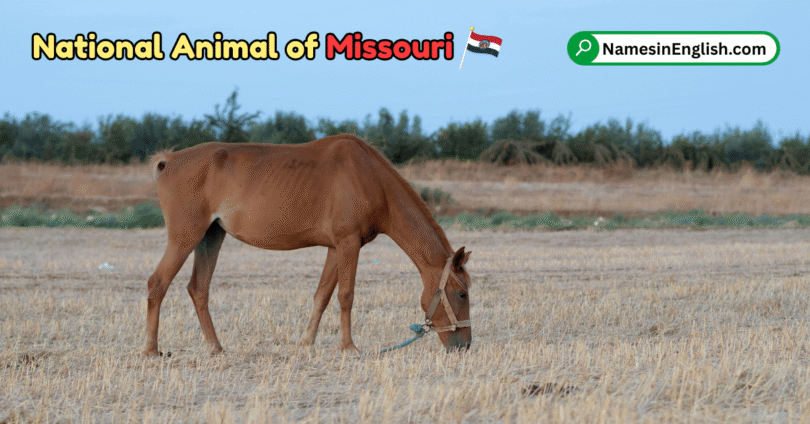
The Missouri Mule is the official state animal of Missouri. It is a hybrid produced by breeding a female horse, called a mare, with a male donkey, called a jack. Mules generally inherit useful characteristics from both parent animals, including the horse’s size and strength and the donkey’s toughness and sure-footed nature.
What Is the State Animal of Missouri

History of Mules in Missouri

Mules became important in Missouri during the 19th century, especially after their introduction in the 1820s. Farmers valued them for plowing fields, carrying loads, and traveling long distances. Missouri later became one of the leading mule-producing states in the United States.

When Did the Missouri Mule Become the State Animal?

The Missouri Mule officially became Missouri’s state animal on May 31, 1995. The designation was signed into law by Governor Mel Carnahan. It formally recognized the mule’s long-standing importance to Missouri’s history and agriculture.

Why Was the Mule Chosen as Missouri’s State Animal?

The mule was chosen because it represents strength, hardiness, intelligence, and a steady temperament. These qualities made mules valuable to Missouri farmers, settlers, and workers. Its important role in the state’s agricultural past also made it a fitting symbol.

Scientific Classification of the Mule

  • Common Name: Mule
  • Scientific Name: Equus mulus
  • Kingdom: Animalia
  • Phylum: Chordata
  • Class: Mammalia
  • Order: Perissodactyla
  • Family: Equidae
  • Genus: Equus
  • Type: Hybrid of a female horse and a male donkey
  • Reproduction: Generally sterile

Physical Characteristics of Mule

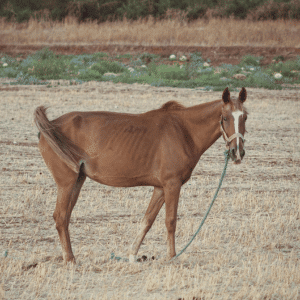
A mule usually has the body shape and size of a horse, combined with several physical traits inherited from its donkey parent. It has long ears, strong legs, tough hooves, and a sturdy body. Mules can vary considerably in size depending on the horse and donkey breeds involved.

Missouri Mules During Wartime

Missouri mules were useful during wartime because they could carry heavy supplies and travel through difficult terrain. Mules were used to transport equipment, food, and other materials for military forces. Their strength and endurance made them dependable when motorized transportation was limited.

What Does a Mule Eat?

Mules are herbivores and mainly eat grass, hay, and other types of forage. Depending on their workload and nutritional needs, they may also receive grains or specially prepared feed. Their diet should provide enough nutrients without giving them excessive amounts of rich food.

Baby of Mule

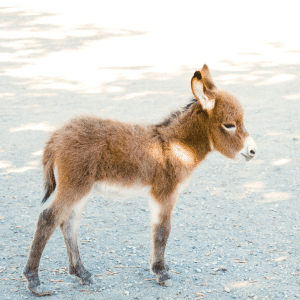
A young mule is commonly called a foal, just like a young horse or donkey. Mules are produced when a female horse, called a mare, mates with a male donkey, called a jack. Because mules are generally sterile, they normally cannot produce offspring of their own.
Baby of Mule

What Makes Mules So Strong and Hardy?

Mules combine useful characteristics from both horses and donkeys, giving them a reputation for strength and endurance. Their sturdy bodies and strong legs allow them to perform demanding work. They are also known for being careful and sure-footed, particularly on challenging terrain.

Missouri Mule and the State’s Heritage

The Missouri Mule represents an important part of the state’s agricultural and transportation heritage. Before modern machinery, farmers depended on mules for plowing fields and moving heavy loads. Today, the mule remains a symbol of Missouri’s hardworking rural history.

Life Span of Mule

A healthy mule can often live for 30 to 40 years, although lifespan varies depending on genetics, care, nutrition, and living conditions. Their long lives can make them valuable working and companion animals. Proper veterinary care, balanced nutrition, and regular hoof care can support their health.

Educational Value

The Missouri Mule provides an easy way to learn about Missouri’s agricultural history and traditional farming practices. Studying mules also helps students understand animal adaptations, hybrid animals, and the development of transportation. It connects modern life with the working animals that once supported communities.

Tourism Value

The Missouri Mule adds cultural and historical interest to Missouri’s rural attractions, museums, fairs, and agricultural events. Visitors can learn about the animal’s role in farming, transportation, and the state’s development. Its status as the state animal also makes it a recognizable symbol of Missouri’s heritage.

Interesting Facts About the Mule

  • The Missouri Mule is Missouri’s official state animal.
  • It was officially designated on May 31, 1995.
  • A mule is the offspring of a female horse and a male donkey.
  • Mules are generally sterile and cannot reproduce.
  • Mules became popular in Missouri after their introduction in the 1820s.
  • Missouri was once the nation’s leading mule-producing state.
  • Missouri mules were used in farming, transportation, westward expansion, and military logistics.
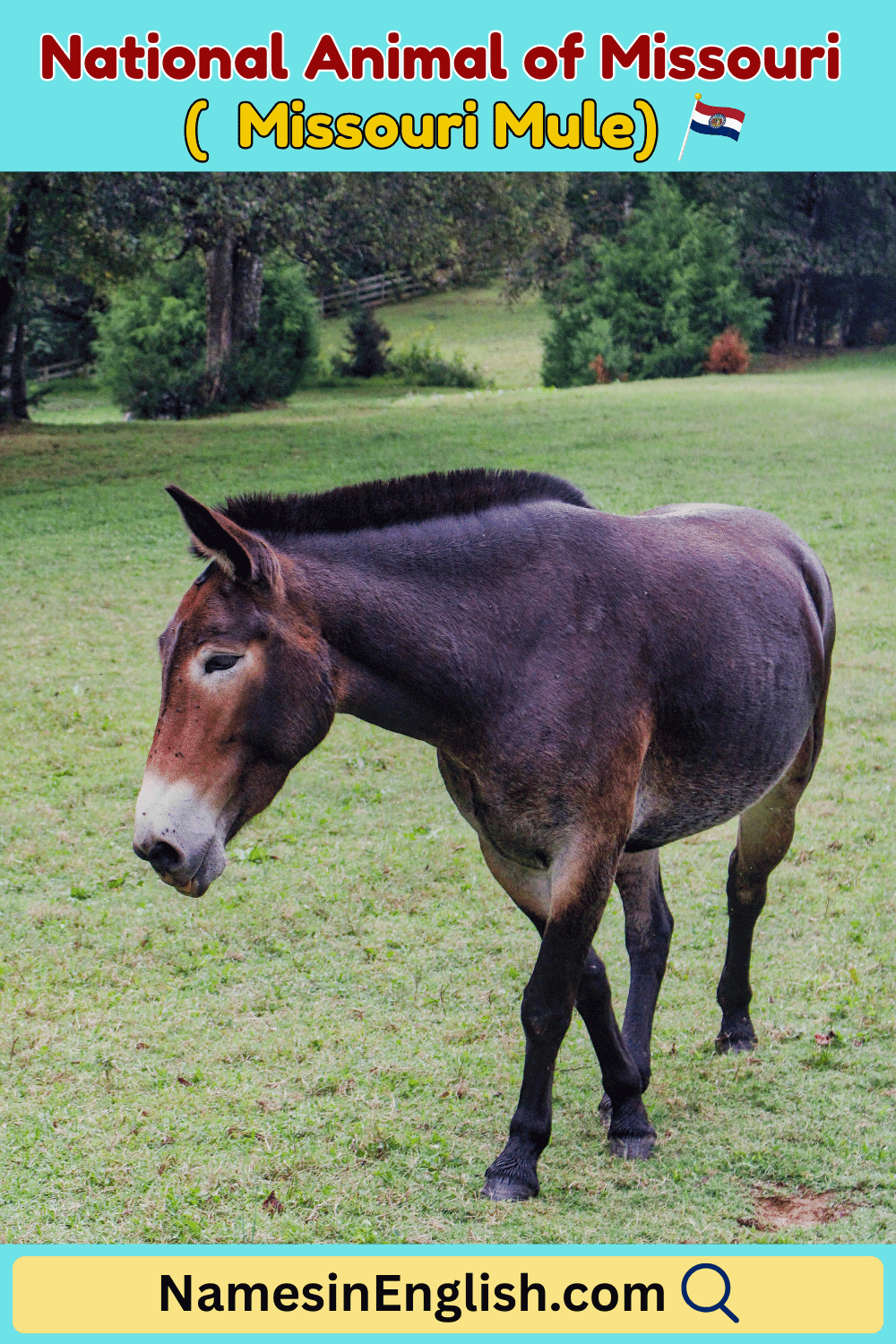
Name of National Animal of Missouri

Name of National Animal of Missouri


Learn more Helpful Articles

About the author

Operra Jerry

Leave a Comment