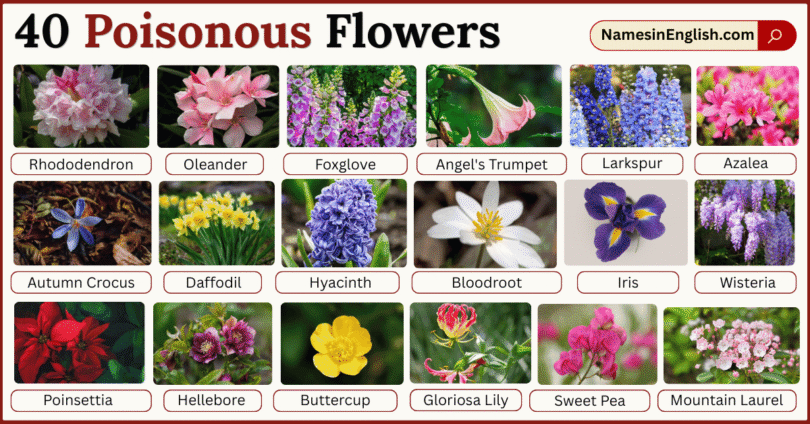

Flowers are often admired for their beauty, fragrance, and bright colors, but some can be surprisingly dangerous. Poisonous flowers contain natural toxins that help protect the plant but may be harmful to humans, pets, and other animals if touched or consumed. Knowing these flowers is important for gardeners, parents, pet owners, and nature lovers who want to stay safe around ornamental plants. In this article, you will learn 40 Poisonous Flowers with Names in English with Pictures helping you identify these beautiful yet hazardous flowers with confidence.
Table of Contents
ToggleWhat Are Poisonous Flowers?
Poisonous flowers are flowering plants that produce natural toxins as a defense mechanism against insects, animals, and other threats. These toxins may be present in the flowers, leaves, stems, roots, seeds, or sap. Some poisonous flowers cause only mild irritation, while others contain potent toxins that can be life-threatening if ingested.
Why Are Flowers Poisonous?
Flowers become poisonous because plants naturally produce toxic compounds as a defense system to survive in nature. These toxins help protect them from animals that might eat them, reduce damage from insects, and defend against diseases and fungi. By developing these protective chemicals, poisonous flowers increase their chances of survival, growth, and reproduction.
Types of Poisonous Flowers
Poisonous flowers can be classified according to their toxicity and effects.
Mildly Poisonous Flowers
These flowers usually cause minor symptoms such as Skin irritation, Mild stomach upset, Nausea, and Vomiting. For instance, are Daffodil, Hyacinth, Tulip, Iris, Chrysanthemum.
Moderately Poisonous Flowers
These flowers can cause more serious symptoms such as Severe vomiting, Diarrhea, Dizziness, Breathing difficulties, and Heart irregularities. For examples, Foxglove, Larkspur, Lupine, Wisteria.
Highly Poisonous Flowers
These contain powerful toxins that may be fatal such as Organ failure, Heart failure, Paralysis, Respiratory arrest, and Death. For instance Oleander, Monkshood, Water Hemlock, Angel’s Trumpet.
Common Toxic Chemicals Found in Poisonous Flowers
Alkaloids
Alkaloids are natural toxins that affect the nervous system. They may cause dizziness, hallucinations, paralysis, or severe poisoning. Examples include Monkshood, Angel’s Trumpet, and Belladonna.
Cardiac Glycosides
Cardiac glycosides are chemicals that affect the heart and its rhythm. In large amounts, they can cause irregular heartbeat and serious heart-related problems. Examples include Oleander and Foxglove.
Oxalates
Oxalates are tiny crystal-like compounds that irritate the mouth, throat, and digestive tract. Contact or ingestion can cause pain, swelling, and discomfort. Examples include Calla Lily and Peace Lily.
Saponins
Saponins are plant chemicals that can irritate the digestive system. They may cause nausea, stomach pain, vomiting, or diarrhea if consumed. Examples include Hyacinth and some Lilies.
Toxalbumins
Toxalbumins are extremely poisonous proteins that damage body cells and tissues. Even small amounts can lead to serious poisoning. The Castor Bean Plant is a well-known source of toxalbumins.
List of 40 Poisonous Flowers with Names
- Oleander
- Foxglove
- Monkshood
- Lily of the Valley
- Angel’s Trumpet
- Autumn Crocus
- Larkspur
- Rhododendron
- Azalea
- Daffodil
- Hyacinth
- Iris
- Wisteria
- Yew Flower
- Castor Bean Flower
- Crown Imperial
- Bloodroot
- Snowdrop
- Belladonna
- Yellow Jessamine
Beautiful poisonous flowers with Names and Pictures
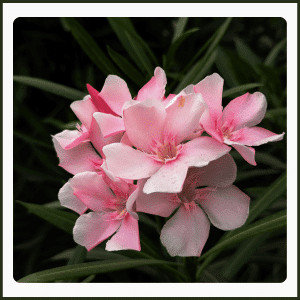
- Oleander
Oleander is a colorful flowering shrub. The entire plant is toxic and may cause vomiting, dizziness, and serious heart problems if swallowed.

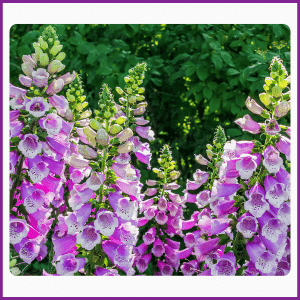
- Foxglove
Foxglove is a tall flower with bell-shaped blooms. All parts are poisonous and can affect the heart, causing irregular heartbeat and nausea.

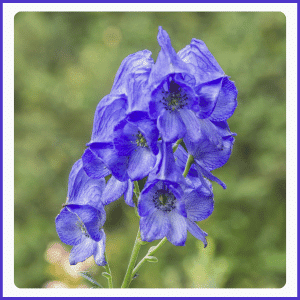
- Monkshood
Monkshood is a blue or purple flowering plant. The whole plant is highly toxic and may cause numbness, paralysis, and breathing difficulties.

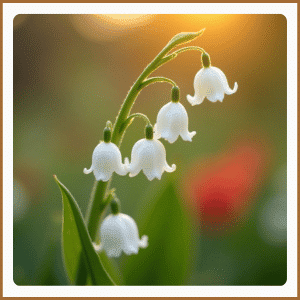
- Lily of the Valley
Lily of the Valley has small white fragrant flowers. The entire plant is poisonous and can affect the heart and digestive system.

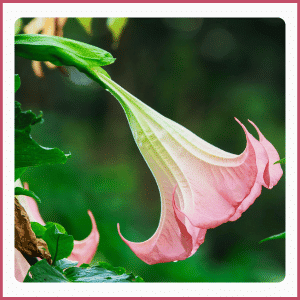
- Angel’s Trumpet
Angel’s Trumpet is known for its large hanging flowers. All parts are toxic and may cause hallucinations, confusion, and rapid heartbeat.

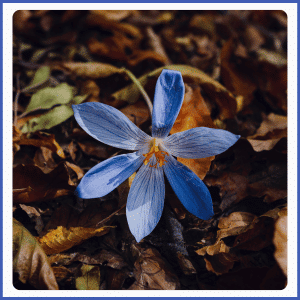
- Autumn Crocus
Autumn Crocus produces purple flowers in fall. The whole plant is poisonous and may cause severe stomach problems and organ damage.

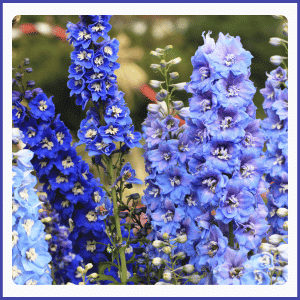
- Larkspur
Larkspur is a colorful garden flower with tall spikes. Its seeds and leaves are toxic and may cause weakness and breathing problems.

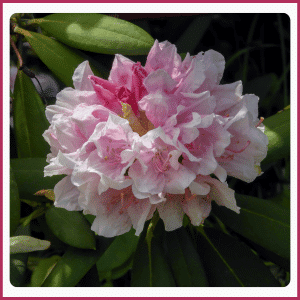
- Rhododendron
Rhododendron is an evergreen shrub with bright flower clusters. The leaves and flowers are poisonous and may cause dizziness and vomiting.

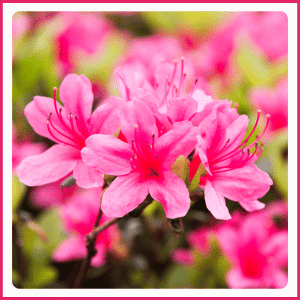
- Azalea
Azalea is a popular ornamental flowering shrub. The entire plant is toxic and can cause stomach upset and heart-related symptoms.

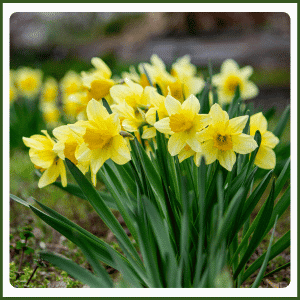
- Daffodil
Daffodil is a well-known spring flower with bright blooms. Its bulbs are poisonous and may cause nausea, vomiting, and stomach pain.

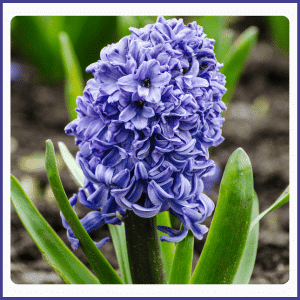
- Hyacinth
Hyacinth is a fragrant spring flower with dense flower clusters. The bulbs are toxic and can cause digestive problems and skin irritation.

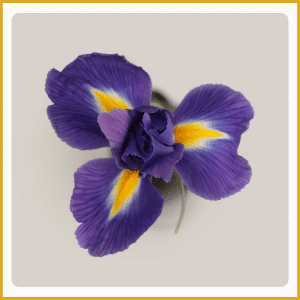
- Iris
Iris is famous for its large colorful flowers. The rhizomes contain toxins and may cause stomach discomfort and skin irritation.

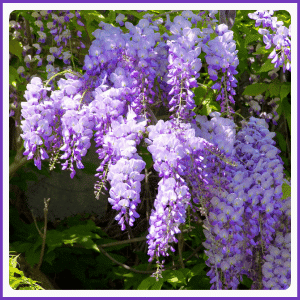
- Wisteria
Wisteria is a climbing plant with hanging flower clusters. Its seeds and pods are poisonous and may cause vomiting and diarrhea.

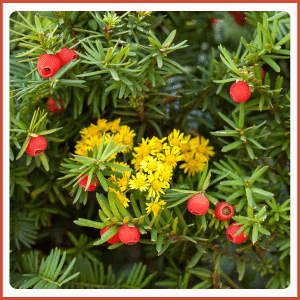
- Yew Flower
Yew is an evergreen plant with small flowers and red berries. The leaves and seeds are highly toxic and can affect the heart.

- Castor Bean Flower
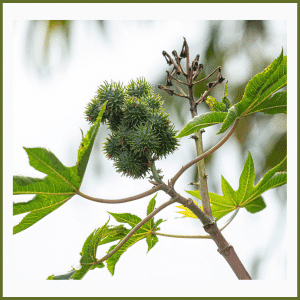
Castor Bean is an ornamental plant with attractive flowers. Its seeds contain deadly toxins that may cause severe poisoning and organ damage.

- Crown Imperial
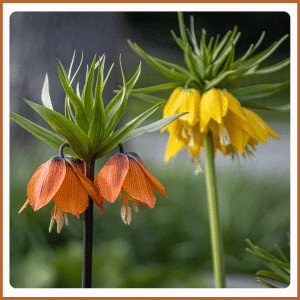
Crown Imperial is a tall flower with hanging bell-shaped blooms. The bulbs are poisonous and may cause digestive discomfort if eaten.

- Bloodroot
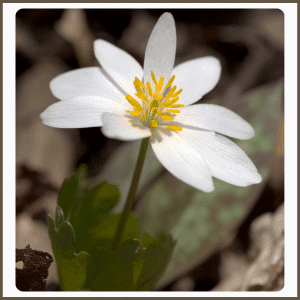
Bloodroot is a wildflower known for its red sap. The roots are toxic and may cause nausea, dizziness, and irritation.

- Snowdrop
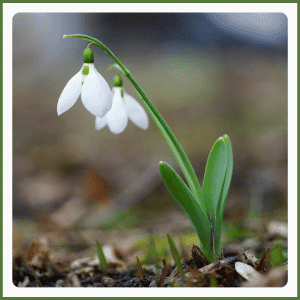
Snowdrop is a small white flower that blooms in late winter. Its bulbs are poisonous and may cause vomiting and stomach pain.

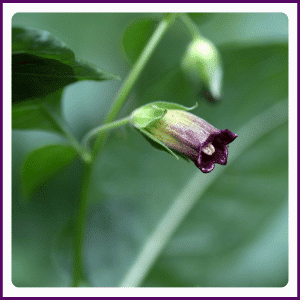
- Belladonna
Belladonna is also called deadly nightshade. The entire plant is highly toxic and may cause hallucinations and severe poisoning.

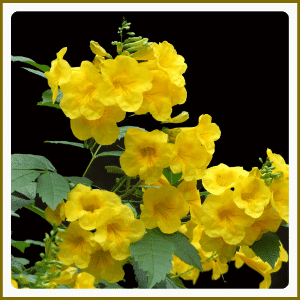
- Yellow Jessamine
Yellow Jessamine is a climbing vine with yellow flowers. All parts are poisonous and may cause weakness and breathing problems.

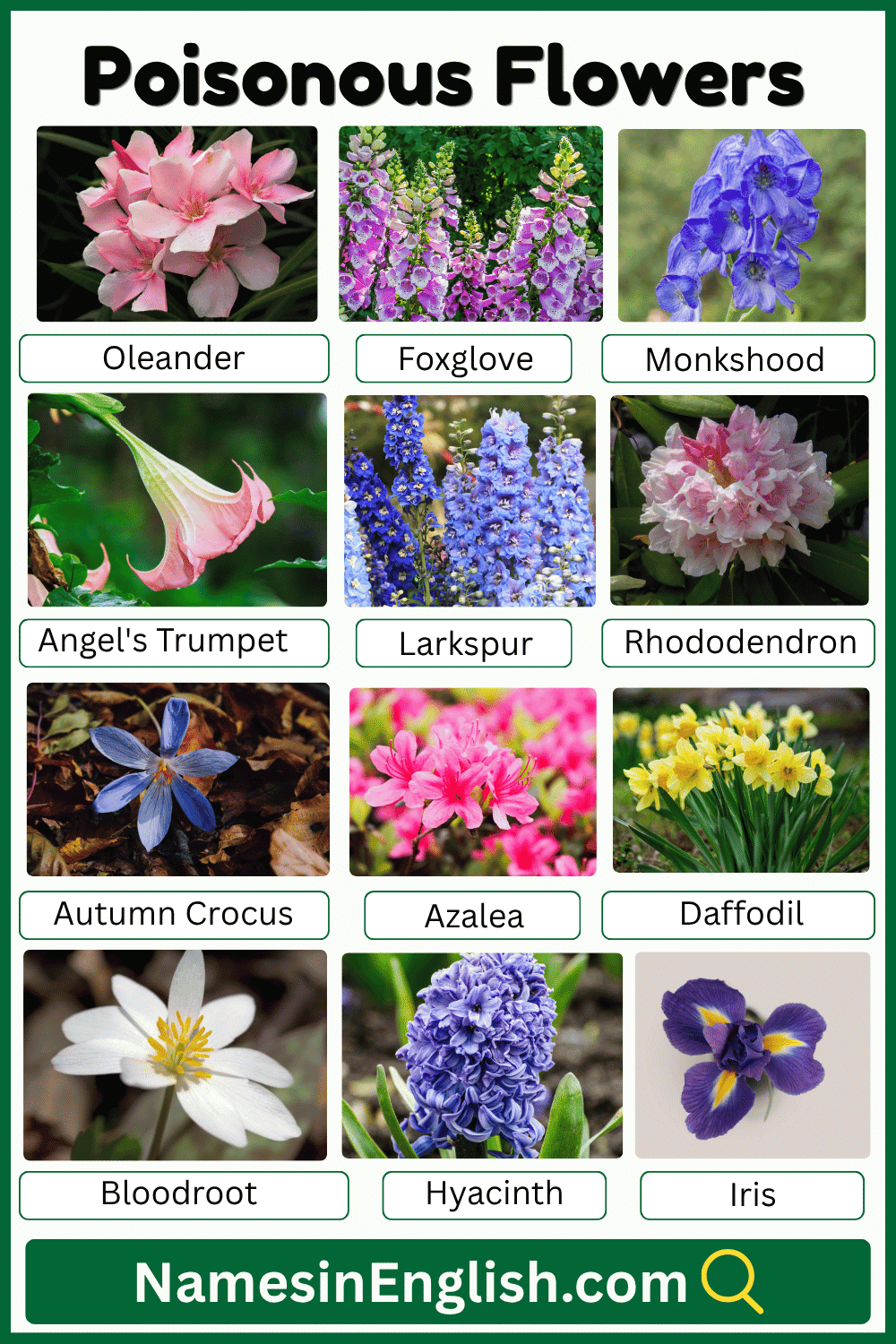
Beautiful poisonous flowers with Names and Pictures
Most poisonous flowers with Names in English
- Hellebore
- Poinsettia
- Buttercup
- Gloriosa Lily
- Morning Glory
- Sweet Pea
- Spurge Flower
- Mountain Laurel
- Periwinkle
- Tansy
- Lantana
- Jimsonweed
- Christmas Rose
- Chinaberry Flower
- Tobacco Flower
- Mexican Poppy
- Golden Chain Flower
- Carolina Jessamine
- Flame Lily
- Euphorbia Flower
Flowers Poisonous to humans with names and pictures
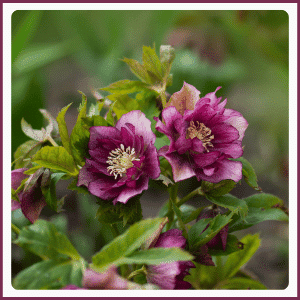
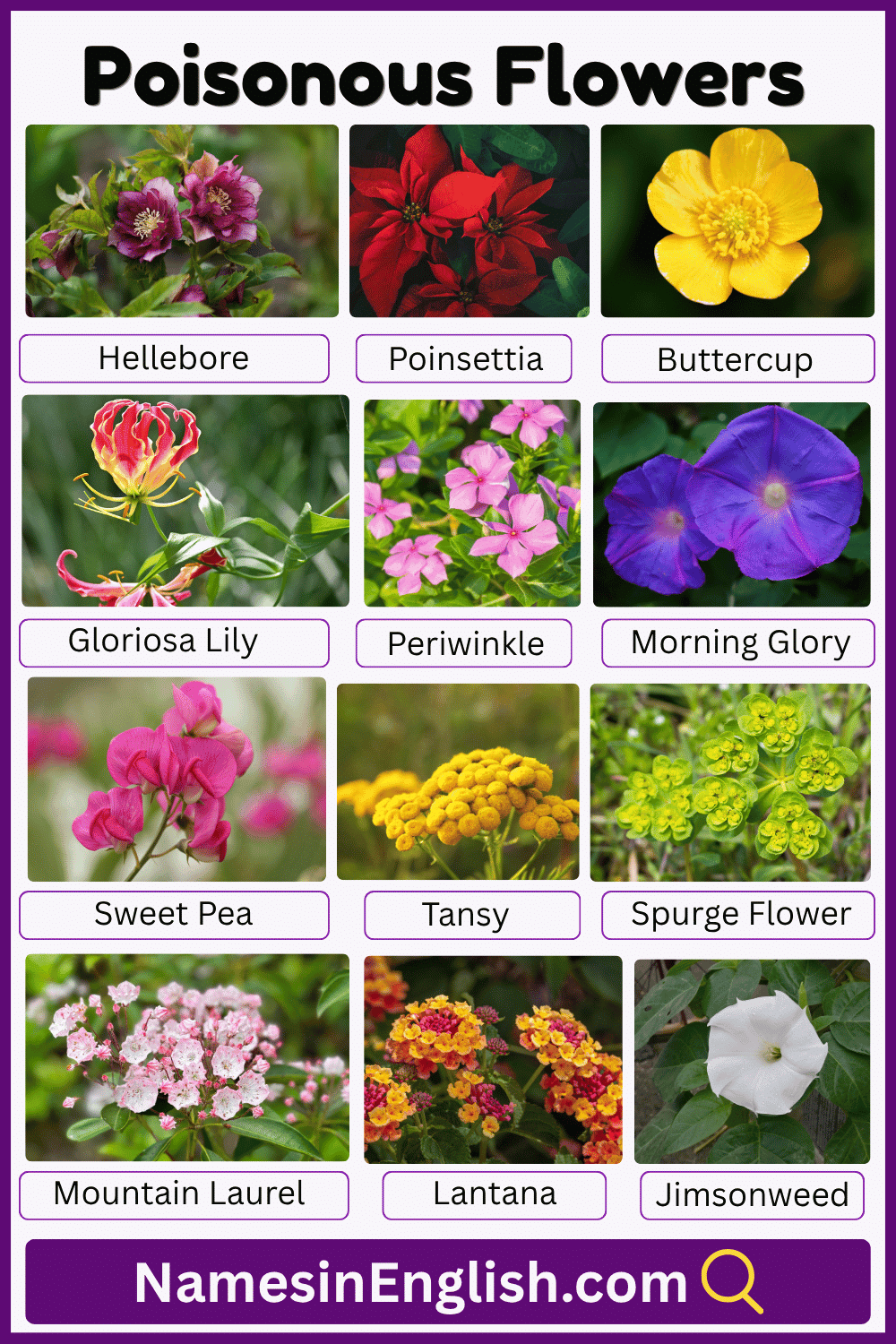
- Hellebore
Hellebore is a winter-blooming ornamental flower. The entire plant is toxic and may cause vomiting, diarrhea, and dizziness.

- Poinsettia
Poinsettia is a decorative plant often seen during holidays. Its sap can irritate the skin and may cause mild stomach upset.

- Buttercup
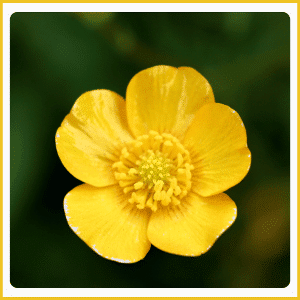
Buttercup is a yellow wildflower commonly found in fields. The fresh plant is poisonous and may cause mouth and stomach irritation.

- Gloriosa Lily
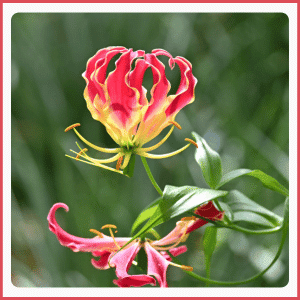
Gloriosa Lily is a climbing flower with red and yellow petals. The entire plant is toxic and may cause severe poisoning.

- Morning Glory
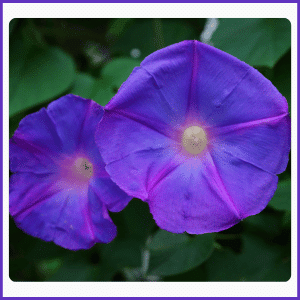
Morning Glory is a vine with colorful funnel-shaped flowers. Its seeds contain toxins that may cause dizziness and confusion.

- Sweet Pea
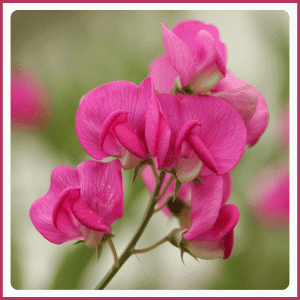
Sweet Pea is a fragrant flowering plant grown in gardens. The seeds are poisonous and may affect muscles and the nervous system.

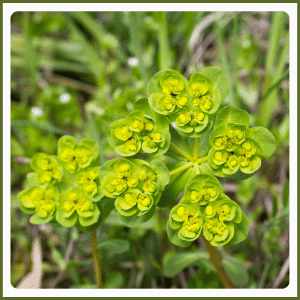
- Spurge Flower
Spurge is a flowering plant that produces milky sap. The sap is toxic and may irritate the skin and eyes.

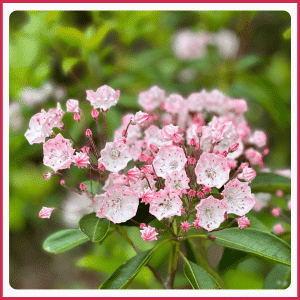
- Mountain Laurel
Mountain Laurel is an evergreen shrub with pink or white flowers. Its leaves and flowers are poisonous and may affect the heart.

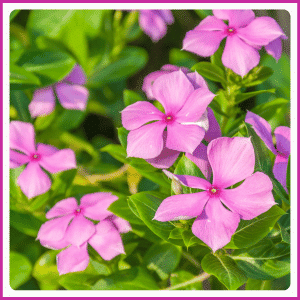
- Periwinkle
Periwinkle is a low-growing plant with colorful flowers. The entire plant contains toxins and may cause digestive discomfort.

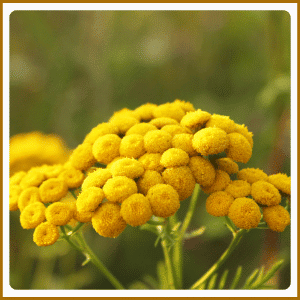
- Tansy
Tansy is a flowering herb with yellow button-like blooms. The leaves and flowers are toxic and may cause nausea and seizures.

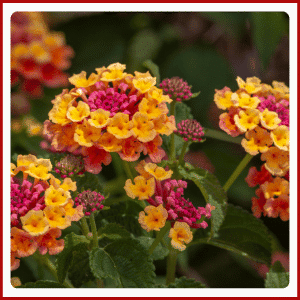
- Lantana
Lantana is a colorful shrub with clustered flowers. The leaves and berries are poisonous and may cause stomach and liver problems.
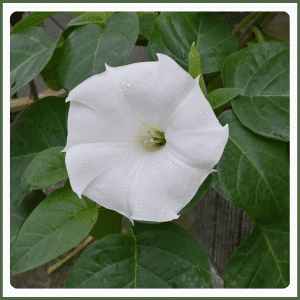
- Jimsonweed
Jimsonweed is a wild plant with trumpet-shaped flowers. The entire plant is toxic and may cause hallucinations and confusion.
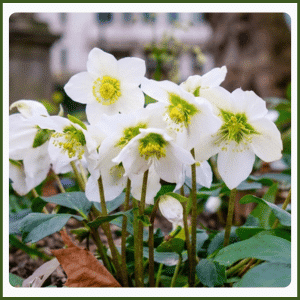
- Christmas Rose
Christmas Rose blooms during winter and has attractive white flowers. The whole plant is poisonous and may cause digestive irritation.
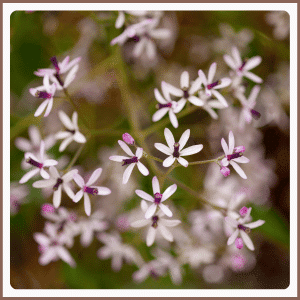
- Chinaberry Flower
Chinaberry is a flowering tree with purple blossoms. Its fruits and seeds are toxic and may cause stomach and nervous system problems.
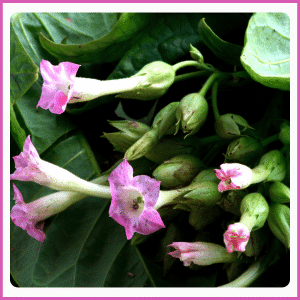
- Tobacco Flower
Tobacco Flower is known for its fragrant tubular blooms. The leaves contain nicotine and may cause dizziness and poisoning.
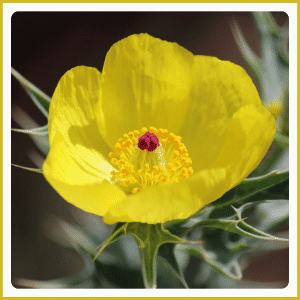
- Mexican Poppy
Mexican Poppy is a yellow flowering plant found in warm regions. Its seeds and sap are toxic and may cause digestive issues.
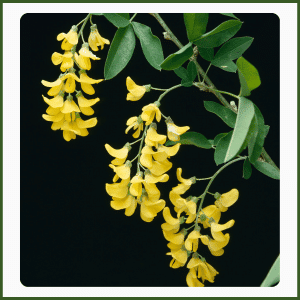
- Golden Chain Flower
Golden Chain is an ornamental tree with hanging yellow flower clusters. The seeds are poisonous and may cause breathing difficulties.
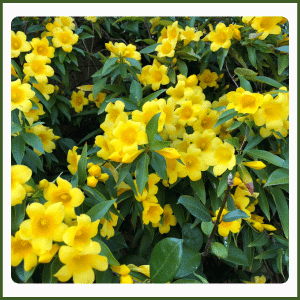
- Carolina Jessamine
Carolina Jessamine is a climbing vine with bright yellow flowers. All parts are toxic and may cause weakness and paralysis.
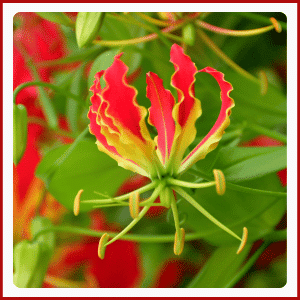
- Flame Lily
Flame Lily is a tropical flower with curled red and yellow petals. The entire plant is poisonous and may cause severe stomach problems.
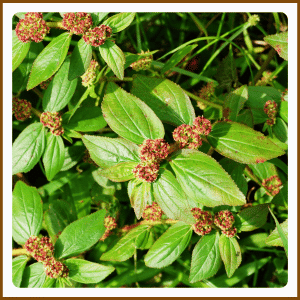
- Euphorbia Flower
Euphorbia is a flowering plant that produces milky sap. The sap is toxic and may cause skin irritation and eye discomfort.

Flowers Poisonous to humans with names and pictures
Poisonous Flowers by Plant Part
Toxic Flowers
Some plants contain toxins mainly in their flowers. Oleander, Foxglove, and Angel’s Trumpet have poisonous blooms that can be harmful if touched excessively or consumed.
Toxic Leaves
The leaves of certain plants contain toxic chemicals that can cause illness when eaten. Lily of the Valley, Oleander, and Rhododendron are well-known examples with poisonous foliage.
Toxic Seeds
Seeds often contain concentrated toxins that help protect the plant from predators. Wisteria and Lupine seeds can cause poisoning if swallowed.
Toxic Bulbs
Many flowering plants store toxic substances in their underground bulbs. Daffodil, Tulip, and Hyacinth bulbs can cause digestive problems and irritation if consumed.
Toxic Sap
Some plants produce a poisonous sap that can irritate the skin and eyes. Euphorbia and Crown of Thorns release a milky sap that may cause redness, burning, or discomfort upon contact.
Poisonous Flowers for Pets
Many flowers are dangerous to pets.
Poisonous Flowers for Dogs
Many flowers are highly dangerous for dogs if they are eaten or even chewed. Plants like Oleander, Foxglove, Daffodil, Azalea, Rhododendron, and Autumn Crocus can cause serious health issues. Dogs may show symptoms such as vomiting, diarrhea, weakness, tremors, and heart-related problems.
Poisonous Flowers for Cats
Cats are also very sensitive to many common ornamental flowers. Dangerous plants include Lilies, Daffodils, Tulips, Oleander, and Hyacinth, which can severely harm their health. Symptoms in cats include drooling, vomiting, lethargy, and in severe cases, kidney failure, especially from certain lily species.
How Poisonous Flowers Affect the Body?
Nervous System
Some poisonous flower toxins interfere with normal nerve signals in the body. This can lead to symptoms such as tremors, seizures, dizziness, and paralysis, depending on the type and amount of toxin involved.
Heart
Certain flowers contain cardiac toxins that affect how the heart functions. These substances may cause arrhythmias, heart block, irregular heartbeat, or even cardiac arrest in severe cases.
Digestive System
Many plant toxins irritate the digestive tract after being swallowed. Common symptoms include vomiting, diarrhea, stomach pain, nausea, and abdominal cramping.
Respiratory System
Severe poisoning can affect the respiratory system and make breathing difficult. In serious cases, toxins may cause shortness of breath, respiratory distress, or respiratory failure, requiring immediate medical attention.
Skin Reactions
Some poisonous flowers can cause skin problems even without being eaten. Plants such as Buttercup, Chrysanthemum, Euphorbia, and Primrose may trigger contact dermatitis, burning sensations, redness, itching, or skin inflammation when touched. Wearing gloves while handling these plants can help reduce the risk of irritation.
First Aid for Poisonous Flower Exposure
If Swallowed
Remove any plant material from the mouth and rinse with water. Contact a poison center or seek medical help immediately. Do not induce vomiting unless instructed.
If Skin Contact Occurs
Wash the affected area thoroughly with soap and water, remove any contaminated clothing, and monitor the skin for redness, itching, or swelling.
If Eye Exposure Occurs
Flush the eyes with clean, running water for at least 15 minutes and avoid rubbing them. Seek medical attention if irritation continues or symptoms worsen.
Safety Tips Around Poisonous Flowers
- Learn plant identification.
- Wear gloves while gardening.
- Keep toxic plants away from children.
- Prevent pets from chewing plants.
- Label poisonous garden plants.
- Wash hands after handling flowers.
- Never eat unknown flowers.
Benefits of Poisonous Flowers
Ornamental Beauty
Many poisonous flowers are grown for their attractive colors, shapes, and fragrances. They add beauty to gardens, parks, and landscapes.
Medical Research
Some poisonous flowers contain chemical compounds used in scientific research and the development of medicines.
Natural Pest Protection
The toxins in these plants help protect them from insects and grazing animals, reducing damage naturally.
Ecological Importance
Poisonous flowers play a valuable role in ecosystems by supporting wildlife and contributing to the balance of natural habitats.
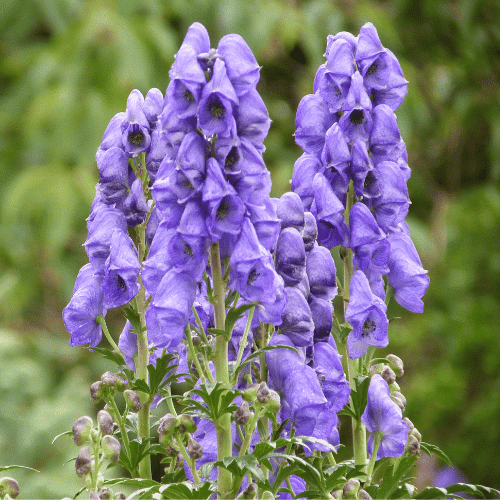
What is the Most Poisonous flower in the world
The most poisonous flower in the world is generally considered to be Monkshood (Aconitum napellus), also known as wolfsbane. It is extremely toxic because the entire plant contains potent alkaloids called aconitine.
Safe Alternatives to Poisonous Flowers
If safety is a concern, consider these non-toxic flowers: Sunflowers, Zinnias, Snapdragons, Marigolds, Petunias, Roses, and Orchids. These flowers provide beauty without significant toxicity risks.
Interesting Facts About Poisonous Flowers
- Oleander remains toxic even after drying.
- Foxglove is the source of the heart medicine digitalis.
- Monkshood was historically used on poisoned arrows.
- Angel’s Trumpet has been used in traditional rituals due to its hallucinogenic properties.
- Many poisonous flowers are among the most beautiful ornamental plants in the world.