Animals

National Animal of Greece with Name and Picture

National Animal of Greece with Name and Picture
Written by Operra Jerry

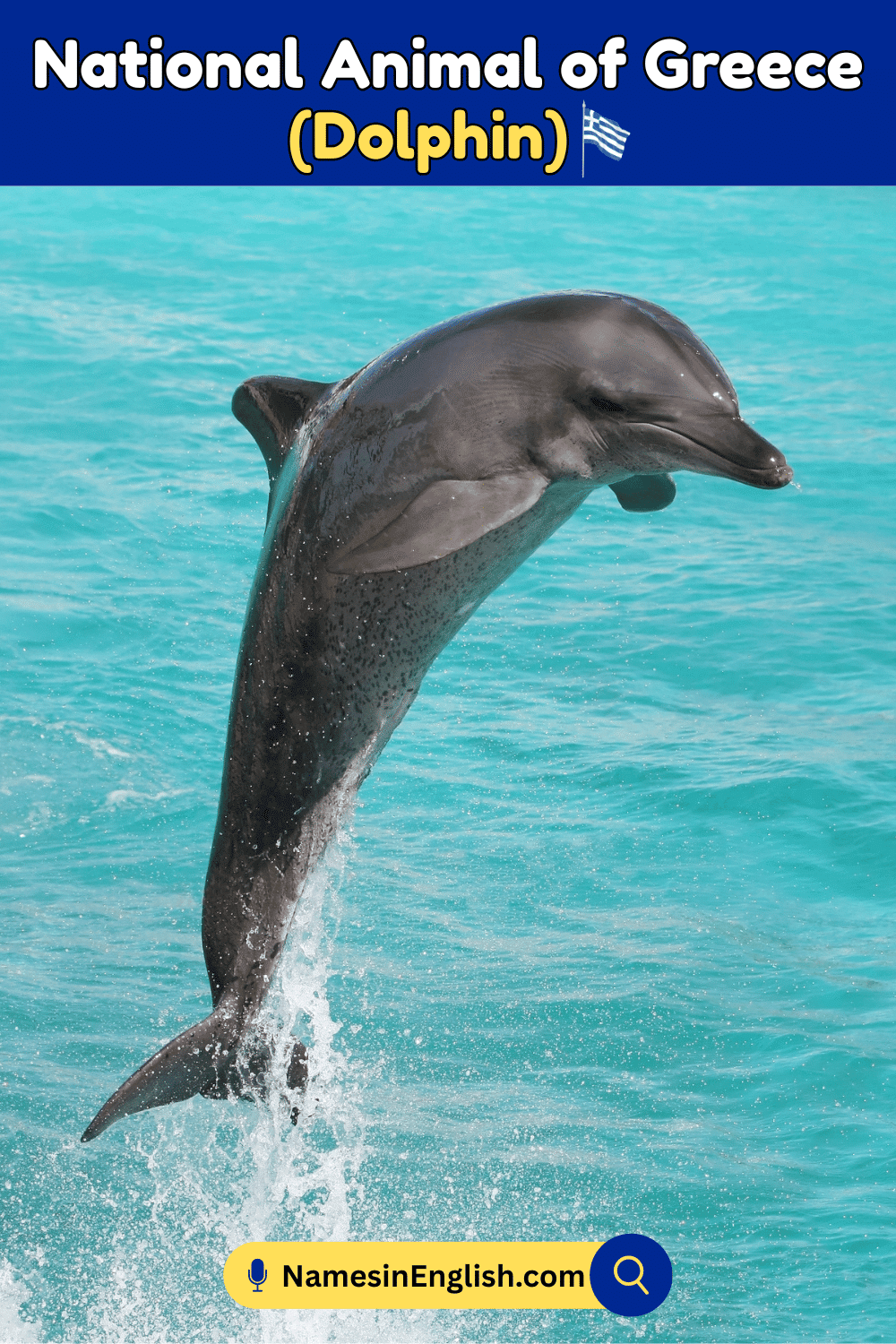
The National Animal of Greece is the dolphin, a highly intelligent marine mammal that has been closely connected to Greek culture, mythology, and maritime history for centuries. As a country surrounded by beautiful seas, Greece views the dolphin as a symbol of freedom, protection, and harmony with nature. Learning about the National Animal of Greece with Name and Picture helps us understand the nation’s rich heritage, its relationship with the sea, and the importance of marine conservation. In this article, you’ll learn the dolphin’s history, symbolic meaning, habitat, diet, cultural significance, and many fascinating facts.

What Is the National Animal of Greece?

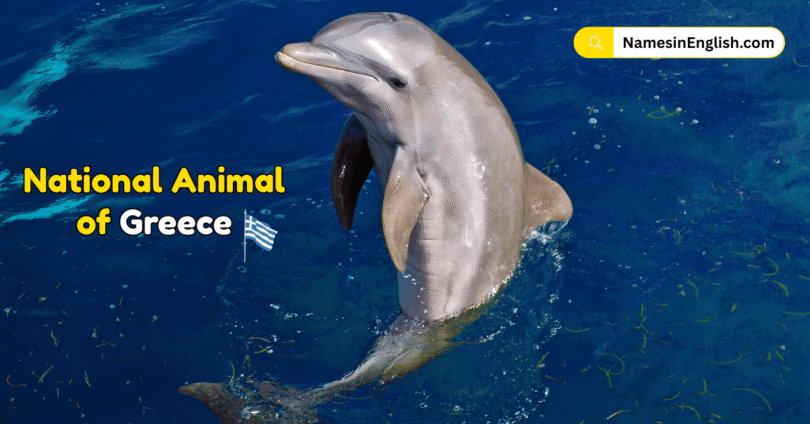
The dolphin is widely recognized as the national animal of Greece due to its strong historical, cultural, and symbolic significance. Several species of dolphins inhabit Greek waters, including the common dolphin, bottlenose dolphin, striped dolphin, and Risso’s dolphin.

What Is the National Animal of Greece

History of Dolphin in Greece

Ancient Greek Civilization

Dolphins were highly respected in ancient Greece and often appeared in art, pottery, coins, and temple decorations. Their frequent presence in Greek waters made them an important part of daily life.

Role in Greek Mythology

Many Greek myths portrayed dolphins as sacred animals connected to the sea god Poseidon. Legends described them as protectors of sailors and guides for people traveling across the sea.

Symbol of Maritime Heritage

As a nation surrounded by the sea, Greece developed a strong connection with dolphins. They became symbols of safe voyages, navigation, and the country’s long seafaring tradition.

Presence in Ancient Art

Dolphin images were commonly featured in Minoan and Classical Greek artwork. Famous frescoes and mosaics found on Greek islands show the cultural importance of these marine animals.

Modern National Symbol

Over time, the dolphin became recognized as a symbol of Greece’s marine environment and cultural heritage. Today, it represents intelligence, freedom, and the close relationship between Greece and the sea.

Symbolic Meaning of the Dolphin

Freedom and Intelligence

The dolphin symbolizes freedom because of its ability to move gracefully through the open sea. Its high intelligence also represents wisdom, learning, and adaptability.

Protection and Good Fortune

In ancient Greece, dolphins were believed to protect sailors and guide them safely home. They were also seen as symbols of luck and successful sea voyages.

Friendship and Harmony

Dolphins are known for their social and cooperative nature, making them symbols of friendship and unity. They also represent harmony between humans and the natural world.

Maritime Heritage

As a country closely connected to the sea, Greece views the dolphin as a symbol of its maritime history and seafaring traditions. It reflects the nation’s enduring relationship with the Mediterranean waters.

Cultural Importance in Greece

The dolphin has been an important symbol in Greek culture for thousands of years. It appears in ancient myths, artwork, pottery, and mosaics, reflecting Greece’s strong connection to the sea.

Scientific Name and Classification

  • Common Name: Dolphin
  • Scientific Name: Delphinidae (family of oceanic dolphins)
  • Kingdom: Animalia
  • Phylum: Chordata
  • Class: Mammalia
  • Order: Cetacea
  • Family: Delphinidae

Dolphins belong to the family Delphinidae, which includes many species found in the waters surrounding Greece.

Physical Characteristics of Dolphins

Dolphins possess several unique features that make them one of the most fascinating marine animals.

Appearance

  • Streamlined, torpedo-shaped body
  • Smooth gray, blue-gray, or black skin
  • Long snout in many species
  • Curved dorsal fin on the back
  • Powerful tail flukes for swimming

Size

Depending on the species, dolphins found in Greek waters typically range from 1.5 to 4 meters (5 to 13 feet) in length and can weigh between 50 and 500 kilograms.

Habitat and Distribution

Dolphins inhabit the warm and temperate waters surrounding Greece. They can be found in: The Aegean Sea, The Ionian Sea, The Mediterranean Sea, and Coastal waters and offshore regions.

What Does the Dolphin Eat?

Dolphins are carnivorous animals that mainly eat fish and other marine creatures found in the ocean. Their diet commonly includes sardines, anchovies, mackerel, squid, octopus, and small crustaceans.
What Does the Dolphin Eat

Baby Dolphin

A baby dolphin is called a calf. Female dolphins usually give birth to a single calf after a gestation period of about 10 to 18 months, depending on the species. Newborn calves stay close to their mothers and learn essential survival skills such as swimming, hunting, and communication.
Baby Dolphin

Environmental Importance

Dolphins play a key role in maintaining healthy marine ecosystems. Their presence often indicates a balanced and thriving ocean environment.

Educational Value

Dolphins help people learn about marine life, ocean conservation, and animal behavior. They are commonly featured in educational programs and wildlife studies.

Tourism Value

Dolphin-watching tours attract many visitors to Greece each year. These animals enhance eco-tourism and help showcase the country’s rich marine biodiversity.

Conservation Challenges

Dolphins face threats from pollution, plastic waste, fishing nets, and habitat degradation. Conservation efforts are important to protect their populations and marine habitats.

Interesting Facts About the Dolphin

  • Dolphins can recognize themselves in mirrors, a sign of advanced intelligence.
  • They communicate using clicks, whistles, and body movements.
  • Some dolphin species can swim at speeds exceeding 35 kilometers (22 miles) per hour.
  • Dolphins have been depicted in Greek art for more than 3,000 years.
  • Ancient Greeks considered dolphins sacred animals connected to the gods.
  • Dolphins sleep with one half of their brain at a time, allowing them to remain alert.
Name of National Animal of Greece

Name of National Animal of Greece


 Learn More Helpful Articles

About the author

Operra Jerry

Leave a Comment