Animals

National Animal of Spain with Name and Picture

National Animal of Spain with Name and Picture
Written by Operra Jerry

The national animal of Spain is an important symbol of the country’s culture, history, and natural heritage. Spain is famous for its rich traditions, wildlife, and beautiful landscapes, which are home to many unique animals. Learning about the national animal of Spain with its name and picture is a fun and educational way for students, children, and English learners to improve their knowledge and vocabulary. In this article, you will learn the national animal of Spain, learn interesting facts about it, and see pictures to help you recognize it more easily.

What Is the National Animal of Spain?

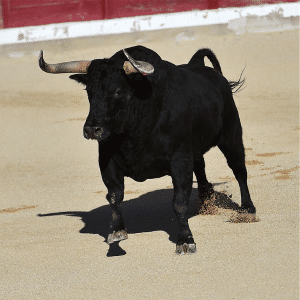
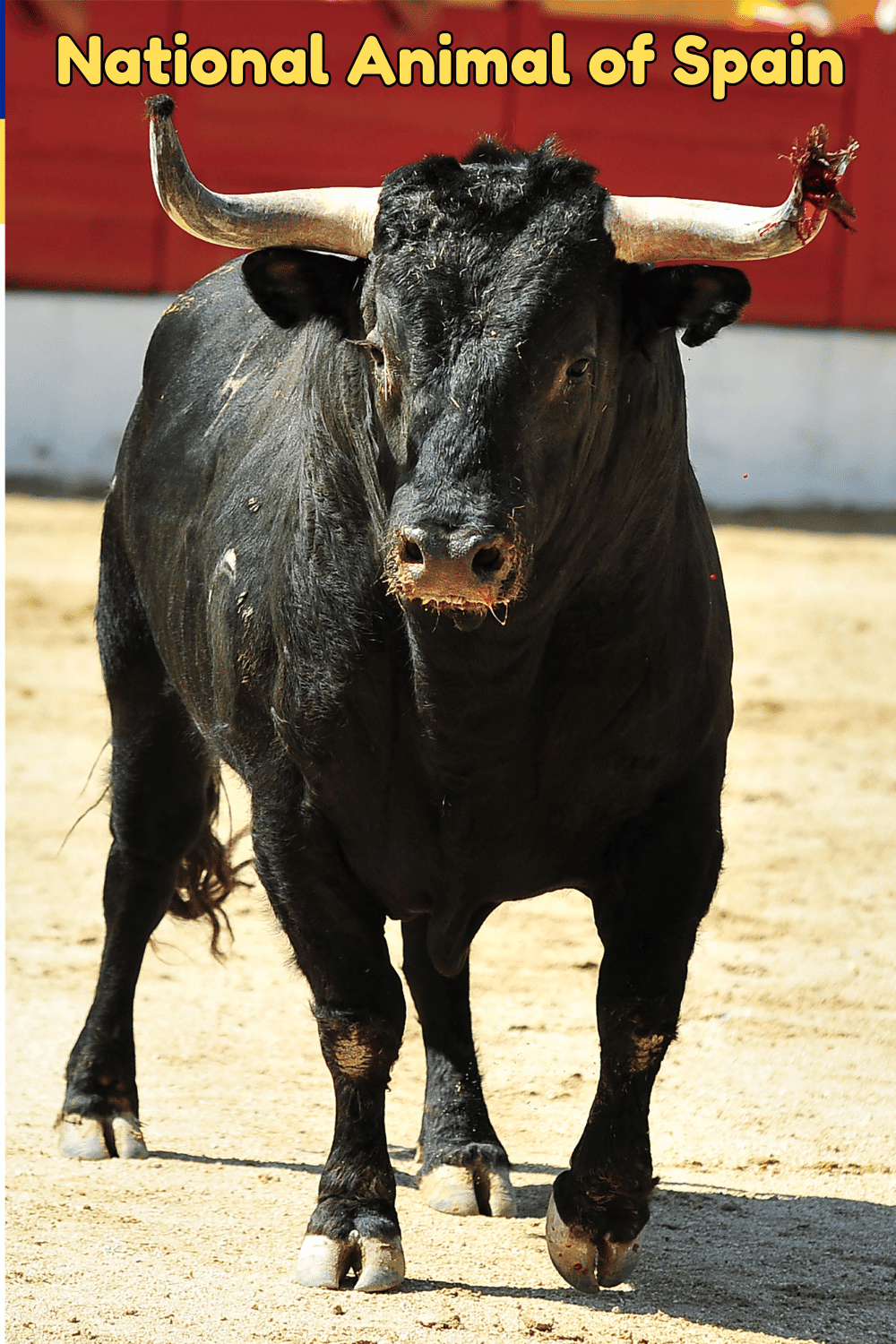
The national animal of Spain is the Spanish Bull. This powerful animal is famous for its muscular body, sharp horns, and fearless nature. The bull is especially associated with traditional Spanish culture and has long been a symbol of bravery, determination, and national pride.
What Is the National Animal of Spain

Historical Background of the National Animal of Spain

Ancient Iberian Civilization

Bulls were respected in ancient Iberian cultures for their strength and power. Early cave paintings and sculptures in Spain show that bulls were important symbols thousands of years ago.

Roman Influence in Spain

During Roman rule, bull-related games and public events became popular in the Iberian Peninsula. The Romans helped spread the cultural importance of bulls across the region.

Medieval Spanish Traditions

In medieval Spain, nobles and warriors used bulls in festivals and public celebrations. These traditions slowly became part of Spanish cultural identity.

Rise of the Toro Bravo Breed

Over time, special breeding programs developed the Toro Bravo, known for its strength and energetic nature. This breed became closely connected with Spanish traditions and heritage.

Modern National Symbol

Today, the Spanish Bull is recognized worldwide as a symbol of Spain. It represents courage, passion, history, and national pride in modern Spanish culture.
Symbolic Meaning of the National Animal of Spain

Symbol of Strength

The Spanish Bull represents physical power and strong determination. Its muscular body and fearless nature make it a symbol of strength in Spanish culture.

Symbol of Courage

The bull is admired for its bravery and bold spirit. It reflects the courage and confidence often associated with the people of Spain.

Symbol of Passion

Spain is known for its passionate traditions, music, and festivals, and the bull reflects this energetic spirit. It symbolizes emotion, intensity, and national enthusiasm.

Symbol of National Pride

The image of the Spanish Bull is widely recognized as a national symbol of Spain. It represents the country’s cultural identity and historic heritage.

Symbol of Tradition

For centuries, the bull has been connected with Spanish customs and celebrations. It stands as a reminder of Spain’s deep-rooted traditions and rural history.

Cultural Importance of the Spanish Bull

The Spanish Bull is deeply connected with Spain’s traditions, festivals, art, and history. It is considered a powerful symbol of courage, passion, and national identity in Spanish culture.

Scientific Classification of Spanish Bull

  • Common Name: Spanish Bull
  • Other Name: Toro Bravo
  • Scientific Name: Bos taurus
  • Kingdom: Animalia
  • Phylum: Chordata
  • Class: Mammalia
  • Order: Artiodactyla
  • Family: Bovidae
  • Genus: Bos
  • Species: Bos taurus
  • Type: Mammal
  • Diet: Herbivore
  • Average Lifespan: 15–20 years
  • Habitat: Grasslands, farms, and open ranches in Spain

Physical Appearance of the Spanish Bull

The Spanish Bull has a very powerful and impressive appearance. It is larger and more muscular than many ordinary cattle breeds.

Main Features

  • Strong and heavy body
  • Broad chest and muscular shoulders
  • Sharp curved horns
  • Thick neck
  • Short, glossy coat
  • Usually black, brown, or dark-colored
  • Weigh between 500 and 700 kilograms

What Does the Spanish Bull Eat?

The Spanish Bull is a herbivore, meaning it eats only plant-based foods. It’s Common Foods are Grass, Hay, Herbs, Grains, and Natural vegetation.

Baby of Spanish Bull

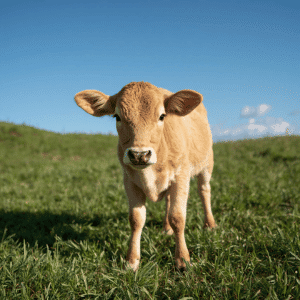
A baby bull is called a calf. Bull calves stay close to their mothers during the early stages of life. As they grow, they develop stronger muscles and horns. Proper care, nutrition, and open grazing areas are important for their healthy development.
Baby of Spanish Bull

Habitat and Distribution

Spanish Bulls are mainly raised in rural areas of Spain. They are commonly found in Grasslands, Open farms, Ranches, and Protected breeding estates. Regions such as Andalusia, Castile, Extremadura, and Salamanca are famous for breeding Toro Bravo bulls.

Environmental Importance of Spanish Bull

Toro Bravo breeding areas help preserve natural grasslands and rural ecosystems in Spain. These open landscapes also provide habitats for many birds and wildlife species.

Economic Importance of Spanish Bull

The Spanish Bull supports rural economies through farming, tourism, festivals, and cultural businesses. Bull-related products, souvenirs, and events also generate income in many regions.

Educational Value in Spain

The Spanish Bull helps people learn about Spain’s history, traditions, and agricultural heritage. It is often studied as an important cultural and historical symbol of the country.

Tourism Importance in Spain

Many tourists visit Spain to experience its traditional culture and famous bull-related heritage. The bull has become an internationally recognized symbol that attracts visitors from around the world.

Interesting Facts About Spain’s National Animal

  • The national animal of Spain is the Spanish Bull, also known as the Toro Bravo.
  • Adult Spanish Bulls can weigh more than 700 kilograms.
  • The Toro Bravo can run surprisingly fast despite its heavy body.
  • Large black bull silhouettes can be seen along highways in Spain.
  • The Spanish Bull is often featured in Spanish art, festivals, and souvenirs.
  • Many Spanish festivals use bull symbols in decorations and celebrations.
  • Spain’s bull-breeding regions include Andalusia, Salamanca, and Extremadura.
  • Many tourists associate the image of the bull directly with Spain.
Name of National Animal of Spain | Spanish Bull

Name of National Animal of Spain


Learn More Helpful Articles

About the author

Operra Jerry

Leave a Comment