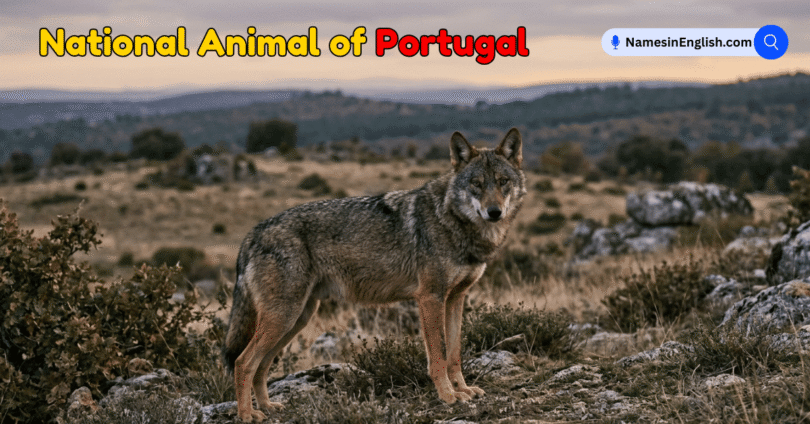

The National Animal of Portugal is the powerful and fascinating Iberian Wolf, a rare species that represents strength, freedom, and the wild beauty of Portuguese nature. Found mainly in the mountain regions of northern Portugal. In this article, you will learn about the history, symbolic meaning, habitat, diet, conservation status, and cultural importance of the Iberian Wolf in Portugal. Whether you are a student, traveler, or wildlife enthusiast, this article will help you better understand why the Iberian Wolf is one of Portugal’s most respected national symbols.
What Is the National Animal of Portugal?
The national animal of Portugal is the Iberian Wolf. Scientifically known as Canis lupus signatus, it is a subspecies of the gray wolf found mainly in northern parts of Portugal and northwestern Spain. The Iberian Wolf is smaller than many other wolf species but is highly adaptable and intelligent.
History of the Iberian Wolf in Portugal
Early Presence in Portugal
The Iberian Wolf has lived in Portugal for thousands of years, especially in forests and mountain regions. It was once widely found across the entire Iberian Peninsula.
Relationship With Rural Communities
In earlier centuries, wolves often came into conflict with farmers because they attacked livestock. This created fear among rural communities and led to large-scale hunting.
Population Decline
During the 19th and 20th centuries, the wolf population dropped sharply due to hunting, habitat destruction, and loss of prey. Wolves disappeared from many parts of Portugal.
Legal Protection and Conservation
Portugal later introduced wildlife protection laws to save the Iberian Wolf from extinction. Conservation groups also began protecting habitats and raising awareness about the species.
Present-Day Importance
Today, the Iberian Wolf is a protected and respected symbol of Portugal’s natural heritage. It continues to play an important role in maintaining ecological balance.
Symbolic Meaning of Iberian Wolf
Symbol of Strength
The Iberian Wolf is admired for its power, bravery, and ability to survive in harsh environments. It represents inner strength and determination in Portuguese culture.
Symbol of Freedom
Wolves roam freely across forests and mountains, making them a symbol of independence and freedom. Their wild nature reflects the untouched beauty of Portugal’s landscapes.
Symbol of Survival
Despite many threats over the years, the Iberian Wolf has continued to survive. This makes it a powerful symbol of resilience and endurance.
Symbol of Natural Balance
As a top predator, the Iberian Wolf helps maintain balance in the ecosystem. It symbolizes the importance of protecting wildlife and preserving nature.
Cultural and National Pride
The Iberian Wolf is an important part of Portugal’s natural heritage and folklore. Many people see it as a symbol of the country’s biodiversity and environmental identity.
Cultural Importance in Portugal
The Iberian Wolf holds an important place in Portuguese folklore, legends, and rural traditions. It is often seen as a symbol of wilderness, courage, and the deep connection between Portugal and nature.
Official Name and Scientific Classification
- Common Name: Iberian Wolf
- Scientific Name: Canis lupus signatus
- Animal Type: Mammal
- Family: Canidae
- Habitat: Forests, mountains, valleys, and rural regions
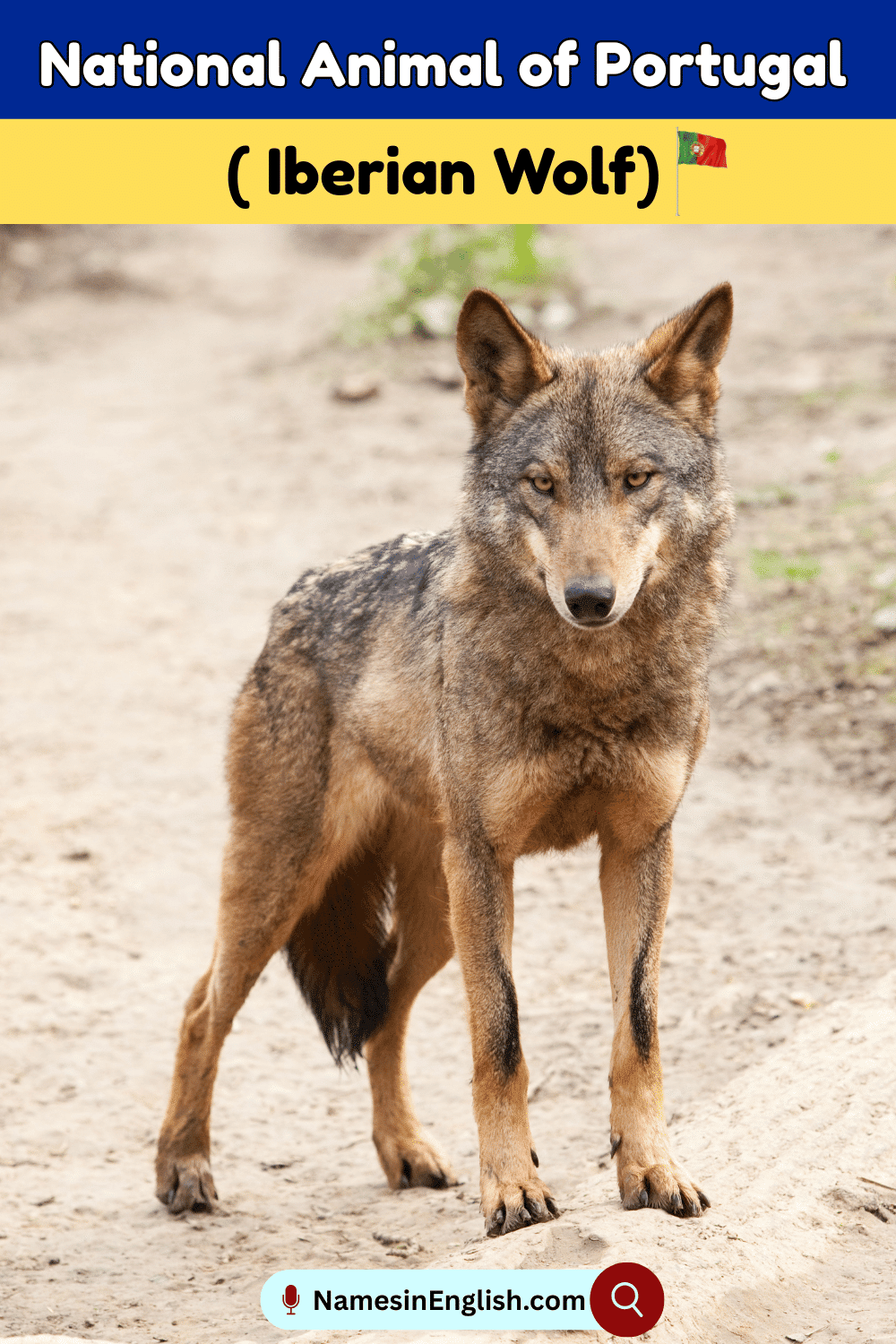
The word “signatus” refers to the dark markings on the wolf’s front legs and tail, which help distinguish it from other wolf subspecies.
Physical Appearance of the Iberian Wolf
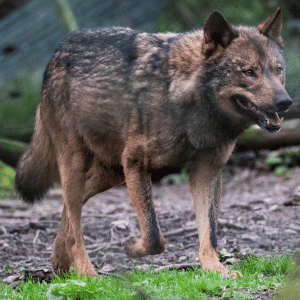
The Iberian Wolf has a strong and athletic body designed for survival in rugged terrain. It usually has grayish-brown fur with black markings around the tail and legs. Its sharp eyes, pointed ears, and powerful jaws make it an excellent hunter.
Key Features
- Medium-sized wolf species
- Thick fur for cold weather
- Strong legs for long-distance movement
- Excellent hearing and smell
- Distinct black markings on body and tail
Adult Iberian Wolves generally weigh between 25 and 40 kilograms.
Habitat and Distribution of Iberian Wolf
The Iberian Wolf mainly lives in northern and central regions of Portugal, especially in mountainous and forested areas. Protected natural parks provide safer habitats for wolf packs.
What Does the Iberian Wolf Eat?
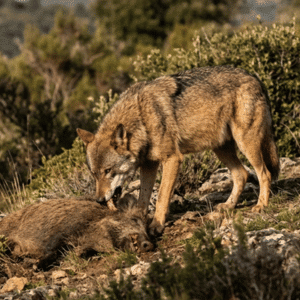
The Iberian Wolf is a carnivore. It mainly hunts wild animals and sometimes feeds on smaller mammals. Common Food Sources are Wild boars, Deer, Rabbits, Small mammals, and Occasionally livestock. Wolves usually hunt in packs, using teamwork and strategy to capture prey.
Baby of Iberian Wolf
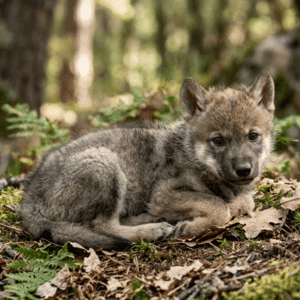
A baby wolf is called a pup. Iberian Wolf pups are born blind and depend completely on their mother during the first weeks of life. Wolf packs protect and care for the young together, showing strong family behavior.
Role of Iberian Wolf in the Ecosystem
The Iberian Wolf is considered an apex predator, meaning it sits at the top of the food chain. Its presence helps control populations of deer and wild boars, preventing overgrazing and protecting forests. Without predators like wolves, ecosystems can become unbalanced.
Educational Value
The Iberian Wolf helps students and researchers learn about wildlife conservation, ecosystems, and biodiversity. It is also used in educational programs to raise awareness about protecting endangered species.
Tourism Value
Wildlife tourism related to the Iberian Wolf attracts nature lovers and photographers to Portugal’s mountain regions. Protected parks and eco-tourism activities also support local tourism and environmental awareness.
Conservation Status and Protection
The Iberian Wolf remains a vulnerable species despite legal protection. Conservation groups and government programs continue working to preserve its habitat and reduce conflicts between wolves and livestock farmers.
Main Threats to Iberian Wolf
Main Threats to Iberian Wolf include Habitat destruction, Illegal hunting, Road accidents, and Reduction in natural prey.
Interesting Facts About the Iberian Wolf
- The Iberian Wolf is a unique subspecies of the gray wolf.
- It communicates using howls, body language, and scent marking.
- Wolves can travel long distances in search of food.
- Iberian Wolves live in highly organized social packs.
- They are among the rarest wolf populations in Western Europe
Name of National Animal of Portugal
Learn More Helpful Articles