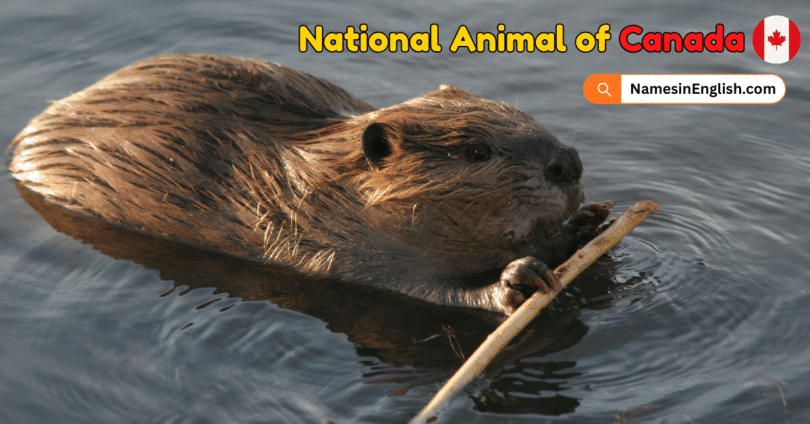

Canada is known for its stunning landscapes, rich wildlife, and unique national symbols, and the National Animal of Canada is one of the most fascinating among them. The beaver is not only a remarkable animal but also an important part of Canada’s history, culture, and development. Its role in the fur trade helped shape the nation, making it a powerful symbol of hard work and perseverance. In this article, you’ll learn the complete detail about the National Animal of Canada, along with a picture to help you recognize this iconic species.
What Is the National Animal of Canada?
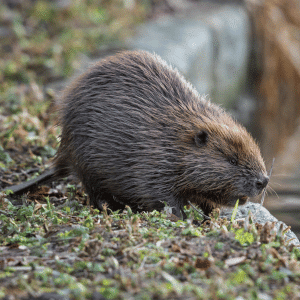
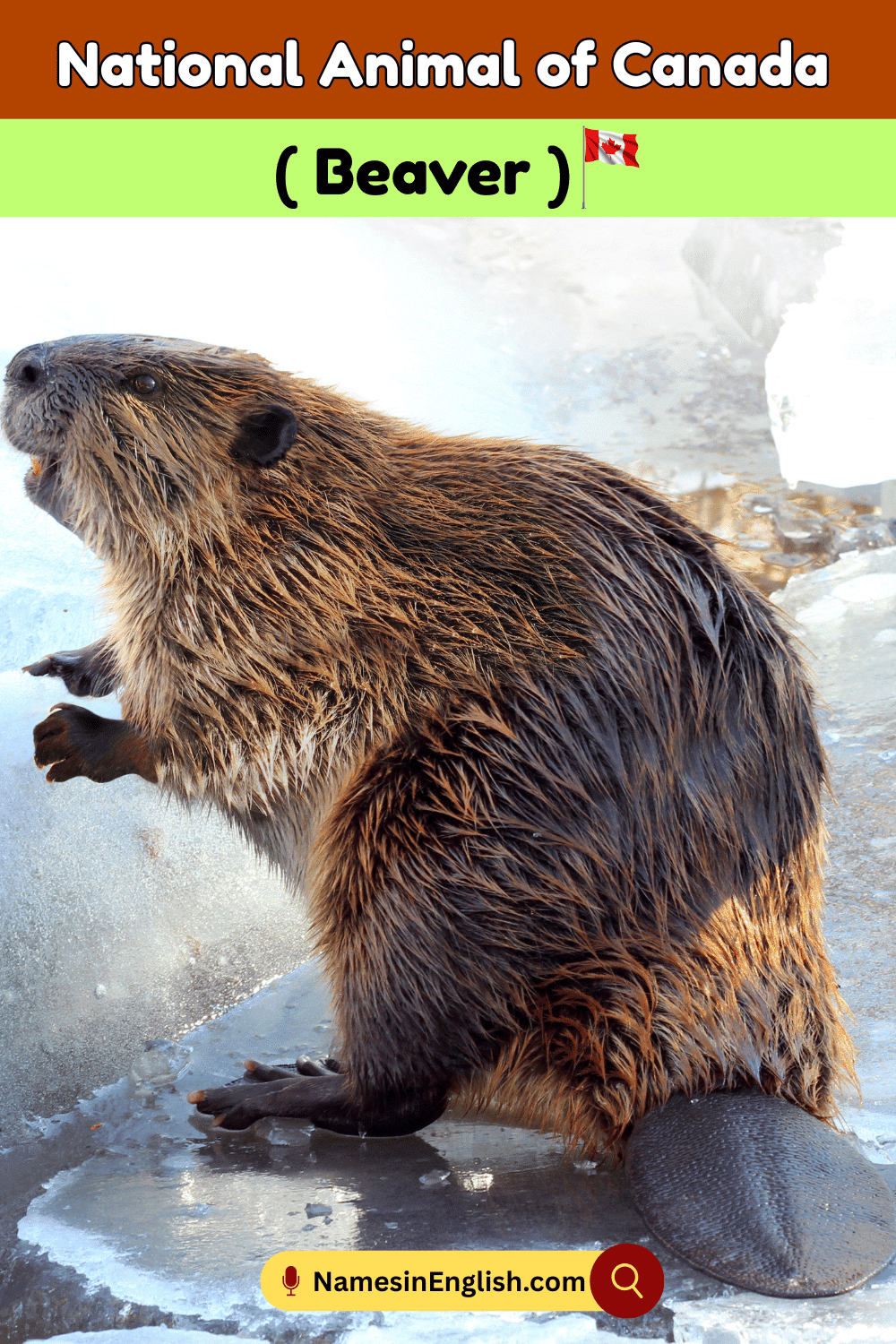
The national animal of Canada is the North American Beaver (Castor canadensis). It is the largest rodent in North America and the second-largest rodent in the world after the capybara. Beavers are semi-aquatic mammals found throughout Canada in forests, rivers, lakes, and wetlands.
History of the Beaver in Canada
Early Presence in Canada
Beavers have lived across Canada for thousands of years, long before European settlers arrived. They were an important part of natural ecosystems and Indigenous cultures.
Role in the Fur Trade (1600s–1800s)
During the 17th and 18th centuries, beaver fur became highly valuable in Europe. The fur trade helped shape Canada’s economy and encouraged exploration of new territories.
Symbol of Canadian Development
The success of the fur trade led to the growth of settlements and trading routes throughout Canada. Because of its economic importance, the beaver became a recognized symbol of the nation.
Appearance on Canadian Symbols
Over time, the beaver appeared on Canadian stamps, coins, coats of arms, and official emblems. Its image became closely linked with Canada’s identity and heritage.
Official National Animal (1975)
In 1975, the Canadian government officially recognized the North American Beaver (Castor canadensis) as a symbol of Canadian sovereignty. Since then, it has been widely regarded as Canada’s national animal.
Symbolic Meaning of the Beaver in Canada
Symbol of Hard Work
Beavers are known for constantly building dams and lodges. Their dedication and effort symbolize the strong work ethic valued by Canadians.
Symbol of Determination
A beaver never gives up when facing obstacles in its environment. This persistence reflects the determination and resilience associated with Canada.
Symbol of Resourcefulness
Beavers use natural materials such as wood, mud, and stones to create complex structures. This represents creativity and the ability to make the best use of available resources.
Symbol of Cooperation
Beaver families work together to build and maintain their homes. Their teamwork symbolizes community spirit and cooperation among people.
Symbol of Nation Building
The beaver played a key role in Canada’s fur trade and early economic growth. As a result, it became a symbol of the country’s development and progress.
Symbol of Harmony with Nature
Beavers help create wetlands that support many forms of wildlife. This connection with nature reflects Canada’s commitment to protecting its natural environment.
Cultural Importance in Canada
The beaver is one of Canada’s most recognizable national symbols and represents the country’s history and heritage. It appears on coins, emblems, and various official symbols across Canada.
Scientific Name and Classification of Beaver
The scientific name of the Canadian beaver is Castor canadensis. It belongs to the rodent family and is the largest rodent native to North America.
Classification
- Kingdom: Animalia
- Phylum: Chordata
- Class: Mammalia
- Order: Rodentia
- Family: Castoridae
- Genus: Castor
- Species: Castor canadensis
Physical Characteristics of the Beaver
Beavers are easily identified by their distinctive appearance.
Key Features
- Broad, flat tail
- Large orange front teeth
- Thick waterproof fur
- Webbed hind feet for swimming
- Strong body adapted to aquatic life
Adult beavers can weigh between 16 and 32 kilograms (35 to 70 pounds), although some grow even larger.
Habitat and Distribution in Canada
The North American beaver is found throughout most parts of Canada, living near rivers, lakes, ponds, streams, and wetlands. It prefers areas with abundant trees and freshwater, where it can build dams, lodges, and food storage sites.
What Does the Beaver Eat?
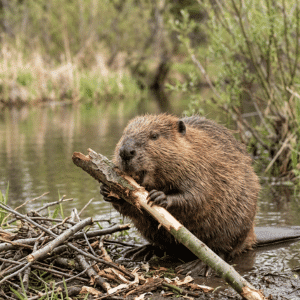
Beavers are herbivores and feed mainly on plant material. Their diet includes: Tree bark, Twigs and branches, Leaves, Aquatic plants, and Shrubs. They particularly favor trees such as aspen, willow, birch, and poplar.
What Is a Baby Beaver Called?
A baby beaver is called a kit. Kits are born in lodges built by their parents and stay with the family for up to two years. Beaver families work together, and older siblings often help care for younger kits.
Environmental Importance of Beavers
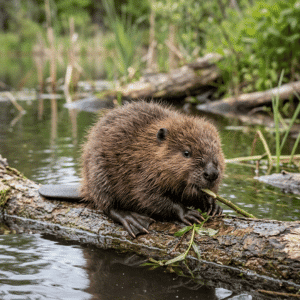
Beavers create wetlands by building dams, which provide habitats for many plants and animals. Their activities also help improve water quality and reduce soil erosion.
Educational Value
The beaver is widely used in schools and nature programs to teach students about wildlife, ecosystems, and Canadian history. Its behavior offers valuable lessons about adaptation and environmental engineering.
Tourism Value
Many visitors to Canada enjoy observing beavers in national parks, forests, and wetland areas. Wildlife tourism centered around beavers helps promote appreciation for Canada’s natural landscapes.
Conservation Status of Beaver
The North American beaver is currently listed as a species of Least Concern. Thanks to conservation efforts and habitat protection, healthy populations exist across most parts of Canada.
Interesting Facts About Beaver
- The beaver is Canada’s official national animal.
- It can stay underwater for up to 15 minutes.
- Beaver teeth never stop growing.
- Their dams can be seen from space when large enough.
- Beavers use their tails for balance, swimming, and warning signals.
- They build some of the largest animal-made structures on Earth.
- A beaver’s waterproof fur contains thousands of dense hairs per square inch.
Name of National Animal of Canada
Learn More Helpful Articles