Animals

New York State Animal with Name and Picture

New York State Animal with Name and Picture
Written by Operra Jerry
The New York State Animal is an important symbol of the state’s natural heritage and wildlife. It reflects the rich biodiversity and cultural history of New York while helping people learn more about its native animals. Studying state symbols is a fun and educational way to improve your English vocabulary and explore the unique identity of different U.S. states. In this article, you will learn the New York State Animal with its name and picture, along with simple facts that are easy to understand. This guide is perfect for students, teachers, children, and wildlife enthusiasts who enjoy learning through clear visuals and easy English.

What Is the New York State Animal?

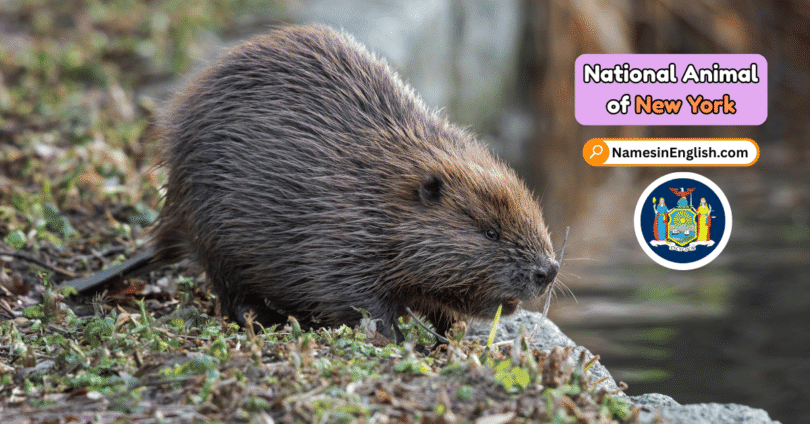
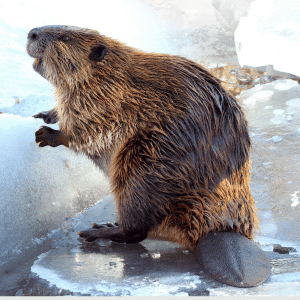
The North American Beaver is the official state animal of New York. It is the largest rodent in North America and the second-largest rodent in the world after the capybara. Beavers are famous for building dams using tree branches, mud, and stones. These structures slow down rivers, create ponds, and provide safe habitats for themselves and many other animals.
What Is the New York State Animal

History of the Beaver in New York

Beavers were once found in great numbers across New York’s forests, rivers, and wetlands. However, heavy hunting during the fur trade era caused their population to decline significantly by the 1800s. Thanks to conservation efforts and habitat protection, beaver numbers gradually recovered, and in 1975 the species was officially recognized as New York’s state animal.

Why Is the Beaver the New York State Animal?
The North American Beaver was chosen as the official New York state animal because it played a vital role in the state’s early history and economic growth. During the 17th and 18th centuries, beaver fur was one of the most valuable natural resources, making the fur trade a major industry in New York. Beyond its historical importance, the beaver represents hard work, determination, and the ability to shape the environment through skill and persistence.

Scientific Classification of Beavers

  • Scientific Name: Castor canadensis
  • Common Name: North American Beaver
  • Kingdom: Animalia
  • Phylum: Chordata
  • Class: Mammalia
  • Order: Rodentia
  • Family: Castoridae
  • Genus: Castor
  • Species: Castor canadensis

Physical Characteristics of Beaver 

The North American Beaver is well adapted for life in and around water.

Size

  • Length: 30–40 inches (76–102 cm)
  • Tail Length: 10–15 inches (25–38 cm)
  • Weight: 24–70 pounds (11–32 kg)

Appearance

Beavers have:

  • Thick waterproof brown fur
  • Large orange front teeth that never stop growing
  • Broad, flat tail
  • Webbed hind feet for swimming
  • Small ears and eyes adapted for aquatic life

Their transparent inner eyelids allow them to see underwater while swimming.

Where Do Beavers Live?

Beavers live near freshwater habitats such as rivers, streams, ponds, lakes, and wetlands throughout New York. They build lodges and dams using branches, logs, mud, and stones to create safe homes with underwater entrances. These habitats provide easy access to food while offering protection from predators and harsh weather conditions.

What Does the Beaver Eat?

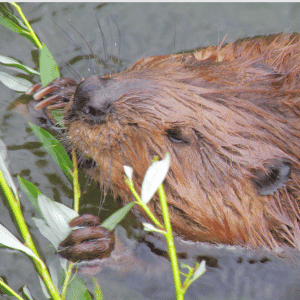
The beaver is a herbivore that feeds entirely on plants and trees. Its diet mainly includes tree bark, twigs, leaves, aquatic plants, grasses, and the soft inner bark known as cambium. Although beavers chew through trees with their strong teeth, they do not eat the wood itself but consume the nutritious layers beneath the bark.
What Does the Beaver Eat

Beaver Baby

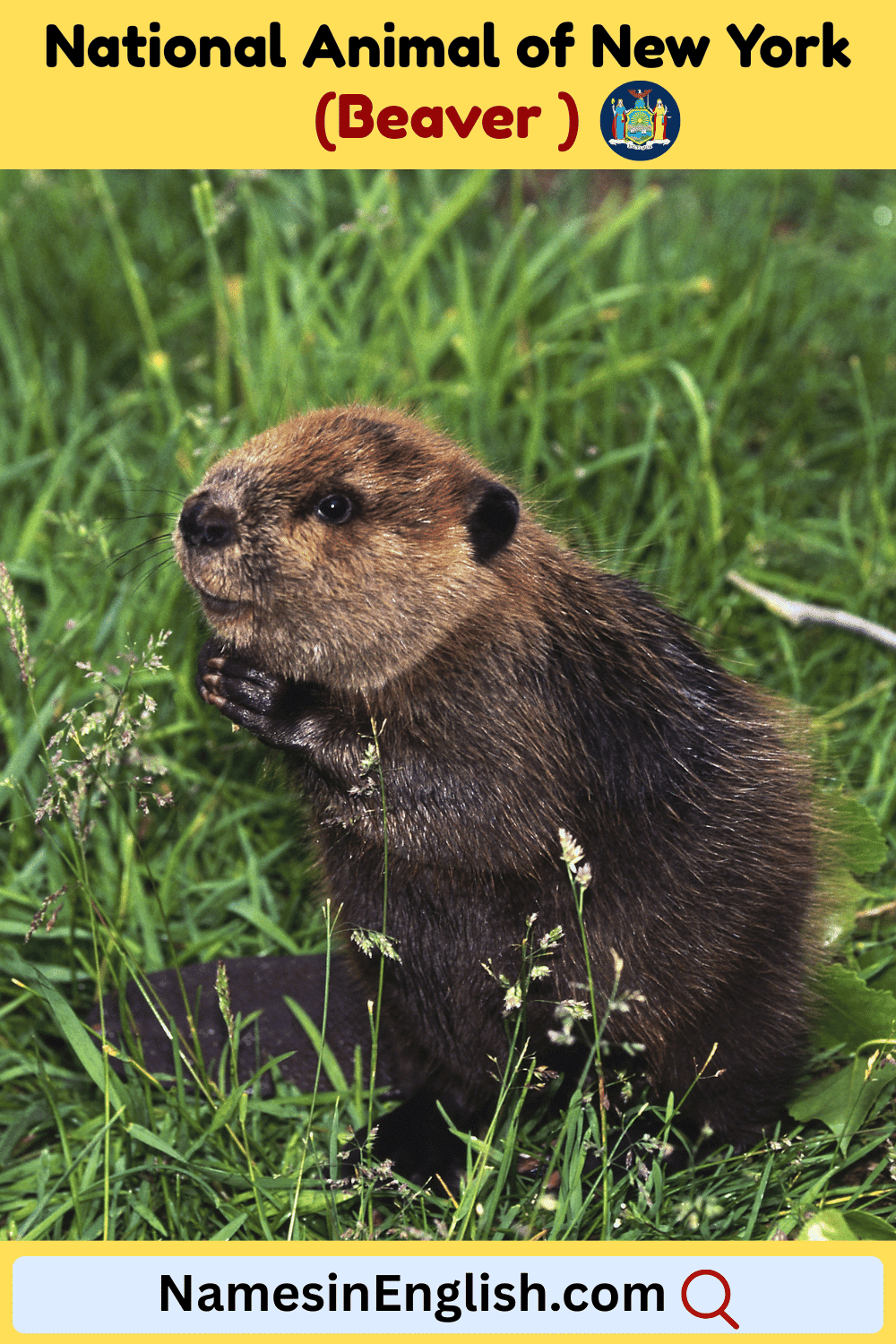
A baby beaver is called a kit, and it is born with fur, open eyes, and the ability to swim within a short time after birth. Beaver families live together in close-knit groups, with older siblings often helping parents care for the younger kits. Young beavers usually stay with their family for about two years before leaving to establish their own territories.

Life Span of Beaver

In the wild, beavers typically live between 10 and 20 years, depending on habitat quality and environmental conditions. They face threats from predators, disease, and human activities, which can affect their lifespan. In protected environments or captivity, some beavers may live even longer with proper care and fewer natural dangers.

Behavior and Adaptations

Beavers are best known for their remarkable engineering skills, building dams and lodges that transform waterways into stable wetland habitats. They are mostly active at night and are excellent swimmers, using their webbed feet and flat tails for movement and balance. Their continuously growing front teeth, waterproof fur, and ability to stay underwater for up to 15 minutes make them highly adapted to aquatic life.

Importance to the Environment

Beavers are often called “ecosystem engineers” because their dams create wetlands that benefit countless plants and animals. These wetlands improve water quality, reduce soil erosion, store water during dry periods, and provide habitats for fish, birds, amphibians, and insects. By naturally reshaping landscapes, beavers help maintain healthy and diverse ecosystems.

Tourism Value

Beavers add to New York’s natural beauty and attract wildlife enthusiasts, photographers, and nature lovers to parks and protected wetlands. Visitors enjoy observing beaver lodges, dams, and the rich wildlife that thrives in these habitats. Their presence supports ecotourism and environmental education, encouraging people to appreciate and protect New York’s natural ecosystems.

Interesting Facts About the Beaver

  • The beaver is North America’s largest rodent.
  • Its front teeth never stop growing.
  • Beaver dams can sometimes stretch hundreds of feet long.
  • Their waterproof fur contains thousands of dense hairs that trap warmth.
  • Beavers can close their nostrils and ears while swimming underwater.
  • They use their flat tails for balance, swimming, and warning signals.
  • Wetlands created by beavers support hundreds of wildlife species.
  • The beaver has been associated with New York since the colonial fur trade.
Name of National Animal of New York

Name of National Animal of New York


Learn More Helpful Articles
About the author

Operra Jerry

Leave a Comment