

The New York State Flower is the beautiful rose, a timeless bloom admired for its elegance, fragrance, and rich symbolism. Available in a wide range of colors, roses represent love, beauty, courage, and friendship, making them one of the most cherished flowers in the world. As the official state flower of New York, the rose reflects the state’s natural beauty and enduring traditions. In this article, you’ll learn about the history of the New York State Flower, the meaning behind the rose, its unique characteristics, interesting facts, and why it remains an important symbol for New Yorkers and flower lovers everywhere.
What Is the New York State Flower?
The New York State Flower is the rose, recognized in 1955 by the New York State Legislature. Any cultivated or wild variety counts as an official representation of the flower. Many residents confuse this designation with New York City’s flower, which is the rose as well, adopted by the city government years later. So both the city and the state share the same floral emblem.
Why New York Chose the Rose
Lawmakers selected the rose because it was already one of the most widely grown flowers across the state. According to the official legislative record published by the New York State Archives, the rose stood out due to its long cultural presence in American history and its adaptability to New York’s mixed climate.
Historical notes from the American Rose Society show that by the mid-20th century, rose gardening was booming in the Northeast. Public gardens such as the Brooklyn Botanic Garden had established significant rose collections that regularly attracted visitors. The selection made sense not just botanically but symbolically. The rose represented beauty, resilience, and a kind of classic charm that felt closely tied to New York’s image at the time.
The rose also complements other state symbols. For example, the New York State bird, the Eastern Bluebird, reflects optimism. The New York State animal, the beaver, represents industriousness. The New York State tree, the sugar maple, connects the state to its hardwood forests. The rose fits comfortably in that lineup.
The Meaning of the Rose for New Yorkers
People often associate roses with romance, but the symbolism goes much deeper when viewed from a New York perspective. The rose represents determination, renewal, and the quiet strength New Yorkers are known for. Gardeners see this up close. A rose might look delicate, yet it survives humid summers, sudden cold snaps, and tough urban soil.
Roses have shown up in New York’s public life for generations. City gardens host seasonal events centered around peak bloom. Local florists rely on roses year-round. Cultural parades and community ceremonies often include rose displays. When people search for terms like New York State flowers or New York State flower meaning, they’re usually looking to understand why this familiar bloom holds official weight. At its heart, the rose symbolizes connection. It’s something nearly every resident has seen, smelled, planted, or received at some point.
How the Rose Fits Into New York’s Full Symbol Set
Each state symbol highlights a different side of New York’s identity. The New York State bird, the Eastern Bluebird, captures cheerfulness and openness. The New York State animal, the beaver, signals hard work and resourcefulness. The New York State tree, the sugar maple, reflects stability and natural beauty. The New York State motto, “Excelsior,” translates to “ever upward,” reinforcing ambition and aspiration.
The rose adds another layer. It represents beauty and resilience, two traits New Yorkers instantly recognize in themselves. These symbols aren’t random. Together, they create a bigger picture of what the state values and the story it shares with the world.
Varieties of Roses You’ll Commonly See Around New York
New York’s climate supports a surprising variety of roses. Many residents assume they only grow well in warmer states, but that’s not true. Here are a few types you’ll run into around the state:
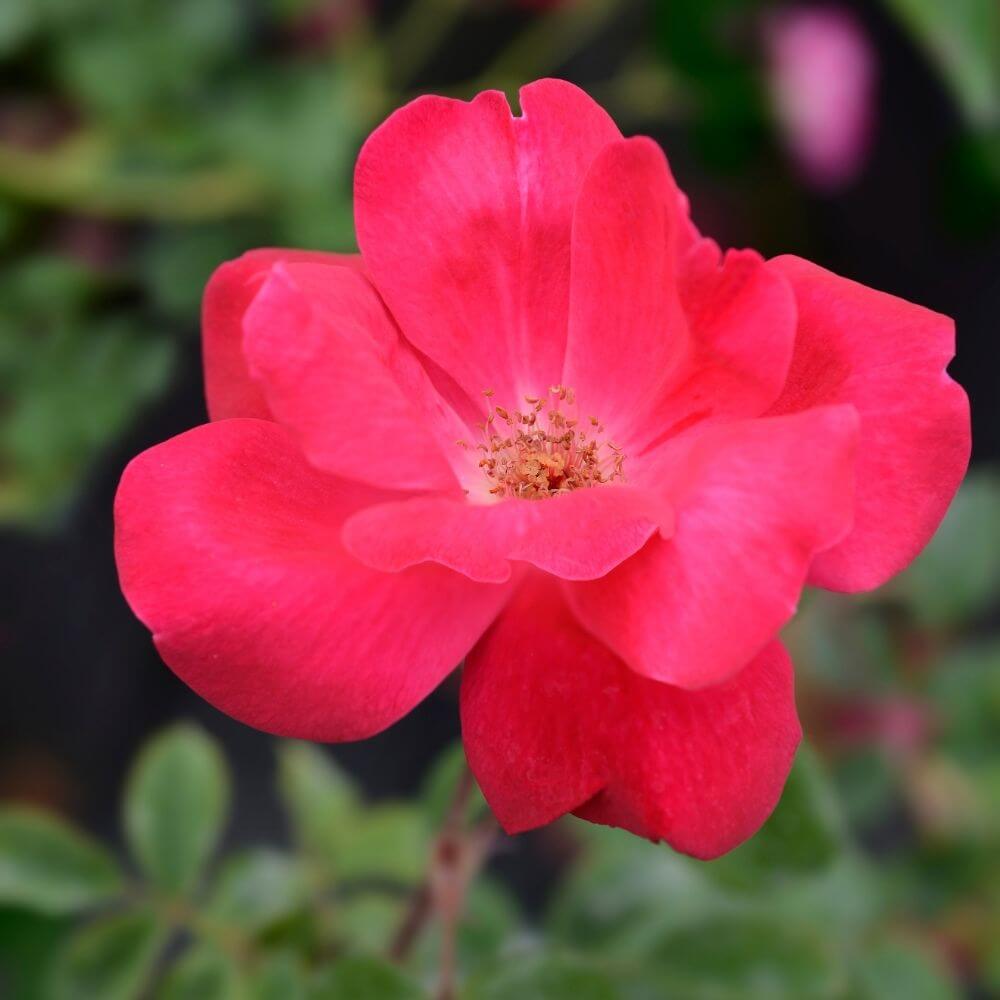
- Knock Out Roses
Popular in suburban yards for their long blooming season and easy maintenance.
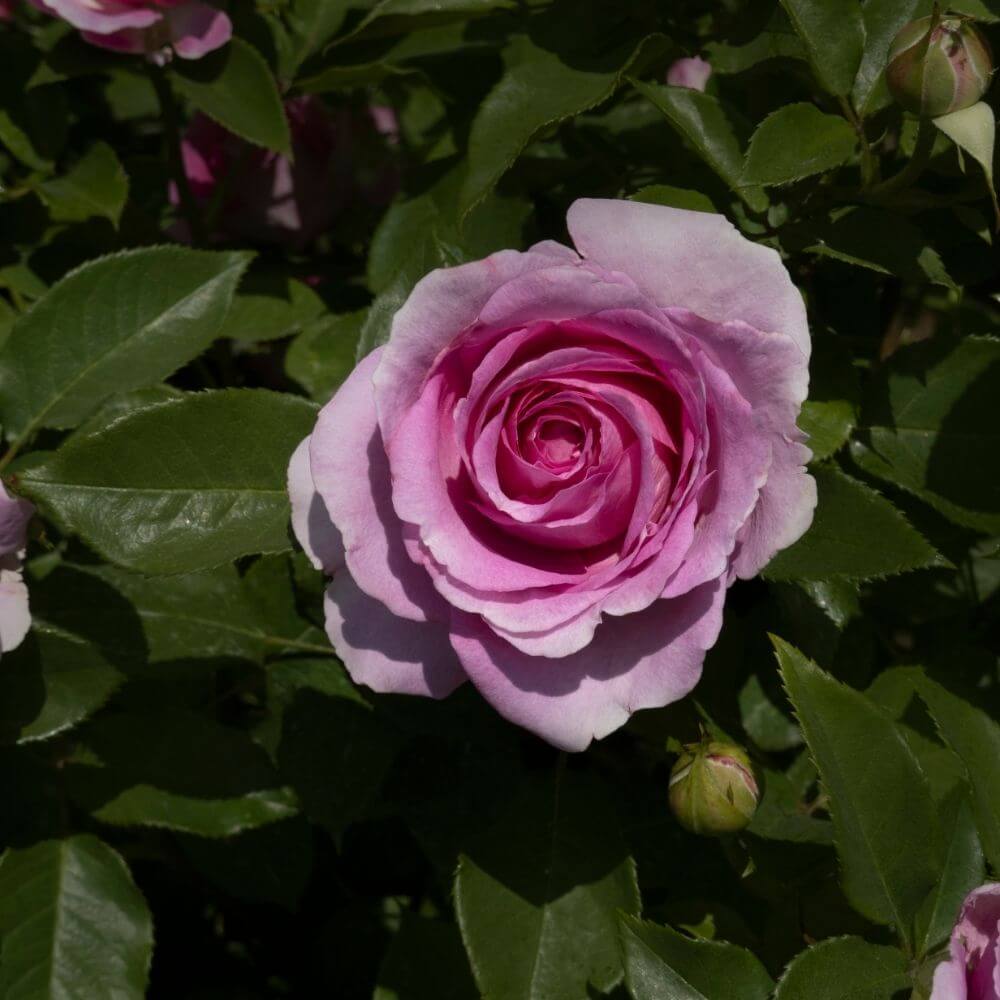
- Hybrid Tea Roses
Often grown by experienced gardeners who enjoy their classic shape and strong fragrance.
- Climbing Roses
Frequently found along trellises in Brooklyn or Queens community gardens.

- Shrub Roses
Hardy, winter-tolerant, and common in parks like the Central Park Conservatory Garden.

- Old Garden Roses
Sometimes featured in historical gardens and estates across the Hudson Valley.

The Brooklyn Botanic Garden maintains one of the largest curated rose collections in the region, with more than a thousand plants. Their official page provides valuable horticultural details: https://www.bbg.org
What Most Guides Don’t Tell You
Most guides focus only on the rose’s beauty or symbolism. A detail rarely mentioned is how the rose became a unifying cultural symbol during the post-war years. A 2023 review by the Smithsonian Gardens (https://gardens.si.edu) highlighted how rose gardens created community spaces in urban environments during the 1950s and 60s. New York residents embraced the trend and began planting roses in small yards, church gardens, and shared spaces. That wave of enthusiasm heavily influenced the flower’s official recognition in 1955.
Another overlooked angle is practical symbolism. Roses have always been part of milestone moments for New Yorkers. They show up at graduations, first dates, hospital rooms, weddings, and even political celebrations. Their presence in everyday life reinforces their role as a state symbol without needing grand explanation.
How Locals Can Grow Roses Successfully
Growing roses in New York requires balance. The climate changes quickly, so gardeners adjust as needed. Beginners often start with disease-resistant varieties like Knock Out Roses. More experienced growers choose fragrant hybrid teas or climbing roses.
A few practical tips help nearly everyone:
• Roses prefer at least six hours of sunlight
• They grow best in loose, well-drained soil
• Regular pruning keeps the plant healthy
• Winter protection is helpful in colder upstate regions
Community gardens in the Bronx and Brooklyn frequently hold rose-care workshops where locals share techniques that work specifically for small urban plots. I’ve seen gardeners create incredible results from tiny spaces, proving roses adapt well to New York’s mix of apartments and houses.
Related Symbols: The Rose and New York City
New York City also recognizes the rose as its official flower. The city government selected it independently, creating a rare situation where both a major city and its state share the same symbol. That alignment gives the rose additional meaning. It connects residents from Buffalo to Staten Island through a single, recognizable emblem.
Trusted Sources Used in This Guide
Several authoritative sources provide verified details about New York’s floral and natural symbols. Helpful references include:
• For detailed information about rose varieties and the famous rose collection in New York: Brooklyn Botanic Garden’s “Rose Garden” page – https://www.bbg.org/collections/gardens/rose_garden
• For the official status of the rose as New York’s state flower (including the legislation) – Justia’s law database lists the relevant section: Article 6, § 75: “The rose shall be the official flower of the state…” – https://law.justia.com/codes/new-york/stl/article-6/75/
• For a public‑facing summary of the New York State Flower status & history – StateSymbolsUSA page “New York State Flower | Rose” – https://statesymbolsusa.org/symbol-official-item/new-york/state-flower/rose
These sources offer deeper context and are reliable for anyone interested in researching further.
FAQs About New York State Flower
What is New York state bird and flower?
New York’s state bird is the Eastern Bluebird, known for its bright blue feathers and cheerful song. The state flower is the rose, officially adopted in 1955. Together, they represent beauty and optimism that New Yorkers cherish. Both symbols reflect the state’s natural charm and spirit.
What is the state flower in New York?
The official state flower of New York is the rose. It was chosen because of its widespread popularity and deep cultural significance throughout the state. The rose symbolizes love, resilience, and elegance. You’ll find it blooming in gardens from city parks to suburban yards.
What is New York state animal?
New York’s state animal is the beaver. This industrious creature highlights qualities like hard work and determination, traits many associate with New Yorkers themselves. The beaver also represents the state’s early history and natural environment, especially its waterways and forests.
Why is the state flower of New York a rose?
The rose was chosen as New York’s state flower in 1955 because it was already a favorite across the region. It stands for beauty and resilience, thriving even in New York’s varied climate. The rose also carries cultural weight, symbolizing connection and tradition for many locals.
What does the 🌹 mean in politics?
In politics, the rose often represents social democracy and progressive values, symbolizing hope and fairness. It’s used internationally by parties advocating for workers’ rights and social justice. In New York, the rose’s political symbolism connects to ideas of strength through unity and compassion.
Closing Thoughts for New Yorkers
The rose stands at the center of New York’s identity for good reason. It’s familiar, striking, and resilient, just like the people who call this place home. If you’re a gardener, a student, or someone who simply enjoys New York’s parks, understanding the meaning behind the New York State Flower adds a layer of appreciation to something you see all the time.
You can explore more of our flowers related guides below: