Animals

Pennsylvania State Animal with Name and Picture

Pennsylvania State Animal with Name and Picture
Written by Operra Jerry

The Pennsylvania State Animal is the White-Tailed Deer, a graceful and iconic mammal that has been part of the state’s forests and history for thousands of years. Chosen as Pennsylvania’s official state animal because of its strong connection to the state’s natural heritage, the White-Tailed Deer represents wildlife, conservation, and the beauty of the outdoors. In this article, you’ll learn why the Pennsylvania State Animal was selected, its history, habitat, diet, behavior, symbolic meaning, conservation status, and many interesting facts. Whether you’re a student, traveler, or nature enthusiast, this guide will help you better understand one of Pennsylvania’s most cherished wildlife symbols.

What Is the Pennsylvania State Animal?

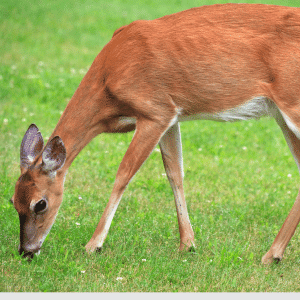
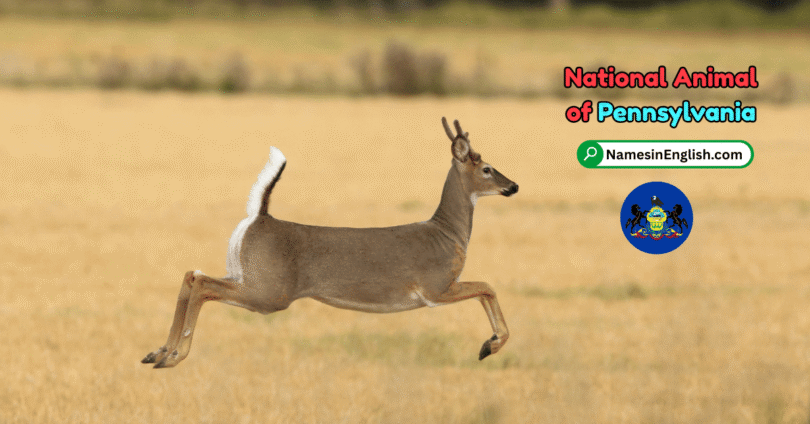
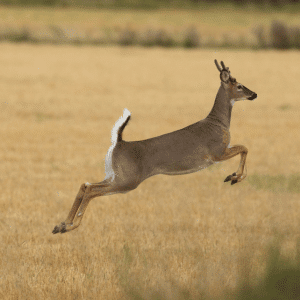
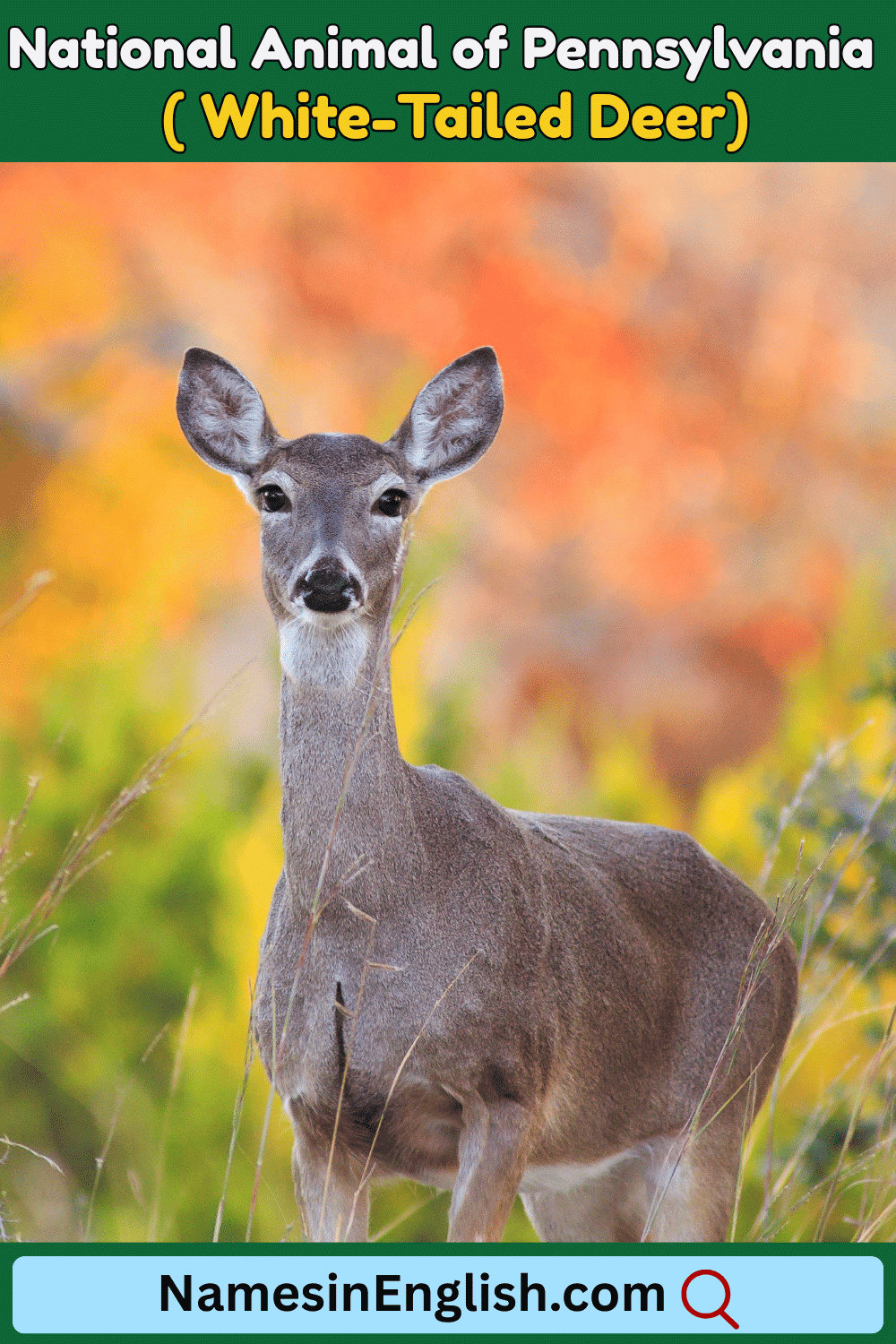
The White-Tailed Deer is a medium-sized hoofed mammal native to North and Central America. It is easily recognized by the bright white underside of its tail, which it raises like a flag when alarmed. Pennsylvania officially adopted the White-Tailed Deer as its state animal in 1959 because of its long-standing connection to the state’s forests, wildlife conservation efforts, and hunting heritage.
What Is the Pennsylvania State Animal

Why Was the White-Tailed Deer Chosen?

The White-Tailed Deer was chosen as the Pennsylvania State Animal in 1959 because it is one of the most common and recognizable native mammals in the state. For centuries, it has been an important part of Pennsylvania’s forests, wildlife, and outdoor traditions. The deer was selected to represent the state’s natural beauty, rich biodiversity, and commitment to wildlife conservation.

History of the White-Tailed Deer

The White-Tailed Deer has lived in Pennsylvania for thousands of years and was an important resource for Native American tribes long before European settlers arrived. During the 1800s, excessive hunting and habitat loss caused deer populations to decline dramatically. Thanks to conservation efforts, habitat restoration, and regulated hunting, the species recovered and is now one of Pennsylvania’s greatest wildlife conservation success stories.

Symbolic Meaning

The White-Tailed Deer symbolizes grace, strength, freedom, and resilience. Its ability to adapt to different environments reflects the enduring spirit of Pennsylvania’s wildlife. The deer also represents the state’s dedication to preserving nature and maintaining healthy forest ecosystems for future generations.

Scientific Name and Classification

  • Common Name: White-Tailed Deer
  • Scientific Name: Odocoileus virginianus
  • Kingdom: Animalia
  • Phylum: Chordata
  • Class: Mammalia
  • Order: Artiodactyla
  • Family: Cervidae
  • Genus: Odocoileus
  • Species: Odocoileus virginianus

Physical Characteristics

The White-Tailed Deer is known for its elegant appearance and remarkable agility.

Size

  • Height: 2.5 to 3.5 feet (75–105 cm) at the shoulder
  • Length: 5 to 7 feet (1.5–2.1 meters)
  • Weight:
    • Females (does): 90–140 pounds
    • Males (bucks): 150–300 pounds, depending on age and location

Appearance

  • Reddish-brown fur during summer
  • Grayish-brown coat in winter
  • Large ears and dark eyes
  • Slender legs built for speed
  • A distinctive white tail used to signal danger

Male deer grow antlers every year, shedding them after the breeding season and growing new ones each spring.

Habitat and Distribution

White-Tailed Deer are found throughout all regions of Pennsylvania, from dense forests and mountains to farmland and suburban areas. They prefer habitats with a mix of woodlands, open fields, and nearby water sources, where food and shelter are readily available. Their adaptability allows them to thrive in both natural landscapes and areas close to human settlements.

What Does the White-Tailed Deer Eat?

The White-Tailed Deer is a herbivore that feeds on leaves, grass, shrubs, fruits, acorns, nuts, and wildflowers. During winter, it also eats twigs, tree buds, and other woody plants when fresh vegetation is scarce.
What Does the White-Tailed Deer Eat

Baby White-Tailed Deer

A baby White-Tailed Deer is called a fawn. Newborn fawns have reddish-brown coats covered with white spots that provide excellent camouflage in grass and forest undergrowth. They usually stay hidden during their first few weeks of life while their mothers return regularly to feed and protect them.

Behavior and Life Cycle

White-Tailed Deer are most active during dawn and dusk, spending much of their time feeding and resting. They communicate using body language, scent glands, and vocal sounds to warn others of danger. Mating takes place in autumn, and females typically give birth to one or two fawns in late spring after a gestation period of about seven months.

Life Span of the White-Tailed Deer

In the wild, White-Tailed Deer typically live 6 to 14 years, although many do not reach old age due to predators, disease, vehicle collisions, and hunting. Females generally live longer than males because males face greater risks during the breeding season. In protected environments, some deer can survive for more than 20 years.

Environmental Importance

The White-Tailed Deer plays an important role in maintaining healthy forest ecosystems by influencing plant growth and serving as prey for natural predators. Its feeding habits help shape vegetation and contribute to ecological balance when populations are properly managed. Wildlife biologists closely monitor deer numbers to protect both forests and biodiversity.

Economic Importance

The White-Tailed Deer contributes significantly to Pennsylvania’s economy through wildlife tourism, hunting, outdoor recreation, and nature photography. Hunting licenses and related activities generate millions of dollars each year, helping fund conservation programs and habitat management. Local businesses, including outfitters, lodging, and sporting goods stores, also benefit from deer-related tourism.

Conservation Status

According to the International Union for Conservation of Nature (IUCN), the White-Tailed Deer is classified as Least Concern, meaning its global population is stable and not currently at risk of extinction. In Pennsylvania, wildlife officials carefully manage deer populations through scientific monitoring and regulated hunting to maintain a healthy balance between deer, forests, and other wildlife. Continued conservation efforts help ensure that this iconic species remains an important part of Pennsylvania’s natural heritage.

Interesting Facts About the White-Tailed Deer

  • White-Tailed Deer can leap nearly 30 feet in a single bound.
  • Their ears rotate independently to detect sounds from different directions.
  • Bucks grow a new set of antlers every year.
  • A deer’s sense of smell is far stronger than a human’s.
  • Fawns are born with white spots that act as natural camouflage.
  • White-Tailed Deer are found in every county of Pennsylvania.
  • Their raised white tail warns other deer of nearby danger.
Name of National Animal of Pennsylvania

Name of National Animal of Pennsylvania


Learn More Helpful Articles

About the author

Operra Jerry

Leave a Comment