
What Is the Oklahoma State Animal?
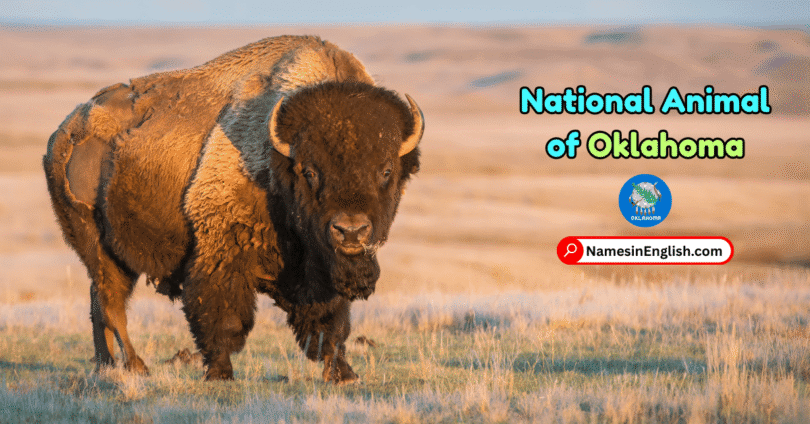
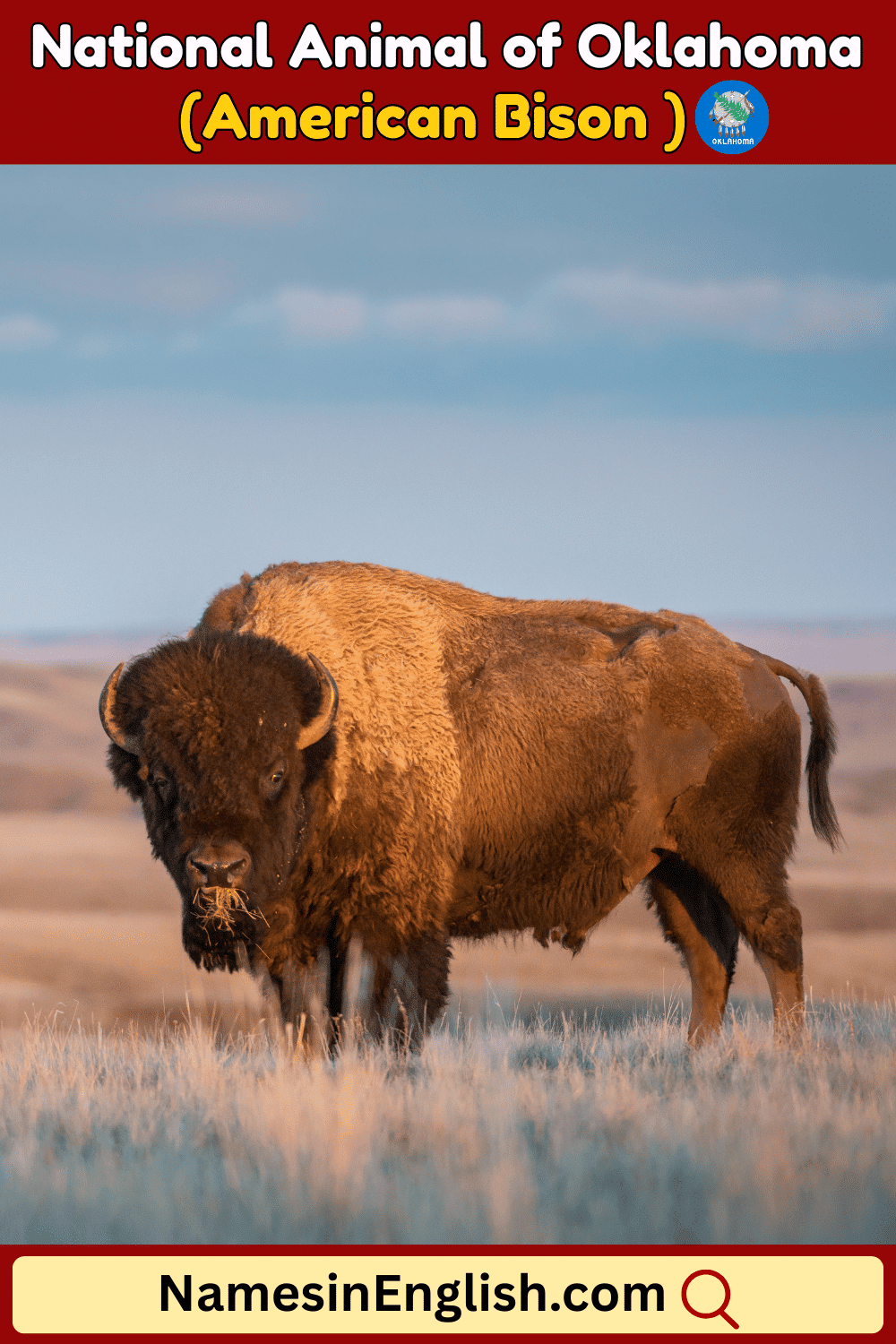
The American Bison was officially designated as the state animal of Oklahoma in 1972. It was chosen because of its deep historical connection to the state’s grasslands, Native American tribes, and early frontier life. For thousands of years, millions of bison roamed the Great Plains, including the land that is now Oklahoma. They provided food, clothing, shelter, and tools for many Indigenous communities.
History of the American Bison in Oklahoma
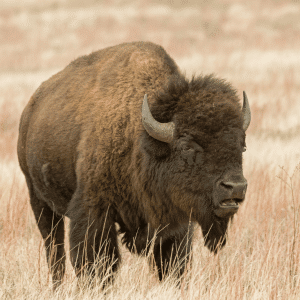
The American bison has lived on Oklahoma’s prairies for thousands of years, where vast herds once roamed freely across the Great Plains. It was an essential resource for Native American tribes, providing food, clothing, shelter, and tools. During the 1800s, excessive hunting nearly wiped out the species, but conservation efforts have helped restore healthy bison populations in protected areas across the state.
Why Was the American Bison Chosen as Oklahoma’s State Animal?
The American bison was named Oklahoma’s official state animal in 1972 because of its strong connection to the state’s history and prairie landscape. It represents the wildlife that once dominated the region and played a vital role in the lives of Indigenous peoples. The bison also symbolizes Oklahoma’s commitment to preserving its natural heritage and native species.
Symbolic Meaning of American bison
The American bison is widely recognized as a symbol of strength, resilience, and freedom. It reflects the enduring spirit of Oklahoma and the importance of protecting the state’s natural resources. For many Native American cultures, the bison also represents abundance, gratitude, and a deep respect for nature.
Scientific Classification
- Scientific Name: Bison bison
- Kingdom: Animalia
- Phylum: Chordata
- Class: Mammalia
- Order: Artiodactyla
- Family: Bovidae
- Genus: Bison
- Species: Bison bison
Physical Characteristics
The American bison is the largest land mammal in North America.
Size
- Height: 5–6.5 feet (1.5–2 meters)
- Length: 7–12 feet (2.1–3.8 meters)
- Weight:
- Males: 1,000–2,200 pounds (450–1,000 kg)
- Females: 700–1,200 pounds (320–540 kg)
Appearance
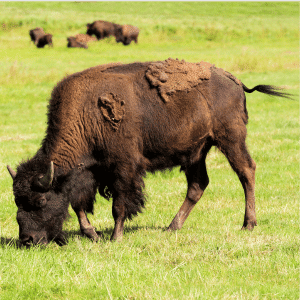
- A large muscular hump over its shoulders
- Thick dark-brown fur
- Short curved horns
- A broad head
- Strong legs built for running and surviving harsh weather
Despite its size, a bison can run at speeds of up to 35 miles (56 km) per hour.
Habitat of American bison
American bison thrive in open grasslands, prairies, and plains where they have plenty of space to graze. Oklahoma’s native prairie ecosystem provides an ideal habitat with abundant grasses and fresh water. Today, most bison in the state live in protected parks, wildlife refuges, and managed conservation areas.
What Does the American Bison Eat?
The American bison is a herbivore that mainly feeds on grasses, sedges, and other prairie plants. During different seasons, it may also eat shrubs, leaves, and wildflowers when available. Grazing for many hours each day helps maintain its large body and supports the health of prairie ecosystems.
Baby Bison
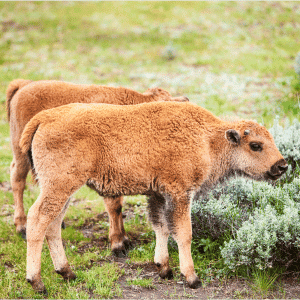
A baby bison is called a calf, and it is usually born during the spring. Newborn calves have a distinctive reddish-orange coat that gradually turns dark brown as they mature. They can stand and walk within a few hours of birth and stay close to their mothers for protection and nourishment.
Life Span of American Bison
Behavior of American Bison
American bison are social animals that live together in herds for safety and companionship. They spend much of their day grazing, resting, and moving across grasslands in search of food. Although generally calm, bison can become highly protective of their young and may charge if they feel threatened.
Environmental Importance
The American bison plays a crucial role in maintaining healthy prairie ecosystems. Its grazing encourages fresh plant growth, spreads seeds, and improves soil quality through natural processes. Bison also create habitats that support many birds, insects, and other wildlife species.
Tourism Importance in Oklahoma
The American bison is one of Oklahoma’s most popular wildlife attractions, drawing visitors from around the world. People travel to state parks and wildlife refuges to observe these magnificent animals in their natural habitat. Bison-related tourism also supports local businesses, outdoor recreation, and environmental education.
Conservation Status
The American bison was once on the brink of extinction due to widespread hunting and habitat loss. Thanks to decades of conservation efforts, protected herds have helped the species recover significantly. Although wild populations remain limited compared to historical numbers, ongoing conservation programs continue to protect and expand bison habitats.
Interesting Facts About the American bison
- The American bison is the largest land mammal in North America.
- It can sprint faster than many horses over short distances.
- Despite its large size, it is an excellent swimmer.
- A bison’s thick winter coat helps it survive freezing temperatures.
- Millions once roamed across the Great Plains before European settlement.
- The American bison is also the national mammal of the United States.
- Bison often roll in dirt to protect themselves from insects and parasites.
Name of National Animal of Oklahoma
Learn More Helpful Articles