Animals

Florida State Animal with Name and Picture

Florida State Animal with Name and Picture
Written by Operra Jerry
The Florida State Animal, the Florida Panther, is one of the most fascinating and endangered wild animals in the United States. Known for its strength, agility, and important role in Florida’s ecosystems, this rare big cat has become a powerful symbol of the state’s natural heritage and wildlife conservation efforts. Learning about the Florida State Animal with Name and Picture helps students, travelers, and nature enthusiasts better understand Florida’s unique biodiversity and why protecting endangered species matters. In this article, you’ll learn the Florida Panther’s official name, history, scientific classification, habitat, diet, symbolic meaning, conservation status, and other interesting facts in a simple and easy-to-understand way.

What Is the Florida State Animal?

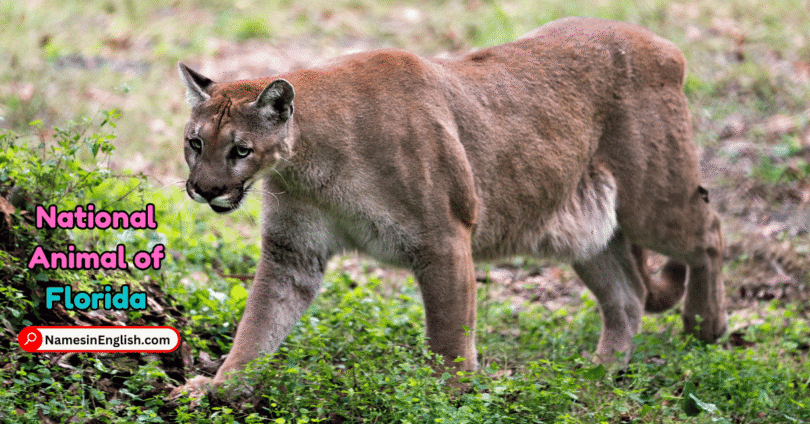
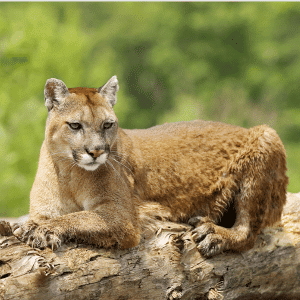
The Florida Panther (Puma concolor coryi) is the official state animal of Florida. It is a subspecies of the mountain lion and is found only in the southeastern United States, primarily in South Florida. Unlike many other state animals chosen for historical reasons, the Florida Panther was selected because it represents the state’s unique wildlife and highlights the importance of protecting endangered species.
What Is the Florida State Animal

History of the Florida State Animal

The Florida Panther became the official state animal of Florida in 1982 to recognize its unique place in the state’s natural heritage. At the time, the species faced severe population decline due to habitat loss and hunting. The designation helped raise public awareness and strengthened efforts to protect this endangered wild cat.

Why Was the Florida Panther Chosen?

The Florida Panther was chosen because it is a native species found only in the southeastern United States, mainly in South Florida. It represents the state’s rich wildlife, natural beauty, and commitment to conservation. Naming it the state animal also highlights the importance of protecting endangered species for future generations.

Symbolic Meaning of Florida Panther

The Florida Panther symbolizes strength, courage, resilience, and independence. It reflects Florida’s wild landscapes and the balance of healthy ecosystems. The animal also serves as a reminder of the importance of preserving nature and protecting native wildlife.

Scientific Classification of Florida Panther

  • Scientific Name: Puma concolor coryi
  • Kingdom: Animalia
  • Phylum: Chordata
  • Class: Mammalia
  • Order: Carnivora
  • Family: Felidae
  • Genus: Puma
  • Species: Puma concolor
  • Subspecies: Puma concolor coryi

Physical Characteristics

The Florida Panther has a sleek tan coat, a white belly, a long tail with a black tip, and powerful muscular legs. Adult males are larger than females and can reach up to 7 feet in length, including the tail. Sharp claws, excellent eyesight, and strong jumping ability make it an efficient predator.

Where Does the Florida Panther Live?

The Florida Panther lives mainly in the forests, wetlands, swamps, and grasslands of South Florida. It prefers large, undeveloped habitats where it can hunt and roam freely. Protected parks and wildlife reserves provide important shelter for the remaining population.

What Does the Florida Panther Eat?

The Florida Panther is a carnivore that mainly feeds on white-tailed deer and wild hogs. It also hunts raccoons, rabbits, armadillos, birds, and other small mammals when available. Hunting mostly occurs during dawn and dusk when the animal is most active.

Baby Florida Panther

A baby Florida Panther is called a kitten, and it is born with spotted fur and bright blue eyes. Kittens remain with their mother for up to two years while learning hunting and survival skills. As they mature, their spots disappear, and their eyes change to a golden color.

Lifespan of the Florida Panther

The Florida Panther typically lives 8–15 years in the wild and can live up to 20 years in captivity under proper care.

Educational Importance

The Florida Panther is widely used in schools, wildlife centers, and conservation programs to teach about endangered species. It helps students understand ecosystems, biodiversity, and the importance of habitat protection. Learning about the panther encourages respect for wildlife and environmental responsibility.

Tourism Relevance

The Florida Panther attracts wildlife enthusiasts, photographers, and nature lovers to Florida’s protected parks and reserves. Although sightings are rare, its presence adds value to the state’s ecotourism industry. The species also promotes awareness of Florida’s unique natural environment.

Conservation Status of Florida Panther

The Florida Panther is listed as an endangered species, making it one of the rarest big cats in North America. Conservation programs have helped increase its population through habitat protection and scientific management. Despite this progress, continued conservation efforts remain essential for its survival.

Threats Facing the Florida Panther

The biggest threats to the Florida Panther include habitat loss, vehicle collisions, and human development. Low genetic diversity and conflicts with expanding communities also affect its long-term survival. Protecting natural habitats and wildlife corridors is critical to ensuring the species’ future.

Interesting Facts About the Florida Panther

  • The Florida Panther is one of the rarest wild cats in North America.
  • It is a subspecies of the mountain lion.
  • Panthers can leap over 15 feet in a single jump.
  • They are excellent swimmers and climbers.
  • Adult panthers are mostly solitary animals.
  • They are most active during dawn and dusk.
  • Every Florida Panther has a unique territory.
  • Conservation efforts have helped the population recover from fewer than 30 individuals in the 1970s to a significantly larger population today.
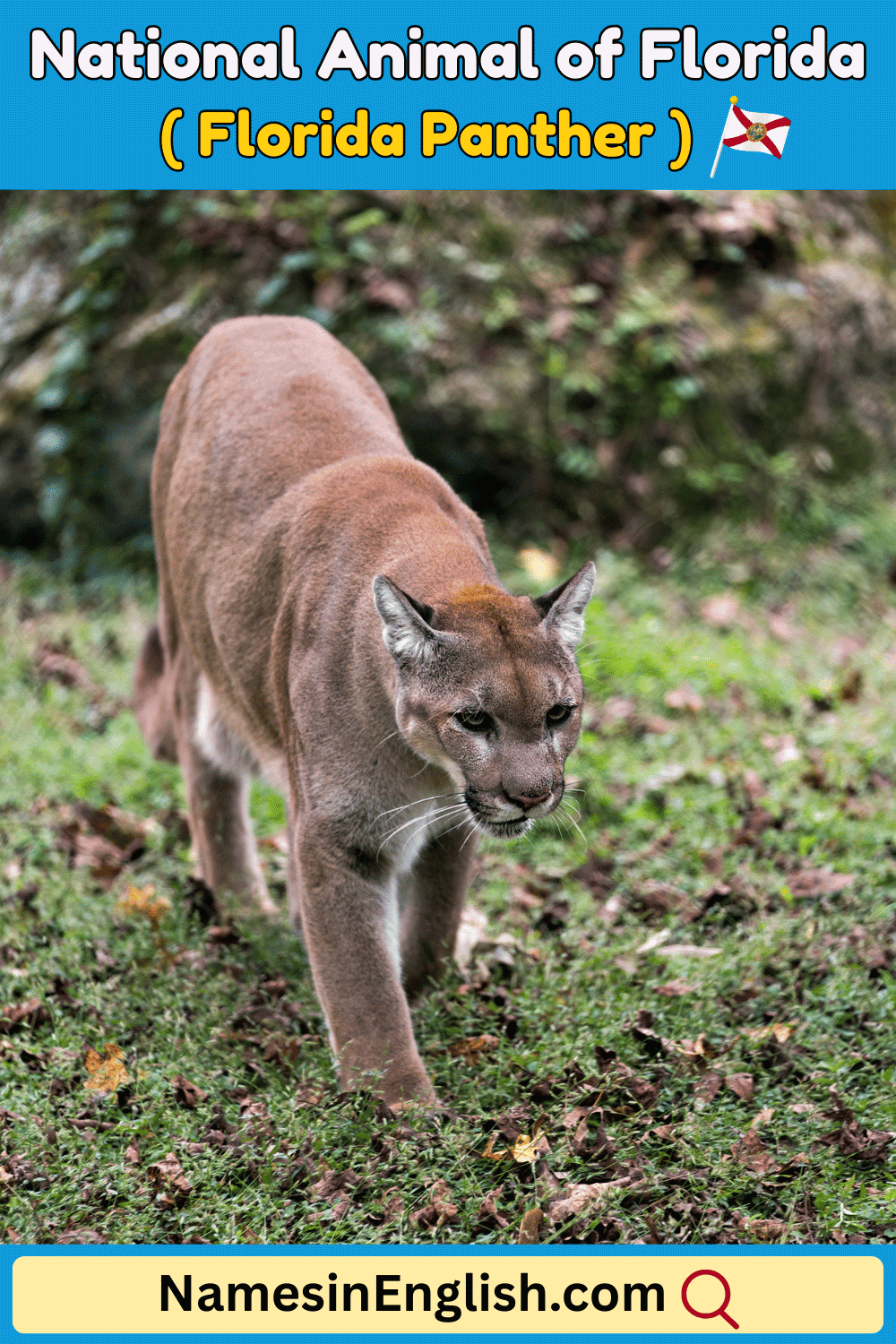
Name of National Animal of Florida

Name of National Animal of Florida


Learn More Helpful Articles
About the author

Operra Jerry

Leave a Comment