

Desert plants prove that beauty can thrive even in the toughest conditions, and the right flowers can turn a dry, sunny landscape into a colorful garden. Whether you live in a hot climate or simply want low-maintenance plants that need less water, choosing the right Desert Flower Names can make all the difference. In this article, you’ll learn 17 brilliant desert flowers, learn what makes each one unique, and find tips for selecting the best blooms for your garden. By the end, you’ll have plenty of inspiration to create a vibrant, drought-friendly outdoor space with confidence.
What Are the Some Best Desert Flowers?
Some of the most popular and beautiful desert flower’s names include Desert Marigold, Desert Lily, Ghost Flower, Desert Rose, Fairy Duster, African Daisy, Ocotillo Bloom, and Sand Verbena. These flowers are known for heat tolerance, bright seasonal colors, and excellent performance in dry gardens.
What Makes Desert Flowers Unique
Desert flowers aren’t simply heat tolerant. They use a suite of clearly studied strategies to survive and reproduce in places with little or highly variable water. One major approach is succulence. Plants store water in leaves, stems, or roots so they can flower even when rains are sparse. Work on engineered succulence and CAM (crassulacean acid metabolism) makes this plain. Increasing leaf succulence and CAM-type traits dramatically improves water-use efficiency and drought tolerance, which helps explain why many desert species time reproduction around stored resources rather than immediate rainfall. University of Nevada, Reno
Some species use ions and leaf anatomy to their advantage. For example, research on the xerophyte Zygophyllum xanthoxylum shows that sodium accumulation and resulting leaf succulence can lower leaf osmotic potential, enlarge mesophyll cells, and reduce water loss through fewer or smaller stomata. Adaptations that let certain desert plants tolerate extreme drought. That kind of physiological trickery shows how diverse and specific desert adaptations can be. PubMed
Taken together, these studies show a consistent pattern. Desert flowers rely on structural water storage, precise physiological control, and opportunistic life-history timing. For gardeners and researchers, that means low, infrequent watering and letting plants follow their natural cycles usually produces better results than trying to treat them like temperate garden plants.
Desert Flower Names
- Desert Marigold
- Desert Lily
- Ghost Flower
- Desert Rose
- Yellow Bird of Paradise
- African Daisy
- Brittlebush
- Fairy Duster
- Ocotillo Bloom
- Red Yucca Flower
- Desert Primrose
- Saguaro Cactus Flower
- White Torch Cactus Flower
- Sand Verbena
- Desert Globemallow
- African Aloe Flower
- Navajo Yucca Flower

17 Desert Flower Names & Pictuters
1. Desert Marigold (Baileya multiradiata)
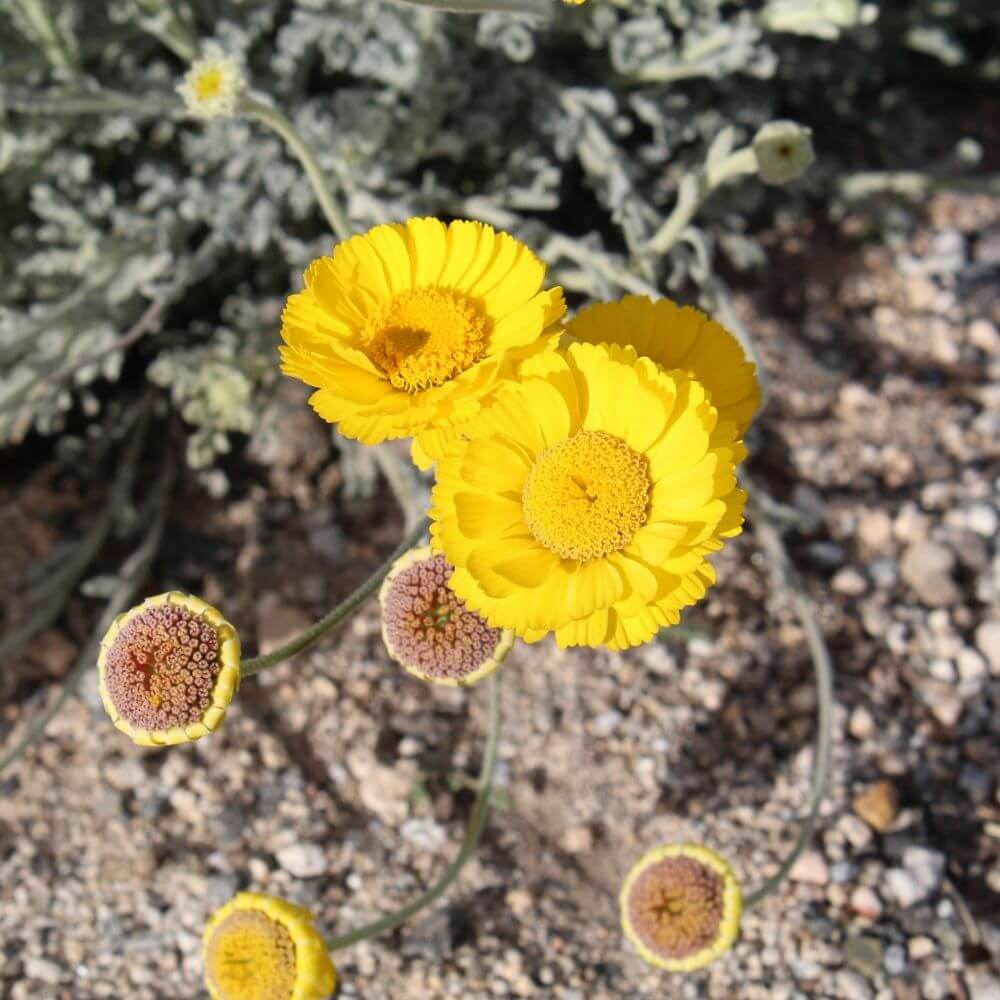
This is one of the first flowers people notice when they travel through Arizona or Nevada. The bright yellow petals stand out against gravel, sand, and even cracked roadsides. Desert Marigolds bloom for long stretches, usually from spring to early fall, making them helpful for gardeners who want continuous color. They attract small butterflies and can handle poor soil without complaint. Many gardeners also like how easily they reseed. The plant feels cheerful without requiring much effort.
USDA Zone: 5–9
Scientific Name: Baileya multiradiata
Best Suited For:
• Hot, rocky gardens
• Low-maintenance landscapes
• Pollinator-friendly spaces
2. Desert Lily (Hesperocallis undulata)

The Desert Lily looks delicate at first glance, yet its bulbs hide deep in the soil to survive extremely long dry spells. It produces tall stems topped with pale, fragrant flowers that resemble traditional Easter lilies. These blooms often appear after rare desert rains, making them feel special and almost ceremonial. Researchers studying Mojave ecosystems note that these lilies return year after year even when rainfall is scarce. Gardeners appreciate its elegance and slow, patient growth habit.
USDA Zone: 7–10
Scientific Name: Hesperocallis undulata
Best Suited For:
• Sandy, well-drained beds
• Low-water native gardens
• Gardeners seeking seasonal surprise blooms
3. Ghost Flower (Mohavea confertiflora)

Image by Jim Morefield under Attribution-ShareAlike 2.0 Generic Image Source: https://commons.wikimedia.org/wiki/File:Ghostflower,_Mohavea_confertiflora_%2815686991420%29.jpg
This rare desert flower is named for its pale, almost transparent look. When sunlight passes through its petals, it seems to glow faintly, giving it a mysterious charm. Ghost Flowers tend to appear in areas with limestone soil, but only when rainfall conditions align perfectly. Many researchers in the Colorado Desert monitor them because their flowering patterns indicate climate changes. Gardeners who grow them often feel proud, since this plant is not commonly found in backyard gardens. Its unique beauty makes it unforgettable.
USDA Zone: 9–11
Scientific Name: Mohavea confertiflora
Best Suited For:
• Collectors of rare species
• Warm microclimates
• Light, rocky soil gardens
4. Desert Rose (Adenium obesum)

The Desert Rose is popular across Africa, the Middle East, and hot regions around the world. Its swollen trunk stores water, giving it a sculptural look that stands out even without flowers. When it blooms, the pink and red petals look almost painted. Many homeowners grow it in containers because it responds well to controlled watering. This plant symbolizes endurance and beauty in harsh environments, and it often becomes a conversation piece in dry gardens.
USDA Zone: 10–12
Scientific Name: Adenium obesum
Best Suited For:
• Containers
• Decorative courtyard spaces
• Warm, dry climates
5. Yellow Bird of Paradise (Caesalpinia gilliesii)

This plant produces bright yellow flowers with dramatic red stamens, giving it a tropical look even though it thrives in desert heat. It grows quickly once established and handles drought comfortably. Many gardeners use it as a small ornamental tree. Birds and bees enjoy its blooms, and it remains one of the most showy desert flowers available. Its structure adds height and color to dry landscapes.
USDA Zone: 8–11
Scientific Name: Caesalpinia gilliesii
Best Suited For:
• Privacy screens
• Hot courtyard gardens
• Native wildlife attraction
6. African Daisy (Osteospermum spp.)

The African Daisy surprises many people because its colors range from deep purples to warm oranges. It’s common in dry regions of Africa, especially areas with sandy soil. These daisies open their petals widely in sunlight and close slowly in the evening. Gardeners enjoy them because they spread softly and look tidy. Researchers often mention their strong tolerance for fluctuating temperatures.
USDA Zone: 9–11
Scientific Name: Osteospermum
Best Suited For:
• Decorative borders
• Mediterranean-style gardens
• Full-sun landscapes
7. Brittlebush (Encelia farinosa)
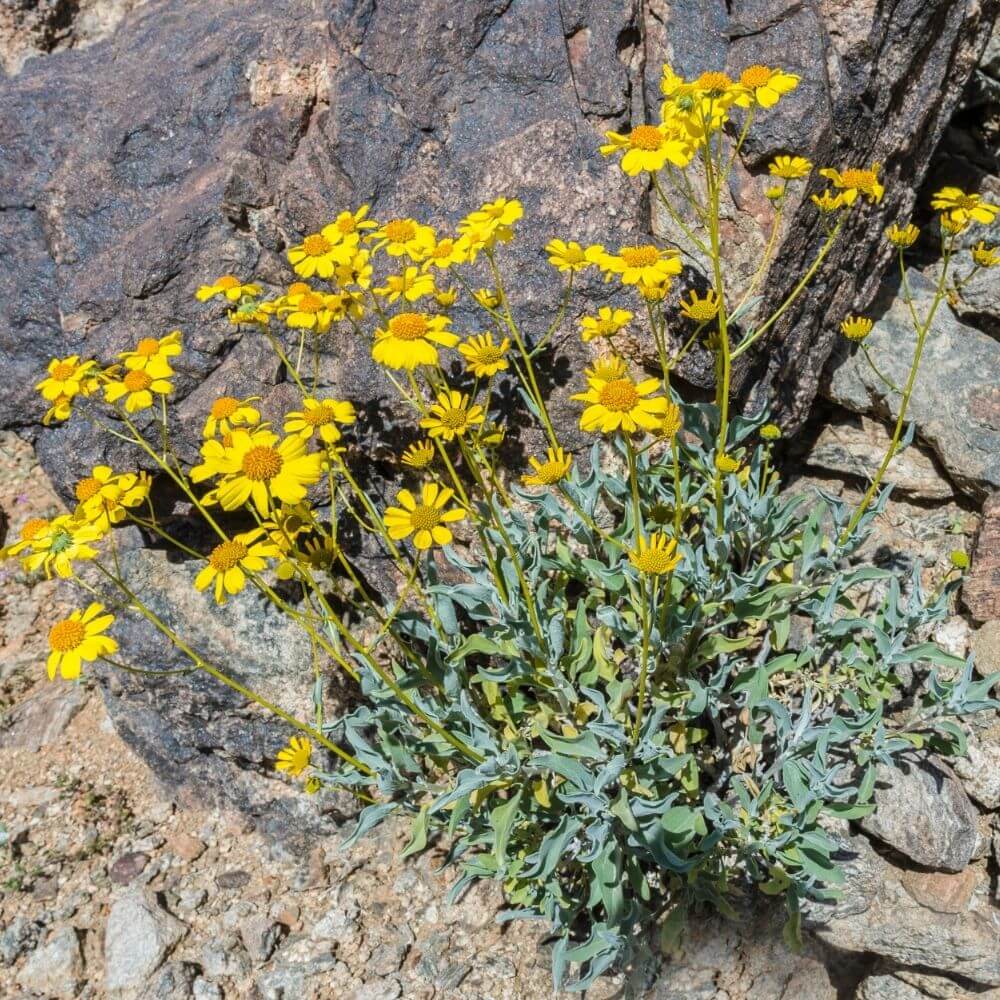
Brittlebush is known for silvery leaves that reflect heat, and bright yellow flowers that appear in late winter or spring. The plant has been used traditionally in desert cultures for resin, making it meaningful to researchers studying ethnobotany. It grows predictably and handles long dry periods, making it ideal for low-effort gardens. Gardeners often comment on how alive it makes a yard feel, even during dry spells.
USDA Zone: 8–11
Scientific Name: Encelia farinosa
Best Suited For:
• Sloped areas
• Wildlife gardens
• Soil erosion control
8. Fairy Duster (Calliandra eriophylla)

Fairy Duster produces soft, brush-like pink blooms that look like tiny fireworks. These flowers attract hummingbirds in dry regions, making them a favorite among wildlife gardeners. The plant handles sandy and rocky soil without hesitation. It keeps a compact shape and can bloom multiple times a year. Its blooms appear delicate but handle intense heat better than many desert shrubs.
USDA Zone: 8–10
Scientific Name: Calliandra eriophylla
Best Suited For:
• Wildlife-friendly gardens
• Decorative low hedges
• Full-sun locations
9. Ocotillo Bloom (Fouquieria splendens)
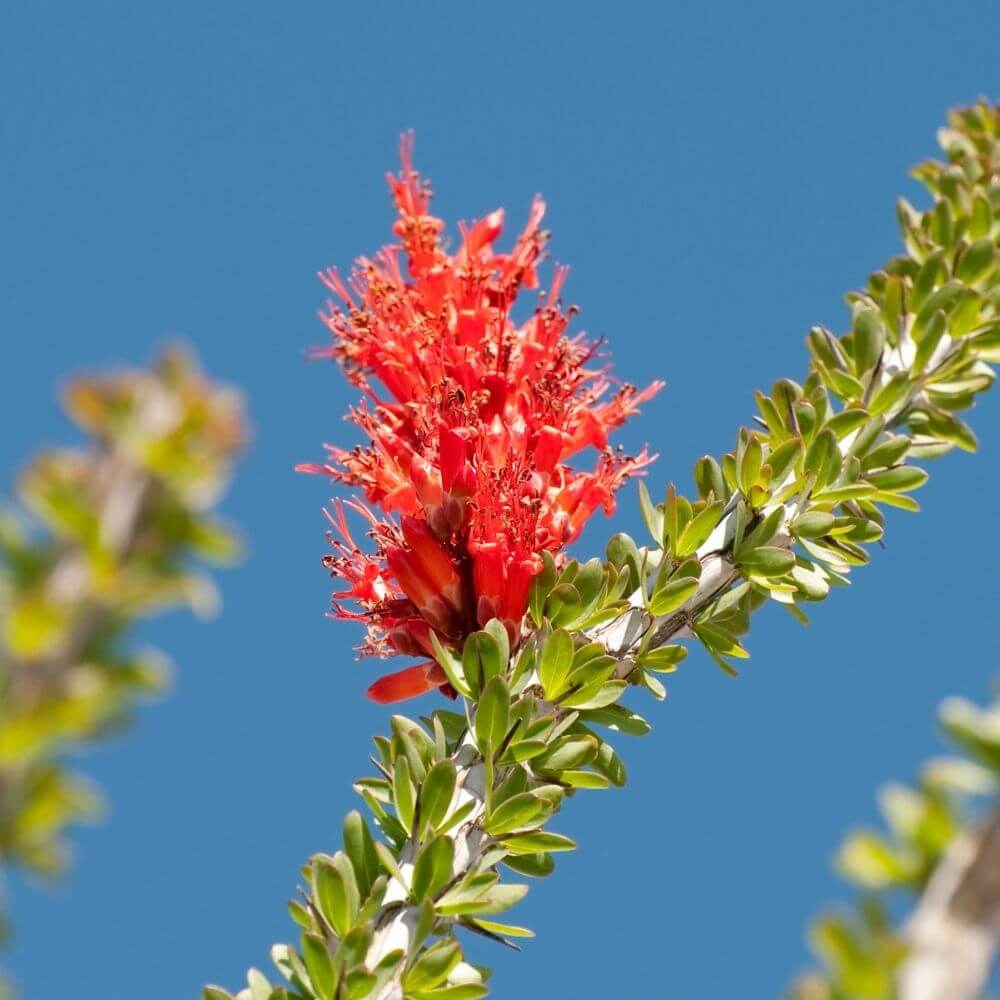
Although Ocotillo looks like a cluster of thorny sticks most of the year, it suddenly bursts into life with flame-red flowers after rainfall. These blooms attract migrating hummingbirds. The plant rises tall and narrow, creating a dramatic silhouette in desert landscapes. Gardeners appreciate how it comes to life without any prompting. Researchers often study its rapid response to moisture changes.
USDA Zone: 8–11
Scientific Name: Fouquieria splendens
Best Suited For:
• Accent plants
• Wildlife support gardens
• Rocky, dry soil
10. Red Yucca Flower (Hesperaloe parviflora)

The Red Yucca isn’t a true yucca, but its long arching leaves and coral-pink flower spikes make it a favorite desert plant. It blooms for months and handles heat, wind, and poor soil. Many city landscapes use it because it thrives even with minimal irrigation. Gardeners often say it’s one of the toughest plants they’ve ever grown. Its flowers shine brightly in the sun.
USDA Zone: 5–11
Scientific Name: Hesperaloe parviflora
Best Suited For:
• Urban landscapes
• Pathway borders
• Desert-themed gardens
11. Desert Primrose (Oenothera deltoides)

Desert Primrose produces soft white flowers that glow in the evening, making it perfect for night gardens. It often carpets sandy areas after spring rains. Gardeners enjoy the calm beauty it brings to dry spaces. Its flowers are fragile in appearance but strong in performance. Researchers studying pollination note that certain desert moths rely heavily on it for nectar.
USDA Zone: 5–9
Scientific Name: Oenothera deltoides
Best Suited For:
• Evening flowering displays
• Sandy soil
• Naturalized dry landscapes
12. Saguaro Cactus Flower (Carnegiea gigantea)

This flower represents the American Southwest. It blooms at night and early morning, giving off a gentle fragrance that attracts bats and birds. The flower sits on top of the giant saguaro cactus, which can live for centuries. Gardeners can’t grow saguaros everywhere, but regions that can support them often treat this flower as a local treasure. Its white petals contrast beautifully with the cactus ribs.
USDA Zone: 9–11
Scientific Name: Carnegiea gigantea
Best Suited For:
• Native desert gardens
• Large open spaces
• Hot, arid climates
13. White Torch Cactus Flower (Echinopsis candicans)

This cactus produces giant white blooms that open suddenly and last for a short time, creating a dramatic show. Many gardeners say the bloom feels like a reward after months of patience. The plant grows slowly but reliably, even in poor soil. Its flowers are often photographed because of their size and contrast. Researchers admire its efficient water storage system.
USDA Zone: 8–11
Scientific Name: Echinopsis candicans
Best Suited For:
• Rock gardens
• Cactus collections
• Low-water yards
14. Sand Verbena (Abronia villosa)
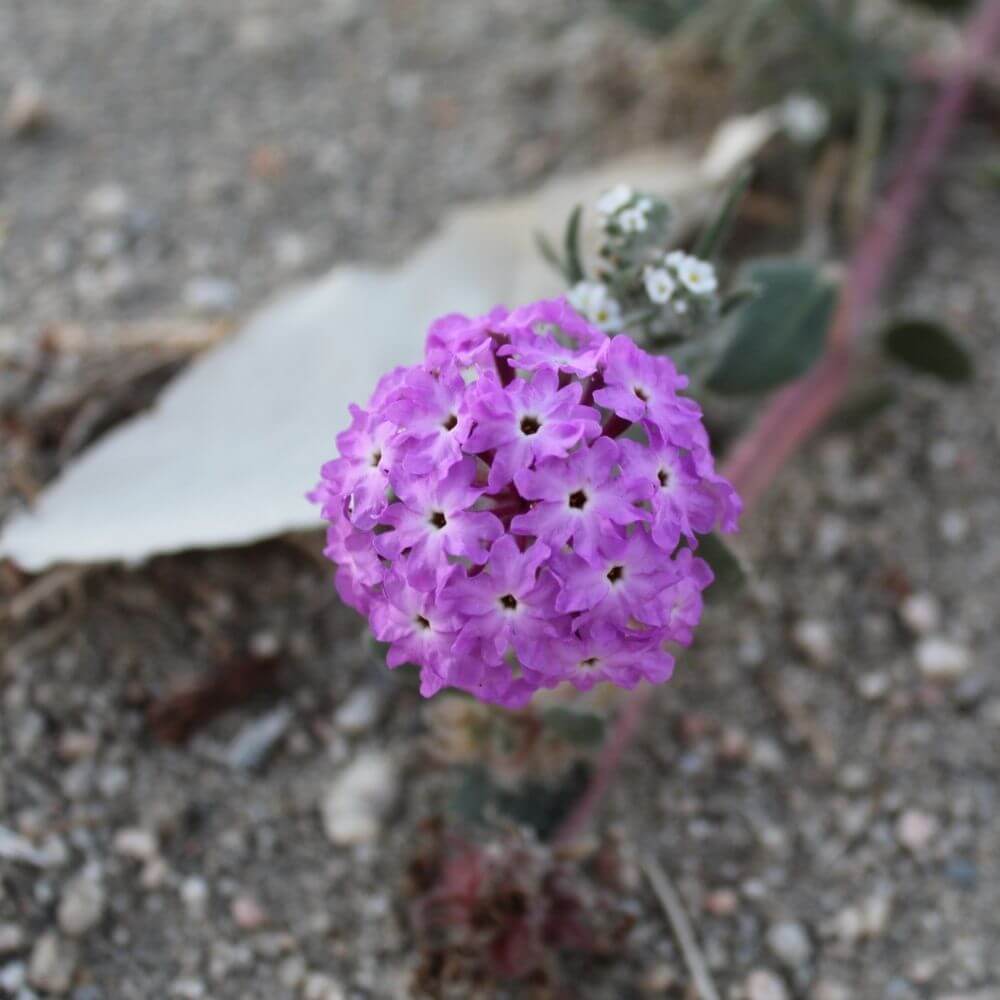
Sand Verbena is known for purple clusters that form soft blankets across sandy areas. In some years, it contributes heavily to desert superblooms, especially in California. Gardeners love how gently it spreads and how well it pairs with other desert natives. Its scent is light and sweet. It handles moving sand better than most desert plants.
USDA Zone: 6–10
Scientific Name: Abronia villosa
Best Suited For:
• Low spreading color
• Sandy beds
• Seasonal wildflower mixes
15. Desert Globemallow (Sphaeralcea ambigua)

Globemallow produces warm orange blooms that feel uplifting in hot weather. The plant grows steadily and handles heat extremely well. In some regions, it flowers almost all year. Gardeners appreciate its soft, fuzzy leaves and constant color. Researchers studying desert pollinators note that bees rely heavily on it.
USDA Zone: 6–10
Scientific Name: Sphaeralcea ambigua
Best Suited For:
• Long-blooming displays
• Wildlife gardens
• Hot, dry slopes
16. African Aloe Flower (Aloe spp.)
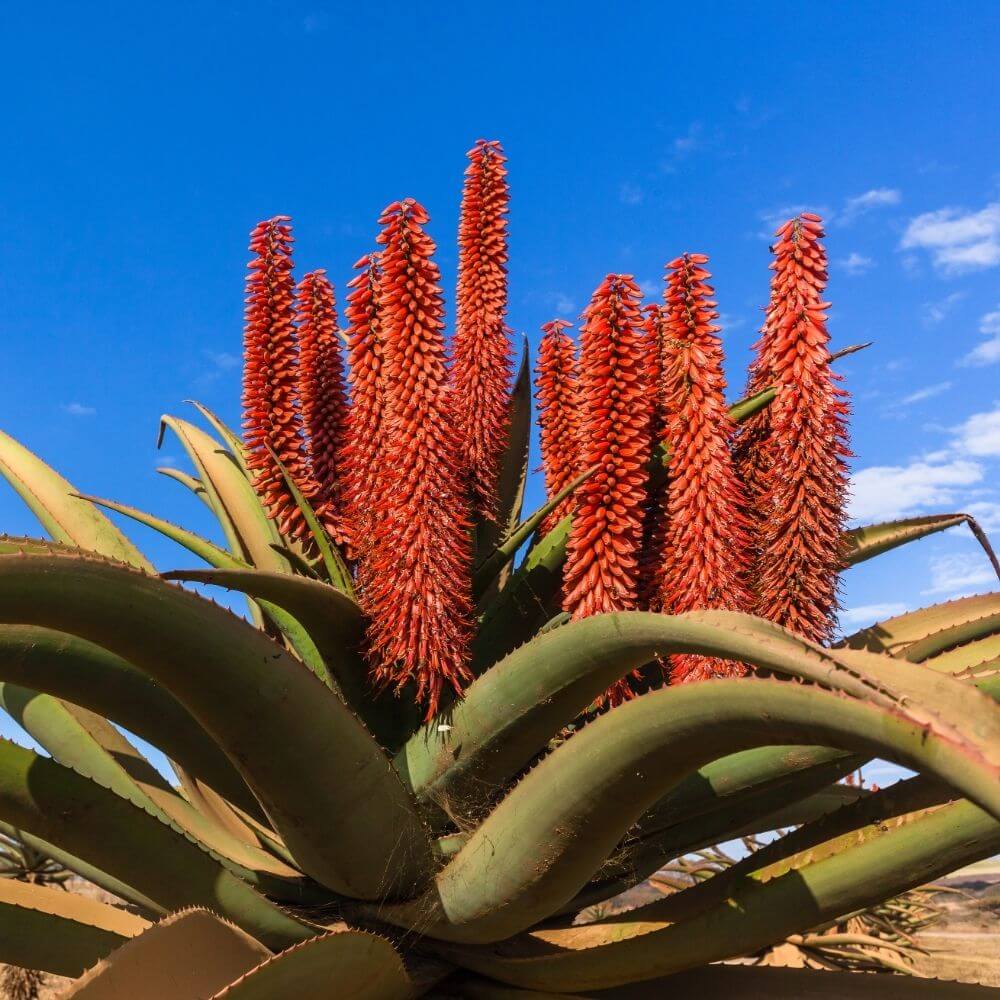
Aloe flowers tower above their base rosettes, producing red, orange, or yellow spikes. These blooms attract birds and thrive in sandy or rocky soil. Many African species handle heat better than typical garden plants. Gardeners also appreciate that these plants retain structure even when not in bloom. Their sculptural qualities make them desirable in modern landscapes.
USDA Zone: 9–11
Scientific Name: Aloe
Best Suited For:
• Architectural gardens
• Dry containers
• Warm, sunny climates
17. Navajo Yucca Flower (Yucca baileyi)

Image by Rebou Image Source: https://commons.wikimedia.org/wiki/File:Yucca_baileyi_ssp._intermedia_fh_1208_NM_B.jpg
The Navajo Yucca has long, narrow leaves and produces tall stalks loaded with creamy white flowers. These blooms are edible and culturally significant to many Indigenous communities. Gardeners like its durability and natural shape. It adapts to both sandy soils and rocky areas. Its flowers shine clean and bright in harsh light.
USDA Zone: 5–9
Scientific Name: Yucca baileyi
Best Suited For:
• Native habitat gardens
• Dry slopes
• Low-maintenance yards
Rare Desert Flowers Worth Knowing
Some desert flowers bloom so rarely that researchers wait years to see them. The Namib Desert’s Welwitschia blooms under extreme age and stress. Certain African desert lilies open only after precise rainfall patterns. South America’s desert blooms can skip an entire year if conditions aren’t right. These flowers remind gardeners that scarcity often increases beauty.
Rare desert species also show how fragile desert ecosystems are. In one research report published in 2023, scientists observed that several rare flowers disappeared from specific study areas after long drought years. This highlights the value of conservation-minded gardening.
Desert Flower Names for Girls: Soft, Strong, and Meaningful Choices
Many parents and writers look for desert flower names for girls because these flowers symbolize resilience and beauty. Here are a few gentle and meaningful name ideas inspired by desert blooms:
- Marilla (from Marigold)
- Lilia (from Desert Lily)
- Saffra (from saffron-colored blooms)
- Ocotia (inspired by Ocotillo)
- Arida (from arid landscapes)
- Verbena
- Callia (from Calliandra)
These names feel soft but have strength behind them, reflecting the nature of desert flowers perfectly.
Desert Flowers Around the World
Deserts vary greatly from continent to continent. Africa’s deserts, like the Kalahari and Sahara, produce unexpected spring blooms after seasonal rains. North America’s deserts grow plant species that thrive in coarse soil and handle extreme temperature shifts. Middle Eastern deserts grow flowers that survive on extremely little water, sometimes just dew.
When you explore desert flowers globally, you begin to understand how geography shapes naming tradition. Some names come from Indigenous languages, others from botanical Latin, and some from local stories.
Choosing the Right Desert Flower for Your Garden
Picking the right desert flower depends on climate, soil, sun exposure, and garden purpose. For example, gardeners in hot flat regions need plants that respond well to reflected heat from walls and pathways. Others might want flowers that bloom at night, like Desert Primrose, to create a cool evening mood.
One uncommon tip I’ve learned from researchers: avoid over-improving soil. Desert flowers struggle in rich, heavily amended soil. They prefer gritty, lean, fast-draining environments. This goes against standard gardening advice, but it consistently works better for desert species.
Care Tips for Desert Flowers
Most desert flowers prefer infrequent deep watering rather than daily sprinkling. A gardener in New Mexico once told me her fairy duster improved dramatically when she watered it less often. Shallow watering encourages weak roots. These plants want roots that reach deep.
Shade cloth can help during extreme heat waves, especially for young plants. Soil should drain quickly, so gravel mixes work well. Mulch can help, but avoid heavy organic mulches that hold too much moisture. Daily care is minimal, which is one reason many people love dry gardening.
FAQs About Desert Flowers
What Kind of Flowers are in the Desert?
Desert flowers are plants specially adapted to survive harsh, dry conditions. They often have thick leaves, deep roots, or short bloom cycles to conserve water. Common types include desert marigolds, desert lilies, and fairy dusters. These flowers bring surprising bursts of color to otherwise dry landscapes.
What is a Desert Flower?
A desert flower is any plant species that thrives in arid or semi-arid environments. These flowers can tolerate extreme heat, poor soil, and minimal water. They often bloom after rainfall, showcasing resilience and beauty in tough conditions. Their unique adaptations make them fascinating to gardeners and researchers alike.
Do Desert Flowers Have Medicinal Uses?
Yes, many desert flowers have traditional medicinal uses. For example, the brittlebush resin was used by Indigenous peoples to treat wounds and inflammation. Some aloe species offer soothing gels for skin. While not all desert flowers have medicinal properties, their cultural and healing roles are important in many desert communities.
What are the Benefits of Desert F lowers?
Desert flowers provide vital ecological benefits, including supporting pollinators like bees and hummingbirds. They prevent soil erosion with their root systems and add beauty to otherwise harsh landscapes. For gardeners, they offer low-maintenance options that save water and thrive in challenging climates.
What are 5 Interesting Facts About Desert Plants?
Desert plants can survive months or years without water. Many bloom only after rainfall, creating spectacular displays. Some, like the saguaro cactus, live for over 150 years. Their leaves or stems often store water, and many reflect sunlight to reduce heat absorption. These traits make deserts surprisingly vibrant.
Where to Put Desert Rose in Home?
The Desert Rose thrives best in bright, indirect sunlight indoors or full sun outdoors. Place it near a sunny window where it can soak up light but avoid harsh midday rays. It prefers well-draining soil and a warm spot with good air circulation. Avoid overwatering to keep this beauty happy inside your home.
Summary and What to Do Next
Desert flowers mix strength with beauty in a way few plants can match. Their names carry history, culture, and natural wonder. You want color for a dry garden, rare species for research, or simply inspiration, these flowers offer something meaningful.
If you’re planning a dry garden or learning about arid-region species, explore more of our flower guides, try growing one or two desert natives, or start collecting flowers that match your climate. The world of desert plants is wider and more rewarding than most people realize.