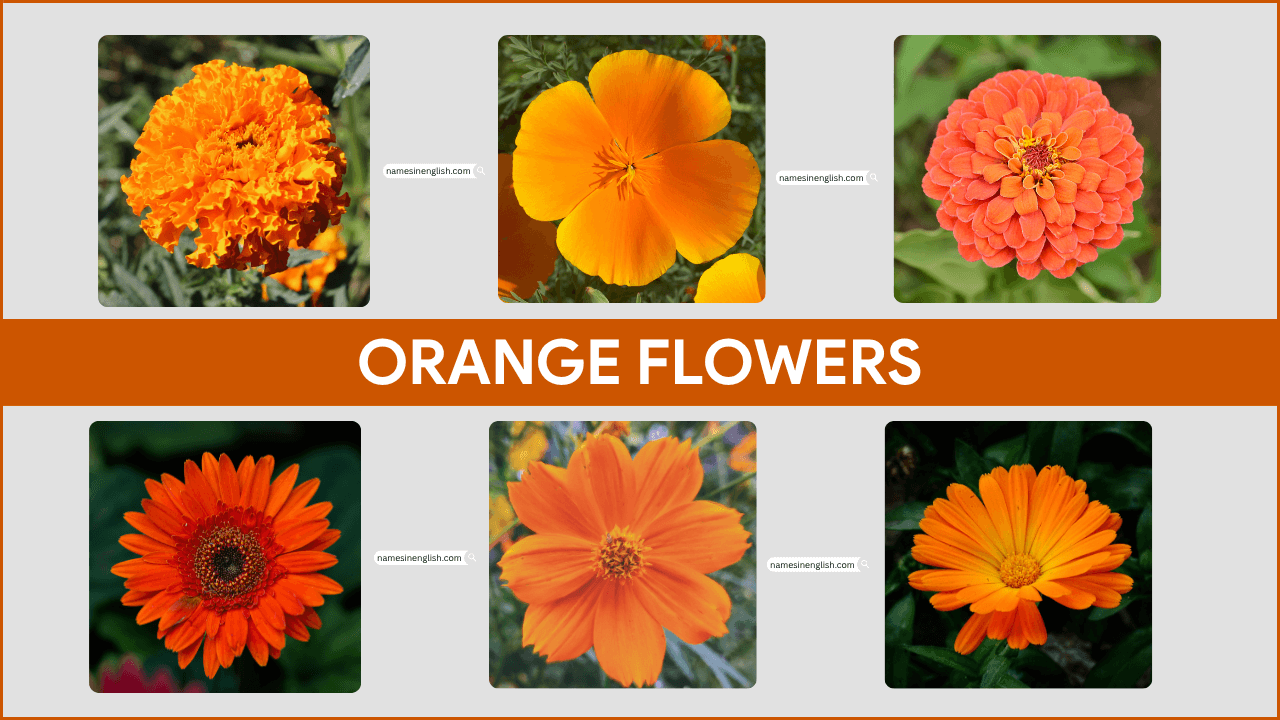

Orange flowers are a wonderful way to bring warmth, energy, and vibrant color to any garden, bouquet, or outdoor space. From bright annuals to stunning perennials, Orange Flowers with Names and Pictures help gardeners, flower lovers, and students easily identify different blooms while learning about their unique beauty. In this article, you’ll learn 25 beautiful orange flowers, along with their names, pictures, key features, and growing tips. Whether you’re planning a colorful garden or simply want to learn more about these eye-catching blooms, this guide will help you find the perfect orange flowers for every purpose.
Many plants included in orange flowers are not purely orange at the genetic level. Petal color forms when pigments mix inside plant cells. Red anthocyanins and yellow carotenoids often combine and the human eye sees orange. This means two flowers can look the same shade but contain different pigment structures. Tiger lily petals contain both pigments, while African marigolds rely mostly on carotenoids.
How Carotenoid Pigments Create Most Natural Orange Flowers
Carotenoids are the main pigments that produce natural orange petals. These pigments sit in structures called chromoplasts inside flower cells and reflect warm colors when sunlight hits them. Marigolds contain high levels of lutein which creates deep orange shades. California poppy petals use different carotenoids that produce a lighter golden orange tone.
Why Some Red And Yellow Flowers Look Orange In Sunlight
Light changes how people see flower color. A flower with red pigments can appear orange when it reflects strong yellow wavelengths in bright sunlight. Tulip varieties show this effect clearly. Their petals reflect both red and yellow light during midday which makes them appear orange even though the pigment balance shifts with temperature and light conditions.
Orange Flower Names
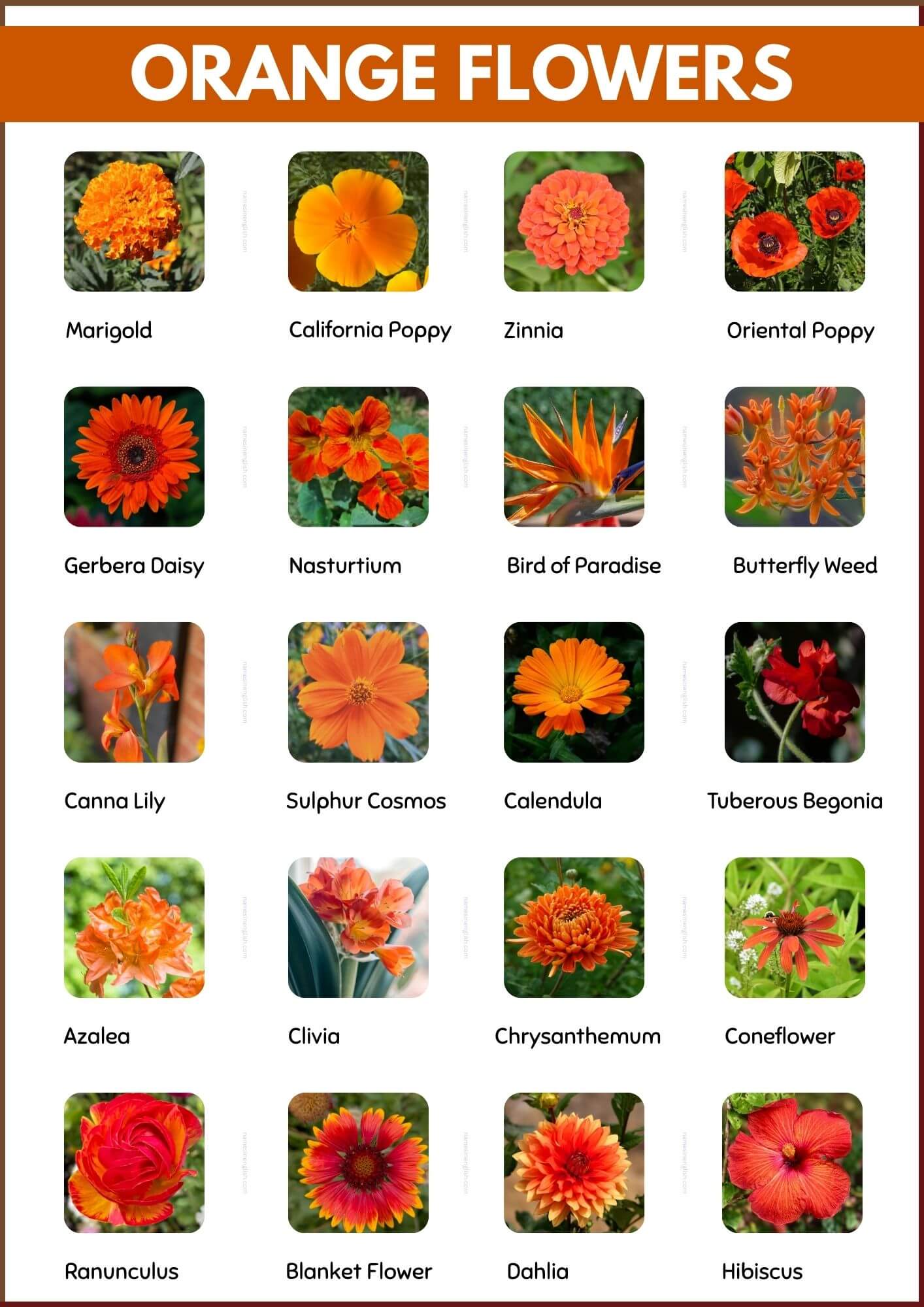
- Marigold
- California Poppy
- Zinnia
- Oriental Poppy
- Orange Gerbera Daisy
- Nasturtium
- Bird of Paradise
- Butterfly Weed
- Canna Lily
- Sulphur Cosmos
- Calendula
- Tuberous Begonia
- Clivia
- Chrysanthemum
- Orange Coneflower
- Ranunculus
- Snapdragon
- Dahlia
- Crocosmia
- Orange Tulip
- Blanket Flower
- Hibiscus
- Impatiens
- Azalea
- Cape Marigold
25 Orange Flowers with Pictures
1. Marigold (Tagetes spp.)
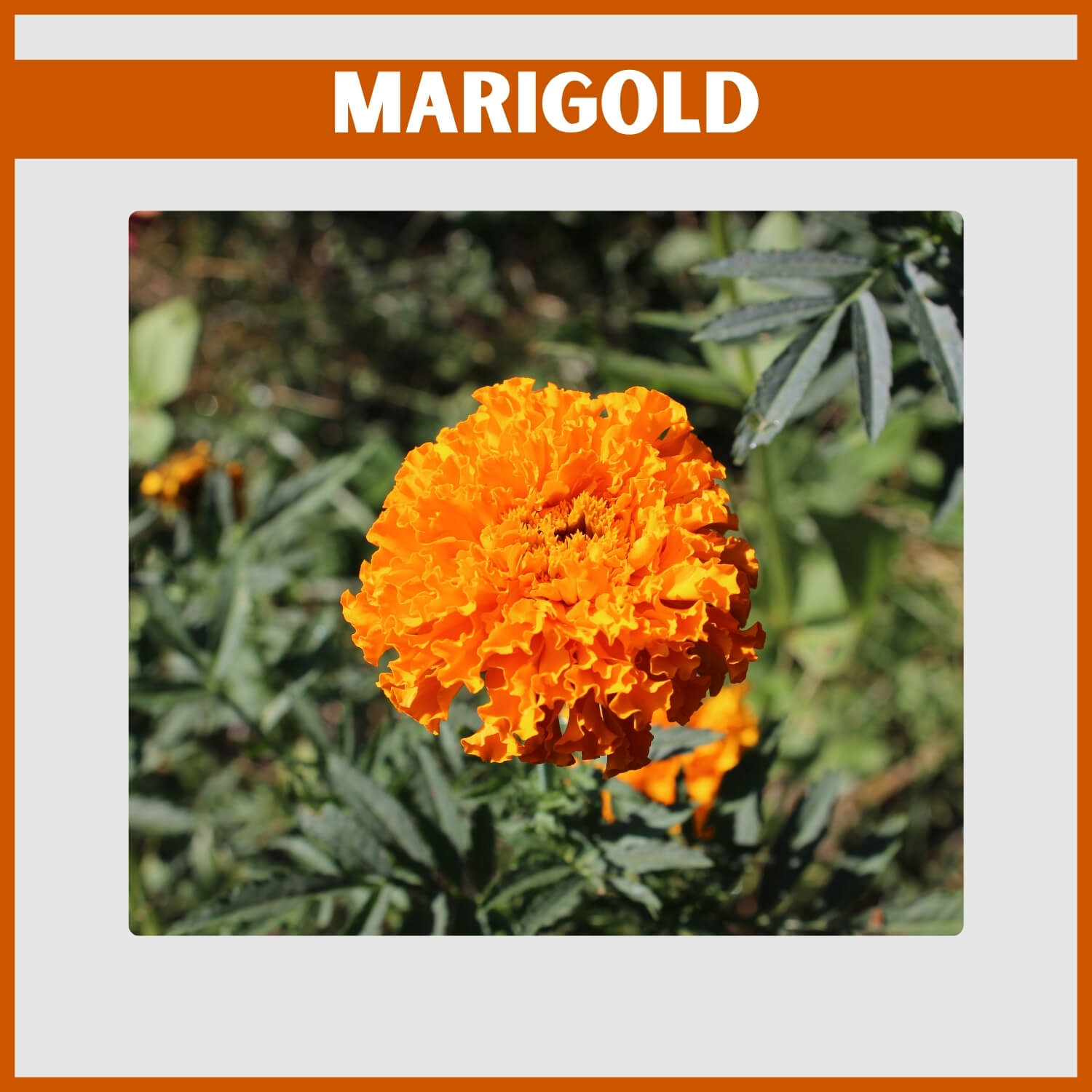
A true workhorse, marigolds are reliable and versatile annuals. These cheerful flowers bloom prolifically from spring until the first hard frost, making them perfect for borders, containers, and companion planting. Their pungent foliage is known to deter many garden pests, making them a popular choice for interplanting in vegetable gardens.
- USDA Hardiness Zones: 2-11 (annual)
- Soil Type: Well-drained, moderately fertile soil
- Water Needs: Moderate; drought-tolerant once established
- Sun Requirements: Full sun (6+ hours daily)
- Bloom Time: Late spring through fall
2. California Poppy (Eschscholzia californica)
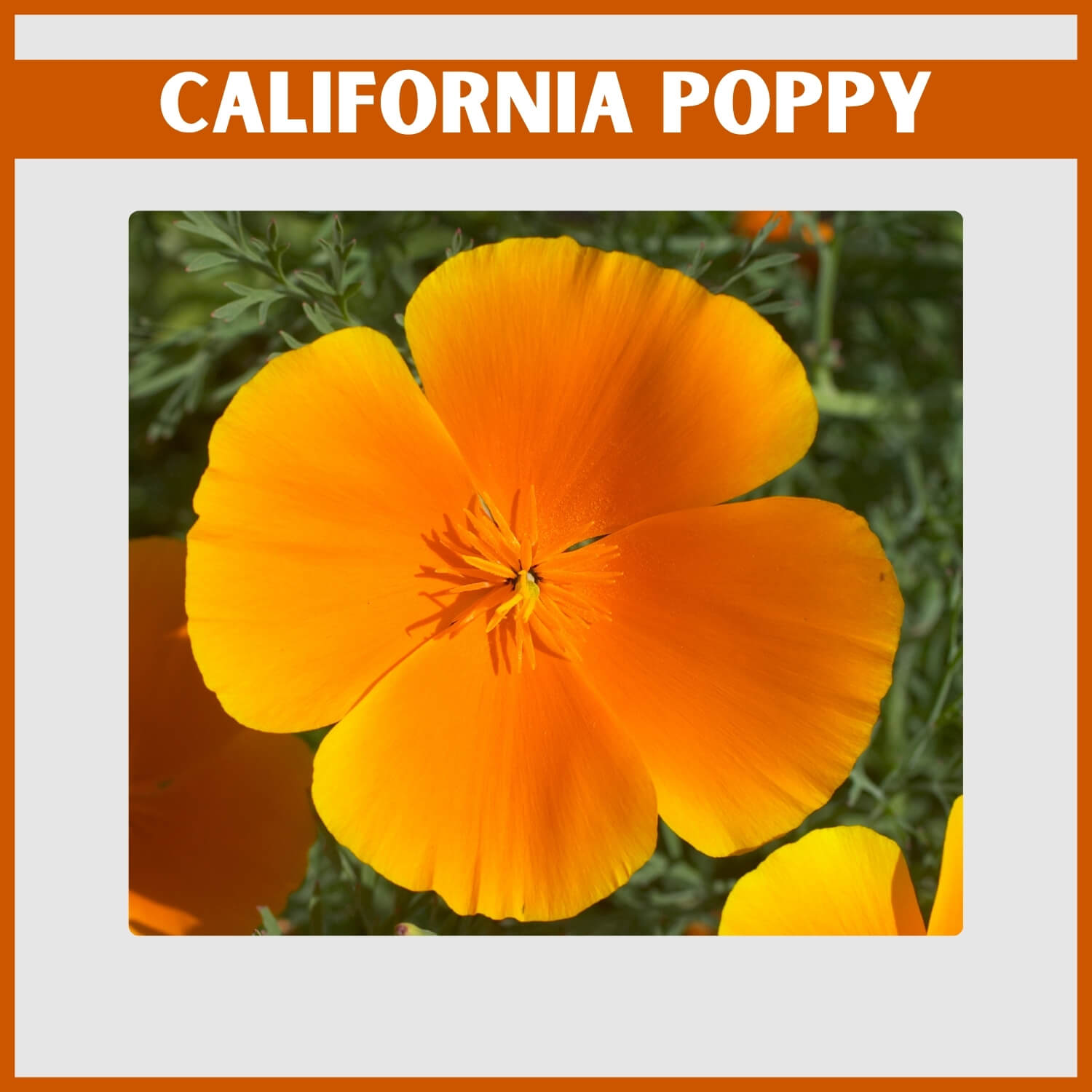
California’s state flower brings a delicate, papery texture to the garden. These self-seeding annuals or short-lived perennials create stunning drifts of orange when left to naturalize. It’s a fascinating trait that the flowers close at night and on cloudy days.
- USDA Hardiness Zones: 6-10 (often grown as annual)
- Soil Type: Poor to average, well-drained sandy soil
- Water Needs: Low; highly drought-tolerant
- Sun Requirements: Full sun
- Bloom Time: Spring through early summer
3. Zinnia (Zinnia elegans)
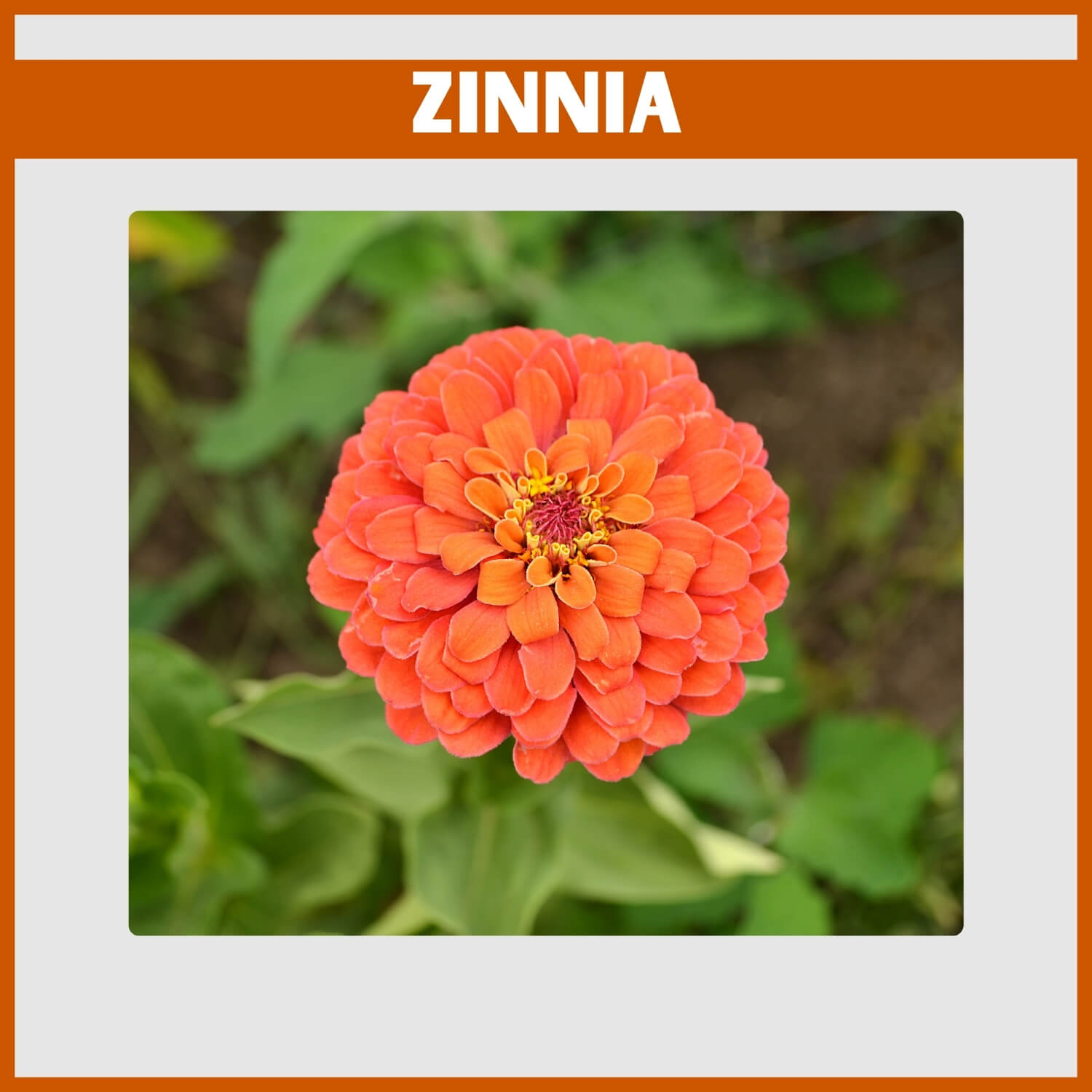
Zinnias offer incredible value and performance. A single packet of seeds produces dozens of long-lasting blooms perfect for cutting. The vibrant orange varieties maintain their color without fading, even in intense summer heat, and are a magnet for butterflies.
- USDA Hardiness Zones: 3-10 (annual)
- Soil Type: Rich, well-drained soil
- Water Needs: Moderate; water at base to prevent mildew
- Sun Requirements: Full sun
- Bloom Time: Summer through first frost
4. Oriental Poppy (Papaver orientale)
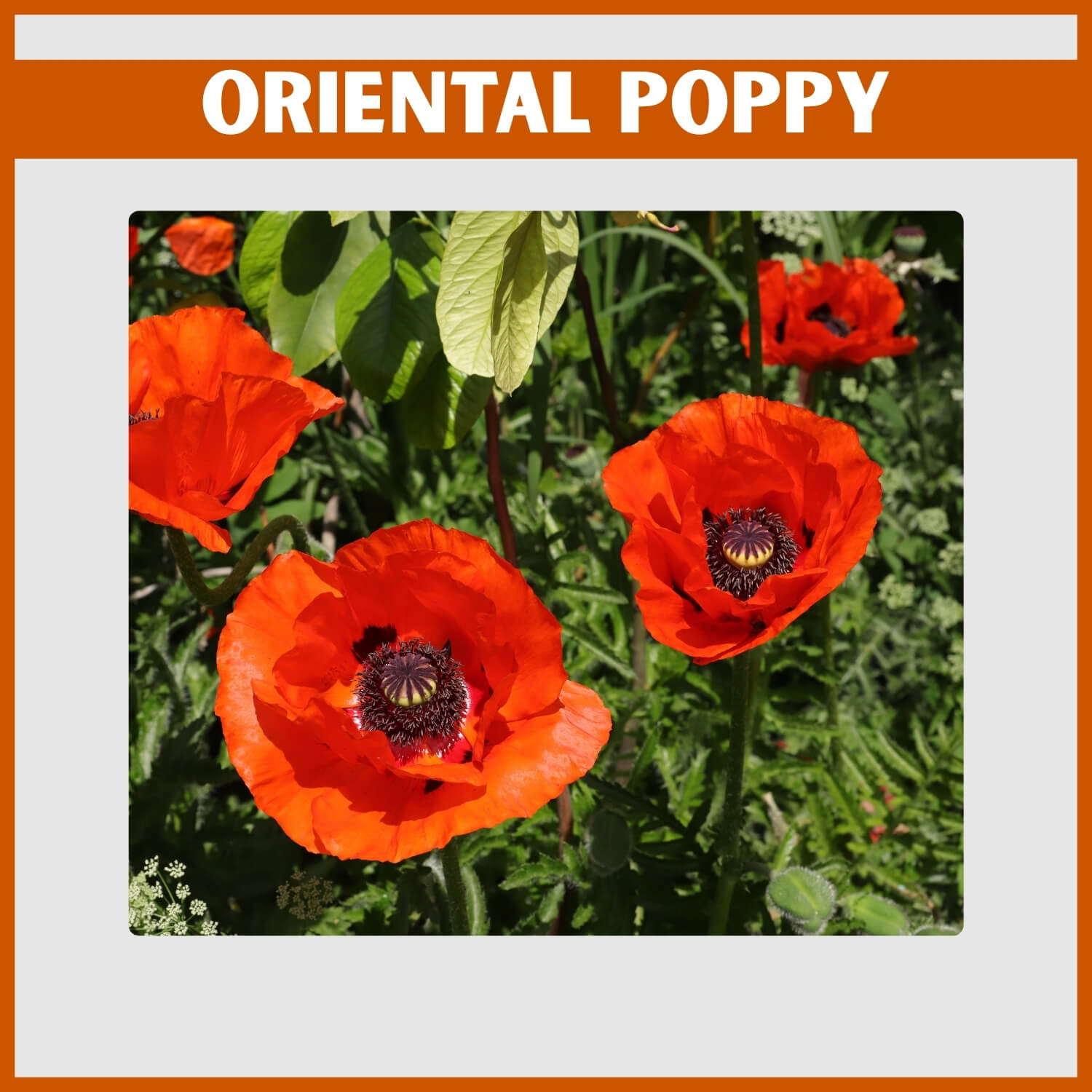
For a dramatic spring statement, few plants can rival the Oriental poppy. These hardy perennials feature huge, papery-thin blooms in vivid orange, often with a dark black blotch at the base. They go dormant in summer, so plant them among later-blooming perennials.
- USDA Hardiness Zones: 3-7
- Soil Type: Well-drained, fertile soil
- Water Needs: Moderate during growth; dry during summer dormancy
- Sun Requirements: Full sun
- Bloom Time: Late spring to early summer
5. Orange Gerbera Daisy (Gerbera jamesonii)
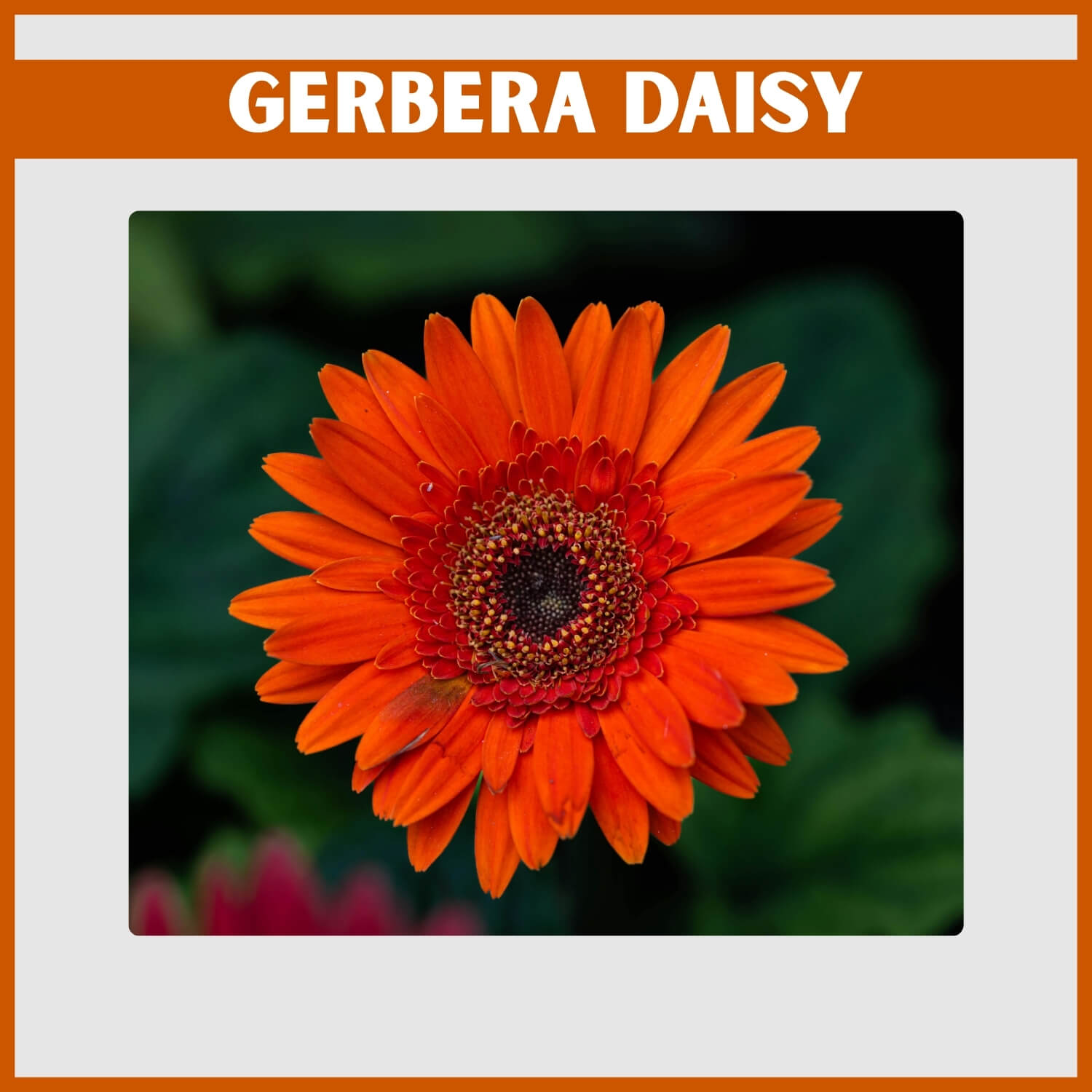
These cheerful daisies have perfectly symmetrical blooms that seem almost too perfect to be real. While perennial in warm climates, most gardeners grow them as annuals. They are exceptional as cut flowers, lasting up to two weeks in a vase.
- USDA Hardiness Zones: 8-10 (often grown as annual)
- Soil Type: Rich, well-drained soil
- Water Needs: Moderate; avoid overhead watering
- Sun Requirements: Full sun to partial shade
- Bloom Time: Spring through fall
6. Nasturtium (Tropaeolum majus)
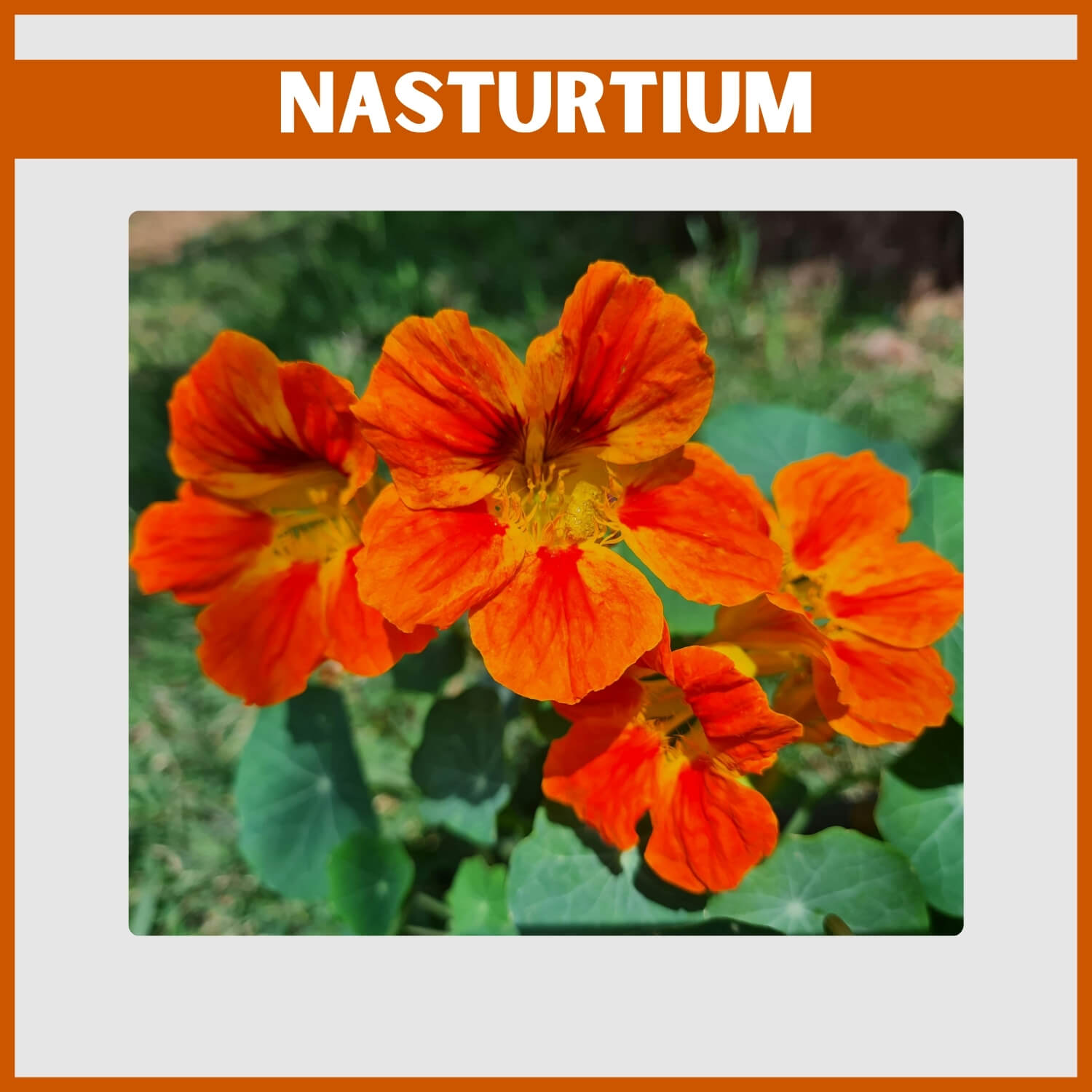
Nasturtiums are a versatile and functional annual. They are completely edible, from flowers to leaves, with a peppery taste that adds zing to salads. These fast-growers are perfect for beginners as they thrive on neglect and self-seed generously.
- USDA Hardiness Zones: 2-11 (annual)
- Soil Type: Poor to average soil (too-rich soil reduces flowering)
- Water Needs: Low to moderate
- Sun Requirements: Full sun to partial shade
- Bloom Time: Summer through fall
7. Bird of Paradise (Strelitzia reginae)
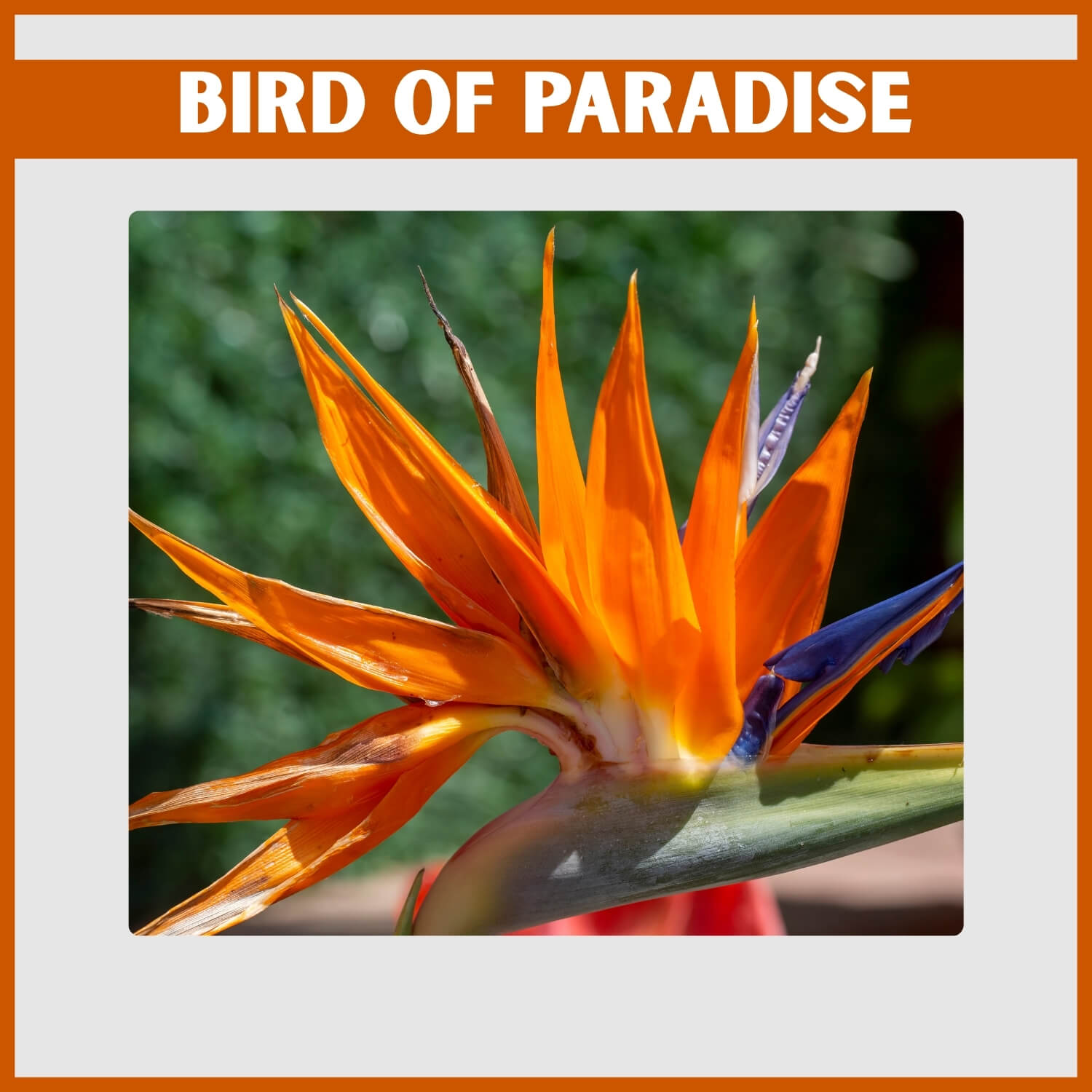
Exotic and sculptural, the bird of paradise flower resembles a tropical bird in flight. While it’s an outdoor perennial only in frost-free zones, it makes a stunning container specimen that can be overwintered indoors in cooler climates, becoming a fantastic focal point.
- USDA Hardiness Zones: 10-12
- Soil Type: Rich, well-drained soil
- Water Needs: Moderate; reduce in winter
- Sun Requirements: Full sun to partial shade
- Bloom Time: Late winter through spring
8. Butterfly Weed (Asclepias tuberosa)
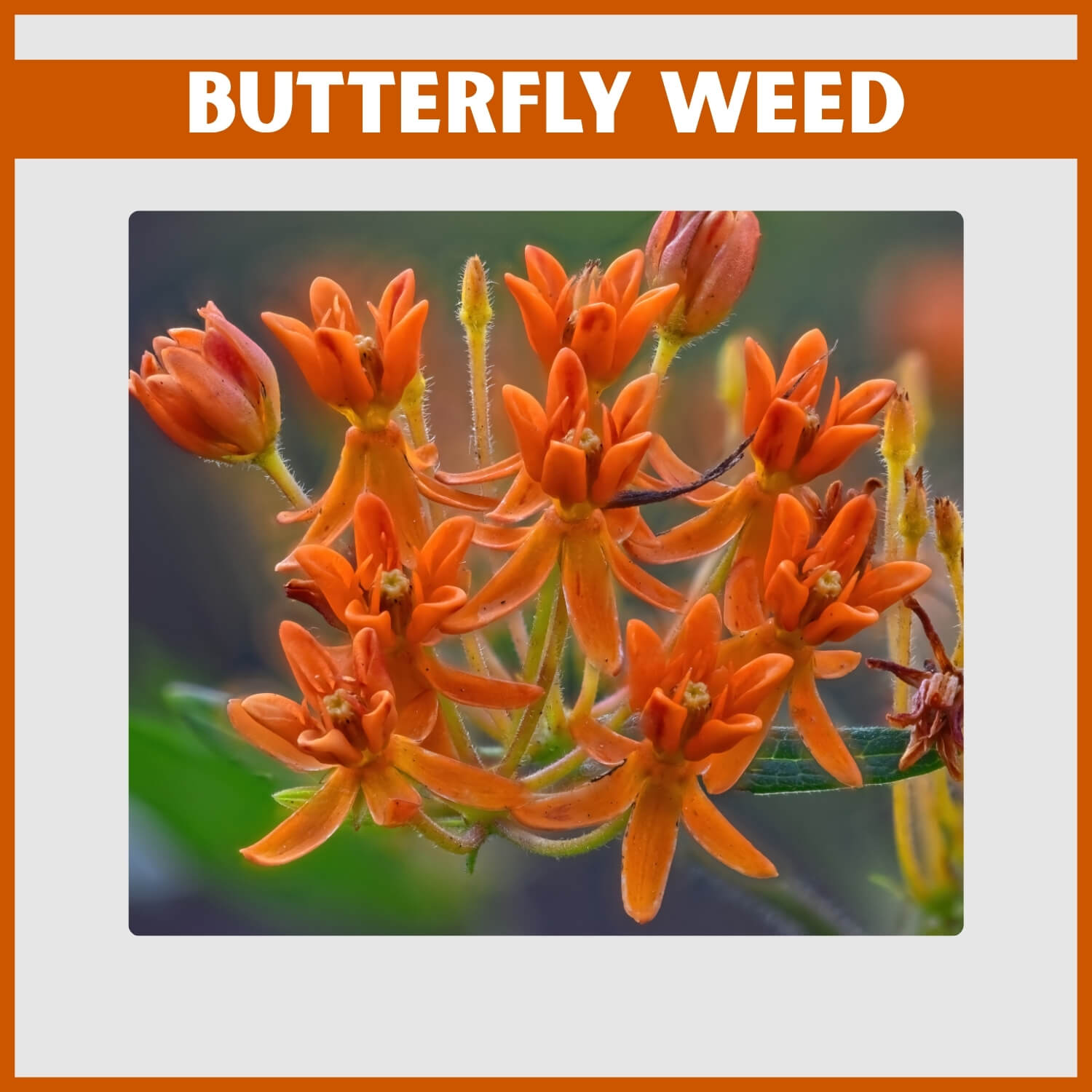
This native North American perennial is a powerhouse for pollinators. It is a vital magnet for monarch butterflies and other beneficial insects, serving as a larval host plant for monarchs. It’s not uncommon to see a single mature plant covered in pollinators during peak bloom.
- USDA Hardiness Zones: 3-9
- Soil Type: Well-drained, sandy or rocky soil
- Water Needs: Low; extremely drought-tolerant once established
- Sun Requirements: Full sun
- Bloom Time: Early to late summer
9. Canna Lily (Canna indica)
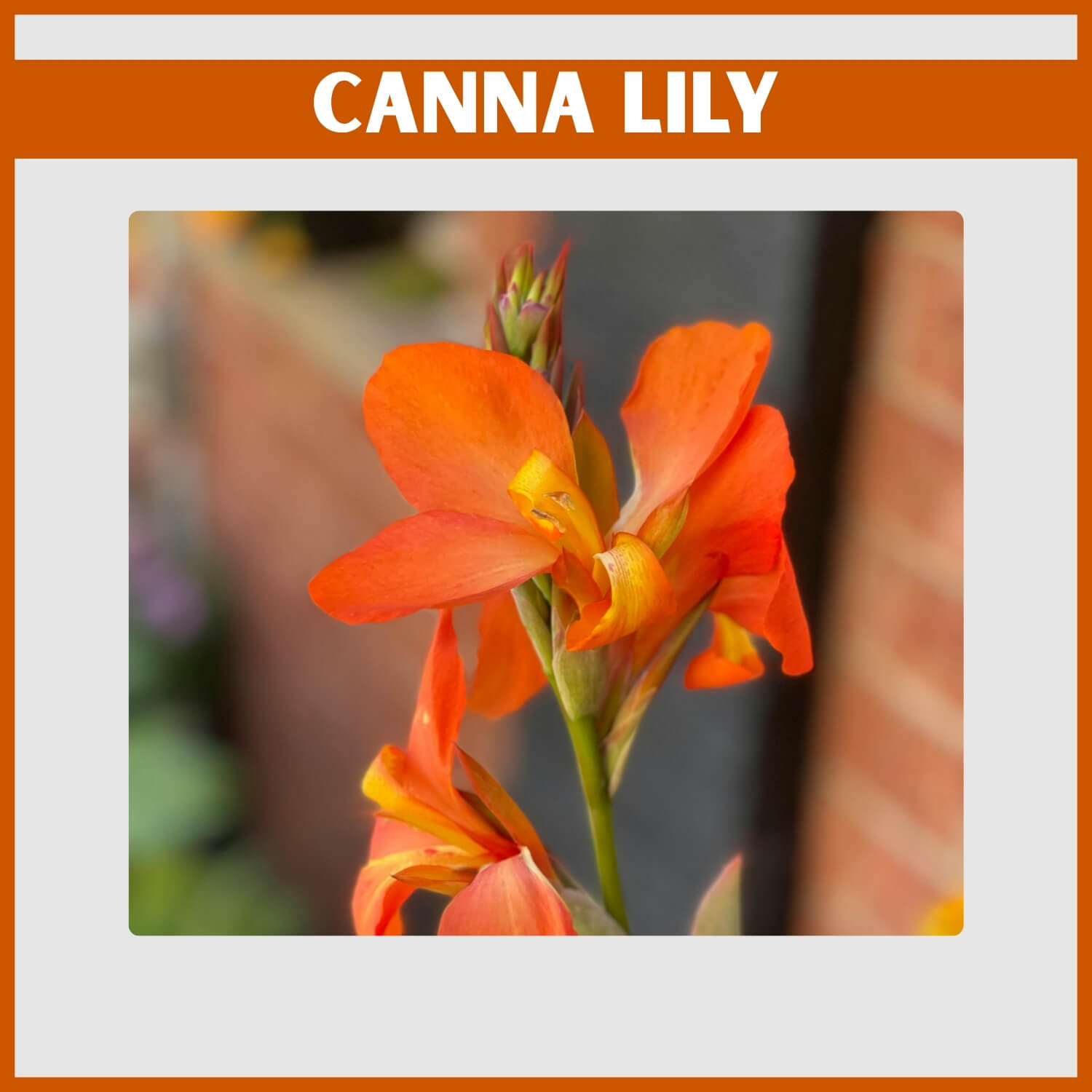
Bold and tropical-looking, cannas provide both stunning flowers and dramatic foliage. These rhizomatous perennials grow quickly and can reach impressive heights, making them excellent background plants or “thriller” elements in large container designs.
- USDA Hardiness Zones: 7-11 (lift rhizomes in colder zones)
- Soil Type: Rich, moist soil
- Water Needs: High; thrives in consistently moist conditions
- Sun Requirements: Full sun
- Bloom Time: Summer through fall
10. Sulphur Cosmos (Cosmos sulphureus)
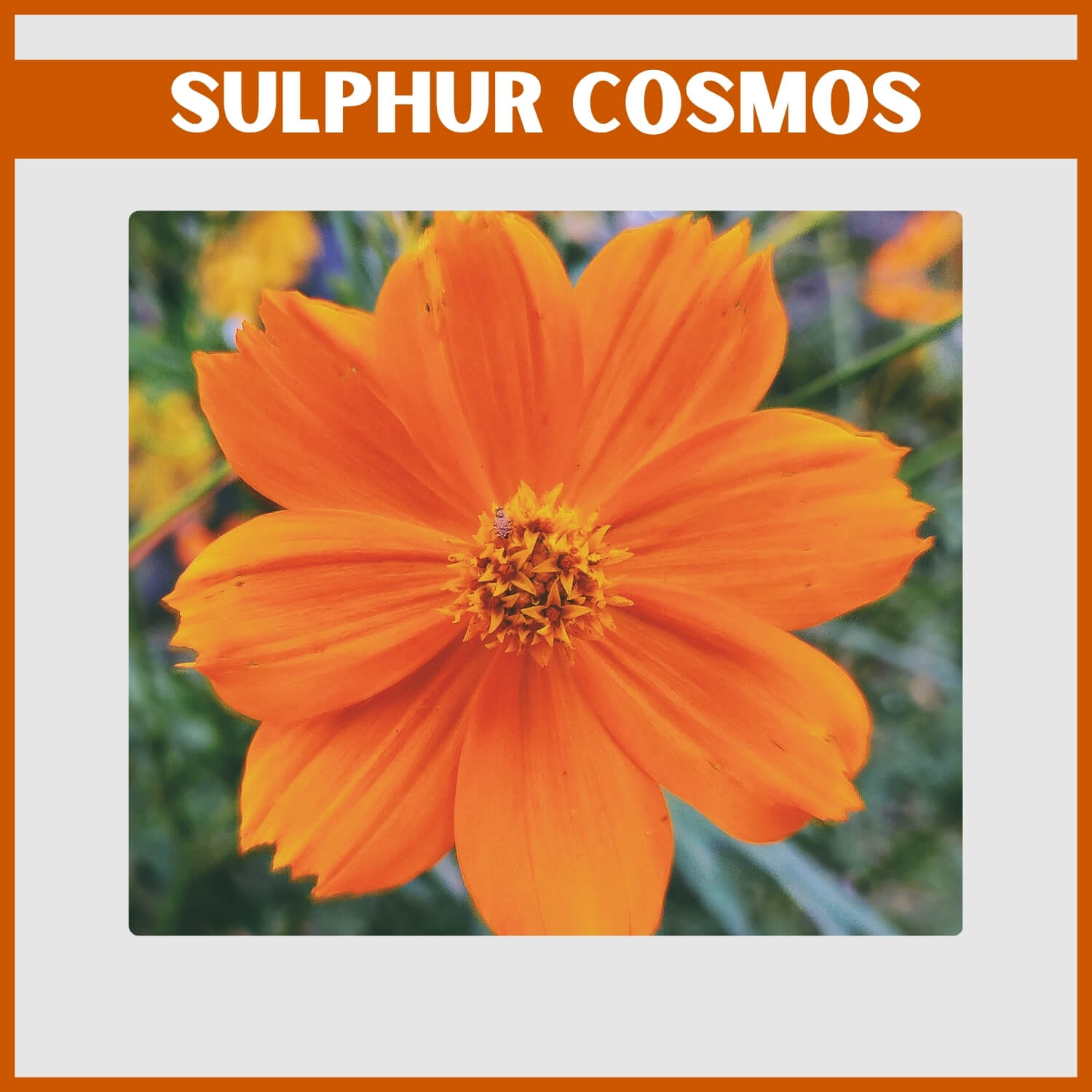
These brilliant annuals are incredibly easy to grow from seed and thrive in heat. The semi-double, fiery orange flowers seem to float above lacy foliage. They are prolific bloomers, attract pollinators, and make wonderful, airy additions to bouquets.
- USDA Hardiness Zones: 2-11 (annual)
- Soil Type: Average to poor, well-drained soil
- Water Needs: Low to moderate
- Sun Requirements: Full sun
- Bloom Time: Summer through fall
11. Calendula (Calendula officinalis)
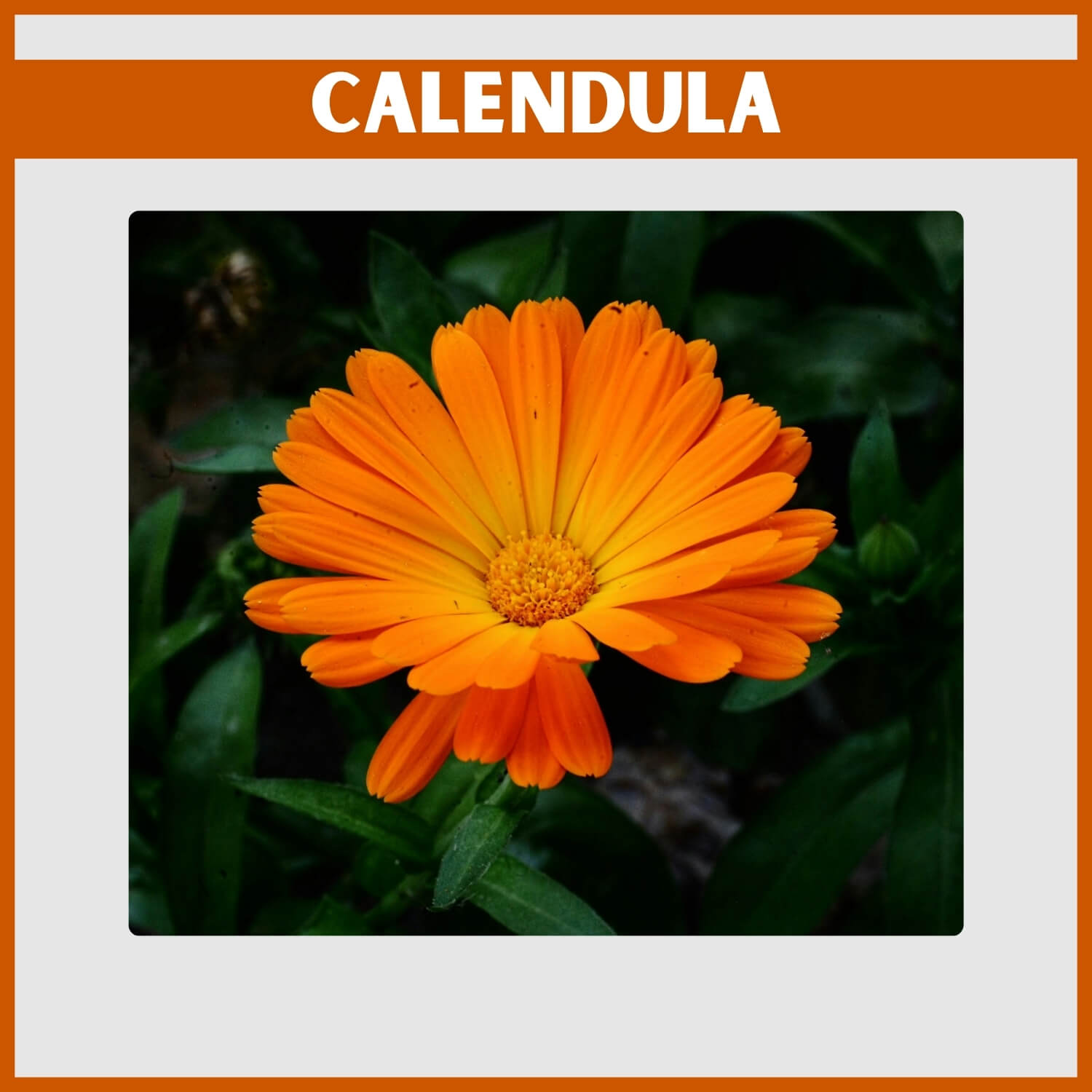
Also known as pot marigold, calendula has been used medicinally for centuries. The edible petals make beautiful garnishes, and the flowers attract beneficial insects. They are cool-season annuals that perform best in spring and fall, often fading in summer heat.
- USDA Hardiness Zones: 2-11 (annual)
- Soil Type: Average, well-drained soil
- Water Needs: Moderate
- Sun Requirements: Full sun to partial shade
- Bloom Time: Spring and fall (summer in cool climates)
12. Tuberous Begonia (Begonia × tuberhybrida)
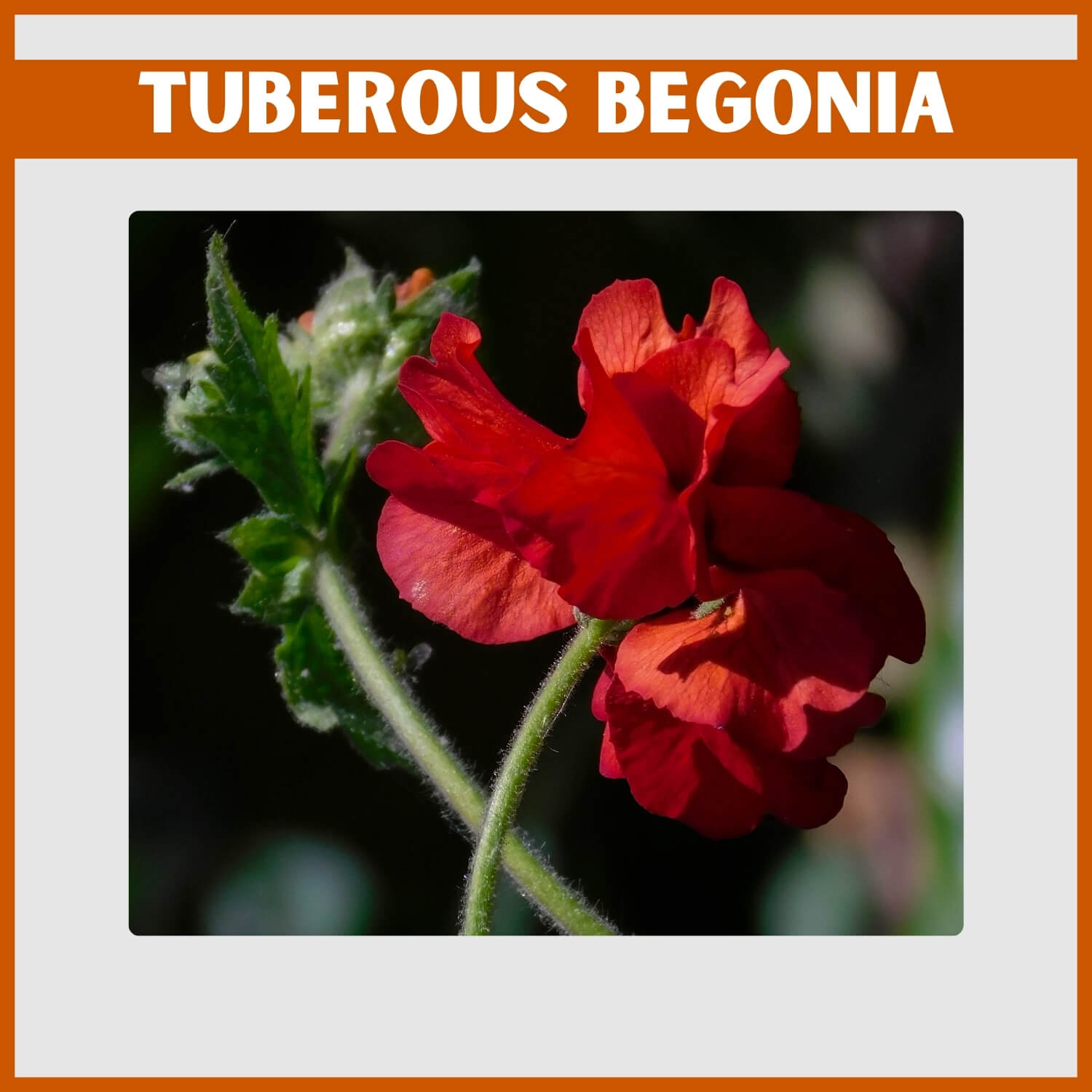
For a powerful punch of orange in shady areas, tuberous begonias are unrivaled. They produce enormous, often-ruffled flowers that light up hanging baskets, containers, and window boxes. They require protection from direct sun, which can scorch their leaves.
- USDA Hardiness Zones: 9-11 (annual or houseplant elsewhere)
- Soil Type: Rich, moist, well-drained soil
- Water Needs: Moderate to high; keep evenly moist
- Sun Requirements: Partial to full shade
- Bloom Time: Summer through fall
13. Clivia (Clivia miniata)
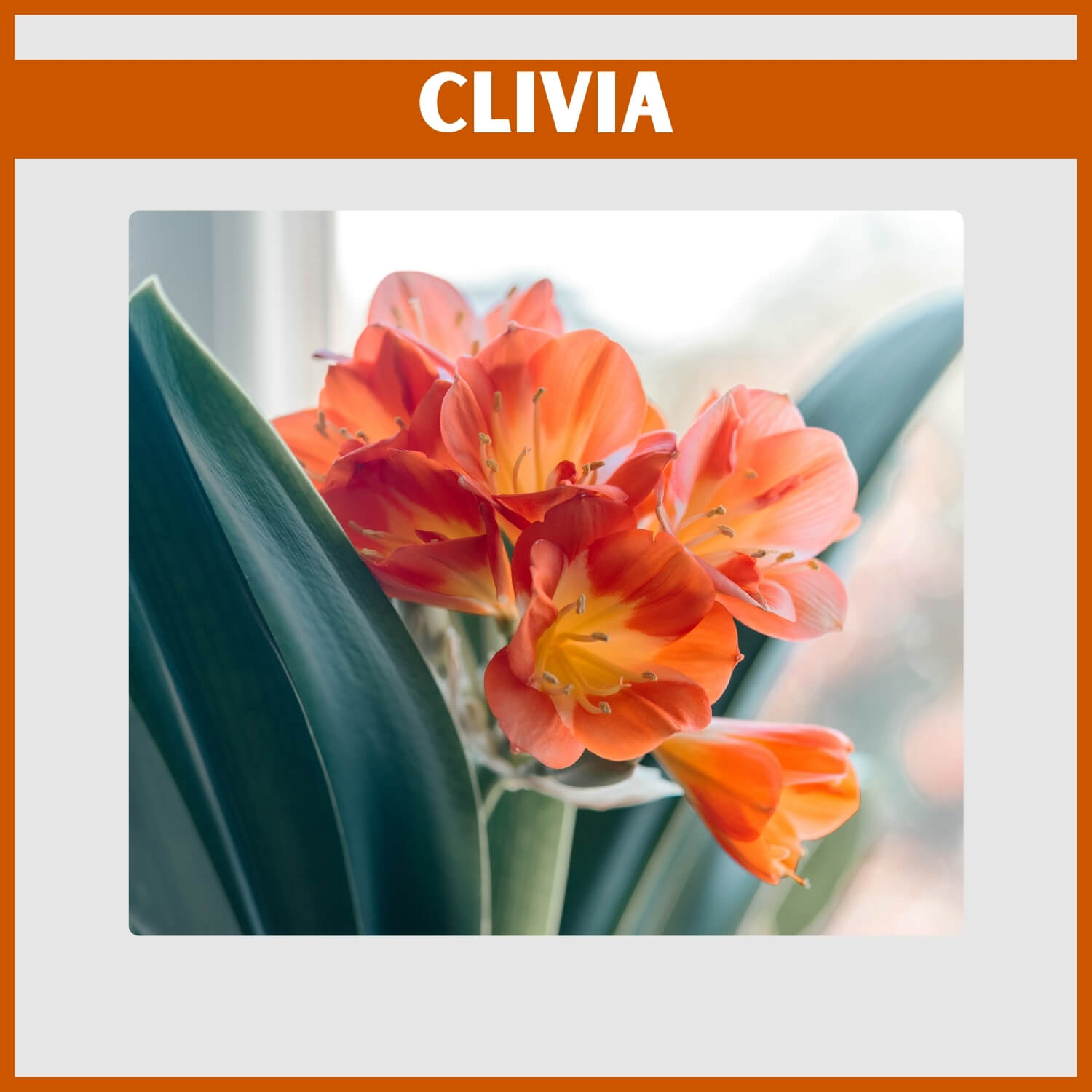
Shade-loving clivia produces impressive clusters of trumpet-shaped flowers on sturdy stems. While they are tropical perennials outdoors only in the warmest zones, they make excellent, long-lived houseplants that bloom reliably indoors with minimal care.
- USDA Hardiness Zones: 9-11
- Soil Type: Rich, well-drained potting mix
- Water Needs: Moderate; allow slight drying between waterings
- Sun Requirements: Partial to full shade
- Bloom Time: Late winter to spring
14. Chrysanthemum (Chrysanthemum morifolium)
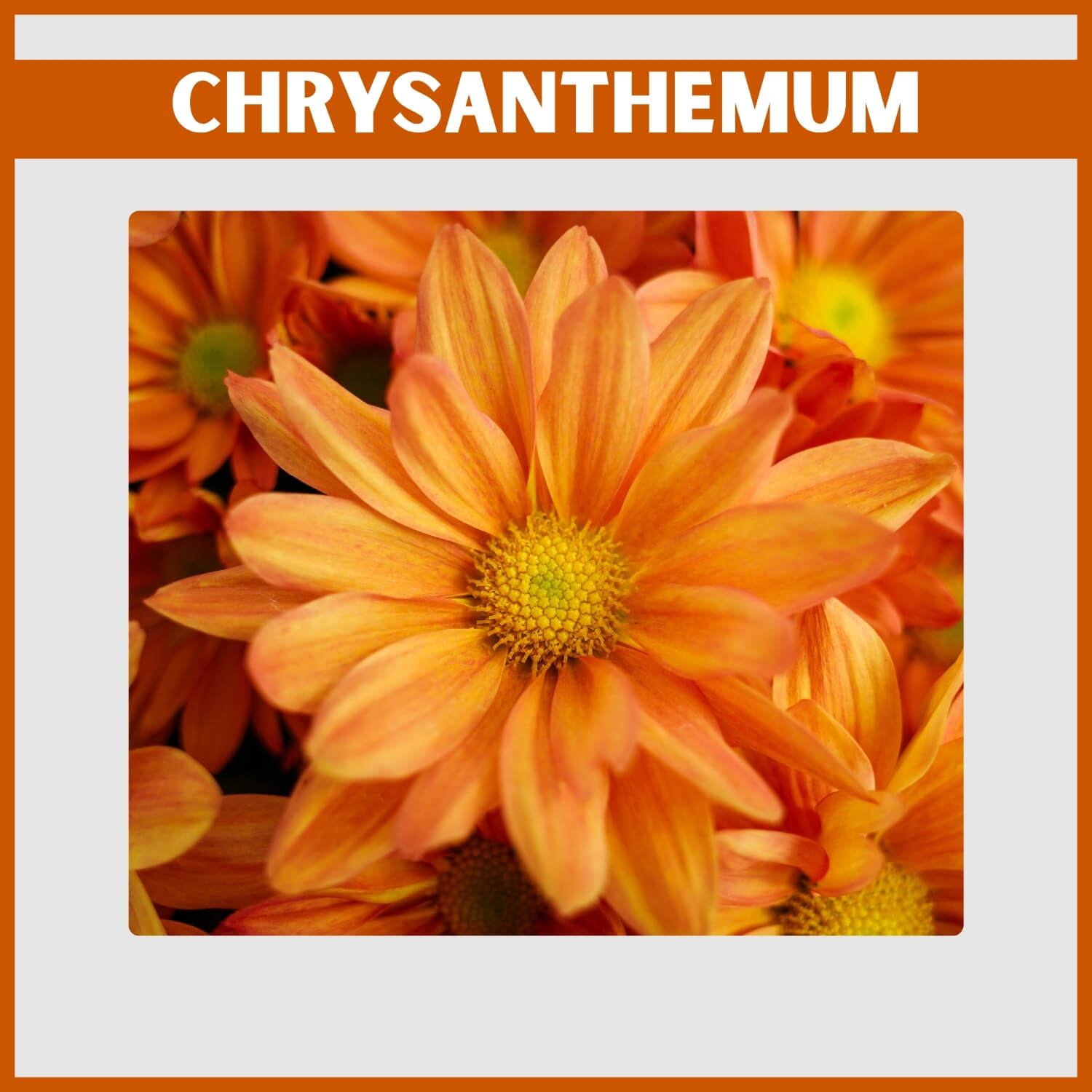
Fall gardens wouldn’t be complete without mums. These perennial favorites offer incredible variety in form and color. Orange mums range from soft apricot to deep burnt orange, providing the perfect seasonal transition and pairing beautifully with pumpkins and gourds.
- USDA Hardiness Zones: 6-9
- Soil Type: Rich, well-drained soil
- Water Needs: Moderate to high
- Sun Requirements: Full sun
- Bloom Time: Late summer through fall
15. Orange Coneflower (Echinacea)
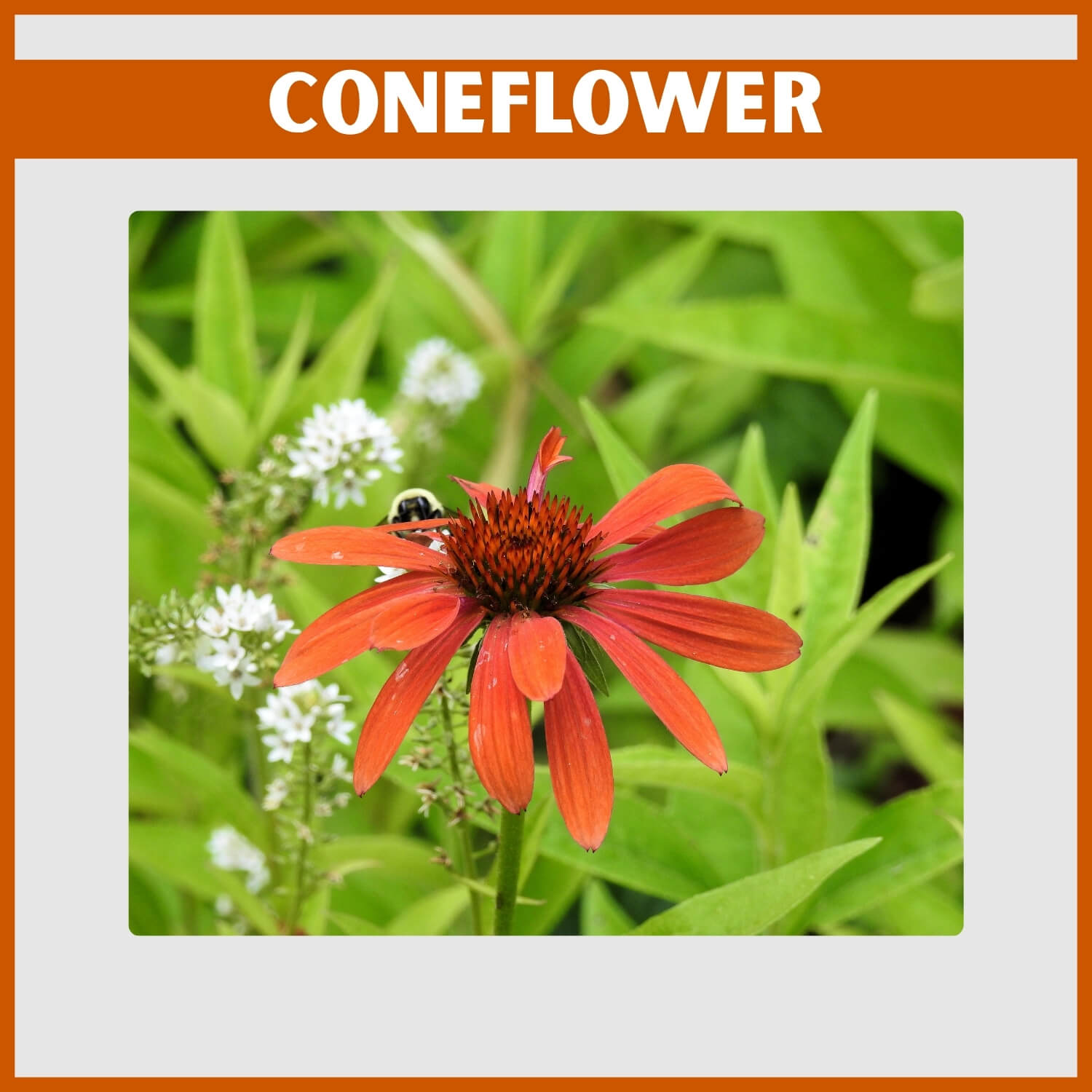
While purple is the classic, modern hybridizing has produced stunning, true-orange coneflower varieties (like ‘Sombrero Spicy Orange’). These hardy perennials are drought-tolerant, attract bees and butterflies, and provide winter interest as seed heads for birds.
- USDA Hardiness Zones: 4-9
- Soil Type: Well-drained soil; tolerates poor soil
- Water Needs: Low to moderate once established
- Sun Requirements: Full sun
- Bloom Time: Summer through early fall
16. Ranunculus (Ranunculus asiaticus)
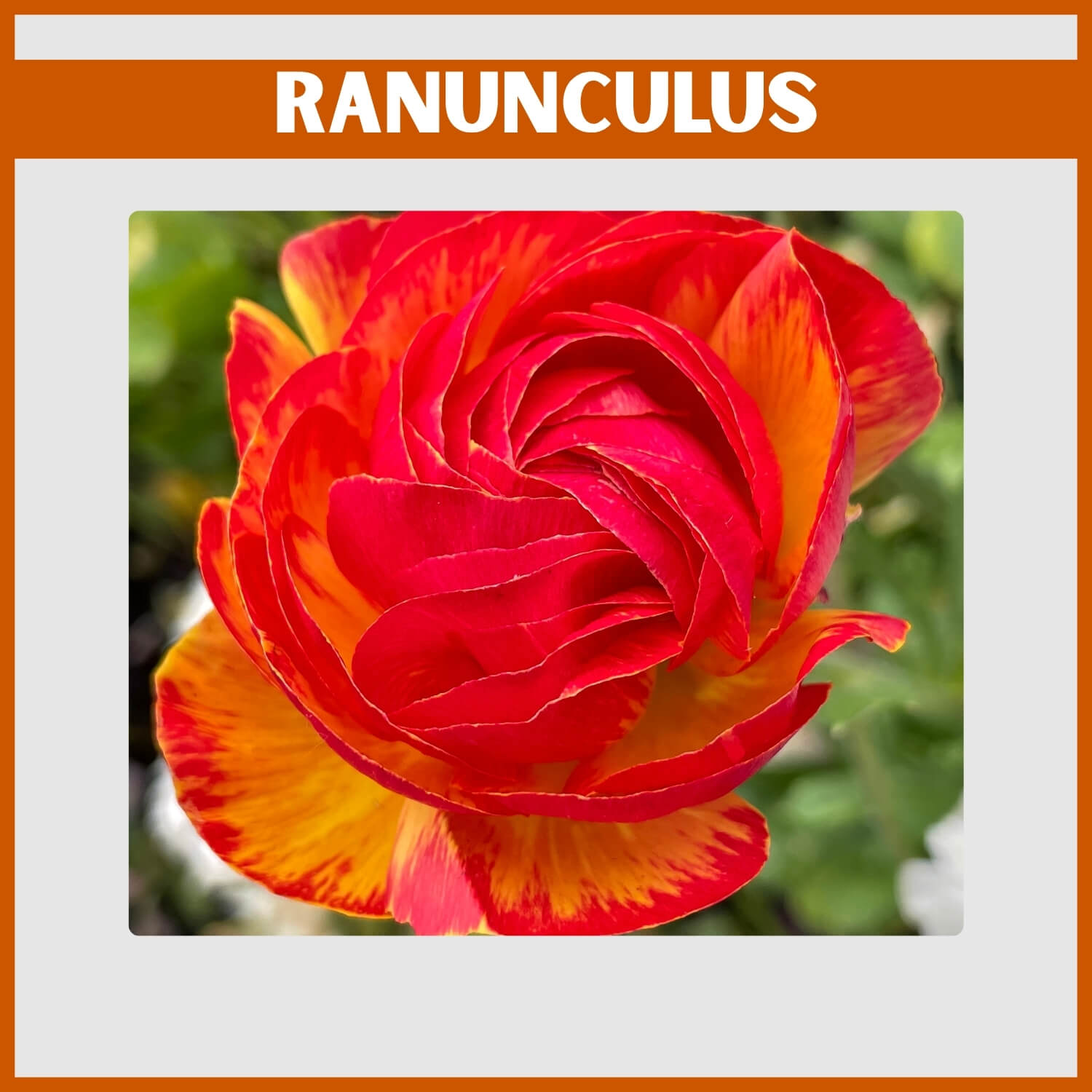
These layered beauties feature tissue-paper-thin petals in a form that rivals roses and peonies. Ranunculus (grown from corms) produce multiple blooms per plant and are exceptional in cut flower arrangements. They prefer cool spring weather.
- USDA Hardiness Zones: 8-11 (often grown as annual)
- Soil Type: Rich, well-drained soil
- Water Needs: Moderate; keep evenly moist during growth
- Sun Requirements: Full sun to partial shade
- Bloom Time: Spring to early summer
17. Snapdragon (Antirrhinum majus)
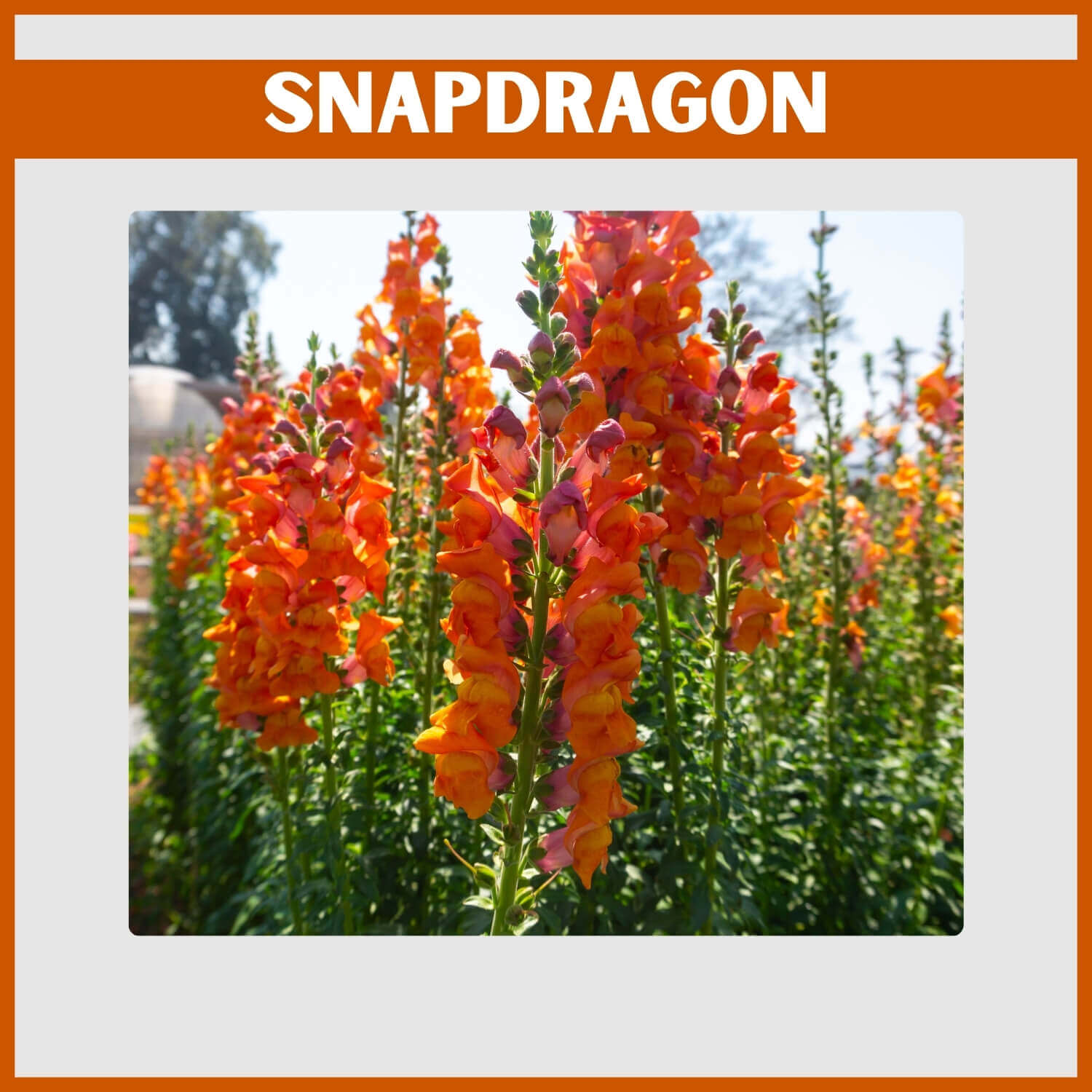
A classic cottage garden flower, snapdragons provide wonderful vertical structure. Orange varieties add warmth to spring and fall plantings. They are technically tender perennials often grown as cool-season annuals, and they make excellent, long-lasting cut flowers.
- USDA Hardiness Zones: 7-10 (often grown as annual)
- Soil Type: Rich, well-drained, neutral pH soil
- Water Needs: Moderate
- Sun Requirements: Full sun
- Bloom Time: Spring and fall (can bloom all summer in cool climates)
18. Dahlia (Dahlia pinnata)
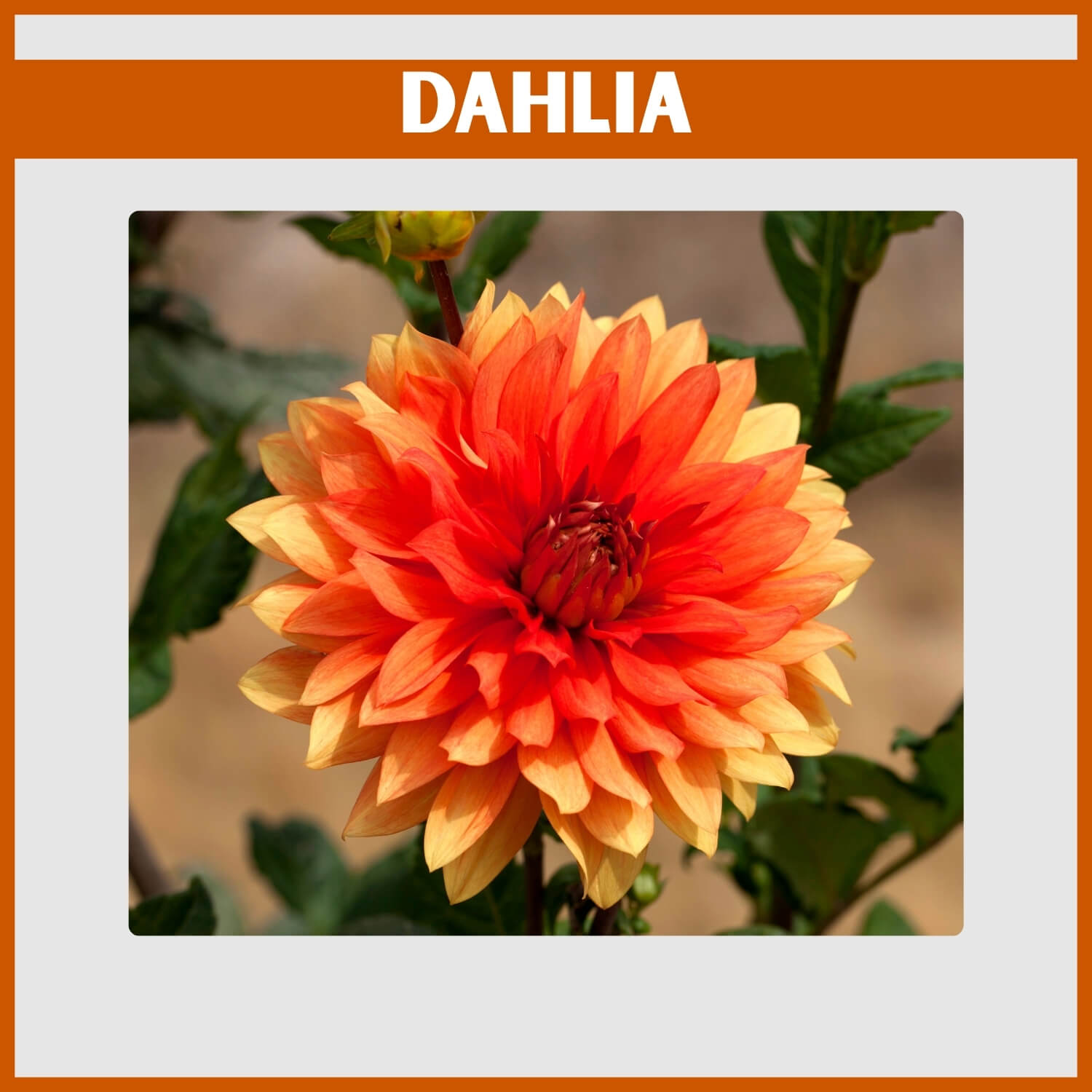
Dahlias offer an incredible range of forms, from petite pompoms to dinner-plate-sized blooms. Orange varieties bring warmth and sophistication to late-season gardens. They grow from tubers that must be lifted and stored over winter in cold climates.
- USDA Hardiness Zones: 8-11 (lift tubers in colder zones)
- Soil Type: Rich, well-drained soil
- Water Needs: Moderate to high; deep watering preferred
- Sun Requirements: Full sun
- Bloom Time: Mid-summer through frost
19. Crocosmia (Crocosmia × crocosmiiflora)
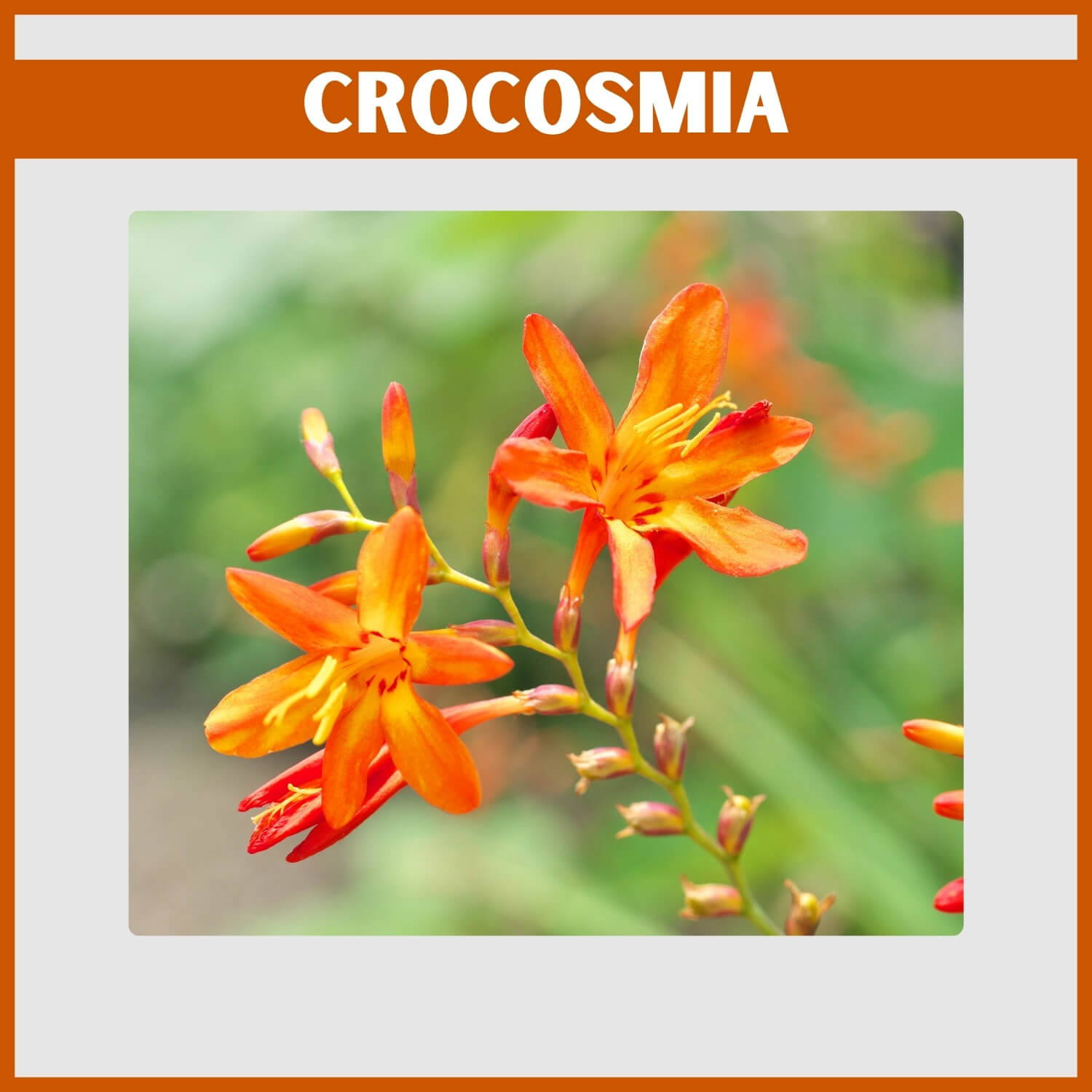
These graceful perennials produce arching stems of tubular flowers that seem to dance in the breeze and are a favorite of hummingbirds. The corms multiply readily, forming attractive clumps. Their sword-like foliage provides structure even when not in bloom.
- USDA Hardiness Zones: 5-9
- Soil Type: Well-drained, moderately fertile soil
- Water Needs: Moderate; tolerates some drought
- Sun Requirements: Full sun to partial shade
- Bloom Time: Mid to late summer
20. Orange Tulip (Tulipa gesneriana)
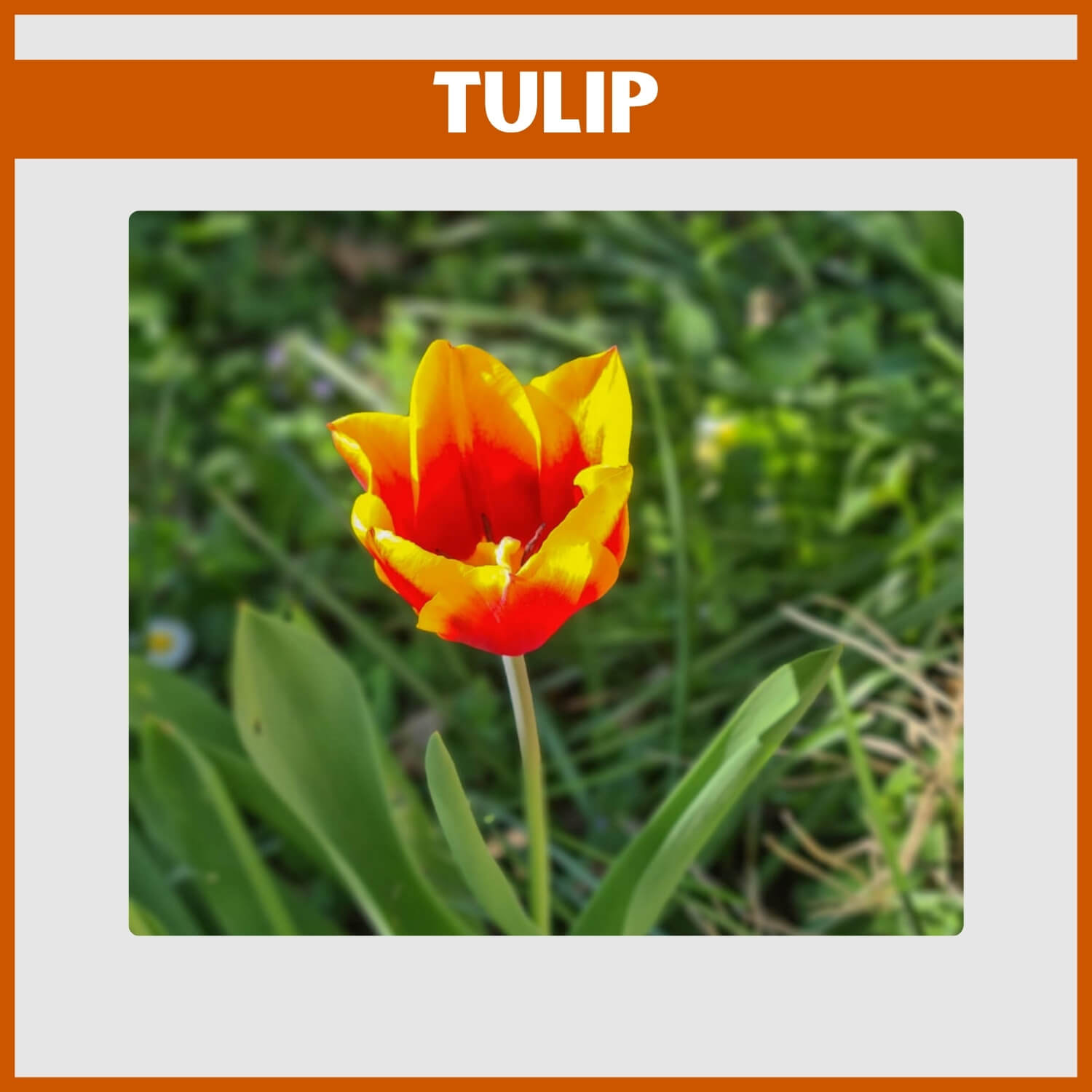
A classic spring bulb, orange tulips signal that winter has finally released its grip. While many hybrid tulips decline after the first year, planting them deep in well-drained soil can encourage them to perennialize. They are unbeatable for spring container displays.
- USDA Hardiness Zones: 3-8
- Soil Type: Well-drained, sandy loam
- Water Needs: Moderate during growth; drier during dormancy
- Sun Requirements: Full sun to partial shade
- Bloom Time: Spring (timing varies by variety)
21. Blanket Flower (Gaillardia × grandiflora)
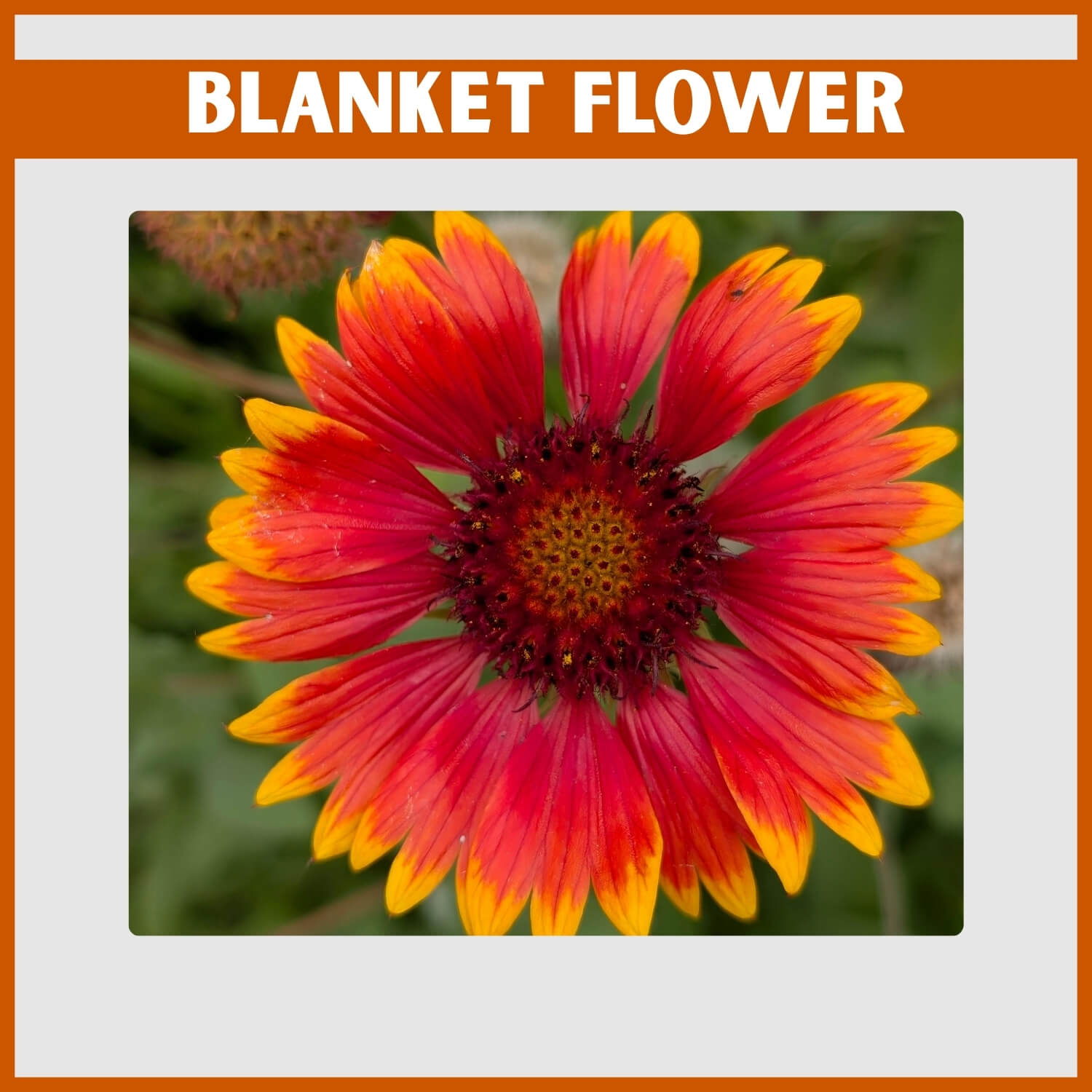
These cheerful, tough perennials are native to North America. The daisy-like blooms typically feature orange and red petals tipped with yellow. They are perfect for xeriscaping and hot, dry spots, continuing to bloom for months with minimal care.
- USDA Hardiness Zones: 3-10
- Soil Type: Well-drained, sandy soil; tolerates poor soil
- Water Needs: Low; highly drought-tolerant
- Sun Requirements: Full sun
- Bloom Time: Summer through fall
22. Hibiscus (Hibiscus rosa-sinensis)
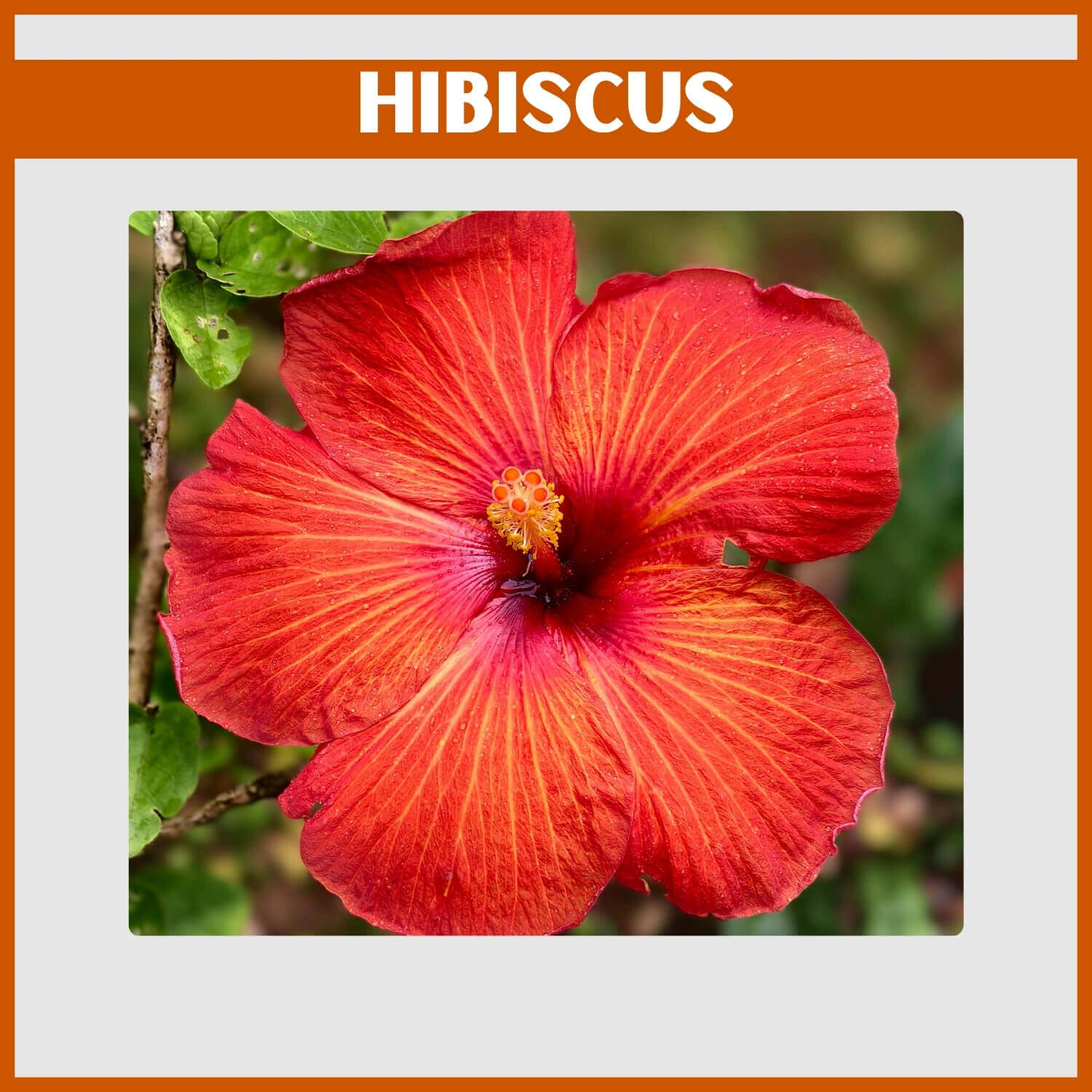
Tropical hibiscus produces enormous, showy flowers. While blooms last just one day, the plant produces them continuously during the growing season. In cooler climates, they make stunning “thriller” plants in containers that can be brought indoors for winter.
- USDA HardinessZones: 9-11 (container plant elsewhere)
- Soil Type: Rich, well-drained soil
- Water Needs: High; consistent moisture is essential
- Sun Requirements: Full sun to partial shade
- Bloom Time: Summer through fall (year-round in tropics)
23. Impatiens (Impatiens walleriana)
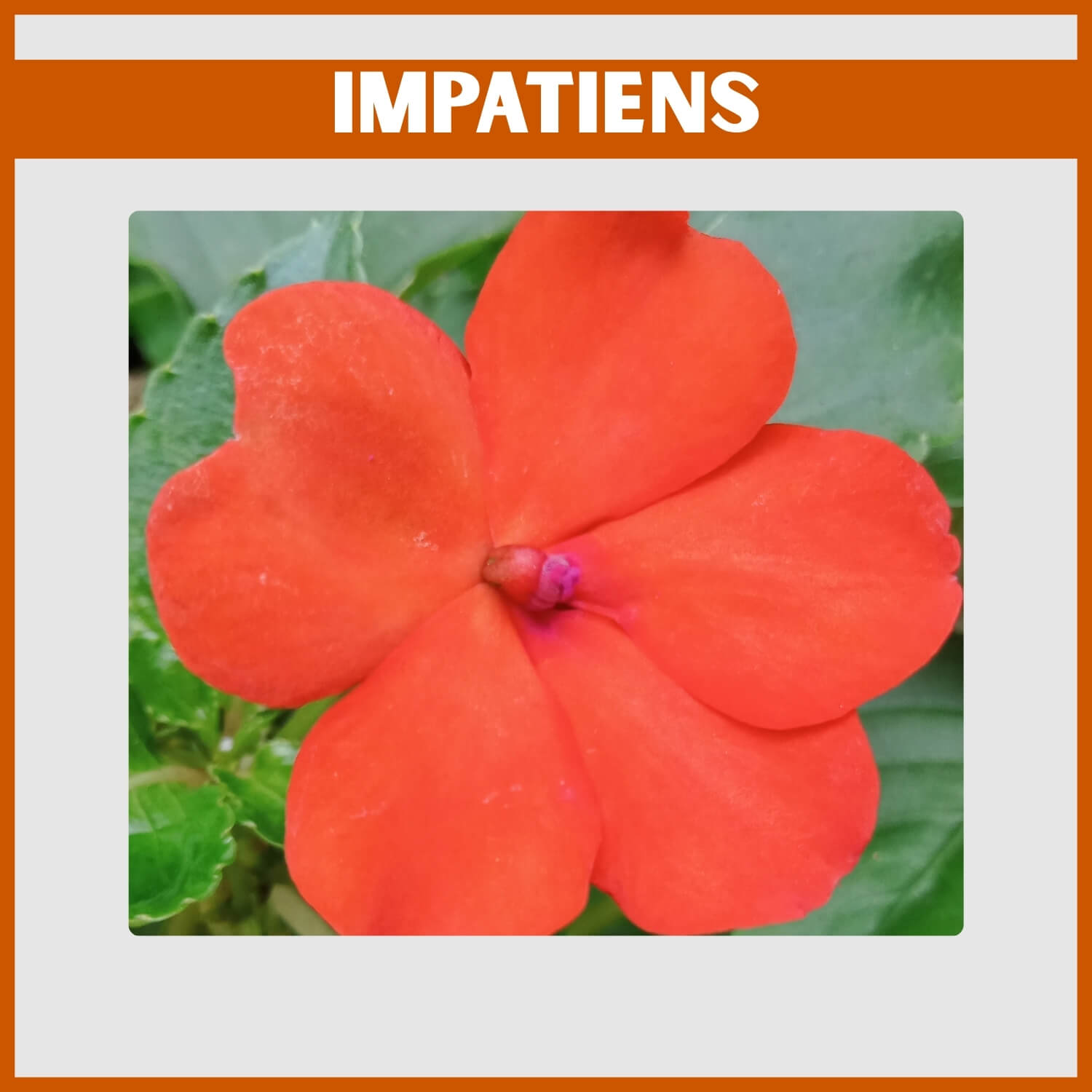
For reliable color in shady spots, classic impatiens are a go-to. These shade-loving annuals bloom nonstop from planting until frost. Orange varieties bring unexpected warmth to woodland gardens, shaded borders, and container arrangements.
- USDA Hardiness Zones: 10-11 (annual elsewhere)
- Soil Type: Rich, moist, well-drained soil
- Water Needs: High; requires consistent moisture
- Sun Requirements: Partial to full shade
- Bloom Time: Late spring through frost
24. Azalea (Rhododendron spp.)
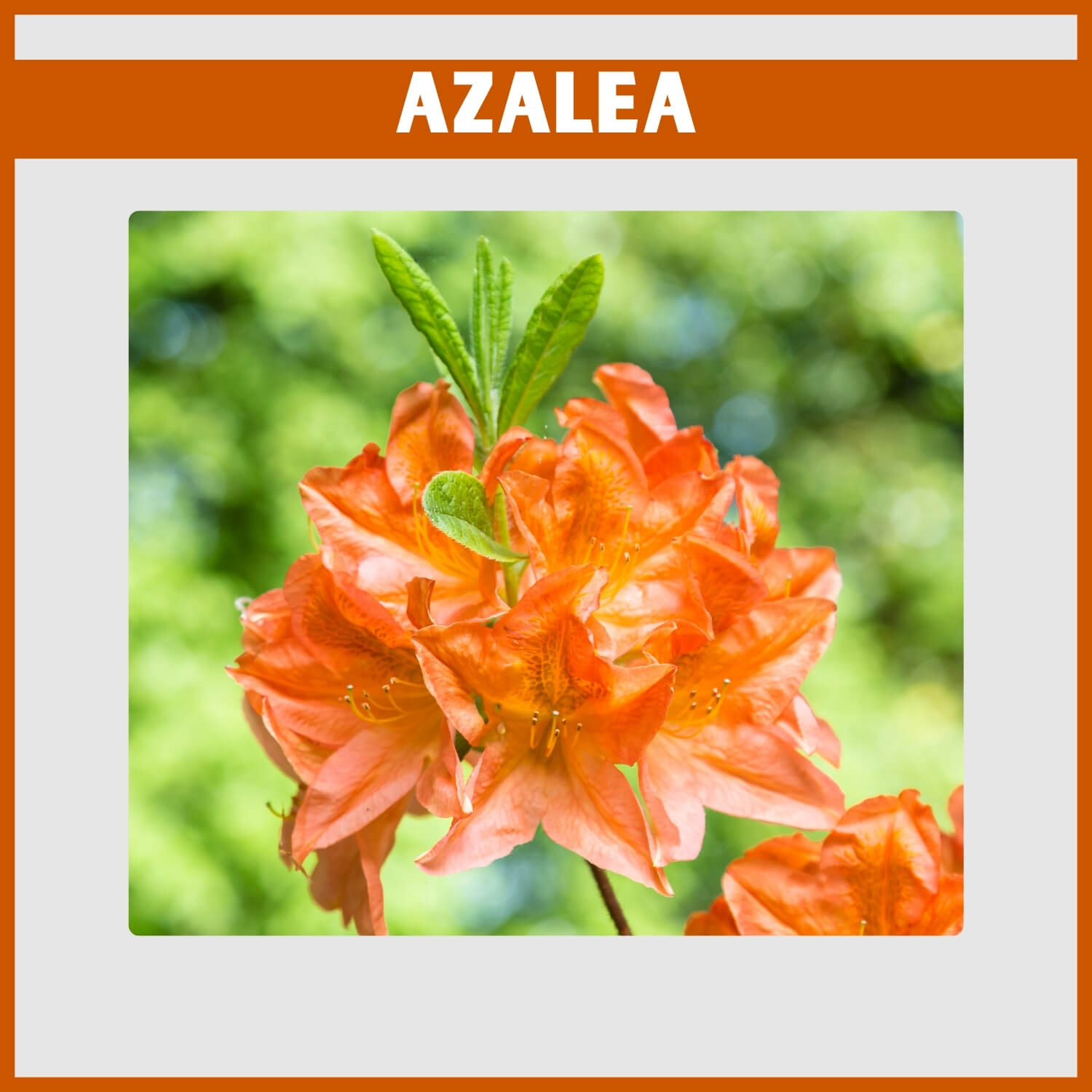
Spring-blooming azaleas create a spectacular show with their masses of flowers. Orange-flowered varieties (often in the deciduous R. calendulaceum family, or “Flame Azalea”) are special additions to acidic woodland gardens and can be quite fragrant.
- USDA Hardiness Zones: 4-9 (varies by variety)
- Soil Type: Acidic, well-drained, organic-rich soil
- Water Needs: Moderate; prefers consistent moisture
- Sun Requirements: Partial shade to filtered sun
- Bloom Time: Spring (some varieties rebloom)
25. Cape Marigold (Dimorphotheca sinuata)
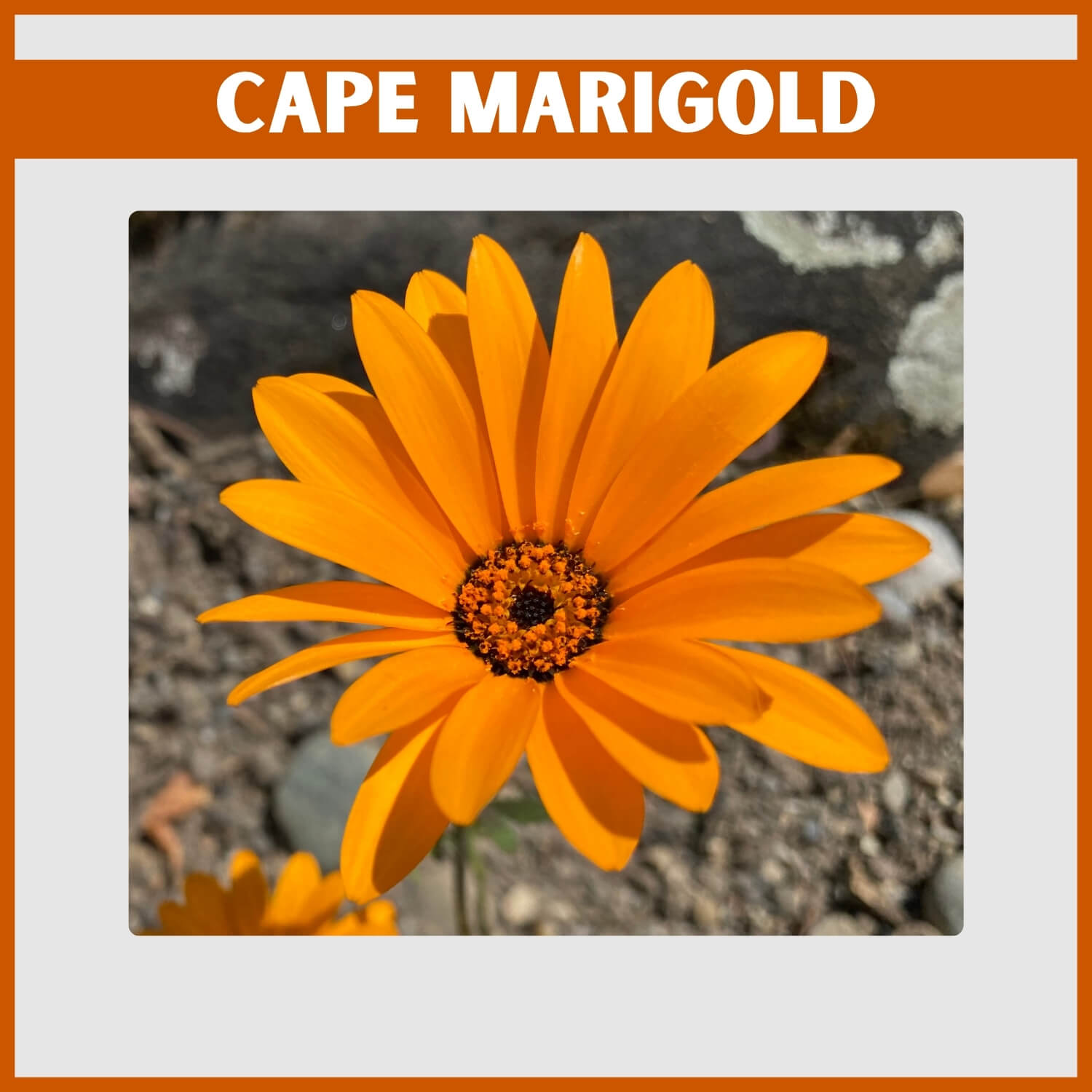
These South African natives, also called African Daisies, produce brilliant daisy-like flowers that open in sunlight and close at night. They are perfect for rock gardens and dry slopes where other flowers struggle, putting on a prolific show in cooler weather.
- USDA Hardiness Zones: 9-11 (annual elsewhere)
- Soil Type: Well-drained, sandy soil
- Water Needs: Low to moderate; drought-tolerant
- Sun Requirements: Full sun
- Bloom Time: Spring through early summer
FAQs
What is the name of an orange flower?
Common orange flowers include marigold, tiger lily, orange tulip, calendula, and orange zinnia, all known for their bright warm-colored petals.
What is the prettiest orange flower?
Many gardeners consider the tiger lily one of the prettiest orange flowers because of its vivid orange petals and dark spotted pattern.
What is the queen of orange flower?
Marigold is often called the queen of orange flowers due to its bright color, long blooming season, and strong presence in gardens and festivals.
Are tulips ever orange?
Yes, many tulip varieties bloom in orange shades, ranging from soft peach-orange to deep fiery orange.
What does an orange flower symbolize?
Orange flowers usually symbolize energy, enthusiasm, warmth, and passion, making them popular in celebrations and joyful occasions.
If you enjoyed learning about orange flowers, you might also like these guides to expand your garden palette: