
The West Virginia State Flower is a beautiful symbol of the state’s breathtaking mountain landscapes and rich natural heritage. The rhododendron is admired for its large clusters of colorful blooms that brighten forests and hillsides each spring. It holds a special place in West Virginia’s history and reflects the beauty that attracts nature lovers from around the world. In this article, you will learn the meaning of the West Virginia State Flower, why the rhododendron was chosen as the official state flower, fascinating facts about its history, and enjoy stunning rhododendron pictures that showcase its remarkable beauty.
The Rhododendron earned its place as the State Flower of West Virginia for good reason. Its vibrant blooms, hardy nature, and deep roots in the Appalachian forests made it a natural favorite when it was officially adopted in 1903. For generations, people across the state have admired it as a symbol of strength, renewal, and natural beauty. Once you discover the story behind this remarkable flower, you’ll never see it in quite the same way again.
What Is the State Flower of West Virginia?
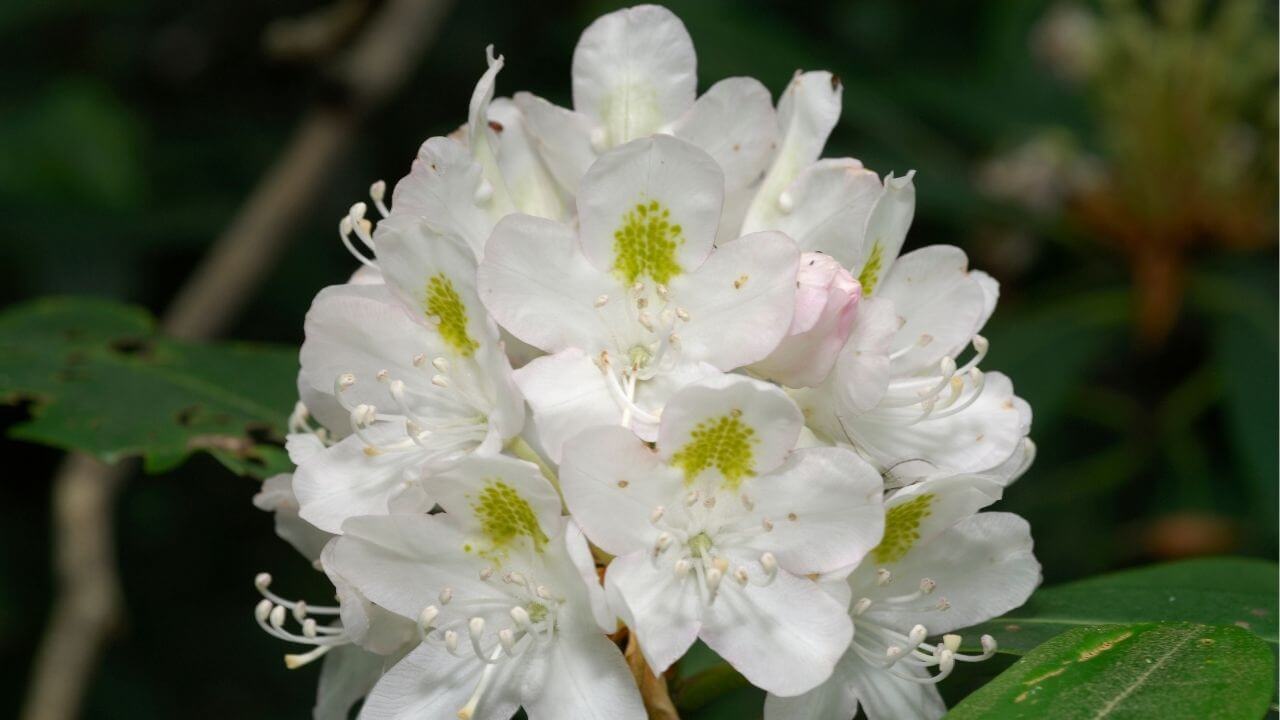
The West Virginia State Flower is the Great Laurel Rhododendron, known scientifically as Rhododendron maximum. It’s a broadleaf evergreen that thrives under the dense canopies of West Virginia’s forested mountains. The plant has thick, glossy leaves and produces soft pink to bright-white blooms from late May to early July. Residents chose it more than a century ago because it was one of the few native plants that stayed beautiful in every season.
Botanists from the state’s early conservation societies noted how widely the Rhododendron grew across valleys, trails, and riverbanks. It became a natural emblem for West Virginia’s rugged but inviting landscape.
West Virginia State Flower Meaning
The meaning of the West Virginia State Flower centers on resilience, beauty, and the strength of mountain communities. People often associate the Rhododendron with renewal because it stays green all year and blooms even in cooler mountain climates. For many locals, it symbolizes pride in the state’s Appalachian heritage and natural landscapes.
A Closer Look at Rhododendron: Appearance, Colors & Pictures
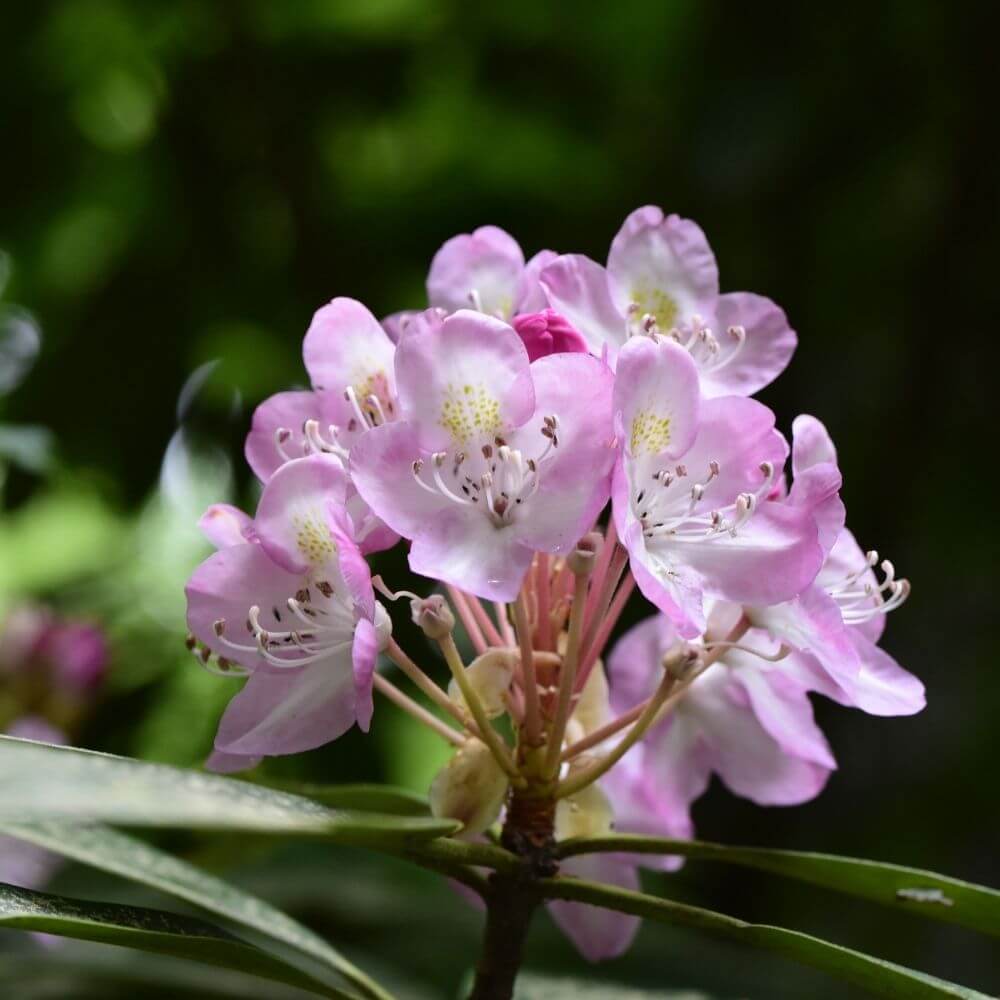
You’ll usually spot Rhododendrons forming clusters of flowers at the end of each stem. They’re thick, rounded, and sometimes look like soft domes of color.
Here are a few descriptions that match what you’ll see outdoors or in photos:
- Soft Pink Clusters: These are the most photographed. They have a gentle blush shade with tiny red freckles on the petals.
- High-Elevation White Blooms: In the Allegheny highlands, some shrubs bloom in clean white with just a hint of green at the center.
- Deep Forest Magenta: Some older shrubs growing in richer soil produce darker pink petals that stand out sharply in wooded areas.
- Cream-and-Green Buds: Before opening, many buds have a cream tone that blends with the plant’s evergreen leaves.
When all these shades appear on one hillside, the plant looks more like a natural art installation than a wild shrub.
Why West Virginians Connected With This Flower
The flower represents a long-standing relationship between the people and their land. In the early 1900s, West Virginia botany clubs actively campaigned for a native flower to represent the state. Rhododendron stood out because it was both visually striking and deeply rooted in the mountain ecosystem.
Historical notes from the West Virginia Geological and Economic Survey describe how early settlers admired the plant for its evergreen nature, seeing it as a sign of stability during rough winters. There’s also a collection of preserved herbarium sheets from the West Virginia University Herbarium highlighting its prevalence. You can look through some of their digitized archives here: Learn More
For many families, especially in rural areas, the flower was simply a familiar companion on hikes, stream banks, and forest trails long before it ever became an official state symbol.
Scientific & Ecological Importance of the Rhododendron
Rhododendron shrubs play a surprisingly large ecological role. Their dense growth offers shelter for small birds during winter, especially the Carolina wren and the dark-eyed junco. Thick root systems also stabilize soil on slopes, an important feature in a state with steep mountain terrain.
The U.S. Forest Service’s Fire Effects Information System provides a detailed, authoritative profile of Rhododendron maximum based on research from 2006–2008. Describing its habitat, distribution, and ecological role across Appalachian forests. This foundational data helps us understand the plant’s importance in forest communities and how it shapes the understory in West Virginia and surrounding states. You can explore the full profile here: Learn More
Compared to other shrubs in the Appalachian region. Like mountain laurel or serviceberry. Rhododendrons tend to dominate wetter, shaded slopes and create what scientists call “rhododendron thickets,” a unique habitat type that supports specific fungi, mosses, and insects.
How to Grow Rhododendron Successfully at Home
Gardeners across the U.S. enjoy growing Rhododendrons, but the plant does have preferences. You’ll have the best results if you treat it like a mountain native.
Here’s what usually works:
- Shaded Light: It prefers dappled shade or morning sun with afternoon shade.
- Acidic Soil: A pH between 4.5 and 6.0 is ideal. Many gardeners blend pine needles or peat moss into the soil.
- Moist but Not Soggy Soil: Water regularly, especially during the first growing season, but make sure the area drains well.
- Mulch Helps: A few inches of leaf mulch keeps roots cool and moist.
These small adjustments matter more than people expect.
The “Memory Garden” Use Case
One thing people hardly talk about is how well Rhododendrons work in symbolic or emotional gardens. Landscape artists sometimes use them in “memory gardens,” small spaces created to honor family members or mark major life moments.
The reason the plant works so well is its evergreen nature. The leaves stay lush through every season, giving the space a feeling of continuity. When it blooms, it feels like a brief celebration. I’ve seen families use a single Rhododendron shrub as the centerpiece of a quiet corner in their yard. It’s subtle but powerful. Far from the typical way most articles describe this plant.
Common Rhododendron Mistakes New Gardeners Make
Most issues come from treating Rhododendrons like sun-loving flowers, which they’re not.
Here are common mistakes and how to fix them:
- Too Much Sun: Leaves turn yellow or curl. Move the plant to partial shade.
- Clay Soil: Roots suffocate. Mix in organic matter or plant in raised beds.
- Overfertilizing: Rhododendrons don’t need rich, heavy fertilizer. Light feeding once a year is enough.
- Improper Watering: They dislike soggy roots. Water deeply but let the topsoil dry slightly before watering again.
West Virginia State Flower in Local Culture Today
You’ll see Rhododendrons in many scenic places across the state, especially in natural parks. It’s common to see them blooming at:
- Blackwater Falls State Park
- Kanawha State Forest
- New River Gorge trails
Local artists often include the flower in watercolor prints, carved signs, and tourism materials. The West Virginia Tourism Office even highlights peak blooming season on their site each year: Learn More
Some high schools include Rhododendron imagery on their emblems or banners, especially in Appalachian heritage programs.
FAQs About the State Flower of West Virginia
What is the state flower of West Virginia?
The state flower of West Virginia is the Rhododendron, specifically the Great Laurel Rhododendron (Rhododendron maximum). It was adopted in 1903 and is well-loved for its evergreen leaves and beautiful pink to white blooms. This flower represents the strength and natural beauty of the Appalachian Mountains.
Is Rhododendron toxic?
Yes, Rhododendrons contain compounds called grayanotoxins, which can be harmful if eaten. Pets like dogs and cats, as well as livestock, should avoid chewing on the leaves or flowers. While beautiful, it’s important to keep animals safe around these plants.
When does Rhododendron bloom in West Virginia?
Rhododendrons usually bloom from late May through early July. The exact timing depends on where the plant grows. Higher elevations tend to have later blooms. During this period, you’ll see clusters of colorful flowers brightening mountain landscapes.
How long do the Rhododendron flowers last?
Each flower cluster typically lasts between two to three weeks in favorable weather conditions. Cooler temperatures and adequate moisture help prolong the blooming period, allowing you to enjoy their beauty for a good part of early summer.
Does Rhododendron grow in all U.S. states?
No, Rhododendrons prefer cooler, moist, forested areas mostly in the eastern U.S. They thrive in places like West Virginia, the Appalachian region, and parts of the Northeast. Hot or dry climates usually don’t support healthy growth for this plant.
Is Rhododendron hard to care for?
Rhododendrons are fairly easy to care for when you meet their basic needs. They prefer partial shade, acidic soil, and consistent moisture without waterlogging. With the right conditions, they can thrive and bloom beautifully in many home gardens.
Summary & What You Can Explore Next
Rhododendron earned its place as the West Virginia State Flower because it truly reflects the state’s spirit. It’s resilient, quietly beautiful, and deeply rooted in its mountain environment. Whether you’re a student learning about state symbols or a gardener planning your next plant, this flower has a story worth remembering. If you enjoy exploring local flora, you might also like learning about other state flowers, national flower of USA, and gardening guides: