
The National Flower of Lebanon is a beautiful symbol of the country’s natural beauty, rich heritage, and resilient spirit. Known for its delicate petals and unique shape, the Cyclamen has been admired for generations and continues to hold cultural and environmental importance. In this article, you’ll learn the true story behind the National Flower of Lebanon, learn seven fascinating Cyclamen facts that many people overlook, and explore its meaning, habitat, blooming season, and role in Lebanese culture. Whether you’re a flower lover, student, or curious reader, this guide will give you clear and interesting insights in easy-to-understand English.
What Is the National Flower of Lebanon?
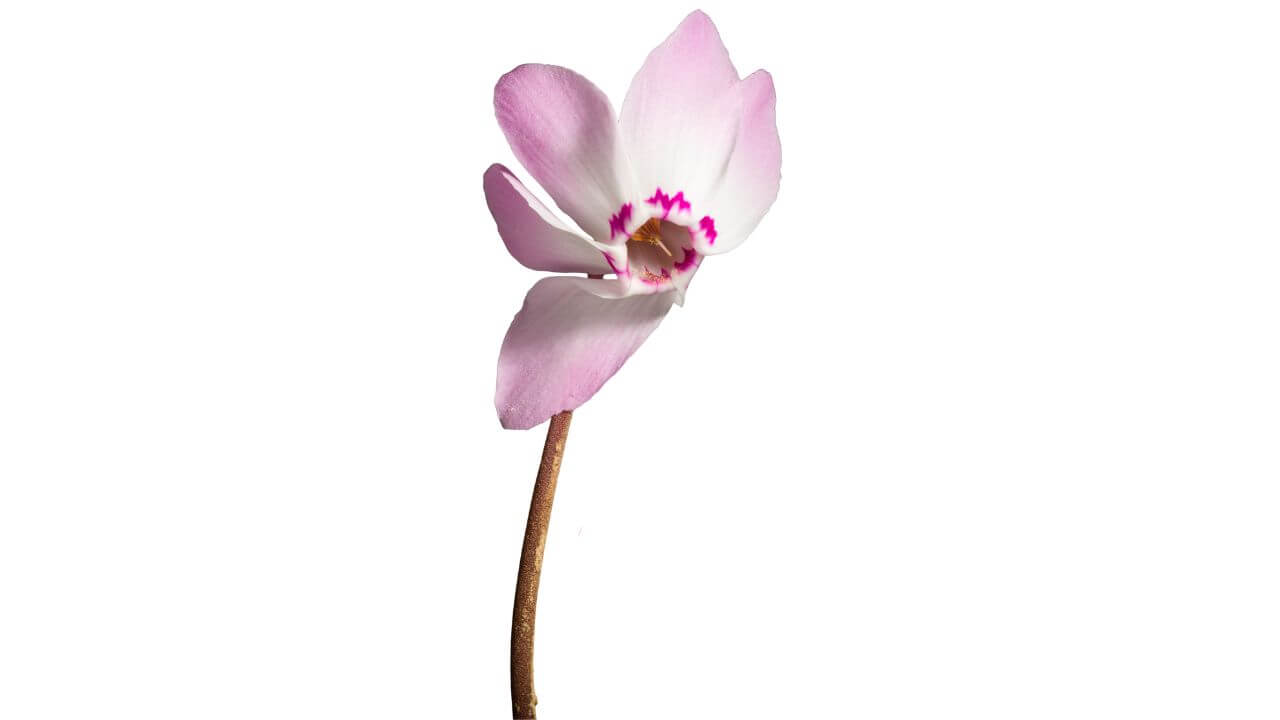
The national flower is the Lebanon cyclamen, or Cyclamen libanoticum in scientific terms. It is a wild flower that grows mainly in the mountains of Lebanon, especially near Beirut and in the Jabal Moussa nature reserve. The plant has heart-shaped leaves and blooms in winter and early spring. Locally, people call it dweik el-jabal (دويك الجبل).
Featured Image Credit:
Lebanon cyclamen (*Cyclamen libanoticum*) by Sunoochi, licensed under CC BY 2.0, via Wikimedia Commons.
Image source: https://commons.wikimedia.org/wiki/File:Cyclamen_libanoticum_-1_Hildebr.,_Bot._Jahrb._Syst._25(3)_477_(1898).jpg
Modifications: Background removed
7 Facts About National Flower of Lebanon
1. It Grows Only in Lebanon
This flower only grows naturally in Lebanon. You won’t find it growing wild anywhere else in the world. It mostly lives on limestone hills and in shaded forests at heights between 600 and 950 meters. This makes the flower very special because it is unique to Lebanon.
2. It Has Been Known for More Than 100 Years
Scientists first wrote about this flower back in 1898. Since then, experts have studied it carefully to understand exactly what kind of plant it is and where it fits in the plant family. This long history shows how important it is to Lebanon’s nature.
3. It Changes Color As It Blooms
Unlike many flowers that stay the same color, the Lebanon cyclamen starts with white petals. As it grows, the petals slowly turn soft pink. The petals also have darker red marks near the base. This color change helps attract different insects to pollinate the flower. Learn More
Gardeners often find this trait fascinating because it gives the plant a subtly changing palette across its blooming season.
4. It Stands for Strength and Hope
The cyclamen blooms even in cold weather and after frost. Because of this, many people in Lebanon see it as a symbol of strength, hope, and never giving up. It reminds them of the Lebanese people’s ability to stay strong through hard times.
5. It Loves Mediterranean Weather
This flower grows best in Mediterranean climates. That means it blooms in cool, wet months and rests during hot, dry summers. This way of growing helps the plant survive the tough summers and come back year after year.
Such seasonal adaptability is one reason gardeners worldwide admire cyclamen species, even in cultivated varieties.
6. It Needs Protection
Since the flower grows only in certain places, it can be easily harmed by changes to its environment. Scientists say plants that grow in small areas like this need special care to keep them safe from things like construction or climate changes.
Protecting this flower means protecting Lebanon’s broader mountain ecosystems.
7. It’s Part of Lebanon’s Rich Plant Life
Lebanon has thousands of different plants, many of which only grow there. The Lebanon cyclamen is one of these unique plants. It helps make Lebanon’s natural world rich and diverse. Understanding the cyclamen in this context makes it more than a national emblem. It’s part of Lebanon’s ecological identity.
What Does the National Flower of Lebanon Mean?
The Lebanon cyclamen stands for endurance, beauty, and the special natural world of Lebanon. It grows only in Lebanon’s mountains and shows both how rare and meaningful this flower is. It also symbolizes how people in Lebanon keep going, no matter what challenges they face.
Lebanon Cyclamen and Other National Symbols
Lebanon is famous for symbols like the cedar tree on its flag and its beautiful mountains. The cyclamen adds to this by showing the softer, quieter side of the country’s nature. While the cedar is tall and strong, the cyclamen stays close to the ground, blooming quietly in hidden places. Together, these symbols tell a full story of Lebanon’s identity. Learn More
This contrast enriches Lebanon’s symbolic landscape, balancing grandeur with subtle grace.
Applying Cyclamen Symbolism in Modern Life
- The cyclamen’s cycle resting in tough times and blooming when conditions improve. Can teach us about resilience and nature’s rhythms. It is a great example for biology or history lessons.
- People who love nature visit places like the Jabal Moussa reserve to see this flower. Seeing it in its home shows how important native plants are to culture and tourism.
- Although the exact Lebanon cyclamen is rare in gardens, similar cyclamen plants are easy to grow. They like cool, shaded areas with good drainage. Perfect for gardeners wanting to try something new.
FAQs About National Flower of Lebanon
What do Lebanese flowers symbolize?
Lebanese flowers, like the cyclamen, often symbolize hope, strength, and beauty. They represent the country’s natural richness and the ability to stay strong through challenges. Flowers are also part of many traditions and stories in Lebanon.
What is the official flower of Lebanon?
The official flower of Lebanon is the Lebanon cyclamen (Cyclamen libanoticum). It grows in the country’s mountains and is a symbol of endurance and beauty.
Where does the Lebanon cyclamen grow?
It grows mostly in Lebanon’s mountain regions, especially in protected areas like Jabal Moussa. It likes shady places on rocky hills between 600 and 950 meters high.
When does the Lebanon cyclamen bloom?
The flower blooms during the winter and early spring months. It starts growing after the rains and stays colorful until the warmer, dry summer months.
Why is the Lebanon cyclamen important to protect?
Because it only grows in a small part of Lebanon, it can be hurt by things like building roads or changes in climate. Protecting it helps keep Lebanon’s natural environment healthy.
Winding-Up
When you think of the National Flower of Lebanon, let it be more than a pretty picture. Think of its endemic origins, the shifting hues of its petals, its symbolism of resilience, and its role in Lebanon’s ecological mosaic. This flower quietly carries the story of a land shaped by mountains, history, and the lives of people who see in it something profound.
If this inspired you, consider exploring a botanical reserve in Lebanon, growing a cyclamen variety in your garden, or sharing what you learned with someone who loves plants and culture. Below Explore more of my flowers related guides: