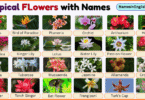

Bright, colorful, and full of life, Tropical Flower Names include some of the most beautiful blooms found around the world. These flowers are loved for their bold colors, unique shapes, and ability to bring a tropical feel to gardens, homes, and landscapes. Whether you’re a gardening enthusiast, a flower lover, or simply curious about exotic plants, knowing different tropical flower names can help you choose the perfect blooms for any space. In this article, you’ll learn 40 stunning tropical flower names, along with their pictures, key features, and simple care tips to help you identify and grow these eye-catching plants with confidence.
Why Tropical Flowers Matter to Gardeners
Knowing the about tropical flowers does more than help you brag at garden parties. It’s essential for proper care, plant selection, and problem-solving. When you can identify a flower correctly, you understand its specific watering, soil, and light needs, preventing guesswork and plant stress. This knowledge boosts your confidence as a gardener and helps you create thriving green spaces that reflect your style and expertise. Plus, knowing tropical flower names opens doors to deeper cultural and botanical appreciation.
What Are Tropical Flowers?
Tropical flowers are plants native to warm, humid climates typically found near the equator. These blooms thrive in environments with ample rainfall, consistent warmth, and plenty of sunlight. They often have vibrant colors and unusual shapes to attract pollinators like hummingbirds and butterflies. Despite their tropical origin, many of these flowers adapt surprisingly well to non-tropical settings if given appropriate care, such as humidity adjustments, shelter from frost, or container growing indoors. Their ability to brighten any space has made them favorites worldwide.
Tropical Flower Names (Quick List)
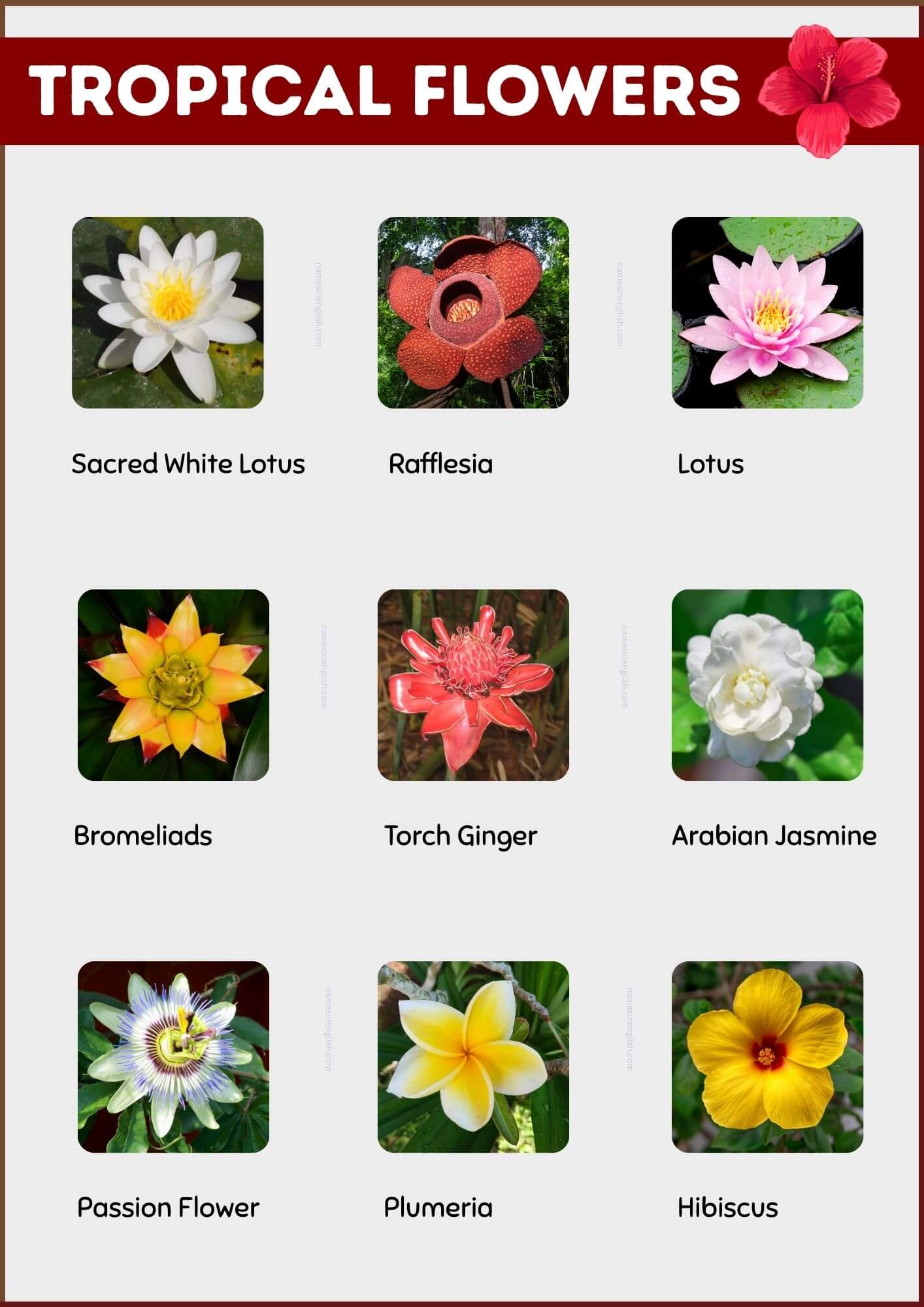
Here’s a quick rundown of the 40 tropical flowers we’ll explore:
- Hibiscus
- Plumeria
- Bougainvillea
- Bird of Paradise
- Lantana
- Mandevilla
- Canna Lily
- Peace Lily
- Elephant Ear
- Arabian Jasmine
- Heliconia
- Passion Flower
- Torch Ginger
- Bat Flower
- Blue Jade Vine
- White Bird-of-Paradise
- Champaca
- Firecracker Vine
- Red Torch Bromeliad
- Queen of the Night
- Anthurium
- Spathiphyllum Domino
- Ti Plant
- Croton
- Caladium
- Bromeliads
- Golden Shrimp Plant
- Snapdragon Vine
- Angel’s Trumpet
- Ixora
- Yellow Trumpet
- Red Ginger
- Lotus
- Orchid (Phalaenopsis)
- Protea
- Ylang-Ylang
- Marigold (Tagetes)
- Rafflesia
- Shaving Brush Tree
- Sacred White Lotus
Beginner-Friendly Tropical Flowers
Tropical flowers aren’t always high-maintenance. Many are surprisingly easy to grow, making them perfect for beginners. They tolerate a range of conditions and reward your efforts with dazzling blooms.
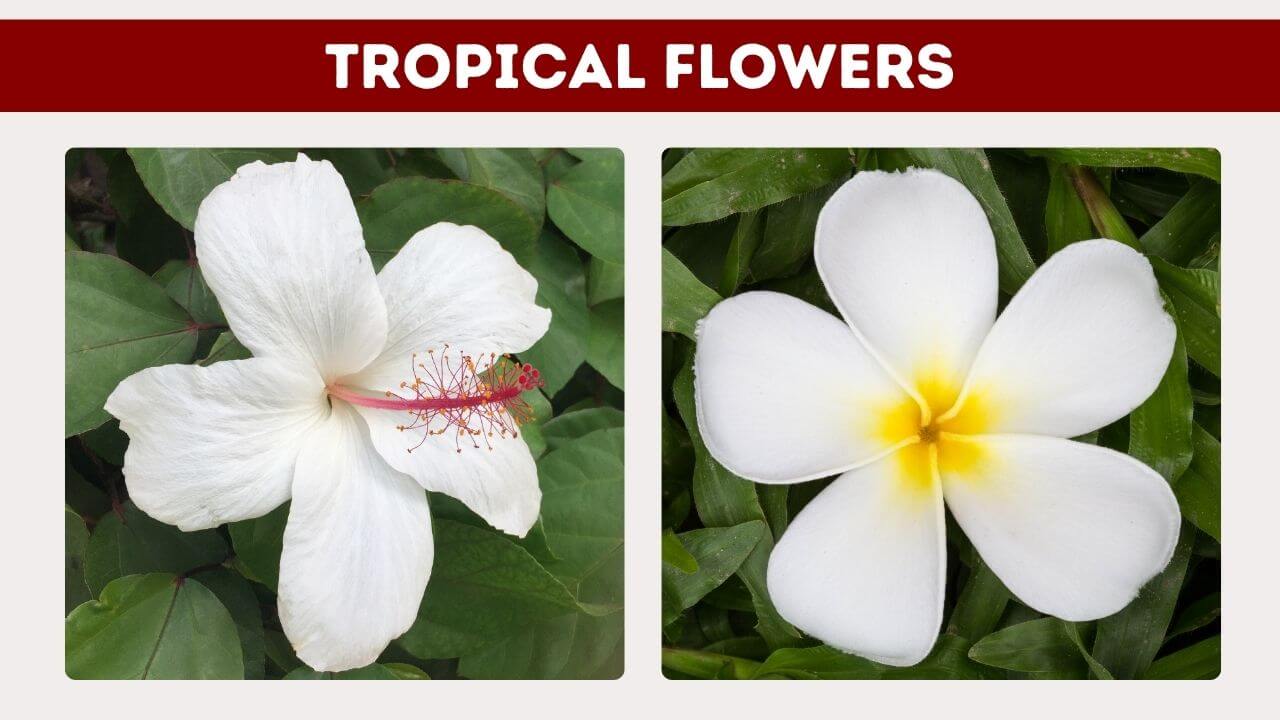
1. Hibiscus (Hibiscus rosa-sinensis)
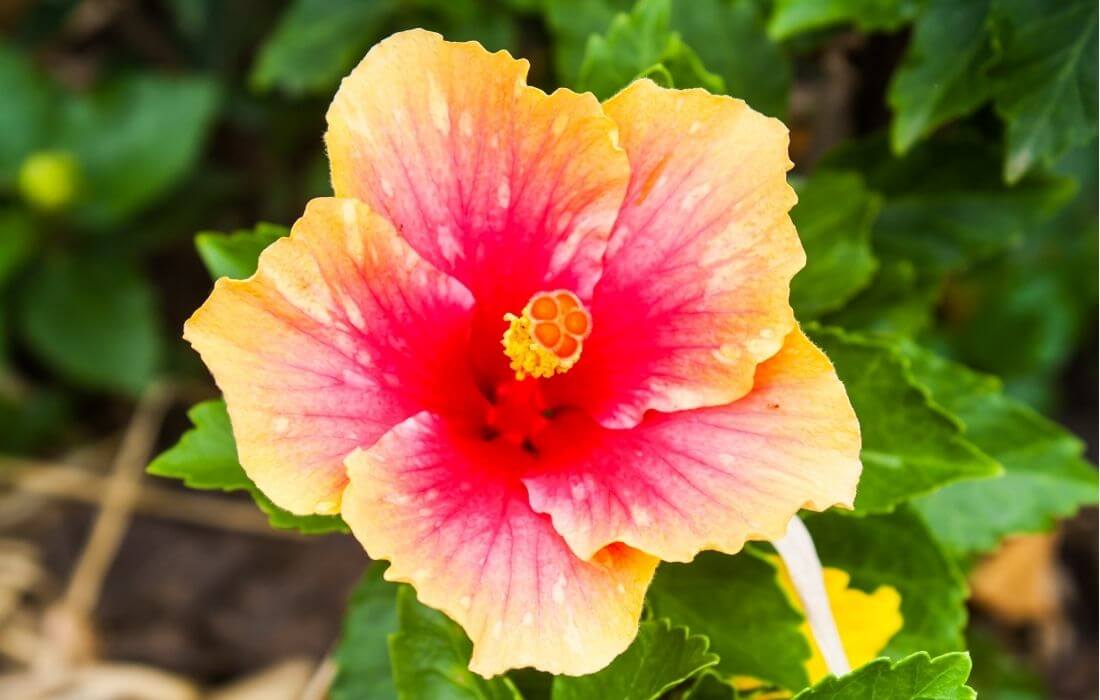
Hibiscus flowers are instantly recognizable with their large, bright petals and trumpet shape. They flourish in warm climates and can even adapt indoors. Their cheerful colors range from red to pink, yellow, and white, perfect for adding tropical vibes.
- USDA Zone: 9–11
- Water Needs: Moderate, keep soil moist
- Soil Type: Well-draining, slightly acidic
- Sun Requirements: Full sun to partial shade
- Bloom Time: Year-round in warm climates
- Flower Color: Red, pink, yellow, white
- Height: 5–15 ft (1.5–4.5 m)
2. Plumeria (Plumeria spp.)
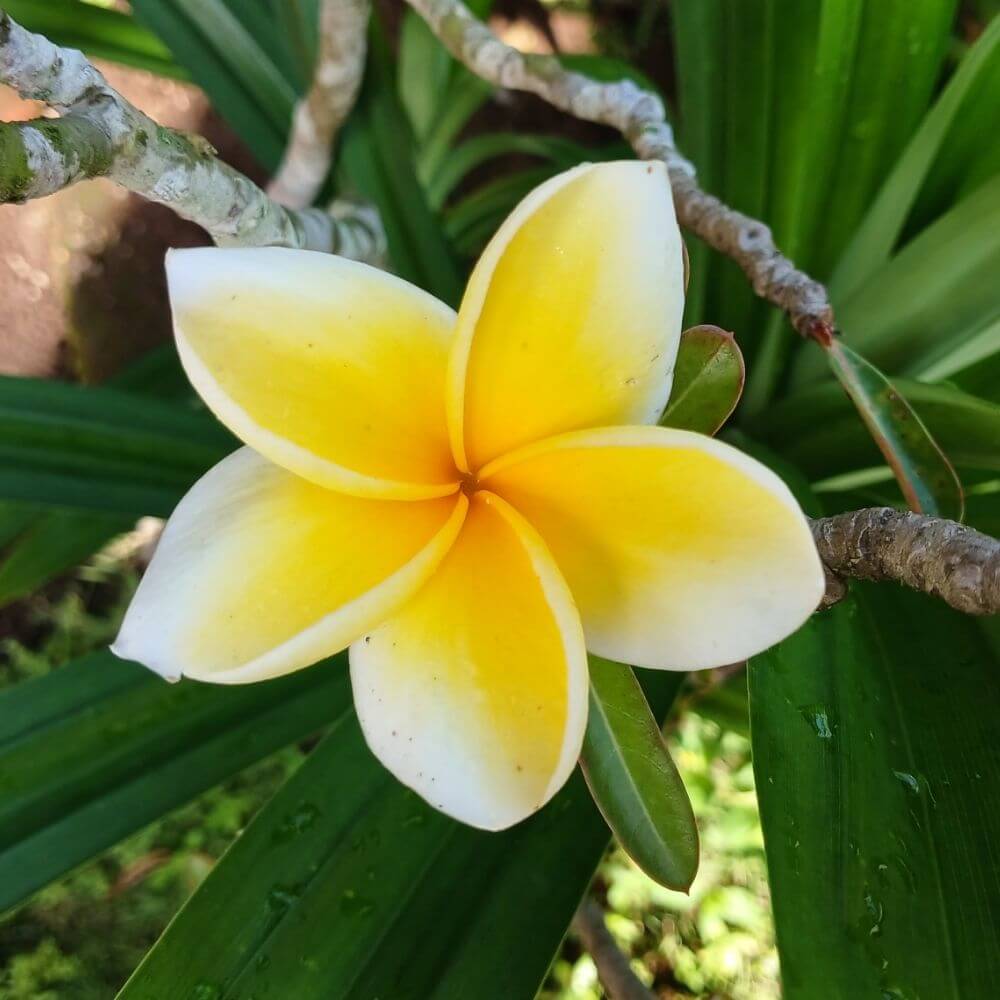
Famous for its fragrance, Plumeria produces delicate, waxy flowers often used in leis. It prefers sunny locations and well-drained soil. Despite its tropical origins, it can tolerate short dry spells.
- USDA Zone: 10–12
- Water Needs: Low to moderate, drought-tolerant
- Soil Type: Sandy, well-drained
- Sun Requirements: Full sun
- Bloom Time: Spring to fall
- Flower Color: White, pink, yellow, red
- Height: 15–25 ft (4.5–7.5 m)
3. Bougainvillea (Bougainvillea glabra)
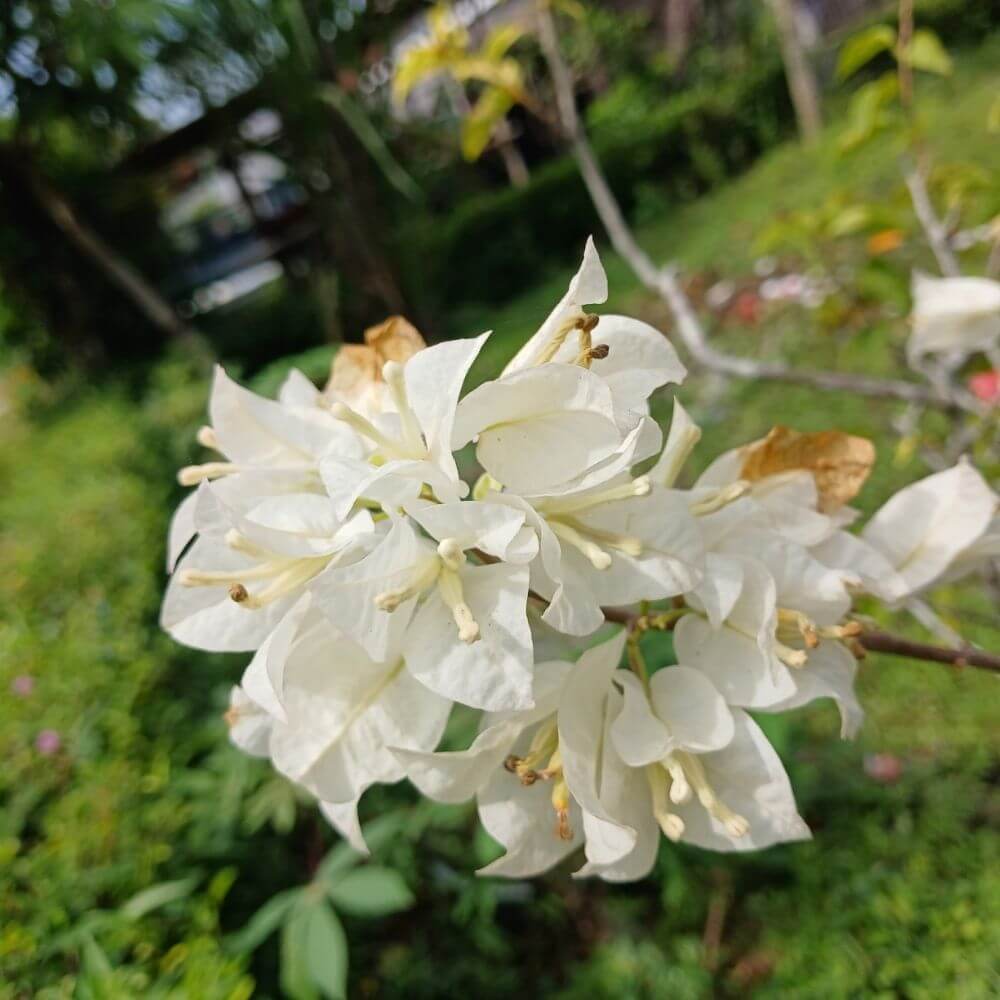
This vine is a favorite for adding splashes of bright magenta, purple, or orange. Bougainvillea is drought-tolerant and loves full sun, making it easy to care for in many regions.
- USDA Zone: 9–11
- Water Needs: Low, drought-resistant
- Soil Type: Well-draining, slightly alkaline
- Sun Requirements: Full sun
- Bloom Time: Spring through fall
- Flower Color: Magenta, purple, orange, white
- Height: 15–40 ft (4.5–12 m)
4. Bird of Paradise (Strelitzia reginae)
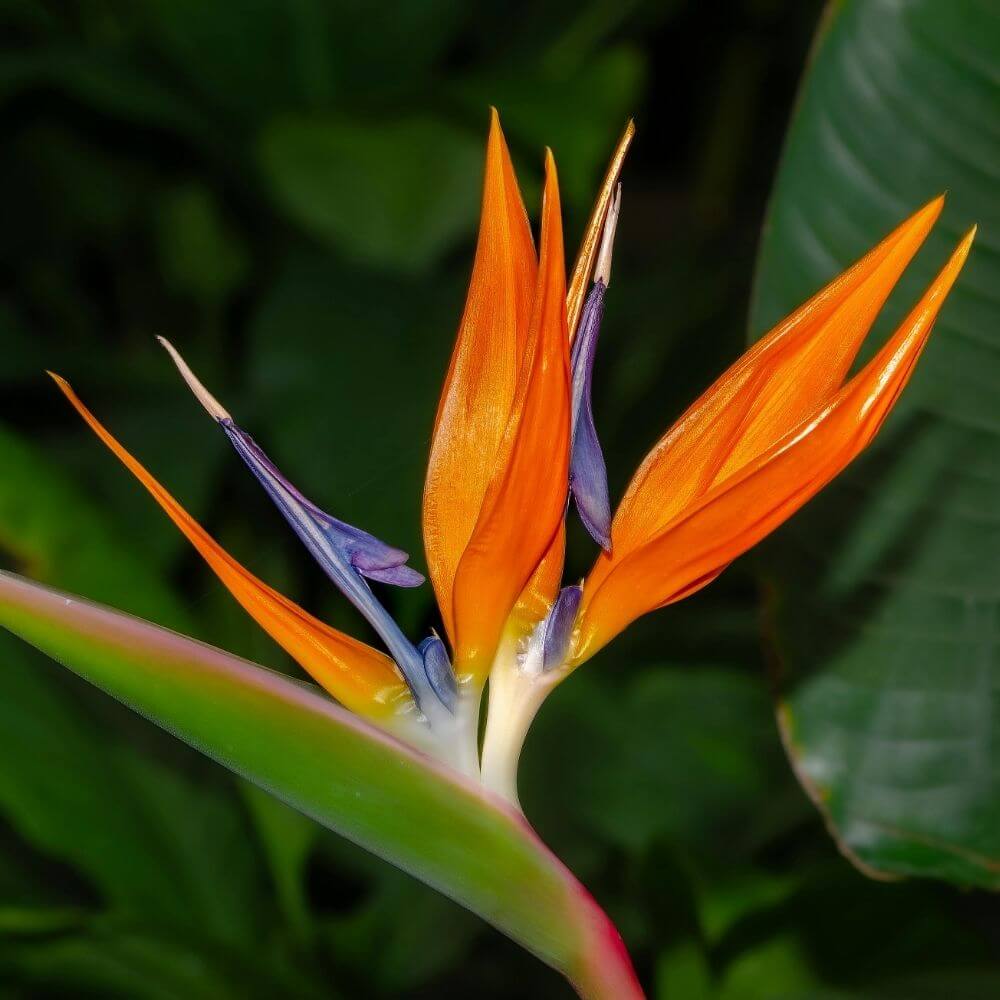
Its flower resembles a colorful bird in flight, adding drama to any garden. Bird of Paradise prefers warm temperatures and indirect light when grown indoors.
- USDA Zone: 10–12
- Water Needs: Moderate, allow soil to dry between waterings
- Soil Type: Rich, well-draining
- Sun Requirements: Full sun to partial shade
- Bloom Time: Year-round in ideal conditions
- Flower Color: Orange, blue
- Height: 3.5–6 ft (1–1.8 m)
5. Lantana (Lantana camara)
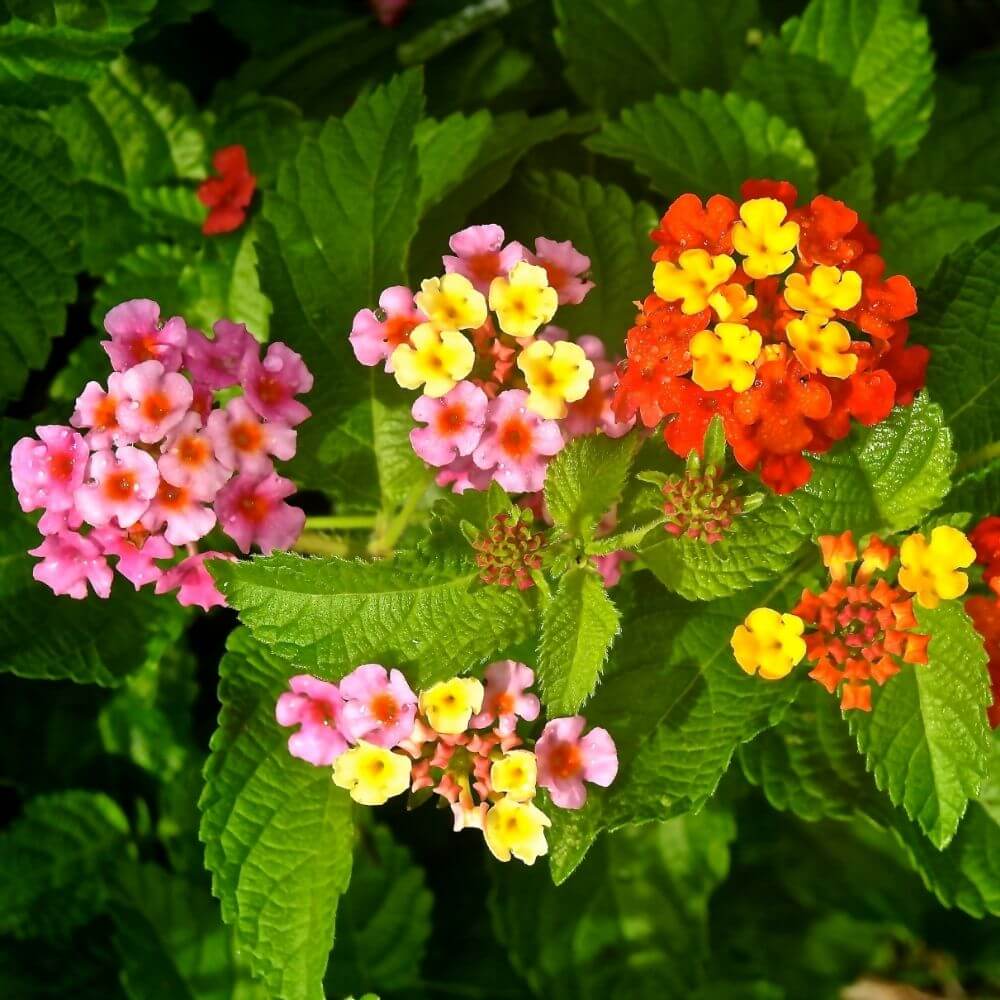
Lantana is a hardy shrub producing clusters of small, multi-colored flowers. It attracts butterflies and thrives in various climates, making it a go-to for easy tropical gardening.
- USDA Zone: 8–11
- Water Needs: Low to moderate
- Soil Type: Well-draining, tolerant of poor soils
- Sun Requirements: Full sun
- Bloom Time: Spring to frost
- Flower Color: Yellow, orange, red, pink
- Height: 2–6 ft (0.6–1.8 m)
6. Mandevilla (Mandevilla spp.)
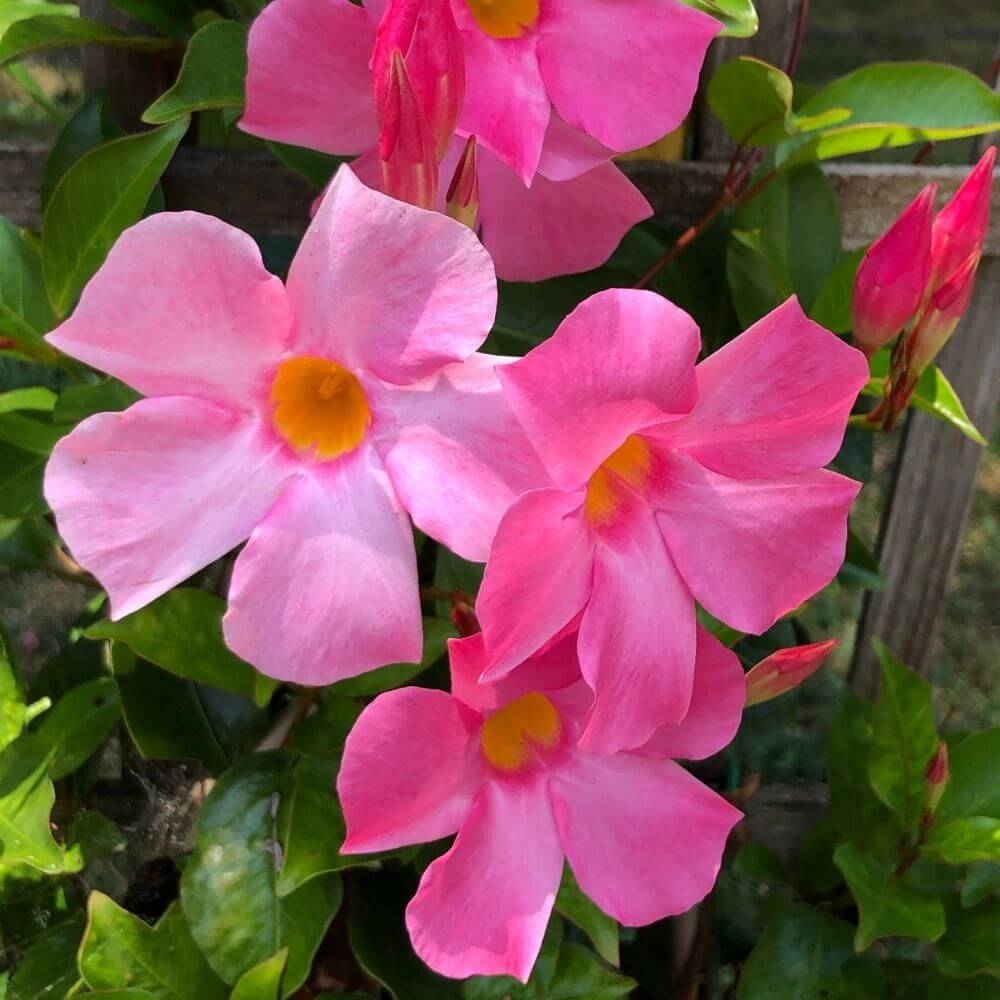
A climbing vine with trumpet-shaped blooms, Mandevilla offers bright pink, red, or white flowers. It grows quickly in warm conditions but needs support for climbing.
- USDA Zone: 9–11
- Water Needs: Moderate, avoid overwatering
- Soil Type: Well-draining, fertile
- Sun Requirements: Full sun to light shade
- Bloom Time: Late spring to fall
- Flower Color: Pink, red, white
- Height: 10–20 ft (3–6 m)
7. Canna Lily (Canna indica)
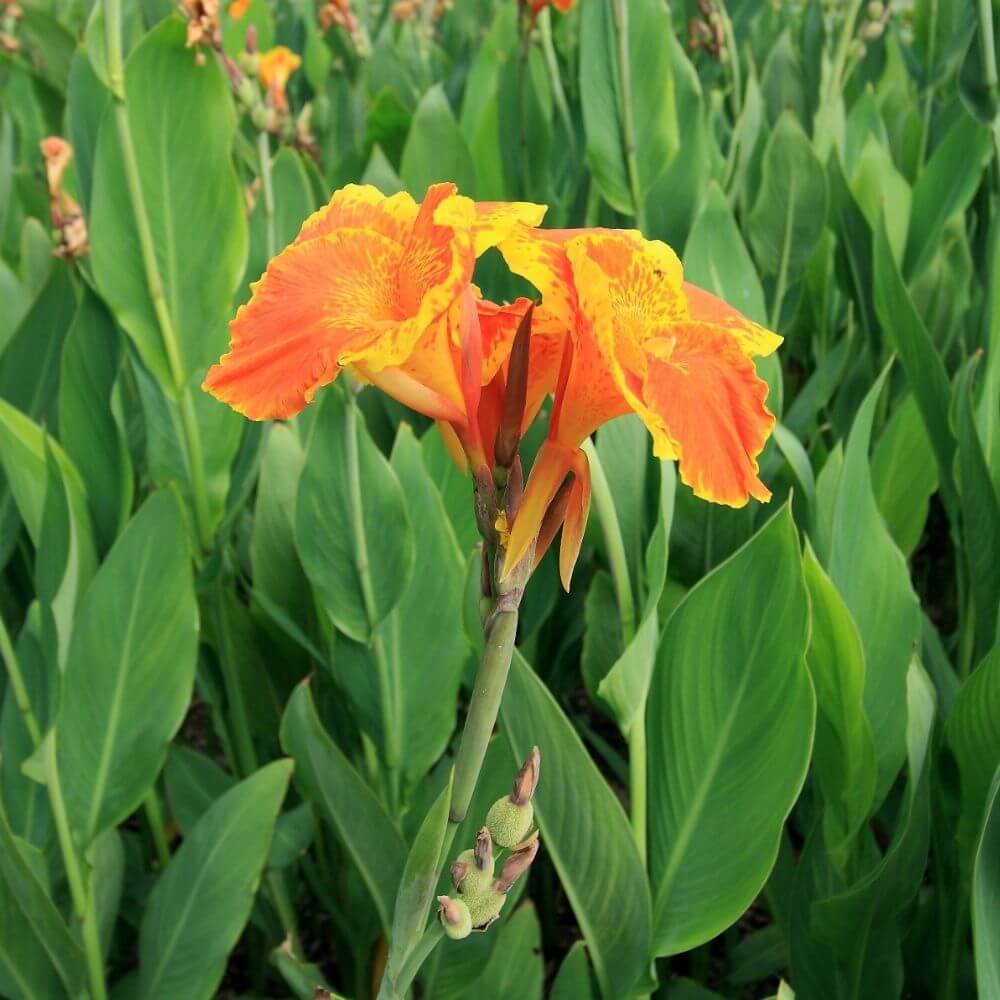
Known for bold foliage and large flowers, Canna Lilies bring a tropical flair to any garden. They thrive in moist soil and full sun.
- USDA Zone: 7–11
- Water Needs: High, likes moist soil
- Soil Type: Rich, well-draining
- Sun Requirements: Full sun
- Bloom Time: Summer to fall
- Flower Color: Red, orange, yellow, pink
- Height: 1.5–8 ft (0.5–2.5 m)
8. Peace Lily (Spathiphyllum spp.)
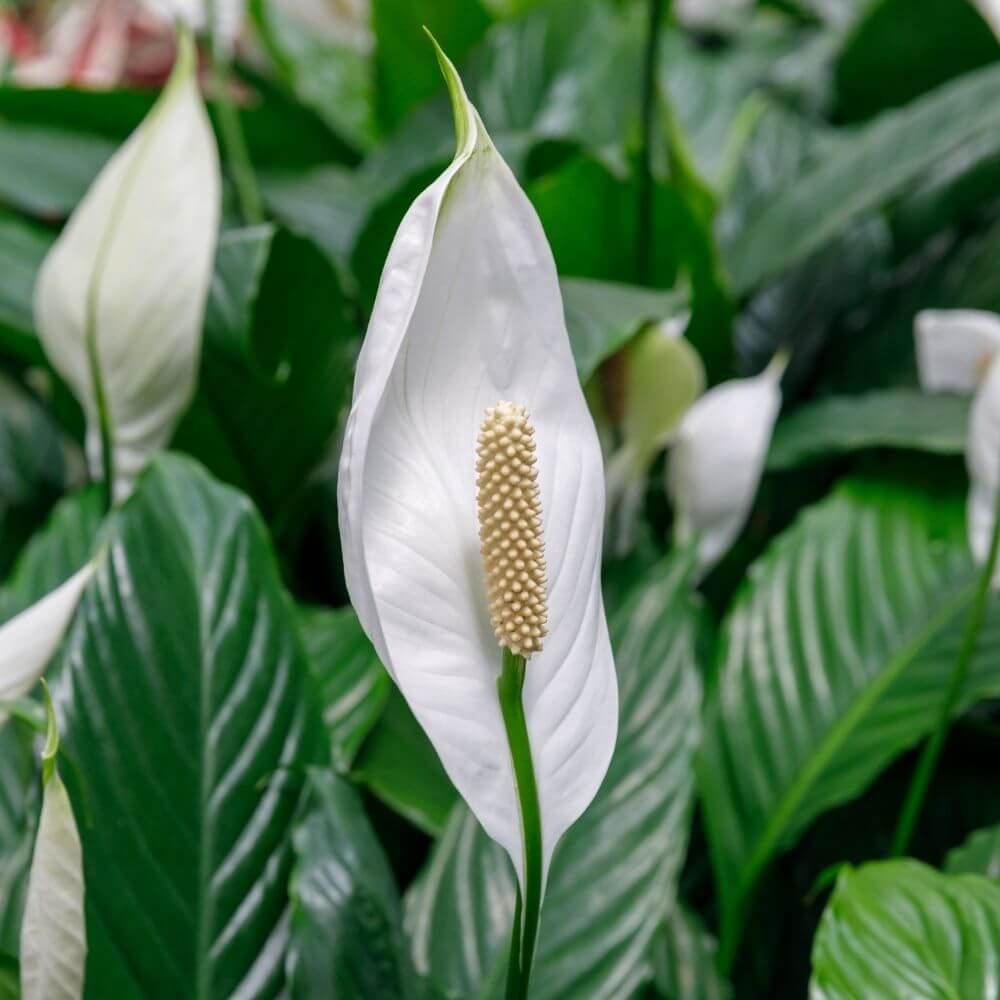
This popular houseplant produces elegant white spathes and is valued for its air-purifying qualities. It tolerates low light and irregular watering.
- USDA Zone: 10–12
- Water Needs: Moderate, keep soil moist but not soggy
- Soil Type: Rich, well-draining
- Sun Requirements: Indirect light to shade
- Bloom Time: Year-round indoors
- Flower Color: White
- Height: 1–4 ft (0.3–1.2 m)
9. Elephant Ear (Alocasia spp.)
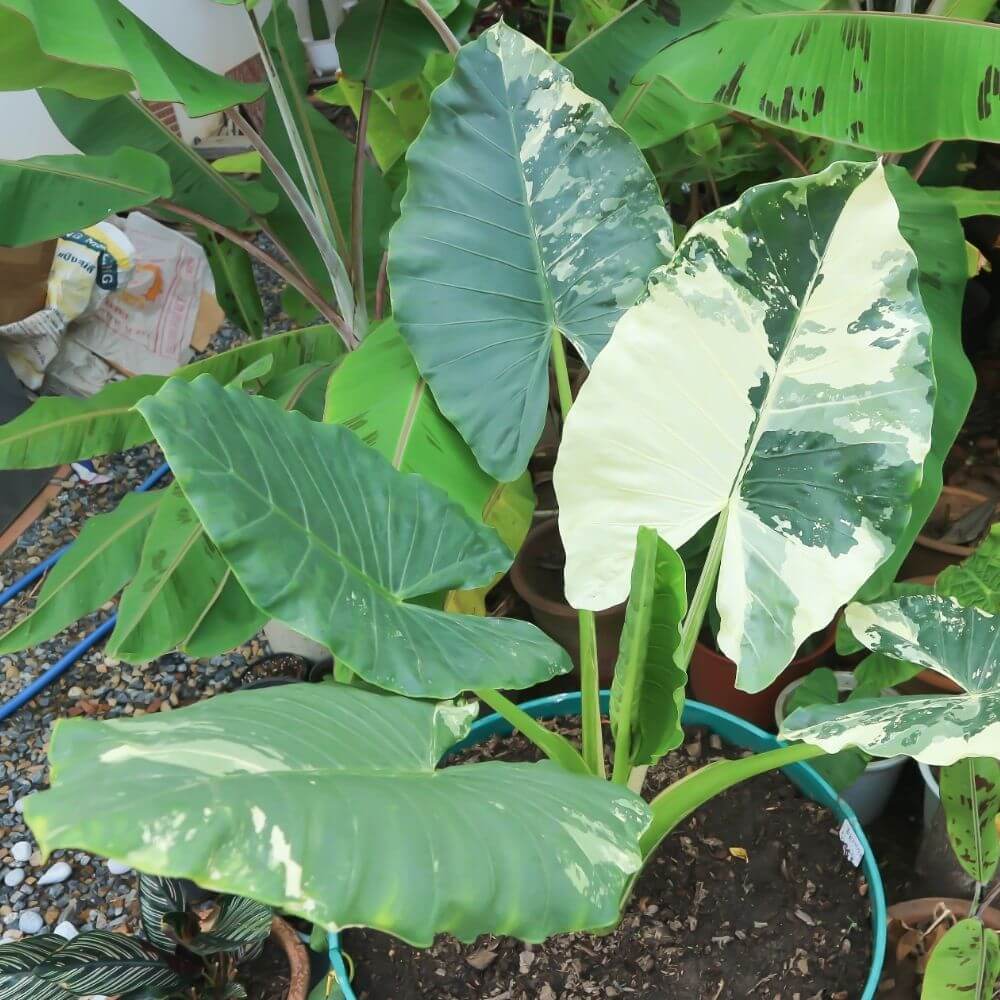
Named for its large, dramatic leaves, Elephant Ear adds lush greenery with minimal flowers. It prefers warm, moist conditions.
- USDA Zone: 8–11
- Water Needs: High, likes consistently moist soil
- Soil Type: Rich, well-draining
- Sun Requirements: Partial shade
- Bloom Time: Summer
- Flower Color: Small, insignificant
- Height: 3–6 ft (0.9–1.8 m)
10. Arabian Jasmine (Jasminum sambac)
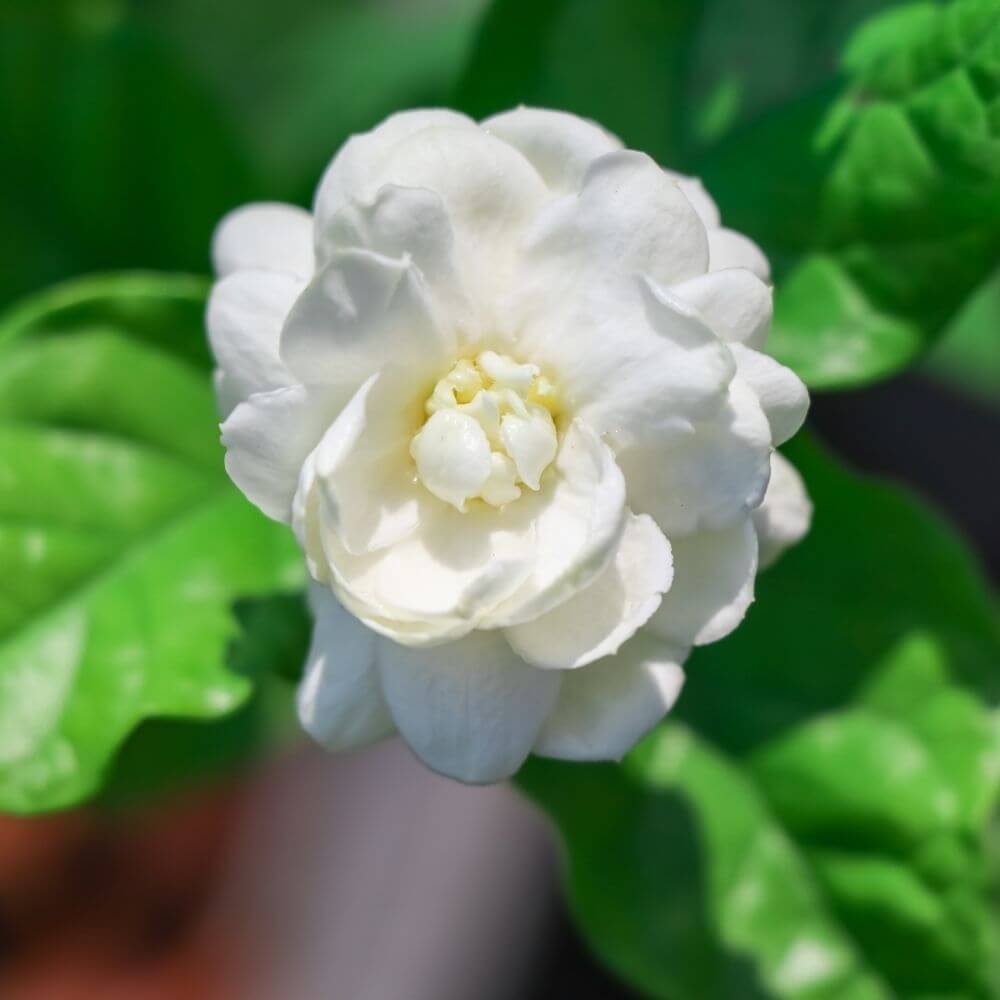
This fragrant shrub produces small white flowers used in perfumes and teas. It thrives in warm climates and well-drained soil.
- USDA Zone: 9–11
- Water Needs: Moderate
- Soil Type: Well-draining
- Sun Requirements: Full sun to partial shade
- Bloom Time: Year-round in tropical areas
- Flower Color: White
- Height: 3–6 ft (0.9–1.8 m)
Quick Start Guide for Beginners
Tropical plants typically need soil that drains well but retains some moisture, such as a loamy mix with organic matter. Water consistently but avoid soggy conditions. Most tropical flowers prefer bright, indirect light or full sun, depending on the species. If growing indoors, mimic humidity by misting or placing plants near water sources. With these basics, even beginners can enjoy tropical gardening success.
Exotic Tropical Flowers
Exotic tropical flowers are known for their dramatic looks and unusual forms. Their rarity often stems from specialized growing conditions or limited native ranges, making them prized among collectors.
11. Heliconia (Heliconia spp.)
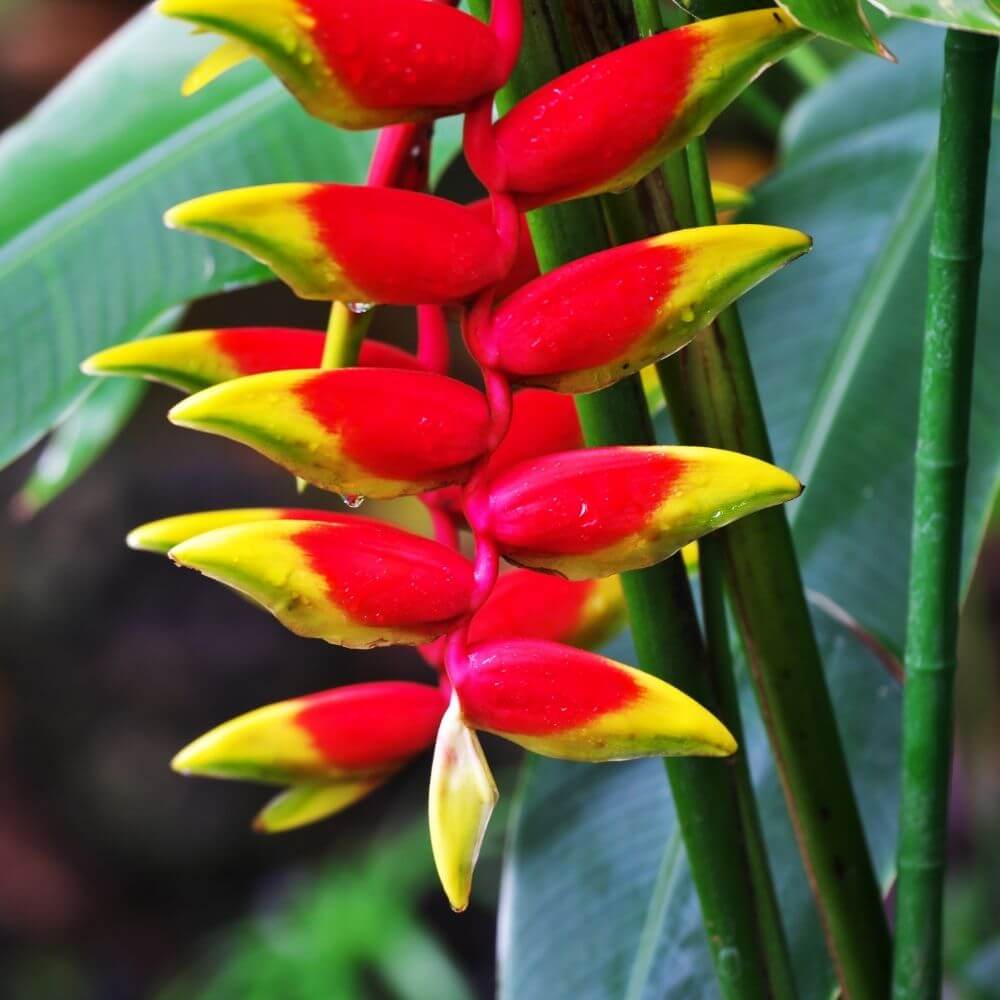
With vibrant, lobster-claw-shaped bracts in reds and yellows, Heliconia is a showstopper in any garden. It thrives in humid, tropical climates and attracts hummingbirds.
- USDA Zone: 10–12
- Water Needs: High
- Soil Type: Rich, moist
- Sun Requirements: Partial shade to full sun
- Bloom Time: Year-round in tropics
- Flower Color: Red, yellow, orange
- Height: 3–15 ft (0.9–4.5 m)
12. Passion Flower (Passiflora spp.)

This unique flower features intricate petals and a crown-like structure. It’s a climber that also produces edible fruit in some varieties.
- USDA Zone: 7–11
- Water Needs: Moderate
- Soil Type: Well-draining
- Sun Requirements: Full sun to partial shade
- Bloom Time: Spring to fall
- Flower Color: Purple, white, blue
- Height: 10–30 ft (3–9 m)
13. Torch Ginger (Etlingera elatior)
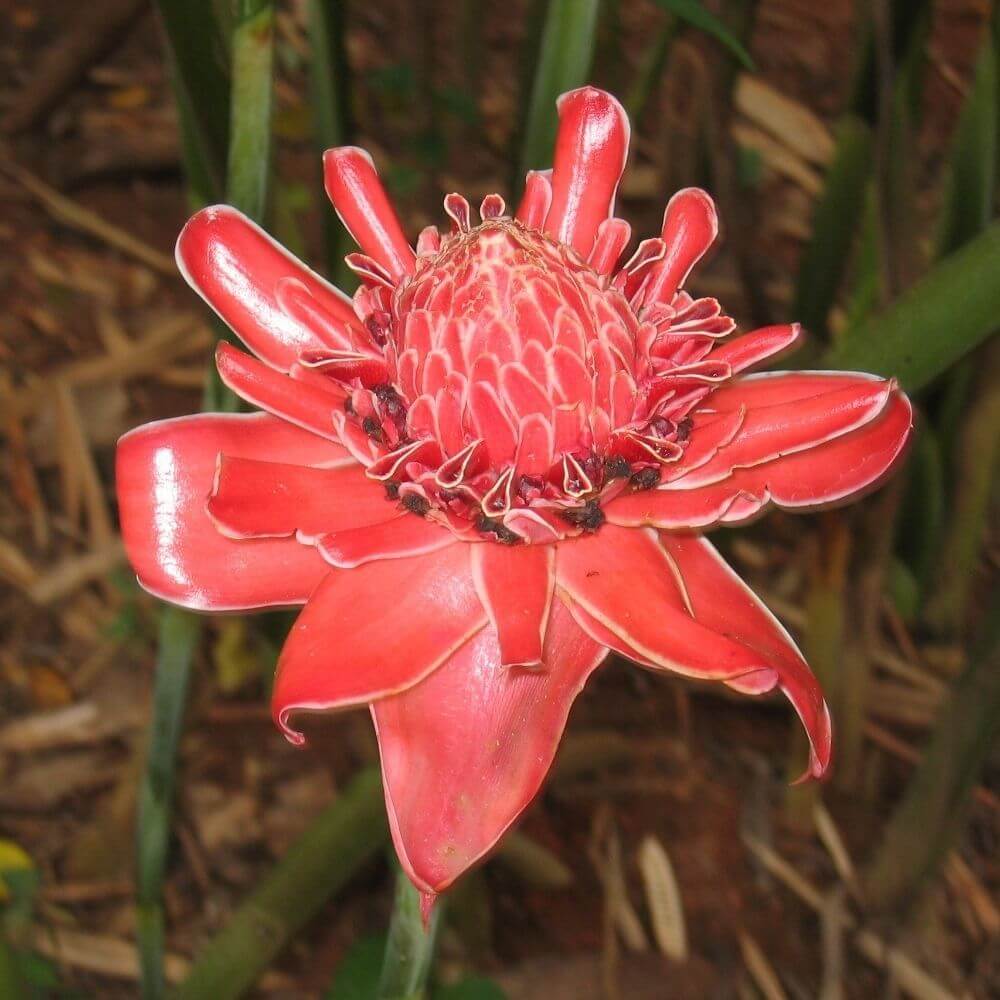
Known for towering bright red flower spikes, Torch Ginger adds height and drama. It grows best in warm, humid conditions with rich soil.
- USDA Zone: 10–12
- Water Needs: High
- Soil Type: Moist, fertile
- Sun Requirements: Partial shade
- Bloom Time: Year-round in tropical zones
- Flower Color: Red, pink
- Height: 6–15 ft (1.8–4.5 m)
14. Bat Flower (Tacca chantrieri)
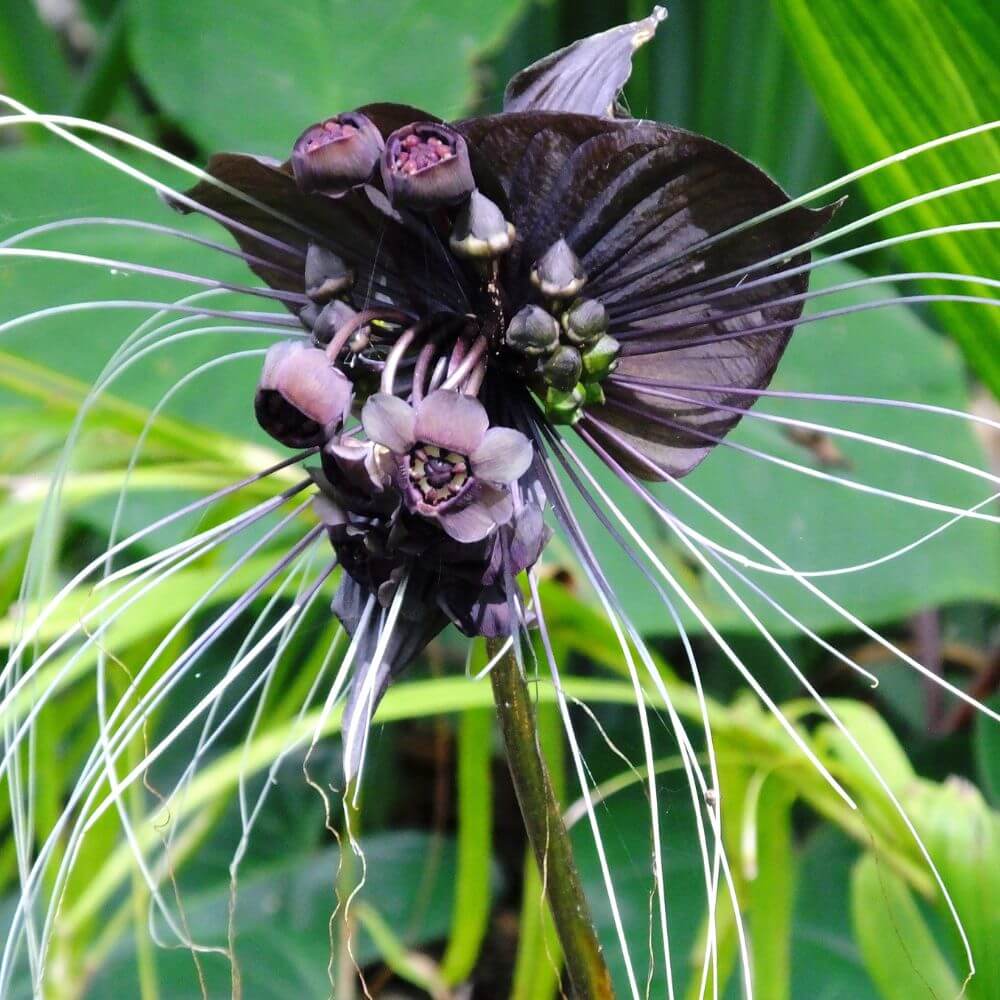
Its dark purple-black flowers with long whiskers resemble a bat in flight, making it a conversation starter. Prefers shaded, humid environments.
- USDA Zone: 10–12
- Water Needs: Moderate to high
- Soil Type: Well-draining, rich
- Sun Requirements: Partial to full shade
- Bloom Time: Late spring to summer
- Flower Color: Dark purple/black
- Height: 2–3 ft (0.6–0.9 m)
15. Blue Jade Vine (Strongylodon macrobotrys)
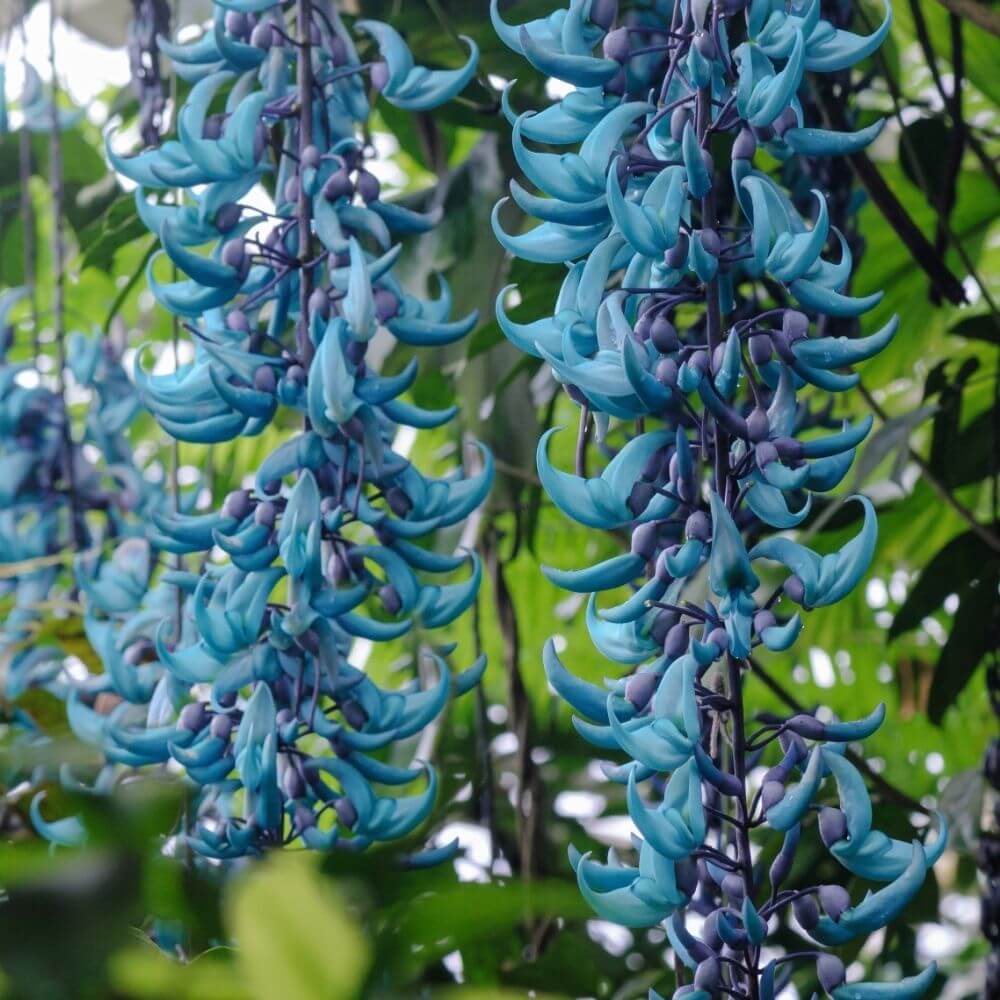
Famous for cascading turquoise flowers shaped like claws, this vine dazzles in tropical gardens. Needs support to climb.
- USDA Zone: 10–12
- Water Needs: Moderate to high
- Soil Type: Rich, moist
- Sun Requirements: Full sun to partial shade
- Bloom Time: Spring to summer
- Flower Color: Blue-green
- Height: 30–70 ft (9–21 m)
16. White Bird-of-Paradise (Strelitzia nicolai)
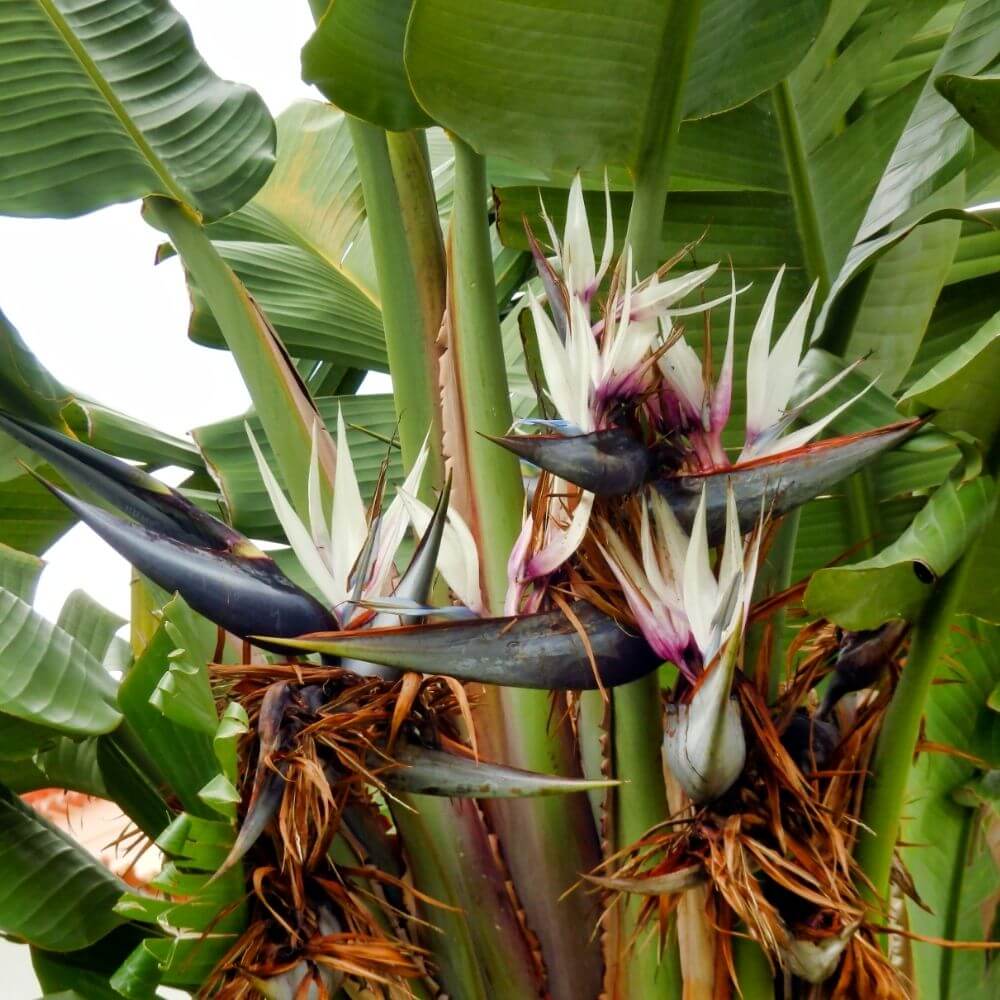
Similar to its colorful cousin but larger and white, this plant makes an impressive focal point. Grows well in tropical and subtropical climates.
- USDA Zone: 10–12
- Water Needs: Moderate
- Soil Type: Well-draining
- Sun Requirements: Full sun to partial shade
- Bloom Time: Spring to fall
- Flower Color: White and blue
- Height: 18–30 ft (5.5–9 m)
17. Champaca (Magnolia champaca)
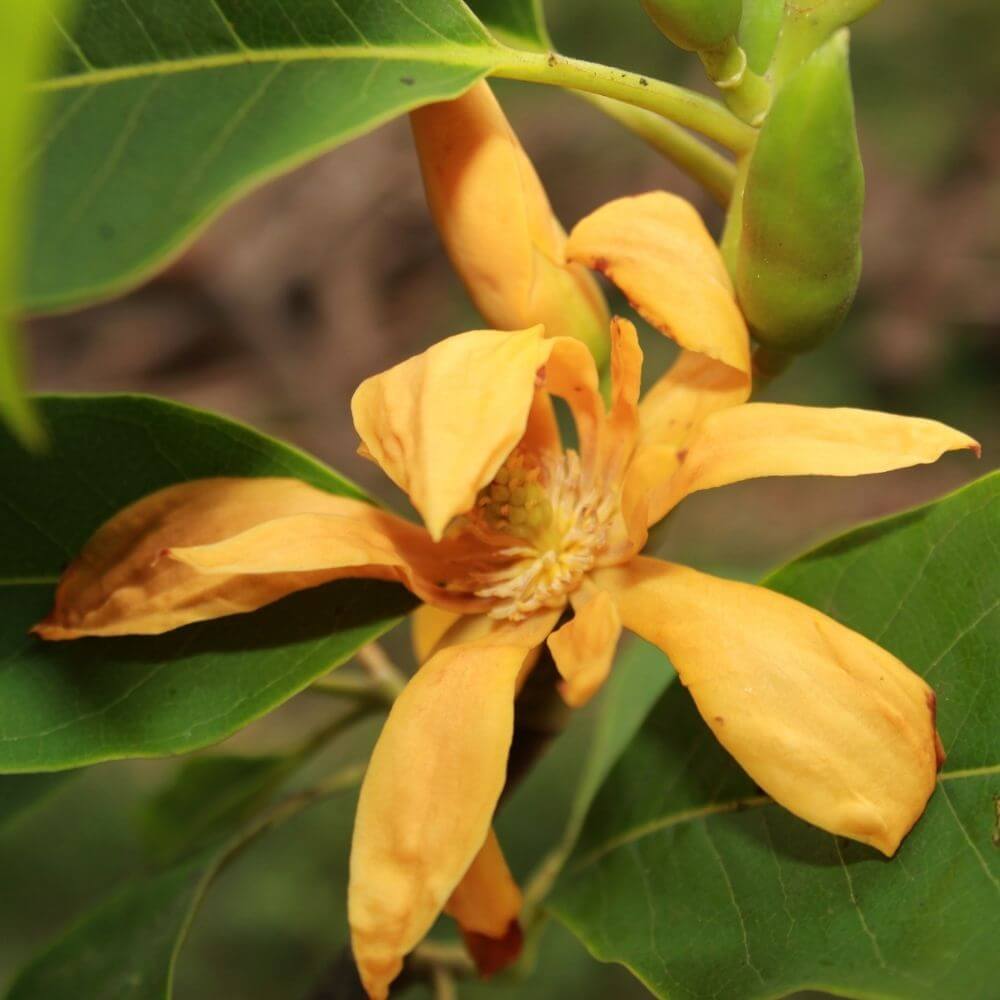
Known for intoxicatingly fragrant yellow-orange flowers, Champaca is culturally significant in many Asian countries.
- USDA Zone: 9–11
- Water Needs: Moderate
- Soil Type: Moist, fertile
- Sun Requirements: Full sun to partial shade
- Bloom Time: Summer to fall
- Flower Color: Yellow, orange
- Height: 25–50 ft (7.5–15 m)
18. Firecracker Vine (Manettia cordifolia)
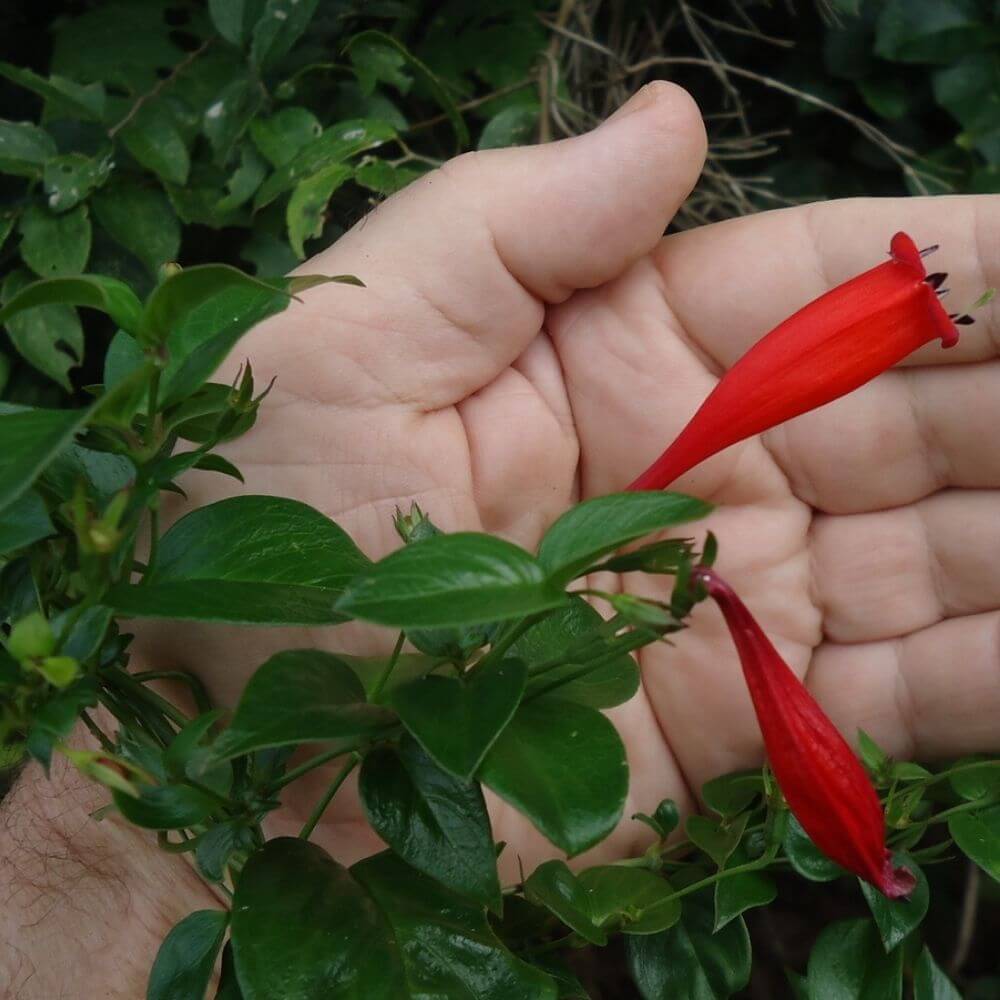
Image by Alex Popovkin Source: https://commons.wikimedia.org/wiki/File:Manettia_cordifolia_Mart._%286108967364%29.jpg
This exotic vine produces brilliant red, tubular flowers tipped in yellow that resemble lit firecrackers or miniature cigars. It’s a fast-growing, rare tropical climber that attracts hummingbirds and butterflies with its nectar-rich blooms.
- USDA Zone: 10–12
- Water Needs: Moderate, keep soil consistently moist
- Soil Type: Rich, humus-rich, well-draining
- Sun Requirements: Partial shade to bright, indirect light
- Bloom Time: Year-round in warm climates
- Flower Color: Vibrant red with yellow tips
- Height: 10–15 ft (3–4.5 m)
19. Red Torch Bromeliad (Aechmea spp.)
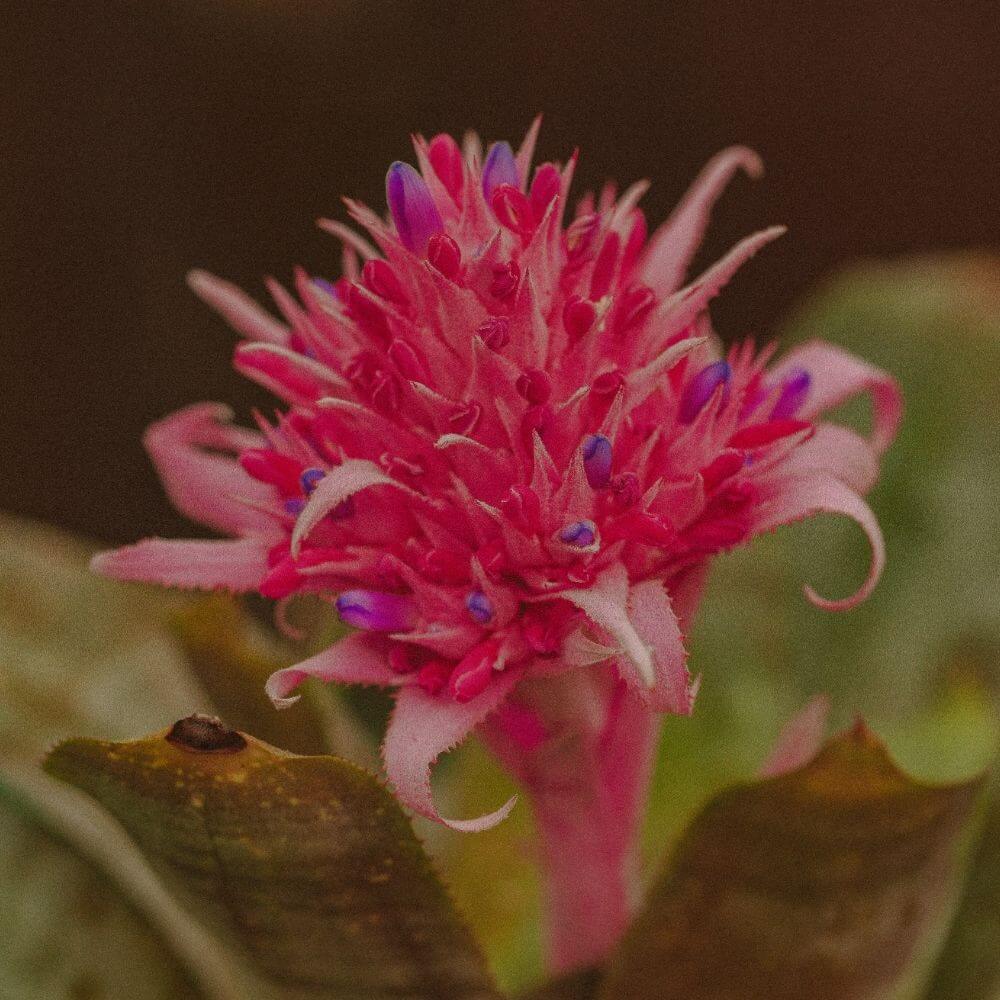
Bright red flower spikes rise above dramatic foliage. Bromeliads are epiphytes and adaptable to various growing methods.
- USDA Zone: 10–12
- Water Needs: Low to moderate
- Soil Type: Well-draining, airy
- Sun Requirements: Partial shade
- Bloom Time: Year-round indoors
- Flower Color: Red
- Height: 1–3 ft (0.3–0.9 m)
20. Queen of the Night (Epiphyllum oxypetalum)
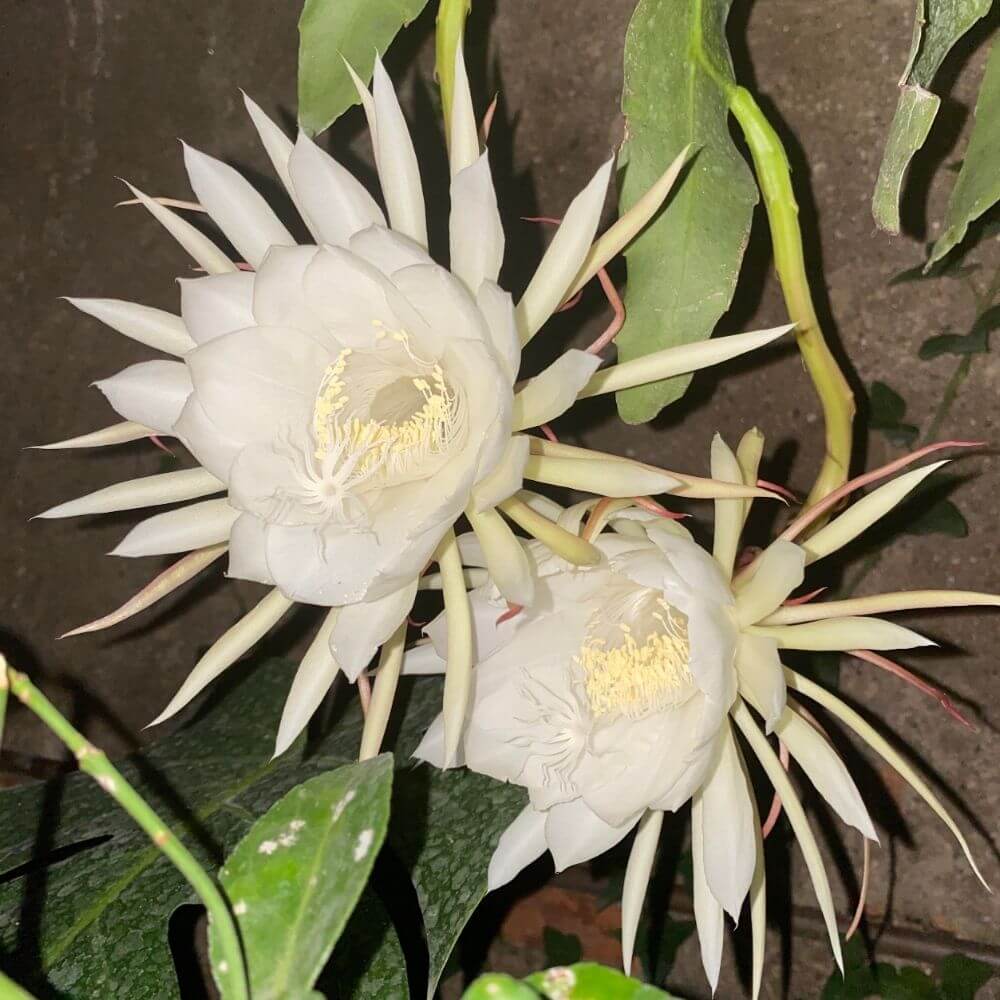
This cactus species blooms rare, fragrant white flowers at night. It requires warm, humid environments.
- USDA Zone: 10–12
- Water Needs: Moderate
- Soil Type: Well-draining cactus mix
- Sun Requirements: Partial shade
- Bloom Time: Night blooms, sporadic
- Flower Color: White
- Height: 2–10 ft (0.6–3 m)
Exotic flowers stand apart with shapes and colors that common tropicals rarely match. They often require more specific care but reward gardeners with unforgettable blooms. Understanding their needs ensures you enjoy their rare beauty for years. Learn more about Exotic and Rare Flowers
Tropical Flowers for Landscaping or Indoor Growing
Practical gardeners appreciate tropical flowers that adapt well to various settings. From balconies to indoor pots. These flowers combine beauty with versatility.
Note: This section has many plants as well.
21. Anthurium (Anthurium andraeanum)
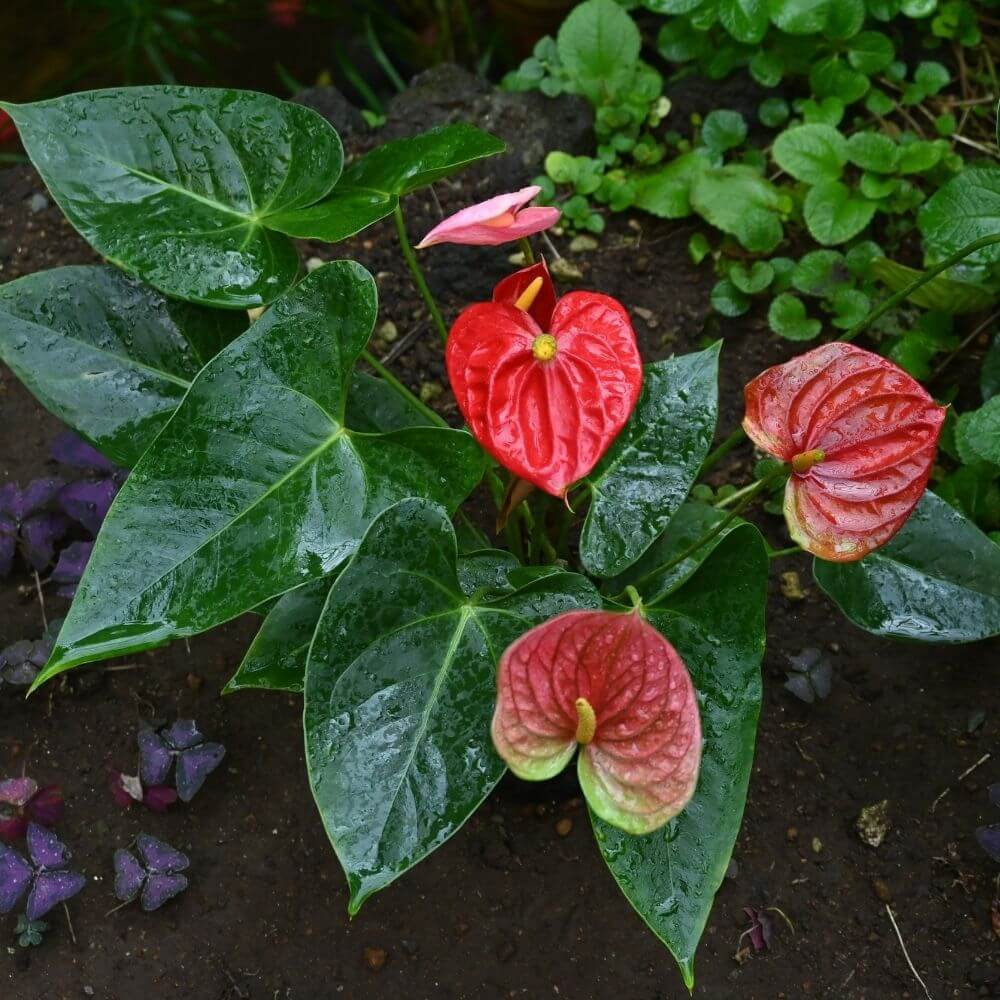
Known for glossy leaves and bright red, heart-shaped flowers, Anthurium is a popular indoor tropical plant.
- USDA Zone: 10–12
- Water Needs: Moderate
- Soil Type: Well-draining, rich
- Sun Requirements: Indirect bright light
- Bloom Time: Year-round indoors
- Flower Color: Red, pink, white
- Height: 1–1.5 ft (0.3–0.45 m)
22. Spathiphyllum Domino (Peace Lily variety)
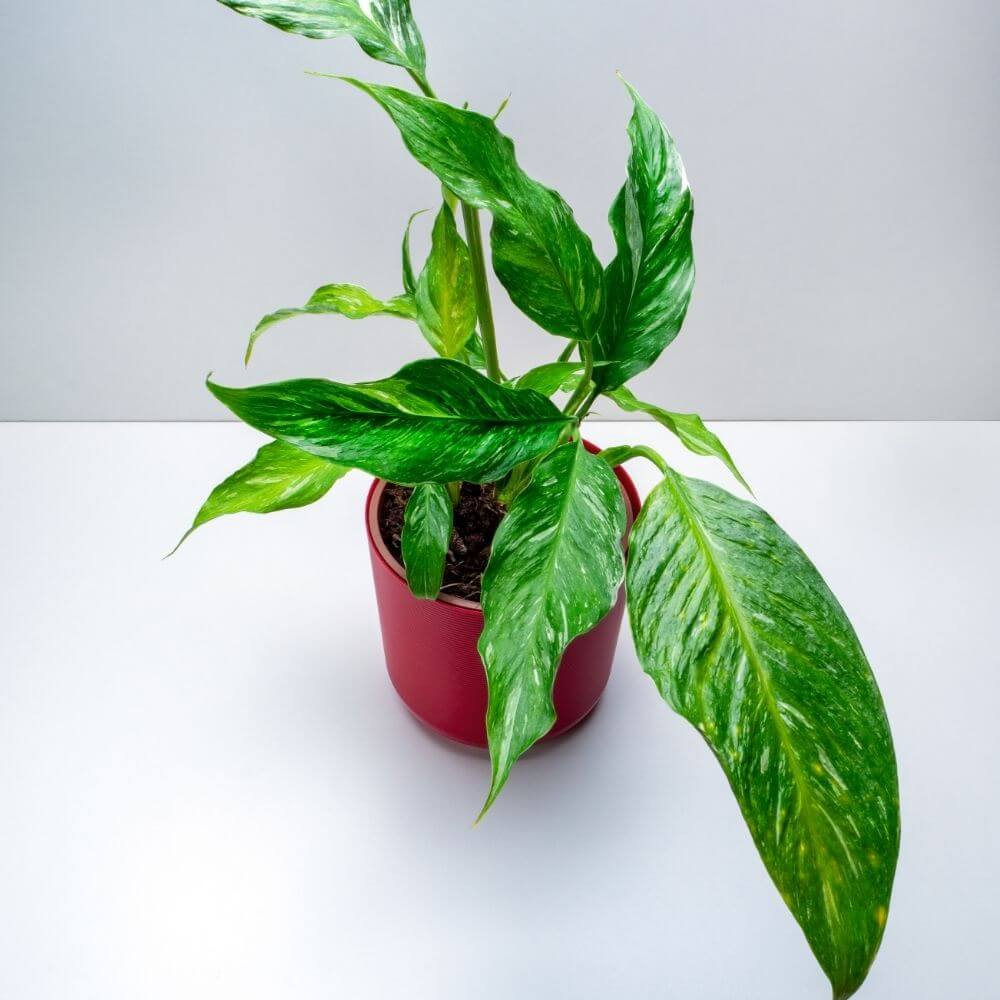
A hardy peace lily with variegated leaves, it brightens spaces and cleans air.
- USDA Zone: 10–12
- Water Needs: Moderate
- Soil Type: Rich, moist
- Sun Requirements: Low to medium light
- Bloom Time: Year-round indoors
- Flower Color: White
- Height: 1–3 ft (0.3–0.9 m)
23. Ti Plant (Cordyline fruticosa)
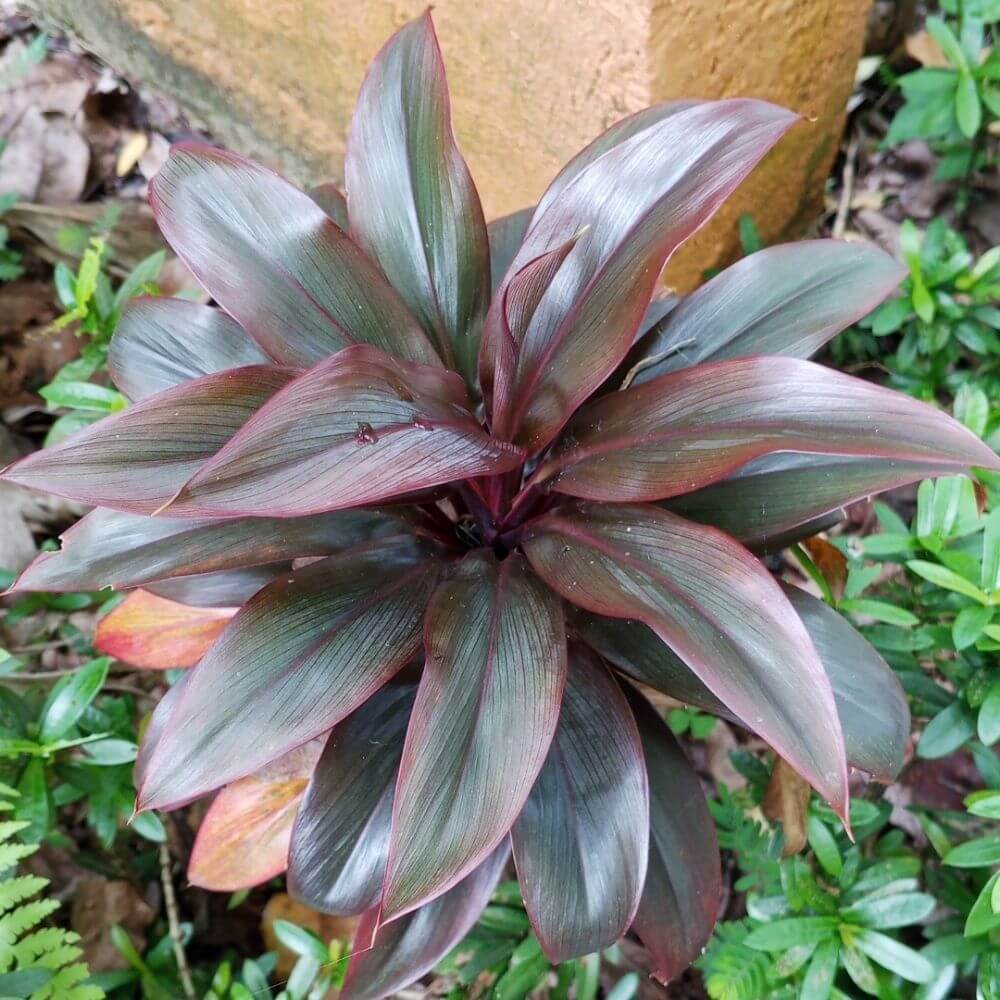
A striking plant with colorful foliage ranging from green to red and purple, great for adding contrast.
- USDA Zone: 10–12
- Water Needs: Moderate
- Soil Type: Well-draining
- Sun Requirements: Partial shade to sun
- Bloom Time: Summer
- Flower Color: Small, inconspicuous
- Height: 3–10 ft (0.9–3 m)
24. Croton (Codiaeum variegatum)
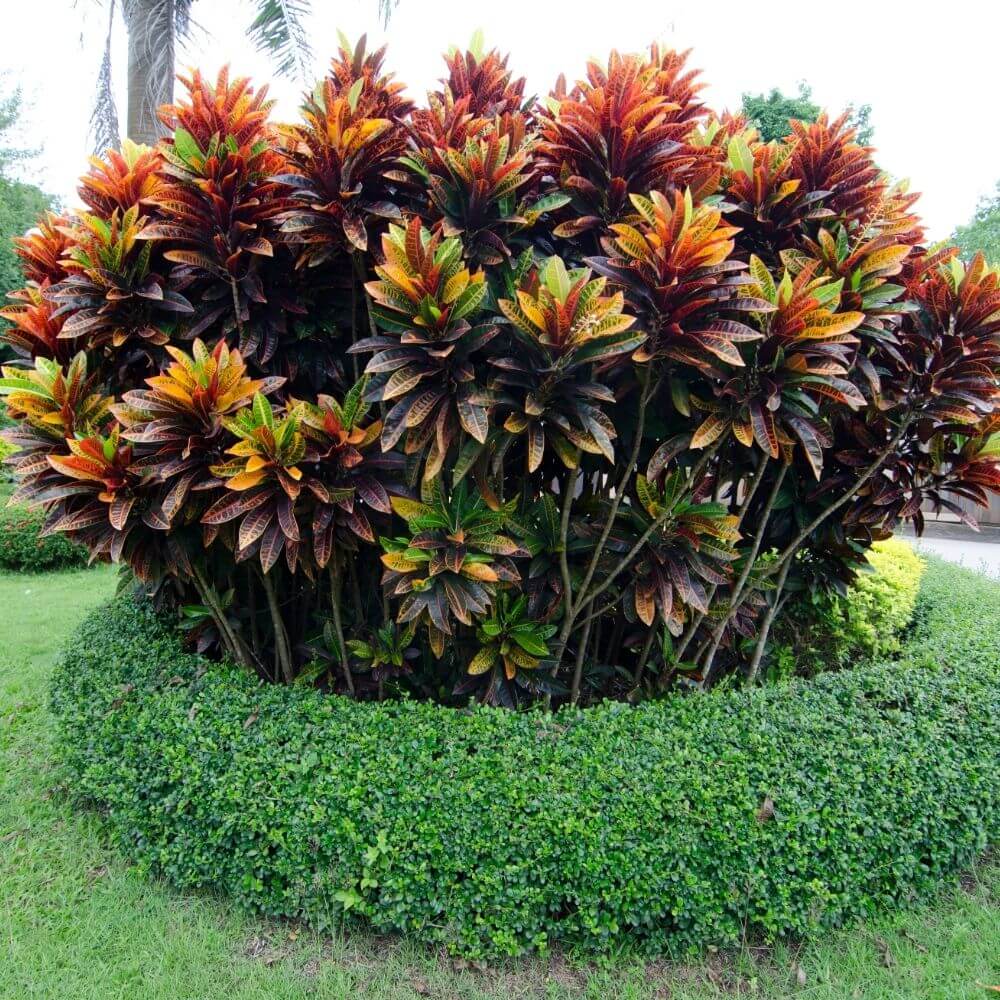
Known for bold, variegated leaves in yellow, red, and green, Croton is a tropical favorite.
- USDA Zone: 10–12
- Water Needs: Moderate
- Soil Type: Well-draining
- Sun Requirements: Bright light
- Bloom Time: Rare indoors
- Flower Color: Small, insignificant
- Height: 3–8 ft (0.9–2.5 m)
25. Caladium (Caladium spp.)
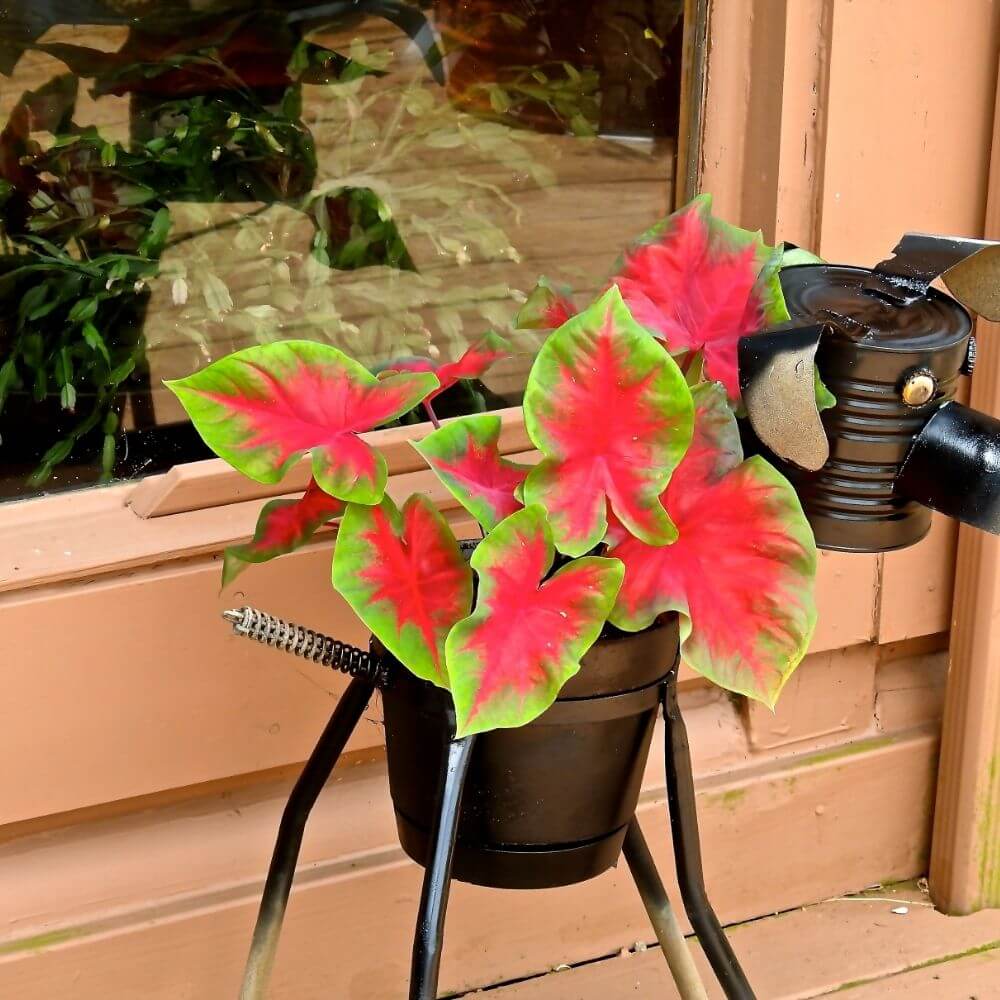
Heart-shaped leaves in colorful patterns add tropical charm to shaded gardens.
- USDA Zone: 9–11
- Water Needs: Moderate
- Soil Type: Rich, moist
- Sun Requirements: Shade to partial shade
- Bloom Time: Summer
- Flower Color: Leaves are main attraction
- Height: 1–2 ft (0.3–0.6 m)
26. Bromeliads ( general )
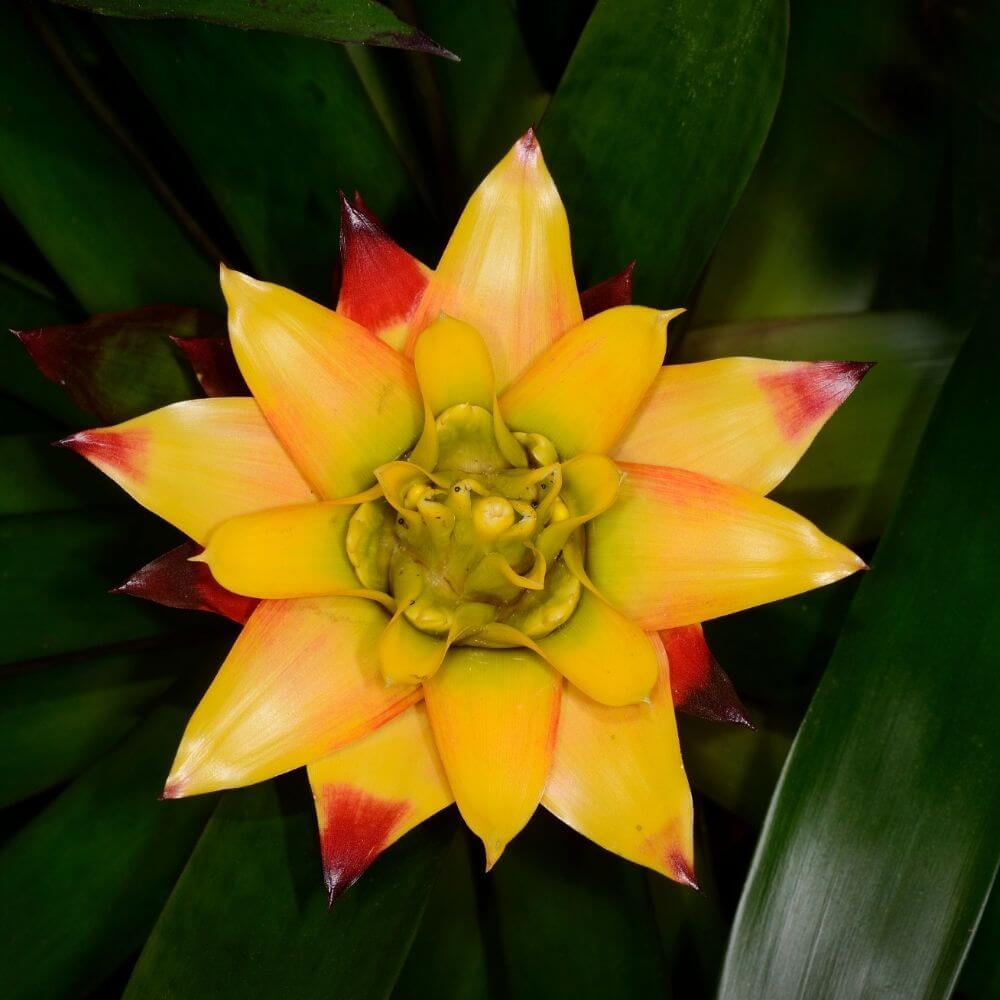
These epiphytic plants come in many shapes and colors, great for indoors or landscaping.
- USDA Zone: 10–12
- Water Needs: Low to moderate
- Soil Type: Airy, well-draining
- Sun Requirements: Partial shade
- Bloom Time: Variable
- Flower Color: Many colors
- Height: 1–3 ft (0.3–0.9 m)
27. Golden Shrimp Plant (Pachystachys lutea)
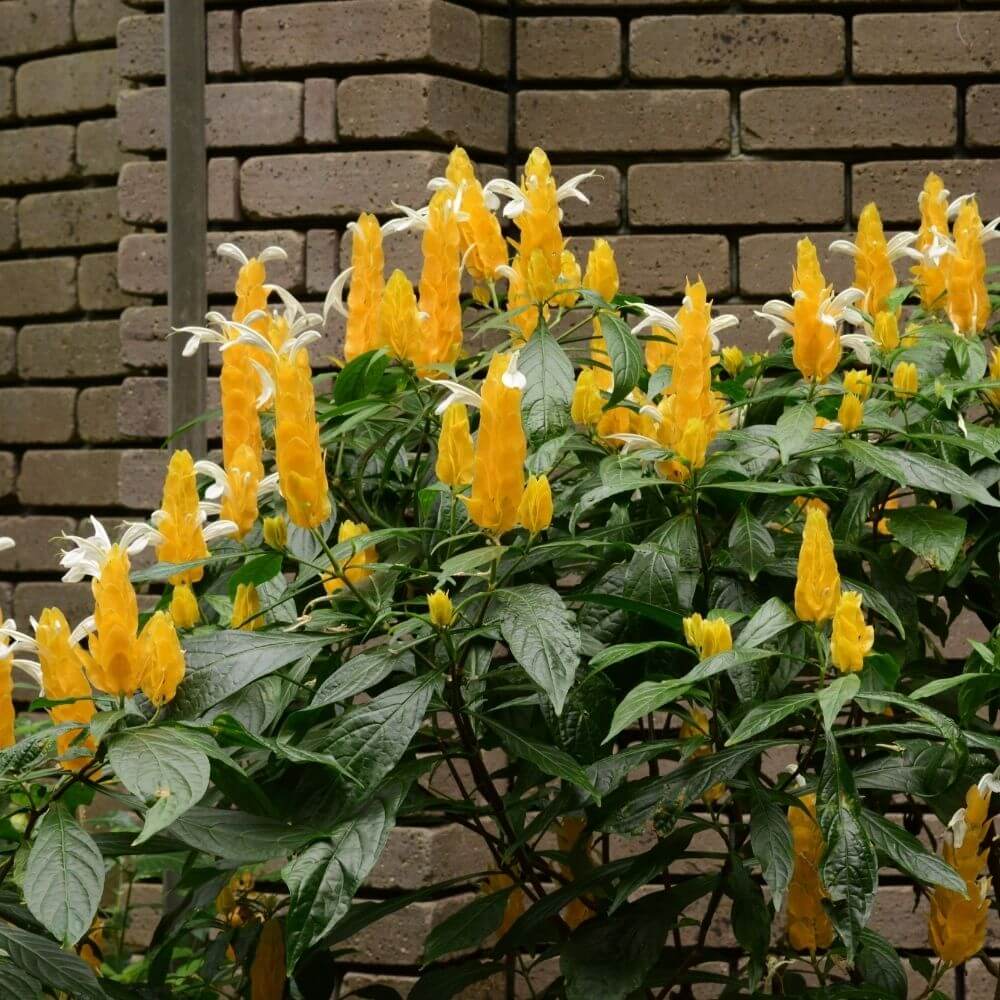
Yellow flower spikes resemble shrimp, attracting hummingbirds.
- USDA Zone: 10–12
- Water Needs: Moderate
- Soil Type: Moist, well-draining
- Sun Requirements: Full sun to partial shade
- Bloom Time: Year-round
- Flower Color: Yellow
- Height: 3–6 ft (0.9–1.8 m)
28. Snapdragon Vine (Maurandya antirrhiniflora)
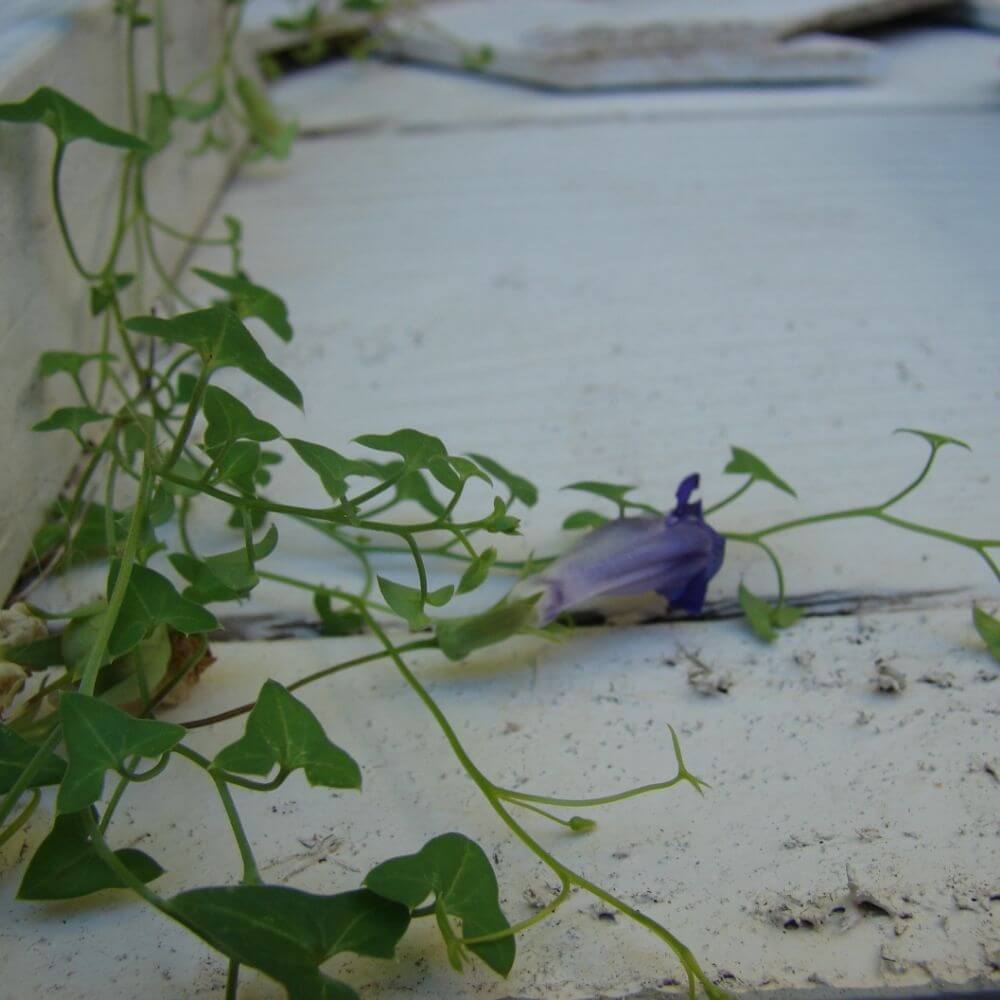
Image by Forest & Kim Starr License: CC BY 3.0 Image Source: https://commons.wikimedia.org/wiki/File:Starr_071024-0122_Maurandya_antirrhiniflora.jpg
A fast-growing vine with tubular flowers attracting pollinators.
- USDA Zone: 9–11
- Water Needs: Moderate
- Soil Type: Well-draining
- Sun Requirements: Full sun to partial shade
- Bloom Time: Spring to fall
- Flower Color: Purple, pink, white
- Height: 6–10 ft (1.8–3 m)
29. Angel’s Trumpet (Brugmansia spp.)
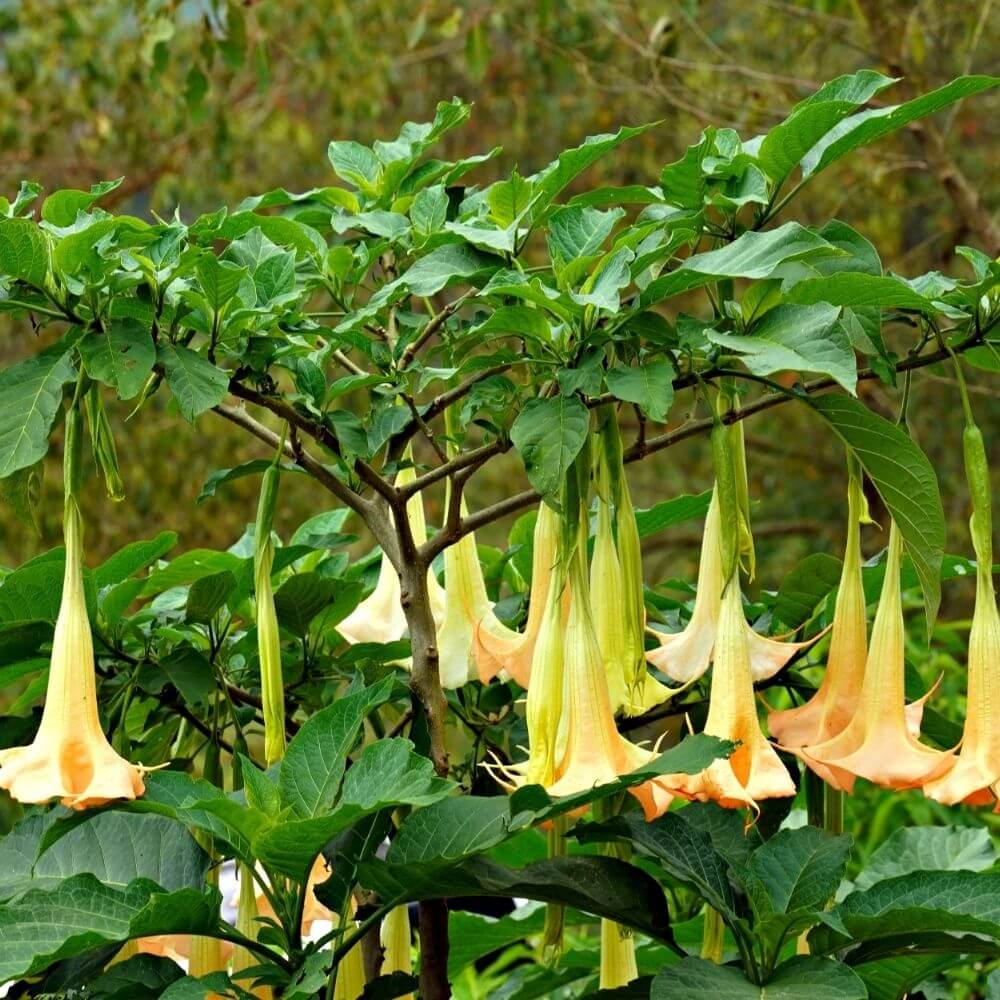
Large, fragrant, trumpet-shaped flowers hang downward, creating dramatic focal points.
- USDA Zone: 9–11
- Water Needs: High
- Soil Type: Moist, rich
- Sun Requirements: Full sun to partial shade
- Bloom Time: Late spring to fall
- Flower Color: White, yellow, pink
- Height: 6–20 ft (1.8–6 m)
30. Ixora (Ixora coccinea)
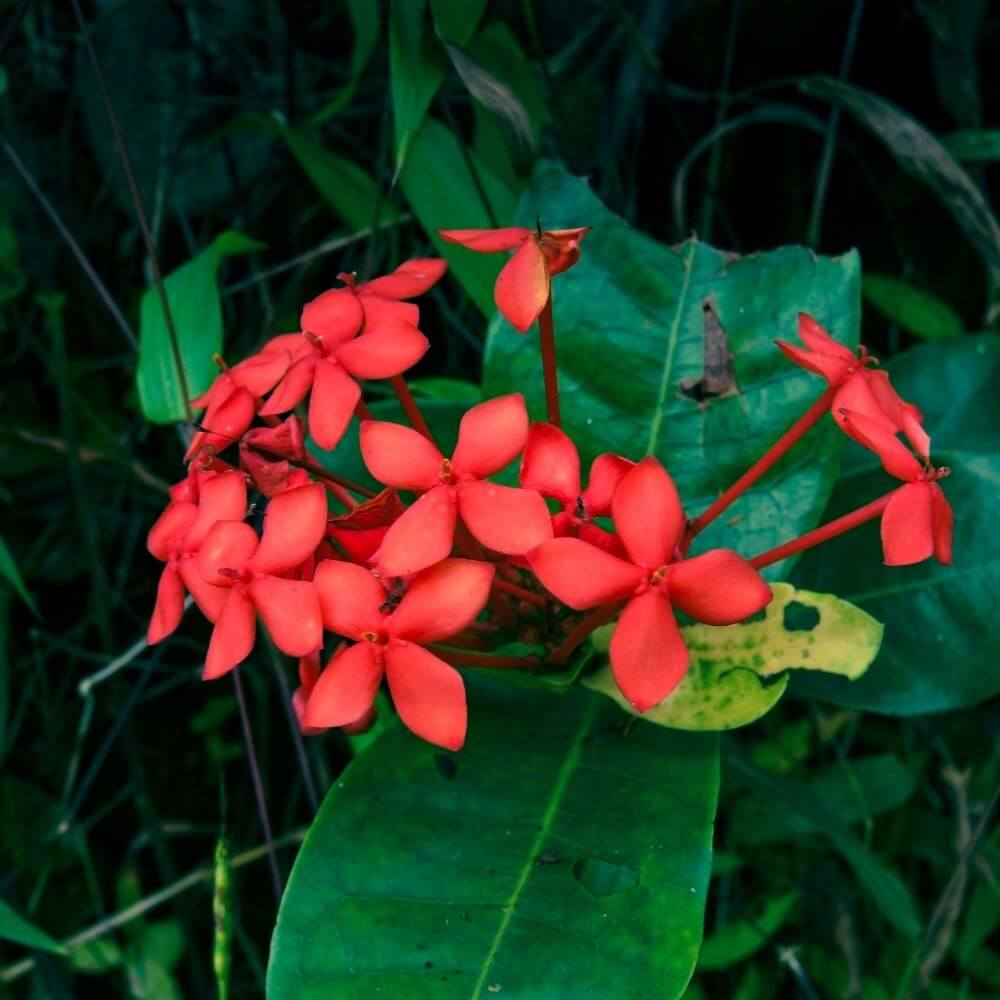
Clusters of small flowers in red, orange, or yellow, often used in hedges.
- USDA Zone: 9–11
- Water Needs: Moderate
- Soil Type: Well-draining
- Sun Requirements: Full sun
- Bloom Time: Year-round in tropics
- Flower Color: Red, orange, yellow
- Height: 4–6 ft (1.2–1.8 m)
- Example of Landscaping Success
A small balcony in Miami transformed with Anthuriums and Golden Shrimp Plants offers bright color without much space. In an urban apartment, Spathiphyllum Domino provides a touch of nature and air purification. Backyard landscapes in Hawaii often feature Ixora hedges, blending color and privacy. Patio containers planted with Bromeliads bring tropical flair with low maintenance.
Tropical Flowers with Cultural or Symbolic Meanings
These flowers carry rich cultural significance beyond their beauty. They symbolize everything from purity to celebration.
31. Yellow Trumpet (Tecoma stans)
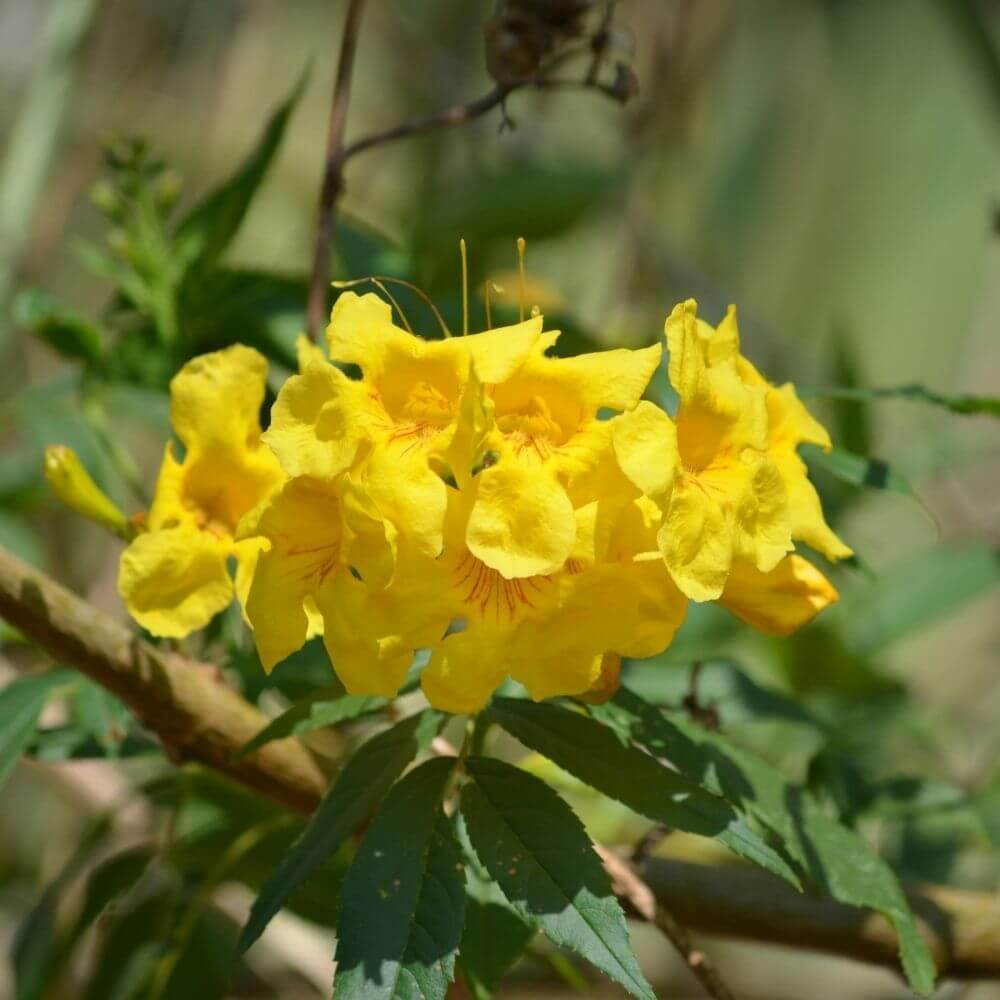
Known as the “Yellow Bells” or “El Esperanza” (Hope), it symbolizes optimism and resilience in Caribbean and Central American cultures.
- USDA Zone: 9–11
- Water Needs: Low to moderate, drought-tolerant
- Soil Type: Well-draining, adaptable
- Sun Requirements: Full sun
- Bloom Time: Spring to fall
- Flower Color: Bright yellow
- Height: 10–25 ft (3–7.5 m)
32. Red Ginger (Alpinia purpurata)
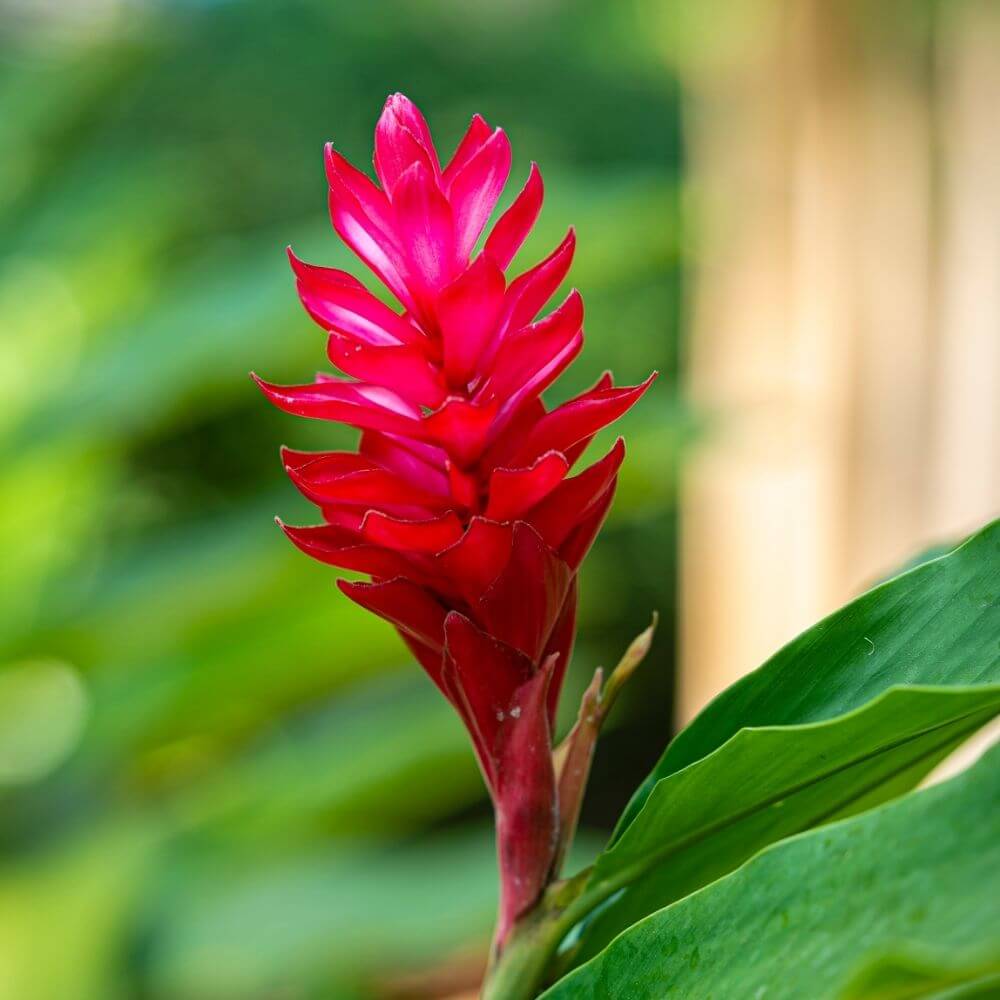
A symbol of strength and vitality in Southeast Asia.
- USDA Zone: 9–11
- Water Needs: High
- Soil Type: Moist, fertile
- Sun Requirements: Partial shade
- Bloom Time: Year-round
- Flower Color: Red
- Height: 4–15 ft (1.2–4.5 m)
33. Lotus (Nelumbo nucifera)
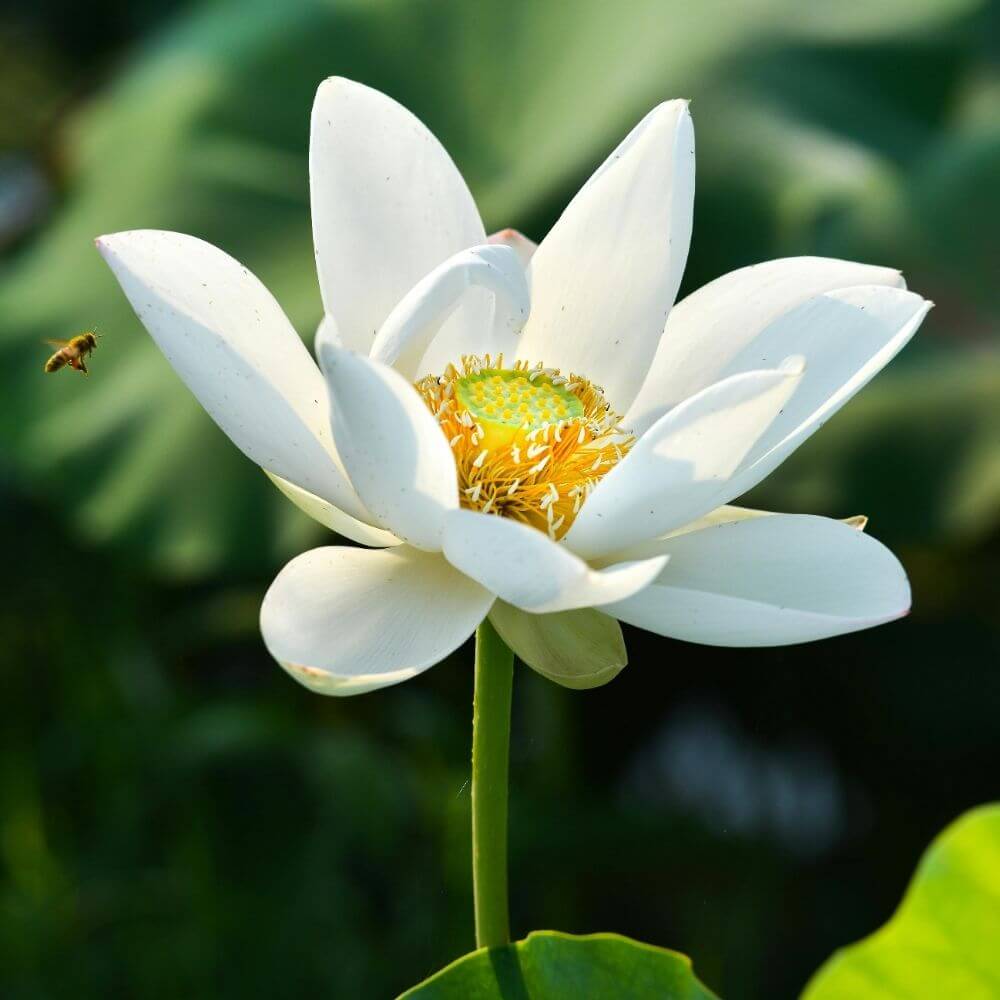
Represents purity and spiritual awakening, important in India and East Asia.
- USDA Zone: 4–11 (hardy varieties)
- Water Needs: High, aquatic
- Soil Type: Muddy pond bottoms
- Sun Requirements: Full sun
- Bloom Time: Summer
- Flower Color: Pink, white
- Height: 3–6 ft (0.9–1.8 m)
34. Orchid (Phalaenopsis spp.)
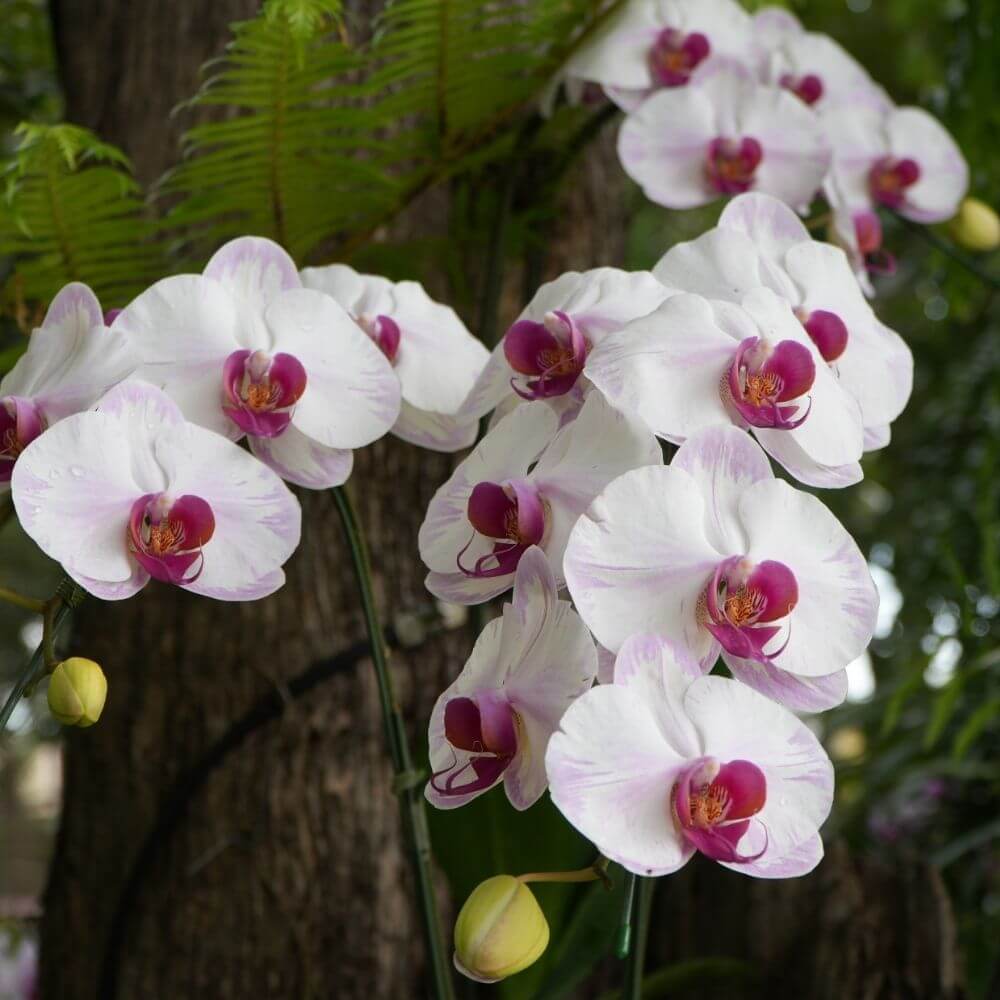
Elegant and diverse, orchids symbolize luxury and beauty worldwide.
- USDA Zone: 10–12
- Water Needs: Moderate
- Soil Type: Bark mix, well-draining
- Sun Requirements: Indirect light
- Bloom Time: Months
- Flower Color: Various
- Height: 1–3 ft (0.3–0.9 m)
35. Protea (Protea spp.)
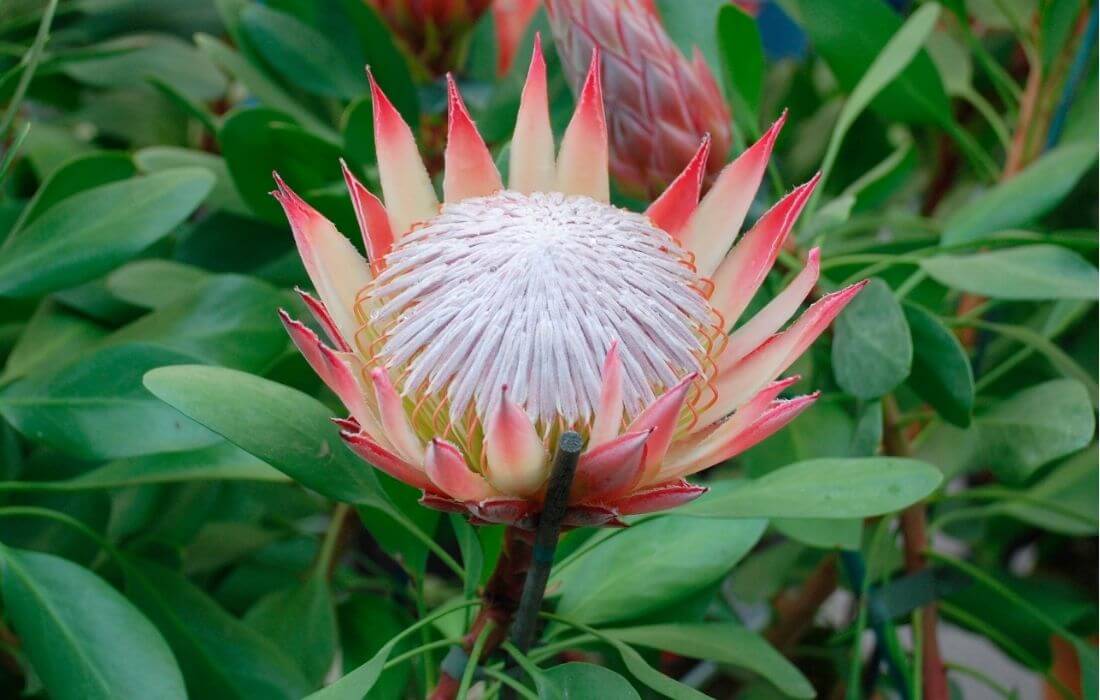
A symbol of courage, transformation, and diversity, native to South Africa but cultivated in tropical highlands worldwide.
- USDA Zone: 9–12
- Water Needs: Low, drought-resistant
- Soil Type: Sandy, acidic, well-draining
- Sun Requirements: Full sun
- Bloom Time: Fall to spring
- Flower Color: Pink, red, white
- Height: 3–13 ft (1–4 m)
36. Ylang-Ylang (Cananga odorata)
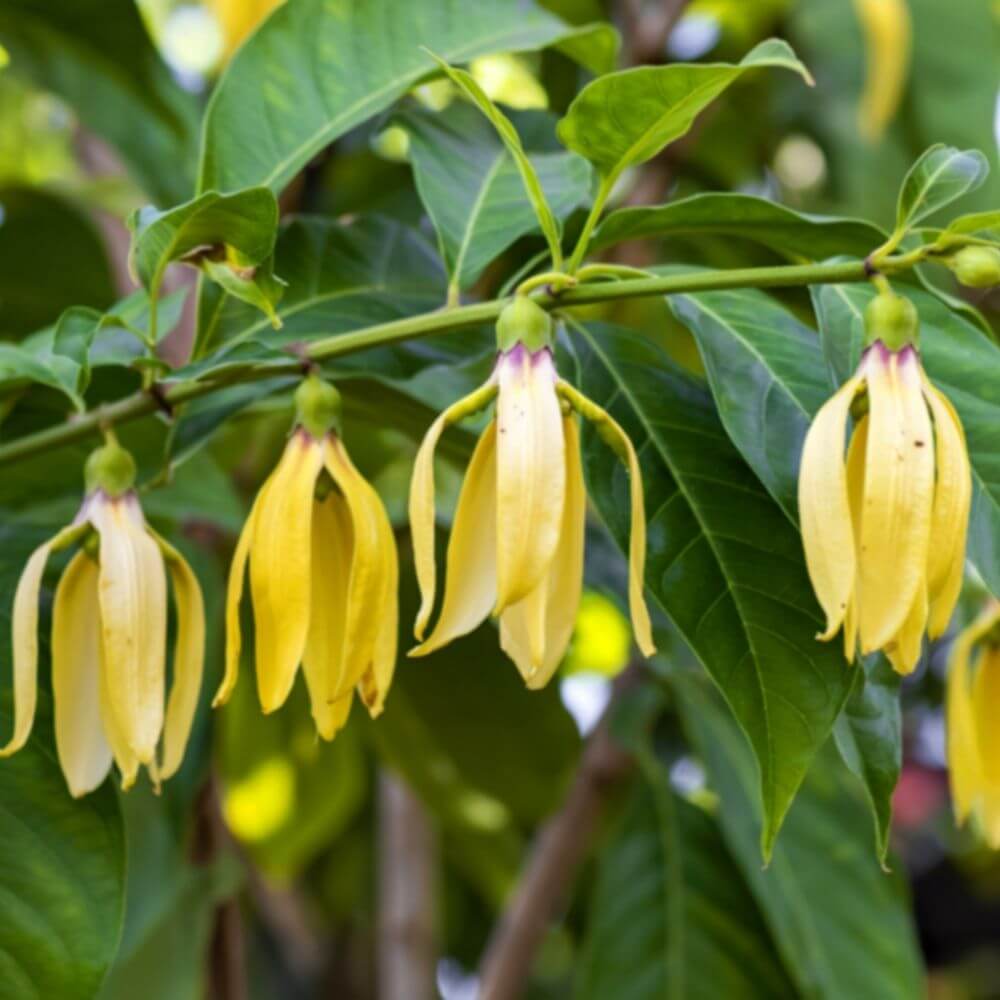
Known for its fragrant oil, used in perfumes. Symbolizes love and romance.
- USDA Zone: 10–12
- Water Needs: Moderate
- Soil Type: Moist, rich
- Sun Requirements: Full sun to partial shade
- Bloom Time: Year-round
- Flower Color: Yellow-green
- Height: 30–60 ft (9–18 m)
37. Marigold (Tagetes spp.)
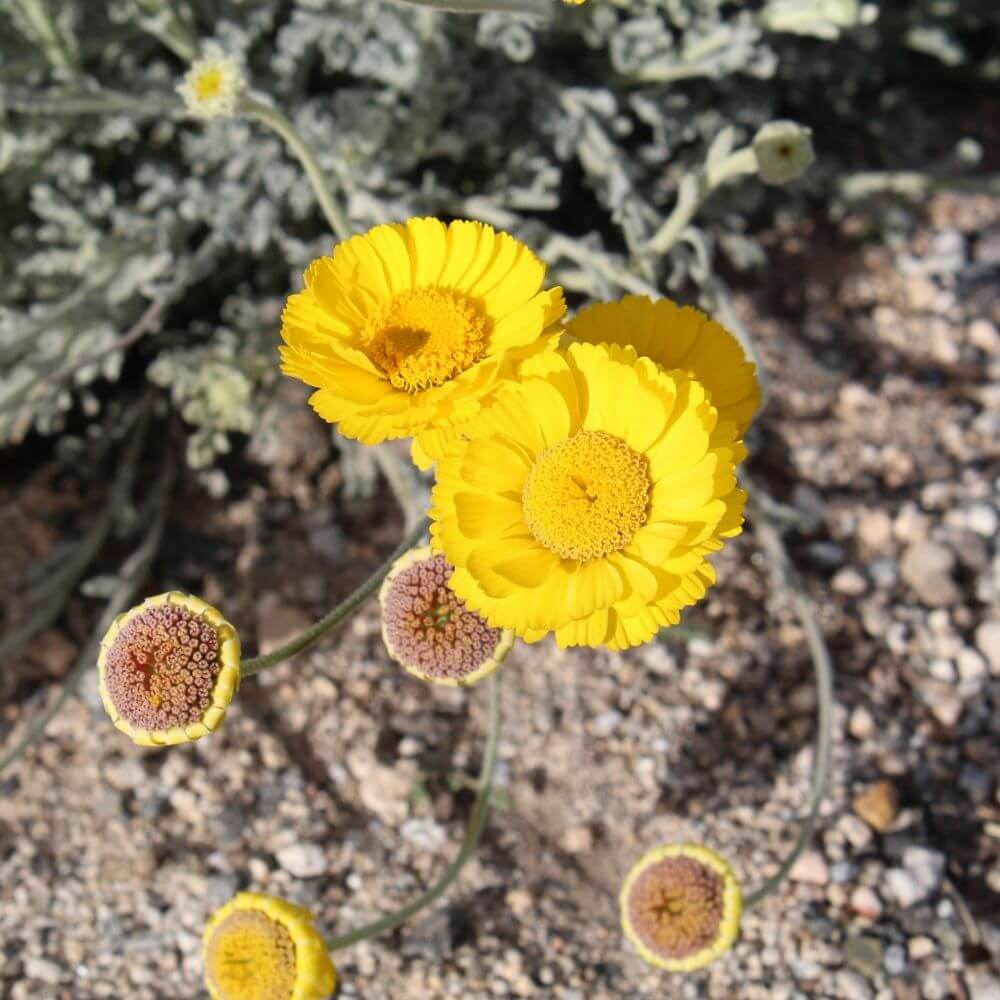
Important in Latin American festivals; symbolizes honor and remembrance.
- USDA Zone: 2–11
- Water Needs: Moderate
- Soil Type: Well-draining
- Sun Requirements: Full sun
- Bloom Time: Summer to fall
- Flower Color: Orange, yellow
- Height: 0.5–4 ft (0.15–1.2 m)
38. Rafflesia (Rafflesia arnoldii)
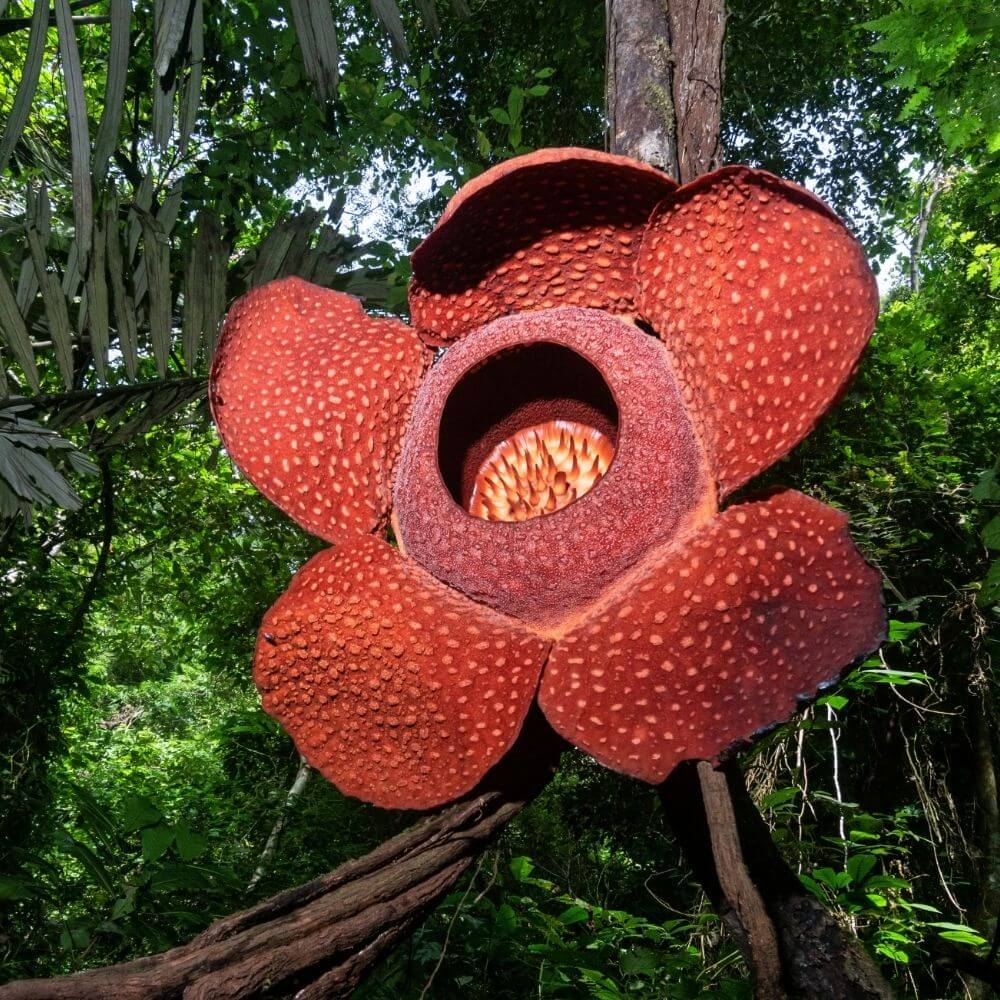
The “corpse flower,” notable for its size and rare blooms, symbolizes mystery.
- USDA Zone: Tropical rainforest only
- Water Needs: High humidity
- Soil Type: Parasitic on vines
- Sun Requirements: Shaded rainforest
- Bloom Time: Rare
- Flower Color: Red with white spots
- Height: Ground level, bloom up to 3 ft (1 m) wide
39. Shaving Brush Tree (Pseudobombax ellipticum)
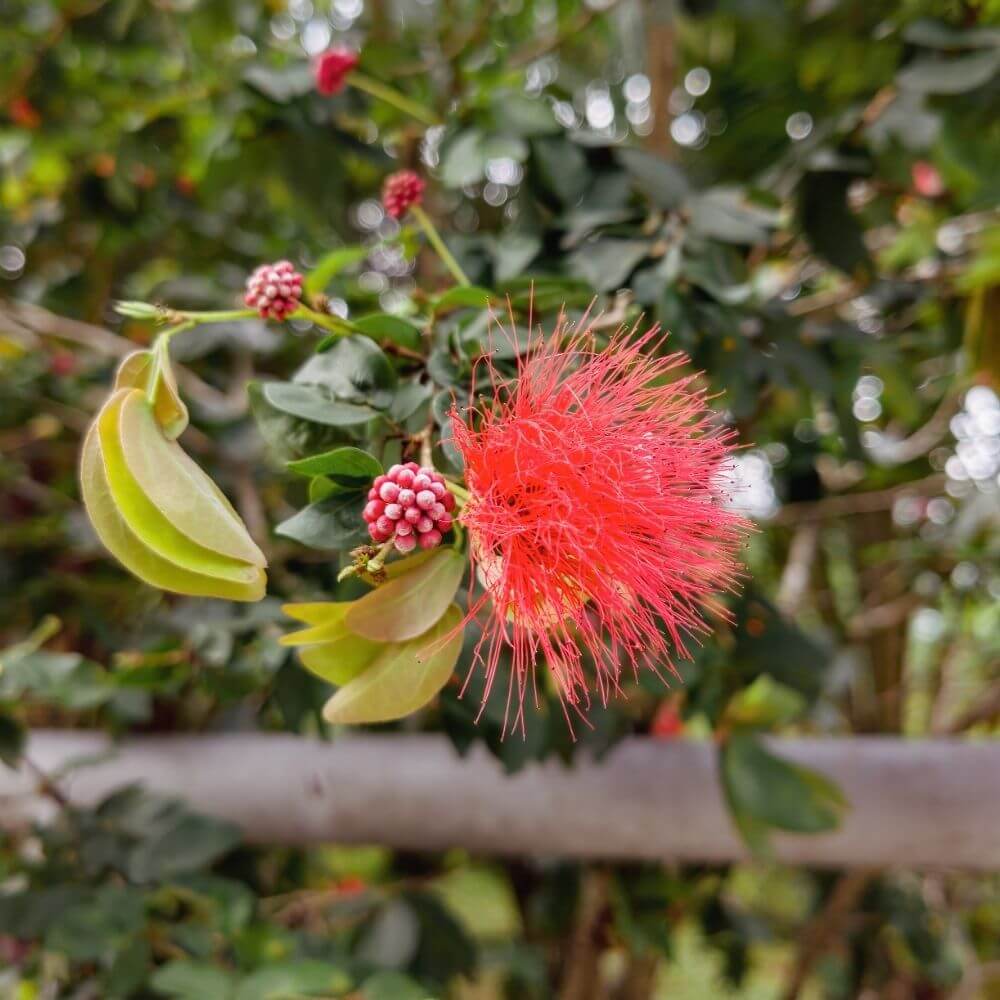
Known as “Pata de Vaca” in Central America, its unique flowers symbolize celebration and natural artistry.
- USDA Zone: 10–12
- Water Needs: Low to moderate
- Soil Type: Well-draining
- Sun Requirements: Full sun
- Bloom Time: Late winter to spring
- Flower Color: Pink, red, white
- Height: 20–60 ft (6–18 m)
40. Sacred White Lotus (Nymphaea lotus)
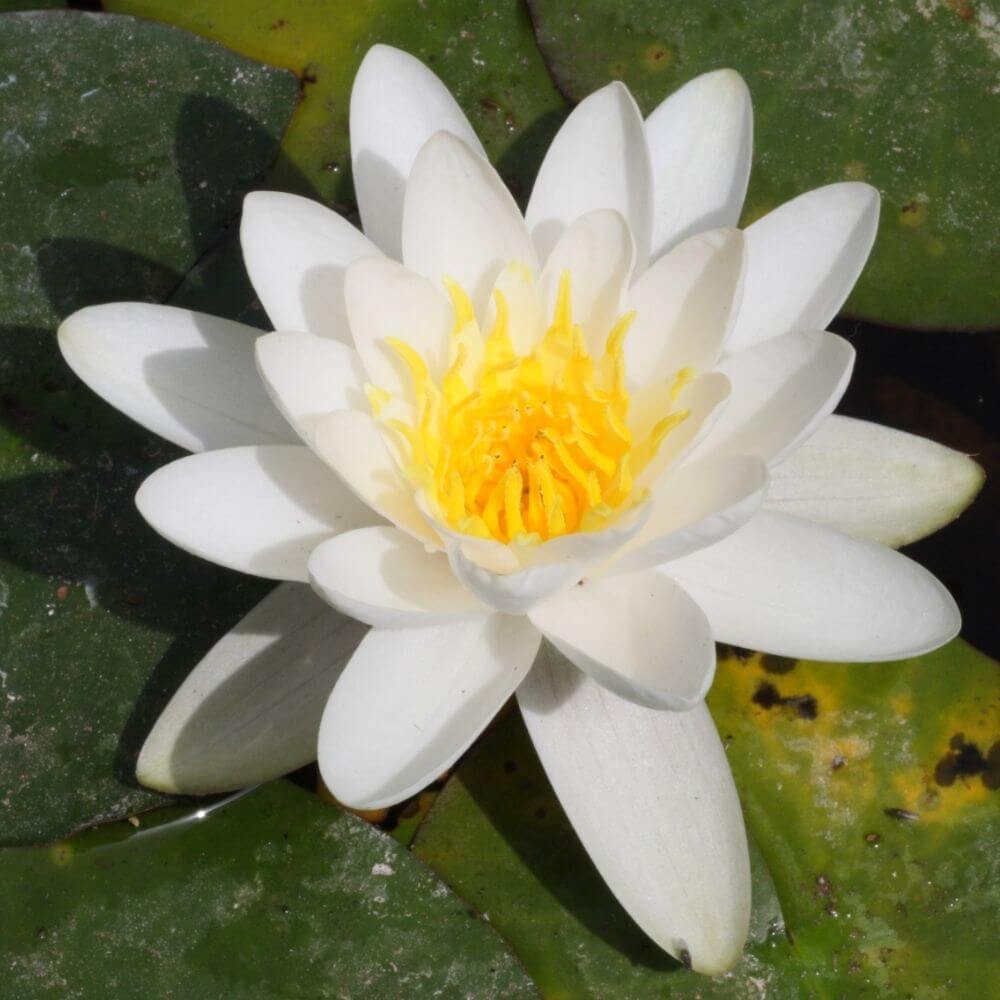
Represents purity and peace, important in various religions.
- USDA Zone: 9–11
- Water Needs: Aquatic
- Soil Type: Muddy bottoms
- Sun Requirements: Full sun
- Bloom Time: Summer
- Flower Color: White
- Height: Stems 3–6 ft (0.9–1.8 m)
What Research Tells Us About Tropical Flowers
Recent studies reveal fascinating details about tropical flowers:
- Orchids can be picky about who pollinates them. Even if lots of insects and birds visit them, sometimes they don’t get pollinated properly. That’s because many tropical orchids need very specific pollinators to make seeds. So, if your orchids aren’t fruiting, it might be worth thinking about attracting the right pollinators to your garden. Learn More on mdpi.com
- Some tropical flowers have a cool trick. Their nectar glows. A 2024 study discovered that some tropical flowers produce nectar that glows under UV light. This glowing nectar helps attract not just daytime pollinators like bees but also nighttime visitors like moths and bats. It shows flowers use signals beyond just color that we can see. Learn More on nature.com
- Tropical plants can do well even in cities. Studies show that some tropical trees in towns and cities start flowering earlier than their wild cousins. Pollinators still visit urban gardens, so these plants can survive and bloom even when nature around them changes. Learn More on mdpi.com
These insights prove that tropical flowers are not just beautiful but highly adapted and dynamic members of ecosystems.
Why Non-Tropical Regions Are the Future of Tropical Gardening
While tropical flowers are native to warm, humid zones, shifting climates and innovative gardeners have opened new frontiers. Urban heat islands, greenhouses, and microclimate creation allow tropical blooms to thrive far beyond traditional limits. This shift means tropical gardening is no longer confined by geography but defined by creativity and adaptability. As temperatures rise globally, more temperate zones may become new tropical frontiers, giving gardeners exciting opportunities to experiment with bold, tropical aesthetics.
How to Choose the Right Tropical Flower for Your Space
Consider your space’s light availability. Many tropicals need bright indirect light, but some tolerate shade. Assess humidity and temperature. Indoor growers may need misting or humidifiers. Match your expertise: beginners should start with hardy, forgiving species like Hibiscus or Peace Lily. Space is key. Vines like Mandevilla suit balconies, while large plants like Elephant Ear need room. Choosing right means enjoying blooms with less stress.
Summary & Final Thoughts
Tropical flowers brighten gardens and homes with their bold colors, unique shapes, and rich stories. From beginner-friendly Hibiscus to rare Bat Flowers, the variety offers something for every gardener. These blooms connect us with nature’s diversity and cultural heritage alike. I encourage you to pick a favorite from the beginner group or explore symbolic flowers to enrich your gardening journey. With a little care, tropical flowers will thrive anywhere you plant them. Explore more of my flowers related guides below: