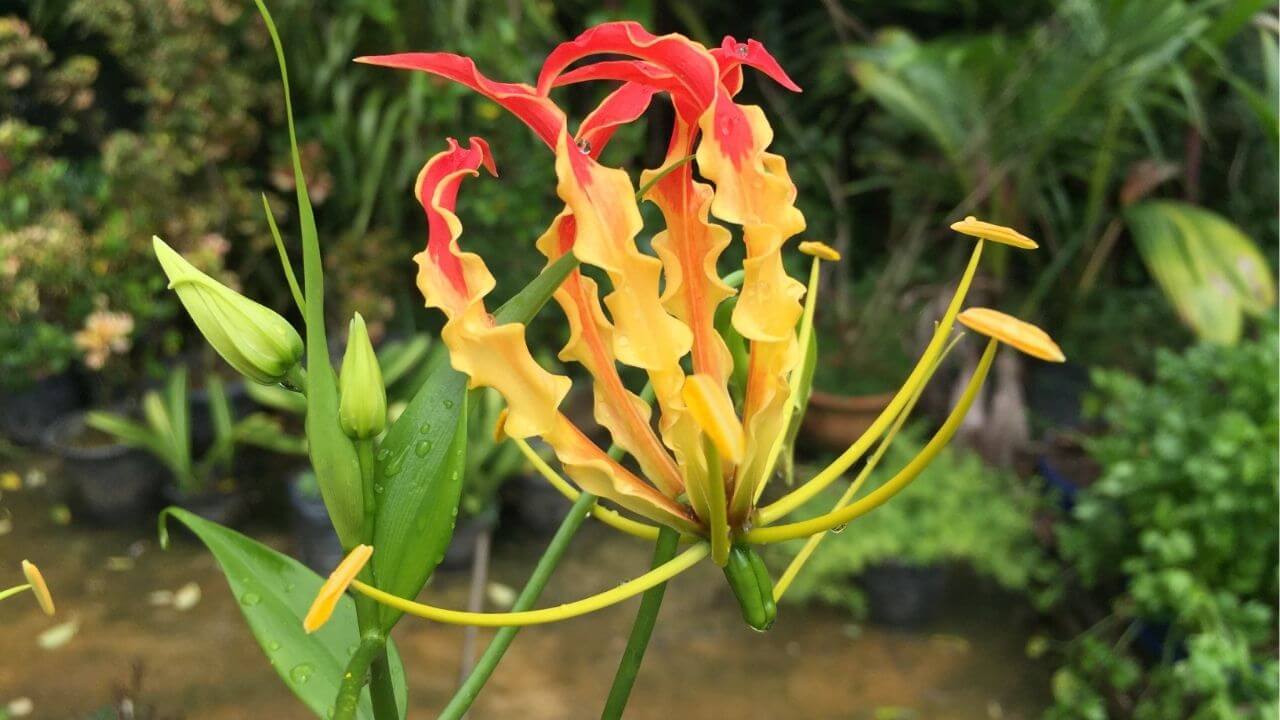

The National Flower of Zimbabwe, the Flame Lily (Gloriosa superba), is one of the world’s most striking and meaningful flowers. With its bright red and yellow petals that resemble dancing flames, it represents beauty, resilience, and national pride. Learning about this remarkable flower helps you understand Zimbabwe’s rich natural heritage, cultural identity, and unique biodiversity. In this article, you’ll learn why the National Flower of Zimbabwe was chosen, its symbolism, fascinating facts, natural habitat, and the important role it plays in the country’s history and traditions.
What Is the National Flower of Zimbabwe?
The national flower of Zimbabwe is the Flame Lily, scientifically known as Gloriosa superba. Recognizable by its fiery red and yellow petals that curl gracefully backward, it lives up to its name with an appearance that almost seems to flicker like flames. In English, it’s simply called the Flame Lily, but locals often refer to it by various indigenous names that reflect its beauty and cultural importance.
This flower grows naturally in Zimbabwe’s woodlands and grasslands, thriving in well-drained soil and sunny spots. It’s a climbing plant with striking tendrils, making it both a visual spectacle and a botanical marvel.
The Meaning and Symbolism Behind the Flame Lily
What does the Flame Lily truly symbolize for Zimbabwe? It goes far beyond its stunning looks. The flower embodies renewal and hope. And qualities that resonate deeply in a country that has faced numerous challenges throughout its history. Its ability to bloom vibrantly each season represents resilience, a trait that Zimbabweans value greatly.
Historically, the Flame Lily was officially adopted as the national flower in 1981, shortly after Zimbabwe’s independence. This timing was no coincidence. The flower’s fiery colors symbolize the bright future and rebirth of the nation after a long struggle for freedom. It is a living emblem of strength, renewal, and the enduring spirit of the people.
The Flame Lily in Zimbabwean Culture and Beyond
The Flame Lily holds a special place in Zimbabwean culture. It appears in local artwork, traditional crafts, and celebrations, often used to decorate homes during festivals. The flower is sometimes featured alongside other national symbols like the Zimbabwe Bird and the African elephant, the national animal, reinforcing a shared identity rooted in nature.
Tour guides often point out the Flame Lily on safaris or nature walks, explaining its importance not just botanically but culturally. It’s also woven into stories and poems, reflecting the pride Zimbabweans have in their natural heritage.
Practical Details About the Flame Lily
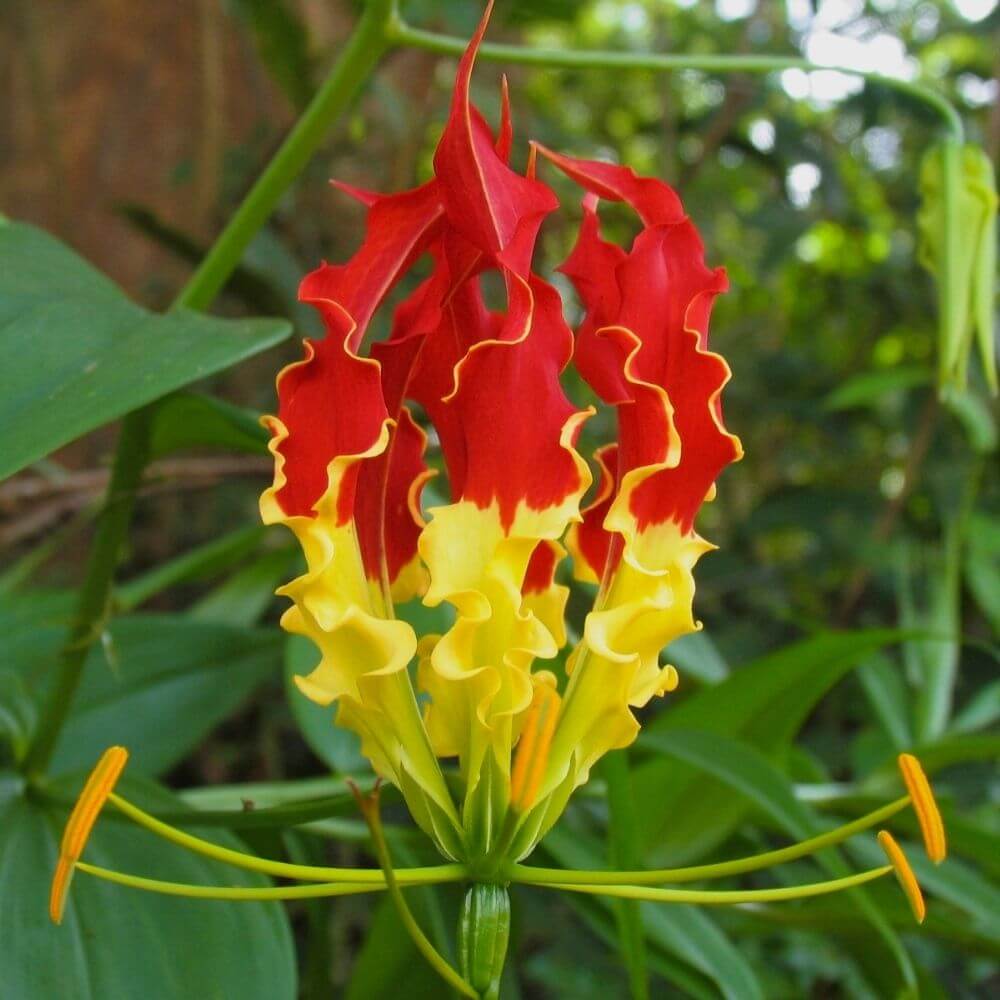
If you’re curious about the Flame Lily’s availability, the flower can sometimes be found in local markets and nurseries across Zimbabwe. Its price varies depending on size and season, but it’s generally affordable for locals and visitors interested in cultivating it at home.
Tourists eager to see the Flame Lily in its natural habitat can visit national parks and botanical gardens, where the flower is carefully preserved. The Zimbabwe Botanical Gardens near Harare are a great place to start.
The Flame Lily and Environmental Conservation
Here’s an angle many articles miss: the Flame Lily is not just a symbol of renewal for people but also a reminder of the environmental challenges Zimbabwe faces. Habitat loss, climate change, and invasive species threaten this iconic flower’s natural environment.
Community groups and environmental organizations have launched conservation projects to protect the Flame Lily and other native plants. For example, the Zimbabwe Parks and Wildlife Management Authority works with local communities to restore natural habitats. In 2021, a scientific study looked at the Flame Lily (Gloriosa superba) and shared interesting facts about this plant. It grows widely across parts of Africa and Asia. The study highlighted how important the Flame Lily is to Zimbabwe. Not only as the national flower but also because it is used in traditional medicine and can be sold to help support local communities. This shows that plants like the Flame Lily have value both in culture and in everyday life for many people. Learn More
Understanding the Flame Lily’s plight encourages us to see it not only as a symbol of beauty but as a call to action for environmental stewardship in Zimbabwe.
Quick Facts About the National Flower of Zimbabwe
What is Zimbabwe's national flower?
Zimbabwe’s national flower is the Flame Lily. It is known for its bright red and yellow petals that look like flickering flames. The flower is a proud symbol of the country’s beauty and spirit. You’ll find it growing naturally in many parts of Zimbabwe.
What does the Flame Lily symbolize?
The Flame Lily stands for renewal and resilience. It represents the strength and hope of Zimbabwe as a nation. People see it as a sign of new beginnings and pride in their heritage. Its fiery colors reflect passion and courage.
Is the fire lily poisonous?
Yes, the Flame Lily, also called the fire lily, is poisonous if ingested. All parts of the plant contain toxins that can be harmful to humans and animals. Because of this, it should be handled carefully and kept away from children and pets.
Can you buy the Flame Lily commercially?
Yes, the Flame Lily is available in nurseries and markets, especially in Zimbabwe. People often buy it for gardens or traditional uses. However, it’s important to source it responsibly to protect wild populations and support sustainable growing practices.
Why is the Flame Lily important?
The Flame Lily is important because it symbolizes Zimbabwe’s identity and history. It also has medicinal uses and supports local economies. Beyond its beauty, it reminds people to stay strong and hopeful through challenges.
Winding-Up
The Flame Lily is more than just Zimbabwe’s national flower. It’s a vivid symbol of renewal that reflects the country’s past, present, and hopeful future. Its fiery petals tell stories of strength and resilience that continue to inspire Zimbabweans everywhere.
If you’re intrigued by Zimbabwe’s natural heritage, consider exploring its parks, supporting conservation efforts, or simply sharing this story to spread awareness. The Flame Lily is a living reminder of nature’s beauty and the power of renewal. Let’s honor it by protecting the environment it calls home. Below you can explore more of my guides related to flowers: